Do Rabbits Eat Insects? The Homesteader’s Straight Talk on Bugs and Bunnies
Published on: December 20, 2025 | Last Updated: December 20, 2025
Written By: Caroline Mae Turner
Howdy y’all. If you’re scrubbing a waterer and see a cricket hop past your rabbit, it’s natural to wonder if you’ve got a tiny hunter on your hands. Rest easy-rabbits are true herbivores, and they do not seek out or require insects like spiders, worms, or bugs in their diet. What looks like interest is usually curiosity or a harmless accident, not a dietary staple.
By the time we’re done here, you’ll have the facts to squash those myths for good and get back to your day.
The Simple Truth: Rabbits Are Strict Herbivores
Let’s settle this pasture rumor once and for all. I’ve kept rabbits for nigh on thirty years, in hutches and in colony setups, and I can tell you plain: a rabbit’s grocery list never includes crawling or flying things by choice. Their design, from teeth to tail, is a masterclass in processing plant matter, and nothing else.
What’s on a Rabbit’s Perfect Plate?
Think of a rabbit’s diet as a layered feast, each part serving a vital purpose. Getting this right keeps their gut moving and their teeth worn down proper.
- Unlimited Grass Hay: This is the cornerstone, making up 80-90% of what they should eat. Timothy, orchard grass, or oat hay provide the long-strand fiber their digestive tract craves. I always tell folks, if you see your rabbit’s hay rack gathering dust, you’ve got a problem brewing.
- Leafy Greens: A good couple of cups of varied greens daily per adult rabbit adds nutrients and moisture. Romaine, kale tops, carrot tops, and herb sprigs like cilantro are barnyard favorites here.
- Measured Pellets: A high-fiber pellet (18% fiber or higher) is a supplement, not the main course. For a standard-sized rabbit, a mere 1/4 to 1/2 cup per day is plenty. Overdoing pellets is a fast track to a pudgy, unhealthy bunny.
- The Occasional Treat: A blueberry or a thin apple slice is a rare delight. Feeding fruit or starchy veggies too often disrupts the delicate bacterial balance in their cecum, leading to serious illness.
How Their Digestion is Built for Greens
This is where the miracle happens. A rabbit is a hindgut fermenter, meaning the real work of breaking down tough cellulose happens *after* the stomach, in a large organ called the cecum. It’s a fermentation vat teaming with specific bacteria that only process plants.
They even have a brilliant recycling system called cecotrophy. Soft, nutrient-rich cecal pellets are produced and then re-ingested straight from the source. It looks odd, but it’s a non-negotiable part of their nutrition. Introducing insect protein or chitin into this finely-tuned plant-based system offers no benefit and can throw the whole operation into chaos. Their sharp front teeth are for slicing vegetation, and their flat molars are for grinding it into a pulp, not for crunching exoskeletons.
Do Rabbits Ever Eat Bugs? When and Why It Happens
Now, I’ve seen a thing or two in the barn that might make you question the “strict” part. Life on the farm isn’t a sterile laboratory, and sometimes nature mixes the feed bucket.
The Accidental Insect: Foraging Realities
Picture a rabbit, blissfully munching on a clover patch or a handful of alfalfa hay you just pulled from the loft. A small aphid, a stray caterpillar, or a grasshopper nymph is right there in the salad. The rabbit isn’t hunting; it’s simply consuming its greens, bug and all. This incidental ingestion is a far cry from seeking out insects as a food source. It’s a passive event, not a dietary choice. I always shake out greens and check hay before feeding to minimize these stowaways, but a few will inevitably get through. Their system can handle this tiny, accidental protein.
Wild vs. Domestic: Does Instinct Change the Menu?
You might reckon a wild cottontail, fighting to survive, would broaden its palate. The evidence says no. Observation and gut content studies consistently show a wild rabbit’s diet is purely botanical: grasses, bark, twigs, forbs, and garden vegetables when they can get ’em. Instinct drives them to calorie-rich plants, not to chasing erratic, low-yield bugs. Insects are not part of their natural diet.
The difference in our domestic rabbits is usually one of desperation or curiosity, not instinct. A rabbit fed a poor, low-fiber diet might start nibbling on strange things in its environment, including dead bugs in its hutch, out of a nutritional deficiency or boredom. If you see your rabbit intentionally mouthing insects, it’s a red flag to audit its primary diet and enrichment, not a revelation about its natural cravings. Understanding rabbit digestive health—how fiber supports gut motility and how eating habits reflect satiety signals—helps explain why a consistent hay routine matters. Recognizing these cues supports gut health and ensures enrichment aligns with genuine hunger rather than boredom. Provide enough hay, space to hop, and wooden toys to chew, and that curious behavior toward bugs will vanish.
Debunking Common Bug and Worm Myths
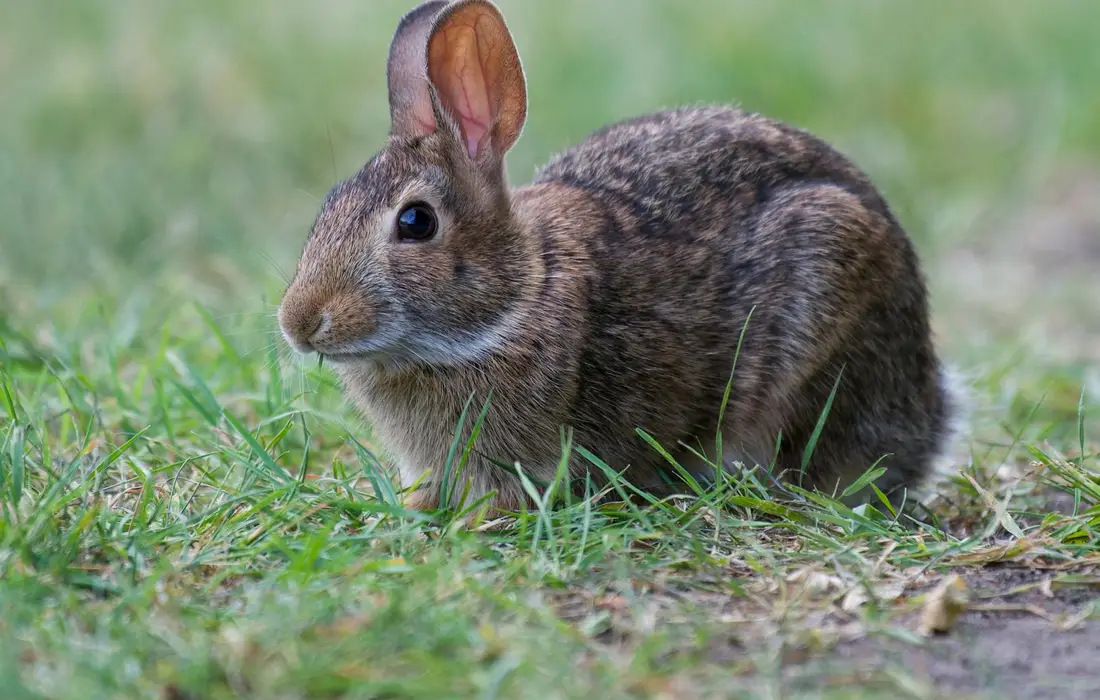
Now, let’s get our boots muddy and tackle some of the tall tales I’ve heard at the feed store. Seeing a rabbit twitch its nose near a crawling critter can sure start the rumor mill. But trusting gossip over good husbandry can lead your bunny down a path to a mighty upset gut, or worse. Their systems are fine-tuned instruments for forage, not for the fare of the poultry run.
Myth: Rabbits Eat Spiders for Protein
I’ve heard this one whispered, usually followed by, “Well, cats eat mice, so why wouldn’t a rabbit snag a spider?” Here’s the plain truth: rabbits are not hunters. They are prey animals, hardwired for flight, not fight. That intricate digestive tract of theirs has zero capacity to process chitin-that’s the tough stuff a spider’s exoskeleton is made of. Ingesting a spider is far more likely to cause an obstruction or irritation than provide any discernible nutrition. If your doe needs more protein, perhaps for nursing kits, that’s a job for quality alfalfa hay or a slight adjustment to her pellet ration, not eight-legged freelancers.
Myth: Mealworms Are a Healthy Treat
This myth likely crosses over from our backyard chicken friends, who go wild for these wrigglers. For a chick, a mealworm is a protein-packed prize. For a rabbit, it’s a greasy, dense lump of trouble. Their diets require high fiber, moderate protein, and low fat. Mealworms are the polar opposite: high in fat and protein, with no fiber to speak of. Offering a mealworm is asking their cecal microbes, which are specialized for breaking down cellulose, to suddenly process animal fat-a surefire way to throw their whole digestive harmony into disarray. Stick with a sprig of mint or a blueberry for a safe, tail-wiggling treat.
Myth: Worms in Soil Provide Minerals
I reckon this one comes from seeing rabbits nibble on roots in freshly turned earth. The rabbit is after the tender plant bits, not the worm. While an earthworm itself isn’t toxic, it’s a potential carrier for harmful parasites like Passalurus ambiguus, the rabbit pinworm. The best and safest mineral source for your herd is always a balanced diet of diverse hays, a quality mineral wheel specific to lagomorphs, and rich, well-maintained pasture. Let the worms do their job aerating the soil for your grasses and forbs; that’s where they truly benefit your rabbit’s health, indirectly.
Insects Around the Homestead: From Coop to Garden
Life on a farm means sharing space with all manner of crawlers and fliers. Seeing a bug near your rabbits doesn’t mean it’s on the menu; it usually means it’s just passing through or found something more interesting than rabbit fur to nibble on. Let’s walk through the common scenes together.
When Bugs are in the Hay or Hutch
I’ve opened many a bale to find a community of earwigs or a stray spider calling it home. It happens. Your rabbit might startle, but it won’t consider that bug a snack. Their interest is purely in the tasty hay you’ve just provided.
The real concern isn’t consumption, but infestation. Mites, fleas, and flies are pests that bother your rabbit, not feed them nor are they part of any predatory or dietary concerns.
- In the Hay: A few bugs are normal. Shake out the flake well. If you see an excessive amount, particularly weevils or mites, that bale is better suited for the compost pile than the feeder. Source your hay from a clean, dry supplier.
- In the Bedding: Keep it dry and changed regularly. Ammonia from urine attracts flies, which can lead to maggots and the dangerous condition flystrike. Dry, clean bedding is your first and most powerful defense against insect-related health problems.
- On the Rabbit: If your rabbit is scratching incessantly, part the fur and look for moving specks. Rabbit-safe treatments are a must-never use dog or cat flea products. A call to your vet sets you on the right path.
My old buck, Gus, once had a bout with fur mites. We treated him with ivermectin per our vet’s direction, scrubbed his cage with vinegar, and all was well. The bugs were after him, not the other way around.
Rabbits in the Garden: Pest or Partner?
This is where I see the most confusion. You’ll watch a rabbit sit in your vegetable patch and assume it’s munching on aphids along with your broccoli leaves. I reckon we need to set the record straight.
Rabbits are not your garden’s pest patrol. They are strict vegetarians. While they will happily devour your young bean sprouts, they will entirely ignore the beetle chewing on the leaf right next to them. They also nibble on beans, green beans, bean plants, and sprouts. Knowing this helps gardeners plan what to plant and how to protect it. Their role is different.
- The “Pest” Part: Their appetite is for your plants. Fencing is the only surefire solution. A simple two-foot tall chicken wire fence, buried a few inches, usually does the trick for raised beds.
- The “Partner” Part: This is where they shine. Their manure is gold. Unlike chicken poop, rabbit droppings are “cold” manure and can be added directly to the garden without burning plants. This fantastic fertilizer builds your soil, which grows stronger plants that are naturally more resistant to pest insects.
- The Bug Attraction: Here’s a twist-their manure piles *will* attract insects like dung beetles and decomposers. This is a good thing! It’s a sign of a healthy soil food web working to break down that fertilizer. It’s a process, not a problem.
So, let your chickens be the bug patrol. Let your rabbits be the soil builders. A rabbit’s job in the garden happens below the surface, not by hunting pests on the leaves. It’s a slower, quieter partnership, but one that yields results for seasons to come.
The Risks: Why Bugs Are Bad for Bunny Bellies
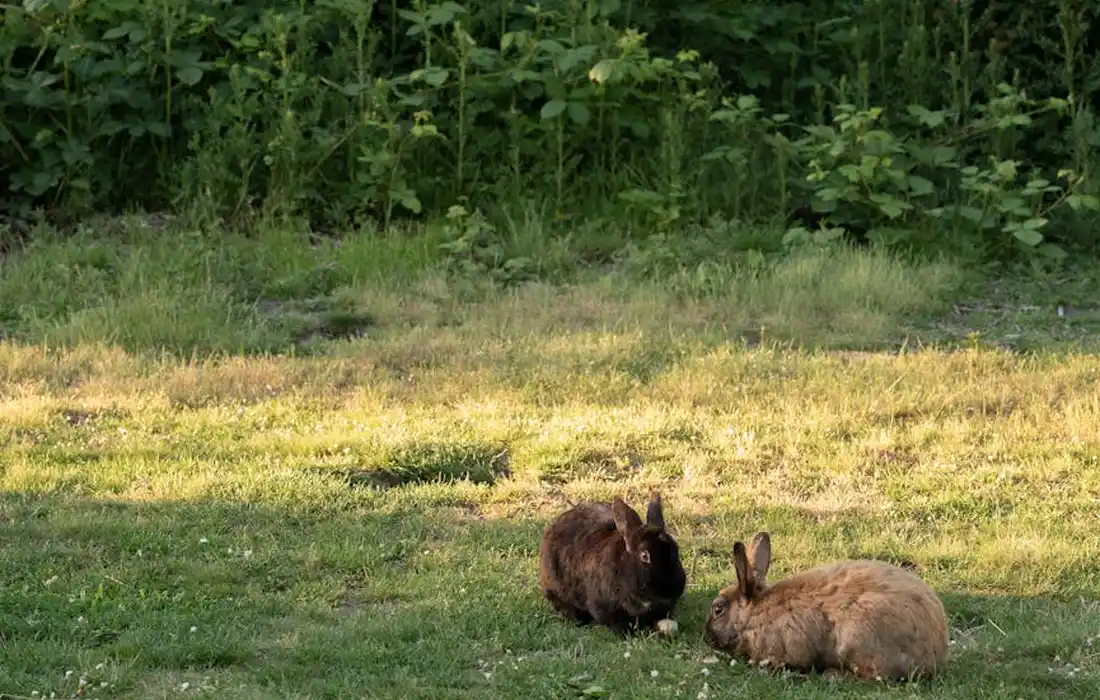
Now, I know some folks might reckon a little extra protein never hurt anybody. But with rabbits, we’re dealing with a digestive system finer than my grandma’s good china. It’s built for one purpose: breaking down fibrous plants. Introducing animal protein, like from a bug, is a shock to their entire gastrointestinal tract, and the consequences can be swift and severe.
Digestive Upset and Blockages
Picture a rabbit’s gut like a perfectly balanced, constantly moving conveyor belt. That belt is powered by specific bacteria that only break down cellulose from hay and greens. When a beetle or worm comes down the line, those bacteria don’t recognize it. Everything grinds to a halt.
I’ve seen a doe get into some grubs and spend the next 36 hours in obvious discomfort, her gut sounds silent as a church mouse. We had to act fast. The wrong meal can lead to gastrointestinal stasis, a deadly condition where the digestive system stops moving entirely. Beyond stasis, hard insect shells or tough exoskeletons can cause physical blockages that no amount of papaya enzyme will fix, leading to a dire surgical situation.
Here’s what happens inside:
- The delicate balance of cecal bacteria is disrupted.
- Fermentation slows or stops, causing gas and painful bloating.
- The rabbit stops eating and drinking, making the situation worse.
- Dehydration sets in, hardening any contents in the gut.
Toxins and Parasites: Hidden Dangers
Even if a bug seems to pass through, what it carries on or in it is the real threat. We must think like stewards, preventing harm before it happens. Many common yard insects have evolved defenses that are outright toxic, and your rabbit has no natural instinct to avoid them.
I keep a clean barn, but bugs wander. A spider crawling through hay, a beetle on a leaf-these can be vectors for trouble. Fireflies, for instance, contain lucibufagins, compounds that are highly toxic to a rabbit’s kidneys. Just one or two could be fatal.
Let’s talk parasites. Many worms and insects are intermediate hosts for internal parasites like tapeworms or roundworms. A rabbit accidentally ingests an infected insect, and suddenly you’re dealing with an internal infestation that saps its health, causes weight loss, and contaminates your rabbit’s living space.
Consider this list of common risks:
| Bug Type | Primary Danger | Practical Prevention Tip |
|---|---|---|
| Fireflies (Lightning Bugs) | Cardiac & kidney toxins | Keep rabbits indoors at dusk when fireflies are active. |
| Certain Caterpillars (e.g., Woolly Bear) | Irritating hairs can cause mouth sores & gut irritation | Inspect forage from weedy areas before feeding. |
| Beetles & Grubs | Hard chitin shells, potential parasites, soil pesticides | Use raised feeders; don’t feed greens directly from the ground. |
| Spiders | Venom (though rarely fatal, can cause local reaction) | Regularly clean dark corners of hutches and hay storage. |
The biggest hidden danger? Pesticides. An insect that has been sprayed is a poisoned package, and the dose that kills a bug can seriously sicken a small rabbit. This is why I’m a firm believer in growing your own rabbit greens or sourcing them from trusted, spray-free areas. It’s not just about the plant; it’s about every little hitchhiker on its leaves.
Feeding Your Flock Right: Rabbit Nutrition Basics
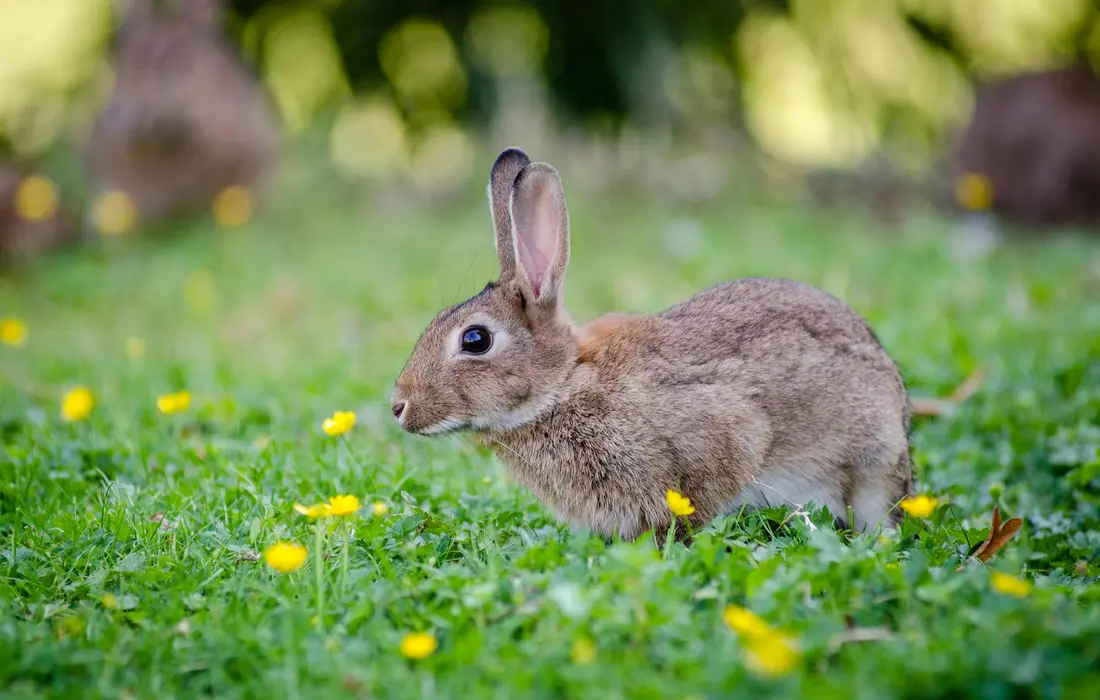
Now, let’s get down to brass tacks about what keeps a rabbit’s engine running smooth. I reckon their diet is one of the most misunderstood in the barnyard. Unlike our chickens who’ll scratch for grubs or a pig that’ll root up anything, a rabbit’s digestive system is a finely-tuned fermenter designed for plant fibers. It’s a hindgut fermentation marvel, much like a horse’s, and it requires a steady, consistent flow of the right stuff to function properly and keep those delicate gut bacteria happy.
A Day’s Feed for a Healthy Rabbit
Think of a rabbit’s daily plate like a layered cake, with the biggest layer being the one they need the most of. Here’s how I’ve fed my herd for decades, and it’s never steered me wrong.
- Unlimited Grass Hay (80-90% of the diet): This is the absolute cornerstone. Timothy, orchard grass, or meadow hay should be available 24/7. It provides the essential roughage that keeps their gut moving and their teeth, which never stop growing, worn down. I keep racks full at all times.
- Fresh Leafy Greens (1-2 cups daily): This is your vitamin and mineral boost. Romaine, carrot tops, kale, cilantro, and dandelion greens from a chemical-free yard are fantastic. Introduce new greens slowly to avoid upset.
- Quality Pellets (A measured amount): Pellets are a supplement, not the main course. For an average 5-6 lb adult rabbit, I give about 1/4 cup daily. Choose a plain, timothy-based pellet with at least 18% fiber and nothing fancy like seeds or colorful bits mixed in. That’s just filler.
- Fresh Water: This seems obvious, but it’s vital. A rabbit with a gut full of hay drinks a lot of water. I use heavy ceramic crocks in winter and auto-waterers in summer, checked twice daily without fail.
Sticking to What Works: Time-Tested Rabbit Rations
Folks are always looking for a clever shortcut or a “superfood” to add, but with rabbits, simplicity is true sophistication. I’ve seen well-meaning homesteaders try to add all sorts of extras, from oatmeal to bread crusts, thinking they’re giving a treat. Most times, it does more harm than good.
The biggest myth we’re busting here is the idea that rabbits need or want animal protein from insects. They don’t. A rabbit’s digestive tract lacks the enzymes and the acidic environment needed to properly break down and derive nutrition from chitin (the hard shell of insects) or animal protein. Offering bugs or worms isn’t just unnecessary; it could disrupt their sensitive gut flora, leading to stasis or other health issues.
Their protein needs are modest and are perfectly met through their hay, greens, and a small portion of pellets. A good timothy hay has about 8-10% protein, and a quality pellet sits around 14-16% for maintenance. That’s plenty. Adding unconventional protein sources is a solution in search of a problem that simply doesn’t exist in a well-managed rabbitry. The tried-and-true ration of hay, greens, water, and a pinch of pellets has supported healthy herds for generations because it respects the biology of the animal. My advice is to spend your energy sourcing the freshest hay you can find rather than pondering over the insect menu.
Closing Barnyard Tips
Do rabbits eat insects as part of a farm diet?
No, rabbits are strict herbivores and should never be fed insects intentionally. Their digestive system is designed solely for processing plant fibers, and animal protein from bugs can cause serious gastrointestinal illness. Their chewing and digestive behavior is tailored specifically for plant matter.
Do rabbits eat insects in the house?
Rabbits do not hunt or eat insects in the house. Any interest shown is usually curiosity or an accidental encounter. If a rabbit is seen mouthing insects indoors, it’s a sign to check their primary diet and enrichment for deficiencies.
Do rabbits eat insects in the garden?
Rabbits in the garden are there to eat your plants, not your pests. They will completely ignore aphids, beetles, or caterpillars on the leaves they are consuming. Their role is as a soil builder through their manure, not as pest control. This ties into garden foraging safety. Do rabbits eat the plants you forage, and how can you keep your harvest safe?
Do rabbits eat insects in the wild?
No, wild rabbits like cottontails maintain a purely herbivorous diet of grasses, bark, and forbs. Scientific observation and gut studies confirm they do not hunt or seek out insects for food; survival instinct drives them to calorie-rich plants, unlike some animals that may supplement their diet with insects or grasshoppers. Understanding herbivore diets helps clarify this distinction.
Do rabbits eat insects every day?
Insects are not and should not be a part of a rabbit’s daily intake. Any consumption is rare and purely accidental, such as a bug hidden in a mouthful of hay or greens. Their daily nutritional needs are 100% met by hay, greens, water, and a small amount of pellets. It’s essential to ensure they are getting the right nutrients from their diet, as detailed in our rabbit daily diet essentials guide.
Should I be worried about bugs near my rabbit’s coop or hutch?
Your concern should be about pests bothering your rabbit, not being eaten by it. Focus on preventing infestations of mites, fleas, or flies through clean, dry bedding and proper hutch maintenance. The bugs themselves pose a risk of parasites or toxins, not a food source.
Shutting the Gate
The simplest truth is often the best one. Your rabbit’s health hinges on honoring what they’re built for: a steady diet of high-quality hay, fresh greens, and clean water. Providing an endless supply of timothy hay is the single greatest thing you can do for your bunny’s digestion, teeth, and overall contentment. It keeps their complex gut moving right along and leaves no room for risky dietary experiments.
I reckon the best part of this life is watching your animals thrive, knowing you’re giving them what they truly need. Go give your long-eared friends a pat and maybe an extra sprig of cilantro from the garden. We’re all just learning as we go. Y’all take care out there, and may your hutches be peaceful and your pastures green.
Further Reading & Sources
- r/Rabbits on Reddit: My rabbit ate an ant on purpose, is it common for rabbits to eat bugs occasionally?
- Flexi answers – Do rabbits eat grasshoppers? | CK-12 Foundation
- Can a rabbit eat Insects? | Rabbit Hole Hay
Caroline Mae Turner is a lifelong farm girl raised on red clay, early mornings, and the sounds of a bustling barnyard. With hands-on experience caring for everything from stubborn goats to gentle dairy cows and mischievous pigs, Caroline shares practical, tried-and-true advice straight from the farm. Her goal is to help folks keep their animals healthy, well-fed, and living their best barnyard life. Whether you're wrangling chickens or bottle-feeding a baby goat, Caroline brings a warm Southern touch and plenty of real-world know-how to every bucket in the barn.
Feeding Habits