Can Geese Eat Duck or Chicken Feed? Your Quick-Start Guide
Published on: January 21, 2026 | Last Updated: January 21, 2026
Written By: Caroline Mae Turner
Howdy, y’all. Welcome back to the barn. You’ve got multiple bowls to fill and a nagging worry about grabbing the wrong bag, but here’s the farmer’s fix right up front: Yes, your geese can physically eat both duck food and chicken feed in a pinch, but making a steady diet of it is a sure path to nutritional trouble for your big birds.
What you’ll need:
- The bag of chicken or duck feed you’re considering.
- A keen eye on the specific birds in your flock.
- A clear understanding of what geese truly thrive on.
Let’s sort out the particulars so you can get this chore crossed off your list and get back to the rest of the homestead.
The Straight Talk on Geese and Duck Food
Now, if you’ve got a mixed flock waddlin’ around the pond, you might reckon duck feed is a fine catch-all. For the most part, you’d be right. In a pinch, your geese can absolutely eat standard duck feed without any dire consequences, and it’s a far sight better than them gobblin’ down layer crumble. Their digestive systems and overall needs are more aligned with ducks than with chickens. But just like you wouldn’t put diesel in a gasoline truck all the time, there are some fine details to consider for their long-term vigor. (Ducks and geese do have their differences after all.)
Breaking Down Duck Feed Types for Geese
Not all duck feeds are created equal, and what’s inside that bag makes all the difference for your goslings’ growth and your honkers’ health. This is especially true when you’re feeding baby ducks that require specialized nutrition for proper development.
- Starter/Grower Feed (20-22% protein): This is the gold standard for goslings up to about 12 weeks old. The high protein supports their incredibly rapid growth. I’ve used it straight from the hatchery for years. The key here is to ensure it’s unmedicated; medicated chick/duck starter can be harmful to goslings.
- Maintenance or Flock Raiser Feed (14-16% protein): This is what I switch my adult, non-laying geese to for the bulk of the year. It’s perfect for maintaining weight and health without the excess protein that can lead to awkward angel wing in fast-growing breeds. It matches their natural, forage-heavy diet.
- Layer Feed (16-18% protein, high calcium): Here’s the rub. Only offer this to your geese if they are actively laying eggs. The extra calcium is vital for eggshells but is unnecessary and potentially hard on the kidneys of geese (especially ganders) the rest of the year. I keep a separate dish of oyster shell for my laying ladies so the boys don’t overindulge.
The beauty of a good maintenance duck feed is that it simplifies life for a mixed duck-and-goose yard, letting everyone eat from the same trough while they’re out grazing on grass and weeds. If you also raise chickens, you can consider duck feed alternatives that work as poultry feeds for a mixed flock. This keeps nutrition simple as you compare options in the next steps.
The Real Scoop on Geese Eating Chicken Feed
Let’s not sugarcoat it: chicken feed is for chickens. While a goose won’t keel over from stealing a beakful now and then, making it their main meal is a recipe for trouble. I’ve seen the results in my own barnyard-geese on a steady diet of chicken feed often end up overweight, with potential leg issues, and their plumage loses that tough, water-resistant quality, especially when you’re not feeding them safely and providing the right nutrition. It’s a slow decline, not a sudden sickness, which makes it easy to miss until you’ve got a problem on your hands.
Key Nutritional Differences: Geese vs. Chickens
Why is chicken feed such a poor fit? It boils down to three big things:
- Protein Levels Are All Wrong: Most layer feed sits around 16-18% protein. For a goose, that’s too high for maintenance and too low for proper gosling growth. That middle-ground excess for an adult goose gets stored as fat, stressing their frame and organs.
- The Niacin Gap: This is the big one, especially for babies. Goslings and ducklings require nearly twice the niacin (Vitamin B3) that chicks need to develop strong legs and joints. Chicken starter is critically deficient for them. Without enough niacin, you’ll see weak, bow-legged goslings that can’t walk properly.
- Unnecessary Additives: Chicken layer feed is packed with calcium for eggshells. A goose not laying eggs has no business consuming that much. It’s an unnecessary burden their body doesn’t need.
If you must use chicken feed temporarily, for goodness’ sake, supplement it heavily with niacin-brewers yeast mixed in at a 2% ratio has saved many a gosling on my farm-and ensure they have acres of fresh grass to dilute that rich mix. But your goal should be to get them on the right ration as soon as you can.
Understanding What Geese Truly Need to Thrive
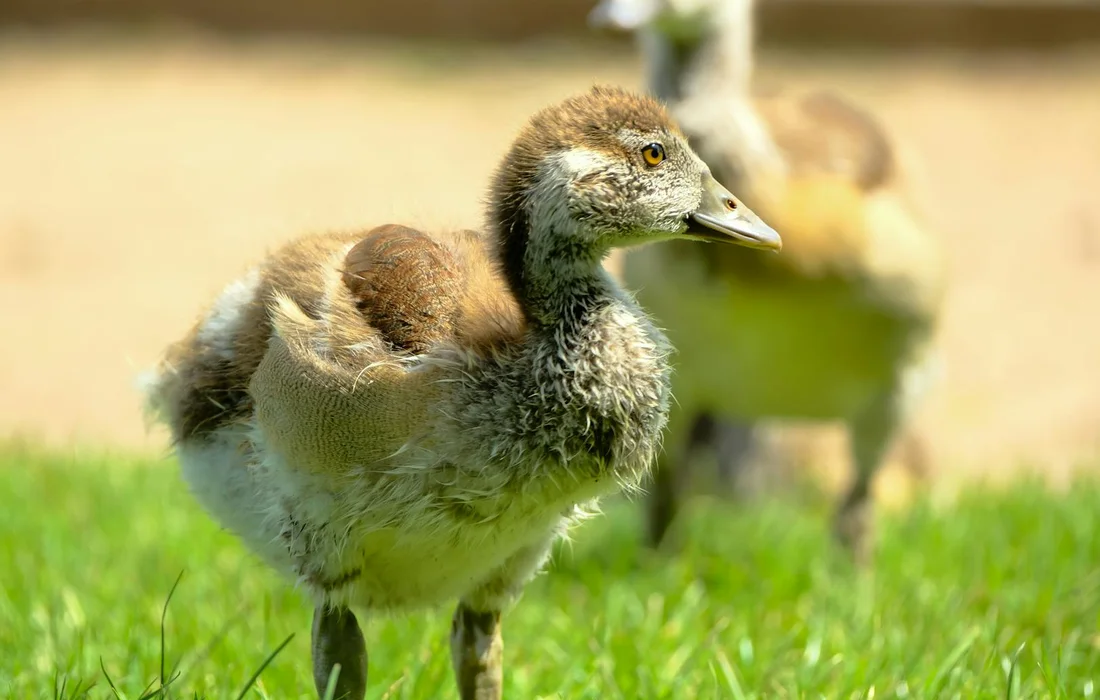
Y’all, geese ain’t just big chickens, and their feed needs to reflect that. Providing the right nutrition at each stage of life is the cornerstone of responsible stewardship, saving you money and ensuring your flock lives a long, productive life. I’ve learned this through trial and error over many seasons on the farm. What geese eat matters for their health and productivity.
Building a Better Goose Feed Routine
Think of this routine as a roadmap, built on watching generations of geese grow from fuzzy babies to dignified old guards. A structured feed plan prevents common issues like angel wing or nutrient deficiencies before they ever start.
-
Goslings (0-8 weeks): Start these fast-growing youngsters on a non-medicated waterfowl starter or duck starter crumble. I never use medicated chick starter for goslings, as some medications can be harmful to waterfowl and thrifty stewardship means preventing problems, not creating them. Aim for a crumble with about 18-20% protein to support rapid growth without straining their systems. I keep feed before them at all times those first few weeks.
-
Growers & Maintained Adults: After 8 weeks, switch to a simpler, more economical diet. I provide a lower-protein grain feed, like a 14-16% flock raiser, and pair it with abundant, clean pasture. A good rule is at least a quarter-acre of grass for every two or three birds. They’ll get most of their nutrients from grazing, and the feed acts as a reliable supplement, especially in winter. This mix keeps them lean and healthy for years.
-
Breeding/Laying Hens: When egg production begins, extra calcium is non-negotiable for strong shells. Always offer crushed oyster shell in a separate, dedicated dish, free-choice, rather than seeking a pre-mixed feed. This allows each hen to consume exactly what she needs. I learned the hard way that mixing it in can lead to some geese, especially non-layers or ganders, getting too much calcium, which can cause kidney issues. A separate bowl keeps everything in balance.
Safe Flock Management with Mixed Feed
Running a mixed flock is a beautiful thing, but it requires a shepherd’s eye and a bit of clever choreography at feeding time. The cornerstone of safe management is remembering that while sharing space is fine, sharing a feed bucket can be a recipe for trouble. I’ve watched a bossy goose hog the chicken feeder all day, only to see my layers’ egg production dip the next week because they weren’t getting their proper ration.
Risks and Signs of Feeding the Wrong Food
Feeding the wrong diet isn’t just a small mistake; it can slowly undermine an animal’s health. You’re not just filling a belly; you’re building bones, feathers, and immune systems. When a goose eats too much high-calcium, high-protein layer feed, you’re asking for organ strain and painful joint issues down the road. It’s like feeding a marathon runner nothing but bodybuilder protein shakes-it throws their whole system out of whack.
Watch your flock closely. Trouble often shows up in the details long before an animal looks truly sick. Here are the warning signs I’ve learned to spot over the years:
- Abnormal Droppings: Geese on rich chicken feed often have loose, greenish, or overly foul-smelling stools. It’s a clear sign their digestive system is protesting.
- Angel Wing in Goslings: This is a heartbreaker. Feeding goslings food too high in protein and calories causes their wing feathers to develop too fast, twisting the wing permanently. Once you’ve seen a young goose with this deformity, you’ll become a fanatic about their starter feed protein levels.
- Weight Gain and Lethargy: A goose getting too many calories from chicken feed will pack on fat. They’ll waddle more, graze less, and lose that bright-eyed, busybody attitude.
- Reduced Foraging: Why work for grass when the chicken feeder is full of tasty, easy crumbs? You’ll see them camped out by the wrong feeder, neglecting their natural grazing behavior.
- Risk of Medication: This is my biggest caution. Never, ever let a goose eat medicated chick starter meant for chickens. The coccidiostat in it can be toxic to waterfowl. I keep a separate, clearly marked bin just for non-medicated waterfowl starter to avoid any tragic mix-ups.
Beyond the feed bucket, keep a sharp eye on their water. Geese need plentiful, clean water to eat properly-they use it to wash down their food. A goose trying to swallow dry chicken pellets without enough water is at real risk of choking, a situation that demands immediate action. Their setup needs to support their natural way of eating, not fight against it.
Closing Tips for Your Flock
Can I let my geese and ducks eat from the same feeder?
Yes, you generally can. A standard maintenance or flock raiser duck feed is a nutritionally compatible choice for both adult ducks and geese. This simplifies feeding for a mixed waterfowl flock, especially when they have ample access to pasture. If your flock also includes chickens, you’ll want to consider duck vs chicken feed compatibility. The next steps compare these options to help you choose the right mix for all species.
Is it ever okay to give my geese chicken feed?
It is not recommended as a primary diet for goslings or adult birds. Chicken feed lacks the correct niacin levels for goslings and has inappropriate protein and calcium levels for adults. Occasional pecking won’t cause harm, but consistent consumption can lead to health issues.
What should I do if my geese keep eating the chickens’ layer feed?
You must physically separate the feeding areas. A goose consuming layer feed long-term risks kidney strain and obesity. Provide your geese with their own appropriate feed in a location the chickens can’t easily access, or use separate feeding times.
What is the main risk of feeding chicken starter to goslings?
The critical risk is a severe niacin deficiency. Chicken starter does not contain the high levels of niacin required for proper bone and joint development in waterfowl, which can lead to debilitating leg deformities in growing goslings.
My geese free-range all day. Do they need any supplemental feed?
Yes, especially outside of peak growing season. While excellent foragers, they benefit from a balanced grain feed to ensure consistent nutrition. Offer a waterfowl maintenance pellet or flock raiser to supplement their grazing, particularly in winter or on poor pasture.
What is the single most important factor in choosing goose feed?
Life stage. Goslings need high-protein, niacin-rich starter. Adults need lower-protein maintenance feed. Laying hens require extra calcium offered separately. Matching the feed to their current physiological needs prevents the majority of common nutritional disorders.
Back to the Pasture
So, can they eat it? In a tight spot, sure. But for the daily chore, your flock will thank you for thinking of their specific needs. Keeping a separate feeder for your geese, filled with a proper waterfowl or all-flock ration, is the single simplest way to prevent a heap of nutritional troubles down the line. It saves money on wasted feed and costly vet visits, and it lets every creature at your place thrive as they should — especially when you feed them the right stuff.
I reckon that’s about the size of it. There’s a deep satisfaction in watching your geese graze on lush grass, knowing you’ve supplemented them right. Thank y’all for spending this time at the fence line with me. Now, go enjoy the honking, the clucking, and the quiet peace that comes with good, simple stewardship. Happy homesteading, friends.
Further Reading & Sources
- Growing Your Flock with Ducks and Geese| Purina Animal Nutrition
- Can ducks, geese, and waterfowl eat your chicken feed? – Scratch & Peck Feeds
- Duck & Goose Feed: Nutrition for Waterfowl | Kalmbach Feeds®
Caroline Mae Turner is a lifelong farm girl raised on red clay, early mornings, and the sounds of a bustling barnyard. With hands-on experience caring for everything from stubborn goats to gentle dairy cows and mischievous pigs, Caroline shares practical, tried-and-true advice straight from the farm. Her goal is to help folks keep their animals healthy, well-fed, and living their best barnyard life. Whether you're wrangling chickens or bottle-feeding a baby goat, Caroline brings a warm Southern touch and plenty of real-world know-how to every bucket in the barn.
Waterfowl Nutrition