
Can Geese Eat Algae, Shrimp, and Meat? Your Homestead Guide to Safe Snacks
Published on: January 22, 2026 | Last Updated: January 22, 2026
Written By: Caroline Mae Turner
Welcome back to the barn. Your geese can absolutely eat algae, shrimp, and meat in moderation, turning pond scum and kitchen scraps into valuable nutrition for your flock. I’ve fed my own birds these unconventional morsels for years, and it cuts down on feed waste while keeping them active and healthy.
What you’ll need:
- A trusted source of fresh algae from an uncontaminated pond or water garden.
- A handful of plain, cooked shrimp with all shells and tails removed.
- Lean, cooked meat scraps like chicken or beef, chopped finer than a mince pie filling.
- A keen eye for observation during the first few feedings to ensure everyone tolerates it well.
Let’s sort this out right quick, so you can get back to the real work waiting for you outside.
The Natural Goose Diet: Setting the Table for Unconventional Foods
If you’ve ever watched a gaggle work a pasture, you know they’re not picky eaters. Their natural menu is a hearty buffet of tender grasses, clover, and whatever grains they can forage. On my place, I’ve seen them clear a quarter-acre of weeds in a week, all while muttering to each other like old men at a barber shop. They’re grazers at heart, but they’ll also snap up insects, snails, and even small aquatic plants from the pond’s edge. This varied diet gives them a protein boost, often hitting 15-20% from bugs alone during spring hatches.
That foraging instinct is your key to understanding unconventional feeds. Since a goose’s gut is built for roughage and a little animal protein, it can handle more than just bagged feed. I reckon if the good Lord put it in their path naturally, it’s worth a closer look for our barnyard stewardship. Think of their wild cousins dining on pond algae or a stray crayfish-it sets the table for considering shrimp, meat, and yes, even algae, in careful moderation.
Algae for Geese: Pond Scum as Potential Feed
Now, pond scum might not look like supper to you, but to a goose, a mat of green algae can be a curious snack. I’ve tossed handfuls from my clean stock tank to the flock on a hot afternoon. Not all algae is created equal, and knowing the difference separates a thrifty supplement from a dangerous mistake. Let’s wade into the details.
Benefits of Algae in a Goose’s Diet
Good algae, like spirulina or clean pond filamentous algae, is a power-packed green. This stuff can be over 50% protein by dry weight, and it’s brimming with vitamins A, C, and E, plus minerals like iron and iodine. I’ve noticed a shine on my geese’s feathers after they’ve had access to it, likely from those omega-3 fatty acids. It’s a sustainable loop, too-clearing a little algae from your pond gives them free nutrition and helps keep the water healthy for everyone.
- High-Quality Protein: Supports molting and egg production better than some standard grains.
- Natural Foraging Enrichment: Pecking at algae mats keeps them busy and content.
- Cost-Effective Supplement: Uses a resource you might already be removing from your water features.
Risks and Safety Concerns with Algae
Here’s where you must pay sharp attention. The big danger is cyanobacteria, often called blue-green algae, which can form toxic blooms in warm, stagnant water. One sip of water from a bloom can kill a goose faster than a fox in the henhouse-I’ve seen it happen on a neighbor’s farm, and it’s a sorrowful lesson. Even non-toxic algae can carry pollutants if your water source runs by roads or fields.
- Toxic Blooms: Look for pea-soup green, blue, or reddish scum that smells foul. Never feed this.
- Digestive Upset: Too much algae too fast can cause loose droppings, as their systems adjust.
- Source Contamination: Algae from urban ponds or runoff areas may contain heavy metals or chemicals.
How to Safely Offer Algae to Your Flock
Safety starts at the water’s edge. I only collect from my own spring-fed pond that’s free of fertilizer runoff. You want algae that’s slimy green or hair-like, not blue or smelling of decay, and always from water you’d let your stock drink from. Offer it as a treat, not a staple-a few handfuls per bird a couple times a week is plenty.
- Harvest Carefully: Use a rake or stick to gather algae from clean, moving water areas. Rinse it with fresh well water if you can.
- Serve Fresh: Lay it out in a shallow pan or directly on clean ground. Don’t let it sit and ferment in the sun.
- Observe Your Flock: Watch for any changes in behavior or droppings. If all’s well, you’ve added a frugal, natural boost to their day.
Remember, algae is a supplement, not a main course. Their diet should still be anchored in good pasture and balanced feed, with algae as the occasional curious side dish. It’s about working with nature, not against it, and keeping those honkers healthy and thrifty.
Shrimp for Geese: Navigating Shellfish as a Treat
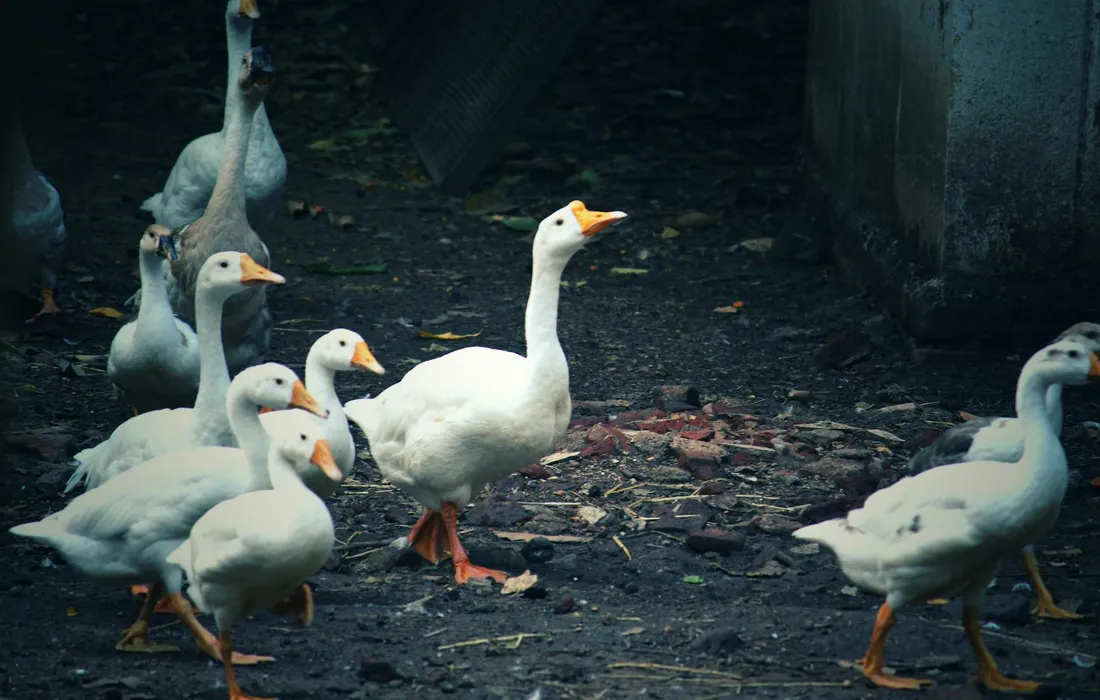
Now, let’s waddle over to the topic of shrimp. You might be lookin’ at those leftover shells from a boil and wonderin’ if your gaggle would appreciate a taste. The short answer is yes, but with more caution than the algae. Think of shrimp as a potent protein supplement, not a feed replacement, and one that requires careful preparation.
Protein Boost or Salt Hazard?
Geese are primarily grazers, but they aren’t strictly vegetarian. In the wild, they’ll opportunistically snatch up small insects, larvae, and yes, the occasional tiny crustacean in wetland edges. A fresh, plain shrimp offers a fantastic hit of high-quality protein and beneficial minerals. This can be a splendid boost for molting geese, breeding pairs, or goslings putting on their adult feathers, when their protein needs spike.
The peril ain’t in the shrimp itself, but in how we humans prepare it. I learned that lesson years ago when my old gander, Governor, got into some seasoned peel-and-eat leftovers. The sodium from commercial seasoning, butter, and sauces can overwhelm a goose’s system, leading to serious dehydration and kidney stress. Salt is the silent hazard in this treat, and it’s a threat we must meticulously eliminate before serving.
Feeding Shrimp Safely: A Step-by-Step Guide
If you want to offer this unconventional snack, a strict protocol keeps your birds safe and healthy. Here’s how I do it on the farm.
- Source Plain Shrimp: You want raw or cooked shrimp with absolutely nothing on it. No salt, no spices, no lemon-pepper, no cocktail sauce. Frozen, raw, shell-on shrimp from the freezer aisle is a perfect and thrifty starting point.
- Prepare Thoroughly: Thaw it completely. If cooked, ensure it’s unseasoned. You must remove the entire shell, legs, and tail. The sharp edges can pose a risk, and the shell is difficult for them to digest. For larger shrimp, I chop the flesh into goose-bite-sized pieces.
- Rinse and Serve: Give the shrimp meat a quick rinse under cool water, just to wash away any residual sodium from processing water. Pat it dry with a towel.
- Limit the Quantity: This is a treat, not a meal. For a standard-sized flock of 4-6 geese, a single large shrimp, chopped up, is plenty. Offer it once a week at most during times of higher protein need. Scatter it in their fresh water tub or on the ground to encourage natural foraging behavior.
- Observe: Always stay nearby the first few times you offer a new food. Watch to ensure no bird is overly aggressive or has trouble eating it.
And what about those shells? I save them, dry them out completely, crush them into a powder with a mortar and pestle, and add a tiny pinch to the flock’s grit station for an extra calcium boost. Waste-not, want-not is a homesteader’s creed, and it applies to shrimp shells just as much as to vegetable peels.
Meat for Geese: Understanding Carnivorous Curiosity
Now, let’s chat about meat. I’ve watched my ganders snap at a buzzing fly or a stray beetle, and it’s natural to ponder if your flock might benefit from a meaty morsel. While geese might show a passing interest, their bodies are wired for a plant-based life, and forcing animal protein into that system is a recipe for hardship. It’s a curious thing, but one best understood with a dose of practical sense.
Wild Instincts vs. Domestic Reality
In the wild, a goose might incidentally swallow a small snail or insect while dabbling for aquatic plants. This isn’t hunting; it’s a side effect of their messy, enthusiastic eating. The domestic goose on your homestead, however, lives a different life, with its diet shaped by generations of selective breeding for managed pasture and grain. I remember my Embden geese once picking at a fallen chick that didn’t make it-a grim sight that spoke more to instinct than nutrition.
Their long digestive tract is a fermentation vat for grasses, not a processor for dense animal tissue. Offering meat to a goose ignores the fundamental design of a creature built to graze, not gorge on flesh. That wild curiosity doesn’t translate to a dietary need in our barnyards, nor should you offer meat to similar waterfowl like ducks.
Why Meat is Generally a Poor Choice for Geese
Let’s get straight to the point. Feeding meat to geese is a practice I firmly advise against, and here’s the why, broken down plain and simple, especially when feeding them duck or chicken feed.
- Digestive System Mismatch: A goose’s gut thrives on fibrous, bulky material. High-fat, high-protein meat can lead to immediate issues like impacted crop or sour crop, and long-term stress on the liver and kidneys. It’s like asking a cow to digest bacon-it just won’t sit right.
- Protein Percentages Are Key: Geese require a diet with about 14-16% protein during growth and lower for maintenance. This is easily achieved with quality pasture and a supplemental grain mix. Meat protein is too concentrated and unbalanced, lacking the right amino acid profile for optimal waterfowl health.
- Disease and Parasite Gateway: Raw meat can introduce salmonella, campylobacter, or avian botulism toxins into your flock. Even cooked meat poses risks from harmful fats, salts, and seasonings. I learned this the hard way years ago when a few table scraps led to a week of nursing ailing birds.
- Disrupts Flock Dynamics: Meat can trigger aggressive, competitive pecking behaviors you don’t want. Geese are social grazers; a peaceful pasture can turn into a battleground over a scrap of flesh, injuring birds and upsetting the whole group’s morale.
- Fails the Stewardship Test: From a thrifty homestead view, meat is an expensive and inefficient feed source. Sustainable stewardship means using resources wisely-growing greens, cultivating duckweed, or raising insects for poultry are better, more respectful uses of your land and labor.
Your best bet is to channel that carnivorous curiosity into providing a varied, plant-rich diet that keeps their digestive systems humming and their instincts satisfied. A lush pasture, some tender kitchen greens, and a handful of cracked corn will do more for your goose than any piece of meat ever could. For safety, avoid bread and other foods that aren’t good for geese.
Practical Guidelines for Feeding Unconventional Foods
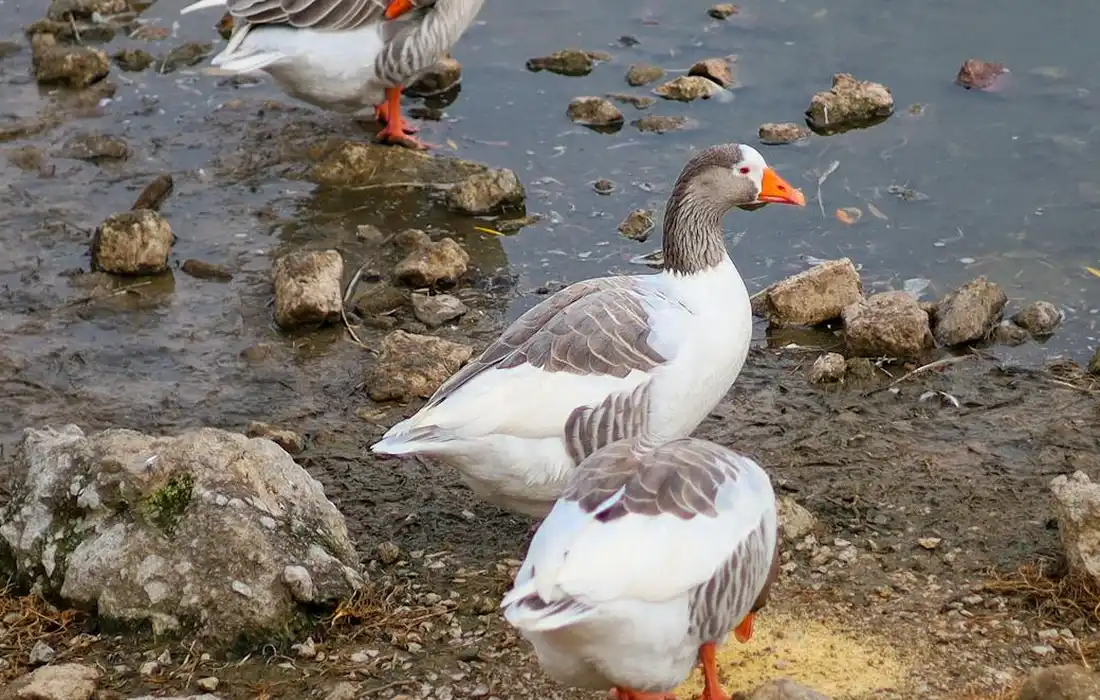
Now, just because a goose can eat something doesn’t mean you should toss it to them by the bucketful. Their mainstay is, and always should be, good grass and appropriate poultry feed. Think of these other items as the occasional slice of pie after a solid supper—it’s a treat, not the main course. In many residential areas, geese frequent lawns, turning your yard into a casual dining spot. Understanding their diet helps you decide what to offer and what to discourage.
Moderation and Observation: The Golden Rules
I learned this rule the hard way with an old gander named Winston. He found a spilled can of sardines and ate his fill before I caught him. The result was a mess I’ll spare you the details of, and a valuable lesson in goose digestion. Their systems are tuned for fibrous greens, so rich or novel foods must be introduced in tiny amounts to see how the flock reacts. Watch their droppings-any drastic change in consistency is your first clue you’ve overdone it.
Always source safely. That algae from a stagnant, scummy pond can harbor dangerous botulism. The shrimp or meat scraps must be plain-never seasoned, salted, or cooked with onions or garlic. Your safest bet is to use these foods as a scattered supplement, encouraging natural foraging behavior rather than dumping a pile in their run. This method prevents bullying and overconsumption by the boldest birds.
Fresh, clean water is non-negotiable, especially when offering dry or salty foods like shrimp. They need to wash it all down. Reckon on a good rule of thumb: treats combined shouldn’t make up more than 10% of their total daily intake. The rest should be pasture and balanced feed.
Sample Treat Schedule and Portions
Here’s a practical schedule I’ve used over the years to keep my geese interested and healthy without upsetting their delicate digestive balance, especially when it comes to feeding them the right amount at the right times. This is for a small flock of about five geese.
| Food Type | Frequency | Portion for Flock | Notes & Prep |
|---|---|---|---|
| Freshwater Algae/Duckweed | 2-3 times weekly | 1-2 handfuls | Only from clean, moving water sources. Rinse well. |
| Cooked Shrimp or Fish Scraps | Once a week | 4-5 small shrimp, chopped | Fully cooked, plain. A superb protein boost in molt or breeding season. |
| Lean Meat Scraps or Eggs | Every 10-14 days | A few tablespoon-sized scraps, or 1 scrambled egg | Cooked through. Great for winter calories. Crush the eggshell finely for calcium. |
| Vegetable Peels & Garden Trimmings | Daily (as available) | Scattered across their run | Their foundational treat. Kale, lettuce, cucumber ends are favorites. |
Serve these treats in the morning or early afternoon. Giving them the bulk of the day to digest and then return to grazing ensures their crop empties properly before roosting for the night. I like to toss shrimp into their shallow pond or scatter greens in their yard-it keeps them busy and mimics how they’d find food in the wild.
If you’re ever in doubt, skip it. A goose won’t suffer for missing a quirky treat, but an upset one from a bad dietary choice is a sorry sight. Their health is built on consistency, with just a little variety for spice.
Ethics, Ecology, and Responsible Stewardship
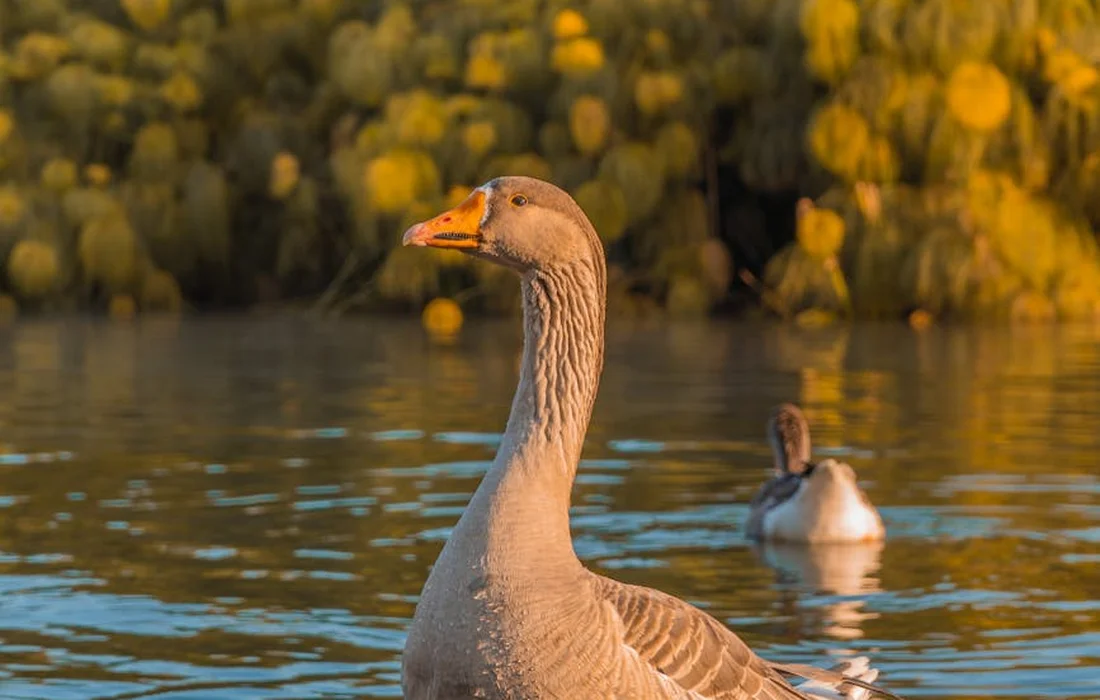
Now, we’ve covered the “can they,” but a good steward always asks the “should they.” Thriftiness is a virtue on the homestead, but it must never come at the cost of our animals’ well-being or the health of our land.
The Moral Question of Meat
Feeding animal protein to a creature like a goose, which isn’t a true predator, gives me pause every single time. I’ve seen a gander snap up a field mouse, but that’s a rare act of opportunity, not a dietary staple. Introducing meat scraps as a regular feed crosses a line for me, from natural opportunism into an unnatural practice that can alter their behavior and digestive health. My rule in the barnyard is simple: I don’t feed livestock meat from other livestock. It muddies the waters of a natural order I’m trying to uphold and risks spreading pathogens I’d rather not invite to the party.
Algae: A Lesson in Balance
A pond choked with thick, green algae is a sign of imbalance-too many nutrients, often from manure runoff. Letting your geese clean that up is a beautiful piece of ecological problem-solving. Using your flock to manage a pond’s algae bloom turns a potential problem into a valuable, free source of nutrition. But you must be the watchful guardian. If that algae starts to smell foul, turn scummy blue-green, or the water looks like pea soup, you call the geese out. What looks like a feast can quickly become a toxin-laden trap. Stewardship means knowing the difference.
Shrimp Shells and the Cycle of Usefulness
Here’s where thrift and ecology shake hands. Those shrimp shells from your supper? They’re a resource. Tossing them in the compost is fine, but offering them cleaned and crushed to the geese completes a tighter loop. This practice embodies a core homestead principle: waste nothing, and let one creature’s leftovers become another’s asset. You’re not buying a bag of calcium supplement; you’re redirecting a would-be scrap. That’s responsible management of your home’s entire economy.
Pasture as the First and Best Solution
Never let the novelty of unconventional feeds distract you from the foundation. A diverse, grassy pasture is the very best thing you can ever offer a goose. If your geese have access to tender grasses, clover, and dandelions, they are already getting the vast majority of what they need to thrive. The algae, the occasional shrimp shell, the bugs they find themselves-these are supplements to an already-solid diet, not replacements for it. Your first ethical duty is to provide them that space to forage. Everything else is just the gravy. For a complete guide to a healthy goose diet, consult our resource on what geese should eat. It complements these foraging basics with an overview of essential foods and feeding cautions.
A Steward’s Checklist for Unconventional Feeds
- Source Knowingly: Never feed anything you cannot identify or whose origin you doubt.
- Clean is Crucial: Rinse away salts, sauces, and preservatives from kitchen scraps. Never feed moldy or spoiled items.
- Observe Relentlessly: After introducing any new food, watch your flock’s behavior and droppings for two days.
- Moderation is the Mantra: These are treats and supplements, making up no more than 10% of their overall intake.
- When in Doubt, Leave it Out: Your caution is the best tool in your kit. A missed snack never hurt a goose; a bad one can.
Closing Questions
Do geese eat algae?
Yes, geese naturally eat algae as part of their diverse foraging diet, often consuming it from clean aquatic sources. It serves as a supplemental treat, but should never replace their primary feed. Other species, like snow geese and Canada geese, also rely on grasses, seeds, and aquatic vegetation in their diets. Egyptian geese, though from a different region, likewise forage on greens and plant matter, illustrating the broader pattern of goose diets.
Do geese eat algae in the winter?
Geese may eat algae in winter if it remains accessible in unfrozen water, though growth is typically limited. They rely more on stored reserves and other available forage during colder months.
Do geese eat algae in water?
Geese commonly eat algae while dabbling in water bodies like ponds or streams. They ingest it incidentally during aquatic grazing, but source cleanliness is critical to avoid toxins. Do geese eat fish? Diet facts can reveal their role and impact on pond ecosystems.
Do geese eat algae during the day?
As diurnal animals, geese primarily forage and eat algae during daylight hours. Their daytime activity aligns with natural feeding patterns in aquatic environments.
Do geese eat algae in Canada?
Yes, geese across Canada will eat algae from freshwater sources where available. This includes provinces like Ontario, but always ensure the algae is safe and non-toxic.
Do geese eat algae in lakes?
Lakes are frequented by geese for algae consumption, especially in shallow areas. Monitor for hazardous blooms and offer it only as a minor part of their diet.
Back to the Pasture
After all this talk of algae, shrimp, and table scraps, the simplest truth is the one I lean on every season. Your geese will tell you what’s working; your job is to watch, listen, and trust the wisdom of their appetites alongside good, basic feed. A flock thriving on a foundation of fresh grass and grain can safely explore nature’s pantry, turning your pond clean and your leftovers useful.
I reckon that’s the real joy of it-seeing these old-fashioned birds fit so perfectly into the rhythm of a thoughtful homestead. I’m grateful y’all stopped by the fence to chat about it. Now go enjoy your gaggle and the good, simple work of caring for them. Happy homesteading, neighbor.
Further Reading & Sources
- What Do Geese Eat? (Full Diet, Feeding, Habits + Behavior) | Birdfact
- Feeding Habits of Geese: What They Eat During Migration – Dive Bomb Industries
- What Do Geese Eat? | Miche Pest Control
Caroline Mae Turner is a lifelong farm girl raised on red clay, early mornings, and the sounds of a bustling barnyard. With hands-on experience caring for everything from stubborn goats to gentle dairy cows and mischievous pigs, Caroline shares practical, tried-and-true advice straight from the farm. Her goal is to help folks keep their animals healthy, well-fed, and living their best barnyard life. Whether you're wrangling chickens or bottle-feeding a baby goat, Caroline brings a warm Southern touch and plenty of real-world know-how to every bucket in the barn.
Diet Requirements