Can Ducks Eat Sunflower Seeds? Your Straightforward Guide to Types, Safety, and Benefits
Published on: January 24, 2026 | Last Updated: January 24, 2026
Written By: Caroline Mae Turner
Howdy y’all, Yes, your ducks can eat sunflower seeds, and they make a splendid, nutritious treat when you follow a few old-fashioned rules. I’ve handed out many a handful from my own harvest, watching the flock hustle over for a tasty bite. The real chore isn’t the feeding-it’s knowing which seeds to pick and how to serve them right.
- Raw, unsalted sunflower seeds (black oil or striped)
- A clean, shallow dish for serving
- Ample fresh water nearby
- A moment to check your flock’s main feed ratio
Stick with me, and we’ll have this treat routine down pat, letting you get back to the real work waiting in the barnyard.
Sunflower Seeds & Ducks: The Straight Talk on Safety
Let’s get right to it, neighbor. I’ve been tossing sunflower seeds to my web-footed crew for nigh on thirty years, and I’ve never had a healthy duck take a tumble from them. They’re a safe, natural feed. The key to safety lies in understanding that a duck’s system is built for this very purpose-processing seeds, grains, and greens they’d forage in the wild. A sunflower seed is just another item on that diverse menu.
What Makes a Sunflower Seed Safe for Waterfowl?
First off, they’re not toxic. That’s the biggest hurdle cleared right there. Unlike some plants where leaves or stems pose a danger, the sunflower seed itself is pure nutrition. A duck’s gizzard-that powerful muscular stomach-is designed to grind hard items. This natural grinding action efficiently breaks down seed shells, releasing the rich kernel inside for digestion. I reckon it’s one of nature’s finest pieces of engineering. Just watch a duck after they’ve been at the seed feeder; they’re content, not distressed. Their bodies know what to do.
Choosing Your Seeds: From Whole to Shelled for Your Flock
Not all sunflower seeds are created equal in the barnyard economy. Your choice depends on your flock’s age, your time, and your purse. Mixing a scoop into their regular layer or flock maintainer ration is my preferred method, ensuring they get a boost without unbalancing their diet.
Whole Black Oil Sunflower Seeds (BOSS)
These are the homesteader’s gold standard, and for good reason. The shells are thinner and the kernels are packed with a higher oil content compared to the striped confectionery type.
- Nutrition: They run about 20% protein and are brimming with healthy fats, perfect for fueling ducks through molt or a cold winter.
- Economics: Buying BOSS in bulk from a feed store is mighty easy on the wallet.
- Practical Tip: Offer them in a separate dish or scattered on the ground to encourage natural foraging behavior. For ducklings or bantams, I’ll sometimes run a cup through an old coffee grinder to crack them up a bit.
Shelled Sunflower Seeds & Kernels
These are the kernels without the hull, often sold as chicken or wild bird feed. They’re a splendid option, though pricier.
- Best For: Smaller flocks, treat training, or older ducks who might struggle with too much fibrous hull.
- No Waste: Ducks gobble every morsel, so there’s no pile of empty hulls to clean up later.
- My Use: I keep a bag of shelled kernels in the feed room for a quick “thank you” treat when I’m collecting eggs or for mixing into a special rainy-day snack mash.
You’re paying for convenience and zero waste, which can be worth every penny on a busy morning.
Seeds to Sidestep in the Feed Bucket
Now, this is where your good judgment comes in. Stewardship means knowing what *not* to offer.
- Salted or Seasoned Seeds: This is the big one. Those salted sunflower seeds meant for human snackin’ are a hard no. A duck’s kidneys can’t handle that much salt. It can lead to serious toxicity.
- Old, Moldy, or Rancid Seeds: If it smells “off” or you see any sign of fuzz, toss it in the compost, not the coop. Mold spells trouble for a duck’s respiratory and digestive systems.
- Exclusive Diet: Never make sunflower seeds the main course. Think of them as the hearty side dish, not the whole supper plate. Too many can lead to nutritional imbalances and weight gain.
The Good Stuff: Nutritional Benefits for Duck Health
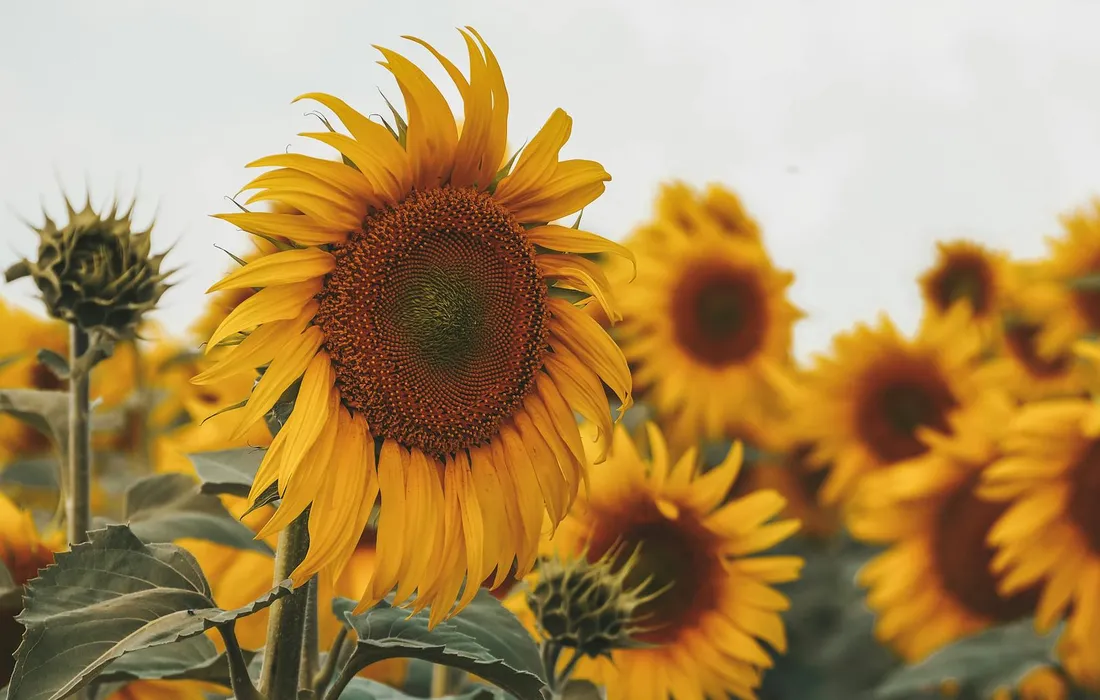
Now, let’s talk about why a handful of these seeds can be a mighty fine addition to your ducks’ diet. I’ve kept ducks for nigh on thirty years, and I’ve seen how a little nutritional boost can turn a dull plumage into a glossy, vibrant one. Sunflower seeds pack a concentrated punch of energy and nutrients that support everything from strong feathers to robust immune systems—much like some of the other seeds ducks can safely enjoy. They’re not a full meal, mind you, but as a supplement or treat, they offer benefits that plain old poultry feed sometimes lacks.
Protein, Healthy Fats, and Vital Nutrients
Think of a sunflower seed as a tiny, oval power station. The black oil variety, which I always recommend over the larger striped ones for ducks, typically runs about 25-30% protein. That’s higher than many commercial layer feeds! This quality protein is the building block for muscle development and for repairing those beautiful, intricate feathers after a molt. I always notice my flock’s feathers come in thicker and shinier when I scatter a few seeds during the autumn shed.
Then you’ve got the fats-the good, unsaturated kind. These seeds are rich in linoleic acid, an omega-6 fatty acid. This does wonders for skin and feather health from the inside out. A duck with good fat intake is better insulated against cold water and harsh weather. Just remember, with great energy comes great responsibility; too many can lead to pudgy poultry, so moderation is your guide.
Beyond the feed bucket, these seeds deliver a suite of vitamins and minerals:
- Vitamin E: A powerful antioxidant that keeps their cells healthy and supports a strong immune response.
- B Vitamins: Aid in metabolism and help convert that seed into usable energy for foraging and egg production.
- Selenium & Magnesium: Trace minerals that play quiet but critical roles in bone formation and enzyme function.
I reckon a good rule of thumb is to keep treats, including sunflower seeds, to less than 10% of their total daily intake. For my standard Pekins, that’s about a small handful per bird, two or three times a week.
Calcium & Phosphorus: A Critical Balance
Here’s where we homesteaders need to put on our nutritionist hats. While sunflower seeds are brilliant for protein and fat, their mineral profile requires a mindful approach. Sunflower seeds contain phosphorus but are notably low in calcium, which sets up a potential imbalance for your laying hens. In the barn, I learned this lesson early when a clutch of eggs had thinner shells than usual after I got generous with the seed treats.
Ducks, especially layers, require a diet where calcium significantly outweighs phosphorus. The ideal ratio to aim for is about 2 parts calcium to 1 part phosphorus. Sunflower seeds flip that script, being higher in phosphorus. Feeding them without a calcium source can lead to the body leaching calcium from bones to make eggshells, weakening your ducks over time. To support shell quality, many keepers supplement calcium, sometimes with crushed eggshells. A practical calcium supplementation guide covers how ducks can safely use eggshells and other calcium sources.
The fix is simple and thrifty. Always provide a separate, free-choice source of calcium:
- Crushed oyster shell is my go-to; it’s cheap and the ducks can take what they need.
- Ground limestone or even dried, crushed eggshells from your kitchen work just fine.
This way, your ducks enjoy the seed’s benefits while their bodies self-regulate that crucial mineral balance. It’s a perfect example of respectful stewardship—giving a treat while ensuring their fundamental health needs are still met first. It’s important to know the safety guidelines for feeding seeds to ducks.
How to Feed Sunflower Seeds to Ducks: A Step-by-Step Plan
Now, don’t go tossin’ a whole bag into the run just yet. The how of it matters just as much as the what. I learned that the hard way years back when I got overzealous with treats and my Pekins got, well, a bit too plump for efficient waddling. Having a mindful plan turns a simple snack into a powerful tool for flock health.
Step 1: Measure for Moderation
Think of sunflower seeds like a rich dessert-delicious and beneficial in small doses, but troublesome as a main course. Their primary feed, a balanced waterfowl or poultry pellet, should always make up the bulk of their diet. My golden rule is to keep all treats, including sunflower seeds, to no more than 10% of their total daily food intake. For a backyard flock, a small handful scattered for a group of five ducks once a day is plenty. I often use an old coffee mug to measure out a consistent amount, preventing my own generous heart from overdoing it.
Step 2: Prepare and Serve
You’ve got options here, and each has its place in your husbandry toolkit. Serving them correctly can prevent waste and ensure every bird gets a fair share.
- Black Oil Sunflower Seeds (BOSS): These are my go-to. I buy them in bulk from the feed store and serve them raw, straight from the bag. Their thin shells are easy for ducks to crack, and the high fat content is perfect for winter energy.
- Striped Sunflower Seeds: These have a tougher hull. For ducks, I recommend cracking them slightly with a rolling pin or feeding them hulled. It’s a bit more work, but it’s a fine option if it’s what you have on hand.
- Hulled & Hearts: This is the premium, no-mess option. With the shell removed, it’s pure, digestible nutrition. This is what I use for ducklings, elderly ducks, or any bird needing easy-to-eat, high-calorie nourishment.
- To Sprout or Not to Sprout: Soaking and sprouting seeds for a few days increases their enzyme activity and can make nutrients even more available. I’ll do this as a special boost during molt or breeding season. Just rinse them twice a day until a little tail appears, then serve.
I never serve salted or seasoned seeds meant for human snacks. Scatter them on the ground to encourage natural foraging behavior, or mix them into a bowl of chopped greens and peas for a nutrient-packed salad.
Step 3: Observe Your Flock
This is the most important step. After you introduce any new feed, watch your birds like a hawk for a day or two. You’re looking for the good and the bad. Healthy signs include vibrant feathers, eager foraging, and firm, well-formed droppings.
Be cautious if you notice loose stools or a sudden drop in their consumption of their main feed-that’s a sign you’re giving too many treats. I once had a curious duckling, Puddles, who would eat anything shiny. Watching him taught me that individual birds have their own quirks and tolerances. If one seems less interested, don’t force it. A well-managed flock thrives on routine and careful observation more than any single superfood.
Understanding the Risks: More Than Just a Treat
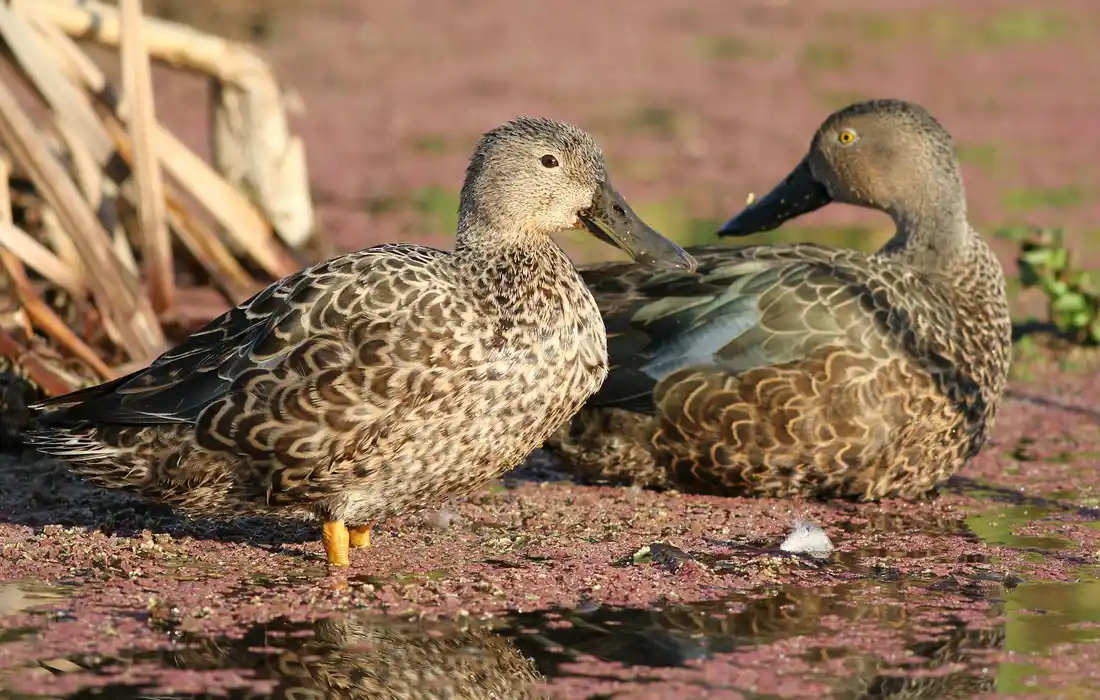
Now, hold on just a minute before you go pourin’ a whole bag of seeds into the duck run. While sunflower seeds are a fine offering, they come with a few caveats that demand our respect. Treating your flock right means knowing the line between a beneficial snack and a potential problem. I learned this the hard way years back with an overeager Rouen drake, and I aim to help y’all avoid the same hiccups.
Choking and Digestive Concerns
Let’s talk about size and shape. A whole, in-shell black oil sunflower seed is a decent mouthful for a duck. I’ve seen a young duckling try to swallow one whole and get into a right panic. Whole seeds, especially with hard shells, can pose a choking hazard or cause an impaction in the crop if gobbled in large quantities. Their digestive systems are designed for scooping, slurping, and grinding softer fare.
Beyond choking, those tough hulls are the main issue. A duck’s gizzard is mighty, but a pile of fibrous shells can be tough to process and offers little nutritional value. Consuming excessive hulls can lead to a slowed digestive tract and, in some cases, cause irritation or blockages. It’s why I always recommend the “crush or soak” rule for whole seeds.
- For Adult Ducks: Cracked or shelled seeds are the safest bet. You can run them through a feed grinder or give ’em a few whacks with a rolling pin in a burlap sack.
- For Ducklings: Hold off entirely until they’re at least 4-5 weeks old and on a solid starter/grower diet. Their tiny systems need precise nutrition.
- Soaking Method: Soaking whole seeds in water overnight softens the hulls tremendously, making them safer and easier to eat. This is my go-to method in the summer.
Obesity and Nutritional Imbalance
Sunflower seeds, particularly the black oil variety, are rich in fat. That’s wonderful for winter energy, but a disaster for a sedentary duck. Overfeeding these high-fat treats is a fast track to an overweight duck, which stresses their legs, heart, and overall health. A pudgy duck is not a healthy duck, no matter how cute it waddles.
More critically, ducks filling up on seeds will neglect their complete commercial feed or formulated ration. This creates a serious nutritional imbalance, as seeds lack the full spectrum of vitamins, minerals, and amino acids (like niacin) that ducks require for proper growth, feathering, and egg production. Think of seeds like candy bars-great for a quick energy boost, but no substitute for a balanced meal.
Follow a simple ratio to keep your flock in top shape. I stick to the 90/10 rule as my gospel.
| Diet Component | Percentage of Daily Intake | Purpose |
|---|---|---|
| Complete Layer/Flock Feed | 90% | Provides essential, balanced nutrition. |
| Treats (Seeds, Veggies, Insects) | 10% | Enrichment, training, extra energy. |
A handful of seeds scattered for foraging is a treat; a bucketful is a mistake that compromises their long-term health. Measure treats by the pinch, not by the pound, and you’ll have vibrant, thriving ducks for seasons to come.
Simple Sunflower Seed Treat Recipes for Ducks
Offering sunflower seeds straight from your palm is a fine treat, but sometimes it’s right nice to get a little creative in the kitchen for your flock. These simple recipes turn a handful of seeds into an engaging, nutritious activity that breaks up the monotony of their day. I’ve found my own ducks take greater delight in a treat they have to work for a little bit.
Flocked Seed Blocks
You can buy seed blocks at the feed store, but making your own saves a pretty penny and lets you control every ingredient. I avoid suet or animal fats for ducks, as it can coat their feathers. Instead, I use unflavored gelatin as a binder.
Here’s my go-to method:
- Combine 1 cup of cold water with 4 packets of unflavored gelatin in a saucepan. Let it bloom for 5 minutes.
- Gently warm the mixture on low heat, stirring until the gelatin is fully dissolved. Do not boil.
- Remove from heat and stir in 3 cups of a seed mix. I use 2 cups of black oil sunflower seeds and 1 cup of rolled oats or cracked corn.
- For extra nutrition, you can mix in a tablespoon of poultry grit or crushed eggshell.
- Press the sticky mixture firmly into a greased muffin tin, pie plate, or mold.
- Refrigerate for several hours until completely set, then pop out and offer to your delighted ducks.
These blocks provide mental stimulation as the ducks peck and work to get the seeds loose, and the gelatin adds a boost of beneficial protein. I set mine in an old pie tin right in their run on a hot afternoon.
Pond Potluck Salad
This isn’t so much a recipe as a method for using what you’ve got. After collecting garden leftovers, I make what we call a Pond Potluck Salad. It’s a fantastic way to hydrate your flock and get nutrients into them, with sunflower seeds as the flavorful topping.
Start with a base of chopped, duck-safe greens and veggies. My standard mix includes:
- Chopped kale or Swiss chard stems and leaves
- Shredded zucchini or chopped cucumber
- Peas or thawed frozen mixed vegetables
- Finely chopped fresh herbs like parsley or mint
Chop everything to a size they can’t choke on-nothing bigger than a pea. Toss it all in a large bowl with just enough water to make it a bit soupy. The key is to sprinkle a generous handful of black oil sunflower seeds over the top just before serving, so they float and catch the light. Ducks are drawn to shimmer and movement, and those floating seeds turn a simple salad into a foraging event.
You can float this salad right in a clean tub of water or serve it in a shallow pan. Always remove any uneaten salad within a few hours to keep pests and spoilage at bay. I reckon my ducks clean this up faster than anything else I offer, seeds and all.
Sunflower Seeds for Other Barnyard Critters: Quick Comparisons
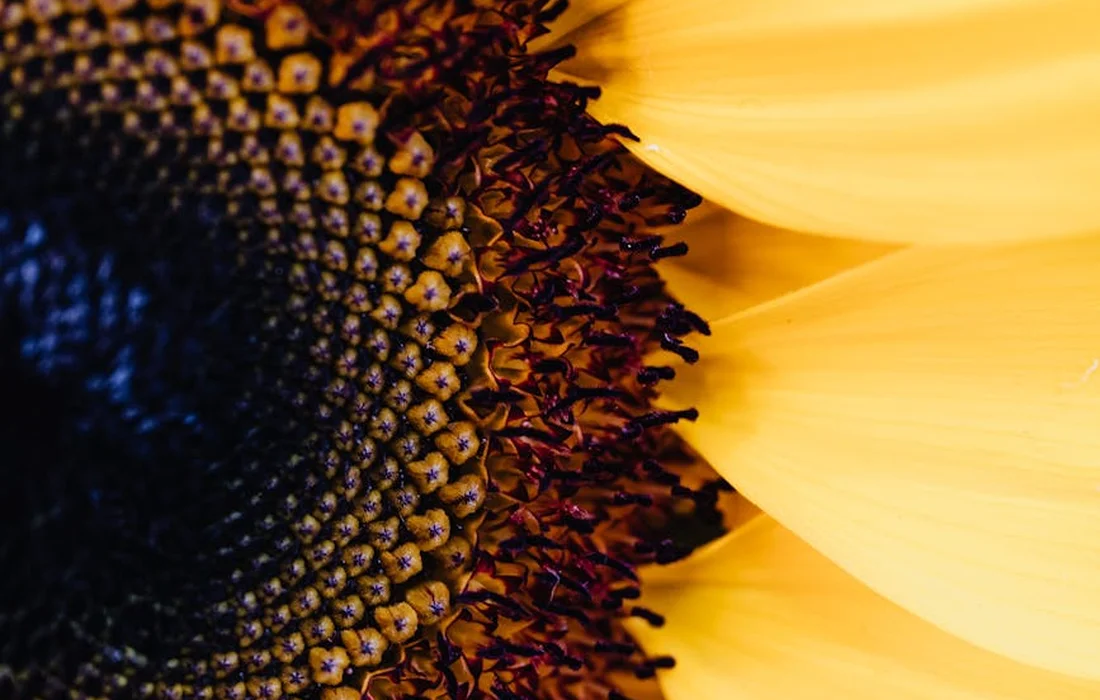
While our web-footed friends do just fine with ’em, it’s worth knowing how the rest of your barnyard family handles sunflower seeds. What’s a treat for one can be a staple for another, and knowing the difference saves feed and keeps every animal in top shape. I’ve fed these seeds to every critter on my place, and here’s the plain truth from the trough—check out how chickens fare with sunflower seeds.
For Chickens
My hens spot a sunflower seed from across the coop and come a-runnin’. Black oil sunflower seeds are a powerhouse snack for chickens, packing about 16% protein and 40% fat to support glossy feathers and strong eggshells. They’re a favorite winter snack for that extra energy.
You’ll want to feed them as a treat, not a main course. I give my flock a scant handful per bird a few times a week, making up no more than 10% of their total diet. The whole, unhulled seeds are perfect. They keep hens busy pecking, which is good for their beaks and spirits.
- Best Type: Black oil sunflower seeds (often called BOSS). They’re smaller, softer, and easier for chickens to crack than the big striped ones.
- How to Feed: Scatter them in the litter for foraging fun or mix a few into their regular scratch.
- Watch For: Too many can lead to fat hens and fewer eggs. Moderation is your friend.
I’ve always kept a coffee can of BOSS by the back door for an evening flock call. Seeing those girls work for their supper is a sure sign of a contented coop.
For Geese
Geese are dignified grazers, living on good grass and greens. Sunflower seeds for geese are a rich condiment, not a meal-think of them as a sprinkle on top of their pasture salad. Geese also nibble on bird seed blends that include sunflower seeds and flax seeds as occasional supplements. Their systems aren’t built for high-fat diets like a chicken’s is.
I offer my small flock a few hulled seeds sparingly, maybe once a week or during the fall molt for a protein boost. A goose can easily pack on extra weight, which leads to leg troubles. For a standard goose, a tablespoon of seeds per bird is a generous weekly limit.
- Always choose hulled seeds to prevent any crop impaction.
- Mix seeds with cracked corn or oats if you’re using them as a training treat.
- Never feed near ponds or waterways; keep treats on dry land to keep things clean.
From my experience, geese appreciate the variety but won’t fuss if you skip it. Their health hinges on acres, not ounces, so focus on that green pasture first.
For Pigs and Cows
For our larger livestock, sunflower seeds are more of a feed ingredient than a hand-fed snack. Both pigs and cows can benefit from the protein and energy, but the economics and preparation matter a great deal. A sheep feeding guide on sunflowers and their seeds can help tailor rations for flocks.
For pigs, sunflower seeds are a decent protein source at about 15-20%. I’ve mixed small amounts of crushed seeds into their swill as a supplement. The high fat content means you must limit it to less than 5% of their total ration to avoid soft pork fat. Always crush or grind them for better digestion.
For cows, especially dairy cows, sunflower meal (what’s left after oil extraction) is a common feed component. It runs about 28% protein. Whole seeds are too costly and small to be practical for most steers or milkers; the meal is blended into their grain mix for balanced nutrition. On a homestead scale, a handful of whole seeds won’t hurt a cow, but it’s not the most efficient use of your feed dollar.
- Pigs: Use crushed seeds as a occasional supplement. Not a staple.
- Cows: Seek out sunflower meal or cake for your feed formulation. Whole seeds are a treat.
- Universal Rule: For any livestock, ensure seeds are free of mold and stored dry. Aflatoxin is no joke in the barn.
I recall a neighbor who fed his old dairy cow sunflower heads from the garden. Watching her slowly work over that flowery disk was a lesson in thrift and patience, using every bit the land provides.
Closing Tips for Your Flock
Can ducklings eat sunflower seeds?
It is best to wait until ducklings are at least 4-5 weeks old before offering any sunflower seeds. When you do start, provide only finely ground kernels or hulled hearts to prevent choking and ensure they can digest them easily.
What is the most cost-effective way to feed sunflower seeds to a large flock?
Purchasing whole black oil sunflower seeds (BOSS) in bulk from a local feed or farm supply store is the most economical choice. Scattering a measured amount directly on the ground encourages natural foraging and minimizes waste from dish feeding.
Are there any uses for the leftover sunflower seed shells?
The empty hulls have little nutritional value and can be tough to digest if consumed in quantity. It’s best to discard them in compost or yard waste to keep your ducks’ feeding area clean and prevent potential crop impaction.
Can I use sunflower seeds to help ducks gain weight before winter?
Yes, the high fat content in black oil sunflower seeds makes them an excellent, calorie-dense supplement for building healthy fat reserves. Introduce them gradually in the fall, alongside their primary feed, to support energy needs during colder months.
Is it safe to add sunflower seeds to homemade fermented feed?
Yes, you can add a small portion of raw, unsalted seeds to your grain mix before fermenting. The fermentation process can help break down the seeds, making the nutrients more bioavailable for your ducks to absorb.
What’s a simple rule for remembering the feeding ratio?
Adhere to the 90/10 rule: 90% of their diet should be a complete, balanced feed, and no more than 10% should come from all treats combined, including sunflower seeds, veggies, and other snacks.
Back to the Pond
So, can your ducks eat sunflower seeds? You bet they can, and with gusto. Just remember that a handful of black oil seeds is a splendid treat, not the main course, and your flock will thrive on that balance. It’s the same as with most good things on the homestead-a little moderation goes a mighty long way toward keeping your critters in fine feather. If you’re planning a feeding plan, a complete guide to duck diets can help you balance treats and staples. It covers what ducks can eat, what to avoid, and how to tailor portions to your flock.
I reckon that’s about all from my corner of the farmyard. I’m right grateful y’all stopped by to share in this bit of husbandry. Now get on out there, enjoy the simple pleasure of watching your ducks dabble, and may your treats always be scattered with a generous hand. Happy quacking!
Further Reading & Sources
- Black Oil Sunflower seeds for ducks? | BackYard Chickens – Learn How to Raise Chickens
- Can you feed duck shelled sunflower seeds? – Quora
- Do you feed black oiled sunflower seeds to your ducks and …
Caroline Mae Turner is a lifelong farm girl raised on red clay, early mornings, and the sounds of a bustling barnyard. With hands-on experience caring for everything from stubborn goats to gentle dairy cows and mischievous pigs, Caroline shares practical, tried-and-true advice straight from the farm. Her goal is to help folks keep their animals healthy, well-fed, and living their best barnyard life. Whether you're wrangling chickens or bottle-feeding a baby goat, Caroline brings a warm Southern touch and plenty of real-world know-how to every bucket in the barn.
Feed Recommendations