Peas for Chickens: The Safe and Simple Guide to Raw and Cooked Feeding
Published on: January 30, 2026 | Last Updated: January 30, 2026
Written By: Caroline Mae Turner
Howdy y’all. Fresh or frozen peas are a fine, protein-packed treat for your flock, whether served raw or cooked, as long as they’re given in moderation alongside their regular feed. I’ve spent many an afternoon shelling peas on the back porch, watching the hens gather, knowing this simple snack is doing them a world of good.
What you’ll need:
- A bag of fresh or plain frozen peas
- A colander and a pot if you choose to cook them
- About five minutes of your time
Stick with me, and we’ll have this treat routine down pat so you can move on to the next task on your list.
Can Chickens Eat Peas? The Simple Truth
Yes, ma’am and sir, chickens can absolutely eat peas, and they’re a fine, healthy choice for your flock. I’ve been tossing peas to my birds for nigh on thirty years, and I’ve never seen aught but good come from it.
You can safely offer most common pea varieties from your garden or store:
- Green garden peas, shelled or not
- Snow peas with their edible pods
- Sugar snap peas for a sweet crunch
- Even dried field peas or black-eyed peas, soaked first to soften
Now, here’s the golden rule. Peas are a treat or a supplement, never a replacement for their balanced, complete feed. Think of them as a wholesome snack, not the main meal.
Why Peas Are a Powerhouse for Your Flock
Key Nutrients in a Handful of Peas
Don’t let their size fool you; peas are nutritional dynamos. A 100-gram serving of fresh or thawed peas packs a precise punch: about 5.5 grams of protein, 5 grams of fiber, and a host of vitamins and minerals.
They’re particularly rich in Vitamin A from beta-carotene, Vitamin C, and folate. Minerals like calcium and phosphorus are present, though in more modest amounts compared to formulated feed.
See how they compare to a standard 16% layer feed:
| Nutrient | Peas (per 100g) | Common Layer Feed (per 100g) |
|---|---|---|
| Protein | 5.5g | 16g |
| Fiber | 5g | 4g |
| Vitamin A | High (from beta-carotene) | Added for vision & immunity |
| Vitamin C | Significant amount | Typically not added |
| Calcium | 0.1g | 3.5g |
| Phosphorus | 0.1g | 0.5g |
How These Nutrients Help Your Chickens Thrive
That plant-based protein is a building block for your birds. It directly fuels feather regeneration during the exhausting molt and supports consistent egg production.
Vitamins A and C act as internal guardians. A steady trickle from treats like peas fortifies their immune system, helping them ward off common ailments.
The fiber content is a boon for digestion. It promotes gut health and ensures they extract every bit of goodness from their feed, which is the heart of thrifty stewardship.
I remember one fall when my barred rocks were looking mighty peaked after molting. I began supplementing with a handful of frozen peas daily, and within weeks, their new plumage was noticeably glossier and their energy for foraging had doubled. It was a simple, cost-effective change that yielded clear results.
Navigating the Pea Patch: Types and Safety

Sorting through what peas you can share is simpler than mendin’ a fence in the rain. Let’s walk through the safe picks and the definite don’ts, so you can feed with confidence.
Safe Pea Varieties for Chicken Consumption
-
Green Peas (English Peas): These are your classic garden pea, and my hens spot me shelling them from a country mile. Fresh peas straight from the pod are a fantastic treat, rich in protein and a joy for chickens to peck at. Frozen peas are a handy standby; I toss them out still frozen on sweltering days for a cool snack. Dried peas and split peas, however, require a bit of prep. Their rock-hard texture is a choking risk, so I always soak them overnight or lightly cook them into a soft mash before serving. Unlike some other vegetables that chickens eat, peas offer a unique taste and texture.
-
Snow Peas and Sugar Snap Peas: These are a homestead favorite because nothin’ goes to waste. The entire flat pod of a snow pea or the plump pod of a sugar snap is perfectly edible and provides good fiber. I’ve noticed younger, more tender pods are devoured whole, while mature, fibrous pods might be left behind unless I give ’em a rough chop with my knife first. It’s similar to when you feed sugar snap peas to rabbits; they prefer the tender pods over the fibrous ones.
-
Field Peas: This category includes thrifty staples like black-eyed peas and butter peas. If you’re using dried field peas, they absolutely must be cooked to neutralize trypsin inhibitors that can block protein absorption. I simmer a big pot of dried field peas with no seasoning, then mix a scoop into their regular feed. Fresh or frozen field peas from the store can be fed raw just like green peas.
What to Avoid: Peas and Plants That Are Off-Limits
-
Mind the name game closely. Ornamental sweet pea plants (Lathyrus odoratus) with their lovely vines and flowers are highly toxic to poultry, but the vegetable “sweet pea” from your grocery aisle is just a type of green pea and is perfectly safe. I keep my decorative flowers fenced well away from where my chickens free-range, unlike other toxic flowers for chickens.
-
Steer clear of canned peas altogether. The excessive sodium used in canning is terrible for a chicken’s delicate systems and can lead to serious health trouble. Fresh, frozen, or home-dried are your best and most wholesome bets.
-
Always inspect your peas, whether from the garden or the store. Mold or spoilage of any kind can introduce dangerous mycotoxins that I’ve seen cause illness in a flock. If you wouldn’t eat it, don’t feed it to your birds.
From Raw to Sprouted: Preparing Peas for Your Hens
The Raw Peas Debate
Now, let’s settle a common barnyard question: should peas be served raw or cooked? In my years of scratching out a living with flocks, I’ve found most fresh or frozen peas pass the beak test just fine raw, as their natural enzymes aid digestion. The hitch comes with older, tougher, or dried peas-their hardened shells and complex sugars can be a chore for a hen’s gizzard to process. Cooking these until tender breaks down the fiber, making those nutrients more available and saving your girls some effort.
-
Digestibility swings on the pea’s form. Tender young peas from the garden are often gobbled raw, while matured drying peas on the vine benefit from a soft boil. I reckon if you’d struggle to chew it yourself, your chickens will appreciate a little culinary help too. Cooking never hurts, and for birds with sensitive digestion or during molting, it’s a kind gesture.
-
Here’s a quick tip from my coop: set out two small bowls-one with raw peas, one with cooked-and watch which empties first. Your flock’s preference is the best guide you’ll ever get, and it turns meal prep into a simple science experiment. I’ve had pens that’d fight over warm mashed peas and others that preferred chasing frozen ones across the dirt.
Step-by-Step Prep Methods for Different Forms
-
Fresh or Frozen Peas: For frozen, just let ’em thaw in a colander or serve them straight from the bag on a hot day. These make a splendid, cool summer treat that helps keep your hens hydrated and entertained. No cooking is needed, which saves you time and fuel. I often scatter a cupful in their run and watch the happy scramble.
-
Dried Peas: These must be soaked overnight and then simmered until they’re soft enough to mash with a fork. Skipping this step risks choking and wastes feed, as the hard peas might pass right through undigested. I soak a big batch on Sunday, cook them up, and keep the rest in the fridge for the week-it’s thrifty and ensures no pea is too tough.
-
Split Peas: These cook faster due to the removed hull. Simmer them into a simple, thick mash or stir a handful into warm water during winter for a hearty, hydrating snack. This warm mash is a blessing on cold mornings, giving the girls a boost of energy without much fuss in the kitchen. I’ve mixed in a sprinkle of oats for a complete comfort meal, much like butter beans and other safe beans for chickens.
-
Sprouted Peas: Soak dried peas for 8-12 hours, rinse, and drain. Then, rinse them twice daily in a jar with a mesh lid until tiny tails appear. Sprouting boosts vitamin content dramatically and provides priceless enrichment, turning feed into a living treat. My hens peck at the sprouts with a fervor you rarely see, and I love knowing they’re getting sunshine in a seed.
How to Feed Peas: Portions, Frequency, and Fun Ideas
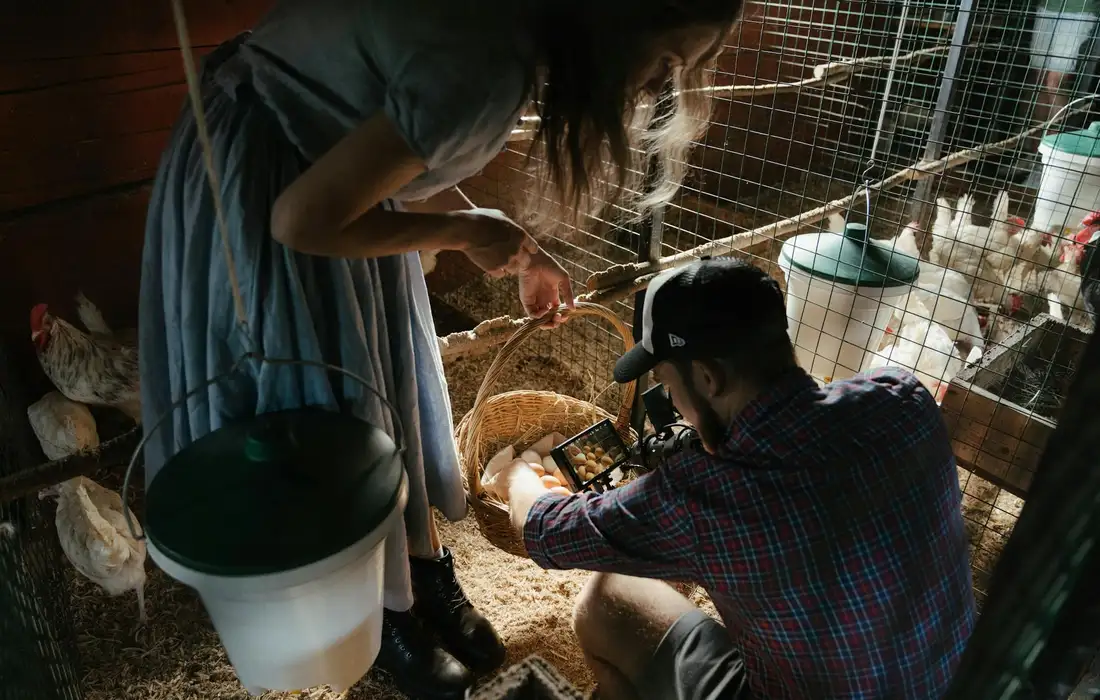
Now, I reckon we all know the look a chicken gives you when you have something tasty. Those beady little eyes lock onto the treat in your hand, and they’ll follow you to the ends of the earth. It’s tempting to shower them with goodies, but good stewardship means knowing when to hold back.
Finding the Right Balance: How Much and How Often
On my place, we live by a simple, non-negotiable rule: treats like peas should never make up more than 10% of your flock’s total daily food intake. That complete layer or grower feed is their carefully balanced dinner, and peas are just the garnish on the side of the plate. It’s a safeguard to ensure they get all their vitamins and minerals without filling up on snack food.
For a practical visual, think of a modest handful of peas (thawed or cooked) for every three or four hens. I’ll offer this little bonus two, maybe three times a week at most. It keeps the treat special and their digestion steady. You’ll know you’ve crossed the line if you see loose droppings in the coop or notice your birds picking at their main feed.
- Provide a clear rule: peas and other treats should not exceed 10% of daily intake. Their primary commercial feed must remain the cornerstone of their diet.
- Offer a visual measure: a small handful for every three to four birds is a perfect serving size. This translates to about a tablespoon per chicken, offered just 2-3 times a week.
- Explain signs of overfeeding: loose, watery droppings are the first clue. A more serious sign is a noticeable drop in their consumption of their nutritionally complete layer or grower ration.
Creative Ways to Serve Pea Treats
Feeding ain’t just about nutrition; it’s about enrichment. Turning snack time into a game keeps your birds’ minds sharp and bodies active, which is a blessing for any flock’s overall wellbeing. Especially when you understand how chickens naturally feed and forage, you can better tailor these activities to their instincts.
- Scatter Feeding: This is my go-to method on a lazy afternoon. Simply toss your portion of thawed peas directly into the run or pasture. It sparks their natural instinct to scratch and forage, turning a simple treat into a satisfying hunt. It also keeps the more dominant hens from hogging the whole bowl.
- Frozen Pea Blocks: When the summer sun is bearing down, there’s nothing better. Mix peas with a bit of water or plain pedialyte in a muffin tin or shallow pan and freeze it solid. These icy blocks are a brilliant way to help your flock cool down while they peck away at a hydrating, healthy snack.
- Pea Mash: Take some cooked, mashed peas and mix them with a sprinkle of rolled oats, a few torn basil or oregano leaves, and a dollop of plain yogurt. The herbs are great for respiratory health, and the yogurt adds a gut-friendly probiotic boost. It’s a hearty, wholesome mash they’ll devour.
- Foraging Toys: Repurpose a hanging treat ball or simply hide a cache of peas under a flake of straw or in a shallow hole. Making your chickens work a little for their food prevents boredom and discourages negative behaviors like feather picking. It’s a simple trick with powerful results.
Peas in the Whole Farm System: Beyond the Chicken Run
When I look out over my land, I see a connected web where one good thing supports another. Peas aren’t just a chicken snack; they’re a versatile resource that can benefit your entire barnyard and the very soil under your feet.
Peas for Other Barnyard Birds and Animals
Your hens will cluck with joy, but they’re happy to share the bounty. I’ve fed peas to every critter on my place, and each one has its own polite way of saying thank you.
- Ducks, geese, and turkeys can also enjoy peas with similar preparation guidelines. My Pekin ducks gobble up thawed peas from a puddle, and turkeys find them just as delightful. Stick to the same rules you use for chickens: offer them cooked, thawed, or crushed to ensure safe, easy digestion for all your feathered friends.
- Pigs and cows can eat pea vines and spent plants as forage, but peas themselves are a minor treat. After my pea harvest, I open the gate and let the pigs till the patch for me. Those leftover vines are a fantastic, free source of roughage and nutrients, turning garden cleanup into a valuable meal for your larger animals.
Growing Your Own Peas for Frugal Flock Feed
Planting a seed you saved to feed an animal you raised-that’s the heart of thrifty stewardship. Peas are a perfect place to start.
- Plant a small pea patch for chicken greens and pods. I put in a couple of rows of sugar snap peas every early spring. They don’t mind a frost and give you a heavy yield. A simple 4×8 foot bed can provide weeks of fresh pods and tender greens, cutting your feed bill and giving your flock a vibrant, homegrown supplement.
- Use pea plants as a cover crop to improve pasture soil for all animals. Once the season is done, I mow the plants down and let them lie as green manure. Peas work magic by pulling nitrogen from the air and fixing it in the soil, naturally fertilizing your pastures for the cows, sheep, or geese that will graze there next season.
My Homestead Notes: Practical Wisdom from the Coop
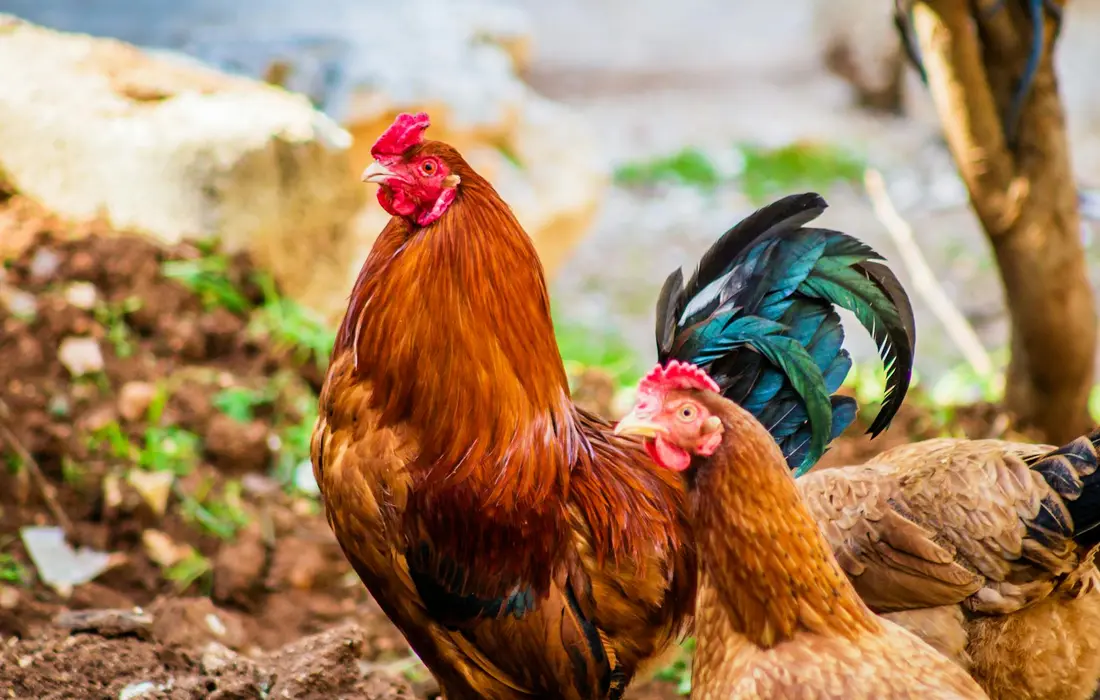
I recall my old speckled hen, Henrietta, who’d come running faster for a handful of frozen peas than for cracked corn. On hot summer afternoons, I’d rattle that bag in the freezer, and she’d be the first at the fence, clucking with a purpose. Those frozen peas were more than a snack; they were a cool, hydrating treat that kept her busy and content during the peak heat. She’d toss them around with her beak before gobbling them up, a simple bit of fun that reminded me that good husbandry often lies in these small moments of care.
Introducing any new feed, peas included, calls for a watchful eye. I never just dump a new offering and walk away. You must watch your flock’s reaction and their droppings for clues about how the food is settling. Start with a small handful for the whole flock and see who dives in and who holds back. Within a day or two, check their manure. It should remain firm and well-formed; any sudden looseness is your sign to pull back and go slower. This observation is your first line of defense in keeping your birds healthy.
Using garden peas or leftover kitchen peas fits right into the homestead rhythm. This practice wraps three core principles of stewardship into one simple act: reducing waste, boosting nutrition, and offering enrichment.
- It turns leftover cooked peas or second-quality garden harvest into valuable calories, cutting down on what heads to the compost.
- It supplements their main feed with extra protein and vitamins, especially welcome for molting hens or growing pullets.
- Scattering peas in their run encourages natural foraging behavior, keeping minds and bodies active which cuts down on boredom and pecking order squabbles.
With all this talk of peas, let me be as clear as a bell on a frosty morning: a balanced, commercial poultry feed must always be the unwavering foundation of your flock’s diet. I formulate my rations carefully for a reason-that bag of feed provides the precise mix of protein, calcium, and vitamins that peas and other treats simply cannot match. Think of peas as the gracious supplement, never the main meal. Your chickens’ consistent health and egg production depend on that foundational feed, day in and day out.
Wrapping Up Your Pea Knowledge
Can I mix peas directly into my chickens’ regular feed?
Yes, you can mix a small amount of prepared peas into their feed as a supplement. This is a great way to add variety and extra nutrients to their daily ration, but remember to keep the total treat portion under 10%.
Do peas offer any specific benefits for molting chickens?
Absolutely. The plant-based protein in peas directly supports the demanding process of growing new feathers during a molt. The vitamins also help boost overall health and energy levels when your birds need it most.
What is a simple, nutritious pea recipe I can make for my flock?
A warm pea mash is both nutritious and hydrating. Simply cook and mash peas, then mix them with a sprinkle of oats and a spoonful of plain yogurt for a probiotic boost your chickens will love.
Are ‘peas for chicken wings’ an actual thing?
No, this is likely a mix-up in terms. “Chicken wings” refer to a cut of meat for human consumption, not a poultry treat. Peas are fed to live chickens as a snack, not used as an ingredient for cooking chicken wings.
What’s the deal with ‘pegs for chicken wire’ and ‘pens for chickens’?
These are common homesteading terms distinct from food. “Pegs” (or stakes) secure chicken wire fencing, while “pens” are enclosed areas where chickens are kept. Neither are related to the legume you feed them.
Can I also feed pears to my chickens?
Yes, pears are a safe and sweet occasional treat for chickens when given in moderation. Always remove the seeds and core, and chop the fruit into manageable pieces to prevent choking. Stone fruits require careful preparation to ensure they’re safe for birds.
Shutting the Gate
At the end of the day, whether you scatter peas from the pod or serve them cooked, remember they’re a supporting actor, not the main event. The most important takeaway is to watch your birds-their energy, their feathers, and their droppings will tell you more about their diet than any feed bag label ever could. Trust those observations over any rigid rule.
I reckon that’s about all from my porch for now. I hope your flock clucks happily over their next peckish treat. There’s a deep, simple joy in watching critters thrive on the good, honest food you provide. Y’all take care out there, and enjoy those birds.
Further Reading & Sources
- Can Chickens Eat Peas? All You Need To Know | BackYard Chickens – Learn How to Raise Chickens
- Organic Peas – Scratch & Peck Feeds
- Can chickens eat snap pea pods?
Caroline Mae Turner is a lifelong farm girl raised on red clay, early mornings, and the sounds of a bustling barnyard. With hands-on experience caring for everything from stubborn goats to gentle dairy cows and mischievous pigs, Caroline shares practical, tried-and-true advice straight from the farm. Her goal is to help folks keep their animals healthy, well-fed, and living their best barnyard life. Whether you're wrangling chickens or bottle-feeding a baby goat, Caroline brings a warm Southern touch and plenty of real-world know-how to every bucket in the barn.
Diet Requirements