Can Chickens Eat Meat? Your Safe Feeding Guide for Raw, Cooked, and Carcass Scraps
Published on: February 2, 2026 | Last Updated: February 2, 2026
Written By: Caroline Mae Turner
Welcome back to the barn. Yes, your chickens can eat meat, but the safe rule is to only offer it cooked, in moderation, and never feed them raw poultry or seasoned scraps. I’ve spent many an afternoon watching hens peck at leftovers, and getting this right saves a heap of worry.
What you’ll need:
- Plain cooked meat scraps (beef, pork, or fish)
- A clean cutting surface and knife
- A sturdy dish for serving
- About five minutes of your time
Let’s get this sorted straight away so you can mosey on back to your other chores.
Understanding a Chicken’s Natural Scavenging Diet
Folks often picture a chicken peacefully pecking at corn, but that’s only half the story. If you’ve spent any time watching a flock on pasture, you’ve seen their other side. I’ve watched my hens turn into feathered velociraptors over a fat grasshopper. Their ancestors, the Red Junglefowl, weren’t seed-only birds. They’re opportunistic omnivores, built to scavenge and hunt across the forest floor.
This instinct is written into their very behavior. They’ll scratch, peck, and investigate anything that moves or smells interesting. A chicken’s natural diet is a diverse buffet of plants, seeds, insects, worms, lizards, and even small rodents or snakes they can overpower. Do chickens eat lizards, snakes, or other reptiles? They often do when a small quarry presents itself. I once had a Barred Rock hen proudly strut past me with half a garter snake dangling from her beak-nature isn’t always pretty, but it’s efficient.
What Their Instincts Tell Them to Seek
That constant scratching and pecking is a search for one crucial thing: protein. While grains give them energy, animal protein provides the building blocks for feathers, eggs, and muscle.
- Insects & Larvae: Beetles, grubs, caterpillars, and earthworms are the primary, perfect protein source they are designed to find.
- Small Vertebrates: Mice, frogs, and small snakes are fair game for a coordinated flock.
- Opportunistic Scraps: In the wild, a leftover carcass from a larger predator would be picked clean by birds. This is the instinct we’re dealing with when we consider feeding them meat.
The Protein Equation in Your Flock
You can see this need in your own coop. Molting hens or young pullets growing new feathers will actively seek more protein-rich treats. A layer feed is typically 16-18% protein, but their instincts often drive them to seek more. Supplementing their diet with responsible animal protein can lead to glossier feathers, stronger eggshells, and more resilient birds, especially during times of stress or growth. When feather condition is poor, troubleshooting nutrition can help identify gaps. Tailored poultry nutritional solutions can then address those gaps and support plumage health. It’s about working with their nature, not against it.
The Raw Truth: The Dangers of Raw Meat & Chicken Carcasses
Now, just because their instincts point them toward meat doesn’t mean every source is safe in a domestic setting. The wild is a risky place, and our barnyards have their own dangers. I learned this lesson early when a well-meaning neighbor tossed some raw kitchen scraps into my run. The risks are real, and they’re mostly invisible until it’s too late.
The single greatest threat with raw meat, especially chicken, is the rapid bacterial growth that occurs before the birds can consume it all. Unlike a wild junglefowl finding a fresh kill, our scraps often sit in warm weather, becoming a petri dish for trouble.
Specific Pathogens to Fear
- Clostridium botulinum (Botulism): This is the big one. The bacteria thrive in decaying, anaerobic conditions-like a piece of raw meat or a dead bird rotting under the coop. It produces a toxin that is almost always fatal to chickens. Symptoms include “limberneck” (paralysis of the neck), progressive paralysis, and death.
- Salmonella & Campylobacter: These bacteria can live on raw meat. While your chickens might handle a small dose, they can become carriers, contaminating eggs and the environment, which then poses a direct risk to you and your family.
- Disease Transmission: Feeding raw chicken carcasses or parts is a potential shortcut for transmitting avian diseases like Marek’s, avian influenza, or other pathogens from one bird source to your flock. It’s a biosecurity breach I never chance.
The Carcass Conundrum: A Strict Rule
Let’s be plain: you should never intentionally feed a raw chicken carcass to your flock. The risk of transmitting disease or botulism is unacceptably high. If you lose a bird to illness or unknown causes, dispose of the carcass securely—by deep burial, incineration, or sealed removal—do not recycle it through the flock. Respectful stewardship sometimes means making the hard call to break the natural cycle for the safety of the whole. Never feed any spoiled or rotten scraps to your chickens.
Raw vs. Cooked: A Quick Safety Comparison
| Factor | Raw Meat | Cooked Meat |
|---|---|---|
| Bacterial Load | High risk of Salmonella, E. coli, Campylobacter | Significantly reduced by heat |
| Botulism Risk | Extreme from decaying leftovers | Very Low (if fresh and consumed quickly) |
| Fat Content | Unchanged, can spoil quickly | Unchanged, but rendered fat is safer |
| Practical Handling | Must be immediate, no leftovers | Can be offered as a prepared treat |
If They Find Something Raw Anyway
Life happens. A mouse dies in a corner, or a wild bird falls in the run. Your flock will likely find it before you do. Here’s what to do:
- Don’t panic. Remove the remainder of the carcass immediately.
- Observe your flock closely for the next 24-48 hours for any signs of lethargy or odd behavior.
- Ensure they have plenty of fresh, clean water to help flush their systems.
- Clean the area where the carcass was found if possible.
Vigilance is your best tool when managing scavengers; you can’t eliminate every risk, but you can manage the aftermath.
The Cooked & Careful Approach: Safe Meat Scraps for Chickens
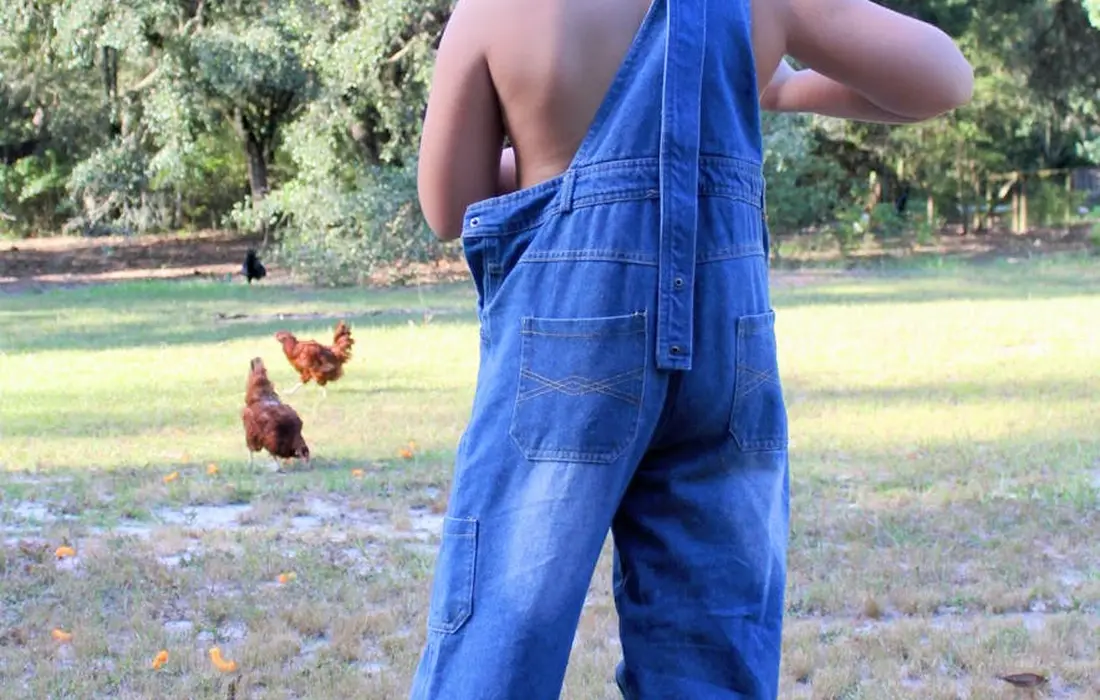
Y’all might be surprised how eager chickens are for a bit of meat, but handing it over straight from the table is a gamble I don’t take. In my barnyard, we treat kitchen scraps like a condiment-used wisely to enhance, not replace, a good laying feed. Offering cooked meat is a thrifty way to recycle nutrients, but it requires a mindful process to avoid hurting your flock. There’s more to it than curiosity—kitchen scraps leftovers require careful handling. A complete safety guide on which scraps are safe and how to feed them can help guide your decisions.
I recall a time when my hens were feathering back after a hard molt. We boiled up some plain beef heart we couldn’t use, chopped it fine, and watched their energy return. That experience cemented my rule: always cook it, and always keep it simple. This careful approach turns potential waste into a safe, protein-rich supplement that supports their natural omnivorous diet.
- Step 1: Cook the meat completely until no pink remains.
- Step 2: Remove all bones, especially brittle cooked poultry bones.
- Step 3: Chop or shred into bite-sized pieces.
- Step 4: Mix sparingly into their regular feed or scatter for foraging.
Step one isn’t just about doneness; it’s about safety. Cooking eliminates pathogens that could wreak havoc in a chicken’s gut. I use a firm rule: if it’s not fit for my plate, it’s not fit for theirs, and I never serve anything seasoned or marinated. Plain, thoroughly cooked meat is the only kind that enters my run, ensuring no hidden dangers lurk in their treat.
Bone removal is a step I never skip. Cooked chicken bones, in particular, become fragile and can splinter into sharp shards. I once had a scare with a curious pullet and a leftover turkey bone, and that lesson stuck with me. Taking time to pick out every last bone fragment is a direct act of stewardship that prevents choking and internal injury.
Chopping the meat serves two purposes: it makes digestion easier and keeps the pecking order peaceful. Tiny, uniform pieces stop my bossy Rhode Island Red from monopolizing the whole pile. Scattering it in their straw encourages them to scratch and work, just like they would for bugs. This foraging scatter method enriches their day and prevents aggressive squabbling over rich foods.
Mixing scraps into their regular ration is my preferred final step. I’ll take a cup of their crumble, add a tablespoon of shredded cooked beef, and toss it well. This dilutes the rich protein and ensures every bird gets a fair share. Integrating treats with their balanced feed is the best way to maintain nutritional harmony in the coop.
Remember, quantity matters more than you think. For a flock of ten, a few ounces of meat per week is plenty. Overdoing it can strain their kidneys and throw their calcium balance off, affecting eggshell quality. Moderation is the cornerstone of using scraps responsibly, keeping your hens robust without unintended consequences.
Beef, Chicken, and Other Carcasses: The Ethics & Logistics of Disposal
Let’s talk about the elephant in the room, or rather, the steer in the pasture. When you lose an animal or process your own meat, you’re left with a significant amount of bone and offal. The question of feeding carcasses to chickens isn’t just about nutrition; it’s about the cycle of life on a working homestead. I’ve stood in my own boots, looking at a goat carcass, weighing the options. Throwing it in a hole felt wasteful. Feeding it to the flock felt right, but it had to be done smartly, especially considering the types and safety of animal fats involved.
Honoring the Animal & Closing the Loop
On our patch of land, we operate on a principle of respectful use. If an animal has lived here, its passing should contribute to the life that remains. Letting chickens clean a carcass turns potential waste into rich eggs and fertile manure. It’s the ultimate form of thrift and ecological stewardship, transforming loss into tangible nourishment for the rest of your farm. This practice honors the animal far more than sending its remains to a landfill.
A Practical Guide to Carcass Feeding
This isn’t a free-for-all. You must manage the process to keep your birds safe and your barnyard sanitary.
Method 1: The Hanging Carcass
This is my preferred method for larger remains like a deer leg or beef ribs. It keeps the mess off the ground and lets the birds work naturally.
- Find a sturdy, shaded limb or a crossbeam in the run.
- Secure the carcass or large section with a strong rope, high enough that dogs can’t reach but low enough for chickens to jump and peck.
- Let the flock have at it. They’ll pick it clean with astonishing efficiency, leaving just bone.
- Once stripped, collect the bones for disposal or crushing for garden calcium.
Method 2: The Controlled Yard Bird
For smaller animals, like a chicken carcass from your kitchen, you can offer it directly in the run.
- Place it in a designated spot, away from their coop and feeder.
- Consider using a treadle feeder to exclude rodents and wild birds.
- Remove any leftover skin or cartilage after 24 hours to prevent spoilage and pests.
Always supervise the first few offerings to ensure no aggressive squabbling breaks out over the rich protein. A bit of pecking order drama is normal, but you don’t want hens getting hurt.
Critical Safety & Health Protocols
Your vigilance is the key to preventing disease. The rules here are non-negotiable.
- Never feed a carcass from an animal that died of unknown causes or disease. You could wipe out your entire flock. This is for healthy animals you’ve processed or losses from clear, non-infectious accidents.
- Remove all cooked bones. As mentioned, they splinter. Raw, beefy bones are generally safe for pecking.
- Feed in a separate area. Don’t contaminate their main scratching ground or nesting boxes.
- Time it right. Offer carcasses in the morning so they have all day to consume the freshest meat. Never leave rotting meat out overnight.
- Clean up thoroughly. Once they’re done, remove any remnants and sprinkle the area with agricultural lime to sanitize the soil.
This system turns a difficult task into a purposeful one, aligning with the natural order your chickens already understand. They are hunters and scavengers at heart. By managing this process, you’re not being cruel; you’re allowing them to engage in instinctual behavior that benefits your whole homestead.
Protein Punch: When & Why Meat Makes Sense in Their Diet
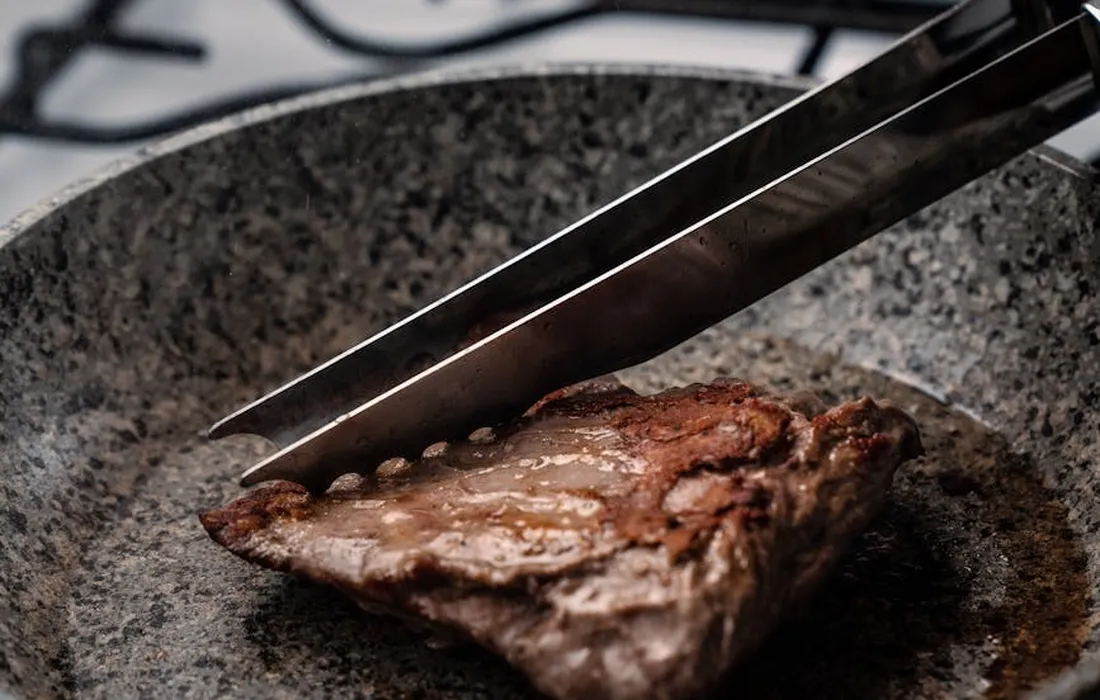
Now, I reckon some folks might be right shocked at the notion, but giving your flock a bit of meat isn’t some newfangled idea. It’s a return to their roots. In the wild, a chicken’s day is spent scratching and foraging for seeds, greens, bugs, worms, and yes, the occasional small mouse or frog. That animal protein is a potent, complete package of the building blocks they need to thrive, not just survive.
Times When That Extra Protein is a Blessing
Just like a hard-working farmhand needs a hearty meal, your birds have times in their life cycle where their needs shoot up. A plain layer feed might not cut it.
- During the Molt: When they drop feathers to grow new ones, it’s incredibly taxing. Feathers are made of over 85% protein. I’ve seen a molting hen look downright miserable, and a handful of scrambled eggs or a meat scrap can speed her recovery something fierce.
- For Young, Growing Pullets & Cockerels: Chicks starter feed is high in protein (18-20%), and meat scraps can supplement that growth phase as they develop muscle and frame. Think of it as building a strong barn-you need the best materials.
- For High-Production Hens: Laying an egg nearly every day is a monumental effort. Each egg contains about 6 grams of protein, which has to come from somewhere. If your girls are free-ranging on poor soil, they might need a boost.
- In Deep Winter: When bugs are gone and their bodies work harder to stay warm, a calorie-dense, protein-rich treat helps maintain condition. It’s like giving them a warm, protein-packed stew.
The Barnyard Balance: Meat as a Supplement
Here’s the heart of the matter: meat is a supplement, not a staple. Their main course should always be a quality, balanced commercial feed that’s formulated to meet all their nutritional needs. That bag of feed is the cornerstone of their diet. Think of meat, kitchen scraps, and garden treats as the flavorful gravy you pour over it-wonderful, but not the whole meal.
I aim to keep treats, including meat, to no more than 10% of their total daily intake. A few small scraps per bird, a few times a week, is plenty. Overdoing it can lead to obesity, kidney strain from too much protein, and a flock that turns its nose up at their proper feed.
What’s in a Mouse? The Natural Nutrition They Crave
I once watched a savvy old hen snatch a field mouse and gulp it down. Nature’s lesson was clear. Meat provides:
- Complete Amino Acids: Like lysine and methionine, which are crucial for feather growth, muscle development, and egg production. Plant sources often lack the full spectrum.
- Highly Digestible Protein: Their systems are built to process it efficiently, giving them a quick and usable nutrient boost.
- Essential Fats & Minerals: A natural source of energy and nutrients like iron that support overall vitality.
Offering controlled meat scraps is simply a way of honoring their omnivorous design and filling in the gaps that even the best bagged feed might leave open. It’s about stewardship-observing their needs and responding with wisdom from the land and the kitchen.
Spotting Trouble: Signs of Digestive Upset or Nutritional Imbalance
Offering your flock a bit of meat can feel like a thrifty win, but it requires a watchful eye. I reckon the difference between a healthy treat and a bellyache lies in knowing what to look for before trouble sets in. Just last fall, I got a little too generous with some cooked pork fat scraps, and my Barred Rocks taught me a quick lesson in moderation.
Tell-Tale Signs of a Upset Gizzard
When a chicken’s digestive system rebels, it doesn’t hide it well. The first clue often comes from the droppings board, showing changes that’ll make you pause. Keep an eye out for these specific warnings.
- Watery or Unformed Droppings: A sudden shift to consistently loose, foul-smelling waste is a red flag.
- A Sluggish Bird: A hen who’s usually first to the scratch but now mopes in the corner is signaling distress.
- Picky Eating or Full Feeders: If they’re turning their beaks up at their regular feed, something’s off.
- A Swollen or Squishy Crop: Feel that pouch at the base of her neck first thing in the morning; it should be empty. If it’s full and mushy or rock-hard, you’ve got a problem.
- Unusual Feather Puffing: They’ll sit all fluffed up for warmth, but if it’s combined with lethargy, it’s a sign of illness.
Clues of a Diet Out of Whack
Too much of any one thing, like protein from meat, can throw their whole nutrition off-kilter. These signs creep up slower but point to a deeper imbalance that needs fixing. It’s about more than just a tummy ache.
- Dull, Brittle, or Missing Feathers: A diet too high in protein without balance can stress their systems, impacting plumage.
- Eggshells That Are Rubbery or Extra Thin: This often shouts a calcium deficit, as gorging on meat can make them neglect their oyster shell.
- Pale Combs and Wattles: Those vibrant reds fading to pink can indicate poor nutrient absorption or anemia.
- Unusual Cannibalistic Pecking: If birds start fiercely pecking at each other, it can signal a protein or amino acid imbalance from erratic feeding.
- Slow Growth in Young Birds: Chicks or pullets on a meat-heavy diet may not get the balanced nutrition for proper development.
If you spot any of these, pull all meat scraps immediately and go back to basics: a quality layer or flock raiser feed, fresh water, and grit. Sometimes the best medicine is a simple, boring diet to let their gut settle right down. I keep a stash of plain yogurt on hand for such times; a dollop can help replenish good gut bugs after a dietary misstep.
Practical Stewardship: My Barnyard Rules for Feeding Meat Scraps
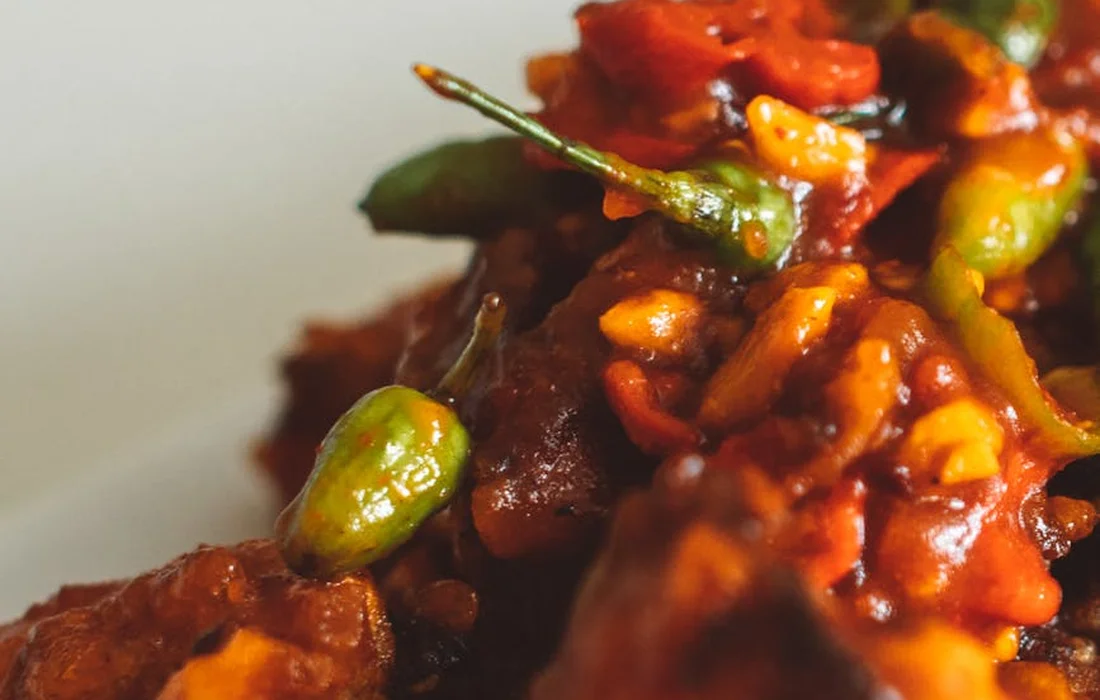
In my barnyard, we operate on a simple barter system: the chickens provide eggs and pest control, and in return, they get first dibs on certain kitchen and butchering scraps. This cycle turns potential waste into valuable protein, but it demands a careful, principled approach to keep the flock hale and hearty.
What Kind of Meat Scraps Make the Cut?
Not every scrap from the table or the processing table is fit for the run. I’m mighty particular. Cooked, plain meats are your safest bet. Think leftover roast beef, baked chicken (skin and bones removed for now), or the trimmings from your Sunday ham. These cooked bits are a fantastic boost, especially for molting hens who are desperate to rebuild feathers, which are nearly 85% protein. Unlike some questionable kitchen scraps, protein-rich meats reliably support their health and feather regrowth.
- Prime Picks: Cooked beef, poultry, pork, or fish (deboned), organ meats like heart or liver (cooked is safest), meat-based broths or stocks (cooled and poured over their feed).
- Proceed with Caution: Raw meat from your own trusted, healthy butchering. I’ll occasionally give them raw beef fat trimmings or a raw chicken carcass, but only under my direct supervision and with strict rules we’ll cover next.
- Absolute No-Gos: Anything moldy, spoiled, or overly salted. Processed meats like salami, pepperoni, or bacon are far too high in sodium and preservatives for a chicken’s delicate system.
The Preparation Protocol: Cooked vs. Raw
My rule of thumb is to cook it if you didn’t raise it yourself. Cooking neutralizes many pathogens that could sicken your birds. For scraps from store-bought meat, I always give them a quick boil or bake. This simple step is a cornerstone of responsible stewardship, preventing unseen troubles from walking into your coop.
Now, for raw meat from home-butchered animals, the calculus changes, but the vigilance doubles. I only offer raw if I know the animal’s entire history. I recall one brisk fall day after processing our own turkeys; the chickens got the cleaned carcasses, and they worked on them for hours with pure delight. The key is to only offer what they can consume in a single day, and always remove any leftovers before nightfall to avoid attracting predators or pests.
My Five Feeding Commandments
- Treat it as a Supplement, Not a Staple. Meat should never exceed 10% of their daily intake. Their main diet must remain a complete layer feed (16-18% protein) to ensure balanced nutrition.
- Size Matters – Small Pieces Prevent Problems. Chop or shred scraps. Large chunks can cause crop impaction or incite bullying. You want a fair scramble, not a feathery fracas.
- Feed in the Morning, Inspect at Dusk. Offer scraps early so they have all day to digest. Come evening, I stroll the run to collect any uneaten morsels. A clean slate overnight is a peaceful, pest-free homestead.
- Supervise the Frenzy. Toss scraps broadly across the run. Scattering prevents the boss hens from hogging it all and lets the lower-ranking birds get their fair share.
- Know Your Flock’s Health. If you have a bird under the weather, skip the treats altogether. Their energy needs to go toward healing, not digesting rich foods.
| Scrap Type | Preparation Needed | Feeding Frequency | My Notes |
|---|---|---|---|
| Cooked Beef/Pork | Chop into pea-sized bits | 1-2 times per week | A superb winter calorie boost. Avoid fatty gristle. |
| Cooked Poultry (deboned) | Shred finely | 1-2 times per week | They love it. Ensure all bones, especially cooked, are removed. |
| Raw Carcass (home-raised) | Whole, but monitor closely | Rarely, as available | Excellent natural behavior stimulator. Remove by sunset. |
| Organ Meats (cooked) | Chop finely | Once a month | Nutrient-dense. Too much can cause loose droppings. |
Closing Tips & Common Questions
Is it true that chickens will eat meat? I’ve seen debates about this online.
Yes, it’s absolutely true. Chickens are natural omnivores and opportunistic scavengers. While their base diet should be quality feed, they will actively seek out and consume insects, worms, and even small vertebrates for essential protein. Beyond the standard feed, they also nibble on safe supplemental foods and treats. These additions can round out their nutrition and keep them engaged.
Can I feed my chickens live insects like mealworms or meal beetles?
Yes, dried or live mealworms and meal beetles (darkling beetles) are excellent, natural protein treats. They mimic the insects chickens forage for and are a much safer and more controlled option than raw meat scraps. However, it’s important to follow age guidelines and proper introduction when feeding them to chickens.
What does “chicken sea” or “chicken of the sea” mean in this context?
This is a playful term referring to tuna or other canned fish. You can offer your chickens plain, cooked fish in moderation as a meat treat. Ensure it’s packed in water with no added salt or oils.
Are chicken and oat meatballs a safe treat for my flock?
Yes, if prepared correctly. Use plain, cooked chicken (deboned) and whole oats with no added salt, seasoning, onions, or garlic. They make a great binding, fiber-rich supplement to the protein.
What’s the best way to cook chicken and oat meatballs for chickens?
Baking or using an air fryer are both excellent methods as they cook thoroughly without needing added fats. The goal is to achieve a firm, cooked consistency that is easy for the birds to peck apart.
How much of a treat like a meatball should I actually give them?
Extreme moderation is key. A single meatball can be broken up and scattered for an entire flock as an occasional supplement. Their primary nutrition must always come from a complete commercial feed.
Back to the Pasture
When all’s said and done, keeping your chickens healthy while sharing the occasional meat treat boils down to mindful stewardship. Think of meat as a spicy seasoning-a little cooked bit here and there adds interest, but their main meal must always be that complete layer feed or well-balanced mash. I’ve seen too many folks stir up feather-picking and sour crops by letting the scrap bucket override good sense.
Well, friend, I’m mighty grateful you took the time to learn about your flock’s needs. There’s a deep satisfaction in seeing them peck and prosper under your watchful eye. Now, go enjoy that golden hour with your birds, and may your coop always be filled with contented chatter.
Further Reading & Sources
- r/chickens on Reddit: Thoughts on feeding meat to chickens?
- Do Chickens Eat Meat? Is It Safe? – The Homesteading RD
- Can Chickens Eat Raw Meat? – Hamburger Beef, Chicken, & More
Caroline Mae Turner is a lifelong farm girl raised on red clay, early mornings, and the sounds of a bustling barnyard. With hands-on experience caring for everything from stubborn goats to gentle dairy cows and mischievous pigs, Caroline shares practical, tried-and-true advice straight from the farm. Her goal is to help folks keep their animals healthy, well-fed, and living their best barnyard life. Whether you're wrangling chickens or bottle-feeding a baby goat, Caroline brings a warm Southern touch and plenty of real-world know-how to every bucket in the barn.
Diet Requirements