Can Chickens Eat Vegetables? Your Practical Guide to Squash, Broccoli, Cauliflower & More
Published on: February 18, 2026 | Last Updated: February 18, 2026
Written By: Caroline Mae Turner
Howdy y’all. Yes, your flock can safely eat a whole host of garden vegetables like squash, broccoli, and cauliflower, and offering them is one of the smartest, thriftiest ways to supplement their feed. If you’ve been holding a handful of kitchen scraps over the run fence with a hesitant heart, you can put that worry to rest right here.
What you’ll need:
- Fresh or leftover vegetables from your kitchen or garden
- A simple knife and board for chopping down big pieces
- A spare moment or two for prep and cleanup
We’ll sort through the details straight away, so you can get back to the rest of your homestead chores with confidence.
Why Vegetables Make Fine Chicken Feed
If you’ve ever watched a flock work over a pasture, you’ve seen their true nature. They aren’t just pecking at seeds; they’re snipping tender grasses, plucking bugs, and yes, sampling leafy weeds and greens. Vegetables are a natural extension of that foraging instinct, offering variety and vital nutrients that complement their base feed. I reckon it keeps their days interesting and their diets colorful.
Now, let’s set the barnyard record straight: veggies are treats or supplements, not the main course. A quality complete feed is engineered to be their nutritional backbone, providing the precise balance of protein, calcium, and vitamins they need for eggs, feathers, and health. Think of your kitchen scraps and garden bounty as the delicious side dish.
We follow the 90/10 rule here on the farm. Ninety percent of their daily intake should be that complete feed, leaving no more than ten percent for all treats combined-vegetables, fruits, grains, and the like. This simple guideline prevents your hens from filling up on cucumber jazz and neglecting the protein they need, which can lead to a drop in egg production or softer shells.
A Pecking Order of Safe Vegetables for Your Flock
Not all garden goodness is created equal in the chicken run. Some are sheer delight, others require a bit of prep. Here’s my tried-and-true list from decades of tossing scraps over the fence.
Garden Staples: Squash, Zucchini, Pumpkin & Cucumbers
This group is a summer salvation for your birds. Their high water content helps keep the flock hydrated during scorching days. I often halve a zucchini or cucumber and toss it right in-they’ll peck out the soft seeds and flesh with gusto.
For winter squash or pumpkin, don’t you dare toss those seeds; they’re a celebrated natural dewormer and a fantastic source of healthy fats. Just rinse the seeds and let your girls have at them.
- Quick-Prep Tips: Serve small squash raw and halved. For tougher rinds on pumpkins, a quick chop with a heavy knife helps. Never feed canned or spiced varieties, only fresh or plain cooked.
- Monitor amounts so the high moisture doesn’t lead to wet droppings. A few handfuls per flock is plenty.
The Brassica Bunch: Broccoli, Cauliflower, Kale & More
These are the nutritional powerhouses of the garden, loaded with vitamins and antioxidants. My flock goes wild for the florets and the leafy greens. You might have heard that these veggies cause gas in chickens; let me settle that. They’re particularly healthy when included in a well-rounded vegetable diet for chickens.
Unlike in humans, the compounds in broccoli and cauliflower, which are cruciferous vegetables, do not cause gas issues in poultry, so you can serve these greens and florets without a worry. I’ve fed them for forty years without a single bloated hen.
- Chop heads into beak-sized pieces to prevent squabbling.
- The tough stems are beloved too, but I often give them a quick steam or chop them finely to make them easier to eat.
- Kale and collard greens can be hung in the run for a fun, pecking enrichment activity.
Roots & Tubers: Carrots, Beets, Radishes, and Potatoes
This category demands a bit more kitchen know-how. Hard roots like carrots and beets are packed with nutrients but can be tough for hens to manage. I grate them raw or cook them lightly to soften them up. The tops are an absolute treasure-just rinse and toss.
Potatoes require a serious warning: never, ever feed raw potato peels or flesh to your chickens due to the toxin solanine. Cooking destroys this compound. I boil or bake leftover potatoes, let them cool, and mash them up as a warming winter treat. For a complete raw vs cooked potatoes safety guide for chickens, it covers safety considerations, preparation, and feeding tips.
- Radishes are fine raw and whole-they’ll peck them apart.
- Always cook sweet potatoes as well, as the raw form is hard to digest.
- Those beet and carrot greens are a free, mineral-rich superfood for your flock.
Other Garden Favorites: Tomatoes, Peppers, Peas, and Corn
This is the “proceed with joy, but with knowledge” group. Ripe, red tomatoes are a juicy, vitamin-C-rich delight. The critical rule is that the tomato plant itself-the vines, leaves, and flowers-is toxic to chickens, so only offer the ripe fruit. Tomato leaves and other nightshade plants are particularly harmful.
All colors of bell peppers are safe and adored; my hens eat the seeds and the flesh. Chickens can eat peppers, including sweet bell peppers, as a safe part of their daily diet. Pepper safety for hens is a common question that many keepers explore next. Fresh peas in the pod are a springtime favorite-they’ll hull them themselves. Corn is the classic treat, but it’s pure carbohydrate.
Think of corn like candy: a handful of scratch grains or fresh kernels scattered for foraging is fine, but making it a diet staple will fatten your birds without giving them the protein they require. Moderation keeps them fit and laying well.
Vegetables Your Chickens Must Never Eat
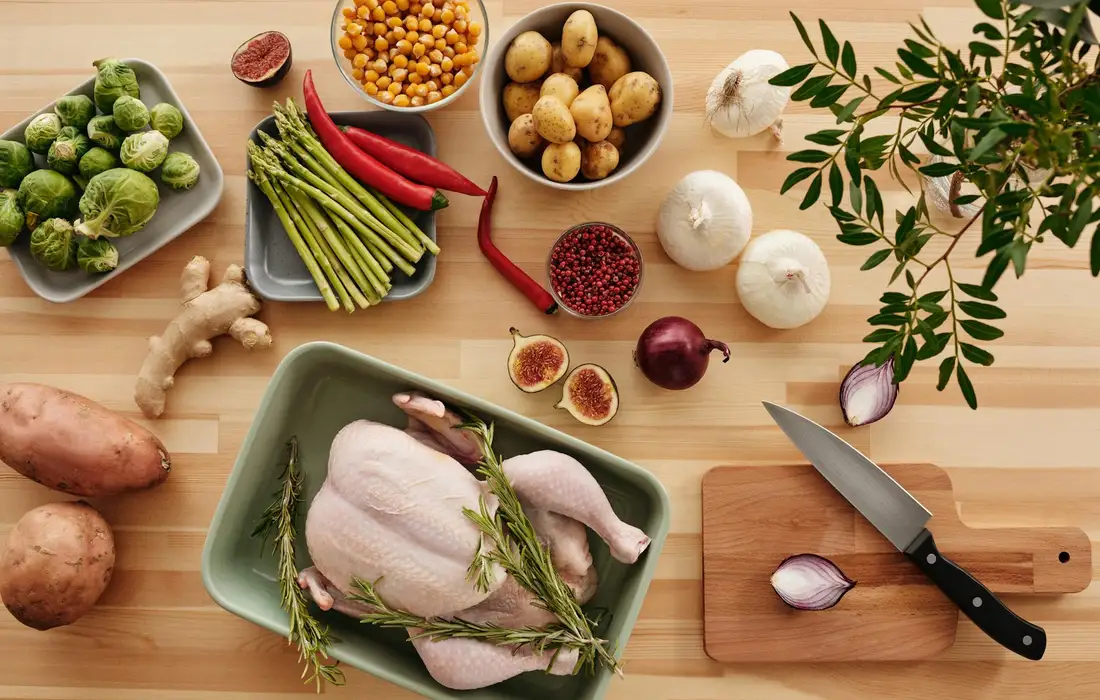
Now, I love sharing garden bounty with my flock as much as anyone, but good stewardship means knowing what can cause real harm. Some common kitchen scraps harbor toxins that a chicken’s body simply can’t handle. I keep a list right on the fridge to remind everyone who helps with feeding.
- Raw Potatoes, Especially Green Skins & Sprouts: These contain solanine, a bitter toxin. Cooking reduces it, but I never risk giving them raw peels or any green bits. If I wouldn’t eat that green spot, they don’t get it.
- Onions and Garlic in Large Quantities: A tiny bit won’t hurt, but feeding them regularly can cause Heinz body anemia, damaging their red blood cells. I avoid them altogether to be safe.
- Eggplant Leaves and Stems: Like raw potatoes, these parts of the plant contain solanine. The ripe fruit is fine, but never toss them the vines from your garden cleanup.
- Avocado Pit and Skin: This is a big one. They contain persin, a fungicidal toxin that can cause heart failure. I saw a neighbor’s pigs get terribly sick from avocado scraps, a lesson I’ve never forgotten for any livestock. The fleshy fruit itself is debated, so I skip it entirely.
- Dry or Undercooked Beans: Raw beans contain phytohemagglutinin, which is highly toxic to chickens. Always ensure any beans are thoroughly cooked if you ever share them.
- Rhubarb Leaves: High in oxalic acid, which can lead to kidney failure and tremors. The stalks are the edible part for us, but I keep the whole plant away from the run.
The rule in my barn is simple: when in serious doubt, leave it out. A chicken’s curiosity doesn’t outweigh a known danger, and there are plenty of other safe treats to fill their scratch cup.
From Garden to Gizzard: How to Prepare Veggie Treats
I’ve learned that what you give your flock is only half the battle; how you serve it makes all the difference between a healthy treat and a messy, wasteful hassle.
Raw vs. Cooked: What Works Best
Most vegetables from your garden patch are perfectly fine served raw to your hens. They adore the crunch of a fresh broccoli floret or a wedge of summer squash. Cooking isn’t about safety for most veggies, but about making a digestible gift out of something otherwise tough or potentially harmful. I keep a pot with a steamer basket handy for just this purpose, especially for those irregular ones that need a bit of extra love, unlike most others that can be fed raw, cooked, canned or frozen.
- Serve Raw: Cucumbers, zucchini, lettuce, bell peppers, and most leafy greens. These are hydrating and fun for them to peck at.
- Cook It: Always cook potatoes, especially if they have any green skin or sprouts, to neutralize solanine. Cooking also softens the tough fibers in pumpkin and winter squash rinds, broccoli stems, and cauliflower cores, making those nutrients more available.
- The “Scrap Pot” Method: When I’m prepping dinner, I toss thick broccoli stems, potato peels, and halved Brussels sprouts into my steamer basket. A quick steam until just tender softens them up without leaching all the goodness into the water. Let it cool completely before serving.
Smart Prep to Prevent Waste and Mess
An excited flock can turn a head of cabbage into scattered confetti in minutes. A few simple tricks keep them entertained longer and save you cleanup time.
- Chop or Grate Hard Vegetables. A whole carrot or a dense beet is a recipe for boredom or a bully hen running off with the prize. I use a coarse grater or a sharp knife to make bite-sized pieces or shreds so everyone gets a fair share. This also prevents any remote chance of choking, which, while rare, is a risk with large, hard pieces.
- Skewer or Hang Treats for Enrichment. Thread chunks of squash, cucumber, and bell pepper onto a sturdy piece of baling twine or a skewer and hang it just above head height in the run. Watching them jump and work for their snack provides crucial mental stimulation on rainy coop days. This “poultry pinata” method is my go-to for turning a simple treat into an afternoon of enrichment.
- Create a “Salad Bar” in a Scratch Area. Dedicate a dry, sandy corner of the run for treat time. I’ll scatter a mix of chopped veggies here, letting the chickens scratch and hunt for them. This mimics their natural foraging behavior and stops the food from being trampled into the mud near their waterer.
- Use a Secure Treat Dispenser. For smaller scraps or to make treats last, I’ll often use a sturdy hanging treat ball. The girls peck and roll it, dispensing bits slowly. It keeps the food clean, off the damp ground, and turns snack time into a engaging game that slows down their eating.
Chickens in the Garden: Helpers or Harvest Hijackers?
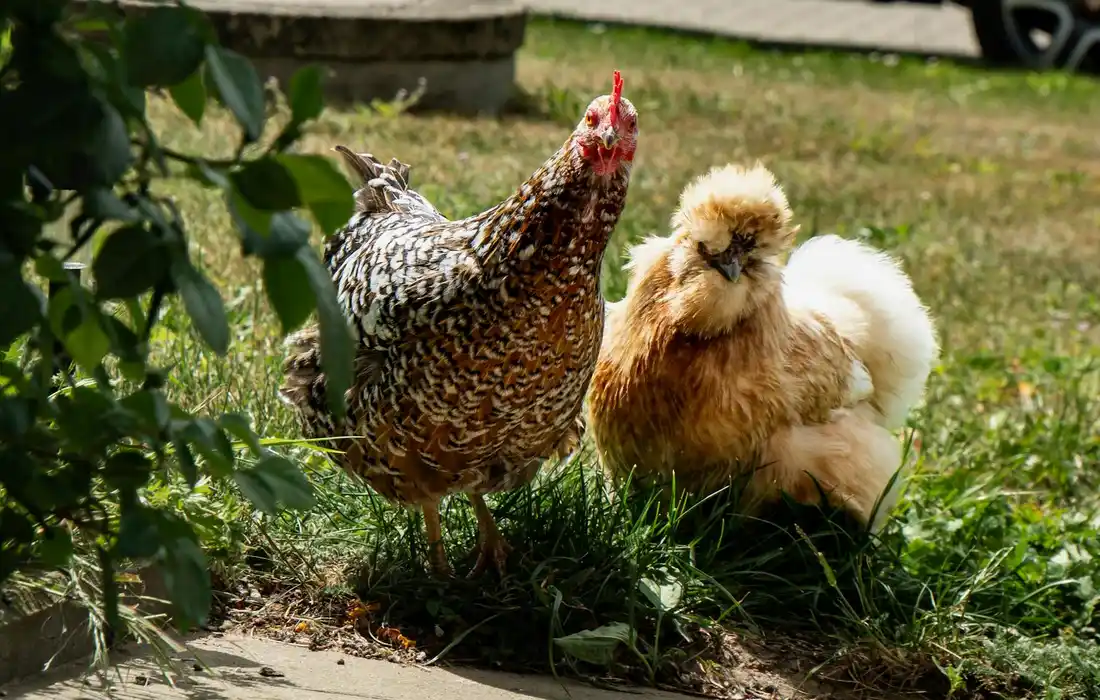
I reckon every gardener with a flock has stood at that crossroads, watching a hen eyeball a freshly sprouted bean with a little too much interest. Chickens possess a powerful duality in the garden. They can be your most diligent cleanup crew or your most efficient harvesters-often before you’ve even had a chance to harvest. Managing this relationship is all about timing and boundaries, not banning them from your green space altogether.
The Delicate Dance: Seedlings vs. Scratchin’ Feet
Let’s be plain: a chicken in a growing garden is a force of nature. Their instinct is to scratch, peck, and dust bathe right where your tender plants are trying to establish. I learned this the hard way one spring, turning my back for twenty minutes only to find my lettuce starts neatly excavated and piled beside their cells. Your young seedlings are simply too tempting and too fragile for unsupervised free-ranging. Protect them with physical barriers until they are well-established and sturdy.
Fencing: Your First and Best Defense
- Permanent Perimeter: A sturdy 4- to 5-foot tall fence around the entire garden is ideal. I prefer welded wire or hardware cloth buried at least 6 inches to deter diggers.
- Temporary Row Covers: For raised beds or specific rows, lightweight hoops with bird netting or wire mesh create an effective, removable shield.
- Electric Poultry Netting: This movable solution delivers a safe but memorable deterrent, teaching birds to respect the boundary quickly.
Enlisting Your Feathered Cleanup Crew
Once your main harvest is in, that’s when your chickens truly shine as garden partners. I open the gate to my finished corn patch every fall without fail. Turning the flock into a spent vegetable plot is like hiring a skilled, enthusiastic landscaping team that works for kitchen scraps. They perform several critical tasks at once.
- Pest and Larva Control: They’ll diligently devour exposed grubs, Japanese beetle larvae, and squash bugs you missed.
- Weed Seed Reduction: Those scratching feet unearth weed seeds, and curious beaks happily consume them.
- Garden Sanitation: They’ll clean up leftover, pest-ridden, or diseased foliage, interrupting disease cycles.
- Natural Fertilization: Their manure, scratched into the soil, adds valuable nutrients for the next season.
The Mobile Pen Solution: Controlled Assistance
For the ultimate in managed help, nothing beats a chicken tractor or a simple A-frame mobile pen. I use mine constantly for pasture rotation and garden prep. A mobile pen allows you to deploy your chickens’ natural behaviors as a precise tool, right where you need it most. You direct their energy without giving them the run of the place.
- After harvesting a bed, move the pen directly onto the area.
- Let the birds work it over for a day or two. They’ll eat weeds, bugs, and leftover produce.
- They’ll till the top layer and fertilize it in the process.
- Move the pen, rake the bed smooth, and you’re ready for cover crop or planting.
This method turns your chickens from potential hijackers into invaluable homestead assets. It’s the thrifty, sustainable way to let your land and your livestock work together, each benefiting the other.
Feeding Vegetables Through the Seasons
One of the sweetest joys of homesteading is eating with the seasons, and your flock deserves that same rhythm. Planning your kitchen scrap and garden surplus strategy around the calendar turns waste into wealth and keeps your birds nutritionally engaged all year long. I’ve found it saves on feed costs and gives those girls something to look forward to, rain or shine.
Preserving Summer’s Bounty
When the garden is overflowing and you’ve eaten your weight in zucchini, it’s time to put up treats for the leaner months. My freezer is a treasure chest for the flock come January.
- Flash-Freeze for Quick Treats: Chop broccoli florets, green beans, or diced squash into bite-sized pieces. Spread them on a baking sheet to freeze solid before bagging them up. This prevents a giant, unusable clump.
- Create Flock “Popsicles”: This is a lifesaver during a heat wave. Take a shallow pan, toss in some peas, corn, and chopped leafy greens, cover with water, and freeze. Hang the block in their run for a cooling, pecking activity.
- Dry Those Herbs: If you grow oregano, thyme, or mint, dry bunches and crumble the leaves into their nesting boxes or dust-bathing areas. It’s a natural insect repellent and a wellness boost.
Thriving in the Winter Months
When the world turns gray and frosty, a pop of color and freshness does wonders for a chicken’s spirit. This is where your foresight pays off.
A whole, uncarved pumpkin or hard squash from autumn can last for months in a cool, dry spot. I keep a row of them on a shelf in the barn. Once a week, I’ll split one open with the hatchet and toss it in the run. They’ll spend days pecking at the flesh and seeds, a fantastic source of vitamins and a boredom buster.
Sprouting: Your Winter Green Pasture
When fresh grass is a memory, sprouting grains is my go-to for generating live, nutrient-dense greens indoors. It’s simple.
- Soak: Take a quart jar of whole grains like barley, wheat, or sunflower seeds. Cover with water and let sit for 8-12 hours.
- Drain & Rinse: Drain all the water off. Rinse the seeds twice daily, always ensuring they drain completely to prevent mold.
- Harvest: In 3-6 days, you’ll have a jar full of tender sprouts. The protein and vitamin content skyrockets during this process.
I scatter these straight into the litter-they love the hunt. This method transformed my winter flock’s demeanor; their feathers stayed brighter and their activity levels stayed high despite the short days. A neighboring pig farmer taught me this trick decades ago, and it works just as well for chickens.
Keeping the Balance: Treats vs. Complete Nutrition
Now, let’s have a real talk about the feed bucket. I learned this lesson the hard way one summer when my hens’ eggshells got thinner than tissue paper. That good-quality layer or grower feed is the absolute cornerstone of your flock’s health, and it’s non-negotiable for steady production. It’s scientifically formulated to be a complete meal, packing the perfect punch of protein, calcium, and vitamins they need.
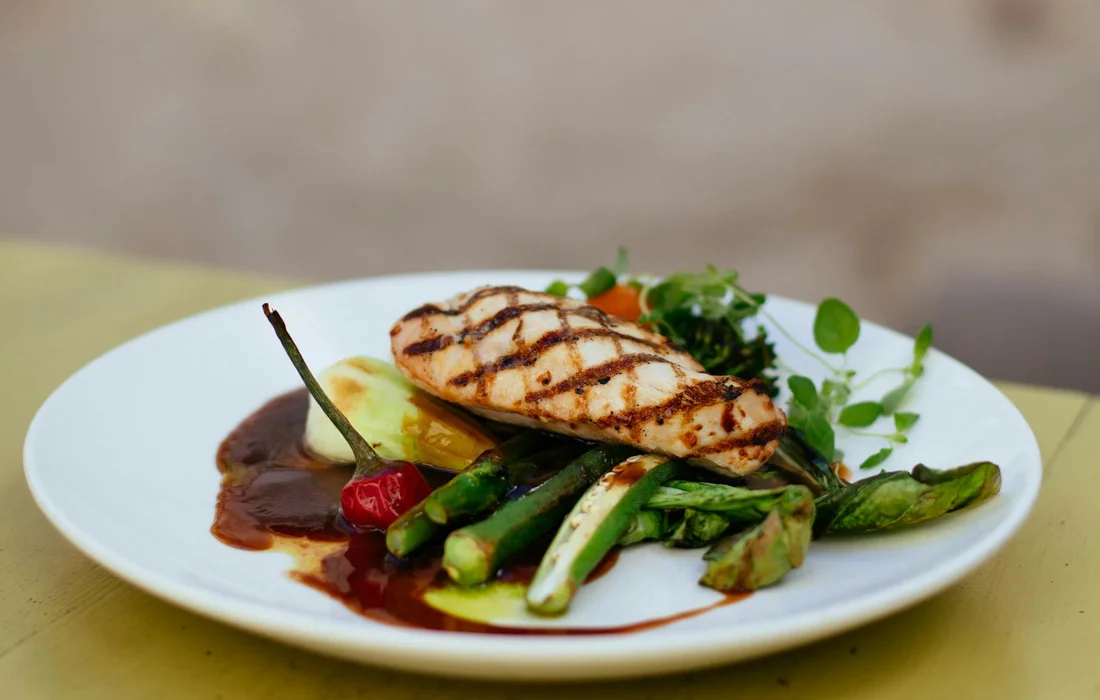
Think of your chickens’ daily ration like a dinner plate. That commercial feed needs to take up the lion’s share of the space. When we get overzealous with vegetable treats, especially cucumbers or other watery vegetables, we run a real risk of diluting their nutrient intake. A hen stuffed with cucumber might skip her layer pellets, missing out on that crucial 16-18% protein and the calcium for strong shells.
You can think of vegetable treats as the fun supplement, not the staple. Here’s how I manage it on my place:
- I offer treats only in the afternoon, after the birds have had their full morning to eat their complete feed.
- Treats, including all veggies, should never make up more than 10% of their total daily food intake. A good handful scattered for the whole flock is plenty.
- I’m extra mindful with low-protein, high-water veggies. They’re a great hot-day hydrator, but they’re not building eggs or muscle.
Your bagged feed is the main course, and everything else is just the side dish you serve after they’ve cleaned their plate. This balance keeps your birds from becoming picky eaters and ensures they get the full spectrum of nutrition you’re paying for in that feed.
Closing Tips for a Healthy, Happy Flock
Do chickens really need to eat vegetables?
Chickens do not *need* vegetables if they are on a complete, high-quality commercial feed, which is formulated to meet all their nutritional requirements. However, offering vegetables provides valuable enrichment, mental stimulation, and supplements their diet with fresh vitamins and minerals, mimicking their natural foraging behavior. Beyond vegetables, chickens also eat other supplemental foods and treats, such as grains and kitchen scraps, which can be offered in moderation alongside their regular feed.
How can I let my chickens enjoy the garden without destroying it?
The key is controlled access and timing. Use secure fencing to protect growing beds and tender seedlings. The best strategy is to allow your flock into the garden only after the main harvest is complete, letting them act as a cleanup crew to eat pests, weeds, and leftover produce while fertilizing the soil.
Is it okay to feed my chickens vegetables every day?
Yes, you can offer vegetable scraps daily, but quantity and timing are critical. Adhere to the 90/10 rule, where treats (including all veggies) constitute no more than 10% of their daily intake. Offer treats in the afternoon to ensure they fill up on their nutritionally complete feed first.
What are common tips from chicken keepers on forums like Reddit?
Community forums often emphasize creative enrichment, like hanging treats as “poultry piñatas,” and using mobile pens to direct their foraging. A frequent shared tip is to freeze summer vegetable scraps or whole pumpkins to provide nutritious, engaging treats during the winter months.
Can feeding certain vegetables make my chickens fat?
Yes, just like with humans, overfeeding starchy, low-protein vegetables can lead to weight gain. Corn is the prime example-it should be treated like candy. A diet too high in these types of vegetables can fatten birds without providing the protein they need for optimal health and egg production.
Are there simple recipes for chicken vegetable treats?
Absolutely. Simple “recipes” involve mixing chopped, safe veggies or lightly steaming tough stems. Many keepers make flock popsicles by freezing vegetable pieces in water for a summer cool-down, or they create a scratch mix by blending grated squash, leafy greens, and a handful of grains for a scattered foraging activity.
Shutting the Gate
The biggest trick to feeding veggies isn’t what you give, but how you give it. Think of your kitchen scraps as a lively side dish, not the main course-that premium layer feed is what keeps the yolks golden and the shells strong. I’ve seen hens thrive for years on that simple rule of moderation and variety.
Now, y’all go enjoy those feathered clean-up crews. There’s a special kind of contentment in watching them scamper for a handful of broccoli florets, turning our leftovers into tomorrow’s breakfast. It’s one of the quiet, good loops of this life. We appreciate you moseying through this topic with us.
Further Reading & Sources
- What Vegetables Can Chickens Eat?
- What Can Chickens Eat?| Purina Animal Nutrition
- r/BackYardChickens on Reddit: Our chickens won’t eat veggies or plants…
Caroline Mae Turner is a lifelong farm girl raised on red clay, early mornings, and the sounds of a bustling barnyard. With hands-on experience caring for everything from stubborn goats to gentle dairy cows and mischievous pigs, Caroline shares practical, tried-and-true advice straight from the farm. Her goal is to help folks keep their animals healthy, well-fed, and living their best barnyard life. Whether you're wrangling chickens or bottle-feeding a baby goat, Caroline brings a warm Southern touch and plenty of real-world know-how to every bucket in the barn.
Diet Requirements