Can Rabbits Eat Bread? A Homesteader’s Guide to Healthier Treats
Published on: March 9, 2026 | Last Updated: March 9, 2026
Written By: Caroline Mae Turner
Howdy y’all, and welcome back to the barn. If you’ve ever stood there with a leftover biscuit crust, wondering if it’d make a quick snack for your rabbits, let’s settle that right now. You should never feed bread or other processed grains to your rabbits-it’s a shortcut to digestive trouble and poor health. I learned this the hard way years ago when a well-meaning visitor shared her sandwich with my Flemish Giants, and let’s just say the cleanup was a chore I don’t care to repeat.
What you’ll need:
- An unlimited supply of fresh grass hay, like timothy or orchard grass
- A measured portion of high-fiber rabbit pellets (16-18% protein)
- A steady rotation of rabbit-safe greens, such as romaine or dandelion greens
- Clean, fresh water in a sturdy bowl or bottle
Stick with me, and we’ll sort this out faster than you can mend a fence, so you can get back to the rest of your duties.
A Quick Answer From the Feed Bucket
Let me save you some worry and cut right to the chase. Can rabbits eat bread? No, ma’am, and here’s why: a rabbit’s digestive system is a finely-tuned hay-processing machine, and bread is the wrong kind of fuel that can gum up the whole operation. Think of it like putting cheap gas in a high-performance engine-it might run for a bit, but you’re asking for a breakdown.
If you’re looking to treat your bunny, stick with what their gut flora knows how to handle. Here’s a better, safer menu:
| Treat Type | Examples | How Much & How Often |
| Fresh Herbs | Cilantro, mint, basil, dill | A few sprigs, 2-3 times a week |
| Leafy Greens | Romaine, carrot tops, kale (sparingly) | One cup daily per 2 lbs of body weight |
| Select Veggies | Bell pepper, zucchini, broccoli florets | A tablespoon-sized piece, a few times weekly |
The Real Dangers of Bread in a Bunny’s Belly
Now, I don’t want to just tell you “no” without explaining the “why.” I’ve seen the consequences of improper feeding in my barnyard, and with rabbits, the stakes are high. Bread isn’t just an empty calorie; it’s an active disruptor to their delicate internal balance. Their biology is built for a steady flow of fibrous roughage, not dense, processed grains.
GI Stasis: The Silent Killer
This is the big one, the condition that sends more pet rabbits to the vet than just about anything. GI (Gastrointestinal) Stasis isn’t a blockage, but a deadly slowdown. A rabbit’s gut needs constant movement, driven by indigestible fiber from hay. Bread, being low in fiber and high in simple carbs, moves too slowly and can start to ferment, creating painful gas and throwing off the whole bacterial ecosystem in their cecum. Once that delicate gut flora is upset, the digestive tract grinds to a halt. The bunny stops eating, which makes things worse, and a vicious, often fatal, cycle begins. Knowing about common rabbit digestive problems, including bloat and GI stasis, helps with early detection. Prevention strategies—like consistent access to hay and timely veterinary advice—can make the difference.
Dental Disaster in the Making
A rabbit’s teeth never stop growing, and they’re meant to be worn down by the silicates and constant grinding action of chewing long-strand hay. Soft bread requires almost no chewing. Offering bread is a missed opportunity for essential dental wear, paving the way for painful overgrowths, sharp points, and abscesses that make eating impossible. I reckon dental problems are one of the most overlooked sources of misery for a backyard bunny, and diet is the root cause.
The Sneaky Path to Obesity and Bloating
That innocent-looking crust is packed with calories and carbohydrates a rabbit simply doesn’t need. In a small animal, those extra calories add up fast, leading to an overweight, lethargic rabbit prone to a host of other health issues. Worse than the fat is the immediate bloat; the yeast and simple sugars in bread can cause rapid gas production in the cecum, leading to a painful, drum-tight belly that is a genuine emergency. It’s a different, more acute danger than the slow creep of stasis, but just as serious. I’ve had a cow bloat on green alfalfa, and the principle-and the panic-is much the same for our smaller livestock.
Why Processed Grains Don’t Belong on the Farm Menu
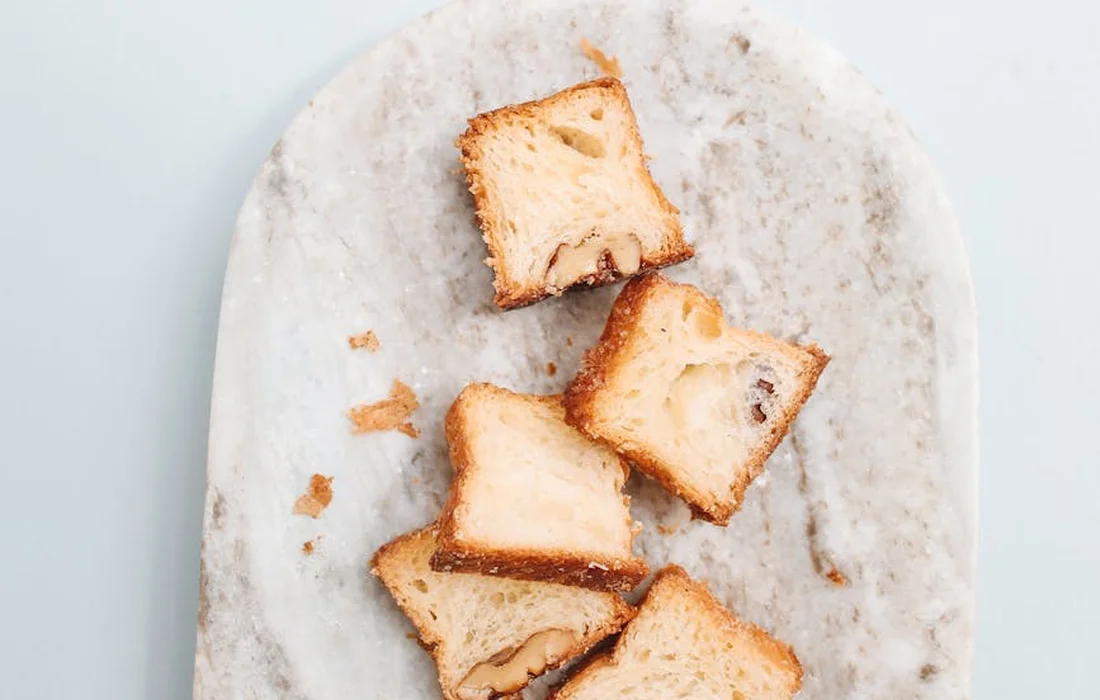
Now, I’ve seen folks toss ends of loaf bread to the chickens or an old biscuit to the dog, and while that might seem thrifty, it’s a habit we need to break for our smaller livestock, especially rabbits. Their digestive systems are fine-tuned for a very specific, high-fiber diet, and processed grains like bread throw a wrench right into those delicate works. It’s not just about one slice; it’s about understanding that a rabbit’s gut is a fermentation vat designed for roughage, not for our kitchen shortcuts.
The Trouble with Starch and Sugar
Bread is packed with simple carbohydrates that break down into sugars far too quickly for a rabbit’s unique digestion. In the wild, a rabbit’s diet is consistently over 18% fiber and very low in starch. When a rabbit eats starchy bread, it can cause a dangerous shift in the pH and bacterial balance of their cecum, the organ where critical fermentation happens. This imbalance is the primary cause of gastrointestinal (GI) stasis, a silent and deadly condition where the gut slows or stops moving.
I learned this lesson the hard way years ago when a well-meaning visitor fed our herd some rolls. Within hours, the normally busy, munching herd grew quiet and hunched, a classic sign of belly pain that no homesteader wants to see. We had to act fast with vet-approved methods to get their systems moving again, a stressful situation entirely preventable with the right feed.
Gluten, Yeast, and Empty Calories
Beyond the basic starch, the very components that make bread rise and hold its shape are problematic. The gluten can be difficult to digest and may cause minor internal inflammation. More critically, the active yeast in unbaked dough can actually continue to ferment inside a warm, moist stomach. This fermentation produces gas and alcohol, leading to painful bloat and even potential toxicity, a risk we simply don’t take with our breeding stock or pets.
Perhaps the biggest issue is what bread doesn’t provide. Bread is the definition of an “empty calorie” for a rabbit-it fills their stomach but provides none of the long-strand fiber needed to wear down their constantly growing teeth or to keep their gut flora healthy. A rabbit that fills up on bread will often eat less of its vital hay, setting off a cascade of dental and digestive troubles. It offers negligible protein for muscle and coat health, and lacks the vitamins found in quality pellets and fresh greens.
- Gluten & Yeast: Can cause digestive inflammation, painful gas bloat, and dangerous fermentation.
- Nutritional Void: Provides no useful fiber for teeth or gut motility, and lacks essential proteins and vitamins.
- Displaces Critical Food: Fills the animal up, leading them to neglect their core diet of hay and proper feed.
- Risk of Enterotoxemia: A sudden overload of carbohydrates can promote the growth of toxic bacteria in the cecum, a fatal condition.
The Immediate Risks of a Bread Slip-Up
-
Step 1: Remove All Access
When you spot a rabbit with a mouthful of bread, act fast. I’ve chased more than one clever doe around the barn after she snuck a dinner roll. Your job is to get every last morsel out of that hutch or run before curiosity leads to a second helping. This ain’t about punishment; it’s crisis management for a digestive system built for fiber, not flour.
-
Step 2: Boost Hay and Water
Next, you want to dilute that starchy mistake. Fill their rack with unlimited grassy hay-timothy is my go-to-and refresh their water bowl. That coarse hay acts like a broom, sweeping through their gut to keep things moving and prevent a blockage. On my place, I always keep a spare bale handy for just these occasions, and it’s a practice that pays off.
-
Step 3: Monitor Closely for 24 Hours
This is where you park yourself and observe. Look for steady production of those hard, round fecal pellets and listen for the constant, gentle crunch of hay being eaten. Any sign of a quiet, still rabbit or a belly that looks taut and full means trouble is brewing. I reckon the first twelve hours tell you most of what you need to know, so stay vigilant.
-
Step 4: Know When to Call the Vet
Trust your instincts. If eating and drinking stop completely, or if no droppings appear for half a day, reach for the phone. Clear symptoms like loud tooth grinding, a hunched back, or obvious weakness mean you’re past home remedies and need professional help. I keep my vet’s number on the barn wall, because minutes matter when a gut grinds to a halt.
Nourishing Your Rabbit Right: Safe & Savory Swaps
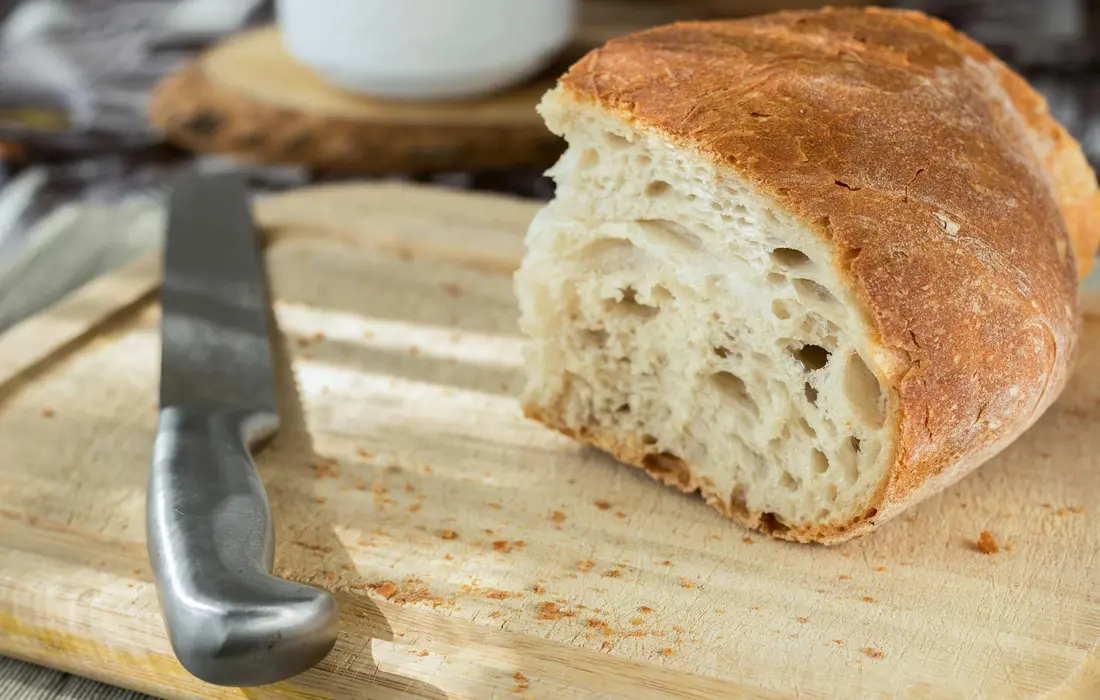
I reckon we’ve all been tempted to share a crust from our sandwich with those wiggly noses at the fence line. But trust me, the best way to show your rabbits you care is by offering them the good, clean forage and greens they’re truly built for. Switching from processed scraps to natural treats is the single most impactful change you can make for their daily joy and long-term health. If you’re curious about how human foods fit into a rabbit’s diet—like pasta or donuts—there’s a practical guide on safe treats for rabbits. It explains what’s okay in tiny amounts and what to avoid.
Top Treats from the Garden
Your garden and yard are a treasure trove of rabbit delights. These aren’t just treats; they’re enrichment, providing variety and mimicking their natural foraging behavior. Ensuring a diverse and safe diet is crucial, so I always wash everything thoroughly to remove any road dust or potential contaminants. It’s especially important to know what plants are safe for rabbits when foraging in your yard.
- Leafy Greens: Romaine lettuce, kale spines (sparingly), carrot tops, beet greens, and cilantro. I avoid iceberg lettuce-it’s mostly water with little nutritional value.
- Herbal Delights: Mint, basil, dill, and rosemary. My rabbits go particularly wild for a sprig of fresh mint on a hot afternoon.
- Garden Trimmings: Broccoli leaves, radish tops, and strawberry tops are fantastic. I often save my pea pods and let them dry for a crunchy winter snack.
- Weeds (The Good Kind!): Dandelion greens and flowers, plantain, and chickweed are absolute superstars. I harvest these from areas I know haven’t been sprayed.
- Woody Branches: Apple, willow, or pear tree twigs are phenomenal for dental health and keeping busy minds occupied. Always ensure the wood is from untreated trees and free of pesticides.
The Foundation of a Thriving Rabbit: Hay, Water, Pellets
Treats are the fun part, but the backbone of your rabbit’s diet is non-negotiable. Think of it like this: hay is their main course, pellets are their daily vitamin, and water is the lifeblood of it all. Balancing these with fresh vegetables is crucial for their health, as detailed in our guide on fresh food ratios for rabbits.
Unlimited, high-quality grass hay should make up about 90% of what your rabbit consumes. I use a mix of timothy and orchard grass for my adults. This constant supply of roughage keeps their digestive tract moving and their ever-growing teeth worn down naturally. A rabbit without hay is a rabbit in trouble.
Select a plain, green timothy-based pellet for adult rabbits, with a protein content around 14-16%. For my herd, I measure pellets strictly-about 1/4 cup per 5 pounds of body weight daily. This prevents obesity and ensures they fill up on hay first. Understanding how many pellets a rabbit should eat daily is part of a balanced feeding plan. If your rabbit refuses pellets, a simple portion-size and refusal guide can help you adjust safely.
Fresh, clean water is paramount. I’ve seen a rabbit go off its feed due to a dirty water source. I use heavy ceramic bowls as I find they drink more from them than bottles, and I scrub them out daily. Check their water twice a day, without fail, summer and winter. A dehydrated rabbit is an emergency situation.
Closing Tips for the Homesteader’s Rabbitry
Since my chickens and pigs can eat bread scraps, why is it so different for rabbits?
Rabbits are hindgut fermenters with a digestive system specifically evolved to process massive amounts of fiber. Unlike chickens (which have a gizzard) or pigs (which are omnivores), a rabbit’s delicate cecal balance is easily disrupted by simple carbs, making bread uniquely dangerous for them.
If my rabbit accidentally ate a small piece of bread, should I panic?
Don’t panic, but do act promptly. A single, tiny piece may pass without issue, but you must immediately remove any more and monitor closely. Focus on encouraging hay and water consumption to help move things along.
Are whole grains or oats a safer alternative to processed bread for my rabbits?
No, whole grains like oats or wheat berries are still high in starch and low in the crucial long-strand fiber rabbits require. These grains can cause the same cecal imbalances as bread and should not be a regular part of their diet, even when properly prepared.
What’s the best way to satisfy my rabbit’s urge to chew if not with crusts?
Provide unlimited grass hay at all times-this is their primary chewing need. For enrichment, offer safe, pesticide-free woody branches from apple or willow trees, which are excellent for dental health and mental stimulation.
How can I tell if my rabbit is having a digestive issue from the wrong food?
The most critical signs are a sudden loss of appetite, a reduction or complete stop in fecal pellet production, and a quiet, hunched posture. A visibly bloated or taut belly and loud tooth grinding from pain are urgent red flags.
I have multiple barnyard species. What’s a safe, universal treat rule?
The safest universal rule is to feed each species its biologically appropriate diet. What is healthy for a chicken or pig can be harmful to a rabbit. Always research species-specific needs before sharing any human food or scraps across your farm menagerie, especially when it comes to rabbit diets.
Back to the Pasture
When we get right down to it, the heart of good rabbit keeping is trusting what’s always worked. Their systems are designed for roughage, not refined flour. The single most important thing you can do is make a unlimited flow of good hay the absolute centerpiece of their world; everything else is just a thoughtful garnish. It keeps their digestion turning over properly and their teeth worn down, preventing a world of hurt. If you want a practical, step-by-step plan for what to feed, a domestic rabbit diet guide can help you get started. It serves as a handy reference for safe foods and proper portions.
I’m mighty grateful y’all took the time to read this. There’s a special kind of peace that comes from watching contented rabbits munch on a pile of clover or fresh oat hay. I reckon your bunnies are lucky to have someone who cares enough to ask these questions. Here’s to happy, healthy herds and the simple joys of life with our critters.
Further Reading & Sources
- My bunny ate this much of bread should I be worried??? …
- Feeding Rabbits just about everything we eat | Rabbit Talk – Meat Rabbit & Farming Forum
- Has anyone had there rabbit eat bread before? This boy …
Caroline Mae Turner is a lifelong farm girl raised on red clay, early mornings, and the sounds of a bustling barnyard. With hands-on experience caring for everything from stubborn goats to gentle dairy cows and mischievous pigs, Caroline shares practical, tried-and-true advice straight from the farm. Her goal is to help folks keep their animals healthy, well-fed, and living their best barnyard life. Whether you're wrangling chickens or bottle-feeding a baby goat, Caroline brings a warm Southern touch and plenty of real-world know-how to every bucket in the barn.
Diet Requirements