
Feeding Sheep Vegetable Scraps Safely: A Homesteader’s Guide to Cabbage, Celery, and Cucumber
Published on: March 12, 2026 | Last Updated: March 12, 2026
Written By: Caroline Mae Turner
Howdy y’all. Your sheep can absolutely eat cabbage, celery, and cucumber scraps, but the farmer’s fix is to always chop them up and introduce them slowly alongside their regular hay to keep their rumens happy and avoid bloat. I’ve fed plenty of kitchen trimmings to my own flock over the years, turning potential waste into a welcome snack, but doing it right saves you a world of worry.
- Fresh cabbage, celery, or cucumber scraps (no mold, rot, or seasonings)
- A sharp knife and cutting board
- A clean feed tub or trough
- Five minutes for prep and feeding
Let’s get this sorted quick, so you can mosey on to your next chore with peace of mind.
Are These Leafy Scraps Safe for Your Flock?
Let’s get right to the root of the matter and sort out what’s safe for your woolly crew.
- Cabbage: Yes, sheep can absolutely eat cabbage. The leaves, the core, and the tough outer stalks are all fair game. Remember that cabbage is a brassica, and like all members of that family, it should be introduced slowly and fed in moderation to prevent digestive upset or bloat.
- Celery: Yes, celery is safe for sheep. Both the leafy tops and the crunchy stalks are excellent. I often split the stalks lengthwise for my older ewes, as the long strings can sometimes wrap around a young lamb’s tongue, though I’ve never had it happen.
- Cucumber: Yes, sheep can eat cucumbers. The peel, the flesh, and the seeds are all perfectly safe. These are a fantastic hydrating treat on a hot day, but their high water content means too much can lead to loose manure, so think of them as a snack, not a staple.
The key with any new green is to watch for toxic look-alikes from the onion or nightshade families, which you’d never toss to them. I recall the first time I offered my small flock a head of cabbage; they circled it like it was a strange alien artifact before one brave ewe took a nibble, and then it was a woolly free-for-all.
Why These Greens Make Good Sheep Fodder
The Nutritional Lift of Kitchen Scraps
While good hay is the bedrock of a sheep’s diet, these kitchen cast-offs provide a welcome boost. Compared to sun-cured pasture or hay for sheep, these fresh scraps are bursting with moisture and readily available vitamins that can get lost in the drying process.
- Cabbage leaves bring a solid dose of Vitamin K for healthy blood and bone metabolism, along with a bit of Vitamin C, which is a nice perk.
- The fiber in celery stalks and cabbage is different from hay fiber-it’s more succulent and can help keep the rumen’s complex fermentation process humming along smoothly. Celery also contains silica, which is a mineral good for hoof health.
- Cucumbers are about 95% water. Their nutritional profile is low in protein and energy, but that moisture is a stealthy hydration tool, especially for nursing ewes or during summer’s peak heat when water intake is critical.
Turning Waste into Worth: The Steward’s View
This practice is where thriftiness meets good stewardship right in your own backyard. Every cabbage core or cucumber end you divert from the compost pile (or worse, the trash) is a little less commercial feed you have to buy and a little more variety for your animals.
I see it as a beautiful, simple cycle on the homestead. The garden overproduces, the sheep gladly clean up the leftovers, and they, in turn, provide the manure that goes back to nourish next year’s garden. You’re not just saving money; you’re actively closing a loop on your land. It’s a small, daily act of resourcefulness that adds up to a more resilient and cost-effective farm over the course of a season.
How to Prep and Serve Vegetable Scraps to Livestock
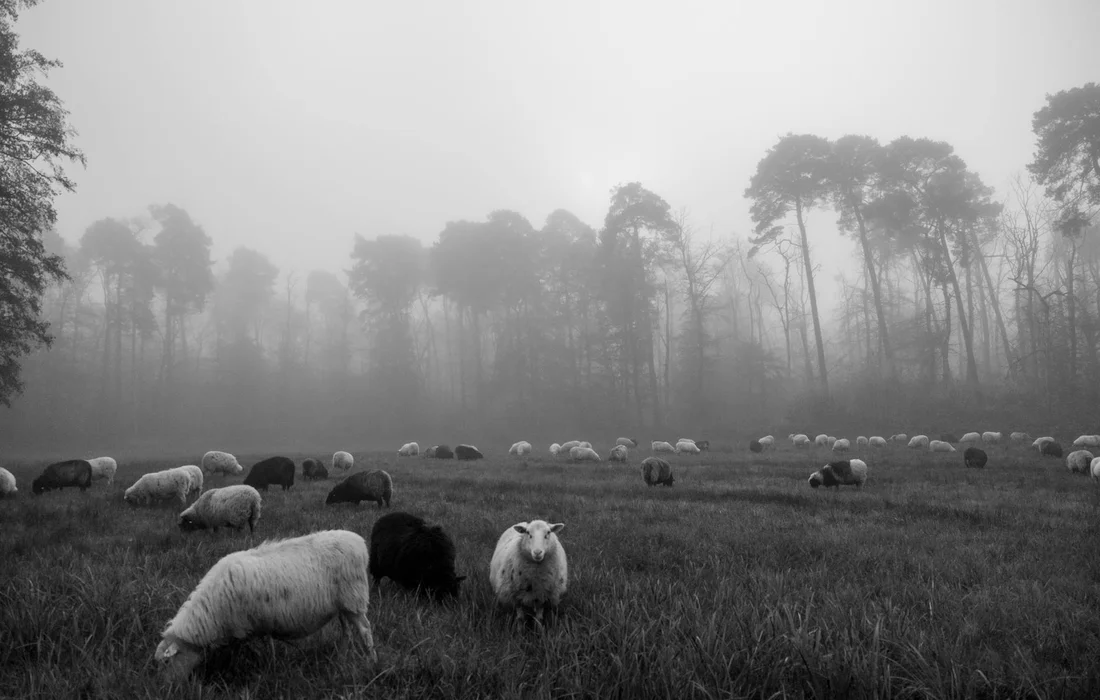
I reckon a well-prepared treat is a safe treat. Handing over a whole cabbage to your flock is asking for trouble, much like giving a toddler a whole apple. A little prep work goes a long way in keeping your critters happy and healthy.
Chopping, Slicing, and Serving Safely
- Always wash scraps to remove dirt and potential chemical residues. I run mine under the cold well water and give them a good scrub. You’d be surprised what lingers in those celery grooves.
- Chop cabbage heads and thick celery stalks to prevent choking. My rule of thumb is to cut pieces no larger than a sheep’s mouth. For a big ewe, that’s about the size of my palm. For smaller lambs, I chop it finer, like a rough dice.
- For serving, I’ve found tossing scraps into a clean, dry trough keeps things tidy. Scattering them over a dry patch of pasture works too, encouraging natural foraging behavior. I avoid muddy areas to keep the food clean.
Never toss scraps into a dirty stall or a wet, muddy corner; you’re just inviting flies and spreading bacteria they’ll accidentally eat. A clean feed pan or a spread-out buffet on dry ground is the neighborly way to serve supper.
How Much and How Often: Finding the Balance
- Vegetable scraps are a supplement, not a staple. I keep them to less than 10% of the sheep’s total daily intake. For a mature ewe, that might be a couple of handfuls of chopped scraps a day, a few times a week.
- A sudden bellyful of cabbage can cause a dangerous gas build-up called bloat. I introduce any new scrap over 4-5 days, starting with just a few bites per animal and watching closely.
- Always offer scraps after your sheep have filled up on their primary forage-good grass hay or pasture. This ensures their rumen is working correctly first and prevents them from gorging solely on the tasty treats.
If you notice loose stools or hear a lot of belly gurgling after feeding scraps, pull back immediately and give their digestion a week to settle with just hay and water. Their main job is to digest fiber, so let them do that first before the fun extras.
Potential Problems and Pasture Precautions
Understanding Bloat and Digestive Upset
I remember one brisk morning when I overdid the cabbage scraps for my ewes, and it taught me a lesson I won’t forget. Frothy bloat is a scary thing in ruminants where fermentation gases get trapped in a sticky foam inside the rumen, and the animal can’t release it. Brassica vegetables like cabbage are high in moisture and soluble carbohydrates, which can ferment far too quickly in the sheep’s stomach, sparking that risky foam buildup.
You’ll want to watch your flock close after they’ve had their treat. Signs of digestive distress can come on quick, so look for:
- A visibly swollen, tight left flank that sounds like a drum if tapped.
- Restlessness, repeated lying down and standing, or kicking at the belly.
- Stopping chewing cud, losing interest in food, or general dullness.
- In advanced cases, you might see stumbling or difficulty breathing.
If you notice any of this, act fast. Get that sheep off pasture or scraps immediately, provide clean water, and contact your veterinarian without delay. Keeping a remedy like a bloat drench on the farm is prudent, but managing portions and observing your flock is how you avoid trouble altogether. This is just one part of managing your flock’s health, so you can keep your pasture producing and your sheep happy.
Minding the Main Diet: Forage First
Let me be as clear as a morning bell: those veggie scraps are a supplement, not supper. Your sheep’s foundation must always be quality forage-be it pasture grass, hay, or a formulated feed-to keep their complex digestion running smooth. Understanding the sheep nutrition essentials—balancing hay, grains, and supplements—will guide the next steps.
When scraps from cabbage, celery, or cucumber take up too much room in the diet, they displace the essential fiber and nutrients from forage. Over time, this can lead to gaps in energy, protein, and minerals, affecting everything from a ewe’s pregnancy to the quality of a ram’s wool.
I use my kitchen leftovers as a tool, not a staple. Handing out a few crunchy cucumber peels or celery tops in the evening is a fine way to train your sheep to come when called or to add some simple enrichment to their day. It turns a potential problem into a practical, thrifty bit of barnyard fun.
Smart Storage for Seasonal Scraps
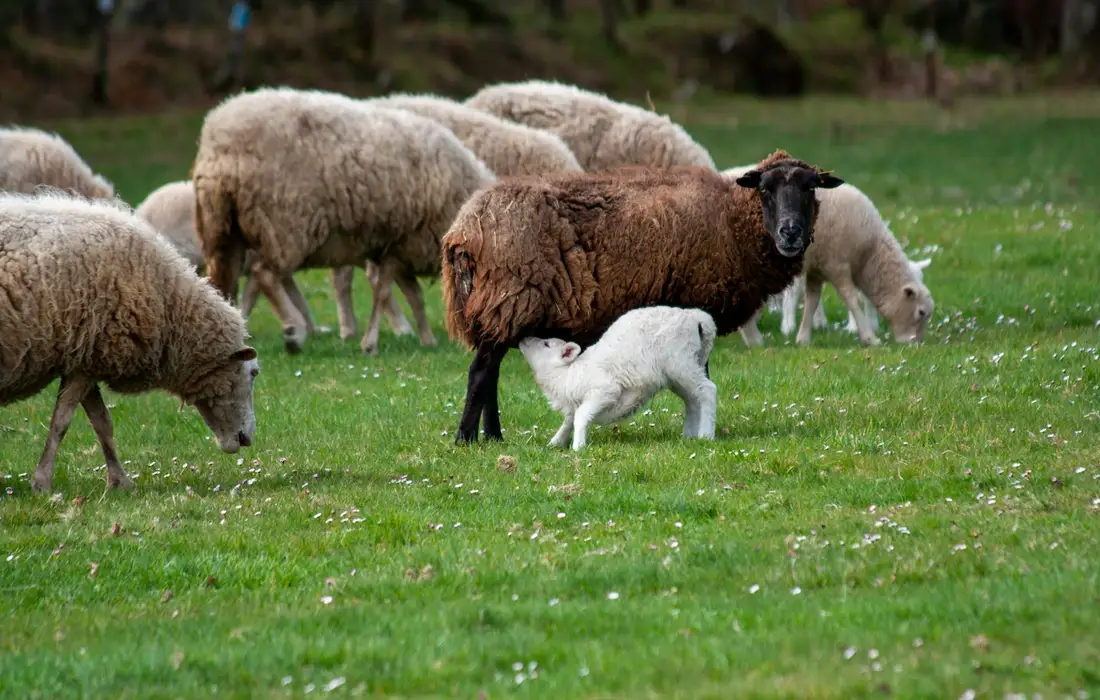
When your garden overdelivers on cabbage or you find yourself with a glut of celery, knowing how to tuck those extras away for your flock is a homestead skill I value deeply. From my own barnyard, I’ve learned that a little foresight in storage prevents waste and turns surplus into steady, nutritious snacks for the sheep. It’s all about working with the seasons and your space.
- For bulk, whole vegetables like firm cabbages, a cool root cellar at 35-40°F is ideal. I store mine right next to the potatoes and beets. Refrigerate pre-cut scraps in a container for short-term use; they’ll stay crisp for two to three days.
- Keep a dedicated bucket with a tight lid for daily kitchen trimmings. My go-to is an old feed bucket by the porch where I toss cucumber ends and celery tops throughout the day. This simple system keeps pests out and makes evening feedings a breeze.
- Never feed scraps that are spoiled, moldy, or rock-hard frozen. Mold can lead to serious digestive upset, and frozen veggies can cause a stomach chill. I always thaw frozen scraps to room temperature and compost anything that smells off or looks slimy.
Beyond the Big Three: Other Garden Greens for Grazers
Now, while cabbage, celery, and cucumber are fine staples, your garden and kitchen yield a whole bounty of other trimmings that can make for wonderful, cost-effective sheep snacks. It’s all about seeing that waste stream as a resource stream. Just make sure to choose vegetables that are safe and nutritious for sheep.
I keep a dedicated pail by my peeling station just for the flock. Here’s what regularly fills it up, beyond the big three:
- Carrot tops & Beet greens: My ewes go downright silly for these leafy fronds. They’re packed with good vitamins and make a terrific seasonal treat when I’m putting up root vegetables for winter.
- Squash & Zucchini ends: Those stem ends and misshapen bits you trim off before slicing? Perfectly safe. The seeds inside pose no issue, unlike with some other livestock.
- Sweet Corn Husks & Cobs: After a family corn boil, the sheep get the cleanings. They’ll strip every last bit of silk and soft husk, and even gnaw on the cobs, which gives them a nice bit of mental stimulation.
- Broccoli & Cauliflower Leaves: These outer leaves, often too tough for our taste, are prime grazing material. The florets themselves are fine too, in moderation.
- Pumpkin & Melon Rinds: After Halloween or a summer picnic, those carved-up jack-o’-lanterns and watermelon rinds are a festive feed. Just scrape out any major wax or salt.
A Word on What to Weed Out
But here’s where your steward’s eye is critical. Not every plant scrap belongs in the sheep pen. Some common kitchen leftovers can cause real harm, especially when feeding chickens.
- Avoid the Entire Nightshade Family’s Foliage: This is non-negotiable. Potato and tomato greens (leaves and stems) are toxic and can cause serious neurological distress. The actual potatoes and tomatoes are a separate, debated topic, but the green parts are a firm “no.”
- Onions, Garlic, Leeks, and Chives: All members of the allium family can cause hemolytic anemia in sheep, damaging their red blood cells. Keep those pungent scraps for your compost pile, not your flock.
- Rhubarb Leaves: Highly toxic due to oxalic acid. This is one for the trash, not the treat bucket.
- Anything Moldy or Fermented: A spoiled scrap can disrupt a rumen faster than a summer storm. When in doubt, throw it out.
Learning Their Language: Watch What They Love
The most valuable advice I can give you is to become an observer when it comes to sheep behavior. Sheep have clear preferences, just like we do. In my bunch, the old ewe, Matilda, will push everyone aside for a beet green, but she’ll turn her nose up at a zucchini end, which the young ram lamb will happily snatch.
Start by offering small handfuls of a new scrap type and just watch. See which ones they devour first and which are left for last. This observation lets you tailor your “fodder plan.” By paying attention, you’ll learn which scraps are coveted treats and which are just acceptable clean-up crew fare, allowing you to diversify their diet in a way they genuinely enjoy.
It also builds a connection. You’re not just dumping waste; you’re providing choice, which is a form of respect for the animal. That little bit of knowledge makes the whole homesteading cycle feel more complete and thoughtful.
Closing Questions
Can feeding cabbage impact a ewe’s milk production?
In moderation, cabbage provides beneficial vitamins without hindering milk yield. However, overfeeding may lead to digestive issues that could indirectly reduce nutrient availability for lactation.
Are celery strings a choking hazard for all sheep?
Adult sheep typically manage celery strings, but young lambs are at risk of tongue entanglement. To prevent this, chop celery finely or split stalks before offering it to younger animals.
How can cucumber scraps aid in sheep hydration during summer?
Cucumber’s high moisture content helps supplement water intake, which is crucial in heat. This makes it a refreshing, low-calorie treat that supports overall hydration, especially for active or nursing sheep.
What precautions should be taken when feeding cabbage to sheep with a history of bloat?
Introduce cabbage extremely slowly and in tiny amounts, always after ample hay consumption. Closely observe for bloating symptoms and consult a vet if any signs of distress appear. If you’re unsure about feeding cabbage, check out our comprehensive guide on cabbage types and safety for rabbits.
Can the silica in celery improve sheep hoof condition?
Yes, silica in celery supports keratin formation, which can contribute to stronger hooves. Including it as an occasional scrap may aid in maintaining hoof integrity alongside a balanced diet.
Are there any toxicity concerns with cucumber seeds from conventional produce?
Cucumber seeds themselves are non-toxic and safe for sheep to eat. Always wash cucumbers thoroughly to remove potential pesticide residues before feeding them as scraps, especially when you’re aware of toxic or forbidden foods for sheep.
Shuttin’ the Gate
The most beautiful sight on this farm is a contented flock grazing at dusk. We can keep ’em that way by bein’ mindful stewards of their troughs and their treats. The golden rule for scraps is simple: offer variety slowly, in modest amounts, and always after they’ve filled up on their good hay or pasture. This one habit prevents a world of tummy trouble and keeps your sheep right as rain.
There’s a deep satisfaction in seein’ your animals relish a wholesome treat you’ve provided. So go on, share that extra cabbage heart from your garden. Then pull up a stool, watch ’em munch, and soak in the quiet rhythm of the homestead. We’re all just tendin’ our little patches of paradise. Thanks for lettin’ me share a bit of mine. Now, I reckon I’ve kept y’all long enough-I see my own flock is waitin’ for an evenin’ wave from the porch.
Further Reading & Sources
- Can sheep eat vegetable scraps?
- Sheep treats and snacks ??? – The Accidental Smallholder
- Over 25 Treats and Snacks for Sheep (And Ones to Avoid)
Caroline Mae Turner is a lifelong farm girl raised on red clay, early mornings, and the sounds of a bustling barnyard. With hands-on experience caring for everything from stubborn goats to gentle dairy cows and mischievous pigs, Caroline shares practical, tried-and-true advice straight from the farm. Her goal is to help folks keep their animals healthy, well-fed, and living their best barnyard life. Whether you're wrangling chickens or bottle-feeding a baby goat, Caroline brings a warm Southern touch and plenty of real-world know-how to every bucket in the barn.
Feed Recommendations