Can Rabbits Eat Carnations, Carob, Peas & Watercress? Your Quick-Answer Feeding Guide
Published on: March 13, 2026 | Last Updated: March 13, 2026
Written By: Caroline Mae Turner
Howdy y’all. You can confidently feed peas and watercress to your rabbits, but you must avoid carnations entirely, and only offer carob in tiny, infrequent amounts. I’ve stood right there at the hutch door with a handful of garden goods, wondering what’s a treat and what’s trouble, so let’s settle this straight away.
What you’ll need:
- Fresh or thawed peas (not canned)
- Clean, leafy watercress
- A sharp eye for identifying plants
- Five minutes for safe prep
We’ll break down each one in detail, so you can feed with confidence and get on with your day.
The Rabbit’s Daily Plate: Hay, Greens, and a Little Something More
Feeding a rabbit right is simpler than piecing together a quilt, but you gotta know your layers. I’ve fed rabbits through three decades of springs and winters, and their menu never changes at its core. Unlimited, grassy hay like timothy or orchard grass should make up the bulk of what your bunny eats, day in and day out.
Think of greens as your daily vegetable side dish. A couple of generous handfuls per rabbit keeps things interesting. I grow a row of watercress in the shallow end of the spring runoff; it’s a powerhouse green they gobble up. Rotating your greens-like romaine, cilantro, and that watercress-prevents nutrient imbalances and keeps meals exciting. Knowledge of which leafy greens are rabbit-safe and how much to offer helps prevent digestive issues. We’ll cover safe types, portion sizes, and feeding guidelines in the next steps with implicit links.
Now, that “little something more” is where peas and carob come waltzing in. Fresh garden peas (the pod included) are a starchy treat. I give one or two per rabbit, not a bowlful. Carob, often found in dried pod or powder form, is sugary. A tiny dash of carob powder on a piece of stale bread is a rare birthday treat in my barn, not a regular ration.
Here’s a handy way to visualize their daily rations:
- Foundation (80-90%): Unlimited grass hay.
- Daily Greens (10-15%): Two packed cups of leafy veggies per 6 lbs of rabbit.
- Occasional Extras (<5%): A few pea pods, a herb sprig, or a pinch of carob as a weekly delight.
Munching on Flowers: The Truth About Rabbits and Carnations
It’s a pretty sight, a bunny in a flower bed. But my heart sinks when I see one near carnations. I learned this lesson with a pet lop named Daisy, who got a mouthful of a fallen bloom. Not every pretty petal is pantry-safe for a rabbit, and assuming so can lead you straight to trouble.
Why Carnations Don’t Belong in the Hutch
Carnations, and most florist-bought dyed flowers, are a hard pass. They contain irritating substances that can cause drooling, stomach upset, or loss of appetite in sensitive rabbits. It’s the unseen sap and compounds in the plant that do the dirty work, irritating their gut like a piece of rough sandpaper.
I reckon it’s a matter of good stewardship. We wouldn’t feed our children decorative berries, so why offer our rabbits decorative blooms? Sticking to known, safe plants is the thrifty choice, as it saves you vet bills and heartache down the line.
Safe & Pretty Blooms for Bunny Gardens
You can still have a vibrant garden that’s a snack bar for your bunnies. I plant a “bunny border” around my run with these non-toxic options. Growing these yourself saves money and lets you control exactly what your animals are consuming.
These are the blooms that have earned a permanent spot in my garden:
- Calendula: Those sunny orange petals are anti-inflammatory and rabbits can eat them freely.
- Borage: The whole plant is safe, and the fuzzy leaves are a particular favorite. It’s a prolific self-seeder, too.
- Lavender: A few dried sprigs in the nesting area are calming, and they can nibble the flowers sparingly.
- Roses: Only petals from unsprayed bushes. My old Zephirine Drouchin climber supplies them all summer.
Always offer a new flower in a small pinch first to watch for any soft stool. Patience in introduction is the key to safely expanding your rabbit’s gourmet horizons.
Carob for Critters: A Sweet Treat or a Sticky Situation?
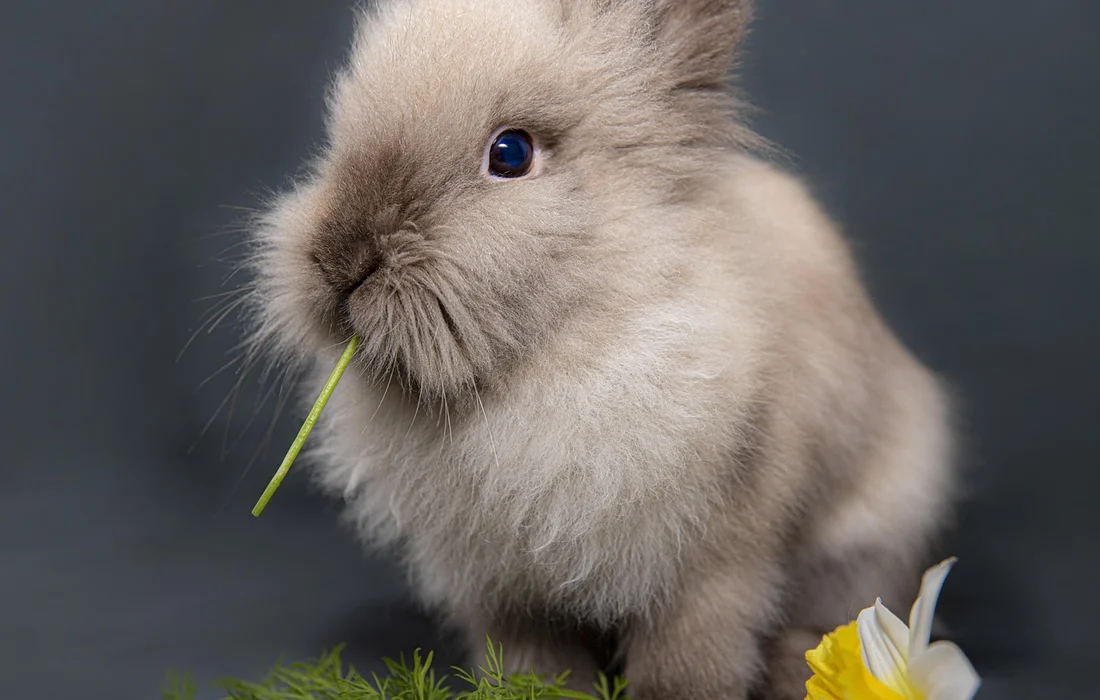
Now, let’s mosey on over to carob. That chocolate substitute from the Mediterranean sure smells sweet, and I reckon plenty of folks wonder if their bunnies can have a taste. The answer isn’t a simple yes or no; it depends entirely on the form it comes in.
Offering Carob Pods: Nature’s Dental Chew
In its whole, natural state-the dried pod-carob can be a fine, occasional woody chew for adult rabbits. I’ve picked up a few pods from a reputable feed supplier and offered them to my older bucks as a boredom buster on long winter days. The key is viewing the whole pod as a dental aid and enrichment item, not a food to be consumed in bulk.
These tough, fibrous pods help wear down those ever-growing teeth in a natural way. They contain fiber and are low in fat. But you must source them specifically for animal consumption, ensuring they’re organic and free from pesticides or coatings.
- Offer Sparingly: One small pod (about 2-3 inches) per rabbit, no more than once a week.
- Supervise the First Time: Watch to ensure your rabbit is actually gnawing on it and not trying to swallow large pieces whole.
- Not for All: Skip this for young kits, overweight rabbits, or any with a history of digestive slowdowns. The tannins, while usually fine in this form, can be binding for some.
The Big Risk with Carob Powder and Chips
Here’s where we hit the rough patch, friends. The processed forms of carob-powder, chips, or “baking” pieces-are a real hazard for rabbits. I learned this lesson years ago when a well-meaning neighbor offered my Netherland Dwarf a treat meant for horses that was coated in carob powder.
Processed carob products are often packed with added sugars, fats, and sometimes even chocolate to make them palatable for humans, creating a digestive disaster waiting to happen for a rabbit. Their delicate cecal bacteria cannot handle that sugar load, leading to painful gas, stasis, or worse.
The powder itself poses a unique danger. It’s a fine, dry dust that can be easily inhaled, causing respiratory distress. If it mixes with saliva, it can also form a pasty, glue-like consistency in the mouth or gut.
- Avoid All Powders & Chips: This includes any “yogurt” drops or baked goods made with carob. The risk of added sugar and choking is far too high.
- Read Every Label: If you’re considering a commercial “rabbit treat” with carob, the ingredient list must say “whole carob pod” or similar. If it lists “carob powder” or “sugar,” put it back on the shelf.
- Stick to the Natural Pod: The whole, unadulterated pod is the only safe way to introduce this material to your rabbit’s environment, and even then, it’s a rare novelty.
My rule in the barn is simple: if it looks like a treat *I* might want to eat, it’s probably not fit for a rabbit’s supper. Their sweetness should come from a handful of fresh hay, not from a bag of processed chips.
Peas in a Pod: A Starchy Delight for Moderation
Now, I reckon peas might seem like a harmless garden treat, but for rabbits, they’re a bit like birthday cake – wonderful in small doses but trouble if overdone. In my years of tending to fluffy herds, I’ve learned that peas should always be an occasional snack, never a replacement for their hay. Those little green gems pack more starch than you might think, which can lead to a sluggish gut if your bunny overindulges. For example, many owners ask about sugar snap peas, especially the pods, and how to balance them in a rabbit-friendly diet. A concise peas guide can help you decide which parts are safe and how to serve them in moderation.
I remember one summer when my patch of Lincoln peas produced more than my pantry could hold. Sharing a few with the rabbits felt thrifty and good, but I soon saw that too many made their droppings soft and irregular. That taught me to respect the delicate balance of their digestion, favoring steady health over a fleeting treat.
From Sugar Snaps to Snow Peas: What’s on the Menu?
You might be eyeing your pea patch and wondering which parts are bunny-safe. Fresh green peas, snow peas, and sugar snap peas are all fine for rabbits when prepared right. I often toss a few pods from my spring harvest to my crew, but I’m mighty careful about the details. The pod itself on sugar snaps or snow peas is fair game, but for shelling peas, it’s the inner peas you’re after.
Here’s a breakdown of what your critters can nibble on:
- Fresh Shelled Peas: These are the classic green peas from inside the pod. They run about 5-6% protein, which is a nice little boost, but also contain those starches.
- Snow Peas: The flat, edible-pod variety. Rabbits can eat the whole pod, which is lower in starch than the pea itself.
- Sugar Snap Peas: Similar to snow peas, the entire sweet pod is edible. My bunnies find these irresistible.
- Pea Shoots and Tendrils: These young greens are excellent, less starchy, and a personal favorite of mine to grow for them. They’re a sustainable choice, as you can harvest them without waiting for the full pod.
Remember, dried peas or canned peas are a hard no – they’re too concentrated and often have added salt that can harm your animal. Always stick to fresh, raw options from a trusted source.
How to Serve Peas Without Upsetting Tummies
Serving peas right is all about preparation and portion control. Start by washing them thoroughly to remove any dirt or pesticide residue, especially if they’re not from your own garden. I always give mine a good rinse under cool water. Then, for adult rabbits, I recommend no more than one or two tablespoons of shelled peas per week, mixed into their regular greens.
Follow these steps to keep those bunny bellies happy:
- Wash and Prep: Clean the peas or pods. For pods, tear or slice them into thin, bite-sized strips to prevent choking.
- Introduce Slowly: If your rabbit has never had peas before, offer just one or two pieces and wait a full day to see how they handle it.
- Mind the Portion: Stick to that modest weekly allowance. For a medium-sized rabbit, a few peas are plenty.
- Mix with Greens: Serve peas alongside their daily salad of leafy greens like romaine or kale, never alone.
- Observe Closely: Watch for any changes in droppings or energy levels. If things seem off, skip the peas and return to simple hay and water.
This tiny amount gives them a taste of variety without risking digestive havoc. By treating peas as a rare delight, you’ll keep your rabbits healthy and eagerly awaiting their next tiny, green surprise, unlike beans or sprouts which might not be safe for them.
Watercress: A Powerhouse Green with a Caveat
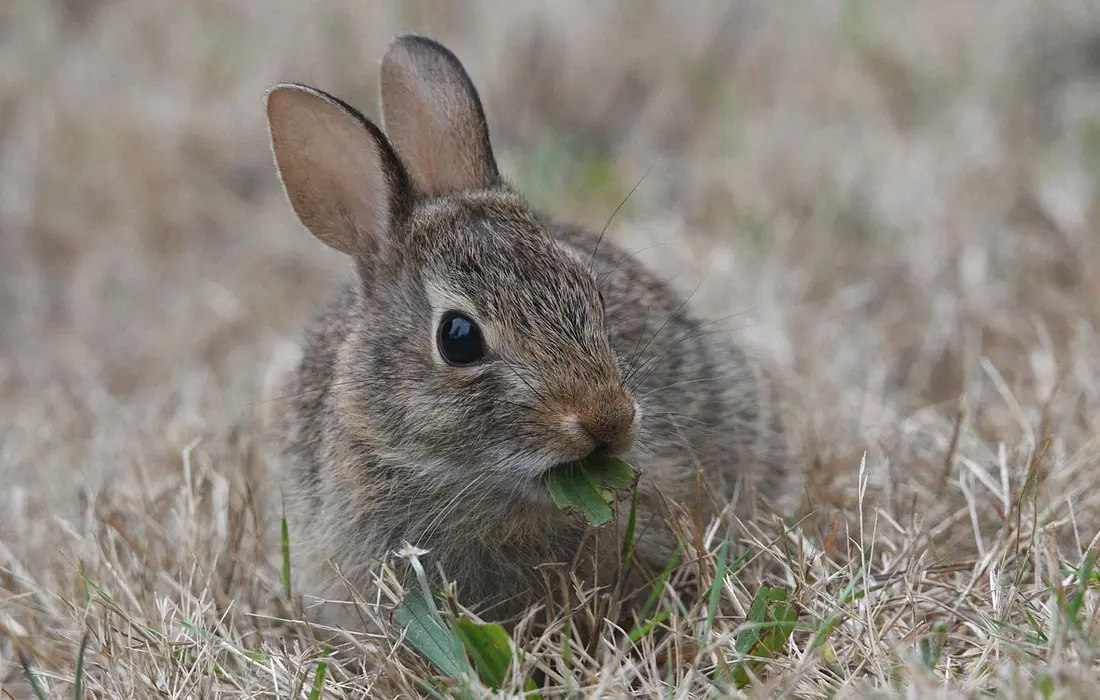
Now, let’s wade into the creek bed for a moment and talk about watercress. This peppery green is a common sight in cool, running water on many a property, and it’s a nutritional dynamo. I’ve harvested it for my own salad bowl for years, but introducing it to the rabbits requires a more cautious hand than tossing them some dandelion greens. It’s not a simple “yes” or “no,” but a “yes, with some very important rules.”
The Nutritional Bounty of Watercress for Rabbits
If you were to design a perfect leafy green for supporting overall health, watercress would come mighty close. It’s packed with vitamins K, C, and A, along with a host of minerals like calcium, manganese, and potassium. This nutrient profile can help support strong bones, good vision, and a robust immune system in your herd. Its natural peppery flavor, coming from compounds called glucosinolates, can also be appealing and provide a different sensory experience for your bunnies.
Compared to staples like romaine, watercress often has a higher protein percentage and more concentrated micronutrients. Think of it less as a bulk hay replacement and more as a potent, occasional supplement to their main diet. A few sprigs go a long way. I’ve noticed my rabbits seem particularly bright-eyed and bushy-tailed after a small serving, though that’s just one farmer’s observation.
Sourcing and Serving Watercress Safely
Here’s where my tone turns serious, friends. The “water” in watercress is the critical part. This plant acts like a filter, absorbing everything from the water it grows in. Harvesting from an unknown pond, ditch, or slow-moving stream is an absolute gamble you cannot take with your rabbit’s health. Runoff from roads, pastures, or contaminated groundwater can lead to dangerous levels of heavy metals, bacteria, or liver fluke parasites.
Your only safe sourcing options are watercress you grow yourself in a controlled hydroponic setup or purchase organic from a trusted grocery store. Even store-bought or home-grown, a rigorous wash in cool, clean water is non-negotiable to remove any potential surface contaminants.
To serve it safely, follow these steps:
- Source Securely: Use only certified organic store-bought or your own cleanly grown watercress.
- Wash Thoroughly: Rinse it under cold running water, agitating the leaves to dislodge any grit.
- Start Small: Introduce one small sprig per adult rabbit to see how their digestive system tolerates it.
- Moderate Frequency: Due to its calcium and oxalic acid content, offer watercress only 1-2 times per week as a treat, not a daily green.
- Observe: Watch for any changes in droppings or behavior after introduction.
Respect its potency and its risks, and watercress can be a wonderful, varied bite for your rabbits. Good stewardship means knowing not just *what* to feed, but precisely *where* it came from and *how* to prepare it. It’s a little extra work, but that’s what keeps our animals thriving.
Introducing Any New Food to Your Rabbit’s Diet
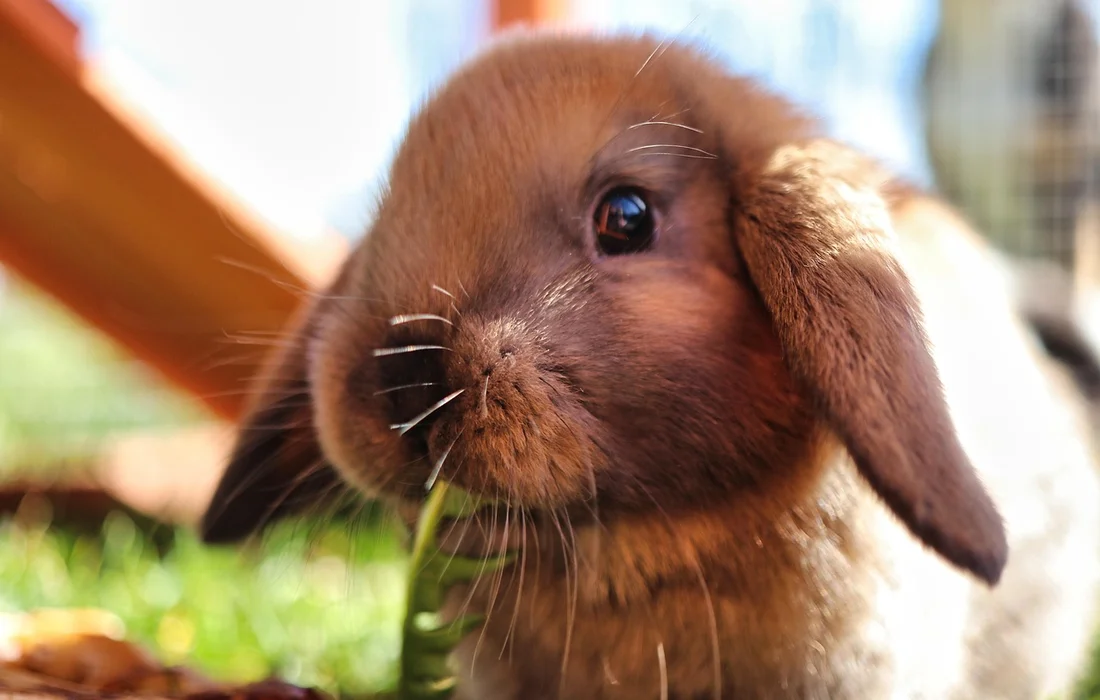
Now, let’s chew on the real heart of the matter. You might be eyeing those garden carnations or a bag of carob chips, wondering if your bunny can have a taste. Before you share a single bite, the most important lesson I’ve learned from decades with rabbits is that their digestion is a delicate engine, and new fuel must be added drop by drop. At home, rabbits do best with a diet that goes beyond pellets—lots of hay, greens, and fresh water daily. A varied, high-fiber diet keeps that delicate digestive engine steady. I’ve seen a hasty handful of peas turn a happy hopper into a bloated, miserable creature, and it’s a sight that’ll make any stewart’s heart sink.
The Barnyard Golden Rule: Slow and Steady Wins the Race
Think of your rabbit’s gut flora as a careful, balanced community. Dumping in a new food is like inviting a loud, unknown crowd to a quiet potluck-it causes a ruckus that can lead to serious stasis or diarrhea. Whether it’s watercress from the creek bank or carob from the health food store, the introduction principle never changes. I reckon it’s the cornerstone of respectful rabbit husbandry.
Your Step-by-Step Guide to Safe Introductions
Follow this ol’ homesteader’s method, and you’ll keep your floppy-eared friends in fine fettle. It’s the same one I use for every new green, flower, or treat.
- Start with a Smidgen: On the first day, offer a piece no larger than your thumbnail. For a flower like a carnation petal, that means one single petal.
- Observe for a Full Day: Watch their droppings, energy, and appetite like a hawk. Normal, round, dry pellets are your green light.
- Increase Ever So Gradually: If all is well, you can slowly offer a bit more over the next 7-10 days. We’re talking pea-sized amounts, not a whole pod.
- Keep It a Small Portion: Even after introduction, any new food should only ever be a tiny part of their diet-a supplement to their main fare of hay.
- One at a Time: Never introduce carnations and carob and peas all in the same week. This patience is the thrifty way, as it prevents costly vet visits and wasted feed.
Reading the Signs: What Your Rabbit is Telling You
Your rabbit can’t speak, but its body shouts. If you see any of these signs, stop the new food immediately and revert to their trusted diet of hay and water.
- Soft, misshapen, or significantly fewer droppings.
- Lethargy or hiding in the corner of the hutch.
- Loud tooth grinding (a sign of pain, not contentment).
- Loss of appetite for their regular hay.
- Gurgling sounds from their belly you can hear from a step away.
Catching trouble early is the mark of a good steward, and it’s often the difference between a simple fix and a dire situation. I keep a little notebook by the hutch to jot down what I fed and when, and it’s saved my bacon more than once.
Bringing It Home to Your Specific Query
So, for those carnations, carob, peas, and watercress? This method applies directly. That vibrant watercress might be packed with nutrients, but its slight peppery kick means you’ll want to be extra cautious with that first leafy bite. A dried carob pod is a sweet treat, but sugar is a shock to their system. And those garden peas? The pod is often safer than a large pile of the starchy peas themselves. By introducing each with the care I’ve outlined, you’re not just feeding a rabbit; you’re honoring a life in your care. To help you implement this at home, I share a practical domestic rabbit diet guide. It outlines safe portions, pacing, and how to build a balanced menu for a happy, healthy rabbit.
Closing Tips
Can rabbits eat carnations?
No, rabbits cannot safely eat carnations. These flowers contain irritating compounds that can disrupt a rabbit’s sensitive digestive system.
Why are carnations specifically dangerous for rabbits?
Carnations possess sap and natural chemicals that act as internal irritants. Ingesting them can lead to oral discomfort, gastrointestinal upset, and loss of appetite in rabbits.
What are the common signs of carnation poisoning in rabbits?
Watch for symptoms like excessive drooling, reduced food intake, and lethargy. If you notice these signs, it’s crucial to seek veterinary care promptly.
Are there any circumstances where a carnation petal might be safe?
No, all parts of the carnation plant are considered unsafe for rabbit consumption. It is best to completely exclude them from your rabbit’s environment and diet.
How can I safely satisfy my rabbit’s curiosity about flowers?
Provide approved, non-toxic blooms like calendula or borage from your garden. Always introduce any new flower in a tiny amount to monitor your rabbit’s reaction first.
What is the most important rule when preventing access to harmful plants like carnations?
Consistently rabbit-proof any areas they can access, both indoors and outdoors. Knowing and controlling exactly what plants are within their reach is the key to prevention—especially when it comes to using rabbit-resistant plants and flowers.
Shutting the Gate
When you step back and look at that whole plate of goodies-carnations, carob, peas, and watercress-the real lesson isn’t about any single item. The truest key to a thriving rabbit is a varied diet, served with a heavy spoonful of moderation and a watchful eye. I’ve seen more bunnies have trouble from eating too much of a good thing than from a single curious nibble on a forbidden one.
I’m mighty thankful y’all stopped by the digital fence line to chat about rabbit vittles. There’s a deep joy in caring for these creatures well, in watching them hop and binky because you got the little things right. Now take this knowledge, share a bit with another rabbit keeper you know, and then go enjoy the simple, good work of tending your own. Happy homesteading, friends.
Further Reading & Sources
- Rabbit Diet & Nutrition: Safe Foods and Treats for Bunnies
- Feeding Your Rabbit | The Rabbit Haven
- FEEDING YOUR RABBIT
Caroline Mae Turner is a lifelong farm girl raised on red clay, early mornings, and the sounds of a bustling barnyard. With hands-on experience caring for everything from stubborn goats to gentle dairy cows and mischievous pigs, Caroline shares practical, tried-and-true advice straight from the farm. Her goal is to help folks keep their animals healthy, well-fed, and living their best barnyard life. Whether you're wrangling chickens or bottle-feeding a baby goat, Caroline brings a warm Southern touch and plenty of real-world know-how to every bucket in the barn.
Diet Requirements