Can Rabbits Eat Strawberries? Your Complete Berry Feeding Guide
Published on: March 17, 2026 | Last Updated: March 17, 2026
Written By: Caroline Mae Turner
Howdy y’all. Got some extra berries from the patch and a hutch full of hopeful bunnies watching your every move? Let’s settle this right now. Yes, your rabbits can absolutely enjoy strawberries and their green tops, but only as a sweet, occasional treat fed in careful moderation.
- A handful of fresh, ripe strawberries
- A paring knife to slice them
- A small bowl for serving
Stick with me, and we’ll sort out the how, how much, and how often so you can share the bounty without a worry.
The Simple Truth: Are Strawberries Safe for Rabbits?
Yes, your bunny can have a strawberry, but you must think of it like a slice of birthday cake-a special treat, not everyday supper. I’ve handed many a berry to my curious Holland Lops over the years, and that moment of joy is real, but the rule is simple: moderation is everything.
A rabbit’s gut is built for roughage, not sweetness. Their primary diet must be unlimited grass hay, which keeps their digestion moving and teeth worn down. Those natural sugars in a strawberry, while harmless in a tiny dose, can slow down a delicate digestive system if offered too often. It’s the difference between a sprinkle of sugar on your oatmeal and eating the whole bowlful.
For those just starting out, here’s my quick list of do’s and don’ts to keep your critter safe and happy.
- DO wash the berry thoroughly to remove any pesticide residue.
- DO start with a small piece, about the size of your thumbnail, to see how their stomach handles it.
- DO feed the leafy green tops along with the berry; they’re often a bigger hit with my bunch.
- DON’T ever replace a meal of hay with a sweet treat.
- DON’T feed strawberries from a can or those in sugary syrups; only fresh or plain frozen.
- DON’T offer berries if your rabbit has a history of digestive issues like GI stasis.
Weighing the Sweetness: Benefits and Risks of Berries
The Good Stuff: Vitamins, Fiber, and Dental Health
When given right, a strawberry offers a little burst of good nutrition. The vitamin C and manganese in these berries support a healthy immune system and strong bones, while the fiber in the flesh and seeds gives digestion a gentle nudge. I reckon the best benefit I’ve seen is dental; that slightly gritty texture provides a mild, natural scrubbing action on their teeth as they chew.
From my own patch, I’ve watched my rabbits methodically nibble a berry from the green cap down, savoring every bit. Offering the entire berry, top and all, provides a more enriching and fibrous snack than the fruit alone. Here’s a quick breakdown of what’s in a typical strawberry:
- Vitamin C: Helps with overall healing and health.
- Manganese: Aids in bone development and metabolism.
- Dietary Fiber: Promotes healthy gut motility.
- Water Content: Adds a bit of hydration on a warm day.
The Risks: Sugar, Stomach Upset, and Overfeeding
The biggest danger in that red berry is its sugar content. A rabbit’s cecum is a fermentation vat that requires a steady, high-fiber diet to function properly. Too much sugar can throw this system off balance, leading to painful gas, diarrhea, or the dreaded GI stasis-where the gut slows down or stops completely. It’s a serious condition that requires immediate vet care.
Over time, frequent treats lead to weight gain and picky eaters who snub their hay. You must also consider where the berry came from. Conventionally grown strawberries often carry pesticide residue, which is why a good wash or choosing organic is a non-negotiable step for my herd.
My golden rule, honed from years in the barn, is this: all treats, including strawberries, should make up less than 10% of your rabbit’s total diet. For a standard 5-pound rabbit, one medium strawberry, including the top, once or twice a week is a plenty generous serving. Any more, and you’re trading a moment of sweetness for potential long-term trouble.
From Garden to Hutch: How to Prepare and Serve Strawberries
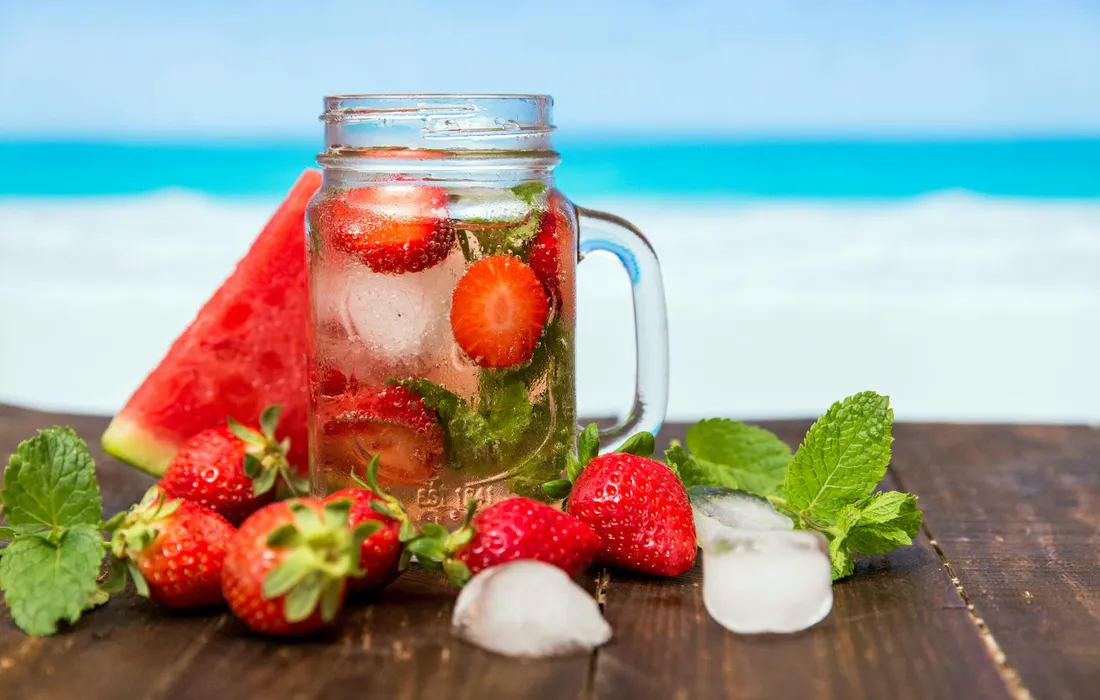
Sharing your harvest with your rabbits is a real joy, but doing it right keeps those fuzzy tails wagging. Serving strawberries safely isn’t just about the berry itself; it’s about the care you take from washing to slicing. I’ve seen a hutch get mighty quiet from a simple mistake, so let’s walk through it together.
Follow these five steps to make sure your treat is nothing but sweet for your bunny.
- Select fresh, ripe berries-avoid moldy or spoiled fruit. A single mushy spot can ferment and cause gas, something no rabbit owner wants to deal with.
- Wash thoroughly under cool, running water to remove dirt and chemicals. If you didn’t grow them yourself, assume they need a good scrub to get rid of pesticide residues. My rule is to always choose organic when I can.
- Pat dry with a cloth and remove the green calyx (top) if feeding separately. Those leafy tops are a fine treat on their own, full of fiber, but they need to be clean and dry too.
- Cut a large berry into quarters or halves for easier eating. This prevents choking and helps you control the portion, especially for smaller breeds.
- Offer as a hand-fed treat or place in a clean dish. Never just drop it in the bedding where it can soil quickly and attract flies. A little presentation goes a long way for hygiene.
Setting the Table: How Much and How Often
Even the best-prepared treat can cause harm if you overdo it. Strawberries are a dessert, not the main course, and their sugar demands respect for your rabbit’s digestion. I keep a kitchen scale handy for my bunnies, just like I do for my baking.
Aim for one small strawberry per two pounds of body weight, served no more than once or twice a week. For a hefty Flemish Giant, that might be two berries; for a Netherland Dwarf, a single quartered piece is plenty. This small offering keeps their diet balanced on the foundation of hay.
This next part is non-negotiable from my experience. Baby rabbits, called kits, should not have strawberries until they are at least 12 weeks old and fully weaned onto a hay-based diet. Their gut flora is too delicate for sugar, and introducing fruit too early can stunt their growth and cause diarrhea. Wait until they’re sturdy youngsters before even thinking about berry treats. For readers caring for kits, a quick primer on baby rabbit diet, weaning, and first foods supports their nutrition as young rabbits. The next steps will provide implicit links to practical guides on weaning and introducing suitable foods.
Don’t Waste the Greens: A Closer Look at Strawberry Tops
Now, let’s talk about the part most folks toss right into the compost-the leafy green cap and stem. I can tell you with absolute certainty that those strawberry tops are not just safe; they’re a downright excellent addition to your rabbit’s salad bowl. In my barn, the tops are often the more sought-after prize than the berry itself.
Those leaves and stems are packed with the kind of roughage a rabbit’s digestive system is built for. They provide crucial fiber that keeps the gut moving smoothly, which is the bedrock of rabbit health. Think of the sweet berry as a delightful treat, but the fibrous top as a genuine, beneficial part of their meal. It’s a perfect package deal from nature.
Berry vs. Top: What’s on the Menu?
| Part of the Plant | Primary Benefit | How to Think of It |
|---|---|---|
| Strawberry (Fruit) | Vitamin C, enjoyment, hydration | A sugary dessert-small and occasional. |
| Strawberry Top (Leaves & Stem) | Dietary fiber, dental wear, low sugar | A nutritious leafy green-can be offered more freely with their regular greens. |
How to Serve Those Tops Right
Preparation is simple, but non-negotiable. You must wash them as thoroughly as you would your own salad greens to remove any dirt, potential pesticide residue, or tiny critters. A good soak and rinse in cool water, followed by a spin in a salad spinner or a pat dry with a towel, makes them perfect for serving. I offer them fresh, just as I do romaine or cilantro.
- Wash Thoroughly: Even if from your garden, give them a clean rinse.
- Offer Fresh: Mix a few tops in with their daily assortment of approved greens.
- Start Small: If your rabbit is new to them, introduce a leaf or two to ensure they agree with that particular belly.
Remember, we’re only talking about the green calyx (the leafy cap) and the short stem attached to the berry. The roots of the strawberry plant or the delicate white flowers are not typical forage for your rabbits and are best left out of the feeding equation. Stick with the fruit and its immediate leafy crown for a safe, wholesome snack—unlike other leafy greens that require careful selection and portion control.
Beyond Strawberries: A Quick Guide to Other Rabbit-Safe Berries
-
Blueberries are a delightful treat, but their sugar content is among the highest for common berries. I reckon a good rule is one or two berries per week for a standard-sized rabbit. In my years, I’ve seen that overindulgence here leads to picky eaters ignoring their hay. In a balanced rabbit diet, blueberries can be an occasional addition. Understanding berry safety and potential benefits helps guide when and how much to offer.
-
Raspberries, both the fruit and the safe leaves, are a lower-sugar option my bunnies eagerly anticipate. You can offer two or three berries twice weekly. I often tuck a fresh raspberry leaf into their hay for a fun forage.
-
Blackberries from my pasture edge are a seasonal hit with a moderate sugar profile. A single blackberry once a week is a sufficient treat. The seeds are small and harmless, passing right through their system.
-
Offering a rotation of these berries provides wonderful enrichment, but the foundation of their diet must remain unchanged. A varied treat basket is smart, but always follow the same sparing frequency-think of berries as a condiment, not a course.
-
You need not worry about removing the seeds from any of these berries before feeding. From blueberries to blackberries, the seeds are generally safe and pose no digestion risk for healthy rabbits. For a quick overview of safe berry treats, see our rabbits eat berries guide. It highlights what to offer and how often.
Building a Balanced Diet: Where Berries Fit In
Let’s settle this like neighbors over the fence. In our thrifty, make-do philosophy, a treat is a precious accent, never the foundation of a meal. I’ve raised rabbits for years, and the most content bunnies are those who see a strawberry as a rare delight, not an expectation. This mindset saves your feed bill and keeps your animals in prime condition.
Before you even think about berries, you must get the basics right. A safe rabbit diet rests on four pillars, as steady as the legs on a milk stool. Forget this, and no amount of berry goodness will matter. Here’s what keeps my herd thriving:
- Unlimited Grass Hay: Timothy or orchard grass should be available around the clock. This isn’t just food; it’s digestive insurance and a tooth file. I keep a rack full at all times-my does nibble nearly a flake a day.
- Fresh, Clean Water: Change it daily, whether in a bowl or bottle. A dehydrated rabbit is a downhill path I’ve seen too many folks start on.
- Measured Pellets: About 1/4 cup per five pounds of body weight of a plain, high-fiber pellet (18% minimum). No colorful mixes-that’s just costly filler.
- Daily Leafy Greens: A packed cup per two pounds of bunny. Rotate between romaine, cilantro, and beet tops to cover their needs without monotony.
With that solid base, a treat like a strawberry finds its proper place. I use berry tops and the occasional fruit as a training tool or a summer bonus, never exceeding a tablespoon-sized portion twice a week. It’s a wonderful way to use what you’ve grown, embodying that homestead spirit of waste-not.
Practicality is key. Rotate treats weekly-offer strawberry tops one day, then a sprig of mint, then a blueberry-to keep their diet varied and their gut bacteria robust. This mimics natural foraging and prevents them from holding out for sweets.
Observation is your best tool. After any treat, watch for changes in droppings or hay consumption; a healthy rabbit will pass firm, round pellets and eagerly return to its hay. If things soften, you know to scale back. I learned this by keeping a simple journal on my kitchen counter.
It all boils down to respectful stewardship. Caring for these creatures means providing a disciplined kindness that prioritizes their long-term health over a moment of sugary excitement. That’s the real heart of responsible husbandry, right there in the quiet of the barn.
Closing Questions
Can rabbits eat strawberries?
Yes, rabbits can safely consume strawberries as a sweet, occasional treat. Other berries, like blueberries, can also be offered in small amounts. However, due to their high sugar content, strawberries should never replace the core diet of hay, which is essential for digestive health.
Can rabbits eat strawberry tops?
Yes, rabbits can and should eat strawberry tops, including the leaves and stems. These greens are rich in fiber, low in sugar, and can be offered more freely than the fruit itself as part of their leafy green rotation.
How many strawberries can a rabbit eat?
A general guideline is to offer one small strawberry per two pounds of your rabbit’s body weight per serving. For instance, a standard 5-pound rabbit might enjoy one medium strawberry, cut into pieces, to avoid overfeeding.
How often can rabbits eat strawberries?
Strawberries should be limited to once or twice a week at most. This infrequent feeding helps prevent sugar-related digestive disturbances and ensures your rabbit prioritizes hay and other vital foods.
What are the risks of feeding strawberries to rabbits?
The primary risks include digestive issues like gas, diarrhea, or GI stasis from excess sugar. Over time, frequent treats can also lead to obesity and cause rabbits to become picky eaters, neglecting their hay.
How should I prepare strawberries for my rabbit?
Always wash strawberries thoroughly under running water to remove pesticides, then slice them into small, manageable pieces. Serve fresh or plain frozen, and avoid any processed varieties like those in syrup to keep your rabbit healthy.
Shutting the Gate
When all’s said and done, sharing a strawberry with your bunny is one of the sweet little joys of homestead life. The golden rule I live by in my barn is simple: a treat is a treat, not a staple-your rabbit’s health hinges on that endless supply of good hay first and foremost. Keep that main dish steady, and the berry desserts will always be a safe delight.
I hope this guide helps y’all share many happy, healthy seasons with your floppy-eared friends. There’s nothing quite like watching a rabbit nibble a strawberry top, ears twitching with contentment. Thanks for lettin’ me share a bit of my pasture with you. Now go enjoy those critters and the simple, good life.
Further Reading & Sources
- Can Rabbits Eat Strawberries? A Vet Explains – DodoWell – The Dodo
- r/Rabbits on Reddit: Bunny ate too many strawberries???
- What Do Rabbits Eat? Which Vegetables and Fruit Are Good for Them?
Caroline Mae Turner is a lifelong farm girl raised on red clay, early mornings, and the sounds of a bustling barnyard. With hands-on experience caring for everything from stubborn goats to gentle dairy cows and mischievous pigs, Caroline shares practical, tried-and-true advice straight from the farm. Her goal is to help folks keep their animals healthy, well-fed, and living their best barnyard life. Whether you're wrangling chickens or bottle-feeding a baby goat, Caroline brings a warm Southern touch and plenty of real-world know-how to every bucket in the barn.
Diet Requirements