
Safe Herbs for Rabbits: Your Trusted Guide to Rosemary, Thyme, Chamomile & Cilantro
Published on: March 25, 2026 | Last Updated: March 25, 2026
Written By: Caroline Mae Turner
Howdy y’all. You’re standing there with a sprig of something from the garden, wondering if it’ll do your bunny good or cause a fuss, and I’m here to tell you rosemary, thyme, chamomile, and cilantro are perfectly safe for your rabbits and can be a wonderful, healthy part of their foraging diet.
- Fresh or dried organic herbs (from your garden or a trusted source)
- A clean cutting board and knife
- About 10 minutes of your time
Let’s get this sorted, nice and easy, so you can get back to the rest of your critters with confidence.
Welcome to the Herbal Hutch: Why Rabbits Thrive on Greens
Now, I reckon a lot of folks see a rabbit munchin’ on a pellet and think that’s the whole story. But if you’ve ever watched a wild cottontail in your pasture, you’ll see they’re natural foragers, sampling a little bit of this weed and a touch of that herb. Their digestive systems are fine-tuned for variety. Introducing fresh herbs isn’t just a treat; it’s a way to mimic their natural diet and provide nutrients that processed feed can’t quite match.
These aromatic plants pack a punch of vitamins, minerals, and beneficial compounds that support everything from gut motility to a robust immune system. I’ve always viewed my kitchen herb garden as an extension of the feed room. It’s sustainable, it’s thrifty, and it connects the health of my soil directly to the health of my animals.
Rosemary for Rabbits: The Woody Wonder
That hearty, fragrant rosemary bush by your back door isn’t just for Sunday’s roast chicken. This sturdy perennial is a friend to the rabbit hutch, too. I’ve been clipping sprigs for my herd for years, especially during the damp seasons. Its pungent scent comes from powerful essential oils, which is where both its benefits and its cautions lie.
Health Perks and Precautions
Rosemary is celebrated for its antibacterial and antioxidant properties. In my barnyard experience, a little seems to support respiratory health-I often offer it when the air gets heavy and dusty in late summer. It may also give a gentle boost to circulation. Remember, with an herb this potent, moderation is your guiding principle, not abundance.
You must be mindful of a few things. Never feed rosemary-or any herb-that has been treated with pesticides or chemical fertilizers. Because of its strong oils, offer it sparingly to avoid upsetting sensitive digestive tracts. I don’t feed it to pregnant does or very young kits, as their systems are more delicate.
- Antioxidant Power: Helps combat free radicals, supporting overall vitality.
- Respiratory Friend: The aromatic compounds can be soothing for airways.
- Key Precaution: Serve in small, infrequent quantities due to potent essential oils.
- Absolute Rule: Only from your known, chemical-free garden or a trusted organic source.
From Garden to Hutch: Serving Rosemary Right
Harvesting is simple. Snip a fresh, green sprig, give it a good shake to dislodge any bugs, and a quick rinse under cool water. Pat it dry. You can offer it fresh or dry it yourself for winter use. A single sprig, about the length of your finger, is plenty for a standard-sized rabbit once or twice a week.
I often tuck a sprig into their hay rack. It encourages natural foraging behavior and lets them choose to nibble on it. Watch them at first. Most rabbits adore the unique flavor, but like people, they have their own tastes. If a particular bunny turns up its nose, simply try a different herb. I’ve found my rabbits are most enthusiastic about rosemary during a molt, as if they know it gives them a little extra support. When adding any new treat, it’s important to ensure it fits well within your rabbit’s diet.
- Harvest a fresh, green sprig from an untreated plant.
- Rinse lightly and pat dry to remove dirt and debris.
- Offer no more than one 3-4 inch sprig per 5 lbs of body weight.
- Limit servings to 1-2 times weekly as a supplemental treat.
- Observe your rabbit’s enjoyment and digestion afterward.
Thyme for Rabbits: A Pinch of Protection
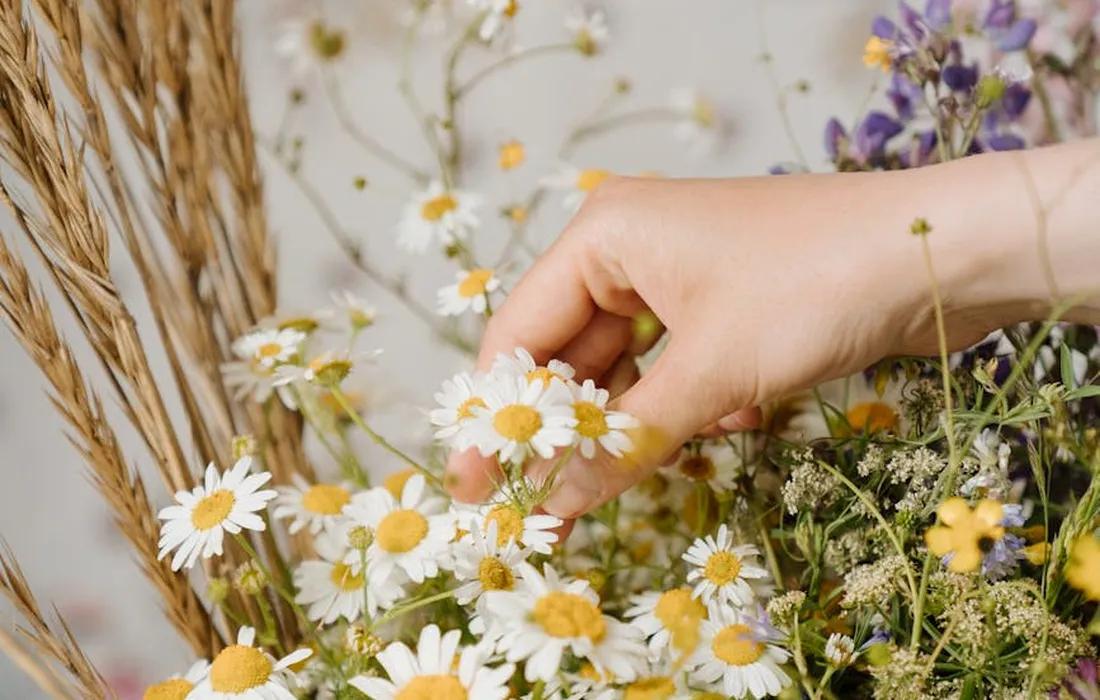
Thyme is more than a kitchen herb in my book; it’s a barnyard remedy I’ve trusted for seasons. I reckon its sturdy, fragrant leaves offer a pinch of protection that complements a rabbit’s diet right fine. I’ve kept a patch by the back door for twenty years, and I’ve seen its quiet strength steady many a young bunny’s digestion, especially when paired with the right leafy greens for rabbits.
Benefits and Daily Feeding Queries
This herb’s power comes from compounds like thymol, a natural supporter of good health. Let me break down the good it does for your long-eared friends.
- Digestive Ease: Thyme can calm a bothered gut and encourage healthy appetite.
- Breathing Comfort: It acts as a mild antispasmodic, which may help with occasional sniffles.
- Parasite Discouragement: While not a cure, it creates an internal environment less inviting to worms.
- Immune Nudge: Packed with antioxidants, it helps critters fight off everyday stresses.
Feeding thyme is simple, but balance is everything. For a five-pound rabbit, one or two two-inch sprigs, two to three times a week, is a perfect supplemental treat. I toss it right into their hay for them to discover.
Folks often ask about young kits and elderly rabbits. I wait until kits are fully weaned and exploring solid foods. For older bunnies, I might chop the thyme finely to make it easier to eat. Always start with a tiny amount to see how your individual rabbit takes to it, as even good things can upset a sensitive stomach.
Growing and Preparing Thyme at Home
Growing your own is the ultimate in thrifty, sustainable stewardship. Thyme is a forgiving perennial that asks for little and gives plenty.
- Find the Sun: Plant it in the sunniest, driest spot you have. Poor, rocky soil suits it just fine.
- Water with Care: Soak the roots deeply, then let the soil dry out completely. Overwatering is its only real enemy.
- Harvest Mindfully: Snip stems throughout the growing season, taking no more than a third of the plant at once.
Preparing thyme for your rabbits takes mere moments. I give fresh sprigs a good shake and a rinse under cold water to dislodge any garden hitchhikers. You can feed it fresh, or dry it for winter by hanging small bundles in a warm, dark, airy corner of the barn.
For dried thyme, I crumble the leaves off the woody stems and store them in a sealed jar. A light sprinkle over their evening hay adds familiar flavor and goodness during the barren months, reminding them of summer sunshine.
Chamomile for Rabbits: Calming Blooms
Now, y’all might think of chamomile as just a sleepy-time tea, but for a nervous bunny, those little daisy-like flowers are a bit of barnyard magic. I’ve kept rabbits for nigh on thirty years, and I reckon a handful of chamomile has saved me more worry than a whole bottle of tonics. When thunder rolls or the coop cat gets too curious, a sprinkle of this herb in the hutch works wonders for settling those jittery nerves.
Soothing Properties and Safe Forms
The power lies in those delicate white petals and yellow centers. Chamomile boasts natural compounds that gently ease a rabbit’s digestive discomfort and smooth out their skittish edges. It’s not a medicine, mind you, but a supportive, wholesome nibble. I’ve seen it help my own does when they’re feeling a bit off their feed after kindling. For our furry friends, the safest form is always plain, dried chamomile flowers that you’ve grown yourself or sourced from a trusted, organic supplier.
You must avoid any teas or store-bought blends that contain caffeine, additives, or other herbs. Stick to the pure flower heads. Fresh-picked from a pesticide-free garden is fine too, but dry them thoroughly first to prevent mold. I always spread my harvest on a screen in the barn loft for a week before storing it in a mason jar. This simple step ensures your bounty stays potent and safe through the winter months.
- German Chamomile (Matricaria chamomilla) is the variety I cultivate. It’s easy to grow and the rabbits favor it.
- Only offer the flower heads and attached leaves. Discard any thick, woody stems.
- Dried herb is concentrated, so you feed far less than you might with fresh grass.
How to Offer Chamomile to Your Bunny
Introducing any new food calls for a slow and watchful eye. Start with a pinch no bigger than your thumbnail, offered once or twice a week. Scatter it over their regular hay or mix it with a few other safe herbs like thyme for a flavorful forage mix. Watching them sniff and nibble is a pure joy. This slow introduction lets their sensitive gut adjust without any upset.
For a truly thrifty and soothing treat, I sometimes steep a tablespoon of dried flowers in a cup of boiled water, let it cool completely, and then pour the chilled, unflavored tea into their water dish. They get the benefits without any chewing required, which is a blessing for an older rabbit with dental issues. Just remember to refresh their water daily.
- Start Small: Offer a tiny, dried flower cluster 2-3 times a week to gauge their liking and tolerance.
- Mix It In: Combine with their daily hay to encourage natural foraging behavior.
- Create a Calming Blend: Mix dried chamomile with a bit of oat hay and peppermint for a special stress-busting snack.
- Observe Closely: If you notice soft stools, stop immediately. A healthy rabbit’s digestion is a fine-tuned engine.
I keep a little muslin bag of dried chamomile hanging in the barn, and a pinch has become my go-to for settling new arrivals or comforting a rabbit after a vet visit. It’s a small act of stewardship that strengthens the bond between keeper and critter.
Cilantro for Rabbits: The Zesty Leafy Green
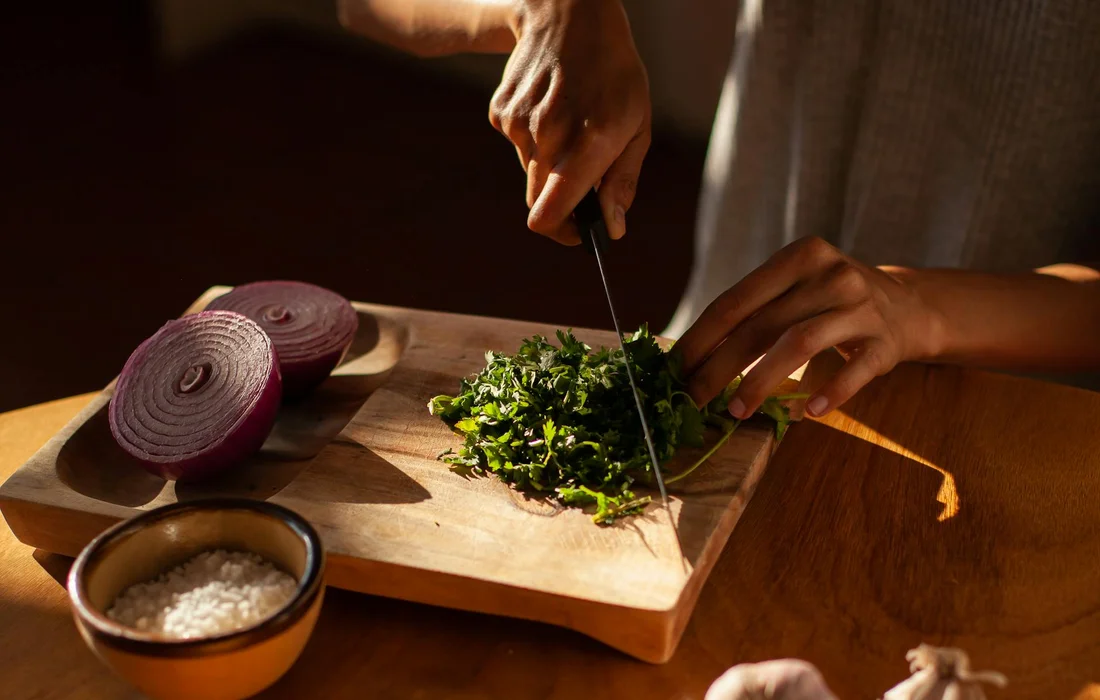
Now, let’s talk about cilantro, that polarizing herb that folks either adore or claim tastes like soap. Thankfully, our rabbits have excellent taste-they almost always fall into the first camp. I’ve watched many a bunny nuzzle past a pile of parsley to get to the bright, citrusy punch of a cilantro sprig. It’s more than just a treat; it’s a lively part of a varied herbal menu.
Nutritional Boost and Digestive Notes
Cilantro packs a surprising wallop of nutrients in those lacy green leaves. It’s a fine source of vitamins A, C, and K, along with minerals like manganese and magnesium. The antioxidants in cilantro are what really get me excited-they support your rabbit’s natural detoxification pathways and overall cellular health. Offering cilantro is a flavorful way to bolster your rabbit’s immune function during seasonal changes.
But we must chat about digestion, as cilantro contains moderate levels of oxalic acid. This natural compound binds with calcium, and in very large, consistent amounts, it could contribute to kidney or bladder issues. The key, as with so much in husbandry, is rotation and moderation. I never feed cilantro two days in a row, and I always pair it with a low-oxalate green like romaine lettuce. A sprig or two per feeding for a standard-sized rabbit is a generous and safe portion.
Fresh Handling for Maximum Safety
How you source and prepare cilantro makes all the difference. That vibrant, pungent aroma is your first clue to freshness. Wilting, slimy, or yellowing bunches have lost their nutritional verve and should be skipped.
My routine is simple but non-negotiable:
- Source organically when possible, or grow your own in a patio pot. This herb sprouts fast and reduces your worry over pesticide residues.
- Give the bunch a vigorous swish in a bowl of cool water with a splash of white vinegar to loosen any soil or hitchhikers.
- Rinse it thoroughly under fresh running water and shake off the excess moisture. I often let it air-dry on a clean towel for an hour.
- Store what you won’t use immediately in a jar with an inch of water in the fridge, like a bouquet, loosely covered with a bag.
Always offer cilantro at room temperature and remove any uneaten portions from the hutch within a few hours to prevent spoilage. I’ve found that a single bunch from the store, handled this way, provides perfect-sized snacks for my rabbits all week long, mixed in with their other garden-fresh picks. It’s thrifty, safe, and brings a real zing to their dinner plate.
Serving Herbs Safely: Rules for Frequency and Quantity
Now, don’t go tossing a whole rosemary bush into the hutch and callin’ it a day. Herbs are powerful little things, and the golden rule is moderation is your very best friend when introducing any new food to your rabbits’ delicate systems, including ones like fennel and fenugreek.
Building a Balanced Herbal Diet
Think of herbs not as the main course, but as the seasoning for your rabbits’ life. Their primary diet must always be unlimited grass hay, a measured portion of pellets, and fresh water. Herbs are the flavorful, beneficial sprinkle on top of that solid foundation. Stay tuned for the ultimate guide on hay for rabbits, which covers hay types, their benefits, and feeding tips. It will help you optimize a hay-first diet with herbs as a flavorful add-on.
I reckon a good place to start is with the “Treat Rule.” Herbs, even the safe ones, should fall under the treat category. Total treats for a rabbit should not exceed one to two tablespoons per two pounds of body weight per day, and herbs are a part of that allowance. A few sprigs go a long way.
Start Slow & Watch Close
Just because we can eat a whole jar of pickles doesn’t mean we should. It’s the same for bunnies and new herbs.
- Introduce One at a Time: Offer a single type of herb, like a small thyme sprig, for three days before trying another. This way, if an upset tummy occurs, you’ll know the culprit.
- Begin with a Pinch: A single leaf or a tiny sprig is plenty for a first taste. Their gut flora needs time to adjust.
- Observe Those Droppings: This is your daily report card. If droppings get small, misshapen, or stop entirely, halt the herbs and go back to just hay and water. Their system is telling you to slow down.
A Practical Weekly Herb Plan
Based on my own herd’s habits, here’s a sample rotation that’s kept my rabbits hopping with good health. This is for a standard 5-pound rabbit.
- Monday & Thursday: A 3-inch sprig of rosemary (supports immune function).
- Tuesday & Friday: A few small stems of thyme (gentle digestive aid).
- Wednesday & Saturday: A teaspoon of fresh cilantro leaves (a favorite for hydration and variety).
- Sunday: A single dried chamomile flower head or a small pinch of leaves (perfect for a calm “day of rest” treat).
This rotation provides variety and prevents any single herb from being over-consumed, while letting you monitor how each one is received. You can adjust based on your rabbit’s clear preference and your own garden’s abundance.
Sourcing & Preparing Your Herbs
Where your herbs come from matters as much as which ones you pick. I’m mighty particular about this.
- Homegrown is Best: Growing your own in pots or a garden patch guarantees no pesticides or chemical fertilizers have touched them.
- Store-Bought Precautions: If you buy from a market, wash those herbs like you’re scrubbing potatoes. Soak them in a vinegar-water bath to help remove residues, then rinse thoroughly and pat dry.
- To Dry or Serve Fresh: Both are fine! I often dry summer’s bounty for winter use. Dried herbs are more concentrated, so reduce the serving size by half compared to fresh. A single dried flower instead of a fresh sprig, for instance.
Always serve herbs at room temperature, and remove any uneaten fresh portions from the hutch after a few hours to prevent spoilage. It’s a simple act of stewardship that keeps your rabbits’ dining area clean and safe.
Growing Your Own Rabbit Herb Garden
There’s a special kind of satisfaction in walking out to your garden, snipping a few fresh sprigs, and handing them over to your waiting bunnies. Growing your own herbs is the ultimate act of thrifty, sustainable stewardship, ensuring you know exactly what goes into your rabbits’ treats. I’ve always kept a patch right near the kitchen door, and I reckon you’ll find it just as rewarding.
Seasonal Planting and Harvesting Guide
Timing is everything in the garden, just like it is in the barn. You can’t rush nature, but you can work with her rhythms to keep a steady supply of bunny-approved greens. Here’s how I manage the cycle for our most beloved herbs.
Rosemary: The Hardy Perennial
This woody shrub is a farmstead favorite for its toughness. Plant rosemary in the spring, well after the last frost has passed, or in early fall so it can establish roots before winter dormancy. It craves full sun and excellent drainage-I plant mine in a raised bed with plenty of sand mixed into the soil.
- Planting: Start from cuttings (easiest!) or purchased plants. Space them a good 2-3 feet apart; they’ll bushy out.
- Harvesting: You can snip tender tips year-round, but the main harvest comes in late spring, just before it flowers. This is when the oils are strongest.
- Preserving: Dry bundles hung in a warm, dark shed. Once crumbly, store the leaves whole in a jar.
Thyme: The Low-Growing Ground Cover
Another perennial gem, thyme is perfect for garden edges. Its flavor is most potent when harvested just as the tiny flowers begin to open, usually in early summer. I’ve let it sprawl between my stepping stones-it smells wonderful when brushed against.
- Planting: Sow seeds or transplants in spring. It needs full sun and doesn’t mind poor, rocky soil one bit.
- Harvesting: Cut stems back by about half in the morning after the dew dries. It grows back quickly, allowing for a smaller second harvest in early fall.
- Preserving: Dry similar to rosemary. The tiny leaves fall off easily, so I keep them in the stem until ready to use.
Chamomile: The Gentle Self-Seeder
I adore German chamomile for its cheerful, daisy-like flowers. This annual is a generous self-seeder-plant it once in a dedicated spot, and you’ll likely have volunteers for years to come. The rabbits get the flowers and the ferny leaves.
- Planting: Scatter seeds in a sunny spot in very early spring or fall. It’s not fussy.
- Harvesting: Pluck the flower heads when the petals are fully open and flat, pulling straight back on a sunny afternoon.
- Preserving: Dry flowers on a screen in a single layer. They store beautifully and make a lovely, calming tea for you, too.
Cilantro: The Cool-Season Quick Crop
Cilantro is the sprint runner of the herb garden. For a continuous harvest, sow new seeds every 2-3 weeks during its preferred cool seasons of spring and fall. It bolts (goes to seed) quickly in summer heat, but that seed is coriander, which is also safe for rabbits!
| Season | Action | Key Tip |
|---|---|---|
| Early Spring & Fall | Direct sow seeds 1/4″ deep. | Plant in partial shade to slow bolting in warm weather. |
| Late Spring/Summer | Harvest leaves frequently. | Cut outer leaves first to encourage growth from the center. |
| When Bolting | Let flowers form. | You can harvest the green coriander seeds for your rabbits and yourself. |
No matter the herb, always harvest in the morning after the dew evaporates for the best flavor and easiest drying. Wash leaves gently if needed, and pat dry before offering fresh to your rabbits. Your own little patch of green pharmacy is easier to start than you might reckon, and your flock of floppy-eared critters will thank you for it.
Beyond the Basics: Other Safe Herbs and Plants to Avoid
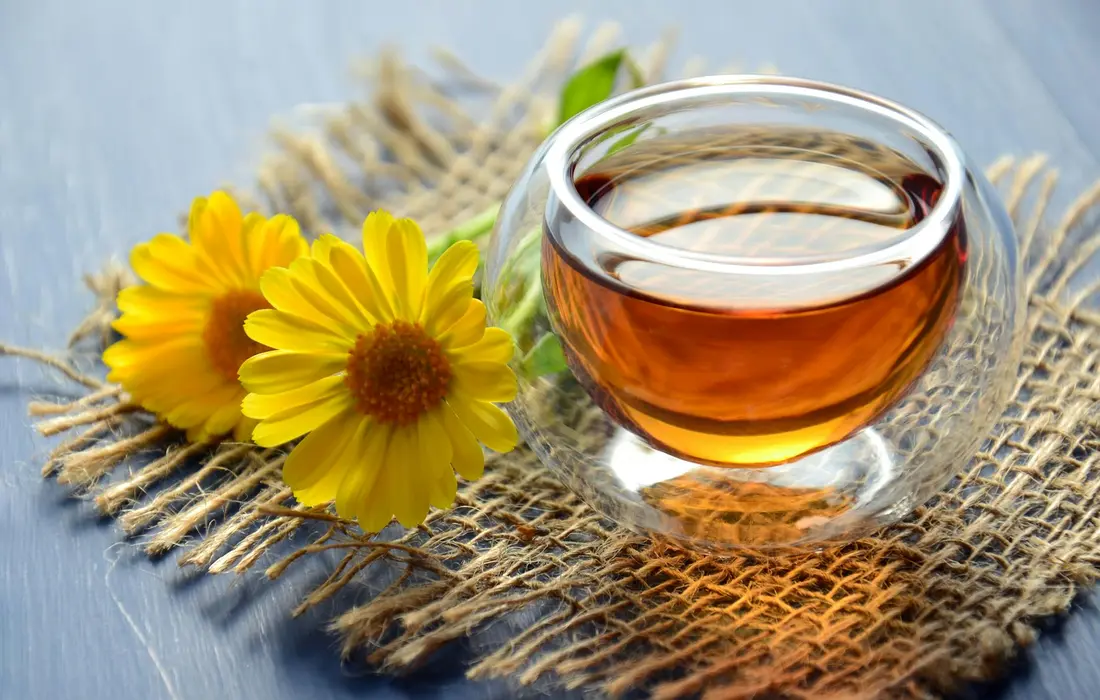
Well now, since we’ve chatted about rosemary, thyme, chamomile, and cilantro, let’s mosey through the rest of the herb garden. I reckon a varied palate keeps rabbits content and curious. Expanding your bunny’s menu with known-safe plants is a fine way to promote natural foraging behavior and overall well-being.
A Handful of Other Trusty Herbs
In my barnyard, I’ve always kept a little patch of herbs just for the animals. Watching the rabbits choose their favorites is a simple joy. These herbs are supplements, not staples, so always offer them in moderation alongside unlimited grass hay. If you’re curious which herbs are safe for rabbits or which to avoid, a quick safe/unsafe herb guide will follow. It will help you decide what to offer with confidence.
- Mint (Peppermint or Spearmint): A refreshing sprig on a warm day is appreciated. I’ve noticed it can calm a mild upset stomach, but its potency means a leaf or two is plenty.
- Basil: Sweet basil is a safe, aromatic treat. My rabbits nibble it right from my hand during summer harvests.
- Dill: Those wispy fronds are perfectly palatable and offer a nice bit of vitamin C.
- Oregano: Its strong scent comes from natural compounds. I use it sparingly, as an occasional garnish, not a regular feed.
- Parsley (Flat-leaf or Curly): Nutrient-rich but contains oxalates. Feed parsley as a weekly treat, not a daily green, to prevent mineral binding issues.
- Sage: Another potent one. A small leaf once in a blue moon is my rule for adult rabbits.
The No-Go List: Common Toxic Plants
Learning what to avoid is just as critical as knowing what to feed. I once had a scare with a wandering bunny near my rhubarb patch, and it taught me a lasting lesson. Your rabbit’s safety depends on your knowledge and your garden’s boundaries.
Here are plants you must keep far from your rabbits:
- Allium Family: Onions, garlic, leeks, and chives. These damage red blood cells and are toxic in all forms-raw, cooked, or powdered.
- Nightshade Leaves and Vines: Tomato and potato plants, including the greens. The fruits are a separate debate, but I avoid them to be safe.
- Rhubarb Leaves: Extremely high in oxalic acid, leading to potential kidney failure. The stalks are for our pies only.
- Foxglove, Lily of the Valley, and Oleander: Beautiful but deadly cardiac toxins. Never let these grow near your animal pens.
- Buttercups and English Ivy: Common wild and ornamental plants that cause mouth irritation, digestive distress, and worse.
- Many Houseplants: Philodendron, dieffenbachia, and pothos are common offenders. Always verify a plant’s safety before it enters your home or barn.
My old farming mentor had a saying that sticks with me: When you’re unsure about a plant, the answer is always ‘no.’ It’s a principle of respectful stewardship that has served my herd well for decades. Planting a dedicated, fenced plot of rabbit-safe greens is a thrifty and surefire way to provide for them without worry.
Closing Tips for Your Herbal Journey
What parts of the rosemary plant are safe for rabbits?
The tender, green needle-like leaves are the primary safe part to offer. You can include the softer, green stems attached to these leaves, but avoid any thick, woody stems as they are difficult to digest.
Are there any risks with feeding thyme to rabbits?
The main risk is overfeeding, which could cause digestive upset due to its potency. Always introduce it slowly and in the recommended small amounts to allow your rabbit’s system to adjust without issue, especially when feeding any grain-based foods.
Is dried chamomile safe for rabbits?
Yes, properly dried chamomile flowers from a chemical-free source are safe and excellent for storage. Remember that dried herbs are concentrated, so you should offer a much smaller amount compared to fresh-just a pinch of dried flowers is sufficient.
How to store fresh cilantro for rabbits?
Store fresh cilantro like a bouquet in a jar with an inch of water in your refrigerator, loosely covered with a plastic bag. This method keeps the leaves crisp and vibrant for several days, ensuring they remain a safe and tasty treat.
Can rabbits eat rosemary stems?
Rabbits can nibble on the softer, green stems that are attached to the fragrant leaves. However, you should avoid offering any hard, woody stems as they pose a choking hazard and are not palatable or easily digestible.
What are the signs of an allergic reaction to rosemary in rabbits?
Watch for unusual symptoms such as excessive scratching, swelling around the mouth, or difficulty breathing. More commonly, digestive signs like lethargy, a loss of appetite, or soft stools can indicate an intolerance, requiring you to stop feeding the herb immediately.
Shutting the Gate
When all’s said and done, offering your rabbits these wonderful herbs comes down to a simple, old-fashioned practice: paying attention. The single greatest tool in your husbandry kit is your own watchful eye, noting how each bunny takes to a new treat and adjusting your offerings to suit their individual tastes and health. Start small, go slow, and let their behavior be your guide, especially when introducing new foods into their diet.
I’m mighty thankful y’all stopped by to share in this bit of herbal knowledge. There’s a deep satisfaction in watching your rabbits hop over for a sprig of thyme you grew yourself, knowing you’re nurturing them well. I hope your warrens are full of happy, healthy bunnies and your garden is ever-growing. Until next time, from my homestead to yours-enjoy the simple, good work of caring for your critters.
Further Reading & Sources
- Healthy Herbs Your Rabbit Can Eat (and their medicinal properties) | The Bunny Lady
- Recommended Vegetables and Herbs | Rabbit Welfare Association & Fund (RWAF)
- MEDICINAL HERBS FOR RABBITS | Rise and Shine Rabbitry
Caroline Mae Turner is a lifelong farm girl raised on red clay, early mornings, and the sounds of a bustling barnyard. With hands-on experience caring for everything from stubborn goats to gentle dairy cows and mischievous pigs, Caroline shares practical, tried-and-true advice straight from the farm. Her goal is to help folks keep their animals healthy, well-fed, and living their best barnyard life. Whether you're wrangling chickens or bottle-feeding a baby goat, Caroline brings a warm Southern touch and plenty of real-world know-how to every bucket in the barn.
Herbal Supplements