Pasture Peace of Mind: Planting Safe Seeds and Plants for Your Horses
Published on: March 28, 2026 | Last Updated: March 28, 2026
Written By: Caroline Mae Turner
Howdy y’all. For a worry-free pasture, build your grazing base with proven perennials like timothy or orchardgrass, and if you add clover, make it white clover-not alsike. I reckon nothing turns a rewarding chore into a headache faster than squinting at every new sprout, wondering if it’s gonna harm your herd.
What you’ll need:
- A current soil test to know what your land actually needs
- Seed catalogs from reputable farms that specify livestock-safe mixes
- Your own two eyes for a slow walk around the fence line to spot any troublemakers
We’ll have this sorted directly, so you can get back to the rest of your day with your mind at ease.
Laying the Foundation: What Makes Good Equine Forage
I learned what good forage is the winter my mare, Daisy, turned her nose up at a costly hay shipment. Good equine forage isn’t just about filling the belly; it’s about fueling the whole animal with the right kind of roughage. You want plants that are digested slowly, keeping that long digestive tract busy and happy.
Think of forage as the steady heartbeat of your horse’s diet. Quality forage provides the bulk of their energy, supports a healthy hindgut, and can prevent a world of issues like ulcers and boredom. My rule is to source forage that’s clean, green, and smells sweet like a summer meadow.
Let’s get down to the specifics you can take to the feed store. I look for a neutral detergent fiber (NDF) level between 40% and 60% for optimal intake and digestion. Acid detergent fiber (ADF) tells you about digestibility; aim for 30% to 40% in most hay.
- Maturity Matters: Grass cut at the boot to early head stage has more leaves, more nutrients, and is easier to chew than stemmy, mature hay.
- Color is a Clue: Bright green usually means good vitamin A content, but don’t dismiss slightly sun-bleached hay if it tests well.
- Feel and Flexibility: Good hay should be soft and pliable, not brittle or dusty. Crumble a stem in your hand to check.
- The Sniff Test: Musty, moldy, or smoky odors are an immediate reject. Your horse’s lungs will thank you.
On my place, we soil test every other year without fail. Building your forage from the ground up is the only way to ensure lasting productivity and animal health. It’s the thriftiest investment you can make, saving you a fortune in supplemental feed down the road.
Trusted Grasses for Pasture and Hay
Picking pasture grass is a commitment, much like choosing a good dog. I always recommend a diverse mix of grasses to create a balanced diet and protect against a single crop failure. This practice, born from a hard lesson when a monoculture got hit by blight, mimics nature’s own resilient pantry.
Cool-Season Staples
These are the workhorses of spring and fall, greening up when the weather is cool. Timothy is a classic for a reason-its relatively low protein (7-10%) and high fiber make it a safe, belly-friendly choice for most adult horses. I’ve fed it for decades and find it consistently gentle.
- Orchardgrass: A palatable, leafy grass with moderate protein (10-14%). It’s a star in my hay mixes, but it needs good drainage. Plant 15-20 lbs per acre.
- Kentucky Bluegrass: This sod-forming grass is tough as nails for pasture wear and tear. Its protein is lower (6-9%), so it’s excellent for easy keepers who don’t need rich feed.
- Perennial Ryegrass (Endophyte-Free): Establish it quickly for early grazing. Always, and I mean always, verify it’s endophyte-free to avoid nervous system and reproductive problems.
- Smooth Bromegrass: A deep-rooted, drought-tolerant option that cures into good hay. It pairs well with legumes like alfalfa, but watch its maturity as it can get stemmy.
I dedicate about two acres per horse for a well-managed cool-season pasture. Pasture rotation management helps maximize grazing efficiency by timing moves to forage growth. It keeps paddocks rested and forage quality steady. Rotational grazing is your best tool to keep these grasses tender and nutritious, giving paddocks a rest to regrow.
Warm-Season Options
When the heat rises, these grasses hit their stride, conserving water and nutrients. Bermudagrass forms a dense sod that stands up to hooves and heat, making it a prime choice for sandy southern pastures. For hay, I bale it when it’s 15-20 inches tall for the best balance of yield and quality. This species also features in a Bermuda grass safe cows hay grazing guide to help plan safe, nutritious grazing and hay timing.
- Bahiagrass: This grass thrives on neglect in poor, sandy soils. Its protein is modest (5-8%), and it forms a tough seed head, so frequent mowing keeps it palatable.
- Switchgrass: A native perennial I’m fond of for conservation grazing. It’s very high in fiber and low in sugar, perfect for metabolic horses. It needs 12-15 lbs of seed per acre.
- Crabgrass: Don’t dismiss this volunteer! It’s highly nutritious (12-15% protein) when young and is a free, heat-loving filler in my summer pastures.
- Teff Grass: A fine-stemmed annual gaining popularity. It’s low in sugar and fast-growing, ideal for making “safe” hay for insulin-resistant horses.
Warm-season grasses often need a bit more room, as they grow in clumps or spreads. Integrating a warm-season paddock into your rotation is a smart hedge against summer slumps in cool-season fields. For sheep, seasonal grazing strategies—rotational vs continuous can help you time rest and regrowth across paddocks. This approach complements a warm-season paddock by balancing rest with ongoing growth. I use a simple three-paddock system to ensure something is always growing and ready for grazing.
Nutritious Legumes and Broadleaf Forbs
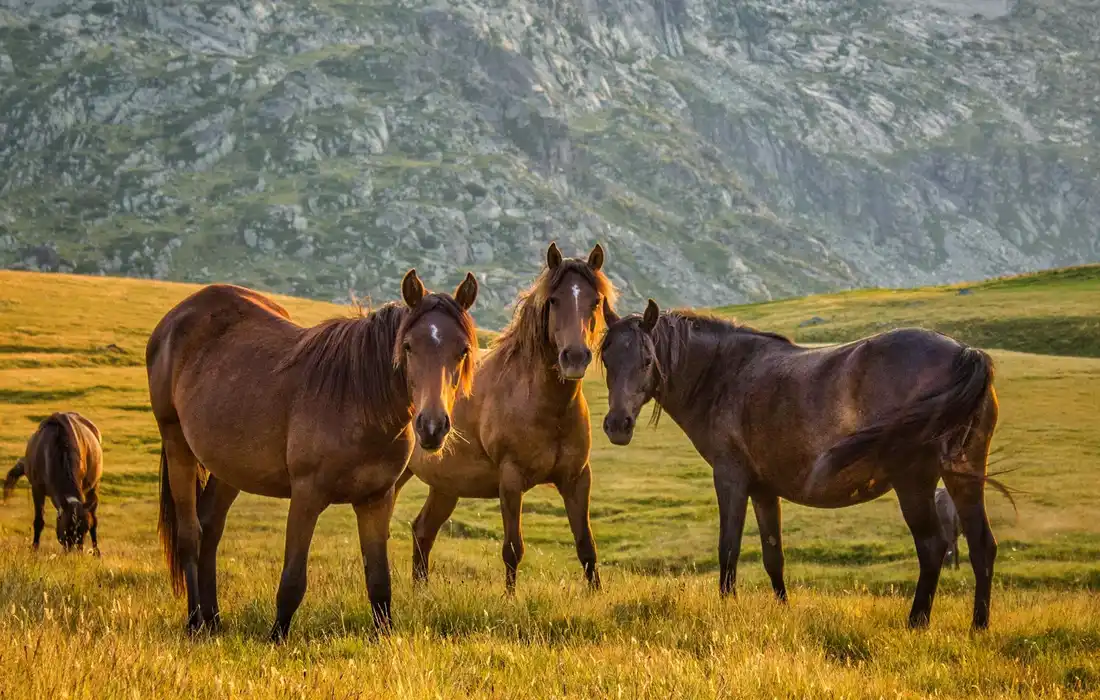
When we talk about building a good pasture, grasses get most of the fanfare. But if you want to see your horses truly thrive, you need to invite the broadleaf folks to the party. Legumes and forbs are the secret ingredients that turn a decent pasture into a powerhouse of balanced nutrition, offering protein and minerals your grasses simply can’t match alone. I reckon it’s the difference between a simple biscuit and one smothered in good sawmill gravy. It’s similar to how cattle forage combines varied plants to ensure a well-rounded diet.
Clover and Alfalfa: The Powerhouse Legumes
Now, let’s chat about the aristocracy of the pasture: clover and alfalfa. These legumes are famous for a reason. They pull nitrogen right from the air and fix it in the soil, feeding themselves and the grass around them. Planting a mix with about 30% legume can cut your fertilizer bill in half while giving your horses a richer salad bar.
Alfalfa is the dense, protein-packed hay we all know. In a pasture setting, it’s a deep-rooted perennial that brings up subsoil minerals. It can run 16-20% protein, which is fabulous for growing youngsters, broodmares, or hard-working partners. But you’ve got to manage it. It’s rich and can cause frothy bloat if a horse gorges on nothing but wet, lush alfalfa. I always keep a dry grass hay available when they’re on alfalfa-dominant pasture to keep their digestion moving smoothly. Alfalfa comes highly recommended for its nutritional value for sheep too.
Clover is a friendlier beast for most mixed pastures. White clover is a low-growing, spreading plant that fills in gaps, while red clover stands taller. It’s sweet, palatable, and usually sits around 14-18% protein. For sheep keepers, a clover forage guide can help gauge safety and how to balance grazing with other forages. A quick reference to red versus white clover in that guide can tailor your pasture plan. My old geldings would hunt for every last clover leaf before moving on. The one watch-out is for certain molds that can develop on the underside of white clover in damp conditions, which can cause slobbers-that’s harmless but looks a fright. Good pasture rotation and avoiding overgrazing keeps the stand healthy and the risk low.
Weedy But Wonderful: Yard Plants They Can Eat
Don’t go spraying everything that isn’t grass! Some of the best horse food gets called a “weed.” These broadleaf forbs are mineral accumulators and natural pharmacies. Letting a few grow in your pasture or even cultivating them in a separate “browse patch” is the height of good stewardship (just as some weeds are safe for cows).
- Dandelion: The whole plant is a prize. The leaves are a natural potassium source and support kidney function, while the root is a gentle liver tonic. My mares seek them out in early spring like little golden treasures.
- Broadleaf Plantain: Not the banana-looking thing! This is the low-growing plant with ribbed leaves in your lawn. It’s fantastic for skin and coat health and has a soothing effect on the digestive tract. It pops up in hard-packed areas where grass struggles, which is nature’s own repair crew.
- Chicory: I intentionally seed this in my pastures. That bright blue flower on a tall stalk means a taproot going down six feet or more, pulling up calcium, phosphorus, and copper. It’s drought-tolerant and remains palatable even in the heat of summer when grasses get stemmy.
- Nettle: Sounds crazy, but dried nettle is a superb source of iron, calcium, and magnesium. I wear gloves to cut and dry it, then crumble it into their feed in winter. It turns a bothersome plant into a free supplement.
The key with all these plants is diversity and moderation. A pasture teeming with many different plants creates a balanced, resilient diet and a healthier soil web beneath the hooves. Test your soil every few years to see what’s lacking, and often, the right “weed” seeds can help fill that gap naturally. It’s working with the land, not just on it.
Seeds You Can Sow or Supplement
When it comes to feeding your horses, what you grow yourself is worth its weight in gold. I’ve saved a pretty penny over the years by supplementing my feed bills with home-grown forage and snacks, all while knowing exactly what my herd is consuming. Let’s mosey through some of the best seeds you can put in the ground or sprinkle in their feed bucket.
Pasture Seed Mix Essentials
Planting a good pasture is like setting a bountiful dinner table for your horses. It ain’t just about throwing out any grass seed. The right mix promotes healthy digestion, provides steady energy, and saves you from buying as much hay come winter. I reckon a balanced pasture is the cornerstone of thrifty, sustainable horse keeping. That same approach applies to sheep pasture management—healthy soil, diverse forage, and smart grazing boost long-term yield. When soil health and forage optimization guide grazing plans, the pasture stays productive through seasons.
You’ll want a blend of cool-season grasses and a touch of legume for protein. Here’s my go-to mix for a sturdy pasture in my region:
- Timothy Grass: A gentle, fibrous grass that’s easy on a horse’s system. It’s a slow grower, but that makes it less likely to cause founder.
- Orchardgrass: This is a hardy, drought-tolerant fellow that comes back strong after grazing. I like it for its reliability.
- Kentucky Bluegrass: It forms a dense sod, which helps prevent erosion and weeds. It’s sweet to the taste, so the horses love it.
- White Clover or Non-Bloating Alfalfa: Legumes fix nitrogen in the soil, fertilizing your grass for free. I limit legumes to about 20-30% of the mix to avoid excess protein and the risk of bloating. A little goes a long way.
Don’t just sow and forget. Management is key. I rotate my pastures religiously, giving each plot a rest period of at least 3 weeks. This keeps the plants vigorous and breaks the cycle of parasites. For a healthy stand, aim for a seeding rate of about 20 to 30 pounds per acre, and always test your soil first-it tells you what you really need. These rotations align with goat-foraging pasture management best practices to provide steady, high-quality browse. Aligning rest periods with goats’ grazing patterns helps optimize intake and reduce parasite risk.
Treats from the Garden: Seeds for Snacking
Beyond the pasture, your garden can be a source of wholesome, affordable treats. Giving seeds as snacks is a fine way to add variety and nutrients to their diet, but remember, treats are just that-a little something extra. I never give more than a handful or two per day to keep their meals balanced.
Many seeds we grow for ourselves can be shared safely. Here are a few my horses nicker for:
- Pumpkin Seeds: After carving jack-o’-lanterns, I wash and dry the seeds. They’re a natural source of cucurbitacin, which can help deter internal worms. I grind them lightly for easier digestion.
- Sunflower Seeds: The black oil sunflower seeds are best, full of healthy fats and vitamin E. I feed them whole, as the shell provides extra fiber, but always unsalted and in strict moderation.
- Flax Seeds: For a glossy coat, I’ll sprinkle a quarter cup of ground flaxseed over their feed. You must grind them; a horse’s gut can’t break down the whole seed to get the good oils.
- Squash and Zucchini Seeds: Don’t toss ’em out when you’re cooking! These seeds are perfectly safe and a fun, crunchy diversion.
A word of caution from the barn: always introduce any new seed or treat slowly, over a week or so. Watch your horse closely for any change in manure or behavior, because even a safe food can upset a tender stomach if it’s unfamiliar. Stewardship means knowing your animal as well as you know your land.
You can even grow a dedicated “treat patch.” I plant a small row of sunflowers and a few pumpkin vines every spring. It’s a satisfying sight, watching your horses enjoy a snack you nurtured from seed to stem. That connection is what homesteading is all about.
Plants to Pluck and Avoid: A Clear-Cut Toxic List
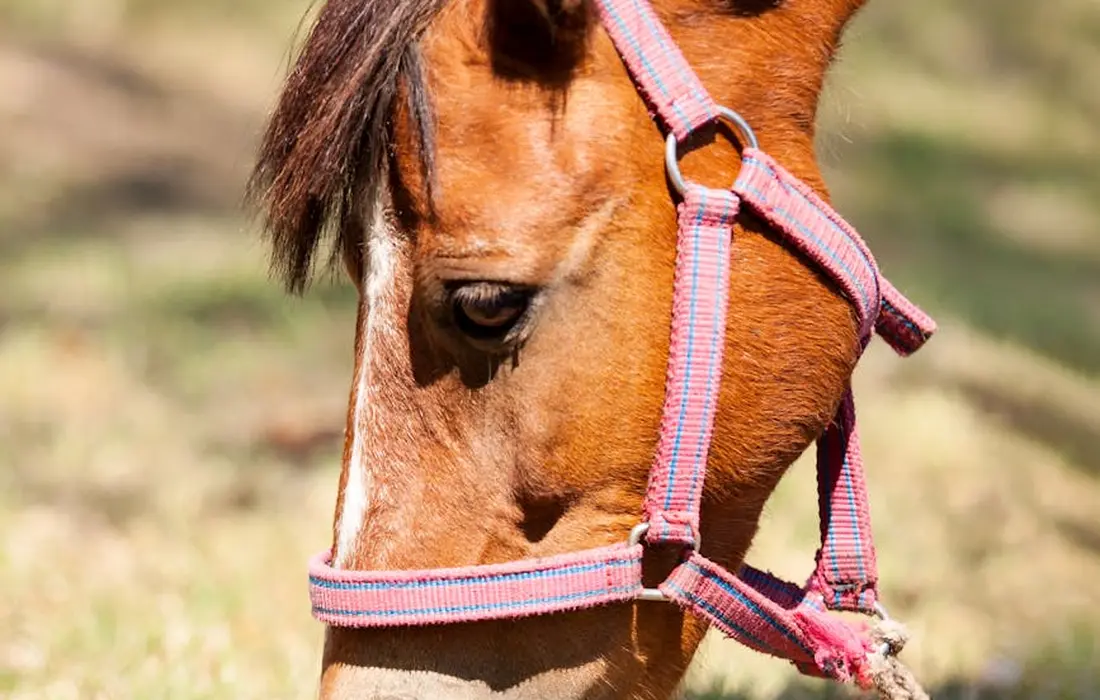
Sorting the safe snacks from the silent saboteurs in your pasture is a homesteader’s solemn duty. I’ve walked my fields for decades, pulling invaders by hand and learning the hard way that vigilance is the cheapest medicine. Knowing what’s growing under your horse’s nose is the bedrock of preventative care.
Common Pasture and Hedgerow Hazards
These are the troublemakers that sneak in from the woodline or sprout in overgrazed patches. They’re deceptively common, and a hungry horse might sample them if good grass is thin.
- Ragwort (Tansy): This yellow-flowered menace is a cumulative poison. It’s bitter when fresh, but loses that taste when dried in hay, becoming a hidden threat. It causes irreversible liver damage. I pull every single one I see, roots and all, and burn them.
- Bracken Fern: Prevalent in shady, acidic soils, it’s toxic both fresh and dried. Consumption over weeks leads to thiamine deficiency, causing staggering, muscle tremors, and a panicked look in the eye. Good pasture management and sunlight are your best defenses.
- Buttercups: Those cheerful yellow blooms harbor a nasty irritant. When crushed (like by a tooth), they release a juice that can cause blistering in the mouth and severe digestive upset. They thrive in wet, compacted soils.
- Milkweed: Its tall, sturdy stalks and distinctive pods are highly toxic. Even a small amount can affect the heart and nerves, leading to weakness, respiratory failure, and collapse. It’s one I teach every child on the farm to recognize and report.
- Wild Cherry (Wilted Leaves): The fresh leaves are less of a concern, but wilted or storm-downed leaves from this common tree release cyanide. Symptoms come on fast: brick-red mucous membranes, labored breathing, and sudden death. Always check fence lines after a storm for broken branches.
Landscaping Dangers
We often plant for beauty near our homes, forgetting that a curious muzzle can reach over a fence. Many common ornamental plants are deadly to equines.
- Oleander: A single leaf can kill a horse. This shrub is terrifyingly toxic, affecting the heart with lethal efficiency. Never use its trimmings as brush pile fodder, and don’t plant it anywhere near your animal areas.
- Yew (Taxus): Every part of this evergreen, especially the pruned clippings, is poisonous. It causes sudden heart failure, often with no warning. I’ve seen it used in foundation plantings at barns-a heart-stopping risk.
- Red Maple (Wilted Leaves): Similar to wild cherry, the wilted red maple leaf is the danger. It destroys red blood cells, leading to dark urine, jaundice, and lethargy. Keep these trees well away from turnout paddocks.
- Azaleas & Rhododendrons: These popular flowering shrubs contain grayanotoxins. Ingestion leads to drooling, diarrhea, leg paralysis, and a dangerously slow heartbeat. Even a small nibble can make a horse miserably sick.
- Foxglove & Lily of the Valley: Both are beautiful, both are cardiac glycoside powerhouses. They disrupt the heart’s rhythm and can be fatal. Your flower garden and your pasture must remain separate kingdoms, with a stout fence as the border.
My rule is simple: if I didn’t plant it specifically for them, I question it. Walk your lines weekly with a weed identification guide in hand. Your diligence is the pasture your horse can’t see.
From Seed to Supper: Planting and Pasture Management
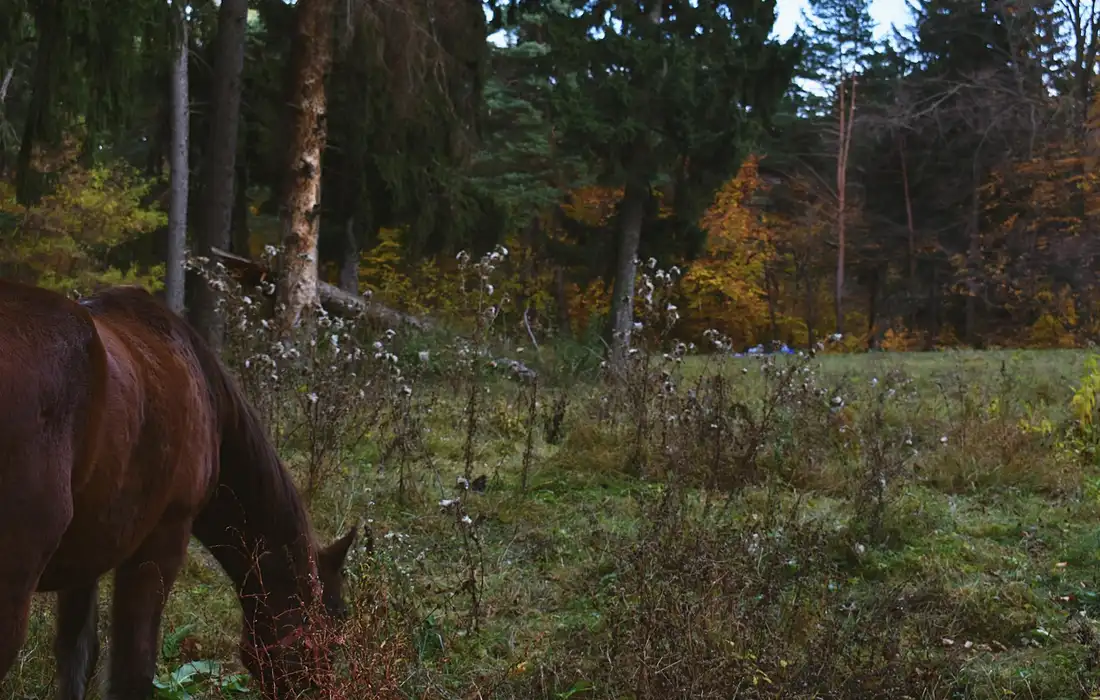
Knowing what to plant is one thing, but getting it to grow under hoof is where real husbandry begins. Turning a patch of dirt into a living cafeteria for your horse requires a plan, a little elbow grease, and a lot of patience. I’ve reseeded more pastures than I can count, and the satisfaction of seeing those first green shoots, knowing what they’ll become, never gets old.
Steps to Establish or Improve Your Horse Pasture
Don’t just scatter seed and hope for the best. A proper start saves money and heartache down the road.
- Test Your Soil. This is the non-negotiable first step. I mail a sample to the extension office every few years. You can’t guess what your dirt needs. Amendments based on a test are thrifty and effective.
- Clear and Prepare. Knock down weeds and rough growth. For a full renovation, you might plow and harrow. For overseeding thin pasture, just heavily graze or mow it short so your new seed touches soil.
- Choose Your Seed Mix Wisely. Match it to your land. For wetter spots, I lean on timothy and clover. For dry, sandy areas, I’ve had great luck with endophyte-free tall fescue and birdsfoot trefoil. Buy from a reputable farm store, not just any bag with a pretty picture.
- Seed at the Right Time & Rate. Early fall is usually prime, giving seeds time to establish without summer heat. Spring works too, but you’ll fight more weeds. Follow the seeding rate on the bag-typically 15-20 pounds per acre for a mix. More is not better.
- Ensure Good Seed-to-Soil Contact. Tamp it down. I’ve used a lightweight drag harrow, a section of chain-link fence, or even just walked over it. Seed lying on top of thatch will bake in the sun or get eaten by birds.
- Manage That First Year. This is critical. Keep horses off the new seeding until it’s well-established, at least 6-8 inches tall and rooted firmly. I use temporary electric fence to block off sections. Let it get strong before it ever feels a tooth.
Stewarding Your Forage Through the Seasons
Your pasture is a living, breathing crop. It needs care beyond just opening the gate.
- Spring (Growth & Grazing): Pastures explode with tender growth. Implement rotational grazing now. Move horses before they graze grasses below 3 inches. This protects the plant’s root energy reserves. Mow after rotating to clip weeds and encourage tillering.
- Summer (Heat & Pressure): Growth slows. Your rotation must slow down, too, giving paddocks longer rest periods-often 30 days or more. Providing a shady loafing area saves the pasture from being over-trampled as horses seek relief from the sun. Watch for dry-weather weeds like ragwort.
- Fall (Recovery & Reseeding): Cool rains and temperatures bring a second surge. This is your pasture’s chance to store energy for winter. Remove horses in time for a final good growth before frost. It’s also the perfect window for soil testing and overseeding any bare spots.
- Winter (Rest & Planning): Pastures are dormant. Keep horses on a “sacrifice lot” or dry lot to prevent them from tearing up roots and compacting muddy soil. This single practice does more for long-term pasture health than almost anything else. Use this quiet time to repair fences and plan next year’s improvements.
The rhythm of the seasons becomes the rhythm of your care. Observing how your horses and your land interact each month is the finest education a stockman can get. You start to see the grass through their eyes, and that changes everything.
Your Horse-Safe Planting Questions, Answered
Are there any horse-safe shrubs I can use for landscaping around my barn or paddocks?
Yes, several hardy shrubs make excellent, safe choices for windbreaks or visual barriers. Consider Forsythia, Rose of Sharon (Hibiscus syriacus), or various types of safe Viburnum. Always verify the specific species with a reliable resource before planting to ensure it’s non-toxic for equines.
What are some good, low-maintenance ground cover options for high-traffic areas like around gates?
For durable, horse-safe ground cover in walkways or loafing areas, consider perennial peanut (in warm climates) or creeping thyme. These plants handle some traffic, suppress mud, and are non-toxic, providing a more natural and resilient surface than bare dirt or gravel alone.
I’m in Australia. What are some key native or adapted plants that are safe for my horse pasture?
Many Australian natives are excellent, drought-tolerant choices. Safe options include Kangaroo Grass (Themeda triandra), Queensland Bluegrass (Dichanthium sericeum), and Weeping Grass (Microlaena stipoides). Always source seed from reputable suppliers to ensure you’re getting the correct, safe species for your region.
What fast-growing, horse-safe plants can I use to help control erosion on my property?
For quick erosion control, consider sowing a mix of perennial ryegrass (endophyte-free) and bird’s foot trefoil. The ryegrass establishes rapidly to hold soil, while the trefoil is a safe, deep-rooted legume that adds nitrogen and further stabilizes the ground.
Can I plant fruit trees in or near my horse paddocks, and which ones are safe?
You can, but placement is critical to prevent overconsumption. Safe fruit trees include apple, pear, and plum, but the fallen fruit and leaves (especially wilted) should be managed. It’s often safest to plant them outside the paddock where horses can nibble only on branches safely offered over the fence. These safety considerations also apply when selecting safe fruits for sheep, such as apples, grapes, and more.
How can I create a safe “browse garden” for my horses to enrich their diet?
Dedicate a small, rotational area to planting a mix of safe herbs and forbs like chicory, parsley, mint, and rosemary. This gives horses choice and mental stimulation. Use movable fencing to allow access only after plants are well-established, ensuring they aren’t overgrazed and can recover.
Shutting the Gate
When all’s said and done, the very best thing you can do is walk your fence lines and pastures with your own two boots on the ground. Your eyes learn to spot that odd leaf or unfamiliar sprout long before it becomes a problem. Knowing exactly what’s growing in your horse’s field is the single most powerful form of prevention you can practice.
Now, I reckon I’ll head back out to do my own evening check, grateful for another day with these good animals. I hope y’all find the same deep satisfaction in seeing your horses content, safe, and munching on the good green stuff. Happy trails to you and your herd.
Further Reading & Sources
- List of pasture capable flowers that are friendly to horse/cattle AND bees/birds… (horses, donkeys and mules forum at permies)
- Horse-Friendly Plants for Safe Barn Landscaping
- Horse-Friendly Plants for your Pastures and Gardens – Equestrian Living
Caroline Mae Turner is a lifelong farm girl raised on red clay, early mornings, and the sounds of a bustling barnyard. With hands-on experience caring for everything from stubborn goats to gentle dairy cows and mischievous pigs, Caroline shares practical, tried-and-true advice straight from the farm. Her goal is to help folks keep their animals healthy, well-fed, and living their best barnyard life. Whether you're wrangling chickens or bottle-feeding a baby goat, Caroline brings a warm Southern touch and plenty of real-world know-how to every bucket in the barn.
Forage Options