Chicken Feed Transition Guide: Switching Starter, Grower, and Layer Feed by Age
Published on: April 12, 2026 | Last Updated: April 12, 2026
Written By: Caroline Mae Turner
Howdy y’all. Staring at those feed bags and wondering when to switch without causing a ruckus in the coop? The straight answer is to always mix the old and new feed together gradually over seven days to prevent digestive upset and picky eating. I learned this the hard way years ago when a hasty switch left my pullets with messy droppings, and I’ve stuck to this method ever since.
What you’ll need:
- Your flock’s current feed
- The new, age-appropriate feed
- A clean bucket or trough for mixing
- Seven days’ worth of patience
Let’s get this sorted right quick, so you can move on to the rest of your homestead chores with confidence.
Why Chicken Feeds Change as Your Flock Grows
Just like you wouldn’t feed a newborn calf the same hay as a milking cow, your chickens need different fuel as they mature. Their bodies have one job at a time: first to build bone and feather, then to develop a sturdy frame, and finally to produce eggs. Giving the wrong feed at the wrong time is like putting diesel in a gasoline engine-it just won’t run right and can cause real harm.
The Building Blocks of Poultry Nutrition
Think of feed as a recipe. The main ingredients-protein, calcium, and energy-get mixed in different amounts for each life stage. Getting these ratios correct is the heart of good stewardship.
Starter Feed: The High-Protein Launch Pad
From hatch to about 8 weeks, a chick’s body is a frenzy of construction. They’re building the entire infrastructure of their adult selves. Starter feed, typically containing 18-20% protein, provides the dense nutritional bricks and mortar for this explosive growth. The protein fuels muscle and feather development, while the smaller, crumbled texture makes it easy for tiny beaks to eat. I always say this is the one phase where you shouldn’t penny-pinch on feed quality.
Grower Feed: Sustaining the Teenage Phase
Once the major construction is done, the focus shifts to filling out that frame without rushing sexual maturity. Grower or developer feed, with a protein level around 14-16%, supports steady growth. The critical change here is the removal of extra calcium; too much too early can damage a pullet’s developing kidneys. This feed lets them become robust young adults, not overweight adolescents.
Layer Feed: The Calcium-Packed Production Diet
When a hen starts laying, her calcium demand skyrockets. Each eggshell takes a tremendous amount of this mineral. Layer feed, usually 16-18% protein, is fortified with extra calcium (around 3-4%). This specialized diet directly replaces the nutrients she deposits into each egg, keeping her bones strong and her production steady. Feeding layer ration too early, however, is a surefire path to health problems, especially if they are also fed crushed eggshells as a calcium supplement.
Your Week-by-Week Guide to Age-Based Feeding
Here’s a down-to-earth schedule I’ve followed for years in my own coop. Treat these timelines as guidelines, not gospel-your specific breed and your birds’ condition are the final judges.
The Starter Phase: Day-Old Chicks to 6-8 Weeks
Your chicks will live on starter feed exclusively. Keep it available to them 24/7 in a shallow feeder they can always access. I’ve found a clean, shallow jar lid works wonders for the first few days alongside their main feeder.
Key Tasks for Chick Success
- Provide fresh, clean water at all times. Use a base to keep bedding out of it.
- Use a proper chick feeder to minimize waste and keep feed clean.
- Never mix in grit during this phase; starter feed is formulated to be digestible without it.
- Watch for “pasty butt” in the first week, a clear sign of stress or temperature flux.
The Grower (or Developer) Phase: 8 to 18-20 Weeks
This is the transition. Slowly mix grower feed in with their starter over 5-7 days until you’ve completely switched them over. You’ll notice their appetites increase as they do!
Managing Your Pullets’ Appetite
- Now is the time to introduce grit if they have access to any treats or scraps.
- You can continue free-feeding, or move to a controlled twice-a-day schedule if you’re managing weight.
- Allow plenty of space for all birds to eat; bullying at the feeder can stunt growth.
- This phase is about patience-let them reach laying age on nature’s schedule, not a feedbag’s promise.
The Layer Phase: 18-20 Weeks and Beyond
You’ll know it’s time when you see those combs and wattles redden up and maybe hear the first proud squawk. Transition to layer feed the same slow way, mixing it with the grower ration. The extra calcium is now a necessity.
Supporting Your Hens for the Long Haul
- Always offer oyster shell or limestone grit in a separate dish. Hens with higher calcium needs will take what they require.
- Maintain a consistent feeding routine. Hens thrive on predictability.
- If you free-feed, watch for overweight hens, which can lead to laying problems.
- Remember, a hen uses most of the nutrients from her feed for egg production before her own body’s maintenance. Quality layer feed is an investment in her longevity.
How to Transition Your Flock’s Feed Without a Hitch
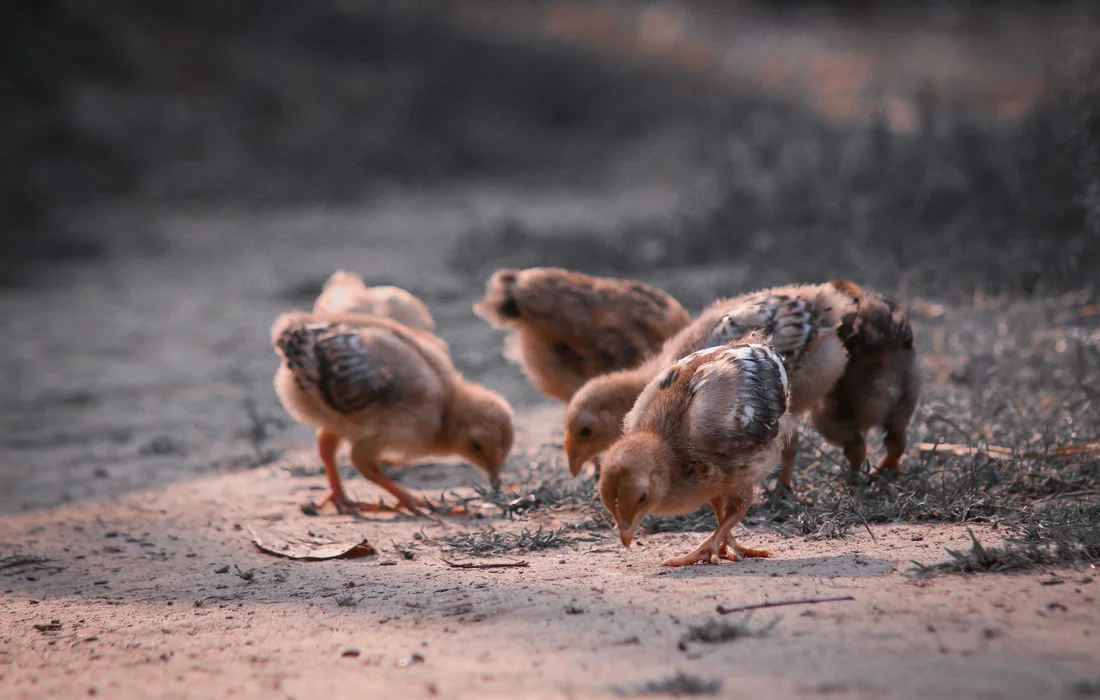
Now, I’ve seen folks just dump a new bag of feed into the hopper and call it a day. More power to ’em if it works, but in my experience, that’s asking for a bellyache—or worse, a hunger strike. Chickens are creatures of habit, and their delicate digestive systems appreciate a gentle nudge more than a shove. A proper transition is the kindest way to avoid digestive upset and ensure every bird keeps eating right through the change, which is crucial for digestive health.
The Gold-Standard Week-Long Feed Switch
My granddaddy taught me this method fifty years ago, and it hasn’t failed me yet. It’s all about slow and steady mixing. You’ll need a big, clean container-a galvanized trash can works splendidly-for blending.
- Days 1 & 2: Mix 75% of the old feed with 25% of the new feed. This tiny introduction lets their guts get acquainted.
- Days 3 & 4: Shift to a 50/50 blend. By now, they’re noticing the difference but usually gobbling it right up.
- Days 5 & 6: Change the ratio to 25% old, 75% new. You’re in the home stretch.
- Day 7: You can offer 100% of the new feed. Any remaining old feed can be scattered as a scratch treat.
I keep a dedicated coffee can in the feed room as my measuring scoop for this very purpose. Consistency in your mixing ratios is what prevents picky eaters from sorting out the old feed and leaving the new. If you’re moving from a crumble to a pellet or vice versa, this method is doubly important, as the texture change alone can give them pause.
Reading Your Chickens’ Signals During the Change
The birds will tell you if your transition is working. You’ve got to watch closer than a hawk watching a field mouse. Here’s what a smooth change looks like, and where trouble might be brewing.
- The Good Signs: Active, bright-eyed birds with full crops by dusk. Consistent, firm droppings. Feathers stay sleek, and egg production (for layers) holds steady. They should approach the feeder with their usual gusto.
- The Warning Flags: A sudden drop in feed consumption is your first red alert. Listlessness or huddling can mean belly discomfort. Watch for loose, watery droppings or, the opposite, pasty vents. If you see feed left in the crop first thing in the morning, digestion has slowed.
If you spot trouble, don’t panic. Simply pause the transition. Go back to the previous ratio that was working well for another two or three days. Sometimes a flock just needs a few extra days to adjust, especially in very hot or cold weather when they’re already stressed. I once had a batch of Barred Rocks that needed a full ten-day switchover during a summer heatwave-we just took it at their pace.
A little trick I use is to offer a familiar, healthy distraction during the switch, like a handful of scratch grains scattered in the litter or some fermented feed on the side. This keeps their minds and foraging instincts busy, taking the focus off the subtle change in their main dish. It’s about managing the whole experience, not just the contents of the feeder.
Special Cases: Breed Differences and Meat Birds
Now, let’s talk about the exceptions to the rule. Just like children, chickens don’t all grow at the same pace, and a one-size-fits-all feed schedule can leave some birds wanting. For example, this means considering how much feed chickens need daily, their proper portions, and breed-specific guidelines. Your feeding timeline should bend to fit your flock’s genetics and purpose, not the other way around.
Do All Chicken Breeds Switch Feed at the Same Age?
In a word? No. The calendar is a guide, but your eyes and hands are the true judge. I’ve raised many a heritage breed that took their sweet time maturing.
Heavy, fluffy breeds like Orpingtons, Cochins, and Sussex grow slower and put on body condition later. Holding them on a quality grower feed until they are a solid 20-22 weeks old often pays off. Rushing a big breed to layer feed can shortchange her skeletal development right when she needs it most.
On the flip side, prolific egg-laying hybrids like Leghorns or ISA Browns are the overachievers of the henhouse. They mature quickly and can be ready for layer feed as early as 16-18 weeks, often laying their first egg right on cue.
Your best tool here is observation. A good rule of thumb I follow is to make the switch based on weight and comb development, not just a date on the wall calendar.
- Heritage & Heavy Breeds: Keep on 18% protein grower feed until 20-22 weeks, or until you see bright red combs and wattles.
- Production Hybrids (Layers): Can often transition to layer feed at 18 weeks. They’re usually pullets with good body weight by then.
- Bantams: These little ones mature faster! They can often switch with the production hybrids, but watch their size. They eat less, so ensure their crumble or mash is fine enough.
What Should Broiler Chickens Eat?
Meat birds, or broilers, are a whole different barnyard conversation. They’re bred for one purpose: efficient, rapid growth. Their feed is engineered to support that, and it changes the entire game.
For Cornish Cross or other commercial meat birds, you’ll use a specific feeding program. They start on a high-protein broiler starter (around 22-24% protein) from day one to kickstart muscle development. This intense protein push is why you’ll see those poults outgrow your layer chicks in a matter of weeks.
After about 3-4 weeks, they move to a broiler finisher feed. This has slightly less protein (often 18-20%) but more energy (calories) to add those final breast and thigh weights. It’s rich stuff.
You must follow the feed schedule for the breed you have. Their bodies grow so fast that their hearts and legs can struggle to keep up. A feed too high in protein for too long can exacerbate leg issues, while one too low will leave them scrawny.
If you’re raising a dual-purpose breed for meat, like a Jersey Giant or a Plymouth Rock, you can use a simpler approach. I’ve had success keeping them on a standard 20% protein starter/grower feed their entire, shorter lives. It provides solid growth without the breakneck speed, and they’ll forage well if given the chance. The key with any meat bird is consistent access to feed and water-they eat and drink almost constantly to fuel that growth.
Avoiding Costly Pitfalls in Poultry Nutrition
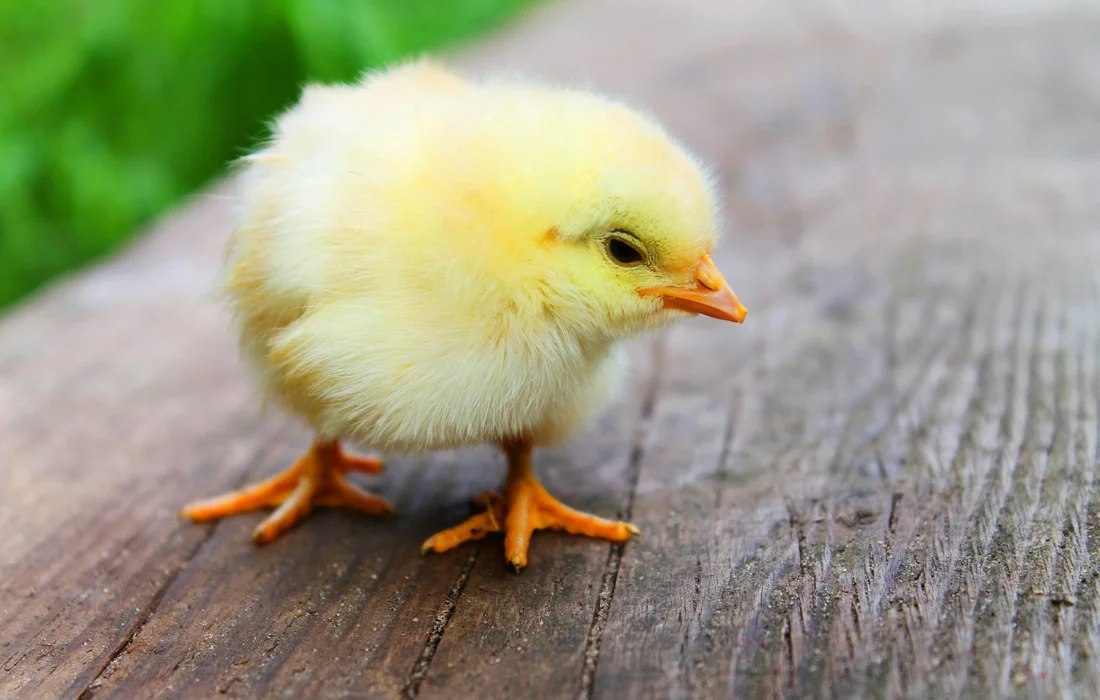
Now, let’s talk about the missteps that can cost you more than just feed money. I’ve seen too many well-meaning folks rush their flock’s diet, thinking a little change won’t hurt. Getting the transition wrong doesn’t just slow your birds down; it can lead to vet bills and stunted flocks that never reach their potential. There are cost-effective feed alternatives for chickens and cows that trim expenses without sacrificing nutrition. Smart mixes and forages can help you keep your animals healthy while lowering costs. Trust me, patience at the feed bin pays off in healthier birds and fuller egg baskets.
What Happens If You Switch Chicken Feed Too Early?
Imagine trying to build a barn with only half the lumber. That’s what you’re doing to a chick when you pull the starter feed too soon. Starter crumbles are packed with 20-24% protein for a reason-it’s the building block for every muscle, organ, and feather. Switching to a lower-protein grower ration before those babies are fully feathered, around 6 weeks old, is asking for trouble you can see coming. I learned this the hard way with a group of Jersey Giants I was too eager to move along.
Here’s what you’ll likely see if you make the switch too early:
- Stunted Growth: Birds simply won’t achieve their proper size or weight. They’ll look runty compared to flockmates who stayed on starter.
- Poor Feather Development: You’ll get patchy, slow-growing feathers that leave them vulnerable to chill and pecking.
- Weakened Immunity: That high protein also fuels their immune system. Without it, they become easy targets for coccidiosis and respiratory bugs.
- Future Egg Problems: For pullets, this early shortcut can delay their first egg and reduce their lifetime laying capacity.
My rule of thumb is to keep them on starter until they’re completely covered in feathers and no longer look like awkward teenagers, which is usually that 6-week mark. Don’t let thriftiness override good sense; those first few weeks set the stage for their entire lives.
Can You Feed Layer Feed to Younger Chickens? The Calcium Warning.
This is a question I hear at every feed store, and my answer is always a firm “no” for birds under 18 weeks. Layer feed is formulated for one job: making strong eggshells. To do that, it contains 3-4% calcium. For a young, growing chicken or a rooster, that much calcium is like gravel in their kidneys, and it can cause permanent damage. I once helped a neighbor diagnose a mysterious ailment in her young pullets, and the culprit was them sneaking into the laying hens’ feeder.
Feeding layer ration to non-layers creates two big risks:
- Renal Damage: Their immature kidneys cannot process the excess calcium, leading to kidney failure and a slow, painful decline.
- Growth Interference: High calcium levels can block the absorption of other crucial minerals like phosphorus, which is vital for bone development.
So what do you do if you have a mixed flock? You must keep the feeds separate, or use an all-flock/developer feed for the youngsters until the first egg appears. It takes more management, but it’s the only way to be a good steward. Your roosters and growing pullets will thank you with vigor and health.
Beyond the Bag: Supporting Practices for Thriving Chickens
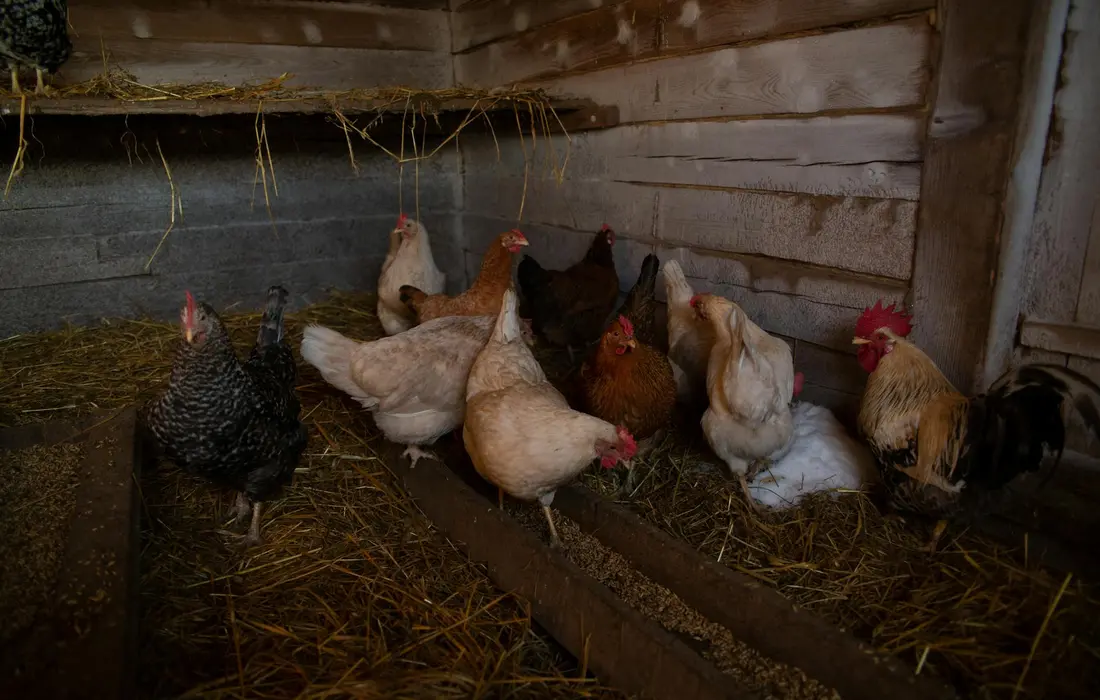
Folks, gettin’ the feed type right is half the battle. The other half happens outside the feed bag. Proper nutrition is a partnership between what you offer in the trough and what your flock can actually access and digest from their environment. Let’s talk about the two pillars that hold up any good feeding program.
The Role of Grit and Clean Water
I learned the importance of grit the hard way, watching a young pullet struggle with whole grains before I wised up. Chickens don’t have teeth. They use grit – small, hard stones – in their gizzard to physically grind their food. Without it, even the finest mash passes through poorly utilized.
You have two types to consider:
- Insoluble Grit (Granite): This is the permanent grinder. It stays in the gizzard. Offer a size appropriate to your birds: chick grit for babies, then poultry grit for adults.
- Soluble Grit (Oyster Shell): This is for your laying hens only. It dissolves to provide the calcium needed for strong eggshells. Keep it in a separate dish so they can self-regulate.
Now, for water. Think of it as the most important nutrient. A chicken will die far quicker from a lack of water than a lack of feed, and dirty water is a fast track to disease. I scrub my waterers with vinegar weekly without fail.
- Use clean, wide-based waterers that are tough to tip over.
- In summer, add ice cubes. In winter, use a heated base to prevent freezing.
- A splash of raw, unfiltered apple cider vinegar (1 tablespoon per gallon) a few times a week can aid digestion and keep waterers cleaner.
A Word on Fermenting Feed and Healthy Treats
If you’re lookin’ for a way to stretch your feed dollar and boost gut health, fermenting is a game-changer. It’s simply soaking your flock’s regular feed in water until it’s bubbly and tangy. Fermenting feed increases vitamin levels, makes minerals more available, and introduces beneficial probiotics to your birds’ digestive systems. I’ve seen fewer pasty vents and glossier feathers since I started.
- Get a food-safe bucket (I use a 5-gallon).
- Add feed and cover with about 2 inches of clean, non-chlorinated water.
- Stir daily. In 2-3 days, it will smell sour like yogurt. Drain off excess liquid before serving.
- Start by offering it as a treat, then replace one feeding. They’ll go wild for it.
Treats are a joy, but they’re not the main course. A good rule is the 90/10 rule: 90% complete feed, 10% treats. The best treats are those that mimic what they’d forage: bugs, greens, and seeds. Here’s a quick table to keep things straight.
| Go Ahead & Feed | Feed Sparingly | Never Ever Feed |
|---|---|---|
| Mealworms, Garden Bugs | Scratch Grains (like corn) | Avocado Skin/Pit |
| Chopped Weeds & Lawn Clippings | Bread & Pasta | Raw Dried Beans |
| Chopped Veggie Scraps | Fruits (high sugar) | Chocolate, Salty Junk |
Remember, a handful of scratch tossed in the run encourages natural scratching behavior, but it’s like candy-it shouldn’t replace their dinner. Keeping treats healthy and supplemental ensures your carefully chosen feed does its primary job of building strong, productive birds.
Closing Tips for a Smooth Feed Transition
What age do chickens transition from starter to grower feed?
Chicks typically transition from starter to grower feed between 6 and 8 weeks of age. The key indicator is that they are fully feathered and past their initial rapid growth phase. This change supports steady development without rushing maturity.
What age do chickens transition from grower to layer feed?
Most chickens are ready for layer feed around 18 to 20 weeks of age. The best signal is the physical onset of lay, marked by reddening combs and wattles. Transitioning at this point provides the crucial calcium needed for eggshell production.
Can you feed layer feed to younger chickens?
No, you should not feed layer feed to chickens under 18 weeks or to roosters. The high calcium content (3-4%) can cause serious, permanent kidney damage in birds not laying eggs. Always keep feeds separate for mixed-age flocks.
What should broiler chickens eat?
Broiler chickens require a specialized diet for rapid growth, starting with a high-protein broiler starter (22-24% protein). They are then switched to a calorie-dense broiler finisher feed after a few weeks to add final weight, differing significantly from layer-breed programs.
Do all chicken breeds switch feed at the same age?
No, breed maturity rates vary. Fast-maturing production hybrids may switch to layer feed by 16-18 weeks, while slower-growing heritage breeds may need to stay on grower feed until 20-22 weeks. Always base the decision on physical development, not just calendar age.
What is in chick starter feed that makes it different?
Chick starter is distinct for its very high protein level (18-24%) to fuel rapid tissue and feather growth. It is also often medicated to help prevent coccidiosis and is formulated as a small crumble for tiny beaks, containing no added calcium.
Shuttin’ the Gate
The finest feed in the world won’t mean a hill of beans if your chickens don’t have constant access to clean, fresh water. I’ve raised birds through blistering summers and bitter winters, and keeping that waterer full and clean is the single most reliable barometer for the health of your entire flock. Watch your birds. Their energy, their feather quality, and the steady production of eggs all start with a clean drink.
Well, friend, I reckon that about covers the feed trough from peep to retirement. There’s a deep satisfaction in gettin’ this right-in knowin’ you’re providin’ exactly what your flock needs to thrive under your care. Now go enjoy the fruits of your good stewardship. There ain’t nothin’ better than sittin’ on the porch at the end of the day, listenin’ to the contented sounds of a happy, cluckin’ flock. Y’all take care now.
Further Reading & Sources
- What’s the Difference Between Starter, Grower, and Layer Chicken Feed? | Tractor Supply Co.
- r/BackYardChickens on Reddit: Do you guys use grower feed, or just go from starter to layer?
- Chicken Feed (Starter/Grower/Layer) – Gone Broody
Caroline Mae Turner is a lifelong farm girl raised on red clay, early mornings, and the sounds of a bustling barnyard. With hands-on experience caring for everything from stubborn goats to gentle dairy cows and mischievous pigs, Caroline shares practical, tried-and-true advice straight from the farm. Her goal is to help folks keep their animals healthy, well-fed, and living their best barnyard life. Whether you're wrangling chickens or bottle-feeding a baby goat, Caroline brings a warm Southern touch and plenty of real-world know-how to every bucket in the barn.
Feeding Guidelines