
Sprouts and Brussels Sprouts: A Safe, Nutritious Feed Guide for Your Flock
Published on: April 17, 2026 | Last Updated: April 17, 2026
Written By: Caroline Mae Turner
Howdy y’all, and welcome back to the barn. Staring at those garden leftovers and wondering if they’ll do more harm than good for your chickens? Both raw and cooked sprouts and Brussels sprouts are perfectly safe for your birds and offer a powerful boost of vitamins and fiber, but you’ll want to chop them fine to prevent any choking hazard. I’ve been tossing these to my own hens for years, and they come running every time.
What you’ll need:
- Your harvest of Brussels sprouts or seed sprouts (like alfalfa or broccoli)
- A reliable knife and cutting board for preparation
- About five minutes before your usual feeding time
Let’s walk through the simple steps together, so you can feed your flock with confidence and get back to the rest of your homesteading day.
Safety First: Are Sprouts and Brussels Sprouts Safe for Chickens?
Let’s settle this right out of the gate, neighbor. After decades with a bustling barnyard, I’ve fed my share of kitchen scraps and garden surplus. Both Brussels sprouts and most common sprouts are perfectly safe for your chickens when you follow a few simple, old-fashioned rules. Think of them as a supplement, not a staple. While we’re on the subject of veggies, you might want to know about feeding other cruciferous vegetables like broccoli to your feathered friends.
I remember one icy winter when the garden was buried, and we had a bushel of Brussels sprouts left from the fall harvest. The flock took to them like ducks to water. Moderation is your best friend here, as too much of any brassica, like Brussels sprouts, can sometimes interfere with thyroid function if it becomes the main course. A handful per bird a few times a week is a generous treat.
You’ll want to prepare them right to avoid any fuss. Here’s my method:
- Chop or halve larger Brussels sprouts so every hen, even the lower-ranked ladies, gets a peck.
- Raw is just fine, but a quick steam can soften them up for younger birds or bantams.
- Avoid any sprouts or Brussels that have gone moldy or slimy in storage-your nose knows best.
When we talk about “sprouts,” I’m referring to the young shoots you grow from seed. Alfalfa, sunflower, pea, and wheatberry sprouts are all barnyard favorites and pose no risk when fed fresh and clean. I keep a few trays going in the shed all winter long for a green boost. Just ensure they’re from seeds meant for sprouting, not ones treated with fungicides.
Nutritional Benefits: What Do These Greens Offer Your Flock?
Offering these greens is about more than just filling their craws. It’s a direct investment in your flock’s vitality, from shiny feathers to strong eggshells. You’re giving them a living, vibrant food that store-bought pellets alone can’t replicate.
Brussels Sprouts: A Winter Vitamin Boost
When the pasture turns brown and the days get short, Brussels sprouts are a little powerhouse from the garden. These mini-cabbages are bursting with vitamin K for good blood clotting and vitamin C, which acts as a natural antioxidant for your birds. Cruciferous vegetables like broccoli are great for chickens and share many of the same nutrients. I rotate Brussels sprouts with broccoli to keep my flock curious and healthy. I’ve seen a noticeable pep in the step of my hens when I scatter a few amongst the litter for them to hunt.
They also bring a fair bit of fiber to the table, which aids in digestion. Here’s a breakdown of what you’re really giving them:
- Vitamin A: Supports keen eyesight and healthy respiratory tracts.
- Folate: Key for cell growth and repair, especially important for laying hens.
- Manganese: A trace mineral that helps form strong bones and eggshells.
Don’t toss the stalks! I chop them into manageable pieces and let the flock work on them for hours. It’s a thrifty way to provide entertainment and nutrition, reducing waste on the homestead.
Sprout Spectrum: From Protein to Minerals
Now, sprouts are a different kind of marvel. The nutrient profile explodes as the seed germinates. This is where you can truly tailor a supplement, targeting everything from muscle development to immune support. I often mix a few types together for what I call my “flock salad.”
Let’s talk numbers. A tray of sunflower sprouts can have vitamin E levels that put store-bought supplements to shame. Alfalfa sprouts consistently test between 3% and 4% protein, making them a superb, living protein source for molting birds or growing pullets. Here’s a quick guide to what different sprouts offer:
- Sunflower Sprouts: High in vitamin E and healthy fats for gorgeous feathering.
- Pea or Lentil Sprouts: Protein champions, often reaching 5-6% protein, perfect for meat birds.
- Buckwheat Sprouts: Rich in rutin, which supports circulatory health.
- Radish Sprouts: Pack a peppery punch and contain natural compounds that can help ward off pests.
Growing your own is dirt simple and cheap. I use old baking sheets with a bit of soil. This sustainable practice ensures your birds get the freshest, most enzyme-rich food possible, and it connects you to the cycle of their care in a meaningful way. You’re not just feeding chickens; you’re raising resilient livestock on a diet that honors their natural needs. For backyard flocks, a quick guide to chicken diet basics can help you tailor their meals. It’s a simple, practical starting point for healthy, resilient birds.
Practical Feeding: How to Prepare and Serve These Greens
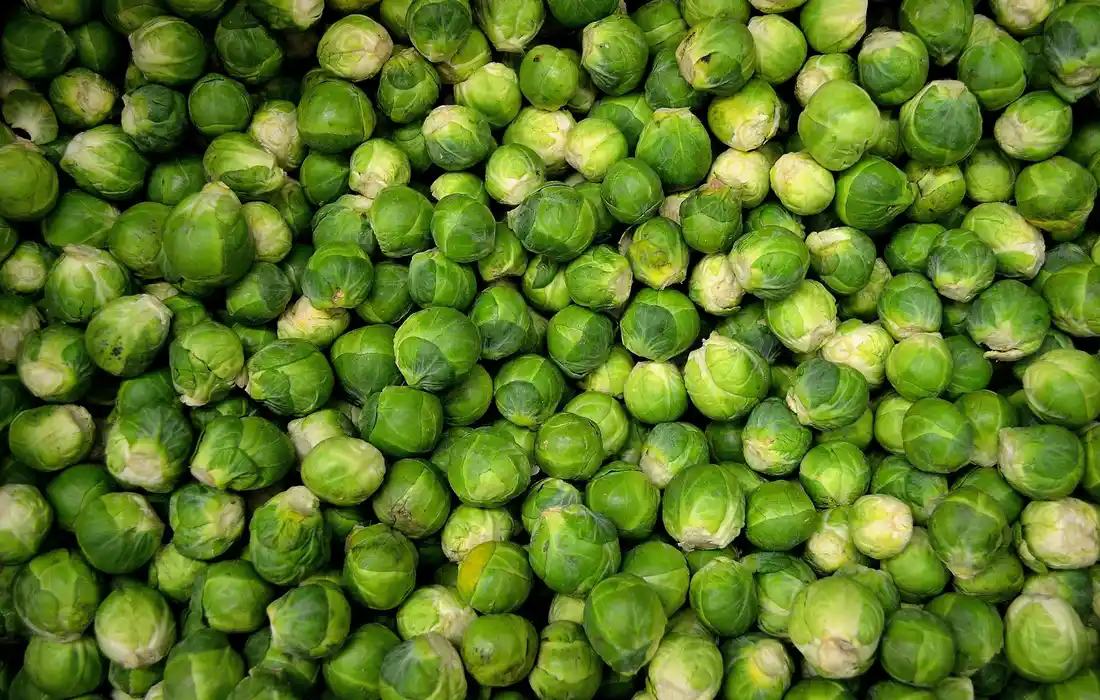
Let’s move from the garden to the scratching pen. I reckon the difference between a nutritious supplement and a digestive mishap lies in how you serve it. Proper preparation turns these brassicas into a safe, peck-worthy delight that your flock will cluck for.
Preparation Steps for Safety and Digestion
I remember the first time I gave my hens a whole Brussels sprout; they batted it around like a feathered soccer ball with little progress. That taught me that size and texture matter. Taking a few minutes to prep can mean the difference between a healthy treat and a crop impaction.
- Give Them a Good Bath: Rinse all sprouts in cool, running water. I’ve found garden dirt and tiny pests hiding in the folds, so be thorough.
- Reduce to Peck-Sized Pieces: Chop or slice Brussels sprouts into bits no larger than a blueberry. For smaller sprouts, a rough chop will do. This mimics the size of grains they naturally forage.
- Consider a Quick Steam: Older, tougher sprouts from frosty harvests benefit from softening. I steam them for about five minutes until a fork slides in easily. This aids digestion immensely.
- Cool to Barn Temperature: Always let cooked greens cool completely. Serving them warm can harm a chicken’s crop and they often won’t touch it.
- Mix for Introduction: When first offering these greens, I mix them into their regular layer feed or scatter them with scratch grains. This encourages tasting and helps their systems adjust.
Avoid the stem and any outer leaves that are wilted or yellowed. Tossing those tough parts to the compost is better than risking a choked chicken in your run.
Portion Guidelines and Feeding Schedule
Even good things need limits. These greens are packed with nutrients but can cause watery droppings if overfed. Think of sprouts as the dessert, not the main course, for your feathered friends.
- Serving Size Per Bird: For a standard laying hen, limit to about one to two tablespoons of chopped greens per day. My Jersey Giants get a heaping tablespoon, while my bantams get a teaspoon.
- Weekly Frequency: Two to three times a week is my golden rule. I often serve them on Monday, Wednesday, and Friday mornings to create a reliable routine.
- Balance with Regular Feed: Brussels sprouts are only about 3-4% protein. Your complete layer feed is 16-18% protein. Never let treats, including sprouts, make up more than 10% of their total daily food intake.
- Adjust for Free-Range Birds: If your chickens roam pasture daily, halve the portion. They are already filling up on grass and weeds from the field.
- Monitor Flock Health: Watch their eggshell strength and droppings. If you notice any issues, skip the greens for a week. My pullets sometimes need a slower introduction than my older, settled hens.
I keep a dedicated scoop in my feed bin just for treats to avoid overdoing it. Consistent, moderate portions keep your birds’ nutrition balanced and their digestion running smooth.
Exploring Sprout Varieties: Which Ones Are Best for Chickens?
When you’re standing in the feed room pondering a bag of seeds, it’s easy to feel a mite overwhelmed. I’ve been there more times than I can count. Choosing the right sprout isn’t about fancy trends; it’s about matching that green goodness to your flock’s specific needs through the seasons. Let’s mosey through the options so you can make the best pick for your hens.
Alfalfa and Clover Sprouts
Now, these two are like the reliable workhorses of the sprouting world. I’ve kept a tray of alfalfa going in my barn window for years, rain or shine. Alfalfa sprouts pack a powerful punch, offering around 18-22% protein and a heap of vitamins A and K, which are splendid for feather condition and strong eggshells. The girls go absolutely wild for the tender shoots.
Clover sprouts, particularly red or crimson, are another fine choice. I reckon they make a wonderful, palatable green feed during the drier months when pasture thins out. You do need to ensure they’re grown from clean seed meant for sprouting, as some wild clover seeds can carry fungi that aren’t worth the risk. I toss a handful right into their run, and it’s a peaceful sight watching them peck and scratch.
- Protein Boost: Alfalfa leads the pack, making it ideal for molting hens or growing pullets.
- Easy to Grow: These sprouts require minimal fuss-just rinse and drain twice a day.
- Feeding Tip: Scatter them atop their regular feed to encourage natural foraging behavior.
Sunflower and Buckwheat Sprouts
If you want to see some excited chickens, just show up with a tray of sunflower sprouts. The black oil sunflower seed is my go-to. Sunflower sprouts are rich in healthy fats and vitamin E, which acts as a natural antioxidant for your birds, supporting their immune system through winter chills. The sturdy stalks are also great for keeping beaks trimmed. Chickens also eat black oil sunflower seeds, and many keepers consider the shells part of a balanced snack. A practical feeding guide helps you mix sprouts, seeds, and shells for steady energy and nutrition.
Buckwheat sprouts, with their broad, soft leaves, are a different kind of treasure. They’re not a true grain but a pseudocereal, providing a superb source of rutin, a bioflavonoid that can help with circulatory health in your aging layers. I’ve found they sprout incredibly fast, sometimes in just 3-4 days, which is perfect for a quick green fix.
- Seed Selection: Use raw, unhulled black oil sunflower seeds or raw buckwheat groats specifically for sprouting.
- Soaking Time: Give sunflower seeds a good 8-hour soak, while buckwheat only needs 30 minutes to an hour.
- Serve Fresh: These sprouts are best fed young and tender, before the true leaves get too tough.
Bean, Lentil, and Pea Sprouts
This is where we get into the protein powerhouses, but caution is your friend here. I learned this lesson early on with some store-bought mung bean sprouts. Legume sprouts like lentils and peas are fantastic, often reaching 24-28% protein, but you must never feed raw, unsprouted beans to chickens as they contain harmful lectins. The sprouting process neutralizes these compounds.
My personal favorite is the humble pea shoot. Snow pea or sugar snap pea seeds sprout into a sweet, crisp treat my flock adores. These sprouts add a hefty dose of digestible protein to the diet, which can help cut down on your commercial feed costs when used as a supplement. I often mix them with grain sprouts for a complete meal.
- Safe Choices: Mung beans, lentils, and chickpeas are all excellent and safe after proper sprouting.
- Avoid These: Never sprout or feed kidney, navy, or pinto beans to poultry.
- Sprouting Method: Rinse these legumes thoroughly 2-3 times daily for 3-5 days until the tail is about as long as the seed itself.
Barley, Wheat, and Oat Sprouts
These grain sprouts are the backbone of a thrifty winter feeding program. When the ground is frozen solid, a flat of barley grass on a sunny windowsill is a lifesaver. Sprouting barley, wheat, or oats increases enzyme activity and boosts vitamin levels, particularly B vitamins and vitamin C, which the grains don’t contain in dry form. It turns a simple starch into a living, digestible food.
I find wheatgrass to be the most vigorous grower. You can use a simple, shallow tray with drainage holes and grow a mat of grass up to 6 inches tall-your chickens will happily graze it right down to the soil. It’s a brilliant way to provide fresh forage and entertainment when they’re cooped up. Oat sprouts are softer and often a hit with younger birds or bantams.
- Energy Density: These sprouts provide excellent carbohydrates for energy, ideal for cold-weather calorie needs.
- Fiber Source: The young grass aids in digestion and helps prevent impacted crops.
- Practical Setup: A multi-tray rotation system ensures you have a fresh batch ready every 5-7 days.
Focus on Brussels Sprouts: Handling the Whole Vegetable
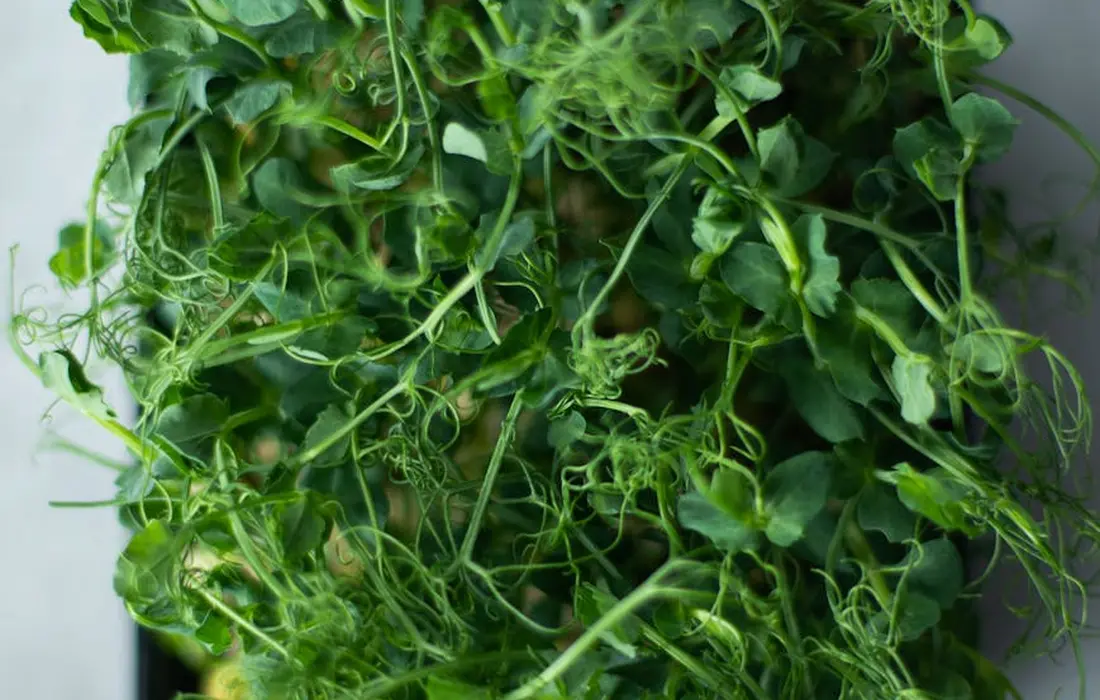
Now, let’s talk about those tight little knobs on a stalk-Brussels sprouts. I reckon many folks just snap off the sprouts and toss the rest, but on the homestead, we see the entire plant as a treasure for the flock. Using every bit of the Brussels sprout plant is a hallmark of good stewardship, turning what might be waste into wonderful, wholesome feed.
The Stalk and Leaves: Don’t You Dare Toss ‘Em
After harvest, that tough central stalk and the outer leaves are pure gold for chickens. They’re packed with fiber and nutrients, just in a different form. I’ve fed many a stalk to my birds over the years. Chickens will peck and scratch at a tough stalk for hours, which is fantastic for their mental stimulation and mimics natural foraging behavior.
You’ve got a few good options for handling these parts:
- Whole Stalk: Simply secure the entire stalk in the run. Hang it from a string or wedge it in the fence. The girls will have a ball working it over.
- Chopped Stalk & Leaves: For easier eating, take your hatchet or a heavy knife and chop the stalk into rough chunks. Toss the pieces and the tough outer leaves right onto the litter. This method spreads the goodness around and lets even the lower-ranking hens get a share.
- Dried and Crumbled: In the fall, I often dry the leaves in my shed, crumble them up, and add them to their winter scratch mix. It’s a fine way to add green nutrients when the pasture is sparse.
The Sprouts Themselves: Raw, Cooked, or Fermented?
Those signature sprouts are a powerful little package. They’re rich in Vitamin K, Vitamin C, and have a decent bit of plant-based protein-around 3-4 grams per cup. But they also contain compounds called isothiocyanates, which give them that bitter taste and can be a mild gut irritant if fed in huge quantities.
Light cooking neutralizes those bitter compounds and softens the sprout, making it easier for your hens to digest and often more appealing to them. I simply steam or boil them for a few minutes until they’re just tender, then let them cool. No salt, no butter-just plain.
Here’s my practical breakdown for feeding the sprouts:
- Chop or Halve: Whether raw or cooked, always cut larger sprouts in half or quarters. This prevents any chance of choking and lets the goodness out.
- Raw in Moderation: A few raw sprouts scattered in the run as a treat is just fine. Think of it as a condiment, not the main course.
- Cooked for Safety: If I’m feeding a larger amount-say, from a leftover batch-I always cook them. It’s the thrifty, safe way to use up kitchen scraps.
- Fermented for Boost: For a probiotic powerhouse, add chopped sprouts to your vegetable ferments. My hens go wild for fermented sprouts, and it does wonders for their gut health.
A Word on Portions and Balance
Remember, sprouts are a treat, not feed. I never let treats exceed 10% of their total daily intake. For a flock of six hens, a handful of chopped, cooked sprouts a few times a week is ample. Overdoing it with any brassica can lead to loose droppings or, in extreme cases, affect egg flavor because of those strong compounds. Balance is key. They should always have access to their complete layer feed first, which ensures they get their precise protein (16-18%) and calcium needs met.
I learned this portion lesson early on. One fall, I got overzealous with the sprout harvest and fed too many raw scraps for a week. The eggs that week had a faint, off-putting smell, a clear sign my ladies’ diet was out of whack. We corrected it quick by pulling back on the greens and focusing on their regular ration. It was a gentle reminder that even good things require thoughtful management.
| Plant Part | Best Preparation Method | Frequency & Notes |
|---|---|---|
| Whole Stalk | Hang or secure in run | Occasional enrichment; let them peck at will |
| Outer Leaves & Stalk Chunks | Chopped fresh or dried | Few times a week; scatter to promote foraging |
| Brussels Sprouts (raw) | Chopped or halved | Rare treat; a few pieces per hen weekly |
| Brussels Sprouts (cooked) | Steamed/boiled, cooled, chopped | Preferred method; 1-2 times per week as treat |
Handling the whole Brussels sprout plant is a practice in respect-for the food you’ve grown and for the animals in your care. It turns a single crop into a sustained source of engagement and nutrition for your flock, stretching your harvest and your dollar. Just keep it varied, keep it moderate, and watch your hens thrive on those little cabbages from stalk to sprout.
Growing Your Own: A Thrifty Sprout Operation for the Flock
Putting up a little sprout garden for your chickens is one of the smartest bits of homestead economy I know. You can turn a handful of cheap seed into a powerhouse of vitamins and enzymes, right on your kitchen counter, for a fraction of the cost of bagged greens. It’s one of the most cost-effective feed alternatives I’ve found for chickens.
I’ve kept a rotation of sprouting jars going for years, and I reckon my hens know the sound of me shaking that jar as well as they know my voice. This simple practice embodies the thrifty, closed-loop stewardship we aim for, letting us provide deeply nutritious food without straining the wallet.
Step-by-Step: Sprouting in a Jar for Chickens
Now, let’s get down to the nuts and bolts. Sprouting in a mason jar is foolproof, and you likely have everything you need already. This method gives you complete control over the process, ensuring your flock gets clean, fresh fodder every time.
- Gather Your Tools. You’ll need a clean quart mason jar, a piece of cheesecloth or a mesh sprouting lid, and a rubber band. For seed, I’m partial to black oil sunflower or whole barley; they’re affordable and sprout with real vigor.
- Measure and Soak. Pour about a quarter cup of your chosen seed into the jar. Cover it with two to three times its volume in cool water. Let it soak on the counter for 8 to 12 hours-I usually start mine right after the evening milking.
- Drain and Rinse. After the soak, drain the water out through your cloth or mesh lid. Give those seeds a good rinse with fresh water, swishing them around, and drain them completely. This full drain is critical to prevent spoilage and keep your operation sweet-smelling.
- Rinse, Twice Daily. Set the jar upside-down at an angle in a bowl so any leftover water can drip out. Every morning and evening, give the sprouts a fresh rinse and drain. You’ll see little tails in just a day or two.
- Harvest and Feed. In about 3 to 5 days, when the sprouts have small leaves and are about an inch long, they’re ready. Dump them into a bowl and let your hens have at them. A quarter-cup of dry seed yields nearly a full pint of sprouts, a perfect supplement for a flock of six to eight birds.
I keep two jars going in a staggered rotation, so there’s always a batch ready. Remember, sprouting can nearly double the bioavailability of minerals and boost protein efficiency, making that humble seed worth its weight in gold for your layers.
If you see any fuzz or catch a sour smell, compost that batch and start fresh-it’s a rare thing if you keep up with the rinsing. This hands-on practice not only saves money but connects you to the daily cycle of providing for your animals in the most direct way possible.
Risks and Moderation: What to Watch For in Your Flock
Now, I reckon y’all are eager to share those garden goodies, but hold your horses. Feeding sprouts and Brussels sprouts requires a watchful eye, much like checking the fence line after a storm. These vegetables are from the brassica family, and while nutritious, they pack compounds that need managing.
In my barnyard, I’ve seen the downside of generosity. Too many Brussels sprouts can cause digestive upset, leading to gas and bloating in your birds. Chickens don’t handle bellyaches quietly, and a uncomfortable hen is a poor layer.
Beyond the feed bucket, there’s the matter of goitrogens. These natural substances can, over time and in excess, impact thyroid function, subtly reducing metabolism and egg production. I mind one season where my Leghorns’ output slowed, and trimming back the brassicas fixed it right up.
You’ll want to keep portions mighty small. I never let these treats exceed 5% of their total daily intake—about a tablespoon of chopped sprouts per standard hen, offered just two times a week. More than that, and you’re asking for trouble. Be sure to follow theportion guidelines for daily feeding when treating your chickens.
Watch your flock close after treat time. If you spot any of these warnings, stop the sprouts straight away and call for a return to regular rations:
- Unusual lethargy or puffing up
- Watery, off-color droppings
- A noticeable dip in egg numbers or quality
- Birds picking at their own vents
Preparation makes all the difference for safety. Always chop Brussels sprouts into pieces no bigger than a pea to prevent choking, a risk for eager eaters. I use a old kitchen knife on a worn cutting board right there by the coop.
For the thrifty homesteader, using kitchen scraps is wise, but never compromise. Stewardship means valuing their health over saving every last scrap. Compost what’s extra rather than overfilling their crop.
Mix these greens with other treats like grated squash or oats. This dilutes any troublesome compounds and gives them a balanced snack. My birds get a handful of this mixed salad, and they thrive on the variety.
Remember, fresh water is non-negotiable. Plentiful water helps flush their systems and keeps everything moving smooth after a fibrous meal. Check those waterers twice a day when you’re offering new veggies.
From my porch to yours, feeding is about joy and care. Moderation isn’t a restriction; it’s the secret to a flock that clucks contentedly for years to come. Trust your eyes, know your birds, and you’ll all do just fine.
How Sprouts and Brussels Sprouts Compare to Other Chicken Greens
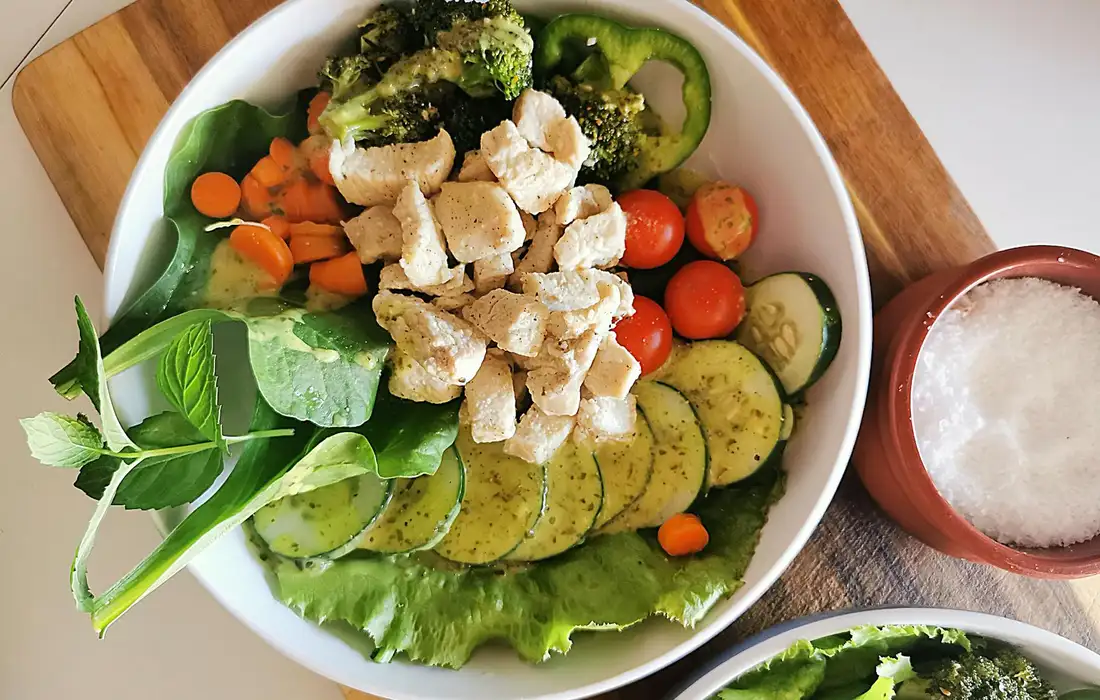
Y’all might be standin’ at the garden fence, wonderin’ if those sprouts are worth the bother over simple kale or lettuce. From my barnyard to yours, I can tell you that choice changes everything from egg yolk color to your feed bill. Let’s walk through this together, neighbor.
Breaking Down the Bounty: A Nutrition Table
Numbers don’t lie, and they sure help when plannin’ a balanced diet. Now, remember, these are fresh weights, and values can dance a bit based on soil and season. This little table here has saved me many a head-scratchin’ moment when mixin’ up the daily scratch.
| Green | Crude Protein (Approx.) | Key Vitamin Punch | My Hens’ Verdict |
|---|---|---|---|
| Brussels Sprouts (leaves & stalks) | 3-4% | High in Vitamin C & K | Peckin’ frenzy for the stalks |
| Alfalfa or Sunflower Sprouts | 4-5% | Rich in B Vitamins | Delicate, gobbled up fast |
| Kale | 4-5% | Vitamin A champion | Steady, reliable favorite |
| Spinach | 2-3% | Iron & Folate | Eaten, but not with gusto |
| Iceberg Lettuce | 1% or less | Very low; mostly water | They’ll eat it, but it’s filler |
Palatability and Flock Frenzy
Watchin’ your chickens eat tells you more than any book. I’ve seen my girls pass over a pile of spinach for a lone Brussels sprout stalk. That tough, fibrous stalk from your Brussels keeps ’em busy for hours, mimickin’ natural foraging behavior perfectly. Sprouts, with their tender crunch, vanish in seconds. Meanwhile, a head of lettuce might get trampled once the novelty wears off.
Growin’ Your Own: Effort vs. Yield
Let’s talk dirt under your nails. Brussels sprouts demand a full season and good frost for sweetness. Sprouts? You can have a batch in a jar on your counter in under a week. For quick, year-round nutrition, sprouts win on speed, but for bulk waste reduction, nothin’ beats the colossal stalks from your Brussels sprout harvest. Here’s how I rank ’em for homestead hustle:
- Brussels Sprouts: High summer labor, but massive fall yield. One plant feeds a flock for days.
- Seed Sprouts: Almost no space, minimal cost. A handful of seed makes a quart of feed.
- Kale & Collards: Moderate labor, continuous yield. A garden staple for a reason.
- Lettuce: Easy to grow, but you’re mostly growin’ water for your chickens.
The Thriftiness Factor
My granddaddy always said, “Don’t feed a ten-cent bird a dollar green.” Brussels sprouts from the store can be pricey, but the real savings come from usin’ the whole plant you grow. Those tough outer leaves and the thick stalk after harvest are chicken gold, turnin’ compost-bound waste into premium feed. Sprouts from leftover seed are cheaper than buyin’ a bag of salad mix. Growin’ kale is economical, but every chicken keeper knows it’s the first thing the bugs attack.
A Word of Caution in the Mix
Balance is the key to keepin’ your gals in fine feather. Too many Brassicas, like Brussels, can sometimes affect iodine uptake if fed to excess. I rotate my greens just like I rotate my pastures, offerin’ a variety to prevent any hidden nutritional shortfalls. I never make sprouts or Brussels more than a third of their daily green treat. Variety isn’t just the spice of life; it’s the foundation of health in the coop.
Closing Questions and Practical Tips
Why are sprouts considered a superfood for chickens?
The process of germination dramatically increases the vitamin, enzyme, and protein content of seeds, turning them into a living, digestible powerhouse. This makes sprouts a highly bioavailable supplement that can enhance feather quality, immune function, and overall vitality beyond what dry grains or typical kitchen scraps offer.
How do sunflower sprouts specifically benefit my flock?
Sunflower sprouts, especially from black oil sunflower seeds, are exceptionally rich in Vitamin E and healthy fats. These nutrients are crucial for promoting glossy, strong feathers and supporting a robust immune system, making them an excellent choice during molting season or cold weather. Additionally, safety matters when feeding sunflowers and seeds to chickens. Choose pesticide-free plants and properly stored seeds to keep your flock safe.
What are the top three best sprouts to grow for chickens?
For overall nutrition and ease, alfalfa, sunflower, and pea shoots are outstanding choices. Alfalfa provides excellent protein for growth and repair, sunflower boosts feather and immune health, and pea sprouts offer a sweet, high-protein treat that flocks adore.
Are bean sprouts always safe for chickens, and what’s the key precaution?
Most bean sprouts like mung or chickpea are safe and nutritious after they have fully sprouted. The critical rule is to never feed raw, unsprouted beans, as they contain harmful lectins that are only neutralized during the germination process.
What’s the quickest and most reliable method for growing sprouts for my flock?
A simple jar method with a mesh lid is the most foolproof for beginners. By rinsing seeds twice daily, you can produce a batch of tender, fresh sprouts in just 3-5 days, ensuring a constant, cost-effective supply of fresh greens right on your countertop.
How do wheat sprouts compare to other grain sprouts for winter feeding?
Wheat sprouts (or wheatgrass) are vigorous growers that provide excellent carbohydrates for energy and a great source of digestible fiber. Compared to barley or oat sprouts, they often produce a thicker mat of grass, perfect for providing fresh forage and entertainment when the flock is cooped up indoors.
Shutting the Gate
We’ve covered a good bit of ground, from the coop to the kitchen garden. The real secret to feeding treats like sprouts isn’t in the sprouting jar itself, but in your watchful eye and steady hand. The single most important thing you can do for your flock’s health is to remember that all treats, no matter how nutritious, are just the icing on the cake of a complete layer feed. Keep those greens and sprouts as a fun supplement, and your girls will reward you with vigor and plenty of eggs.
I reckon that’s about all from my porch for today. I hope this gives you the confidence to share your garden’s bounty with your feathered friends. There’s few things finer than watching a contented flock scratch and peck on a sunny afternoon. Y’all take care of yourselves and those critters. Here’s to happy hens and the simple, good life.
Further Reading & Sources
- Can Chickens Eat Brussels Sprouts? Health Benefits & Feeding Tips
- Can Chickens Eat Brussels Sprouts? Just The Facts – Cooped Up Life
- Can Chickens Eat Brussel Sprout? How Many Sprouts and How Often! – joy of keeping chickens
Caroline Mae Turner is a lifelong farm girl raised on red clay, early mornings, and the sounds of a bustling barnyard. With hands-on experience caring for everything from stubborn goats to gentle dairy cows and mischievous pigs, Caroline shares practical, tried-and-true advice straight from the farm. Her goal is to help folks keep their animals healthy, well-fed, and living their best barnyard life. Whether you're wrangling chickens or bottle-feeding a baby goat, Caroline brings a warm Southern touch and plenty of real-world know-how to every bucket in the barn.
Feed Recommendations