A Homesteader’s Guide to Feeding Chickens Peanuts: Safe Snacks & What to Avoid
Published on: February 10, 2026 | Last Updated: February 10, 2026
Written By: Caroline Mae Turner
Howdy y’all, and welcome back to the barn. I reckon you’re eyeing that sack of goobers and wondering if it can pull double duty as chicken scratch. Good news: your flock can safely enjoy peanuts, but only if they’re plain, unsalted, and chopped up to prevent choking. I’ve tossed many a handful to my eager girls as a high-protein treat, especially when feathers are flying during molting season.
- Shelled, unsalted peanuts (raw or roasted)
- A sharp knife or food processor for chopping
- A mindful eye for moderation
Let’s crack this nut wide open so you can get back to the rest of your chores with confidence.
Are Peanuts Safe for Your Backyard Flock?
Handing out a handful of peanuts feels like a generous treat, but safety comes before generosity in the coop. I’ve learned that the biggest risks aren’t from the nut itself, but from what can grow on it.
Understanding Aflatoxin Danger in Peanuts
Aflatoxin is a nasty mold byproduct that can lurk on grains, corn, and especially peanuts. This isn’t a simple tummy ache; it’s a potent poison that damages a chicken’s liver and can be fatal. The threat of aflatoxin means your source and storage of peanuts matter just as much as the feeding. I only buy human-grade peanuts from reputable sources, never salvage or feed-grade batches meant for livestock, as their mold risk is higher.
Store your peanuts like you would your own baking supplies: in a cool, dry, and dark place. A mason jar in the pantry beats a burlap sack in the damp barn every time. If you see any sign of mold, weird discoloration, or smell a musty odor, toss the entire batch without a second thought.
Raw Peanuts and Natural Toxins: A Careful Balance
Raw peanuts contain natural compounds called trypsin inhibitors and lectins. In vast amounts, these can interfere with digestion and nutrient absorption. This is why moderation is your best friend-feeding peanuts as a occasional snack, not a main course, sidesteps this issue entirely. Especially when considering offering nuts to rabbits. I think of it like wild greens in the pasture; a little is wonderful variety, but you wouldn’t let it replace their balanced feed.
The cooking process, like dry-roasting or boiling, reduces these anti-nutrients. That’s one reason why the roasted, unsalted peanuts from the grocery store are a popular and safer choice for a quick treat. Still, even roasted, they are a rich supplement, not a staple.
The Barnyard Breakdown: Nutrition in a Peanut
When you break it down, a peanut is a powerhouse packet of energy. It’s not a true nut but a legume, packing about 25-30% protein and a hefty 44-50% fat. That fat content is a concentrated energy source, perfect for fueling birds through a cold molt or a deep winter. They also bring a good dose of B vitamins, vitamin E, and minerals like magnesium and phosphorus to the picnic table.
How Peanuts Support Egg Laying and Feather Health
That high-quality protein is the building block for both strong egg production and dazzling new feathers. During molt, when hens are regenerating thousands of feathers, their protein needs can skyrocket past 20% of their diet. A few crushed peanuts sprinkled over their feed gives them a targeted protein boost that helps them regrow plumage quicker and get back to laying. I always keep a bag on hand when the coop looks like a feather pillow fight happened. If feather condition is still poor, a quick nutrition check can reveal gaps in protein, minerals, or fats. Targeted nutritional solutions can then help restore plumage and support ongoing production.
The healthy fats and oils in peanuts do wonders for feather sheen and skin health. The vitamin E acts as an antioxidant. It’s a complete support package. My feeding rule is simple: a small handful of crushed or split peanuts for the entire flock, two or three times a week at most, scattered to encourage natural foraging behavior.
From Shell to Kernel: A Guide to Every Peanut Part
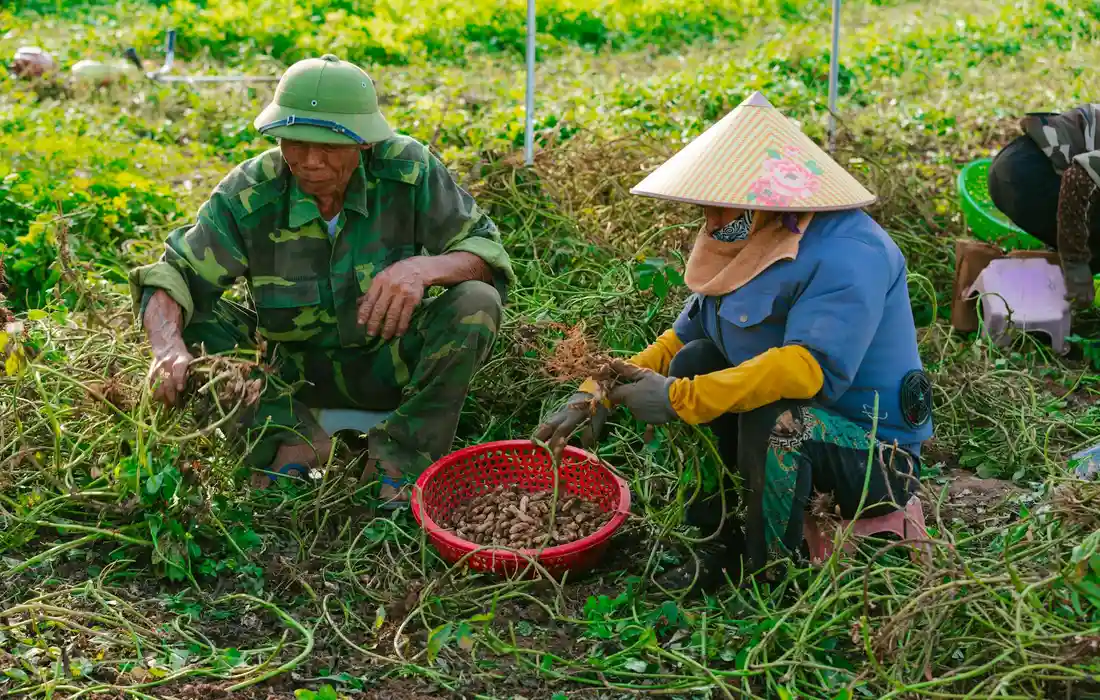
When a bag of peanuts shows up in the feed room, it’s mighty tempting to just scatter the whole lot. But hold on a minute. Not every part of that legume is created equal in a chicken’s world. Let’s crack this nut wide open, piece by piece.
Can Chickens Eat Raw Peanuts?
You can, but I don’t recommend making a habit of it. Raw peanuts, especially the Spanish varieties, contain natural compounds called trypsin inhibitors. Think of it like a little lock on the protein-it makes it harder for your hens to digest and get the full benefit. It can even irritate their pancreas if fed in large, regular amounts. Unlike peanut butter, which is processed and often contains additives, raw peanuts should be given sparingly.
My advice is to play it safe and avoid raw peanuts as a standard treat. I learned this the hard way years back, giving my flock raw goobers from the garden. Their droppings turned messy, and egg production didn’t see the boost I expected from that protein. A few here and there won’t cause a crisis, but for a reliable, digestible snack, we need to look at prepared peanuts for ducks.
Can Chickens Eat Peanut Shells?
This is a firm no. While not toxic, peanut shells are a nuisance waiting to happen. They’re dry, fibrous, and offer zero nutritional value—they’re just filler. I’ve watched a curious hen swallow a large piece only to wander around looking confused, her crop lumpy and full of indigestible chaff. Even for goats, peanut shells can pose problems.
They pose a real risk for impaction, meaning a blocked digestive tract. Always shell the peanuts for your flock; those brittle husks belong in the compost pile, not in your chickens’ crops. Your compost will thank you for the carbon, and your birds will thank you for the easy eating.
Can Chickens Eat Boiled or Roasted Peanuts?
Now we’re talkin’! This is the preferred way to share peanuts with your feathered crew. The cooking process neutralizes those pesky inhibitors, making the protein and healthy fats readily available. But there’s a mighty big catch: you must ensure they are completely unsalted.
A chicken’s system cannot process excess salt. Salt toxicity is a real, dangerous condition that can start with simple thirst and progress to tremors and death. Most boiled or roasted peanuts from the store are loaded with salt for human tastes.
Your best bet is to prepare a small batch yourself. Plain, boiled peanuts are perfect. If using roasted, ensure they’re the dry-roasted, unsalted type. Crush them up or split them to prevent choking. A modest handful of unsalted, cooked peanut pieces scattered in the run is a splendid, high-energy winter treat that’ll have them scratching with joy.
My Homestead Feeding Guide: Peanuts in Moderation
On my place, we treat peanuts like a paycheck bonus-welcome and enjoyable, but you can’t build your budget around it. Peanuts pack a powerful protein punch, around 20-25%, which is fantastic for feather regrowth during a molt or for boosting a hen’s energy in the dead of winter. But that high fat content is why we practice restraint. I reckon a handful of peanut pieces scattered for a flock of six hens once or twice a week is a fine treat. Always balance rich treats with their proper layer feed to keep their calcium intake on track. It’s crucial to ensure that nuts are appropriate for chickens; you can find more guidance in our chicken-safe nuts guide.
Step-by-Step: Introducing Peanuts to Your Hens
Just like introducing new folks at a church supper, you want to go slow and watch for good manners. Don’t just dump a pile of peanuts in the run and call it done.
- Start Small. Chop a single, unsalted peanut into tiny pieces for your first offering.
- Serve on a Familiar Plate. Scatter these pieces right over their regular feed in the morning. This lets them discover it without stress.
- Watch and Wait. Observe your birds for the next 24 hours. You’re looking for normal behavior, eating, and drinking. Check their droppings for any alarming changes.
- Increase Gradually. If all looks well, you can offer a bit more next time, but keep it to that handful-for-the-flock rule.
- Opt for Simplicity. I always start my flock with plain, raw peanut pieces I’ve cracked myself-it removes any guesswork about salt, oils, or coatings.
Smart Storage to Keep Peanuts Fresh and Safe
Poor storage ruins good feed and can invite trouble. The enemy here is moisture, which leads to mold, and mold on peanuts can produce aflatoxins-something you surely don’t want in your birds.
I keep my shelled peanut treats in a glass mason jar with a tight-sealing lid. An airtight container stored in a cool, dark pantry is your best defense against spoilage and pests. For in-shell peanuts, a metal bin with a secure clamp lid in the feed shed works perfectly. If you ever catch a whiff of anything musty or see discoloration, toss the whole lot without a second thought-it’s not worth the risk.
Now, about those shells. Dry, plain peanut shells make decent occasional bedding in the nesting boxes or a fun scratch in the run. Just ensure they’re completely free of nut remnants and salt to keep your hens from filling up on empty hulls instead of their balanced feed.
Using Peanut Shells and Waste in the Chicken Run
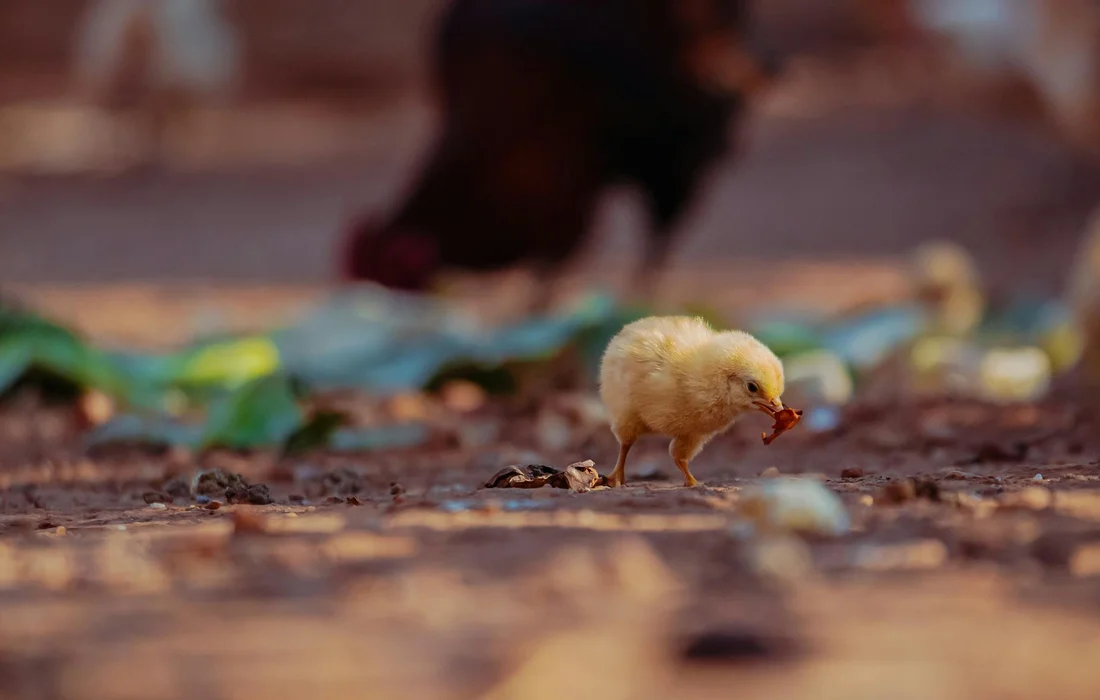
After shellin’ peanuts for your own snacks, don’t be too quick to toss those hulls. I’ve found peanut shells make a dandy, inexpensive scratch material for the chicken run, turning your kitchen waste into barnyard enrichment. They won’t replace a balanced feed, but they give the birds a proper job to do, scratchin’ and peckin’ through the litter. It’s important to know which kitchen scraps are safe for them.
On my place, we save all our plain, unsalted shells in a bucket by the back door. Spreadin’ a thin layer over the run floor encourages natural foraging behavior and helps keep the girls occupied on long afternoons. Just last week, I watched my Barred Rocks work over a new batch, mixin’ it right into the bedding with their busy feet.
You can also add crushed shells or peanut meal to your deep litter system. This bit of carbon-rich material helps balance moisture and aids in decomposition, creatin’ richer compost for your gardens later. It’s a fine example of closin’ the loop on the homestead without spendin’ an extra dime.
Keep these points in mind when usin’ shells:
- Always use shells from raw, unsalted, unseasoned peanuts exclusively.
- Check for any signs of mold or dampness before feedin’ them out-aflatoxin is no joke.
- Shells are mostly fiber, so think of them as bedding or play stuff, not a protein source.
- Avoid usin’ shells from boiled peanuts unless you’ve rinsed all the salt off, which is a mighty tedious chore.
Enrichment Idea: The Peanut Piñata
If your flock seems a bit listless, a peanut piñata will stir up some excitement quicker than a fox in the henhouse. This simple contraption satisfies their instinct to work for food and cuts down on feather-pickin’ from boredom. I made my first one from an old onion bag, and the commotion of happy clucks was music to my ears.
You just need a handful of peanuts in the shell, a mesh sack or bag with small holes, and some sturdy twine. Hang the filled bag at varying heights in the run to challenge different birds and get them jumpin’ and stretchin’. It’s entertainment that pays off in healthier, more active chickens who enjoy supplemental foods and treats.
Watching them strategize to get those peanuts out is a lesson in chicken smarts. Providing this kind of mental puzzle is a cornerstone of respectful animal husbandry, in my book. It honors their natural instincts right there in your own backyard.
Follow these steps to create your own:
- Select 10-15 raw, unsalted peanuts still in their shells.
- Place them inside a clean mesh bag, like one from onions or citrus.
- Tie the top closed securely and attach a length of twine for hangin’.
- Suspend it from a sturdy branch or a beam in the covered run, about head-high for your tallest bird.
- Refresh the peanuts every few days to keep interest high and prevent spoilage.
I reckon you’ll be as tickled as I am to see the peckin’ order dissolve into a cooperative game. A little ingenuity with peanut waste fosters a thriving, content flock and embodies the thrifty, stewarding spirit of homesteadin’.
When Good Treats Go Bad: Troubleshooting Peanut Feeding
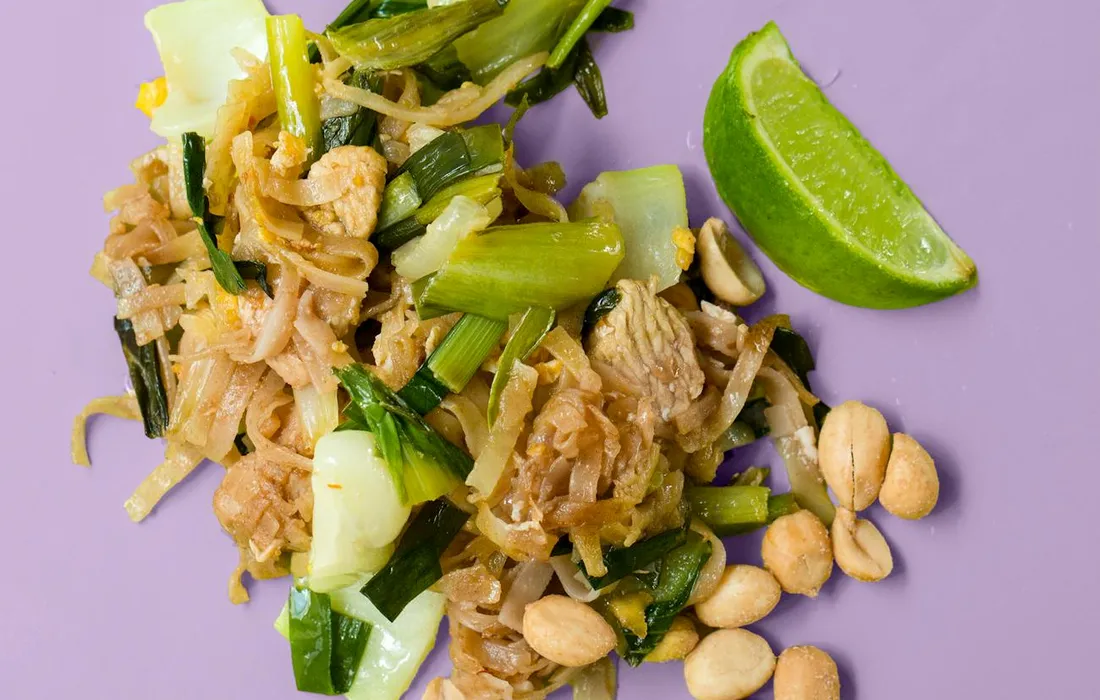
Recognizing Signs of Overindulgence
Even the best intentions can lead to a bellyache if we’re not careful. I reckon I’ve seen it all in my years-from a hen waddling like she’s stuffed with cornbread to a whole flock turning up their beaks at their layer feed. Knowing the signs of a peanut overindulgence is your first line of defense in keeping your flock hale and hearty. It’s about watching their behavior as closely as you’d watch a coming storm.
Your birds will tell you they’ve had too much of a good thing, often within a few hours. The most common sign is a change in their droppings. Loose, watery, or unusually foul-smelling manure is a clear signal their digestive system is out of sorts from the rich, fatty snack. I keep a mental note of what’s normal in my coop, and a sudden shift always gets my attention.
Beyond the droppings, watch for these behavioral red flags:
- Lethargy and Puffed Feathers: A chicken that’s feeling poorly will often sit hunched and fluffed up, conserving energy instead of scratching and foraging.
- Reduced Appetite for Regular Feed: If they’re picking at their balanced ration after a peanut treat, they’ve likely filled up on empty calories.
- Crop Issues: A squishy, slow-emptying crop in the morning can indicate impaction or sour crop, especially if whole peanuts were fed.
- Unexpected Weight Gain: Over time, consistently extra peanuts can lead to pudgy poultry, which strains their legs and reduces egg production.
Now, let me tell you about my barred rock, Bertha. One afternoon, she got into a sack of unshelled peanuts I’d left out for a moment. By evening, she was a feathery lump in the corner. A lesson was learned that day: always store treats in a gnaw-proof bin, because a chicken’s curiosity knows no bounds. We had to isolate her, offer electrolytes, and let her system reset on plain feed for a couple days.
The risk isn’t just from the peanut itself. Mold is a silent threat. Any sign of peanuts with a grayish, dusty mold means immediate disposal-never feed them, as the aflatoxins produced can cause severe liver damage and be fatal. If you see respiratory distress, lack of coordination, or a dramatic drop in egg output after feeding peanuts, mold toxicity should be your first suspicion.
What do you do if you spot trouble? First, remove all peanut treats immediately. Provide plenty of fresh, clean water-I often add a splash of apple cider vinegar to help balance their gut. Return the flock to their complete layer or grower feed as their sole food source for at least 48 hours to let their digestion normalize. For a impacted crop, a gentle massage and some olive oil might help, but severe cases need a vet’s touch. Stewardship means acting fast when your critters signal for help.
Closing Tips for Your Peanut Feeding Journey
What is the single most important rule when feeding chickens peanuts?
Always ensure peanuts are completely unsalted. A chicken’s kidneys cannot process excess sodium, and salt toxicity is a serious, potentially fatal condition. Moderation and proper preparation are essential for safety. Beyond peanuts, chickens can enjoy small amounts of unsalted nuts and dried fruit, such as almonds, walnuts, cashews, pecans, pistachios, or other dried fruits. Keep these treats unsalted, dry, and free of mold to maintain safety.
Can I use peanut shells in the run if I buy ‘in-shell’ peanuts for wild birds?
Only if the shells are from raw, unsalted peanuts and are free of mold. These shells can be used as scratch material or bedding enrichment. However, shells from most commercial ‘wild bird’ peanuts are often coated in salt or oils and must be avoided.
Where is the best place to buy peanuts for my flock?
Purchase human-grade, unsalted peanuts from a grocery store or reputable feed supplier. Avoid livestock or salvage-grade peanuts due to their higher risk of aflatoxin contamination. Always check for freshness and store them in an airtight container in a cool, dry place.
Will feeding peanuts improve the meat quality of broiler chickens?
The high fat and protein content can contribute to weight gain and overall condition. However, peanuts should only be a minor supplement to a balanced broiler diet, as the primary goal is efficient growth from complete feed, not flavor infusion.
Can the fat in peanuts benefit chickens in cold weather?
Yes, the concentrated fats in peanuts provide an excellent source of energy to help birds maintain body heat during winter. Offering a small, crushed amount as an occasional treat can help them use calories to stay warm rather than just maintain weight.
How quickly should I stop feeding peanuts if I notice a problem?
Immediately. Remove all peanuts and peanut shells from their environment at the first sign of digestive upset or behavioral changes. Revert the flock to their complete, balanced feed and fresh water exclusively, and monitor them closely for a full recovery.
Shutting the Gate
When it comes to treatin’ your flock, the golden rule from my feed room has always been the same: Moderation is your best tool for keeping hens healthy, and peanuts are no exception-a few shelled, unsalted nuts are a fine Sunday treat, but they should never crowd out their proper, balanced feed. Keep that main ration front and center, and your girls will reward you with vigor and plenty of eggs.
I reckon the best part of this life is sharing simple joys, both with our critters and with neighbors like y’all. So go on, scatter a handful of shelled peanuts in the run and watch the happy ruckus. Then sit back with a sweet tea and enjoy the view. There ain’t nothin’ finer. Thanks for wanderin’ by the fence today-we’re glad you’re here.
Further Reading & Sources
- Can chickens eat nuts and festive foods? 20 holiday treats checked.
- The Complete Guide to What Chickens Can Eat
- Can Chickens Eat Peanuts? Are Peanuts a Safe Food? – Eco Peanut
Caroline Mae Turner is a lifelong farm girl raised on red clay, early mornings, and the sounds of a bustling barnyard. With hands-on experience caring for everything from stubborn goats to gentle dairy cows and mischievous pigs, Caroline shares practical, tried-and-true advice straight from the farm. Her goal is to help folks keep their animals healthy, well-fed, and living their best barnyard life. Whether you're wrangling chickens or bottle-feeding a baby goat, Caroline brings a warm Southern touch and plenty of real-world know-how to every bucket in the barn.
Feeding Guidelines