Can Chickens Eat Rice? The Safe Guide to Rice, Beans, and Grits
Published on: March 2, 2026 | Last Updated: March 2, 2026
Written By: Caroline Mae Turner
Howdy y’all, and welcome back to the barn. Staring at a pot of leftover rice or a bag of dried beans and wondering if it’s a treat or trouble for your flock? Yes, your chickens can absolutely eat rice, but it must be plain, cooked, and served only as an occasional treat, never a main course. The real question ain’t just about the rice, but about the whole pantry of people food we might share.
- Plain cooked rice (white or brown)
- Dried beans (NEVER raw or undercooked)
- Plain corn grits (cooked or uncooked)
- A scoop of common sense
Let’s sort this out right quick, so you can get back to the real work with a clear mind and a happy flock.
The Truth About Feeding Rice to Your Chickens
Cooked Rice: A Perfectly Safe Starchy Treat
Let’s settle this right now: your birds can absolutely enjoy cooked rice. I’ve been flinging leftover plain white or brown rice from my own supper plate into the run for decades. It’s a fantastic source of easy energy, especially during the molting season or a cold snap when the girls need a little extra fuel. Think of cooked rice as a hearty carbohydrate boost, not a protein source, and keep it to a sensible portion of their overall diet-no more than 20-25% of their daily treats. Just ensure it’s plain, with no added salt, butter, or seasonings that could upset their delicate systems.
Uncooked Rice: Hard but Not Harmful
Now, I reckon you’ve heard the old wives’ tale about uncooked rice causing a bird’s stomach to explode. That’s pure fiction, born from misunderstanding. A chicken’s gizzard is a muscular, grinding powerhouse designed to break down whole grains and grit. While an uncooked grain of rice is rock-hard and offers little nutritional value in that state, it poses no inherent danger of swelling and causing harm inside your hen. That said, why would you feed it? It’s difficult to digest and provides minimal benefit. Save your rice for after it’s cooked and soft; your flock will thank you for the easier meal.
Rice Cakes and Cereals: Occasional Crunchy Bites
Plain, air-popped rice cakes or unsweetened puffed rice cereal can be a fun, crunchy distraction for your flock. I’ll sometimes crumble one up as a novel snack. You must be vigilant about the label, though. Any rice product seasoned with garlic, onion, excessive salt, or sweeteners is firmly off the menu, as these additives can be toxic or unhealthy for poultry. These processed items are essentially empty calories, so offer them more sparingly than even cooked rice-a rare treat, not a routine.
Navigating the World of Beans for Poultry
Safe Beans After Proper Cooking
Beans are a brilliant, frugal source of plant-based protein for your birds, but the path to safety is non-negotiable. Fully cooked kidney, pinto, black, or navy beans are excellent. I often soak a pot overnight and boil them plain specifically for the flock. The rigorous, wet heat of boiling for at least 30 minutes is what neutralizes the dangerous compounds, transforming beans from a poison into a powerful protein supplement. Let them cool, and serve in moderation mixed with their regular feed or other scraps. For a quick reference on safe bean types and preparation, see the chickens eat beans safety types guide. It helps you feed beans to your flock with confidence.
The Raw Bean Danger: Understanding Lectin Toxicity
This is where we separate barnyard wisdom from peril. Raw, dry beans contain phytohaemagglutinin, a lectin that is highly toxic to chickens (and to us, for that matter). It’s a natural defense for the bean plant. Consuming even a small number of raw or undercooked beans can cause severe digestive distress, lethargy, and can be fatal to your birds. I treat a bag of dry beans in my feed room with the same caution as a bottle of chemical cleaner. They must be cooked to be safe. Never, ever toss a handful of hard, dry beans into the run—since even cooked beans should be given sparingly.
Green Beans: The Garden-Fresh Exception
Here’s the joyful exception that comes straight from the summer garden! Fresh or frozen green beans (string beans) are perfectly safe for chickens to eat raw. They contain none of the dangerous lectins found in their dry bean cousins. My hens go into a frenzy when I toss a handful of whole green beans into the run-they’ll chase them, peck them, and have a grand old time working for their snack. It’s a wonderful way to provide hydration, fiber, and vitamins. You can chop them or give them whole; either way, they’re a stellar, safe choice. Safety and preparation considerations extend beyond just chickens when we talk about raw vs. cooked beans. For chickens, raw green beans are a handy snack; for people, dried beans usually need cooking to neutralize lectins.
Grits Demystified: Food vs. Digestive Aid
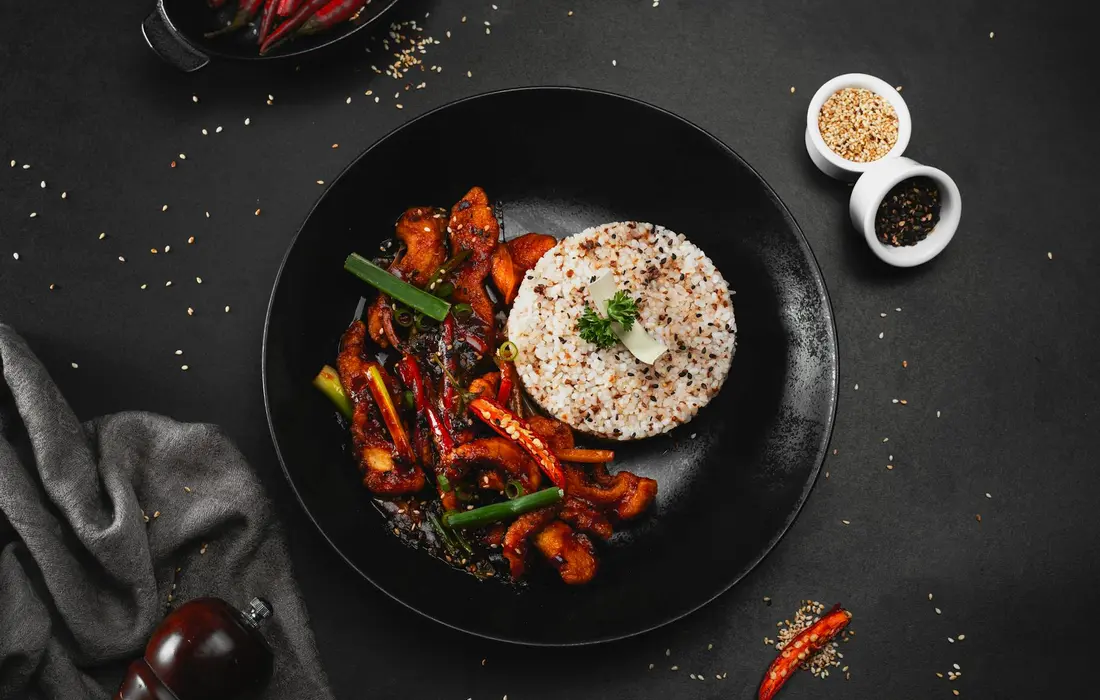
Now, let’s clear up a common barnyard mix-up that has puzzled many a new keeper. The term “grits” for your flock points to two distinct items: a starchy food you can serve from your kitchen and a critical digestive tool they must find in their run. Confusing these can lead to poor nutrition, so let’s set the record straight with some plain talk.
I learned this lesson early when my Aunt May asked if my hens enjoyed their “grits,” and I realized she meant the stone kind, not the breakfast kind. Knowing whether you’re offering a treat or fulfilling a physiological need is the bedrock of good chicken stewardship. Your birds’ health and egg production hinge on this simple distinction.
Corn Grits as a Warm Meal or Treat
On a bitter January dawn, you’ll find me in the coop with a steaming bowl. Plain, cooked corn grits, served lukewarm, are a splendid comfort food that can take the edge off a cold morning for your birds. It’s a carb-rich gesture, not a meal replacement, and my girls cluck with delight when they see it coming.
This porridge is purely supplemental. Always cook grits in water alone, avoiding salt, sugar, butter, or milk, as those can harm your chickens’ systems. Let it cool until it’s warm to your touch before serving.
Here’s my thrifty, safe method for treating the flock:
- Mix one part dry corn grits with four parts water and cook until thick.
- Stir in nutrient-packed extras like chopped dandelion greens or shredded squash for a vitamin boost.
- Limit portions to about a tablespoon per bird, offering this mash no more than twice a week.
- Always serve it in a clean, shallow dish and remove leftovers within a few hours to prevent spoilage.
Remember, this is a treat. Corn grits are low in protein, so overindulgence will dilute the essential 16-18% protein they get from their balanced layer ration, potentially lowering egg output. I use it as a bonding snack, not a staple.
Insoluble Grit: The Essential Grinding Agent
This is the non-edible grit, and it’s utterly indispensable. Insoluble grit consists of small, hard particles like granite chips or coarse sand that chickens store in their gizzard to mechanically grind down whole feed. Think of it as their teeth, tucked neatly in a powerful stomach muscle. Commonly, sand serves as this grit in many flocks. We’ll explore how sand works as grit in the next steps.
Without it, even the best whole grains or foraged bugs pass through undigested. I’ve seen birds lose condition on a full belly simply because they lacked this grinding agent in their diet. It’s a simple fix that prevents a world of waste.
You have a couple of reliable options to provide. I keep both available in separate dispensers:
- Granite Grit: My top choice. It’s rugged, lasts for weeks in the gizzard, and doesn’t break down. A 50-pound bag lasts my small flock nearly a year.
- Oyster Shell: While often used for calcium, the larger, harder pieces also serve as grit. I offer finer oyster shell separately for calcium and the coarse chunks for grinding.
Free-ranging birds will pick up tiny pebbles, but I never rely on that alone. For any chicken eating whole grains, cracked corn, or even kitchen scraps, a free-choice supply of insoluble grit is non-negotiable year-round. I fill a dedicated hopper in the run and check it weekly, just like their water.
Getting the right size matters. Match the grit size to your birds’ age: chick-sized grit for youngsters and larger, poultry-sized granules for mature hens. This ensures proper grinding and safe passage through their digestive tract. Pellet feeds also come in different types and sizes to suit age and nutritional needs. Choosing the right pellets can support growth, egg production, and overall health.
Feeding in Moderation: Portions and Frequency
Now, I reckon y’all know that even the best treats can cause a ruckus if you overdo it. I learned that lesson early one summer when my hens got so fond of kitchen scraps they turned up their beaks at their layer feed. Moderation isn’t just a suggestion; it’s the golden rule for keeping your flock robust and their eggs nutritious. Think of treats like rice, beans, and grits as the dessert of the chicken world-a little makes the day special, but too much spoils the main meal.
How Much to Feed: Handy Measurements per Bird
You don’t need fancy scales, just a good eye and a common kitchen spoon. For a standard-sized hen, a tablespoon or two of cooked treat food is plenty at one time. Always serve rice and grits fully cooked and plain, and never, ever offer raw dry beans due to their natural toxins. Here’s a handy guide I’ve used for years in my own coop:
| Treat | State | Amount per Bird | Key Note |
| Rice | Cooked, cooled | 1-2 Tbsp | Excellent for energy, but low in protein. |
| Beans (e.g., black, pinto) | Cooked, unsalted | 1 Tbsp | A protein boost; ensure they are mushy soft. |
| Grits (Corn Grits) | Cooked, cooled | 1-2 Tbsp | A warm favorite in winter; provides carbohydrates. |
For a flock of six, I’ll often mix a scant cup of these cooked goods together as a shared afternoon snack. This measured approach prevents waste and ensures every bird gets a fair share without bullying at the treat dish. Remember, bantams need less, and large breeds like Jersey Giants can handle a bit more, but always err on the side of caution.
Creating a Balanced Treat Schedule
Consistency saves your sanity and your chickens’ health. I stick to a simple rhythm, treating my flock no more than three to four times a week. A predictable treat schedule keeps your birds eager for interaction without disrupting their balanced nutrition from complete feed. Here’s how I structure it on my homestead:
- Designate Treat Days: I aim for Tuesday and Friday evenings. It gives the girls something to look forward to and fits neatly after my garden harvests.
- Pair with Foraging: On treat days, I often scatter the rice or beans in their run to encourage natural scratching and pecking behavior.
- Observe and Adjust: If I notice eggshells getting thin or feed left in the trough, I cut back to once a week immediately. Their regular feed, packed with 16-18% protein for layers, must remain their primary food source.
Folks, I’ve seen too many flocks get picky and nutrient-deficient from well-meaning but excessive kindness. Your thriftiness in using kitchen leftovers is commendable, but true stewardship means prioritizing their long-term health over a moment of excitement. Keep healthy treats as a special supplement, and your chickens will thank you with vitality and steady production.
Nutritional Benefits: What These Foods Offer
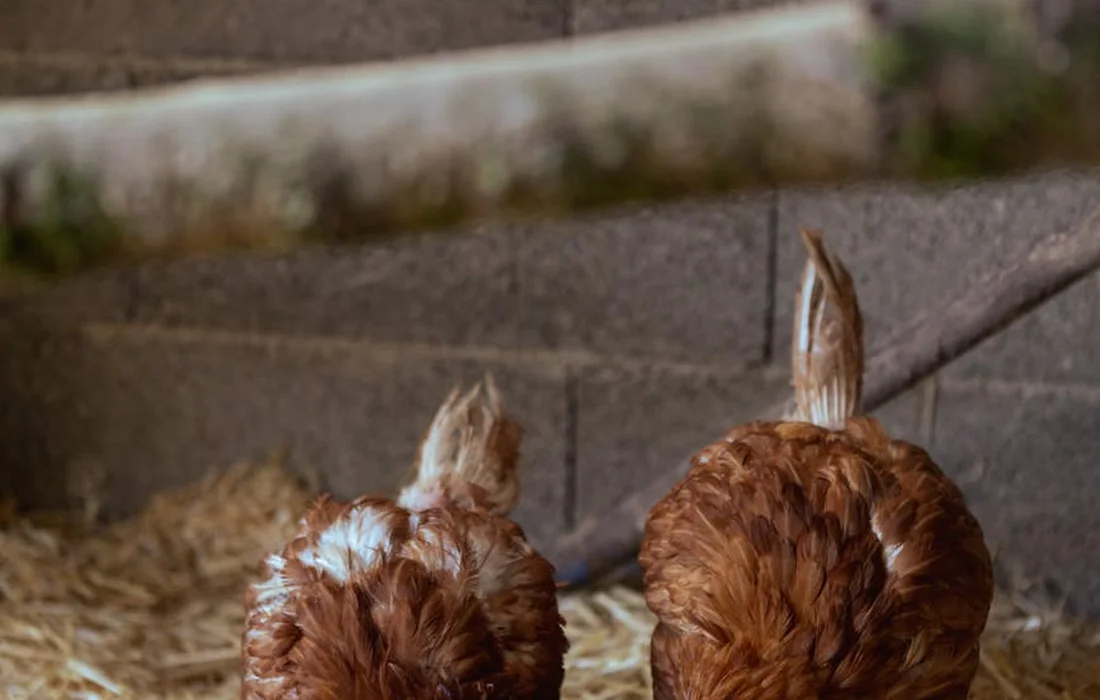
Now, let’s talk about what these kitchen scraps can truly bring to your flock’s dinner plate. Rice, beans, and grits aren’t just filler; they each bring a unique nutritional gift to the yard when offered correctly. I’ve spent many a season balancing these treats with commercial feed, and seeing the difference in my birds’ health and vigor has convinced me of their worth. Just remember, these are supplements-a delightful spice to life, not the main course.
Protein from Beans for Feather and Egg Production
Beans are little powerhouses of plant-based protein, and that’s precisely what your hens crave for building strong feathers and robust eggs. After a molt, a protein boost from cooked beans can mean the difference between a ragged hen and one with a sleek, new coat ready for winter. I reckon I’ve seen it a hundred times in my own coop.
But you can’t just toss dry beans from the sack. Raw beans contain lectins, which are mighty hard on a chicken’s digestion. You must cook them first. I always keep a jar of plain, cooked beans-like black beans, pintos, or lentils-in the fridge for mixing into their mash. For a thrifty homesteader, this is a perfect way to use up those leftover beans from supper, reducing waste and feeding your flock well.
Let’s get specific on the numbers. While a layer feed should have about 16-18% protein, cooked black beans pack around 9%. That means a handful mixed in can nicely supplement their diet. Here’s how I like to offer them:
- Always serve beans fully cooked, cooled, and unsalted.
- Mash them slightly to make pecking easier for the birds.
- Mix with a base of their regular feed or other veggies; a ratio of one part beans to four parts feed is a good rule of thumb.
- Offer this treat two or three times a week, especially during molt or peak laying periods.
I remember one autumn, my barred rocks were looking downright pitiful during their molt. Adding a weekly mash of cooked lentils and sunflower seeds brought their feather production back with a vengeance, and the eggshells firmed up noticeably within a fortnight.
Starchy Energy from Rice for Cold Days
When the mercury drops, your chickens burn more calories just to stay warm. That’s where the simple, starchy goodness of rice shines. Cooked rice is an excellent source of digestible carbohydrates, providing quick energy that helps your flock combat the chill. It’s like giving them a warm, internal sweater.
Now, let’s settle an old barnyard tale: yes, chickens can eat uncooked rice. It won’t swell up in their crops and cause harm. But it’s harder for them to digest, so why make them work for it? I always opt for cooked rice for chickens because it’s softer, easier to eat, and the energy is more readily available, especially for younger or older birds. The same goes for grits-that coarsely ground corn is another fine, warm-energy feed. That approach also extends to feeding rice to ducks. Cooked rice is easy for both chickens and ducks to eat.
On a frosty morning, I’ll take a scoop of leftover cooked rice or grits, let it cool to room temperature, and scatter it in their run. You should see them go! Here’s a practical breakdown for feeding:
- Plain, cooked white or brown rice (no seasonings or butter) is perfect.
- Grits should be cooked with water, not milk or salt.
- Treats like these should not exceed 10% of their total daily food intake. A few generous handfuls for a flock of six is plenty.
- Combine rice with a bit of animal fat, like suet, for an extra calorie punch during deep cold snaps.
This starchy supplement is a cornerstone of my winter husbandry, and I’ve watched it help maintain healthy weight and activity levels in my birds when the pasture is bare. It’s a frugal, effective way to show your critters some care when they need it most.
Step-by-Step Preparation for Safe Feeding
Now, let’s roll up our sleeves and get to the practical part. Proper preparation turns kitchen scraps and pantry leftovers into safe, nutritious treats that won’t upset your hens’ delicate digestion. I’ve learned through trial and error in my own coop that taking a few extra minutes here saves a heap of trouble later.
Preparing Rice and Grits: Keep It Plain and Simple
Whether it’s white, brown, or wild, rice is a fine treat when cooked. Same goes for grits-just plain old corn grits. The golden rule I live by is to serve these grains cooked, cooled, and completely free of any seasoning. That means no salt, no butter, no onion or garlic powder that might be lurking in leftover pilaf.
Here’s my straightforward method:
- Cook It Thoroughly: Boil rice or grits in plain water until they’re soft and fully expanded. For rice, that’s usually about 18-20 minutes. You want a texture that’s mushy enough for them to eat easily.
- Cool It Down: Spread the cooked grains on a tray to cool to room temperature. I never serve it warm, as that can encourage bacteria growth if left uneaten.
- Serve Sparingly: This is a supplement, not a main course. A handful scattered per bird is plenty, and I only do this a couple times a week at most.
I recall one winter when we had a pot of plain rice left over. Scattering that cooled rice in the run gave the girls a tasty, energy-boosting snack that helped them weather the cold snap. Just remember, uncooked rice is a debate-I avoid it, as the hard grains are tough on their crops and offer little nutritional benefit compared to the cooked version.
Cooking Beans to Perfection for Your Flock
Beans are a powerhouse of protein, but raw or undercooked beans contain lectins that are downright dangerous for your birds. You must cook beans thoroughly to destroy these natural toxins-there’s no room for shortcuts here. I treat my flock to cooked beans maybe once a week as a protein-rich supplement, especially during molting when they need extra resources.
Forget the slow cooker for this job; it doesn’t get hot enough to break down the lectins reliably. Here’s my tried-and-true stovetop method:
- Soak Overnight: Cover dried beans like kidney, pinto, or black beans with plenty of water and let them soak for 8-12 hours. This softens them and starts the toxin-neutralizing process.
- Boil Vigorously: Drain the soak water, add fresh water, and bring the beans to a rolling boil for at least 10 minutes. Keep them boiling briskly-this high heat is critical.
- Simmer Until Soft: Reduce the heat and let them simmer for 1 to 2 hours, depending on the bean type. They should be mashably soft between your fingers. Undercooked, crunchy beans are a no-go.
- Cool and Serve Plain: Drain the beans, let them cool completely, and offer a small scoop per bird. Never, ever feed them the cooking water or any canned beans with added salt or preservatives.
Well-cooked beans can be a fantastic, frugal source of that extra 5-10% protein boost in their diet, but they should never replace their balanced layer feed. I’ve seen my hens gobble up cooled, cooked pinto beans with gusto, and their feathers show the benefit. It’s a small act of care that makes a big difference.
Common Pitfalls and Foods to Avoid
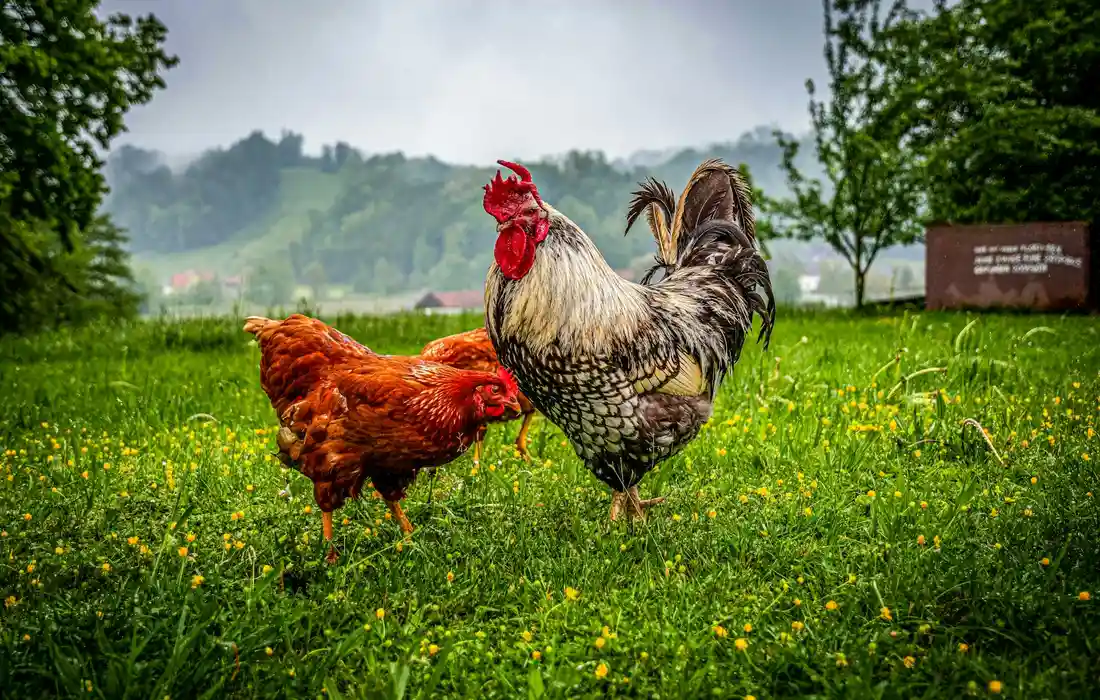
Now, sharing a meal with your flock is one of the joys of homesteading, but y’all have to remember they aren’t little garbage disposals. Knowing what to withhold is just as critical as knowing what to provide, for their health and your peace of mind. I’ve learned this through trial and, I’ll admit, a tear or two over a poorly bird.
The Risks of Seasonings, Salt, and Spoilage
That leftover casserole or seasoned pot roast might seem like a fine treat, but your chicken’s digestion is a delicate thing. Onions, garlic, and heavy spices can cause anemia or digestive upset, stripping away the vibrancy from your birds. I recall a leek soup mishap that left my best layer looking peaked for a week.
Salt is a silent threat in the coop. A chicken’s tiny kidneys can’t process much. Just a handful of salty chips or cured meats can lead to toxicity, excessive thirst, and even death. Always offer scraps plain, as nature intended, especially when feeding chickens any salty foods.
Feeding spoiled or moldy feed is a gamble I never take. Mycotoxins from mold can cause respiratory issues, organ damage, and a sudden drop in egg production. If you wouldn’t eat it, don’t feed it. I keep my stored grains in metal bins with diatomaceous earth to outsmart moisture.
- Seasonings to Sidestep: Garlic powder, onion flakes, cayenne pepper, soy sauce, and processed seasoning mixes.
- Salt Safety: Avoid table scraps with added salt, pretzels, popcorn with butter, and processed meats.
- Spoilage Signs: Clumped feed, a musty odor, or visible fuzzy mold mean it’s time for the compost pile, not the feed dish.
Myths Versus Reality in the Chicken Yard
Old wives’ tales abound in the poultry world, and some can lead your flock astray. Let’s set the record straight with some barnyard truth.
One persistent myth is that chickens can’t eat rice. The reality is that plain, cooked rice is a perfectly safe, energy-rich snack, but never offer it dry as it can swell in the crop. I often scatter a cooled potful for my girls on cold mornings.
Another tall tale is that all beans are fine if cooked. While cooked kidney or lima beans are safe, raw or undercooked beans contain lectins that are highly toxic to poultry. I always boil my garden beans for a full 20 minutes before they hit the run.
Folks sometimes think grit isn’t necessary if chickens are on dirt. Grit is the bird’s teeth, and even free-range hens need it to grind down whole grains and tough treats like corn. I keep a separate dish of granite grit available at all times, right beside their oyster shell. Many readers wonder why chickens eat rocks and stones; it’s all about aiding digestion and processing their feed.
- Myth: Chickens need dairy for calcium.
Reality: Most adult chickens are lactose-intolerant. For strong shells, offer crushed oyster shell freely; it’s what they need. - Myth: Avocado is a healthy treat.
Reality: The pit, skin, and leaves contain persin, a fungicidal toxin that can cause heart failure in birds. - Myth: Green potatoes and tomatoes are fine.
Reality: The solanine in these nightshades is poisonous. Stick to ripe, red tomato flesh and cooked potato peels in moderation.
Closing Questions
Can chickens eat Rice Krispies?
Plain, unsweetened Rice Krispies or similar puffed rice cereals can be an occasional crunchy treat for chickens. Avoid varieties with added sugar, salt, or artificial flavors, as these can be harmful to their health. Offer only sparingly as a small part of their diverse diet.
Can chickens eat rice cakes?
Plain, air-popped rice cakes are safe for chickens in moderation, provided they are free from seasonings, salt, or sweeteners. Crumble them into smaller pieces to prevent choking and make pecking easier. Serve only as an infrequent snack, not a regular meal.
Can chickens eat rice every day?
No, chickens should not eat rice every day because it lacks the essential protein and nutrients found in complete poultry feed. Overfeeding rice can lead to nutritional imbalances and reduced egg production. Limit it to occasional treats, making up no more than 10% of their daily intake.
Is it safe to feed chickens rice in the morning?
Yes, it is safe to feed chickens plain, cooked rice in the morning as an energy-boosting snack. This can be especially helpful during colder months to provide warmth and calories. Always ensure it’s cooled and served in small portions alongside their balanced feed.
Do chickens eat mice?
Chickens are omnivores and may occasionally catch and eat small mice or rodents, as they naturally seek protein from insects and small animals. However, this is not a reliable or safe food source due to risks of disease and parasites. Prioritize controlled protein sources like cooked beans or commercial feed.
What is chicken fat rice, and can chickens eat it?
Chicken fat rice is a dish where rice is cooked with rendered chicken fat, often found in Chinese cuisine or recipes. Chickens should not eat this because the high fat content and typical seasonings like salt or garlic are unhealthy for their digestion. Always offer plain, cooked rice without added fats or spices.
Back to the Pasture
When the sun starts to dip and you’re carrying that leftover pot of rice back from the picnic table, you can rest easy knowing a scoop for the hens is just fine. The golden rule for any treat, from rice to beans to grits, is simple: serve it safely, keep it in moderation, and never let it crowd out their complete feed. That balanced layer ration is what truly builds strong shells and bright yolks.
I reckon the best part of this life is sharing its simple bounty, whether that’s a meal with family or a scratch treat with your flock. Thank y’all for moseying through this with me. Now, go enjoy those happy, clucking birds of yours.
Further Reading & Sources
- Can Chickens Eat Rice? – Welcome to The Hearty Hen House
- Can Poultry Eat Rice? | BackYard Chickens – Learn How to Raise Chickens
- Is feeding raw rice to chickens safe?
Caroline Mae Turner is a lifelong farm girl raised on red clay, early mornings, and the sounds of a bustling barnyard. With hands-on experience caring for everything from stubborn goats to gentle dairy cows and mischievous pigs, Caroline shares practical, tried-and-true advice straight from the farm. Her goal is to help folks keep their animals healthy, well-fed, and living their best barnyard life. Whether you're wrangling chickens or bottle-feeding a baby goat, Caroline brings a warm Southern touch and plenty of real-world know-how to every bucket in the barn.
Feed Recommendations