
Can Chickens Eat Watermelon? A Homesteader’s Guide to Rind, Seeds, and Feeding
Published on: January 31, 2026 | Last Updated: January 31, 2026
Written By: Caroline Mae Turner
Howdy y’all. Staring at that last slice of summer melon and wondering if it’s a treat or trouble for your flock? Yes, your chickens and ducks can absolutely eat watermelon-the juicy flesh, the seeds, and even the tough rind-and they’ll thank you for it on a hot day. I’ve been tossing melon ends into the run for more seasons than I can count, and it’s one of the easiest ways to hydrate the flock and cut down on kitchen waste.
What you’ll need:
- A ripe watermelon (or the leftover rind from your picnic)
- A sharp knife and a clean cutting board
- A few minutes of your time
Let’s get this sorted so you can serve up that snack and get back to the rest of your chores.
Why Watermelon is a Summer Staple for Your Flock
Come July, when the sun hangs heavy and the dust rises in the yard, I watch my birds. They’ll be sprawled in the scant shade, beaks agape. That’s when I head to the garden patch. Nothing cuts through a poultry’s heat stress quite like a cold chunk of watermelon, straight from the icebox or the vine. I reckon it’s the closest thing to a popsicle they’ll ever get.
This fruit is nigh on 92% water, making it a prime, natural hydrator. It’s a thrifty way to supplement their water intake, especially for flocks on dry scratch or pasture. Offering watermelon can keep your birds drinking less from their base waterers, which means cleaner water and less summer algae bloom. I’ve seen it save a weakened pullet on a brutal day.
But it’s more than just a water substitute. That bright red flesh signals a payload of nutrients perfect for the season. Think of it as a cool, sweet supplement that supports their immune system when heat can wear them down. It turns kitchen scraps or a cull melon from the field into a valued part of your stewardship.
The Straight Scoop on Seeds and Rind
Now, I see the worry in folks’ eyes when they hold a slice. What about the black specks and that tough green armor? Let’s settle it right here.
Seeds: No Need to Fret
Those black seeds in your common picnic varieties? They’re perfectly safe. Chickens and ducks possess a gizzard that grinds seeds like these into no consequence at all. I’ve fed melons with seeds for thirty summers and never had a crop issue stem from it. They might even peck at them for a minute’s entertainment.
Some old tales warn of seeds sprouting in the gut. That’s barnyard myth. The digestive process ensures those seeds are inert long before they could ever think of taking root. Save your energy for de-seeding cucumbers for your salad, not your chicken’s snack.
Rinds: Tough but Worth It
The rind is the test of a patient bird. That white and green part is edible, packed with fiber and nutrients like citrulline. While the soft fruit disappears in seconds, the rind becomes a sustained, pecking project that keeps the flock busy and content. It’s enrichment on the cheap.
For younger birds or to reduce waste, a little prep helps. I often take my kitchen knife and score the inner white rind deeply, or even chop tougher sections into one-inch cubes to make access easier. Tossing the whole half-shell into the run lets them work at it naturally, which is fine for most mature flocks. The only part I compost is the outermost, waxy green skin if it’s been treated.
Nutritional Perks Beyond a Sweet Treat
Look past the sugar and water, and you’ll find a powerhouse of summer support. Watermelon flesh is rich in Vitamin A, which is crucial for good vision and respiratory health in your birds. It also offers a burst of Vitamin C, an antioxidant that helps them combat stress.
That iconic red color comes from lycopene. Studies suggest lycopene can support heart health and cell integrity, benefits that extend to our feathered friends as part of a varied diet. Now, don’t go replacing their balanced layer feed (16-18% protein) with this. A typical watermelon chunk is only about 0.6% protein. View it as a hydrating vitamin boost, not a main course.
Here’s a quick glance at what that treat delivers:
- Hydration: 92% water content fights summer dehydration.
- Vitamin A: Supports egg production quality and immune function.
- Vitamin C: A natural antioxidant for stress relief.
- Lycopene & Citrulline: Promotes overall circulatory wellness.
- Fiber (from the rind): Aids in healthy digestion and gut motility.
Ducks Love It Too: Similar Benefits, Slight Differences
If you think chickens gobble watermelon fast, wait till you see a duck. Their broad bills are perfect for scooping up the soft flesh. Ducks benefit from the same hydration and vitamin perks, which are a godsend for breeds prone to overheating in pond-less runs. I’ve watched my Pekins waddle with purpose for this treat.
The difference lies in the mess and the method. Ducks will often “drink” the juicy flesh, leaving a soupy, sticky area that attracts flies if you’re not careful. My practice is to feed ducks their melon in a shallow pan or on a patch of ground I can easily rake or hose down later.
They also handle the rind with even greater ease than chickens. A duck’s bill can shred a tough rind efficiently, making excellent use of the fibrous parts that chickens might leave behind. For both species, this simple fruit is a lesson in sustainable, joyful feeding that honors their needs and your resources.
Smart Feeding: Portion, Prep, and Pasture Hygiene
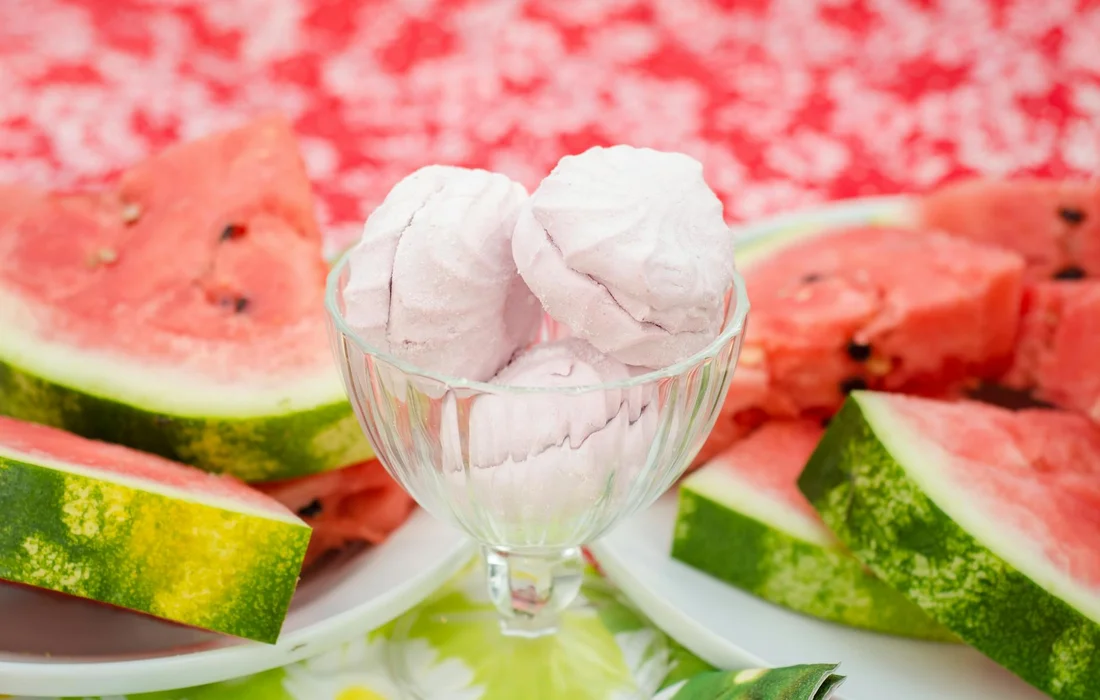
Y’all, sharing summer’s bounty with your flock is one of the simple joys of homesteading, but doing it smart separates the good stewards from the rest. A mindful approach to treats keeps your animals thriving and your homestead running smooth as butter. Let’s walk through the how-tos that have served my barnyard well for decades.
Step-by-Step Preparation for Safety
I learned the value of prep the hard way one scorching July when I got lazy and tossed a whole melon into the run. The ensuing scramble wasn’t pretty. Taking a few minutes to prepare the watermelon properly prevents accidents and ensures every bit is safe to eat. Here’s my tried-and-true method.
- Start with a whole, uncut watermelon. Give it a thorough wash under cool water, scrubbing the skin with a brush to remove any field dirt, store-bought wax, or pesticide residues.
- Place it on a stable cutting board. Use a sharp knife to slice it into manageable halves or quarters. For ducks and smaller chicken breeds, I go a step further and cube it into pieces about the size of my palm.
- Leave the crisp, green-white rind attached. It’s a fantastic source of fiber and nutrients, and my birds peck at it with gusto. Just be certain you’ve removed any non-organic stickers or labels.
- Don’t fret over the seeds. Those black seeds are perfectly safe for adult chickens and ducks. For newly hatched chicks, I might scoop a few out, but it’s more for my peace of mind than a true necessity.
I often prep a bowl of chunks in the morning cool and store it in the icebox until treat time. This cold, hydrating snack is a welcome relief for the flock when the afternoon sun beats down on the coop.
How Much and How Often: The Rule of Moderation
Watermelon is a treat, not feed. Think of it like a slice of pie after supper-delicious, but you wouldn’t make a meal of it. Overdoing treats like watermelon can dilute the vital nutrients they get from their balanced layer feed or pasture. I stick to a simple guideline that’s never failed me.
For a standard flock of 10 laying hens, I’ll offer about 2 to 3 cups of chopped watermelon, rind and all, no more than twice a week. For ducks, who adore it, I might give a similar amount to a group of 5, as they tend to be messier and waste more. The golden rule is that all treats combined should never make up more than 10% of their total daily food intake. Their main diet is the workhorse; treats are the celebration. For chickens, daily portions vary by breed and age. Breed-specific feeding guidelines can help tailor those portions.
- Watch their output: If droppings become overly loose, you’re offering too much. The high water content, while great for hydration, can upset their digestion.
- Time it right: I serve treats in the late afternoon. This way, the birds have filled up on their protein-rich layer crumble all day first, ensuring they get their 16-18% protein needs met.
- Observe the pecking order: Toss scraps in a couple of spots to ensure shy birds get their fair share. Nobody goes hungry in my yard.
Keeping the Run Clean: Avoiding Pest Problems
Nothing attracts unwanted guests like sugary, wet leftovers baking in the sun. I’ve seen a single neglected rind draw a battalion of ants overnight. Good pasture hygiene is non-negotiable for preventing pests and maintaining a healthy environment for your animals. A clean run is a healthy run.
I never just throw treats on the ground. Instead, I use a shallow, rust-proof pan or a scrap of plywood as a feeding platform. This simple practice contains the mess and makes cleanup a five-minute task instead of a chore. After the birds have had their fill-usually about 15-20 minutes-I remove any uneaten, pulpy remains.
- Compost what’s left, but do it in a sealed bin far from the coop. An open pile is an open invitation to rodents and flies.
- Rinse the feeding area with a hose if it’s sticky. In the summer heat, residue can ferment and attract hornets.
- Consider free-ranging your birds onto a finished watermelon patch. They’ll gladly clean up the leftover vines and missed fruits, turning cleanup into a productive foraging session. It’s the thrifty, sustainable way.
Remember, a little diligence after treat time saves you a heap of trouble later. Your flock’s health and your peace of mind are worth that extra bit of effort.
Potential Pitfalls and How to Sidestep Them
Spoiled Fruit is a Strict No-Go
Now, I’ve fed my flocks watermelon for more years than I care to count, but I learned early on that generosity has its limits. Feeding your chickens anything less than fresh watermelon is inviting trouble to the coop, plain and simple. That mushy, fermented rind hiding in the back of your summer kitchen can do more harm than good.
I reckon we’ve all been tempted to toss questionable scraps to the critters, thinking we’re being thrifty. I had a run-in with this myself after a big family picnic. We had a half-eaten melon sitting in the sun most of the day, and I thought, “The girls will love this.” They did, but the off-smell should have been my first clue. A sour or slimy treat can harbor molds that produce nasty mycotoxins, leading to digestive upset or worse in your birds. It took my best layer a couple of days to get her spark back.
Here’s how I sidestep that pitfall now. I treat melon for the flock just like I do for my own plate:
- Give it the eye test: Pass on any pieces with dark, sunken spots, significant discoloration, or a fuzzy coat of mold.
- Give it the nose test: Fresh watermelon smells sweet and mild. If it has a sharp, alcoholic, or sour odor, it’s started fermenting.
- Give it the finger test: The flesh should be firm. A slimy, overly mushy texture means bacteria have moved in.
- When in doubt, compost it out: That spoiled fruit makes fantastic garden fertilizer, but it has no place in your chickens’ diet.
To make the most of your melon, cut and serve it the same day you slice it open. Leaving wet chunks in their run all day, especially in the heat, is a surefire way to speed up spoilage and attract pests. I feed treats in the morning so the birds have all day to peck at them, and I remove any uneaten portions after a few hours.
Respecting your animals means being picky about their pantry. True thriftiness is about wise use, not risky use-your flock’s health is worth far more than a few saved scraps. Stick to cool, crisp, fresh watermelon, and your chickens will thank you with vigor and vitality.
Beyond the Basic Slice: Creative Feeding Ideas
Now, just handing over a chunk is fine and dandy, but where’s the fun in that? Getting creative with your melon can turn a simple treat into enrichment, a cool-down station, and a way to stretch your resources further than a country mile.
Frosty Fowl Fun
On those blistering summer afternoons when the dust hangs thick in the air, I like to give my flock a chilly surprise. Freezing watermelon is my go-to method for helping the birds regulate their temperature and stay hydrated. You can freeze small chunks on a tray and then toss them into a shallow pan, or get fancy by pureeing the flesh and freezing it in an ice cube tray. Watching the hens bob for these red ice cubes is a hoot and provides hours of pecking entertainment.
Rind Resourcefulness
Don’t you dare toss that rind into the compost just yet! That tough green shell is a treasure trove of fiber and nutrients. I often slice the spent rind into thin, manageable strips after we’ve enjoyed the flesh, which gives the chickens a fantastic, long-lasting pecking project. For younger birds or as a hanging treat, you can dice the white and light pink parts of the rind into small bits. It’s a brilliant way to ensure nothing from that beautiful fruit goes to waste on my watch.
Seed Supplements and Flock Mix-Ins
Those little black seeds we’re so careful to spit out? The chickens relish them. I’ll sometimes scoop the seeds from my cutting board and sprinkle them over their regular feed as a little bonus. For a special “flock block,” I’ll mix chopped watermelon, seeds, rind pieces, and a handful of scratch grains into a muffin tin, add just enough water to bind it, and freeze the whole thing solid. It’s like a cold, fruity puzzle for them to solve on a hot day.
For Our Web-Footed Friends
If you keep ducks, they’ll go absolutely quackers for watermelon too. Ducks manage whole slices even better than chickens. I’ll float a large slice or the hollowed-out half of a rind in their kiddie pool. This encourages natural dabbling behavior and keeps both their water interest and their bellies full on a sweltering day. However, it’s important to be cautious about feeding watermelon seeds to ducks. Just be sure to refresh their swimming water afterwards, as it can get sticky.
A Note on Combining Treats
Watermelon plays well with others in the treat bowl. I’ve combined it with:
- Chopped leafy greens like kale or chard
- Fresh herbs such as mint or basil
- Other safe summer fruits like cubed cucumber or halved blueberries
- A sprinkle of plain rolled oats for extra energy
Creating these simple medleys ensures your birds get a variety of vitamins and keeps their daily routine from getting stale. Remember, these are supplements, not substitutes-their complete feed is still the mainstay of a healthy diet.
A Quick Guide for Other Barnyard Critters
Now, while chickens and ducks might be first in line for a treat, your other animals can enjoy a taste of summer too. Sharing garden bounty across your homestead is a thrifty practice that turns would-be waste into happy, hydrated critters. I’ve been doing it for years, and it always brings a smile to see the whole farmyard perk up.
Geese: More Than Just Lawnmowers
My Chinese geese act like they’ve won the lottery when I bring out a leftover watermelon. Geese handle watermelon rind even better than chickens, thanks to their powerful bills designed for tearing tough grasses. I often give them the entire rind after we’ve scooped out the sweet flesh for ourselves, but always make sure to feed it safely to them.
- They can eat flesh, seeds, and rind without issue.
- For a flock of five, one large rind per day is a generous supplement.
- Always provide their treat in a clean area to keep their main grazing pasture tidy.
Pigs: Nature’s Efficient Recyclers
If you want to see nothing go to waste, give a watermelon to your pigs. A pig will consume every last bit of melon, from the green skin to the pale rind, making it a zero-waste snack. I remember one August when a hailstorm damaged several melons; the pigs feasted for a week and we had no cleanup at all.
Moderation remains key, even with their robust digestion. Treats like watermelon should never exceed 10% of their total daily feed intake to maintain proper nutrition.
- For growing pigs, limit scraps to about 1-2 pounds per animal daily.
- For sows, it’s a splendid, cooling treat in hot weather.
- Chop larger rinds into fist-sized pieces to prevent any squabbles.
Cows and Steers: A Ruminant’s Refresher
My small herd of Dexters gets just as excited over fruit as they do over fresh hay. Cows can safely eat watermelon rind and flesh, but I recommend scraping out the bulk of the seeds for larger herds to be safe. The high water content is fantastic for hydration.
- Consider one whole melon, chopped, as a weekly treat for 2-3 cattle.
- Feed it in a trough or on clean ground to avoid soil contamination.
- Never feed spoiled or molded melon, as it can disrupt their delicate rumen balance.
Watch them carefully the first time you offer it. You’ll notice they use their rough tongues to skillfully strip the sweet flesh right off the tough green skin.
Goats and Sheep: Curious Nibblers
My Nubian goats are curious about everything, and watermelon is no exception. Goats and sheep enjoy the juicy flesh but often leave the toughest part of the rind behind. I usually hang a large chunk in their pen for enrichment, although I always make sure to check whether it’s safe for them to eat the rind.
- Offer small amounts to avoid digestive upset from the sudden sugar.
- Seeds are fine for them, but the rind is best chopped into manageable strips.
- This treat is perfect for training or as a summer cooling aid.
I’ve found that sheep are a bit more dainty with it than goats. Providing a shared treat like this can actually promote peaceful grazing among your mixed flocks.
Your Watermelon Questions, Answered
Can chickens eat watermelon rind?
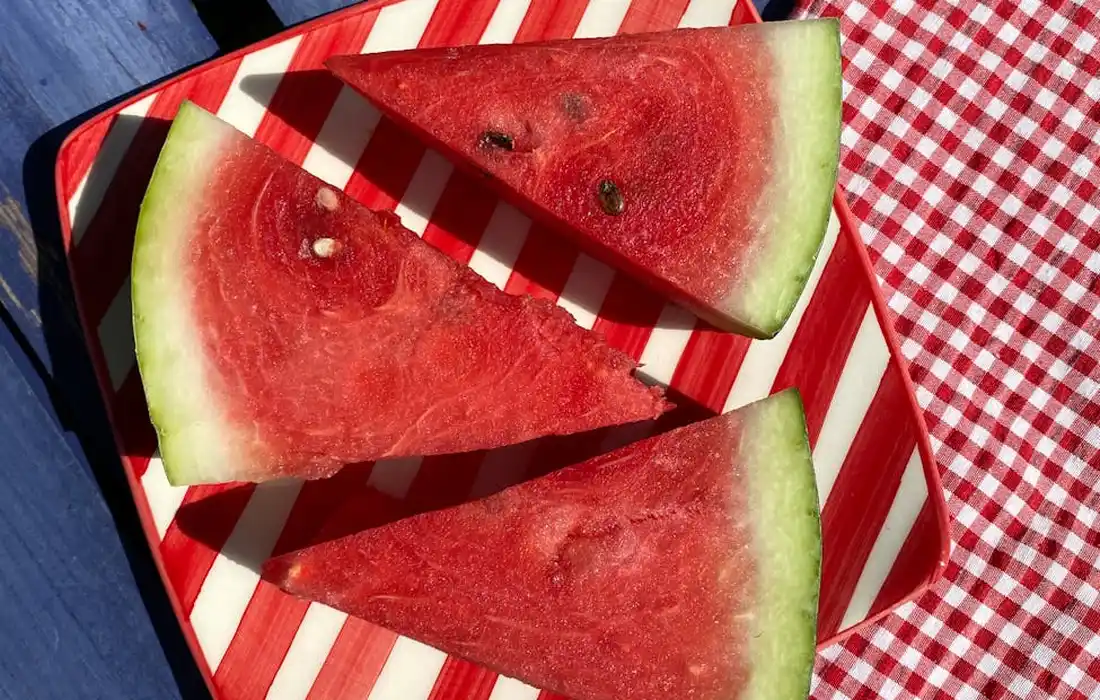
Yes, chickens can and will eat the watermelon rind. The tough white and green parts are a fantastic source of fiber and provide a rewarding pecking activity that keeps them busy and entertained. Unlike other melons like cantaloupe and honeydew, watermelon rind is tougher and more fibrous.
Can ducks eat watermelon?
Absolutely. Ducks benefit greatly from the hydrating flesh and can handle the rind with ease using their broad bills. It’s a superb cooling treat for them, though it’s best served in a contained area to manage their messy eating habits.
What are the benefits of feeding watermelon to chickens?
Watermelon is a powerhouse summer supplement. Its high water content combats heat stress, while vitamins A and C support immune function and egg quality. The lycopene and citrulline also promote overall circulatory wellness.
Are there any risks in feeding watermelon to chickens?
The primary risk comes from overfeeding or feeding spoiled fruit. Too much can cause loose droppings and dilute their nutritional intake from feed. Always offer fresh, uncooked melon and never anything fermented or moldy.
How much watermelon can chickens eat?
Treats like watermelon should never exceed 10% of their daily diet. A good guideline is 2-3 cups of chopped melon (flesh and rind) for a flock of 10 hens, offered as an occasional snack, not a meal replacement.
How often can chickens have watermelon?
Offer watermelon as a special treat no more than twice a week. Feeding treats in the late afternoon ensures they fill up on their complete layer feed first, meeting their essential protein and nutrient requirements for the day.
Closing Tips for a Happy, Healthy Flock
Watermelon is a true treat that honors the rhythm of the homestead season. Remember, freshness is paramount, moderation is key, and a quick cleanup keeps pests at bay. Sharing this summer bounty mindfully is a simple joy that keeps your flock hydrated, engaged, and thriving.
Shutting the Gate
When all’s said and done, sharing your summer bounty with the flock is one of the simple joys of this life. Seeing them chatter and peck at a juicy slice is a little victory. Your most important job is to always let the main, balanced ration be the star of the show, using treats like watermelon as the occasional supporting actor. A healthy bird is a productive and contented bird, from the inside out.
I’m right glad we had this chat. Now, go enjoy those critters and that garden. I hope your afternoons are filled with the happy sounds of a flock enjoying a cool treat and the satisfaction of a homestead thriving under your good care. Y’all take care out there.
Further Reading & Sources
- How to Keep Your Chickens Cool with a Refreshing …
- Can Chickens Eat Watermelon? A Guide to Summer Treats
- Can Chickens Eat Watermelon? – Buff Clucks
Caroline Mae Turner is a lifelong farm girl raised on red clay, early mornings, and the sounds of a bustling barnyard. With hands-on experience caring for everything from stubborn goats to gentle dairy cows and mischievous pigs, Caroline shares practical, tried-and-true advice straight from the farm. Her goal is to help folks keep their animals healthy, well-fed, and living their best barnyard life. Whether you're wrangling chickens or bottle-feeding a baby goat, Caroline brings a warm Southern touch and plenty of real-world know-how to every bucket in the barn.
Feeding Guidelines