Can Goats Eat Bell Peppers & Hot Peppers? Your Guide to Pepper Safety
Published on: March 5, 2026 | Last Updated: March 5, 2026
Written By: Caroline Mae Turner
Howdy y’all, and welcome back to the barn. If you’re staring at a basket of garden peppers and a herd of hopeful goats, I reckon you need a straight answer. Yes, your goats can safely eat both sweet bell peppers and spicy hot peppers, and they often relish the variety in their diet. I’ve handed everything from leftover bell pepper cores to entire jalapeño plants over the fence, and the clean-up crew has never complained.
- Fresh peppers (any color, any variety)
- A sharp knife for chopping (optional, but wise)
- About five minutes of your time
We’ll walk through the hows and whys, so you can hand out those leftover garden goodies without a second thought.
The Short Answer on Goats and Peppers
Well, y’all, let’s get right to it. Your goats can safely eat sweet bell peppers, but hot peppers require a heap of caution due to their capsaicin content. I’ve fed bell pepper cores and ends to my herd for years as a thrifty kitchen scrap treat. Hot peppers, though, are a different animal-I once had a young goat sample a serrano and spend the next hour lip-smacking and avoiding the water trough.
Bell Peppers vs. Hot Peppers: Breaking Down the Differences
Understanding this split is crucial for your goat’s well-being. Bell peppers, in all their colorful glory, contain zero capsaicin, the chemical that creates heat, making them a benign and nutritious snack. Hot peppers, from mild poblanos to fiery ghosts, have varying levels of that same compound, which goats did not evolve to eat. The difference isn’t just about taste; it’s about animal physiology.
Here’s a practical comparison for your homestead:
- Bell Peppers: A hydration booster, being about 92% water. They offer a notable 80-120 mg of vitamin C per pepper, around 1 gram of protein, and are a low-calorie source of fiber. Perfect for a summer treat.
- Hot Peppers: Their nutritional value is overshadowed by capsaicin concentration, measured in Scoville Heat Units (SHU). Even a low-SHU pepper like a jalapeño (2,500-8,000 SHU) can cause irritation. They provide similar vitamins but with that risky kick.
Feeding Sweet Bell Peppers
Incorporating bell peppers is simple if you follow a few barn-tested rules. Always wash store-bought peppers to remove wax and potential chemical residues, a step I never skip for my own family or my livestock. You can feed them raw, chopped into rough chunks to prevent any greedy goat from swallowing something too whole. The seeds and white pith are fine for them to consume.
My method is straightforward:
- Treat peppers as a supplement, not a meal. A few ounces per goat, 2-3 times a week, is plenty.
- Introduce any new food slowly to watch for individual sensitivities.
- Favor ripe red, orange, or yellow peppers-they’re sweeter and higher in vitamins than green ones.
This practice turns garden surplus or slightly soft market peppers into valuable nutrition, embodying the waste-not stewardship that defines a good homestead.
Understanding Hot Peppers and Capsaicin
Capsaicin is a potent defensive chemical for the pepper plant. It specifically targets mammalian pain receptors, causing a burning sensation that goats find just as unpleasant as we do. While birds are immune and help spread pepper seeds, goats will typically avoid spicy plants if given a choice. In the broader context of goat foraging, many toxic plants and even some trees prompt avoidance, shaping grazing patterns. This instinct to skip toxic forages helps keep goats safe in diverse pastures. The risk isn’t just a funny face; ingestion can lead to mouth ulcers, stomach inflammation, or altered feed intake.
If you grow hot peppers, manage your space wisely. A sturdy, goat-proof fence around your pepper patch is a better investment than dealing with a sick animal later. Use woven wire fencing, not just electric, as a determined goat will push through for a curious bite. If an accident occurs, provide plenty of cool, fresh water and bland hay. Monitor closely for signs of pain or digestive halt. In my decades of husbandry, I’ve found that respecting a goat’s natural diet always pays off in robust health and fewer midnight worries.
How to Safely Introduce Peppers to Your Goat’s Diet

Well now, sharin’ your garden bounty with your goats can be a real joy, but you’ve got to mind your manners and theirs. Introducin’ any new food, peppers included, is a gentle process that respects their delicate digestive systems. I learned this the hard way years back when I overdid it with zucchini, and let’s just say the barn was a lively place for a day. We’ll do better with peppers.
Take It Slow as Molasses
Goats are curious, but their stomachs appreciate a predictable routine. Always start with a small taste test to see how your individual goat reacts before makin’ it a regular treat. I like to offer a new food in the morning so I can watch ’em all day for any signs of trouble. Goats have their preferences after all, and not all treats are created equal.
- Day 1: Offer one thin slice of bell pepper (about the size of a quarter) per goat.
- Next 3-4 Days: If all is well, you can slowly increase to a few slices per goat, once a day.
- Week 2 Onward: A half a bell pepper per adult goat, a few times a week, is a fine, thrifty treat.
Preparing Peppers for Your Herd
You don’t need to fuss too much, but a little preparation shows care for your critters. Washin’ peppers thoroughly removes any pesticide residue or garden dirt that might hitch a ride. I use a quick vinegar-water scrub on all my garden veggies before they hit the trough.
- Chop It Up: Cut peppers into manageable strips or chunks to prevent chokin’. My older doe, Mabel, appreciates smaller pieces now that her teeth aren’t what they used to be.
- Seeds and Stems: For bell peppers, the seeds are generally safe, but I often scoop ’em out to be tidy. The stem is too tough and should be composted instead.
- Fresh is Best: Fresh, raw peppers are the ideal choice. Avoid any that are moldy, slimy, or cooked with oils and seasonings.
The Hot Pepper Question: Proceed with Caution
This is where folks get nervous, and for good reason. While the capsaicin in hot peppers won’t poison a goat, it can cause mouth irritation or digestive discomfort, especially in a naive animal. I’ve had goats turn up their noses at a jalapeño while others nibble without a flinch.
- Milk Breeds May Be More Sensitive: In my experience, my Nubians and LaManchas are often more cautious with spicy foods than my sturdy Boers.
- Start Exceedingly Small: If you want to try, offer a piece of mild hot pepper, like a poblano, no larger than a pea.
- Watch Closely: Look for excessive drooling, pawing at the mouth, or off feed. If you see any, skip the spicy stuff and stick to sweets.
What to Watch For After Feeding
Good stewardship means bein’ a keen observer. A bit of loose stool can happen with any new food, but persistent diarrhea or bloating means stop the peppers and call your vet. Your goats should act their normal, mischievous selves after a snack.
- Positive Signs: Happy chewing, eager for more, normal manure pellets.
- Warning Signs: Lethargy, bloat, scours (diarrhea), or any change in rumen movement.
Remember, peppers are a fun supplement, not a staple. Usin’ your leftover or culled peppers from the garden is a wonderful way to practice thrifty, sustainable husbandry without wastin’ a scrap. Your goats will thank you for the variety, and you’ll enjoy watchin’ ’em explore a new flavor.
Preparation, Portions, and Potential Pitfalls
Now, let’s get down to the practical barnyard details of servin’ peppers to your herd. How you prepare and portion these veggies makes all the difference between a happy snack and a bellyache. I’ve learned through trial and error, and I’m fixin’ to share that know-how with y’all.
Right Portion for a Goat’s Treat
I reckon treats, even healthy ones, should never make up more than 10% of your goat’s daily forage. Peppers are a flavorful bonus, not a substitute for good hay and pasture. Think of them like a cookie for a child-a little is a delight, but too much spoils supper. Also, keep human food safety in mind—goats shouldn’t share our holiday treats or junk food. Baking-soda-containing snacks and other processed foods can upset their digestion.
From my own fence-line feedings, here’s a good rule of thumb. For a standard-sized dairy or meat goat:
- Bell Peppers: A few slices or about a quarter of a medium pepper per goat, 2-3 times a week is ample. I often chop the tops off our garden-grown bells and hand out the crunchy walls, seeds and all.
- Hot Peppers (like jalapeños or cayennes): Exercise caution. Start with a tiny piece, no bigger than a thumbnail, to see how they react. Some of my goats will nibble a jalapeño ring and come back for more, while others give me a look of pure betrayal.
For kids or smaller dwarf breeds, cut those portions in half. Always introduce any new treat slowly, over a few days, to let their rumen adjust without protest. If you’ve got a bushel of peppers to use up, remember that spreading the wealth across the whole herd is smarter than letting one goat gorge.
Risks Every Goat Keeper Should Watch For
Even with the best intentions, a keeper’s got to be vigilant. The main risk with peppers isn’t toxicity, but rather digestive irritation and imbalance. Goats have sensitive systems designed for browse, not fiestas. Some keepers also explore safe herbs like basil as a browse option. Basil, when fed in moderation, offers safety benefits and can diversify a goat’s diet without causing digestive upset.
Keep a sharp eye out for these potential pitfalls:
- Capsaicin Overload: The heat in hot peppers comes from capsaicin. Too much can cause mouth irritation, excessive salivation, or an upset rumen. I once had a curious doeling get into a patch of serranos, and the mess was memorable.
- Pesticide Peril: If you ain’t growing your own, always wash store-bought peppers thoroughly. Residues from conventional farming can harm the beneficial microbes in your goat’s gut. I stick to organic or my own garden for treats whenever possible.
- Choking Hazard: While rare, large, tough pieces of stem or a whole small pepper could pose a risk. I always chop peppers into manageable strips or chunks before tossin’ them in the pen.
- Nutritional Displacement: The biggest quiet risk is a goat fillin’ up on treats and neglectin’ their core diet. A goat that eats too many sweet bell peppers might turn up its nose at the hay it truly needs for proper rumen function. That’s a fast track to other health issues.
Your best tool is observation. After givin’ a new treat, watch your herd for a few hours. If you see signs of bloat, diarrhea, or a goat off by itself and not ruminatin’, hold off on the peppers and offer plenty of fresh water and hay. Most times, a modest portion causes no stir, but knowin’ what to look for is the mark of a good steward.
The Nutritional Scoop on Peppers for Goats

Well now, let’s peel back the skin and see what’s really inside these garden treats for your herd. I’ve tossed plenty of pepper scraps to my Nubians over the years, and while they ain’t a substitute for good hay, they bring a little somethin’ special to the trough. Think of peppers as a vitamin-packed condiment, not the main course, and you’ll be usin’ them just right.
What Bell Peppers Bring to the Picnic
Those sweet, colorful bells are mostly water, which makes ’em a hydrating snack on a hot day. But don’t let that fool you-they’re crammed with goodies. The red and yellow ones are the most potent, havin’ sat longer on the vine. Feedin’ a mix of colors is an easy way to give your goats a broader spectrum of nutrients without any extra work on your part. Here’s what your goats are gettin’ in a handful of bell pepper chunks:
- Vitamin C: A powerful antioxidant. While goats make their own, a boost can help during times of stress.
- Vitamin A (as beta-carotene): Essential for healthy eyes, skin, and immune function. Red peppers are especially rich.
- Fiber: Aids in healthy rumen movement and digestion. It’s a gentle, soluble fiber.
- Trace Minerals: Like potassium for nerve function and a touch of manganese for bone development.
The Heat is On: Nutrition in Hot Peppers
This is where folks get nervous, but from a purely nutritional standpoint, hot peppers like jalapeños or cayennes share a similar profile to their sweet cousins. They contain vitamins A and C, along with fiber. The fiery difference is capsaicin. Capsaicin is the compound that gives heat, and it’s a potent metabolic stimulant with antioxidant properties of its own. My old billy goat, Samson, used to munch on dropped serrano peppers in the garden without so much as a blink, but I’ve seen others approach ’em more cautiously.
| Nutrient Focus | Bell Peppers (per 100g approx.) | Hot Peppers (like Jalapeño) |
|---|---|---|
| Primary Vitamin | Very High Vitamin C (up to 130% DV) | High Vitamin C & Vitamin A |
| Key Consideration | Excellent low-sugar hydrating treat | Contains capsaicin; tolerance varies |
| My Barnyard Tip | Feed cores, seeds, and all. No waste! | Start infinitesimally small to gauge reaction. |
How a Goat’s Gut Handles the Goods
That mighty rumen is a fermentation vat, and it’s designed to break down complex plants. The nutrients in peppers are readily accessible to those microbes. The high water and fiber content actually complement a dry hay-based diet, aidin’ in the passage of feed through their system. I reckon the key is rememberin’ that their primary fuel is fibrous roughage; peppers are just a splash of flavor and nutrition on top. Offerin’ ’em chopped or in large chunks prevents gobblin’ and encourages natural foraging behavior.
A Pinch of Practicality
Based on what’s in ’em, here’s my sensible approach to usin’ pepper nutrition wisely. You don’t need a scale-just common sense.
- Variety is Spice: Use different colored peppers to vary the nutrient intake. A red one one day, a green the next.
- Seed Savings: Never bother removin’ seeds from bells. They’re harmless and add a mite of healthy fat. Hot pepper seeds carry more heat, so be mindful.
- Portion Perspective: For a full-sized goat, a half a bell pepper or a couple of small hot pepper slices a few times a week is a balanced, beneficial supplement. It should never replace their regular feed.
Standin’ at the fence with a bucket of kitchen scraps, I’ve watched my does pick out the pepper pieces first. Their keen choice tells me these critters instinctively enjoy the burst of moisture and vitamins these fruits provide. Just always let the wisdom of their core diet-pasture, hay, and minerals-guide your hand when addin’ garden extras.
Pepper Scraps for Other Barnyard Critters
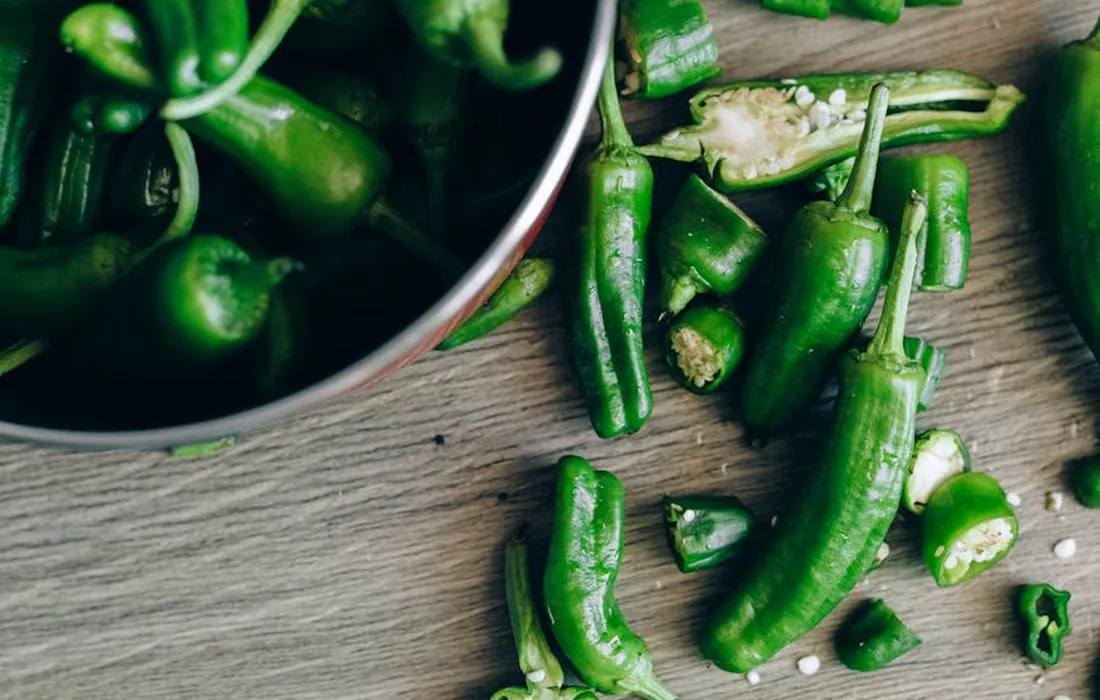
While goats might get the lion’s share of attention, a homestead thrives on using what you have. Those pepper tops, seeds, and leftover bits are a valuable resource you can share safely with many of your other animals, especially when combined with proper mineral supplements. I’ve found it cuts down on feed waste and adds a nice bit of variety to their diet.
Chickens: The Cleanup Crew
My flock goes absolutely wild for pepper scraps. They’ll peck at the fleshy parts and seeds with gusto. The vibrant color from red and yellow peppers can even deepen their yolk color, which is a lovely bonus. You’ll want to chop larger pieces or halve the peppers so your hens can manage them without dragging them around the run. I often toss a handful of trimmings into their pen in the afternoon-it keeps them busy and happy.
Now, about the heat. Chickens lack the capsaicin receptors that make us feel “spicy heat,” so they can eat hot peppers without discomfort. Studies even show some poultry farmers use cayenne pepper in feed as a natural supplement. The seeds from hot varieties won’t hurt them, but I still practice moderation, making peppers a treat, not a staple. A little caution goes a long way.
Pigs: The Ultimate Recyclers
If you want to see efficiency, watch a pig with a bucket of kitchen scraps. They are magnificent at turning waste into weight. Bell pepper ends, stems, and even slightly wilted peppers are fantastic for them. Pigs benefit from the vitamins and the moisture content, especially in dry summer months. I’ve fed my Berkshire sows all sorts of pepper scraps for years with excellent results.
Remember, a pig’s diet needs to stay balanced. Pepper scraps should be mixed into their regular grain ration; I aim for about one part scraps to four parts complete feed. This prevents them from just picking out the “good stuff” and ensures they get all their necessary nutrients. Always provide plenty of fresh water alongside any messy treats.
Animals to Keep Away From Pepper Scraps
Not every creature on the farm should get a taste. Being a good steward means knowing the differences.
- Ruminants like Cattle and Sheep: While a cow might accidentally nibble a pepper plant in the garden, their complex stomachs are designed for grasses and forages. Starchy or watery vegetable scraps in large amounts can disrupt their delicate rumen pH. It’s best to stick to their formulated feed and quality hay.
- Horses: Their digestive systems are incredibly sensitive. Introducing unfamiliar treats like pepper scraps can lead to colic or gastric upset. I never offer them to my draft horses-their carrot and apple treats are just fine.
- Rabbits: This one is crucial. Rabbits have strict digestive requirements. While bell peppers (the fruit flesh, not stems or seeds) are sometimes listed as an occasional feed in tiny amounts, the seeds and pith can cause issues. The risk of gastrointestinal stasis isn’t worth the reward; I stick to leafy greens and herbs for my bunnies.
Making the Most of Your Garden Bounty
Here’s my practical system for handling a surplus or damaged peppers from the garden:
- Sort and Separate: I use crisp, fresh bell peppers for my family first. Any with bug holes, soft spots, or that are just past prime get sorted into the “critter bucket.”
- Prepare for the Species: For chickens, I give them a rough chop. For pigs, I might just split them in half. I remove any thick, woody stems.
- Feed Immediately or Store Short-Term: I feed scraps the same day if possible. If not, they go in a dedicated bucket in the fridge to prevent spoilage. Never feed moldy produce to any animal.
- Observe: The first time you introduce any new food, watch your animals. Make sure everyone is eating comfortably and there are no leftovers that could attract pests.
This simple practice of sharing your garden’s excess turns potential compost into nutritious, engaging treats, reinforcing the beautiful, closed-loop system we all aim for on the homestead. It feels good to see nothing go to waste.
Closing Tips & Final Thoughts
Can goats eat bell peppers?
Yes, goats can safely eat sweet bell peppers. They are a healthy, hydrating treat that provides beneficial vitamins and fiber. However, it is important to know what herbs and plants are safe for goats. For instance, neither peppermint nor spearmint are harmful when fed in moderation.
Are hot peppers safe for goats?
Hot peppers can cause discomfort due to capsaicin. While not toxic, they can irritate a goat’s mouth and digestive tract, so extreme caution is advised.
What parts of the pepper plant are safe for goats?
The flesh and seeds of bell peppers are safe and nutritious for goats to consume. The tough stems should be removed, and the entire hot pepper plant should generally be avoided. Other vegetables should be given with caution.
How many peppers can a goat eat?
Peppers should be an occasional treat. A few slices or about a quarter of a bell pepper per adult goat, a few times a week, is a good guideline to prevent nutritional imbalance.
Can peppers cause digestive issues in goats?
Introducing too much too quickly can cause loose stool. The capsaicin in hot peppers is a primary irritant, while overfeeding any pepper can lead a goat to neglect its essential fibrous hay.
Do peppers provide any nutritional benefits for goats?
Yes. Bell peppers are excellent sources of vitamins A and C, provide hydration due to high water content, and offer soluble fiber, all of which complement a goat’s core diet when fed in moderation.
Shuttin’ the Gate
When it comes to treatin’ your herd, remember the belly rules the brain. A goat’s complex gut is the engine of their health, and every bite of pepper, bell or hot, is just a bit of fuel tossed on the fire. The single most important thing you can do is treat all garden treats as occasional delights, not a staple of their diet, to keep that delicate rumen fermentation running smooth as butter. Offer a varied handful, seeds and all, and watch your grateful goats enjoy a safe, colorful snack. Delving into goat digestive health and rumen function sheds light on the best feeding practices. With that knowledge, you can tailor treats and forages to support steady fermentation and a thriving gut.
I reckon that’s about all from my fence line today. I see Pepper eyin’ the herb garden again, so I’d best go redirect those ambitions. Thank y’all for settin’ a spell. May your barns be warm, your fences tight, and your critters as happy with a simple pepper as mine are. Take care of your land and it’ll surely take care of you. Now, get on out there and enjoy your happy little homestead.
Further Reading & Sources
- Can Goats Eat Peppers? Sweet and Hot Pepper Safety Guide | Carefree Goats
- Will Goats eat my plants? | The Hot Pepper
- Can Goats Eat Bell Peppers? A Complete Guide to Feeding Bell Peppers Safely | Carefree Goats
Caroline Mae Turner is a lifelong farm girl raised on red clay, early mornings, and the sounds of a bustling barnyard. With hands-on experience caring for everything from stubborn goats to gentle dairy cows and mischievous pigs, Caroline shares practical, tried-and-true advice straight from the farm. Her goal is to help folks keep their animals healthy, well-fed, and living their best barnyard life. Whether you're wrangling chickens or bottle-feeding a baby goat, Caroline brings a warm Southern touch and plenty of real-world know-how to every bucket in the barn.
Feed Recommendations