Can Rabbits Eat Beets? Your Practical Guide to Safe Feeding
Published on: April 10, 2026 | Last Updated: April 10, 2026
Written By: Caroline Mae Turner
Howdy y’all! Yes, rabbits can eat beets, but think of it as a occasional treat, not a staple, to keep their digestion running smooth. I’ve spent many an afternoon in my garden puzzling over which roots to share with my bunnies, and beets require a bit of know-how to serve safely.
What you’ll need:
- A few fresh beets with their greens attached
- A reliable knife and cutting board
- Clean water for rinsing
- About ten minutes of your time
We’ll cover the whole process from root to leaf so you can handle this chore with confidence and move on with your day.
Understanding the Rabbit Diet: More Than Just Carrots
Now, I reckon most folks picture a rabbit munchin’ on a carrot, thanks to old cartoons. But on the farm, we know a proper rabbit menu is built like a sturdy barn: it needs a strong foundation. That foundation is unlimited, high-quality grass hay. Think timothy, orchard grass, or oat hay. Hay keeps their digestive tract moving and their constantly growing teeth worn down, which is absolutely non-negotiable for their health. I’ve seen a bored rabbit without enough hay turn its attention to chewing on woodwork, and that’s a sure sign the feed program needs adjustin’.
Fresh greens and the occasional vegetable are the walls and roof-they complete the structure but aren’t the base. A good rule of thumb is about one packed cup of leafy greens per two pounds of body weight daily. We’re talkin’ romaine, cilantro, kale, and dandelion greens from a clean yard. Starchy vegetables, like beets and carrots, are more like the decorative trim. They’re fine in small amounts, but you wouldn’t build your whole house out of ’em.
The Beet Breakdown: Nutritional Pros and Cons for Rabbits
So, where do our earthy, ruby-red beets fit into all this? Let’s dig ’em up and have a look. You can offer your bunnies both the beetroot and the leafy green tops, but they are two very different feeds from the same plant.
Health Benefits: Vitamins and Fiber
The beet tops, those gorgeous green leaves, are a stellar choice. I toss a handful to my herd most evenings in season. Beet greens are a powerhouse of vitamins A and K, along with a good dose of calcium and iron, all wrapped in a leafy, fibrous package rabbits adore. They fit right into that daily fresh greens portion I mentioned earlier.
The root itself, the beet bulb, has its merits too. It provides some beneficial nutrients like folate, manganese, and a different type of fiber. It can be a fun, enriching treat for a rabbit to nibble on. Just remember, the nutritional profile shifts dramatically from the leaf to the root.
Risks to Consider: Sugar and Oxalates
Here’s where we get to the husbandry details you need to mind. The primary concern with the beetroot is its natural sugar content. Rabbits have a sensitive gut flora balance, and too much sugar can lead to GI stasis, a dangerous slowdown of the digestive system. Feeding too much beetroot is like inviting a bacterial party in their gut that you definitely don’t want to host.
Secondly, both the greens and the root contain oxalates. In moderate amounts, most healthy rabbits process these just fine. But if you’re already feeding other high-oxalate greens (like spinach or Swiss chard), or if your rabbit has a history of bladder sludge, you’ll want to go easy. My method is simple: I rotate my greens. Beet tops might be on the menu one week, and then I’ll switch to romaine and herbs the next.
To serve it safely, always wash beets thoroughly to remove soil and potential residues. For the root, a thin slice or small cube about the size of your thumbnail is a sufficient treat for a standard-sized rabbit, offered no more than once or twice a week. The tops can be given more liberally as part of their green rotation. Watch your rabbit’s droppings after introducing any new food; hard, round pellets mean all is well.
Safe Preparation: How to Serve Beets to Your Rabbit
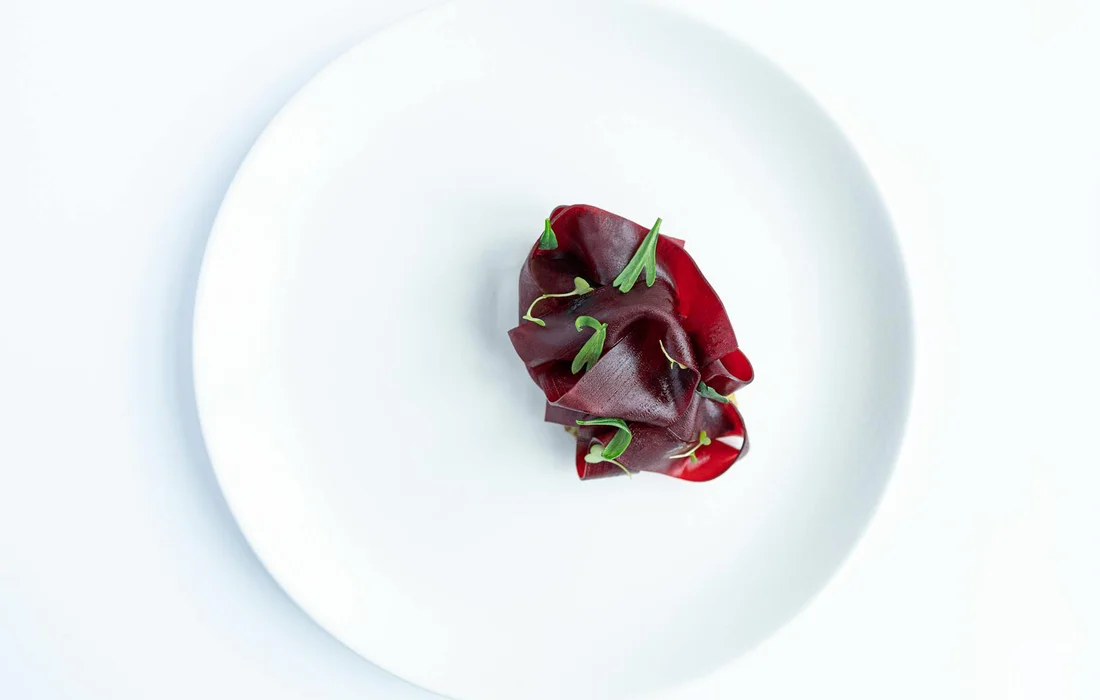
Now, let’s get down to the practical side of things in the barnyard. Serving beets to your bunny isn’t just a matter of tossing a root into the hutch. Proper preparation turns a potential treat into a safe, enjoyable snack that supports your rabbit’s health without upsetting their delicate digestion. I’ve learned through trial and error with my own herd that taking a few careful steps makes all the difference.
Always start with the finest, freshest beets you can source, preferably from your own garden or a trusted local grower. Here’s my tried-and-true method for getting beets ready for rabbit consumption:
- Scrub Thoroughly: Use a clean vegetable brush under cool running water to remove all soil and debris. You’d be surprised what hides in those crevices.
- Peel the Skin: I always recommend peeling. The skin can be tough for them to digest and may hold residual dirt or wax.
- Chop Appropriately: Dice the beet into small, bite-sized cubes, no larger than a pea. This prevents choking and makes it easier for your rabbit to eat.
- Start Small: Begin with a serving no bigger than a teaspoon for a standard-sized rabbit to see how their system handles it.
- Serve Separately: Offer the beet pieces in a separate dish from their regular hay and pellets. This lets you monitor exactly how much they eat.
Can Rabbits Eat Raw Beets?
You bet they can, but with a heap of caution. A fresh, raw beet cube can be a crunchy delight for a rabbit. Raw beets retain all their natural enzymes and nutrients, which can be beneficial, but their high sugar and starch content is the main reason we serve them sparingly. I recall one of my Californian bucks, Thumper, who would come running for a tiny cube of raw beet, but I never gave him more than once or twice a week.
Think of raw beet as a concentrated candy bar in the rabbit world. Here are the key points for serving raw:
- Frequency is Key: Offer raw beet as an occasional treat, not a daily food. Once a week is a good rule of thumb for a healthy adult rabbit.
- Monitor Closely: After feeding, watch for any changes in stool consistency or behavior. Soft stools mean you should stop immediately.
- Skip the Greens Here: While beet greens are fantastic for rabbits, we’re talking about the root. Serve the raw root alone to avoid overloading their system.
- Size Matters: That pea-sized cube I mentioned earlier is perfect. Anything larger is a choking hazard and harder to digest.
Can Rabbits Eat Cooked Beets?
This is where I see a lot of folks get confused around the feed shed. Yes, rabbits can eat cooked beets, but the rules change. Lightly steaming or boiling beets without any additives makes them softer and slightly easier to digest, but it also concentrates the sugars. I sometimes prepare a batch for my older rabbits who have dental issues and need softer foods.
Cooking breaks down the tough cellular structure, which can be helpful. But you must do it right. Here’s my homestead method:
- Peel and cube the beet as you would for raw feeding.
- Steam the pieces for just 3-5 minutes until they are slightly tender but not mushy.
- Let them cool completely to room temperature. Never serve food warm to a rabbit.
- Mash or leave as small cubes, depending on your rabbit’s preference and teeth.
The major advantage of cooked beet is for senior or infirm rabbits who struggle with hard foods, but the sugar concern remains paramount. You must avoid all seasoning, butter, oil, salt, or vinegar. Plain, cooked, and cool is the only way. I reckon serving cooked beet even less frequently than raw, maybe just a few times a month as a special palliative treat. Always balance such treats with plenty of fibrous hay, which is the true cornerstone of their diet.
Feeding Guidelines: Portion Size, Frequency, and Introduction
Alright y’all, let’s talk about how to safely share these garden jewels with your floppy-eared friends. Introducing any new food to a rabbit requires the same patience you’d use teaching a chick to peck-go slow and observe closely.
I always start with a piece of beet no larger than a dried pea for a first-time tasting. This minuscule amount lets you gauge their individual tolerance without inviting digestive turmoil. I learned this the hard way years ago when an overeager bunny named Jasper taught me that even a hearty appetite doesn’t mean a hearty stomach.
Step-by-Step Introduction for New Foods
Follow this simple method to make beets a welcome treat on your homestead.
- Select a fresh, firm beet and scrub it clean under cool water to remove soil.
- Use a vegetable peeler to remove the outer skin, which can be tough for them to process.
- Grate or finely chop a tiny amount-think half a teaspoon at most for that first serving.
- Offer it on its own in the morning, so you have all day to watch for any changes.
- Check their droppings diligently for the next day; you want to see firm, round pellets.
Only if their system stays steady should you consider offering more. A single day of watchfulness can prevent weeks of worry and vet bills.
Determining the Right Portion Size
Beets are a treat, not a staple, and their high sugar content demands respect. A good homesteader measures treats by the pinch, not by the pound, to keep animals in peak condition. For a standard-sized rabbit, I never exceed one to two cubic inches of beet per serving.
Here’s a breakdown I use in my own barn, based on the rabbit’s size:
- Dwarf breeds (under 3 lbs): A fingernail-sized piece, once weekly.
- Medium breeds (3-7 lbs): One to two teaspoon-sized cubes, twice weekly.
- Giant breeds (over 7 lbs): Up to one tablespoon of chopped beet, twice weekly.
Remember, these portions include the leafy beet tops if you’re feeding those too. Overfeeding starchy roots is a fast track to an overweight, sluggish rabbit and imbalances in their cecal flora.
Setting a Safe Feeding Frequency
Rabbits thrive on routine and a consistent diet of quality hay. I reckon offering beet treats just once or twice a week is the sweet spot for variety and safety. In my rotation, beets might show up on a Tuesday, with apple twigs or herbs filling the other treat days.
Adjust this schedule based on your rabbit’s age and activity. Elderly rabbits or those with a history of digestive stasis should get these sugary treats far less often, if at all. The foundation of their health is always, always unlimited grass hay.
By minding these guidelines, you turn a common root into a safe, special snack. Waste-not want-not stewardship means using every part of the harvest, but true thriftiness is found in keeping your animals hale and hearty.
Beet Greens and Plant Parts: What’s Safe and What’s Not
Well now, let’s get down to the nitty-gritty of the beet plant itself. I reckon if you’re like me, you hate to see any part of a good harvest go to waste. When it comes to feeding rabbits, every part of the beet plant has its own considerations, and treatin’ them right means knowin’ the difference between a nutritious bonus and a sugary trouble-maker. I’ve had my share of eager bunnies nosing at my bootlaces while I clean beets, and I’ve learned a thing or two about keepin’ them happy and healthy.
The Ruby Root: A Sugary Snippet, Not a Staple
That beautiful, deep red beetroot is what most folks picture. It’s mighty sweet, and that’s the catch. You can offer a thin slice or small cube of raw beet to an adult rabbit as an occasional treat, but think of it like a piece of pie-a rare delight, not daily bread. The high sugar content can upset their delicate gut balance faster than a rainstorm ruins hay. I limit it to a piece no bigger than my thumbnail, once a week at most, and I always watch for soft stools afterwards.
Beet Greens: The True Prize from the Garden
Those vibrant, leafy tops are where the real value lies for your flock of bunnies. Fresh beet greens are a fantastic source of fiber, vitamin A, and calcium, makin’ them a wonderful supplemental green when your kale or romaine is runnin’ low. I often pick a handful straight from the garden, give ’em a good shake to dislodge any bugs, and feed them straight to my rabbits. They gobble ’em up like candy, but even good things need moderation.
- Feed in Rotation: Don’t just feed beet greens day after day. Mix them with other greens like carrot tops, cilantro, or dandelion leaves to provide a variety of nutrients.
- Mind the Calcium: Beet greens have a notable amount of calcium. For most rabbits this is fine, but if you have a doe that’s prone to urinary issues, you might offer these greens a bit more sparingly.
- Portion Control: A couple of large leaves per standard-sized rabbit, two or three times a week, is a good rule of thumb I follow in my own hutches.
Stems and Petioles: The Crunchy Connector
The thick, often colorful stems that hold the leaf to the root are perfectly safe for rabbits to munch on. These crunchy stalks provide extra texture and moisture, and my rabbits seem to enjoy the variety in their mouthfeel compared to the tender leaves. I just chop them into manageable lengths to prevent any poking hazard in the hutch. They’re included when I feed the greens, no need to separate them. That said, it’s important to know which plants are safe versus unsafe for rabbits. Learning which foods are safe or unsafe for rabbits can help guide what to offer.
What’s Absolutely Not on the Menu
Now, pay attention here, because steerin’ clear of trouble is key. You must never feed wilted, slimy, or moldy beet greens or roots to any animal, as decay can cause serious digestive upset or worse. Beyond that, remember the beet root itself is the riskiest part due to sugar. Also, while the entire fresh plant is safe, canned, pickled, or cooked beets are a hard no. The cooking process breaks down the fiber in ways a rabbit’s system ain’t built for, and the added salts or vinegars are downright harmful.
| Plant Part | Safety for Rabbits | How to Serve & Frequency |
|---|---|---|
| Beet Root (bulb) | Safe only as rare treat | Raw, thin slice (< 1 tbsp), once weekly max |
| Beet Greens (leaves) | Very safe & nutritious | Fresh, washed, 2-3 large leaves, 2-3x per week |
| Stems & Petioles | Very safe | Chopped with greens, same frequency |
| Canned/Cooked Beets | Unsafe | Do not feed |
| Wilted or Moldy Parts | Unsafe | Do not feed; compost instead |
A Note on Preparation: From Garden to Hutch
Good stewardship starts with clean feed. Always give store-bought or garden-fresh beets a good rinse under cool water to remove any dirt, potential pesticide residue, or tiny hitchhikers. I dry the greens with a quick spin in a salad spinner or a hearty shake-my chickens enjoy any stray droplets! Offer them fresh and crisp; if they sit and wilt in the hutch, remove them promptly by evenin’ to prevent spoilage.
Comparing Root Vegetables: Beets vs. Carrots, Pumpkins, and More
Now, let’s set those beets side by side with other garden staples you might be tempted to toss to your bunnies. I’ve spent many an afternoon in my kitchen garden, pulling up roots and considering which ones earn their keep in the rabbitry. Knowing the differences between these vegetables can save you a heap of trouble and keep your herd hopping with health.
Nutritional Standings: A Barnyard Breakdown
Not all roots are created equal, and what’s a treat for one animal might be a bit rich for another. Here’s how some common offerings stack up for rabbit diets.
| Vegetable | Key Nutrient Notes | Feed Frequency & Portion Tip |
|---|---|---|
| Beets (Root) | Higher in sugars; offer excellent folate. The tops are a powerhouse of calcium and vitamin A. | Root: Occasional tidbit, size of a thumbnail. Tops: Daily forage, a handful per rabbit. |
| Carrots | Famous for beta-carotene, but surprisingly sugary-they’re the candy of the rabbit world. | A rare treat. One or two thin slices per week is plenty for an average-sized rabbit. |
| Pumpkin (Flesh) | Low in calories, high in fiber. The seeds (raw) can act as a natural dewormer. | Flesh: A tablespoon of cooked, plain pumpkin a few times a month. Seeds: A rare pinch. |
| Turnips & Rutabagas | Solid low-sugar options. Both the roots and the leafy greens are usually a big hit. | Root: Peppercorn-sized piece weekly. Greens: Can be fed daily like beet tops. |
Balance is your best friend here; think of these roots as supplements to a core diet of unlimited grass hay. I reckon a rabbit’s plate should mirror a good homestead: mostly pasture (hay), with a careful rotation of garden goods.
Safety and Preparation Across the Board
How you serve these matters just as much as what you serve. My rule in the barn has always been “clean, fresh, and introduced slow.”
- Washing: Scrub every root vegetable like you’re prepping it for your own supper. You want to remove all soil and potential pesticide residue.
- Peeling: For carrots, turnips, and store-bought beets, I often peel them. That outer skin can hold concentrates of anything sprayed on the field. For my homegrown, organic ones, a good scrub usually suffices.
- Serving Size: Always start with a piece no bigger than your pinky nail. Wait 24 hours to see how your rabbit’s digestion handles it. I learned this the hard way with an overzealous Jersey Wooly and a chunk of carrot that was too large.
- Cooking: Never cook vegetables for rabbits. Cooking breaks down fibers and concentrates sugars. We want the raw, fibrous roughage to keep their gut moving correctly.
Thriftiness tip: Those leafy tops from beets, turnips, and carrots are pure gold for your rabbits and cost you nothing. I dry some for winter stash, ensuring my crew gets a taste of summer greens even in the deep freeze.
From My Experience at the Trough
I remember one particular batch of fall pumpkins that grew a tad too many. After canning what we could, I offered the plain, stringy innards to the rabbits. They were delighted, and it saved that food from the compost. Observing your animals after introducing a new food is the most valuable tool in your homesteading kit. A loose stool means back off; bright eyes and normal pellets mean you’ve found a winner.
When comparing, remember that carrots and beet roots are the “sweet” options-best in severe moderation. For daily green foraging, you can’t beat the tops of beets, radishes, and turnips; they’re nutritious, low in sugar, and a sustainable way to use the whole plant. It’s a simple practice that honors the animal and the harvest.
Recognizing Trouble: Signs of Digestive Issues and Bad Reactions
Now, let’s talk about the not-so-fun part. Even with the best intentions, a new treat can sometimes disagree with a rabbit’s famously delicate gut. I reckon it’s like a fella who’s only ever eaten cornbread suddenly tackling a rich slice of pecan pie-his system might need a minute to adjust. You are your rabbit’s first line of defense, and knowing what to watch for is the heart of good husbandry.
After offering a tiny bit of beet for the first time, keep a close eye on your bunny for the next 12 to 24 hours. You’re looking for any shift from their normal, perky behavior. Here’s the specific checklist I run through in my own barn:
- Changes in Droppings: This is your top clue. Be wary of suddenly small, misshapen, or mushy cecotropes. A complete halt in production is a five-alarm fire.
- Lethargy or Hunched Posture: A rabbit sitting all balled up, looking miserable, or showing no interest in their hay is a rabbit in pain.
- Loud Gut Noises or Total Silence: Some gentle gurgling is normal, but loud, persistent grumbling (or worse, a silent, still belly) signals distress.
- Loss of Appetite: If they turn their nose up at their Timothy hay, something is very wrong. Hay is their safety food.
- Unusual Mess: Sticky or discolored fur around their backend is a sure sign of digestive upset.
If you spot any of these red flags, stop the beets immediately. Your immediate action is to pull all treats and focus solely on unlimited grass hay and fresh water to help get their gut motility back on track. Often, this simple step is enough. But if symptoms persist beyond a few hours, or if your rabbit stops eating entirely, don’t wait-get on the horn with your vet. A rabbit’s health can decline fast, and it’s always better to be safe than sorry.
Can Baby Rabbits Eat Beets?
In a word: no. And I’ll tell you why, plain as day. A kit’s digestive system, from birth up to about 6 months, is simply too immature and too focused on one critical job: developing a robust population of healthy gut bacteria to process fiber. Introducing sugary, starchy foods like beetroot too early can disastrously disrupt this delicate bacterial balance, leading to stasis or worse.
I raise kits every season, and their menu is deliberately boring for a powerful reason. Here’s what their diet should look like, straight from my own rearing notes:
- Unlimited Alfalfa Hay: This is their cornerstone, providing the higher protein and calcium needed for growth until they’re about 7 months old.
- Alfalfa-Based Pellets: A measured portion of quality young rabbit pellets supports balanced nutrition.
- Water: Always fresh, always available.
We don’t introduce any vegetables, fruits, or treats until they are fully weaned and at least 12 weeks old. And even then, we start with the mildest, leafiest greens—think a single sprig of cilantro or a basil leaf—not root vegetables. Think of this as the baby rabbit diet weaning in practice: choosing the first foods carefully supports steady nutrition for young rabbits. A calm, staged transition today means healthier eating habits for tomorrow. Patience with a young rabbit’s diet is an investment that pays back a thousandfold in a healthy, resilient adult animal. Save the beet experiment for when they’re mature, their digestion is steady, and you can treat it as the occasional bit of fun it’s meant to be.
Beyond Rabbits: Can Chickens, Pigs, and Cows Eat Beets?
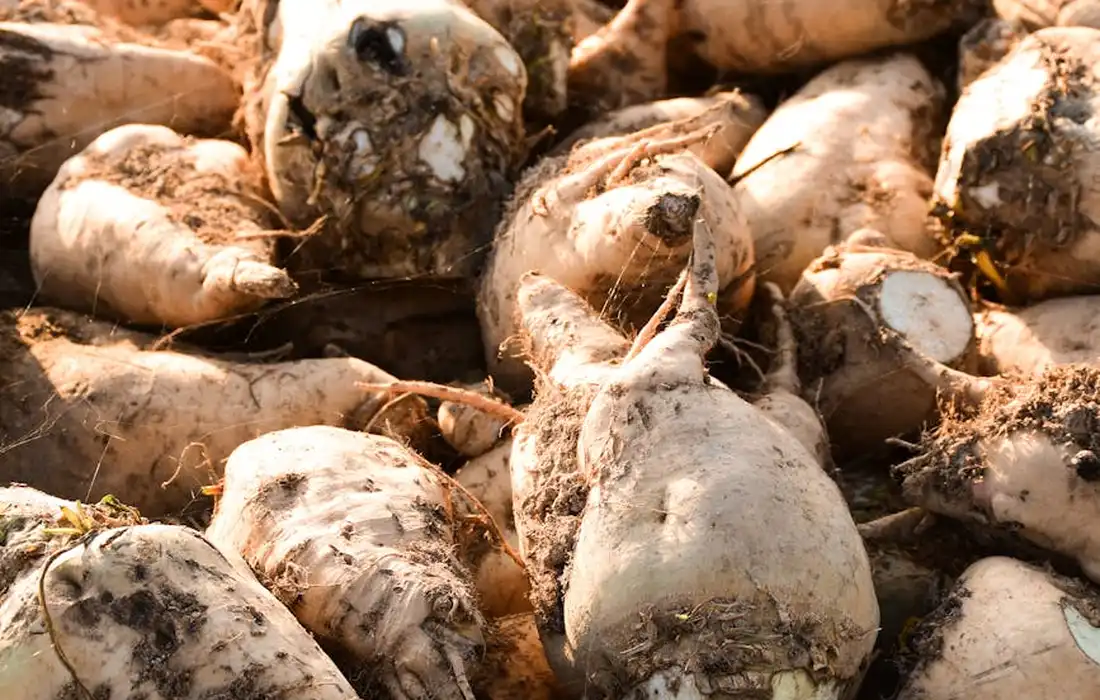
Well, my feed bucket runneth over! While our hoppy friends enjoy a beet now and then, it’s only right we discuss the rest of the barnyard crew. I’ve fed beets to just about every critter on the place, and I reckon y’all will find the results mighty interesting.
Cluckin’ Over Beets: A Treat for the Flock
Yes, your chickens can absolutely peck at beets. They’ll go for both the root and the leafy tops. I’ll toss a handful of chopped beet greens into the run and watch the ladies have a grand ol’ time. The greens are a fantastic source of vitamins and add wonderful variety to their diet, which is key for vibrant egg yolks and healthy hens. The root itself is fine in small, grated or finely chopped amounts. But listen close: beets are sweet. Too much sugar, even the natural kind, isn’t ideal for a laying hen’s balanced diet. Think of it as a weekly treat, not a daily feed.
Feeding Beets to Chickens:
- Greens First: The leafy tops are the real prize. Rinse ’em and hang a bunch in the coop for entertainment and nutrition.
- **Grate or Chop the Root:** A whole beet is a tough, slick puzzle for a chicken. Grating it or chopping it into tiny bits prevents waste and ensures everyone gets a fair share.
- Moderation is Key: A couple of tablespoons of grated beet per bird, once a week, is plenty. Their main course should always be a complete layer feed.
- Expect Colorful Surprises: Don’t be alarmed if droppings or even eggshells get a pinkish tint. It’s harmless and fades once the beets pass through.
Pigs: The Ultimate Root Vegetable Processors
If you want to see pure joy, toss a few beets into the pig pen. My hogs act like I’ve given them the keys to a candy store. Pigs can digest beets, roots and all, with incredible efficiency. For homesteaders, this makes beets a brilliant and thrifty supplemental feed, especially if you’ve grown a surplus or found a good deal on less-than-perfect produce. Beets and other root vegetables are a safe choice when fed appropriately. Their powerful jaws and digestive systems are built for this very purpose.
Preparing Beets for Porkers:
- Size Matters: While a big boar could manage a whole beet, it’s safer to chop larger roots into fist-sized chunks to prevent any risk of choking.
- **No Need to Peel:** Save yourself the work. A good scrub under the garden hose to remove major dirt is sufficient. The skin is edible and nutritious.
- Balance the Meal: Beets are high in energy but relatively low in the protein growing pigs need. Always provide their primary ration of a balanced swine feed to meet their nutritional requirements.
- Monitor Intake: Introduce any new food, including beets, slowly to avoid digestive upset. A few pounds split between a couple of hogs is a fine start.
Cows: A Sweet Supplement for Grazers
Cattle can certainly eat beets, and they often do in the form of a common byproduct: beet pulp. You’ll find dried beet pulp at the feed store as a palatable fiber source. Fresh beets can be fed, but they must be treated as a concentrate, not a forage replacement, due to their high sugar and moisture content. I’ve fed them to my beef herd as a winter treat when the grass is sleeping.
Rules for Ruminants:
- Byproduct is Best: Dried, shredded beet pulp (soaked before feeding) is the safest and most common way to utilize beets for cows. It’s a superb digestible fiber.
- Chop Fresh Beets: If feeding fresh, chop them thoroughly to prevent esophageal blockage-a serious condition called choke.
- Limit Quantities: For a full-grown cow, a few pounds of chopped fresh beets per day is a safe upper limit when added to their normal hay or pasture diet. It should never make up more than 10-15% of their total dry matter intake.
- Watch for Scours: Too much of a good thing can lead to loose stools. Introduce slowly and adjust based on your herd’s condition.
So there you have it, from the henhouse to the hog wallow to the pasture. This humble root, prepared with a little sense, can stretch your feed budget and put a smile on your animals’ faces-and that’s what good stewardship is all about.
Closing Questions on Beet Feeding for Farm Rabbits
Can rabbits eat beets?
Yes, rabbits can eat beets, but only as an occasional treat due to their high sugar content. Think of the root as a rare delight, not a regular part of their diet, to keep their digestion healthy.
Are beet greens safe for rabbits?
Beet greens are very safe and highly nutritious for rabbits. They are an excellent source of fiber, vitamins A and K, and can be included in their daily rotation of leafy greens.
How often can rabbits eat beets?
Beet roots should be offered no more than once a week in thumbnail-sized pieces. The leafy greens can be fed more frequently, about two to three times per week, as part of a varied diet.
What are the risks of feeding beets to rabbits?
The primary risks include high sugar leading to GI stasis and oxalates that may affect sensitive rabbits. Overfeeding can disrupt gut flora and contribute to weight gain or urinary issues. Sugar and sugary treats, including sugarcane sweets, are especially risky for rabbits. Keeping sugar intake very low helps protect their delicate digestion and overall health.
What signs indicate a rabbit is having a bad reaction to beets?
Watch for soft or absent droppings, lethargy, hunched posture, or loss of appetite. If these occur, immediately remove beets and provide unlimited hay, consulting a vet if symptoms persist.
How should beets be introduced into a rabbit’s diet?
Start with a pea-sized piece of beet root or a single leaf of greens. Monitor your rabbit closely for 24 hours for any digestive changes before considering another small serving.
Shuttin’ the Gate
When it comes to treats like beets, the barnyard wisdom holds true: moderation makes the meal. A few small cubes or a couple of thin slices once or twice a week is a fine way to add variety and a burst of color to your rabbit’s menu. Their main diet must always be built on the solid foundation of unlimited grass hay, with beets and other garden goodies serving only as the occasional, flavorful trim. A simple fresh-food ratio—mostly hay, a daily variety of greens, and a measured portion of pellets with treats kept to a minimum—helps keep digestion steady. Watch those droppings close after a new treat, and you’ll have a happy, hopping bunny.
I reckon the simple joy of sharing a bit of your harvest with your animals is one of the sweetest parts of this life. Here’s to your rabbits thriving, your garden growing, and the quiet satisfaction of good stewardship. Thanks for neighborin’ with me. Now, I’ve got a fence line to walk before supper.
Further Reading & Sources
- Can Rabbits Eat Beets? Vet-Reviewed Safety Facts & FAQ | PangoVet
- Can rabbits eat beet greens? | Moderation is key.. | rabbits.life
- Can Rabbits Eat Beets? Vet-Reviewed Safety Facts & FAQ | The Vet Desk
Caroline Mae Turner is a lifelong farm girl raised on red clay, early mornings, and the sounds of a bustling barnyard. With hands-on experience caring for everything from stubborn goats to gentle dairy cows and mischievous pigs, Caroline shares practical, tried-and-true advice straight from the farm. Her goal is to help folks keep their animals healthy, well-fed, and living their best barnyard life. Whether you're wrangling chickens or bottle-feeding a baby goat, Caroline brings a warm Southern touch and plenty of real-world know-how to every bucket in the barn.
Feed Recommendations