Can Rabbits Eat Citrus? The Straight Talk on Oranges, Lemons & Grapefruit
Published on: March 21, 2026 | Last Updated: March 21, 2026
Written By: Caroline Mae Turner
Howdy y’all, you should not feed citrus fruits to your rabbits-the high acidity and sugar can wreak havoc on their delicate digestive systems. I’ve spent many a morning in the barn seeing the aftermath of well-meaning but misguided treats, and those bright peels from the kitchen compost pile are a common temptation we need to resist.
- A firm understanding of rabbit digestion
- Your rabbit’s usual diet of hay and greens
- A list of safe, alternative treats
Stick with me, and we’ll clear up the confusion right quick, so you can get back to your daily rounds with confidence.
The Short Answer: Citrus and Your Rabbit’s Health
Well, y’all, after forty years of raising everything from chicks to calves, I’ve learned a thing or two about picky eaters. The plain truth is, a rabbit can technically nibble a bit of citrus, but I reckon it’s a path best traveled with real caution. Their delicate digestive systems, built for hay and greens, don’t take kindly to sugary, acidic surprises.

I remember one early spring when a well-meaning neighbor gifted my grandson a bag of orange slices for our barnyard menagerie. Giving a treat should never mean trading an animal’s comfort for a moment of our amusement. We stick to what works: an endless buffet of timothy hay, a handful of dark leafy greens, and the rare sweet treat like a blueberry or apple sliver.
Citrus fruits are high in sugar and acid, which can throw off the fine balance in a rabbit’s gut. For a responsible steward, the core of the matter is always prevention over cure. A tummy ache in a rabbit is a serious affair, and I’ve sat up too many nights with ailing critters to take that risk lightly. That caution also extends to other small pets, like guinea pigs and pigs, where citrus and exotic fruits can upset digestion. Knowing each species’ limits helps prevent problems before they start.
The Citrus Breakdown: Orange, Lemon & Grapefruit Safety
Now, let’s get down to the specifics. Not all citrus is created equal in a rabbit’s world. Understanding the differences can help you make a safer choice if you ever decide to offer a taste. Remember, these should be rare, tiny curiosities—not a part of their regular feed. Especially when compared to exotic fruits like dragon fruit.
Can Rabbits Eat Oranges?
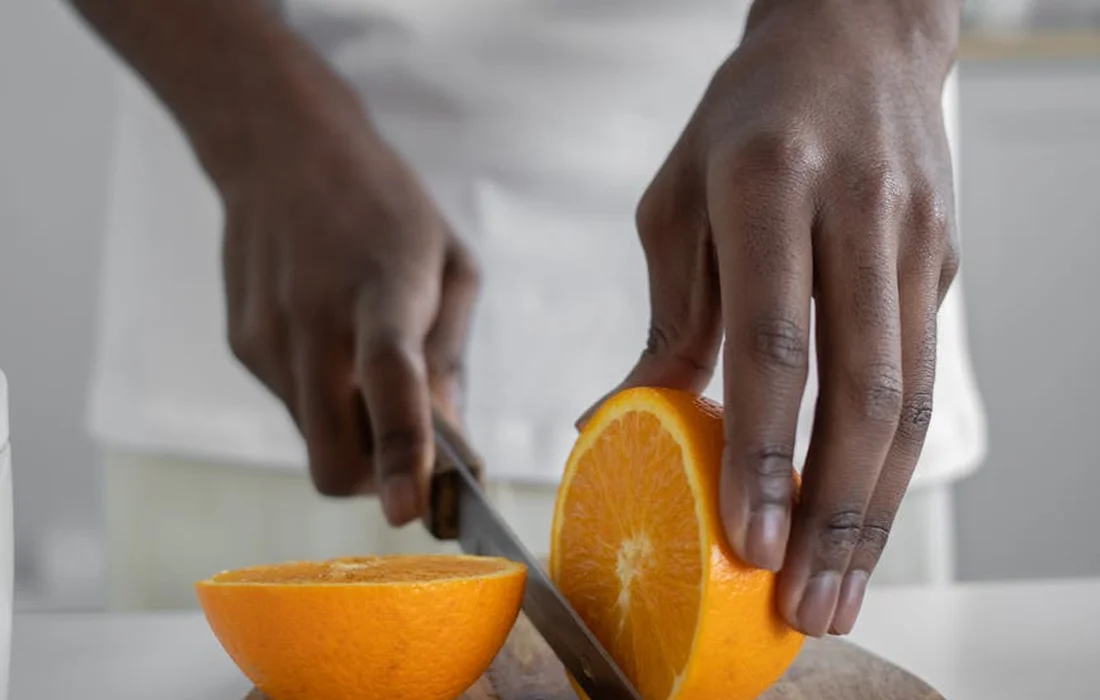
Of the citrus bunch, a small piece of orange meat (the pulp) is the least offensive option. You must peel it completely, removing every bit of that bitter white pith and the potent essential oils in the skin. The pith and oils can cause digestive upset all on their own.
I’ve offered a piece no bigger than my thumbnail to a full-grown rabbit maybe twice a year. Limit this treat to a teaspoon-sized portion once a month at most, and only for a healthy, adult rabbit. Never give it to a kit, a senior, or a rabbit with a sensitive stomach.
- Feed only the fresh pulp, never canned or processed oranges in syrup.
- Watch closely for any change in droppings or behavior for 24 hours.
- Always ensure their primary diet of hay and water is untouched and plentiful first.
Can Rabbits Eat Lemons?
This one’s simple. I don’t recommend it, and I’ve never met a rabbit that showed the slightest interest. The extreme acidity and sour taste of lemon flesh and juice are a direct ticket to digestive distress. Their systems aren’t designed for such a pH shock.
Think of it like this: you wouldn’t drink a glass of vinegar, and your rabbit doesn’t want a lick of lemon. The risks of stomach pain and soft cecotropes far outweigh any negligible nutritional benefit. It’s just not worth the gamble when there are so many better, safer treats in the garden. If you’re wondering why your rabbit isn’t eating cecotropes, our digestive health guide explains common causes and practical steps. A concise guide to cecotrophy and gut health awaits in the next steps.
If you’re using lemon peels for household cleaning, keep them far away from the hutch. Those potent oils can be irritating if inhaled or ingested by your bunny.
Can Rabbits Eat Grapefruit?
Grapefruit sits in a tricky middle ground. It’s less sugary than an orange but often more bitter and acidic. My personal rule is to avoid it altogether, as its potency is too unpredictable for a rabbit’s gut. The same rules apply: no skin, no pith, and absolutely no seeds.
Some folks might argue a tiny bit is fine, but on my homestead, we err on the side of the animal’s well-being. There are simply no essential nutrients in grapefruit that your rabbit can’t get better and safer from a sprig of parsley or a dandelion green. Why introduce a problem when the solution is growing right in your yard?
If curiosity gets the better of you, the portion size must be microscopic-half a small segment, once. Monitor your rabbit like a hawk afterward for any signs of discomfort or refusal of their hay. A rabbit off its hay is the first and biggest red flag.
Why Citrus Fruits Spell Trouble for Rabbit Digestion

Well now, let’s mosey on over to the heart of the matter. A rabbit’s digestion is a finely-tuned engine, and citrus fruits pour the wrong kind of fuel right in the tank. I’ve seen what happens when that delicate balance gets tipped, and it’s not a pretty sight in the hutch.
Your rabbit’s cecum is where the magic happens. That’s a special organ where fiber ferments with the help of good bacteria. This whole system thrives on a steady, high-fiber diet to keep things moving and those beneficial microbes happy and productive. Introduce something as acidic and sugary as an orange segment, and you’re inviting chaos.
The Main Culprits in Citrus
It ain’t just one thing working against your bunny. It’s the whole combination.
- High Acidity: The citric acid can seriously upset the pH balance in the gut. That ideal environment for good bacteria turns hostile, while less helpful microbes might throw a party.
- High Sugar Content: Even a small piece packs a sugary punch. This can lead to a rapid overgrowth of the wrong kinds of bacteria and yeast, which is a fast track to gastrointestinal stasis-a deadly condition where the gut slows down or stops.
- Low Fiber, High Moisture: While hydration is good, the water in citrus comes without the crucial roughage a rabbit needs. It can create unnatural, watery cecotropes (those special nighttime droppings they re-eat) that they won’t consume, robbing them of vital nutrients.
- Potent Oils: The oils in the peel and zest are especially strong. They can cause irritation to the sensitive mouth and digestive tract lining.
A Barnyard Observation
I reckon the best way to explain it is with a comparison from the wider farm. Think of a rabbit’s gut like a thriving pasture for your best dairy cow. You wouldn’t let that cow gorge on fallen apples from the orchard, because the sugar and acidity would bloat her and ruin her rumen function. The principle is mighty similar for your rabbit. We’re stewards of a delicate internal pasture, and citrus is like a flood followed by a frost.
Stick with what nature designed them for: grass hay, a modest amount of leafy greens, and good pellets. Your rabbit’s digestion will hum along like a well-oiled tractor. Offer citrus, and you’re asking for a breakdown right in the field. I’ve spent too many nights with ailing critters to risk it, and I don’t want you to have to, either.
If You Choose to Offer a Taste: Rules for Extreme Moderation
Now, I reckon some of y’all might be tempted to share a slice of orange from your lunch, especially when those bunny eyes are pleading. If you decide to venture down this path, treat citrus like a rare spice in your kitchen-used with a light hand and great respect. Some folks wonder about citrus herbs for rabbits—tiny doses of lemon balm and other citrus-scented greens are sometimes discussed. Yet pomegranate, like other fruits, should be treated with caution and checked for safety. From my years in the barn, I’ve learned that what works for a pig or a chicken can spell trouble for a rabbit’s delicate gut.
The Homesteader’s Guide to a Tiny Taste
This ain’t about feeding; it’s about offering a novel experience under the strictest watch. Your goal is to observe, not to supplement their diet, for a rabbit’s health is built on hay and greens, not fruit. I once watched a prized Angora suffer from a simple orange slice given too freely, and it cemented my rule: extreme moderation is the only way, especially when feeding fruit to rabbits.
- Portion Size: Offer a piece no larger than a teaspoon of flesh, once. For a medium-sized rabbit, this is about 5 grams-a mere whisper of flavor.
- Frequency: Once a month is plenty, if at all. Their digestive systems aren’t designed for frequent sugar or acid hits.
- Selection: Only ever offer fresh, ripe orange flesh. Lemons, limes, and grapefruits are too acidic and should be skipped entirely.
- Preparation: Peel it thoroughly, remove every bit of pith and all seeds. What you give should be pure, soft pulp.
Watchful Eyes: The Post-Treat Check
Your duty starts after the treat is gone. You must monitor your rabbit closer than a new mama hen with her chicks for the next day. Any shift from their normal routine is your signal to stop and never offer citrus again.
- Inspect droppings immediately and for the next 12 hours. Soft, misshapen, or fewer pellets mean trouble.
- Ensure they are drinking their water and, most crucially, eating their hay without pause.
- Look for subtle signs of discomfort: sitting hunched, lethargy, or ignoring their usual curiosities.
A rabbit’s well-being is measured in consistent habits, and a treat that disrupts that rhythm isn’t a kindness. I keep a simple journal for my herd; a note about treats and their aftermath has saved me many a worry.
Why the Fuss? A Peek at the Science
Let’s get down to the brass tacks of it. Citrus fruit brings two main challenges: a sugar content near 12% that can imbalance the cecum, and citric acid that can irritate a sensitive stomach lining. Compared to a cow’s rumen or a pig’s stout gut, a rabbit’s digestion is a finely-tuned, fragile system.
- Nutritional Mismatch: Rabbits require high fiber (over 18%), low-protein (12-14%) diets. Citrus offers almost no fiber and minimal protein.
- Acidity Factor: The pH of oranges sits around 3.5, which is far from the neutral environment a rabbit’s gut prefers for its bacterial balance.
Stewardship means knowing these numbers and respecting the design of the creature in your care. It’s the thrifty path, too-preventing illness is always cheaper than the cure.
Safer Sweet Treats: Rabbit-Approated Fruits and Herbs
Now, just because citrus is off the menu doesn’t mean your bunny has to live a life devoid of sweet, juicy treats. We’ve got a whole orchard and herb garden of safe, tail-wiggling options that I’ve used for years to reward my rabbits without a hint of tummy trouble. It’s helpful to know which fruits are safe for pet rabbits and which to avoid. You can also consider what wild rabbits munch on in nature. The golden rule here is moderation-think of fruit as a cookie, not the main course.
Top-Tier Fruit Picks for Your Bunny
These are the fruits I peel and slice for my own herd. They’re always given raw, thoroughly washed, and in small, controlled pieces.
- Apple: A classic! My rabbits adore a thin slice of crisp apple. You must core it and remove every single seed, as they contain trace amounts of cyanide. A one-inch square, twice a week, is plenty.
- Berries: Blueberries, strawberries (tops and all!), raspberries, and blackberries are fantastic. They’re small, packed with antioxidants, and easy to dose. I’ll give a medium-sized rabbit two or three berries as a special Friday treat.
- Pear: Similar to apple-sweet, juicy, and a big hit. Same rules apply: seedless, cored, and just a small chunk.
- Peach & Plum: These stone fruits are fine in tiny amounts. The fleshy part is the only safe bit; the pit, leaves, and stems must be completely avoided. A single, pit-free cube is sufficient.
- Melon: Cantaloupe and watermelon (a bit of the rind is okay, too!) are hydrating summer snacks. Go easy due to the sugar content.
The Wonderful World of Bunny-Safe Herbs
Beyond fruit, I find fresh herbs are the best way to add variety and medicinal benefit to their diet. I grow these right outside the hutch for easy picking.
| Herb | Benefits & How I Use It |
|---|---|
| Mint (Peppermint, Spearmint) | Aids digestion and is a powerful natural breath freshener. I give a sprig after they’ve tried a new green. |
| Basil | Antioxidant properties and they simply love the aroma. A few leaves mixed into their hay encourages foraging. |
| Cilantro & Parsley (flat-leaf or curly) | Packed with vitamins and usually a huge favorite. I treat these more like a nutrient-dense leafy green than a mere herb. |
| Dill | Has a calming effect. I’ll offer a little if the rabbits seem stressed after a coop cleaning or during a loud storm. |
| Oregano | My go-to for its natural antimicrobial properties. A small leaf here and there supports overall immune health. |
Remember, the foundation of a rabbit’s diet is unlimited grass hay, a measured portion of quality pellets, and a daily salad of dark, leafy greens. Fruits and herbs are the sprinkles on top—a delightful bonus, not a staple. Sticking to this simple, time-tested plan keeps your rabbits hopping happily for years to come.
The Foundation of a Healthy Rabbit Diet

Before we even talk about handin’ out a slice of orange, we gotta build from the ground up. Think of your rabbit’s diet like a sturdy barn: it needs a solid foundation, strong walls, and a tight roof before you hang any decorations. The single most important part of that foundation is unlimited, high-quality grass hay. I keep a flake in my rabbits’ enclosures at all times, just like fillin’ a water trough.
This hay does two critical jobs. It provides the long-strand fiber that keeps their unique digestive system movin’ at the right pace, preventin’ deadly blockages. It also files down their constantly growin’ teeth naturally. Without this roughage, a rabbit’s health will falter faster than a fencepost in wet ground. Knowing which hay types are best and how much to feed matters for their long-term health. It also helps you spot overfeeding risks and keep ’em on track.
The Hay Mow: Your First Stop
Not all hay is created equal. For most adult rabbits, you want a grass hay that’s not too rich.
- Timothy Hay: The gold standard. It’s balanced, readily available, and most bunnies adore it.
- Orchard Grass or Meadow Hay: Excellent alternatives, sometimes a bit softer which picky eaters prefer.
- Oat Hay: Wonderful for variety, often includes the tasty seed heads as a little bonus.
- Alfalfa Hay: Reserve this legume hay for young kits, pregnant or nursing does, or underweight rabbits. It’s too high in protein and calcium for most adults.
The Daily Greens: More Than Just Lettuce
Beyond the hay rack, a hearty handful of fresh, washed greens is your daily commitment. This is where you build vitamins and variety. I gather mine from the garden each evenin’. Rotate your offerings to provide a spectrum of nutrients and prevent mineral overload. A sudden switch to one new green can upset a tender gut.
- Staple Greens (Feed Daily): Romaine lettuce, green leaf lettuce, cilantro, carrot tops, bok choy.
- Herbs & Flowers (Feed in Rotation): Basil, mint, dill, rosemary, marigold petals, rose petals (no pesticides).
- Use Sparingly (High in Oxalates or Calcium): Spinach, parsley, kale, mustard greens. A little is fine, but don’t make it the main event.
Pellets: The Concentrated Supplement
Think of pellets like a vitamin pill, not the main course. A good quality timothy-based pellet fortifies the diet. Free-feeding pellets leads to overweight rabbits who snub their essential hay. Understanding the daily portion sizes refusal guide gives you a clear framework for when your rabbit begs for more, helping keep hay as the main staple of the diet. This simple rule also makes feeding calmer and more consistent. For a standard 5-pound adult rabbit, I measure out no more than 1/4 cup per day. Check the bag for a fiber content over 18% and a protein content around 14-16% for adults.
Where Treats Like Citrus Fit In
Now, with that sturdy barn built, we can talk about hangin’ the decoration-the treats. Fruits, including citrus, fall here. This is the smallest part of the diet, a true occasional tidbit measured in teaspoon-sized portions, not cups. Even safe fruits are packed with sugars that disrupt the delicate gut flora we work so hard to maintain with all that hay.
- Ensure your rabbit is over 6 months old and eats hay voraciously.
- Introduce any new treat, fruit or otherwise, in a tiny amount.
- Offer only one new food every few days so you can spot any intolerance.
- Watch their droppings. If they become soft, small, or stop altogether, halt treats and push hay.
This disciplined foundation is what keeps our floppy-eared friends thumpin’ happily for years. Stewardship means knowing that the most loving treat is sometimes just an extra handful of that sweet-smelling timothy hay.
Closing Tips for the Barnyard Steward
If my chickens love citrus peels, can I share them with my rabbits?
Absolutely not. A chicken’s robust digestive system is very different from a rabbit’s delicate one. What is a healthy treat for a flock can cause serious gastrointestinal upset for a bunny.
What should I do if my rabbit accidentally eats a piece of lemon or grapefruit?
Immediately remove any remaining citrus and ensure your rabbit has unlimited hay and fresh water. Monitor them closely for the next 24 hours for any signs of lethargy, hunched posture, or changes in their droppings, and consult a veterinarian if you see these symptoms.
Can I feed my rabbit citrus if my pig or goat eats it without issue?
No. Pigs and goats are much more omnivorous and have digestive tracts designed to handle a wider variety of foods, including acidic ones. Rabbits are strict herbivores with a specialized, fiber-dependent system that is easily disrupted by citrus.
Are dried orange or lemon peels in potpourri a danger to my barn rabbit?
Yes, they can be. The concentrated oils in dried peels are potent and can be irritating if chewed or inhaled. Always keep such items well out of reach in any area where your rabbit roams or is housed.
Is a little citrus juice in water safe to encourage a rabbit to drink?
This is not recommended. Adding citrus juice to water can promote bacterial growth in the bottle or bowl, and the sugar and acid are unnecessary and potentially harmful. Fresh, plain water is always best.
How does a rabbit’s reaction to citrus compare to a goose or cow’s?
Geese and cows can often digest a wider range of forage and kitchen scraps, including some citrus matter, due to their different digestive biology. A rabbit’s reaction will be disproportionately severe due to its sensitive cecal fermentation process, making citrus uniquely risky for them.
Shutting the Gate
When it comes to offering your rabbits a taste of citrus, the name of the game is thoughtful moderation. That single, occasional thin segment of a mild orange is your safest bet, served as a rare curiosity alongside a mountain of hay and leafy greens. Watch your bunny closely with any new food, and if you see any change in their waste or behavior, you’ll know that treat isn’t for them. Curious about mandarins and tangerines for rabbits? Our citrus guide explains which varieties are safest and how to introduce them.
I’m mighty thankful y’all stopped by to chat about rabbit care. There’s nothing finer than sharing a cup of coffee and some hard-earned wisdom from the barnyard. Now go enjoy the simple pleasure of watching your own critters thrive. I’ll be right here, likely with a bit of carrot top in my hair, if you need me. Take care of yourselves and your herds.
Further Reading & Sources
- r/Rabbits on Reddit: Can bunnies eat oranges and other citrus fruit?
- can rabbits eat citrus? | Rabbits Online Pet Rabbit & Bunny Forum
- Bunnies And Fruits: Can Rabbits Eat Oranges? – Animal Hearted Apparel
Caroline Mae Turner is a lifelong farm girl raised on red clay, early mornings, and the sounds of a bustling barnyard. With hands-on experience caring for everything from stubborn goats to gentle dairy cows and mischievous pigs, Caroline shares practical, tried-and-true advice straight from the farm. Her goal is to help folks keep their animals healthy, well-fed, and living their best barnyard life. Whether you're wrangling chickens or bottle-feeding a baby goat, Caroline brings a warm Southern touch and plenty of real-world know-how to every bucket in the barn.
Diet Requirements