Feeding Sweet Potatoes to Rabbits: Your Safe Guide for Skin, Raw & Cooked
Published on: March 14, 2026 | Last Updated: March 14, 2026
Written By: Caroline Mae Turner
Howdy y’all! Yes, you can share sweet potato with your rabbits, but the cookin’ method makes all the difference-offer only cooked flesh as a rare treat and always avoid the raw root. I’ve seen many a well-meaning homesteader wonderin’ about kitchen scraps for their bunnies, and it’s a fine way to be thrifty, but we gotta get the details right to keep those tender digestions happy.
- A fresh sweet potato or two
- A pot, stove, or oven for cookin’
- A knife and cuttin’ board
- A moment to prepare and supervise
Stick with me, and we’ll sort this out quick, so you can get back to the rest of your critters and chores.
The Straight Answer on Rabbits and Sweet Potatoes
After many years of watching rabbits contentedly munch in my barn, I can tell you plain: yes, rabbits can eat sweet potatoes, but only as a rare, tiny treat. Think of it like a slice of pie for yourself-a special indulgence, not a daily meal.
A proper rabbit diet is built on a foundation of unlimited, high-quality grass hay. That’s the bread and butter of their digestive health. Everything else, even the freshest greens, is a supplement to that. Sweet potatoes should never replace hay, pellets, or leafy greens in their regular rotation.
Why such a fuss over a healthy vegetable? Their delicate digestive systems aren’t built for the high starch and sugar content found in sweet potatoes. Here are the key points to remember:
- Moderation is non-negotiable. A single, one-inch cube of cooked sweet potato once or twice a week is plenty for a standard-sized rabbit.
- Always introduce any new food, including this one, in a pea-sized amount and watch for any changes in their droppings or behavior over the next 24 hours.
- Cooked is safer than raw, as the cooking process breaks down some of the starches, making it slightly easier to digest.
- Compared to a treat like a blueberry or a sprig of cilantro, sweet potato is much richer, so you must give far less.
Sweet Potato Skin: To Peel or Not to Peel?
Now, about that skin-the part my granddad always said held the most nutrients. For rabbits, the peel is a bit of a tricky subject. It is not toxic, but it comes with caveats that demand your attention. The skin’s extra fiber is good, but its toughness poses a real risk for choking or creating a gut blockage.
My own practice has evolved. I used to toss whole peels in, until I watched my old doe, Mabel, struggle with a stubborn piece. That taught me more than any book ever could. The main risks are the skin’s leathery texture and what might be on it.
- Pesticide residue clings to peels. Unless you’re using organic sweet potatoes, peeling is the safer choice.
- A large, tough piece of skin can be a choking hazard or, worse, cause a gastrointestinal stall if it’s too difficult to pass.
If you decide to offer the peel, here’s my method for safe preparation:
- Scrub the sweet potato under running water with a vegetable brush.
- If it’s not organic, I strongly recommend peeling it and composting those skins.
- If it is organic and you wish to feed the skin, chop it into pieces smaller than your pinky nail.
- Mix these tiny pieces with their regular greens to prevent them from gobbling too many at once.
The flesh of the sweet potato is still the safer bet for an occasional treat, while the well-prepared skin can be a once-in-a-blue-moon addition. Always, your watchful eye after feeding is the best tool you have.
Raw vs. Cooked Sweet Potatoes for Rabbit Safety
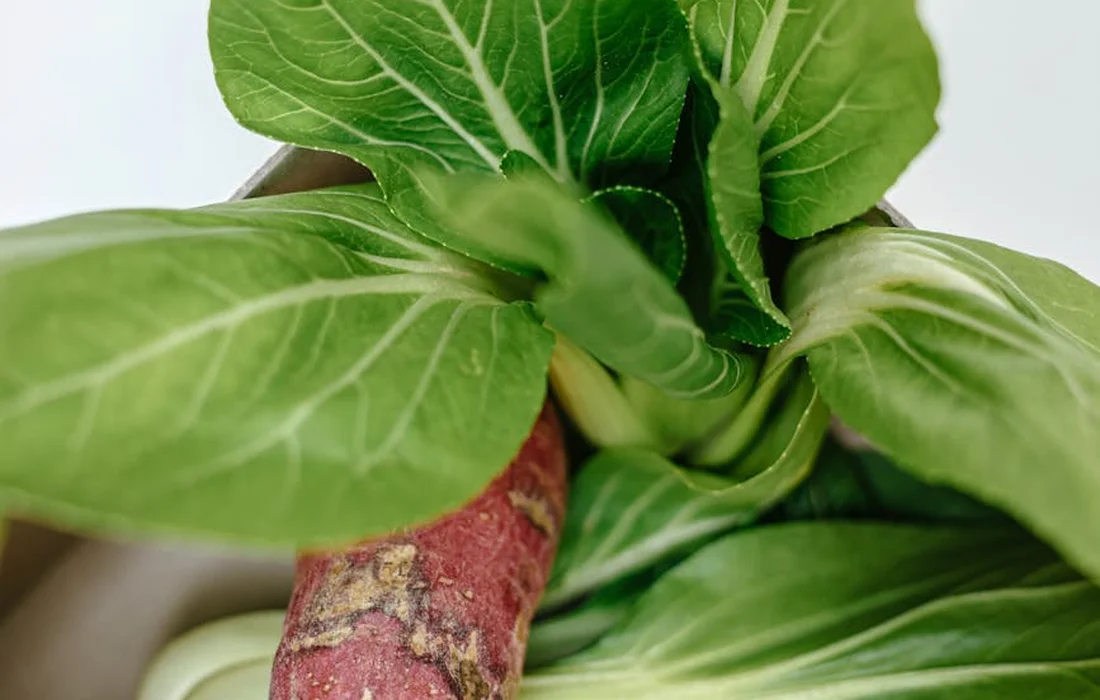
Let’s settle this barnyard debate once and for all. After decades of raising rabbits, I can tell you that the form you serve this tuber makes all the difference between a happy bunny and a digestive upset. Their systems are designed for fibrous hay, not dense roots, so how you prepare it matters mightily.
I learned this lesson young when a curious kit nibbled a raw peel I’d dropped. Raw sweet potato is simply too hard and starchy for a rabbit’s delicate gut to process efficiently. The uncooked starch can ferment, causing painful gas and bloating that no creature deserves, especially since potato peels, whether raw or cooked, can be toxic to rabbits.
That tough texture poses another real danger. A raw chunk can easily become a choking hazard or cause a tooth problem, especially for older rabbits. I reckon it’s just not worth the risk when a safer option is so easy.
Now, cooking transforms that hard root into a different critter altogether. Plain steamed or baked sweet potato, cooled to room temperature, becomes a soft, manageable treat that’s far kinder on their digestion. The heat breaks down those complex starches, making it easier for them to handle in tiny amounts.
You must keep it simple, though. Never, ever add butter, salt, oils, or seasonings-their livers can’t process those rich extras we humans love. I just bake a small one alongside my supper, let it cool, and mash a teaspoonful into my old doe’s greens as a special Sunday bite.
| Form | Safety & Digestibility | Proper Preparation | Recommended Serving Form |
|---|---|---|---|
| Raw Sweet Potato | High risk. Hard to digest, can cause choking, gas, and bloating. | Not advised. If attempted, must be washed and grated into minute, thread-like pieces. | Not recommended. |
| Cooked Sweet Potato | Much safer. Softer texture and pre-gelatinized starch is easier on the rabbit’s system. | Must be cooked plain (baked, steamed, or boiled) with no additives. Cooled completely. | Yes, as a rare treat. A teaspoon of mashed flesh, no skin, once or twice a week at most. |
Nutritional Pros and Cons: What’s in a Sweet Potato?
-
Now, let’s crack open that sweet potato and see what we’re really feedin’. This orange root is packed with beta-carotene, which your rabbit’s body turns into vitamin A. That vitamin A is a mighty helper for strong eyes and a robust immune system, something I’ve valued in my breeding stock for years. It’s just one of the essential vitamins and minerals for optimal rabbit health. You’ll also find a decent amount of vitamin C and B6, along with a good punch of dietary fiber. That fiber, while not the same as the long-strand fiber in hay, can add some bulk to their diet.
-
The trouble starts when we get too generous. Sweet potatoes are mighty high in starch and natural sugars. A rabbit’s delicate gut flora is built for breaking down fiber, not processing a flood of sugars, and overdoing it can lead to an imbalance quicker than you can say “GI stasis.” I learned this the hard way years back when a favorite lop became lethargic after one too many treats; that scary slowdown of the digestive tract is not a sight you forget.
-
So where does this colorful veg fit? Think of it as a rare dessert, not a side dish. The cornerstone of a rabbit’s diet must always be unlimited grass hay, which provides the essential fiber to keep their gastrointestinal tract moving smoothly and healthily. A thin slice or two of cooked sweet potato, no more than once or twice a week, is the safest way to add variety while complementing the rest of their vegetable intake without risking their gut health.
-
Don’t let your good feed go to waste. Store whole, unwashed sweet potatoes in a cool, dark, and well-ventilated spot, like a root cellar or a pantry basket. Proper storage keeps them firm and nutrient-rich for months, preventing the mold and soft spots that can make a rabbit sick. Never refrigerate them, as the cold can cause a hard center and alter the taste your critters might enjoy.
How to Feed Sweet Potatoes to Your Rabbits Safely
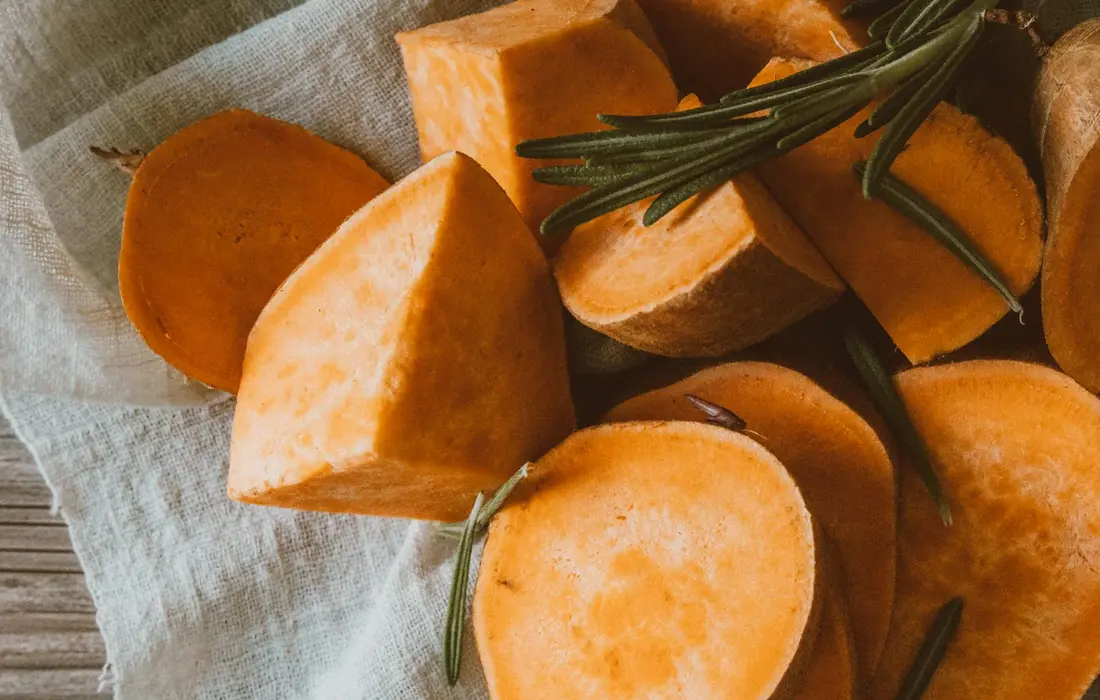
Now, I’ve seen many a well-meaning homesteader get a little too generous with treats. Feedin’ sweet potatoes to your rabbits is a fine idea, but you’ve got to mind the details to keep their digestion runnin’ smooth. Let me walk you through the process I use right here on my farm.
- Determine proper portion size. I stick to a teaspoon-sized amount per 2 pounds of your rabbit’s body weight, and only offer it once or twice a week. This keeps that sweet snack from upsettin’ their delicate gut balance.
- Prepare the treat properly. Give that sweet potato a good scrub under cool water. I usually peel mine to avoid any hitchhikin’ dirt, then cook it until it’s soft all the way through. Let it cool, and cut it into small cubes-think the size of a pea for easy munchin’.
- Introduce gradually. Start with a piece no bigger than a single pea. Watch your bunny close for the next day for any signs of trouble, like loose droppings or a lack of appetite. Goin’ slow lets you spot a problem before it becomes a real ailment.
- Always provide fresh water and unlimited hay alongside any treat. This is non-negotiable, y’all. That timothy or orchard hay should be available ’round the clock, and clean water is a must. Treats are a supplement, never a replacement.
- Watch for signs of spoilage or mold in stored sweet potatoes. I keep mine in a root cellar, but a cool, dark pantry works too. Check each one before cookin’. If it’s soft, sprouted, or has any fuzzy spots, toss it out. Feedin’ spoiled food is an invitation for illness.
Stick to this plan, and you’ll have some mighty happy bunnies. Respect for the animal means understandin’ that even natural foods require a cautious hand.
Sweet Potatoes for Other Barnyard Critters
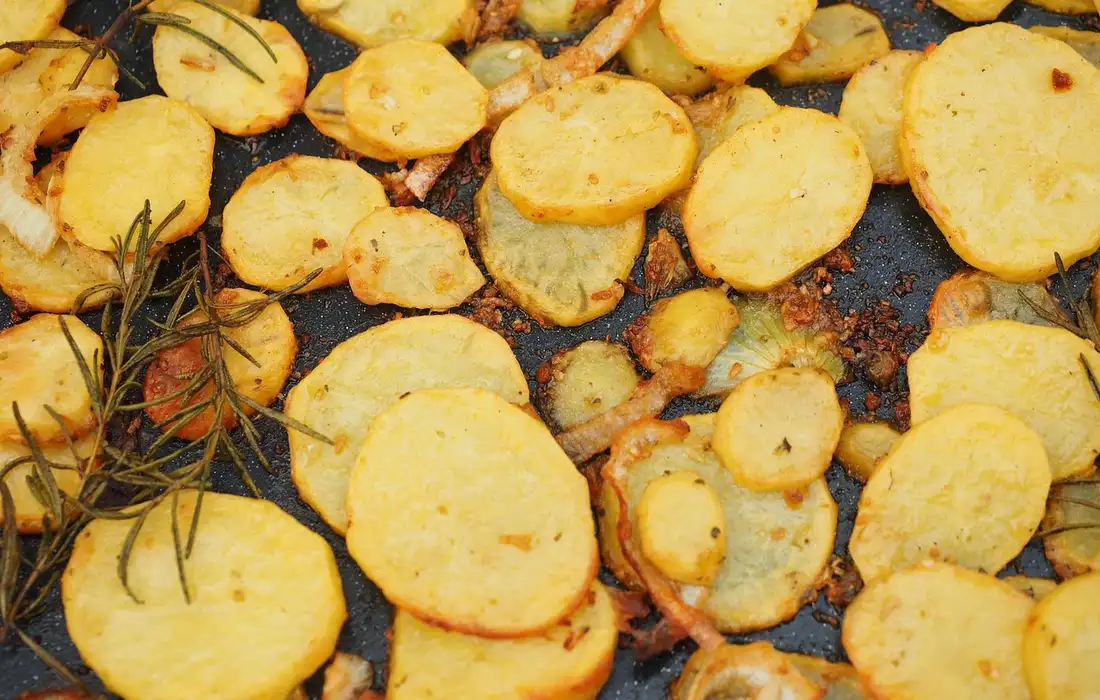
Just because rabbits might nibble ’em doesn’t mean the bounty stops at the hutch door. What’s good for one animal often makes a fine treat or supplement for another, but you’ve got to know the rules for each species to keep every belly happy and healthy. Let’s mosey through the rest of the barnyard and see who else gets to enjoy this vibrant tuber.
Can Chickens Eat Sweet Potatoes?
You bet your bottom dollar they can, and my hens come a-runnin’ when they see the orange mash. I always cook sweet potatoes for the flock. Raw sweet potato is too tough and starchy for a chicken’s digestion, but cooked until soft, it becomes a wonderful, vitamin-packed snack. The skins, once cooked, are perfectly fine for them to peck at, too. I see it as a little boost for the girls, especially in the shorter days of fall and winter when their diet needs all the help it can get.
- Always serve cooked, never raw. Boiling, steaming, or baking until soft is perfect.
- The skins are safe once cooked and provide extra fiber.
- This treat is a great source of beta-carotene, which supports strong egg production and vibrant yolks.
Can Pigs Eat Sweet Potatoes?
If you want to see pure, unadulterated joy, toss a few sweet potatoes into the pig pen. My hogs act like it’s Christmas morning. Pigs can digest both raw and cooked sweet potatoes with gusto, and the tubers are famously excellent for promoting healthy weight gain in growing pigs. They’re a traditional, cost-effective feed supplement on many homesteads. I’ve fed them for years, but I never get lazy about preparation.
- Pigs relish both raw and cooked versions. Raw is fine for their robust digestive systems.
- Always chop the tubers into manageable pieces to prevent any risk of choking, especially for smaller pigs.
- For the best nutrition, mix chopped sweet potatoes with their balanced grain ration rather than replacing it entirely.
Can Geese Eat Sweet Potatoes?
My gaggle of geese appreciates variety, but they’re pickier than the pigs. For our waterfowl friends, moderation and preparation are key. Geese can enjoy cooked sweet potato in small amounts, but I strongly advise against feeding it to them raw. A raw chunk is simply too hard and poses a choking hazard for their unique bill and throat structure. A bit of cooked mash, however, is a welcome treat when the pasture is brown and frosty.
- Only offer cooked, mashed sweet potato. Avoid raw entirely.
- Serve as an occasional treat, not a staple. Their primary diet should be fresh greens and appropriate waterfowl feed.
- This makes a splendid, energizing winter snack when their usual greenery is scarce.
Can Cows Eat Sweet Potatoes?
On a larger scale, sweet potatoes are a recognized feed supplement for cattle. I’ve seen neighbors run entire cull potato piles through a silage chopper. Sweet potatoes are a nutritious addition to a cow’s diet, often incorporated as silage or cooked into a thick mash with other feed grains. The energy and vitamins can be beneficial, but you must remember you’re dealing with a sensitive rumen. That sugar content, which is so good for weight, can sour the rumen if you overdo it.
- Often used in silage mixes or cooked and blended into feed mash for extra calories.
- A potent supplement, not a main feed. Overfeeding can disrupt rumen pH due to the high soluble sugars.
- Always introduce any new feed, including sweet potatoes, slowly over a week to allow the rumen microbes to adjust.
Closing Tips
Can rabbits eat sweet potatoes?
Yes, rabbits can eat sweet potatoes, but only as an occasional treat. Always prioritize their main diet of hay and greens to maintain digestive health. Unlike carrots, which are also sugary treats, sweet potatoes should be given sparingly.
Can rabbits eat sweet potato skin?
Sweet potato skin isn’t toxic, but it can be tough and may contain pesticides. If offering, use organic potatoes, wash thoroughly, and chop into minute pieces to reduce risks.
Can rabbits eat raw sweet potatoes?
No, raw sweet potatoes are unsafe due to their hard texture and high starch, which can cause choking or digestive upset. Cooking is essential for safe consumption. This also applies to whether sweet potato peels and skins are eaten raw or cooked, especially in chicken dishes.
Can rabbits eat cooked sweet potatoes?
Yes, cooked sweet potatoes are safer, as cooking softens them and breaks down starches. Serve plain, cooled, and in tiny amounts once or twice a week.
How do sweet potatoes compare as treats for other farm animals?
Animals like chickens and pigs can enjoy sweet potatoes, but preparation varies. Chickens need cooked pieces, while pigs handle raw or cooked, always chopped to prevent choking. For a quick guide on how chickens can safely eat cooked sweet potatoes, see our cooked root vegetable guide. It covers prep, portion sizes, and safe cooking methods.
What are the key reminders for feeding sweet potatoes across the barnyard?
Always introduce new foods slowly and monitor for adverse reactions. For all animals, avoid seasonings, and remember that treats should never replace balanced feed.
Shutting the Gate
When it comes to treats like sweet potato, the golden rule is simple: moderation and balance. A thin slice or two of cooked flesh is a fine, infrequent delight, but it should never crowd out the essentials of hay, greens, and water. Providing a varied, appropriate diet is the single most important thing you can do to ensure your rabbits live long, happy, and hoppy lives. That’s the real harvest from thoughtful husbandry. For a practical starting point, check out my domestic rabbit diet guide. It walks you through balanced hay, greens, and sensible treats to feed with confidence.
I hope this little chat over the virtual fence has been helpful for you and your herd. There’s a deep satisfaction in caring for our animals well, in knowing we’re giving them the very best we can. Now, go enjoy those critters and the simple life. I’m always right here if you have another question. Take care, and give your bunnies a pat for me.
Further Reading & Sources
- Can Rabbits Eat Sweet Potato? Vet-Reviewed Safety Facts & FAQ | PangoVet
- Can Rabbits Eat Sweet Potato? Unveiling the Tasty Tubers for Bunnies! – Central Victoria Hay
- Feeding sweet potato to rabbits | Rabbit Talk – Meat Rabbit & Farming Forum
Caroline Mae Turner is a lifelong farm girl raised on red clay, early mornings, and the sounds of a bustling barnyard. With hands-on experience caring for everything from stubborn goats to gentle dairy cows and mischievous pigs, Caroline shares practical, tried-and-true advice straight from the farm. Her goal is to help folks keep their animals healthy, well-fed, and living their best barnyard life. Whether you're wrangling chickens or bottle-feeding a baby goat, Caroline brings a warm Southern touch and plenty of real-world know-how to every bucket in the barn.
Treat Suggestions