
Protecting Your Daylilies, Crocus, and Bulbs from Rabbit Damage
Published on: December 23, 2025 | Last Updated: December 23, 2025
Written By: Caroline Mae Turner
Howdy y’all. Yes, rabbits will eat daylilies, morning glories, crocus, and a host of other bulbs and flowers, but you can stop them cold with a simple, physical barrier like a proper fence. I’ve lost more than a few prized blooms to curious bunnies before I learned this lesson myself.
What you’ll need:
- 36-inch tall roll of chicken wire or 1/2-inch hardware cloth
- A handful of sturdy wooden or metal stakes
- Wire cutters and a good pair of leather gloves
- About an hour of your time for a small bed
Let’s tackle this garden headache together, so you can get back to the rest of your homesteading list.
Rabbit Diets on the Homestead: More Than Just Clover
Folks often picture a rabbit in a field of clover, but on a busy homestead, their eating habits are far more adventurous. I’ve kept rabbits for decades, and their natural curiosity leads them to sample a wide array of greenery. This curiosity reflects their general diet and foraging habits as they assess what’s edible in the moment. In practice, their foraging can extend beyond hay to include greens and occasional nibbling when opportunity allows. A rabbit’s ideal diet is a mix of high-fiber hay, fresh greens, and a pinch of pellets, but hunger and opportunity can expand that menu quickly.
In my barnyard, I see them as opportunistic foragers. They’ll munch on garden leftovers, stray weeds, and even ornamental plants if the fence line fails. Providing a dedicated patch of forage like orchard grass or willow branches can satisfy their cravings and save your flower beds.
Here’s what truly fills a homestead rabbit’s belly beyond simple clover:
- Timothy or meadow hay, making up about 80% of their daily intake
- Leafy garden trimmings such as carrot tops and beet greens
- Wild herbs including mint and yarrow, which I grow for their health benefits
- Woody browse like apple twigs, crucial for dental health and enrichment
- And in lean times, they’ll test the durability of your garden fence for a taste of your blooms
What Drives a Rabbit to Nibble Your Garden?
You might step outside to find your crocus bulbs dug up or daylily leaves sheared off. I reckon it happened to my first planting of morning glories years ago. Rabbits are driven by instinct and need, not malice; a well-tended garden is a lush buffet to a hungry animal.
Spring is a particularly risky season. New plant growth is tender and packed with nutrients, while natural forage is still sparse. A rabbit’s search for protein and moisture often leads them straight to your prized plants, making your garden a target.
Consider these four reasons your garden becomes a rabbit diner:
- Nutritional Gap: Natural forage may lack variety, pushing rabbits to seek out diverse plants.
- Tender Foliage: Young shoots and bulbs are easy to digest and highly palatable.
- Safe Passage: Overgrown perimeters and stacked firewood create hidden highways to your plants.
- Water Access: Dew on morning glories or damp soil after watering can serve as a water source.
Nighttime Raiders vs. Daylight Grazers
Identifying when rabbits visit is half the battle for protection. On my farm, I’ve learned that behavior varies. Wild cottontails are masters of the twilight raid, while my own domestic breeds might sunbathe and graze all afternoon.
I once caught a brave jackrabbit in broad daylight, helping himself to my vegetable patch. It taught me that hunger overrules caution. Adjusting your protective strategies based on their active hours saves a lot of heartache and harvested greens.
Use this comparison to plan your garden defense:
| Nighttime Raiders | Daylight Grazers |
|---|---|
| Typically wild species like eastern cottontails | Often domestic rabbits or habituated wild ones |
| Prime activity at dusk and dawn; rely on shadows | Feed during quieter, predator-free periods of the day |
| Deter with sturdy, 2-foot high fencing with a buried apron | Discourage with homesteader presence or mobile livestock guardians |
A thrifty, effective fence I swear by is 1-inch chicken wire, 24 inches tall, with 6 inches buried outward to block diggers. This simple barrier respects the rabbits’ nature by steering them clear, not harming them, and it safeguards your investment in bulbs and blooms.
The Lowdown on Daylilies (Hemerocallis) and Rabbits
Daylilies are a homestead favorite for their hardiness, but rabbits see them differently. I’ve watched my rabbits bypass their hay for a chance at these orange flowers. While not the most toxic plant in the yard, daylilies offer little nutritional value and can cause mild stomach distress if rabbits feast on them.
From a pasture management view, I never recommend daylilies as forage. Their protein content is negligible, and they lack the roughage rabbits need for gut health. Stick to proven fodder like alfalfa hay for young rabbits or a mixed grass hay for adults, and keep daylilies for beauty alone.
Here’s what every homesteader should know about this particular plant and rabbits:
- Preference: Rabbits will eat daylily leaves, buds, and flowers, especially when other food is scarce.
- Risk Level: Low toxicity, but monitor for any changes in droppings or appetite after exposure.
- Strategic Planting: Place daylilies near the house or within raised beds bordered by less palatable plants like lavender.
- Sustainable Diversion: Plant a sacrificial row of clover or rye grass away from the garden to draw rabbits away from your ornamentals.
My own approach is to interplant daylilies with strong-scented herbs like sage or rosemary, which rabbits tend to avoid. This method of companion planting is a cost-effective and chemical-free way to enjoy both a vibrant garden and happy, healthy livestock.
Morning Glories, Crocus, and Other Bulbs: A Rabbit’s Snack List?
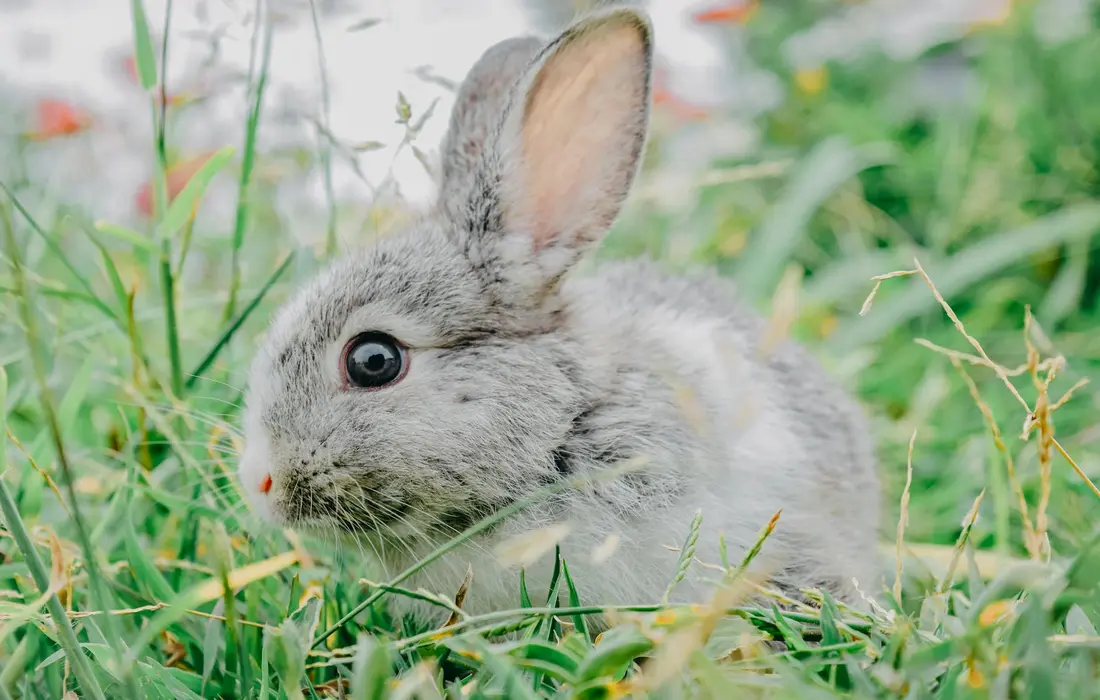
You’ve got your flower beds looking fine, but you see a cottontail loitering near the fence line. It’s only natural to wonder what’s about to disappear. Let’s walk through this buffet line from a rabbit’s point of view, separating the likely targets from the clever deterrents.
Will Rabbits Eat Morning Glory (Ipomoea) Vines and Leaves?
Here’s a spot of good news for your trellises. Most rabbits will turn up their noses at mature morning glory vines and leaves. The plant contains compounds that can be mildly toxic to them and to many other livestock. I’ve watched my rabbits investigate those heart-shaped leaves and usually hop away after a dubious sniff. Your established morning glory foliage is generally safe from bunny browsing, thanks to its built-in defenses.
Now, I must add a word of caution from the barnyard. Very hungry rabbits, or curious youngsters, might sample the tender, newly-sprouted shoots. It’s not their first choice, but desperation can change the menu. More importantly, every part of the morning glory plant, especially the seeds, is considered toxic to humans and many animals if ingested in quantity. So while the rabbits likely won’t eat it, it’s still a plant I keep well out of reach of all my penned creatures.
Do Rabbits Dig Up and Eat Crocus Bulbs?
This answer has a twist, depending on when your crocus blooms. Rabbits are notorious for mowing down the cheerful, early spring-blooming crocus flowers and leaves as soon as they poke through the last snow. They relish the tender greens. However, they typically do not dig for the corm (bulb) itself. The flower is the easy salad; digging is extra work.
You must be vigilant, however, with the autumn crocus (Colchicum autumnale). This is a completely different and highly toxic plant. While a rabbit might still avoid it, the risk is severe. I treat any autumn crocus in my garden as a threat to all livestock and handle it with great care. Knowing the exact type you’ve planted is crucial for your animals’ safety.
Common Bulb Varieties Rabbits Love (and Ones They Avoid)
Rabbits have clear preferences, almost as strong as my grandma’s opinion on cornbread recipes. If it’s tender, sweet, and easy to reach, it’s on their list. Here’s how your garden stacks up.
Bulbs and Plants Rabbits Actively Seek Out:
- Tulips: The absolute favorite. They’ll eat the shoots, the leaves, and the flower in one glorious feast.
- Lilies: Daylily shoots are a spring tonic for them, and many true lilies (Asiatic, Oriental) are also vulnerable.
- Crocosmia (Montbretia): Those arching leaves are irresistible.
- Hostas: Not a bulb, but a perennial they’ll devour to the ground.
- Beans and Peas: In the vegetable patch, these seedlings are prime targets.
Bulbs and Plants Rabbits Usually Ignore or Avoid:
- Daffodils (Narcissus): All parts are toxic and unpalatable. A reliable, beautiful defense.
- Alliums: Ornamental onions, garlic, chives. That strong scent is a powerful repellent.
- Hyacinths & Grape Hyacinths (Muscari): Their bitter taste makes them a poor choice for a rabbit.
- Snowdrops (Galanthus): Another early bloomer that’s left alone due to toxicity.
- Russian Sage, Lavender, Catmint: Herbs with strong aromatic foliage are excellent protective plantings.
The best strategy I’ve found on my place is to interplant. I’ll ring a bed of vulnerable tulips with a fortress of daffodils. Using the plants rabbits hate as a living fence is a thrifty and beautiful form of sustainable pest management. It works better than any store-bought spray and makes your whole garden more resilient.
Identifying Rabbit Damage in Your Garden Beds
Well now, let’s mosey on out to the garden and learn to read the signs. Tellin’ rabbit mischief from other critter damage saves you time and a heap of frustration. I’ve learned that a mindful eye for detail is the first, and cheapest, line of defense for any homesteader.
The Tell-Tale Signs of a Rabbit’s Feast
Rabbits leave a signature as clear as muddy boots on a clean porch. Their front teeth make a clean, angled cut, like someone took tiny shears to your plants. You won’t see the ragged tears left by insects or snails. Look for stems snipped off at a sharp 45-degree angle, usually about two inches off the ground where they comfortably sit to eat.
I recall one spring my young crocus shoots vanished overnight, cut clean as a whistle. I blamed the wind until I saw the neat little cuts and the familiar round droppings nearby.
What You’ll See on Specific Plants
- Daylilies: Tender young shoots and flower buds disappear first. They’ll chew the foliage down to nubs, leaving those characteristically angled cuts.
- Morning Glories: Seedlings are a favorite. They’ll be clipped off at the base, vanishing entirely. Established vines may have lower leaves neatly removed.
- Bulbs (Crocus, Tulips, etc.): This is where it gets tricky. Rabbits adore the tender, sweet shoots as they first emerge from the soil. They rarely dig up the bulb itself-that’s usually the work of squirrels or voles. You’ll find the green tips neatly bitten off right at ground level.
Differentiating From Other Garden Pests
It’s easy to point fingers at the first cottontail you see, but other animals can cause similar havoc. Here’s a quick comparison I keep in my mind from years of troubleshooting.
| Pest | Damage Sign | Height of Damage |
|---|---|---|
| Rabbit | Clean, angled cuts on stems and leaves. | Low, typically under 2-3 inches. |
| Deer | Ragged tears, as plants are ripped upward. Larger tracks. | High, up to 6 feet or more. |
| Groundhog | Entire plants vanish, with larger bite marks and evidence of burrowing nearby. | Low to medium, often clearing a patch. |
| Insects | Holes in leaves, skeletonized foliage, or slimy trails. | Variable, on leaves and stems. |
Evidence Beyond the Plants
Beyond the feed bucket, always check the ground for confirming clues. Rabbit droppings are small, round, and pea-sized, often found in little piles. You might also see faint tracks in soft soil-four toes on the front foot and five on the larger hind foot. Finding these clues together with the clean-cut plants is as sure a sign as a signed confession.
I practice a bit of thrifty detective work by dusting a small area of fine soil near the damage. Come morning, those tracks tell the whole story without need for fancy equipment.
A Step-by-Step Scout of Your Garden
- Time Your Patrol: Check your beds early in the morning. Rabbit activity peaks at dawn and dusk.
- Inspect Low and Slow: Get down to rabbit level. Examine the base of plants and the soil surface closely.
- Look for Patterns: Is the damage concentrated in one area near a fence line or brush pile? Rabbits are creatures of habit and use the same runs.
- Search for “Form”: That’s the fancy word for the flattened grassy spots where rabbits rest and watch. Finding one near your garden is a dead giveaway.
Taking ten minutes to properly identify the culprit prevents wasted effort and helps you choose the right, respectful remedy to protect your harvest.
How to Protect Your Plants: Rabbit-Proofing the Practical Way
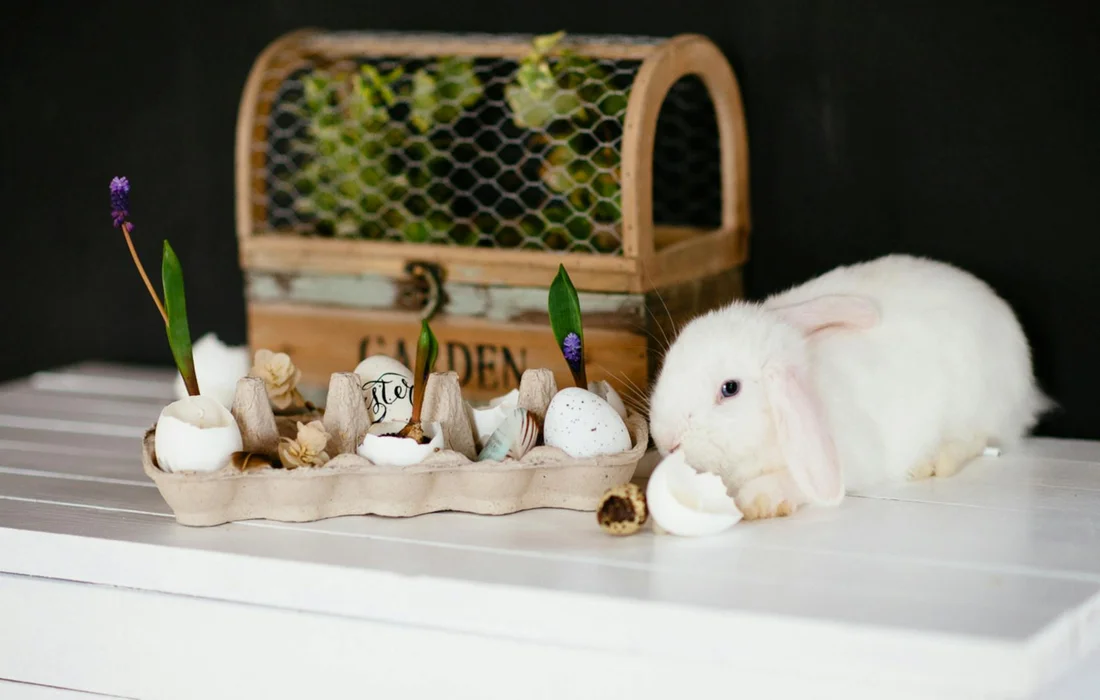
Now that we know what’s on the menu, let’s talk about keeping your prized blooms and bulbs safe. I reckon a bit of clever planning and some good ol’ fashioned barrier work saves a whole heap of heartache come spring. Protecting your garden is less about waging war and more about smart, sustainable stewardship of both your plants and the local wildlife.
Step 1: Choosing the Right Fencing for Garden Protection
If you want a surefire solution, proper fencing is your best friend. Not just any wire will do, mind you. I learned this the hard way one year watching a determined bunny squeeze through what I thought was a tight weave.
You need a barrier with holes no larger than 1 inch to prevent young rabbits from slipping through. Chicken wire often fails this test. Opt for hardware cloth or a specifically welded garden fence with a small mesh.
- Bury it at least 6 inches deep and bend the bottom outward to stop diggers.
- Above ground, your fence needs to stand 2 to 3 feet tall to deter jumpers.
- For single, precious plants like a special daylily clump, a simple cylinder of hardware cloth staked into the ground works wonders and looks tidy.
It’s an upfront cost, but a well-built fence lasts for years. Think of it as building a good pasture fence for your flowers.
Step 2: Using Homemade Plant Deterrents and Repellents
When fencing a whole area isn’t practical, a few homestead remedies can make your garden less inviting. These need refreshing, but they’re thrifty and harmless.
A weekly spray of a cayenne pepper and garlic mixture on plant leaves creates a taste barrier most rabbits will find downright disagreeable. Just remember to reapply after rain.
Scatter human or dog hair from your brushings around the garden’s edge. The scent of a predator often gives them pause. I save my old coffee grounds too, sprinkling them around bulbs; the strong smell and gritty texture seem to discourage investigation.
- Mix 2 tablespoons of cayenne pepper powder with a few drops of natural dish soap and a gallon of water.
- Let it steep overnight, strain, and spray liberally on non-edible plants.
- Combine this with sprinklings of aromatic herbs like lavender or rosemary, which rabbits tend to avoid.
These methods work best as part of a layered defense, not a standalone solution for a hungry bunny.
Step 3: Strategic Planting and Garden Layout Tricks
Outsmarting rabbits sometimes means changing your planting playbook. A little strategy goes a long way in reducing damage and saving your back.
Consider planting your most vulnerable bulbs and perennials in raised beds or containers that are more difficult for rabbits to access. Even an 18-inch lift can be a major deterrent.
Use companion planting to your advantage. Ring your flower garden with plants rabbits typically dislike, such as alliums (ornamental onions), salvia, or catmint. They make a beautiful, smelly fortress. I always interplant my crocus beds with daffodils, as their toxic bulbs repel nibblers, which are among rabbit-proof flowers in the garden.
- Create a “sacrificial” patch of clover or lettuce away from your main garden to divert their attention.
- Keep the area tidy; remove brush piles and tall weeds near the garden that provide cover for rabbits.
- Plant bulbs more deeply than package suggests-an extra 2 inches of soil can hide them from casual foraging.
It’s about working with the land and its creatures, not just against them. A thoughtful layout makes your garden less of an easy target and more of a resilient, thriving space.
Rabbit-Resistant Plants for a Peaceful Homestead Garden
After watching a family of rabbits make a salad bar of my first garden, I knew I needed a smarter plan. You can have a beautiful, productive space without it becoming a rabbit cafeteria by selecting plants they naturally find disagreeable. It’s a thrifty form of coexistence that respects their role on the land while protecting your labor.
Flowers and Ornamentals That Rabbits Usually Skip
Rabbits rely heavily on smell and taste to decide what’s dinner. They’ll often pass right by flowers with strong fragrances, fuzzy textures, or toxic properties. I use these resilient ornamentals as living fence lines and decorative barriers throughout my property. For gardeners exploring rabbit resistant plants and flowers, these options are a solid starting point. Here’s a list of trustworthy varieties that have saved my blooms more than once.
- Daffodils and Alliums: Every part of these bulbs is toxic to rabbits. I plant them in rings around my tender crocus beds, and the difference is night and day.
- Lavender and Catmint: Their intense aromatic oils confuse a rabbit’s nose. These perennials are drought-hardy, saving you water and money.
- Peonies: Their thick, glossy stems and slightly bitter taste make them unappealing. They’re a cornerstone of my cottage garden.
- Snapdragons and Foxglove: Both have a bitter flavor profile. The tall spires add vertical interest that rabbits ignore.
- Bleeding Heart: This shade-loving plant contains alkaloids that rabbits avoid. It’s a graceful filler for wooded garden edges.
Interplanting is your best strategy. I tuck pungent herbs like oregano between my daylilies, creating a scent barrier that masks the more tempting foliage. It’s a trick I learned from my grandmother’s garden journal.
Herbs and Vegetables for Your Garden That Aren’t Rabbit Candy
Your kitchen garden doesn’t have to be a sacrifice. Rabbits crave tender, sweet greens, but they’ll turn their noses up at many robust herbs and vegetables with tough leaves or potent oils. Planting a perimeter of these less-palatable crops creates a natural buffer zone for your susceptible lettuces and beans. Here are my go-to choices for a hassle-free harvest.
- Rosemary, Sage, and Thyme: These woody Mediterranean herbs are packed with aromatic oils. I plant them in full sun near my garden’s entrance-rabbits detour every time.
- Onions, Garlic, and Leeks: Their powerful sulfur compounds repel browsers. I run a row along my garden fence as a fragrant, edible barrier.
- Potatoes and Tomatoes: The foliage of both plants is in the nightshade family and is generally avoided. Just keep those tomato fruits picked so they don’t attract other critters.
- Rhubarb: Those large, toxic leaves are a superb rabbit deterrent. I’ve used it to shield my strawberry patch for years.
- Asparagus: Once established, its ferny, tough foliage holds no appeal. It’s a perennial investment that pays off in spring dinners and rabbit resistance.
Companion planting is a homesteader’s best friend. I always surround my carrot patch with a stiff border of onions, which has cut my rabbit losses to nearly nothing. For a real peace offering, I maintain a small patch of clover away from the garden-it keeps the rabbits content and fertilizes the soil for free.
Toxic Plants: A Crucial Note for Livestock and Rabbit Safety
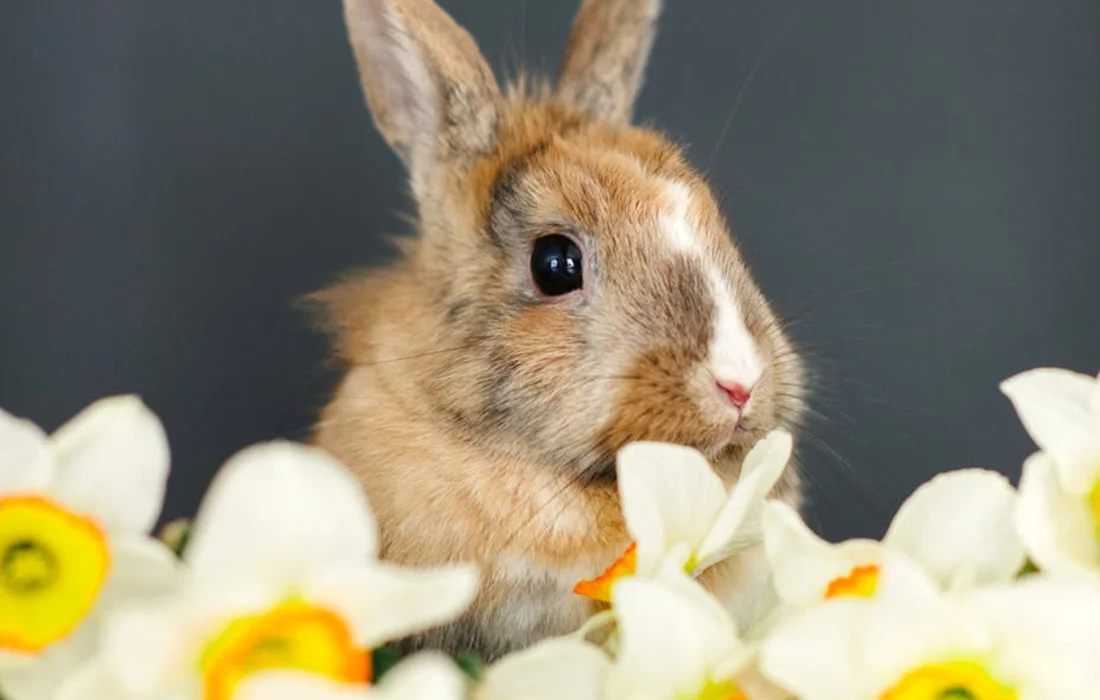
Now, let’s get down to the nitty-gritty, because when it comes to what our critters nibble, ignorance ain’t bliss-it’s a recipe for heartache. Knowing your poisonous plants is as vital as knowing how to mend a fence or store feed for winter. I’ve spent more sunups than I can count walking my pastures, yanking out the bad stuff, a lesson learned hard after a scare with a curious kid goat years back.
Common Toxic Bulbs and Flowers: Your Barnyard Blacklist
That garden beauty might be a barnyard beast. Here’s a plain-talk list of the usual suspects, especially those bulbs and vines folks often ask about.
- Daylilies (Hemerocallis): A double-edged sword! Safe for people, but highly toxic to cats and a genuine concern for rabbits and other small stock. Every part of the plant poses a risk.
- Morning Glories (Ipomoea): Those pretty vines contain alkaloids similar to LSD. In livestock like pigs or chickens, ingestion can lead to neurological disturbances, and it’s no good for bunnies either.
- Crocus (Colchicum autumnale, the “autumn crocus”): This one’s a real killer. The autumn crocus contains colchicine, which can cause severe gastrointestinal shock and organ failure in cows, sheep, and rabbits. Spring crocus varieties are less toxic but still best avoided.
- Other Bulb Bullies: Daffodils, tulips, and hyacinths. Their bulbs are the most dangerous part, packed with compounds that cause salivation, convulsions, and serious gut trouble in everything from geese to goats.
Recognizing Trouble: Signs Your Animal Ate Something Bad
Time is of the essence. If you see any of these signs, suspect poisoning and act fast.
- Sudden loss of appetite or refusal to drink.
- Excessive drooling or frothing at the mouth.
- Severe diarrhea or bloating.
- Lack of coordination, stumbling, or tremors.
- Unusual lethargy or hiding behavior.
Your first call should always be to your veterinarian, not to the internet-have that number posted right by the barn door. I keep a sample of any suspicious plant in a baggie to show the vet; it speeds up diagnosis something fierce.
A Note on Pasture Composition and Forage Safety
This ain’t just about garden escapees. A sustainable pasture is a managed pasture, and that means actively working to crowd out toxic weeds with good grasses and legumes. I reckon for every hour I spend planting clover, I save two worrying over sick animals. For rabbits, whose systems are delicate, even common weeds like buttercups or nightshade can spell disaster in a poorly maintained run.
| Plant | Primary Toxin | Animals Most at Risk | Quick Action Tip |
|---|---|---|---|
| Autumn Crocus | Colchicine | Cows, Sheep, Rabbits | Dig up bulbs; fence off areas in fall. |
| Daylily | Unknown (Lily-specific) | Cats, Rabbits, Poultry | Remove entirely from grazing perimeter. |
| Morning Glory | Indole Alkaloids | Pigs, Horses, Poultry | Cut vines at base; don’t let them climb fences. |
| Daffodil Bulbs | Lycorine | Most Livestock & Rabbits | Store planting bulbs securely away from animals. |
Practical, Thrifty Prevention for the Homestead
Fencing is cheaper than vet bills, and vigilance is free. Here’s my learned-by-doing method for keeping the herd safe.
- Walk the Line Weekly: Make a slow walk around all pens, pastures, and garden edges part of your routine. Look for new sprouts of toxic plants, especially after a rain.
- Feed Them Well: A well-fed animal with access to quality hay, pasture, and feed is less likely to sample questionable greenery out of boredom or hunger.
- Use Physical Barriers: For rabbits, hardware cloth buried around enclosures keeps them from digging up bulbs. For larger stock, a sturdy woven wire fence keeps them out of flower beds better than any electric strand.
- Compost with Care: Never toss garden trimmings from toxic plants into areas where animals can root or peck. My compost pile for this stuff is on the far side of the tool shed, well out of reach.
Stewardship means knowing the land and all that grows on it, not just the parts we planted ourselves. It’s a respect we owe the creatures in our care, ensuring their home is as safe as we can make it.
Closing Thoughts on Rabbits, Bulbs, and Barnyard Coexistence
How does rabbit damage to bulbs affect the rest of my barnyard’s forage?
While rabbits target specific ornamental bulbs, this rarely impacts primary forage for larger livestock like cows or pigs. However, their grazing can reduce beneficial insect habitats and soil cover plants that contribute to a healthy pasture ecosystem for all your animals.
Can my chickens or pigs safely eat the plants that rabbits avoid?
No, this is a dangerous assumption. Many plants rabbits avoid, like daffodils or autumn crocus, are highly toxic to most livestock. You should never use rabbit preferences as a guide for safe chicken, pig, or cattle forage without verifying each plant’s safety specifically for those species.
If I use fencing to protect bulbs from rabbits, will it also keep out my other livestock?
Yes, a properly installed fence designed to exclude rabbits will absolutely contain or exclude poultry and deter larger animals. The small mesh and buried apron needed for bunnies are effective barriers against curious chickens, geese, and even rooting piglets.
Are there any bulbs that are safe and nutritious for both rabbits and other farm animals?
Very few ornamental bulbs are recommended as forage for any livestock. For nutritional grazing, focus on dedicated pasture plants like clover, rye grass, or chicory. These provide safe, high-quality forage for multiple species without the risks associated with decorative bulbs.
What should I do if I see my goats or sheep eating something the rabbits left alone?
Intervene immediately and identify the plant. Rabbits have different digestive systems and tolerances; a plant they ignore could be palatable but toxic to ruminants. Remove the animal from the area and consult a livestock poison database or your veterinarian.
How can I manage rabbits on my property without impacting the food sources for my chickens or geese?
Designate separate zones. Use fencing to create protected garden and bulb areas, while maintaining open, rabbit-tolerant pasture for poultry to free-range. Providing ample quality feed for all your animals reduces competition and discourages rabbits from venturing into your poultry’s primary foraging grounds.
Back to the Pasture
When all’s said and done, the best defense for your flower beds is a good offense in your rabbit’s run. I’ve found the single most reliable way to protect both your prized blooms and your rabbit’s health is to keep them well-supplied with their own tasty, safe greenery, turning their curiosity away from your garden’s dangers. A handful of fresh oat grass or a willow branch to gnaw works wonders for a bored bunny.
I reckon y’all have got this. There’s a special kind of peace that comes from watching your animals thrive and your garden grow, each in their proper place. Here’s to happy rabbits, colorful blooms, and the simple satisfaction of a homestead in good balance.
Further Reading & Sources
- Daylilies:rabbits and daylilies
- Do rabbits eat daylily?
- 10 Rabbit Resistant Proven Winners® Perennials | Walters Gardens, Inc.
Caroline Mae Turner is a lifelong farm girl raised on red clay, early mornings, and the sounds of a bustling barnyard. With hands-on experience caring for everything from stubborn goats to gentle dairy cows and mischievous pigs, Caroline shares practical, tried-and-true advice straight from the farm. Her goal is to help folks keep their animals healthy, well-fed, and living their best barnyard life. Whether you're wrangling chickens or bottle-feeding a baby goat, Caroline brings a warm Southern touch and plenty of real-world know-how to every bucket in the barn.
Feeding Habits