
Rabbits and Marigolds: A Homesteader’s Guide to a Peaceful Garden
Published on: December 16, 2025 | Last Updated: December 16, 2025
Written By: Caroline Mae Turner
Howdy y’all. You’ve spotted your bunny eyeing those bright marigolds, and you’re wondering if you need to mount a defense. The short answer is yes, rabbits can safely nibble marigolds, but only certain types and in careful moderation. I’ve watched my own herd of Rex rabbits investigate my flower beds more times than I can count.
- Knowledge of marigold varieties (which are safe, which to avoid)
- A watchful eye for your garden and your rabbits
- A plan for garden fencing or designated bunny zones
Let’s get this common garden quandary settled so you can get back to your other chores with confidence.
The Straight Answer on Rabbits and Marigolds
Well, y’all, the short answer is yes, rabbits might eat marigolds, but they usually don’t make a habit of it. In my years tending bunnies, I’ve seen a curious youngster take a nibble, only to hop away preferring clover or kale. Most rabbits find the pungent scent of marigolds a bit off-putting, which is why we often plant them as a natural border. But a hungry rabbit with slim pickings will sample just about any tender green, blooms included.
Understanding the Rabbit’s Palate
Think of a rabbit’s digestive system like a delicate, clockwork fermentation vat. It’s built for a steady flow of high-fiber grasses and hays, not rich or aromatic flowers. Their gut health hinges on that consistent, roughage-rich diet to keep everything moving smoothly. I always keep my rabbits’ primary forage at 80% grass hay, which provides the crucial 18-22% fiber their systems crave — especially timothy hay.
What Drives a Rabbit to Nibble?
When a rabbit chews on something like a marigold, it’s usually driven by one of a few simple needs. Boredom in a sparse pen can lead to exploratory tasting. A lack of sufficient hay might push them to seek out other greenery. Sometimes, it’s just plain curiosity about a new plant poking through the fence line. Here’s what gets their attention:
- Hunger or limited access to their usual forage.
- The tender texture of young flower petals and leaves.
- Simple instinct to sample most vegetation in their territory.
Marigold Toxicity and Rabbit Health
Not all marigolds are created equal, and this is where your knowledge as a steward really matters. The common French or African marigolds (Tagetes) contain compounds like pyrethrins, which we use in natural pest sprays. While not severely toxic in a single nibble, these can cause mouth irritation and upset stomach in rabbits. On the other hand, pot marigolds (Calendula officinalis) are generally considered safer and are sometimes used in herbal blends for animals. I reckon the safest path is to assume your garden marigolds are of the Tagetes variety and act accordingly.
Signs of Digestive Distress to Watch For
If your rabbit has sampled too many of the wrong blooms, their system will tell you pretty quickly. You need to watch for any change from their normal, perky behavior. A rabbit with a troubled gut is often quiet, hunched, and uninterested in their favorite treats. Keep a close eye for these specific signs:
- Lethargy or sitting still for unusually long periods.
- A sudden drop in appetite for hay or pellets.
- Soft, misshapen droppings or diarrhea.
- Audible gurgling from the belly or visible bloating.
I learned this the hard way when a clever Netherland Dwarf of mine snuck into the flower bed; a day of monitoring and offering extra hay and water set her right.
Safe Introduction of Garden Flowers
If you want to share your garden’s bounty, doing it safely is all about slow steps and sharp observation. Never just toss a handful of unknown flowers into the hutch. Always introduce just one petal or leaf at a time, and wait a full 24 hours to see how their digestion handles it. Start with known-safe flowers like pansies or roses (minus pesticides) before even considering a marigold. Here’s my barn-tested method:
- Identify the plant precisely. When in doubt, leave it out.
- Wash the flower thoroughly to remove dirt or residues.
- Offer a tiny piece, no bigger than your thumbnail, with their regular meal.
- Monitor their droppings and energy level closely for the next day.
- Only offer more if no signs of distress appear.
This cautious approach respects their delicate constitution and prevents a minor mishap from turning into a vet visit.
Which Parts of the Plant Attract Rabbits?
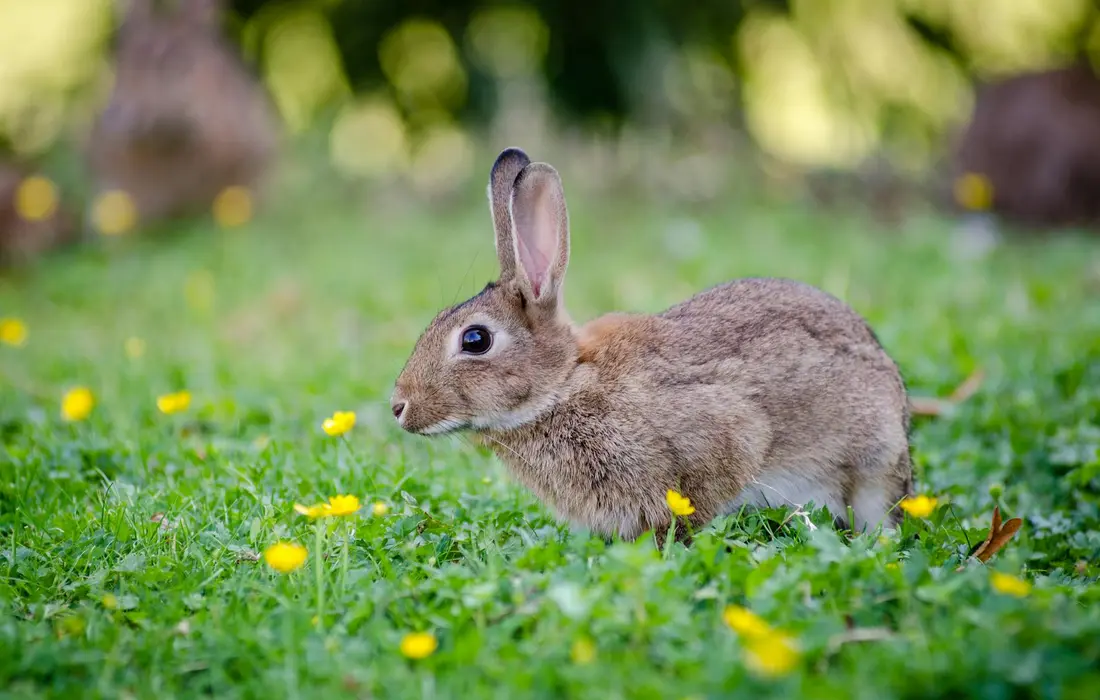
Well, let me tell ya, after decades of watching rabbits in the garden and pasture, I’ve seen their dining habits up close. Rabbits are opportunistic feeders, but with marigolds, it’s a tale of two cravings. Your average bunny will be most attracted to the soft, young leaves and the vibrant flower petals, especially in early spring or late fall when pickins’ are slim.
I reckon it’s all about texture and availability. Those tender leaves mimic the clover and lettuce they adore. If you’ve got a patch of young marigold seedlings, guard them like gold, as rabbits will mow them down overnight.
Here’s the breakdown, from most to least tempting:
- New Growth & Seedlings: This is prime rabbit fare-succulent and easy to eat.
- Open Flower Blossoms: The petals can be a colorful snack, though their strong taste often makes them a last resort.
- Mature Leaves and Stems: These are tougher and more bitter, so rabbits usually pass them by unless starving.
I recall one dry summer where the wild rabbits got bold and sampled everything. They left the rugged, older marigold plants alone but cleaned out my new planting bed. A sturdy fence around young plants is a homesteader’s best friend for sustainable co-existence.
The Truth About Marigold Seeds
Now, about those seeds. In all my years saving seed, I’ve rarely seen a rabbit specifically hunt for dry marigold seeds. They’re simply not a preferred food source. Marigold seeds are small, hard, and lack the moisture and flavor that draws rabbits to other garden treats.
From a safety standpoint, you can breathe easy. Marigold seeds are not considered toxic to rabbits if consumed incidentally in small quantities. I’ve had a few escape artist bunnies in the barn who’ve nosed around dried flower heads with no ill effect.
But listen here, if you’re saving seeds for next season or for bird feed, you’ll want to be thrifty and smart. Here’s my step-by-step method to keep your harvest secure:
- Wait for the flower head to dry completely on the stem-it’ll look brown and shriveled.
- Snip the head and place it in a fine-mesh sieve over a bowl to catch the seeds as you rub it.
- Store those seeds in a labeled, airtight jar kept in a cool, dark cupboard. I use old coffee tins myself.
One time, I left a paper bag of dried marigolds on the porch, and a clever cottontail did investigate. It nibbled the paper but left the seeds. Proper storage protects your future plants and respects the natural curiosity of our wild neighbors without waste.
Physical and Scent Deterrents for Your Garden
So, you’ve got a hankerin’ to protect those marigolds and your vegetable starts from curious bunnies. I reckon a good defense is built on two fronts: what they can’t get through, and what they don’t want to get near. Combining a physical barrier with some strategic smell-based discouragement is your surest bet for a peaceful, productive garden.
Building Effective Physical Barriers
Nothing speaks “keep out” to a rabbit like a well-built fence. They’re diggers and climbers, but only to a point. Your goal is to outthink their natural instincts.
I’ve patched more garden fences than I can count, and here’s what truly works:
- Fencing Material: Use 1-inch or smaller mesh chicken wire. It’s affordable, rugged, and those little noses can’t squeeze through.
- Fence Height: Build it at least 2 feet tall. A spry rabbit can jump, but a 2-foot barrier makes them think twice and look for easier pickings elsewhere.
- The Critical Buried Edge: This is your secret weapon. Bend the bottom 6 inches of the fencing outward away from the garden and bury it a few inches deep. This foils their digging attempts every single time.
- Support Structure: Don’t just staple flimsy wire to skinny stakes. Use sturdy wooden posts or T-posts every 4-6 feet to keep the fence from sagging or blowing over in a storm.
For smaller plots or individual plants, I’ve had great luck with simple hardware cloth cloches. A cylinder of half-inch hardware cloth placed over a tender plant is a fortress those critters will swiftly abandon.
Natural Repellents and Companion Planting
Beyond the fence line, you can wage a gentler war on their senses. Rabbits rely heavily on their nose, and certain smells send a clear “danger” or “bad meal” signal.
Around my barnyard garden, I plant a defensive perimeter. This isn’t just folklore; it’s strategic placement based on what I’ve watched them avoid for years.
- Onions, Garlic, and Chives: Alliums are your best friends. Their strong scent masks the appealing aroma of your marigolds and lettuce. Plant them as a border.
- Strong-Herbed Sentries: Rosemary, thyme, oregano, and sage are rarely on a rabbit’s menu. Their pungent oils are a natural deterrent.
- Marigolds Themselves: While rabbits might sample them, the strong scent of marigolds can actually help mask your more prized vegetables. Think of them as a fragrant, sacrificial buffer zone.
Sprinkling crushed red pepper flakes or dried blood meal around the garden’s edge can work for a time, especially after a rain. Remember, consistency is key with scent repellents; you must reapply them regularly to keep the message clear to those long-eared visitors.
Creating a Rabbit-Friendly Forage Zone
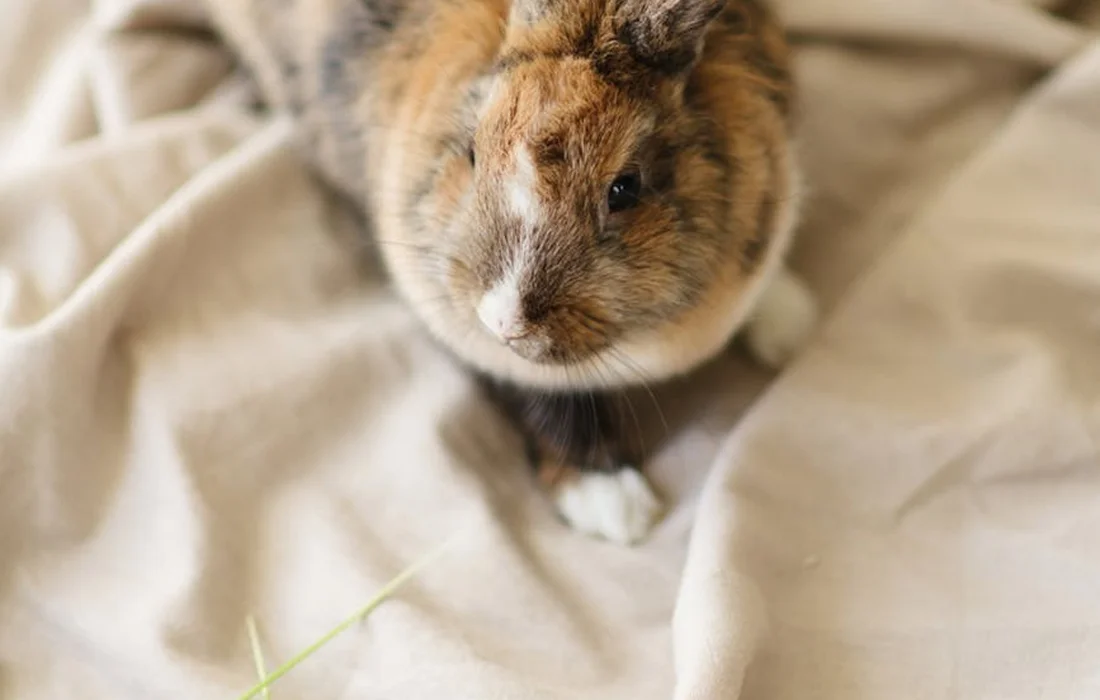
If you’ve got rabbits sharing space with your other livestock, or even in their own tractors, a dedicated forage zone is a game-changer. It keeps them busy, supplements their diet, and satisfies that natural urge to nibble. If you’re curious whether rabbits forage in your yard, lawn, or garden, a quick foraging guide can help. By planting what they love in a controlled area, you protect your prized flower beds and vegetable garden from becoming an all-you-can-eat buffet. I’ve fenced off a sunny strip along my chicken run just for this purpose, and it’s saved my sanity and my snapdragons.
Safe and Nutritious Plants for Rabbits
Rabbits have discerning palates, and offering variety is key to good health. Think beyond just grass. This list focuses on hardy, easy-to-grow plants that’ll thrive alongside your barnyard, including sage, comfrey, sorrel, and other garden herbs.
- Herbs: Mint, basil, cilantro, dill, and oregano. These are powerhouses of flavor and nutrients, and most are naturally pest-deterrents. My rabbits go wild for a handful of peppermint.
- Leafy Greens: Dandelion greens, plantain, chicory, and endive. Don’t fight the dandelions in your pasture-harvest them! They’re free, packed with vitamins, and rabbits adore them.
- Garden Tops: Carrot tops, radish greens, and beet greens. Before you toss those trimmings to the compost, offer them to your bunnies. It’s the very definition of thrifty stewardship.
- Flowers: Roses (petals and leaves, pesticide-free), sunflowers (leaves and stalks), nasturtiums (flowers and leaves), and daylilies (flowers only). Always introduce new flowers slowly, just a petal or two at first, to ensure they don’t cause any digestive upset.
Integrating Flowers into a Livestock Landscape
Your whole homestead can benefit from strategic flower planting. It’s not just about looks; it’s about function. I plant in rings around fruit trees and in borders along my pasture fences.
For a rabbit-friendly zone near your coop or barn, consider a three-tiered approach. Start with a backbone of perennial herbs like lavender and rosemary at the back-rabbits usually leave these strong aromatics alone, but they attract beneficial insects. In the middle, plant your rabbit-safe annuals like nasturtiums and sunflowers. At the front, let some clover and dandelions naturalize. This layering creates a biodiverse patch that supports pollinators, provides forage, and builds soil health, all while looking right pretty. It’s part of a comprehensive strategy for rabbit-safe gardening.
Remember, the goal is harmony. By giving your rabbits their own designated salad bar, you protect your marigolds and your tomatoes. Everybody wins, and the whole farm thrives on that careful balance. I reckon that’s what good husbandry is all about.
A Quick Guide to Common Flower Safety
Walkin’ through any garden, it’s a rainbow of petals and leaves. But for a rabbit, that’s not just decoration-it’s a potential lunch buffet. Knowing which blooms are a treat and which are a threat is the cornerstone of good, responsible husbandry. I keep a mental list, born from years of watching what the bunnies sneak and what they wisely avoid.
Safe & Savory Blooms (The Green Light List)
These are the flowers you can breathe easy about. They’re not just non-toxic; many are downright nutritious and enjoyed by our hoppy friends.
- Marigolds: The star of our show. Every part is safe-petals, leaves, stems. My rabbits seem to prefer the vibrant petals, which add a pop of color to their feed dish.
- Roses: All true roses are safe, petals and hips. Just be sure they’re from your garden, not a florist, to avoid chemical sprays.
- Sunflowers: The petals are a delightful snack. I often toss a few heads in after the seeds are gone for the birds; the rabbits nibble the remaining florets clean.
- Nasturtiums: A fantastic, peppery double-duty plant. Entirely edible for bunnies (and you!).
- Pansies & Violas: Sweet, mild, and perfectly safe. These are a gentle introduction to flowers for younger rabbits.
Dangerous & Toxic Blooms (The Absolute No-Go List)
Some plants carry defenses that can cause serious illness or worse. When in doubt, keep it out of the hutch. This list isn’t exhaustive, but it covers the most common culprits I see in homestead flower beds.
- All Bulbs: Daffodils, Tulips, Hyacinths, Iris. The bulbs themselves are the most toxic part, but I don’t risk any part of these plants.
- Foxglove & Lily of the Valley: Beautiful but deadly. These affect the heart. Never allow access.
- Oleander & Rhododendron/Azalea: Every single part of these common shrubs is highly toxic. A few leaves can be fatal.
- Buttercups: Those cheerful yellow wildflowers can cause mouth blisters and digestive upset.
- Larkspur & Delphinium: Another group that’s trouble through and through, related to other toxic plants like monkshood.
My rule of thumb is simple: if I didn’t plant it specifically as animal fodder or know its name for certain, it doesn’t go to the rabbits. A little caution in the garden prevents a lot of heartache later on. There are plenty of rabbit-resistant plants and flowers that stay beautiful without becoming snacks. I’ll touch on a few of those options in the next steps.
Closing Tips for a Peaceful Barnyard Coexistence
Do rabbits eat marigolds in the garden alongside chickens or pigs?
Yes, a rabbit might sample marigolds in a shared garden space, especially tender seedlings. However, their strong scent often makes them a less preferred choice compared to common weeds or vegetable scraps that also attract poultry or pigs. It’s wise to use low fencing to protect young flower beds from all your curious livestock.
Can rabbits eat marigolds in the winter when other forage is scarce?
In winter, a hungry rabbit is more likely to try marigolds, but dried, frost-killed Tagetes marigolds offer little nutritional value and could cause irritation. It’s far better to provide extra hay and approved winter greens like kale or carrot tops to keep their digestive systems healthy during cold months.
What does “rabbits marigolds eating” advice on Reddit typically get wrong?
Common online forums often blur the critical line between safe Calendula (pot marigold) and potentially irritating Tagetes (French/African) varieties. Always verify the specific plant type with a reliable source or photo before offering any to your rabbits, as their delicate systems can’t handle the pyrethrins in common garden marigolds.
Do rabbits eat marigolds and zinnias equally, or do they prefer one?
Given a choice, rabbits often find young zinnia leaves and stems more palatable than the pungent marigold. They are likely to decimate zinnia seedlings first. Planting both as a colorful border can still be effective, as the marigold’s scent may help mask the more appealing zinnia from casual browsing.
Can rabbits eat marigolds seeds if mixed into chicken scratch?
While not toxic, marigold seeds are not a recommended food source. If a rabbit incidentally consumes a few seeds from spilled scratch, it’s unlikely to cause harm, but their primary diet should never be replaced with bird feed, especially for seeds like flax, safflower, or sesame. Store seeds securely to prevent spoilage and unwanted mixing of feeds.
If rabbits eat marigold leaves, should I be worried about my other livestock?
Primarily, concern is for the rabbit due to potential stomach upset. Rabbits tend to avoid certain rabbit-proof flowers and plants. Knowing which ones they avoid can guide your plant choices. For larger animals like goats, cows, or pigs, a small, incidental bite of marigold foliage is generally not a significant issue. The best practice is to fence off ornamental gardens to protect both the plants and all your animals from unsuitable foraging.
Shutting the Gate
So, can rabbits eat marigolds or other garden plants? The garden gate is open. With the right, safe varieties, a thoughtful introduction, and a watchful eye, those golden blooms can be a cheerful part of your rabbit’s world. The final, most important husbandry tip I can give you is to always let variety and moderation be your guides, and to trust your own observations of your animal above all else. What works in my pasture for my calm old doe might be different for your lively young buck, and that’s the beautiful, personal dance of husbandry.
I reckon that’s about all from my corner of the farm today. I hope this helps y’all feel confident as you watch your bunnies hop and your marigolds grow. There’s a special kind of peace found right there, in the simple, careful tending of living things. Now, go enjoy your critters and your garden. If you need me, I’ll be on the porch with a sweet tea, watching my own rabbits debate the merits of the latest nasturtium harvest.
Further Reading & Sources
- Battling Bunnies in the Garden – Northern Gardener
- Can I keep rabbits out of my vegetable garden by planting marigolds around the perimeter? | Yard and Garden
- Do Marigolds repel rabbits in vegetable beds?
Caroline Mae Turner is a lifelong farm girl raised on red clay, early mornings, and the sounds of a bustling barnyard. With hands-on experience caring for everything from stubborn goats to gentle dairy cows and mischievous pigs, Caroline shares practical, tried-and-true advice straight from the farm. Her goal is to help folks keep their animals healthy, well-fed, and living their best barnyard life. Whether you're wrangling chickens or bottle-feeding a baby goat, Caroline brings a warm Southern touch and plenty of real-world know-how to every bucket in the barn.
Feeding Habits