Onion Toxicity in Pigs and Guinea Pigs: Your Barnyard Safety Guide
Published on: February 7, 2026 | Last Updated: February 7, 2026
Written By: Caroline Mae Turner
Howdy y’all. Let’s settle this right now: Onions, and all their relatives in the allium family, are poisonous to pigs and guinea pigs and should never be offered, even as a tiny treat. I know it’s tempting to toss those leftover peelings or that last bit of casserole to a grateful hog, but trust me on this one from hard-won experience.
- A keen eye for kitchen scraps.
- A mental list of safe, favorite vegetable treats.
- Your veterinarian’s number handy, just in case.
Stick with me, and we’ll get this whole onion business sorted clear so you can get back to your chores with peace of mind.
Why Onions Spell Trouble for Your Trough
Let’s have a neighborly chat about feedin’ from the kitchen. I know the temptation well-you’re preppin’ supper and have a handful of onion peelings or that last bit of cooked leek. It feels right to share, to not let it go to waste. I reckon we’ve all been there. But when it comes to pigs and guinea pigs, that kindness can lead to a heap of trouble.
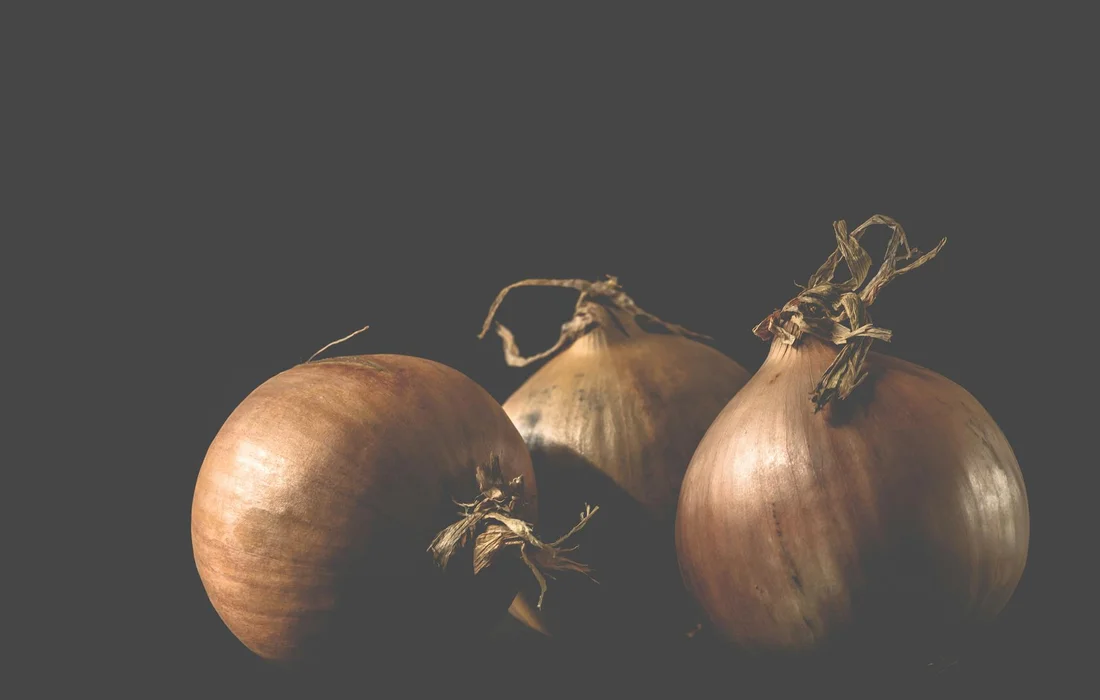
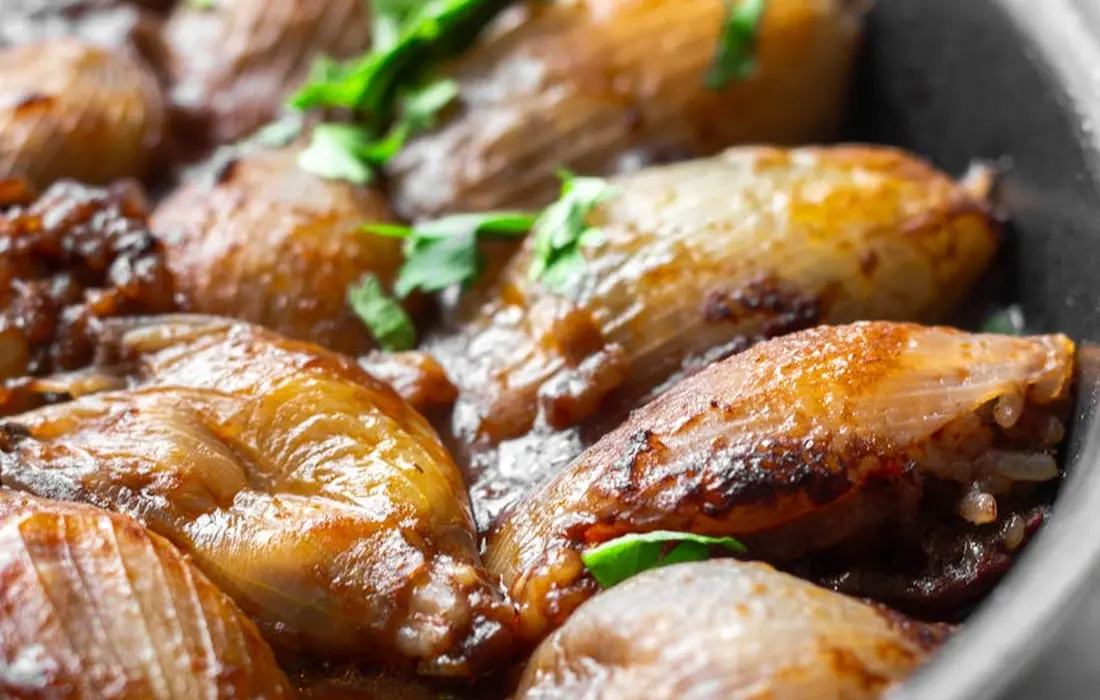
Here’s the straight talk: every plant in the Allium family is downright toxic to these animals. That means onions, garlic, leeks, chives, scallions, and shallots. It doesn’t matter if they’re raw, cooked, powdered, or dehydrated; the danger remains. My own barnyard rule, born from a close call years ago, is simple: “If it makes you cry, it doesn’t go in the sty.” It’s a plain reminder that keeps my critters safe.
How Onions Harm Your Animal’s Health
The Toxic Culprits Inside an Onion
Onions contain nasty little compounds called organosulfoxides. When your animal chews them, these turn into a fleet of reactive sulfur substances like N-propyl disulfide. Think of these as tiny wrecking balls loose in the bloodstream. Rabbits in particular should steer clear of onions, including those that sneak into spring greens or wild onion varieties. Even a small bite can cause toxicity in these sensitive animals.
Their target is the red blood cell. They cause oxidative damage, punchin’ holes in the cell’s defenses and making it fragile. This creates “Heinz bodies,” which are basically clumps of damaged protein stuck to the cell. The spleen, that diligent filter, then spots these damaged cells and yanks them out of circulation far before their time. This destruction is called hemolytic anemia, and it leaves your animal starved for oxygen.
To make matters worse, some of these compounds can also cause methemoglobinemia. That’s a fancy word for gumming up the works so the blood’s iron can’t carry oxygen properly either. It’s a double insult that a body just can’t cope with for long.
Recognizing the Signs of Onion Poisoning
The tricky part is that signs might not show up for three to five days after they’ve eaten the offending scrap. You have to be a keen observer. Watch for these symptoms, which often progress from bad to worse.
- Gastrointestinal signs: Pigs may vomit. Both pigs and guinea pigs can have diarrhea, bad gas, or just turn their nose up at their feed entirely.
- General malaise: They’ll look off. You’ll see weakness, profound lethargy, and a general reluctance to move or get up. That lively piglet will just want to lie down.
- Signs of anemia: This is the red flag. Check their gums and inner eyelids-they’ll be pale, even white. You might see jaundice, a yellow tinge to the skin, gums, or the whites of the eyes. Their urine can turn a dark red or brown from the broken-down blood cells.
- Respiratory distress: As their body screams for oxygen, their breathing becomes rapid and shallow (dyspnea). Their heart will race (tachycardia) trying to pump what good blood is left faster. This is a critical stage.
Time is of the essence if you see these signs, especially the pale gums or trouble breathing; your vet is your immediate next call. Don’t wait to see if they “snap out of it.” The damage is internal and progressive.
Immediate Action: What to Do in a Suspected Poisoning
Now, if you suspect one of your pigs or guinea pigs has munched on onions, take a deep breath. I’ve had my share of barnyard scares, and a steady hand makes all the difference. Your calm and quick response is the first line of defense for your animal’s well-being, especially when dealing with toxic plants and weeds in forage.
-
Step 1: Remove any remaining onion material immediately. Get in there and clear out all the scraps, peels, or plants from the feeder, pen, or yard. A thorough sweep now can prevent a whole heap of trouble later.
-
Step 2: Do NOT induce vomiting unless specifically instructed by a vet. I reckon this goes against instinct, but forcing vomiting can lead to choking or worse. Always let your veterinarian make that call based on the specific situation.
-
Step 3: Call your veterinarian or an emergency animal poison hotline immediately. Time is critical. Don’t wait to see if symptoms appear. I program these numbers into my phone and stick a list on the fridge-because in a crisis, you don’t want to be searching.
-
Step 4: Be prepared to tell the vet what was eaten, how much, and when. Try to recall if it was raw, cooked, or just the tops, and estimate the amount. This precise information helps your vet gauge the severity and plan treatment faster.
-
Step 5: Follow veterinary instructions for transport or care while waiting. They might advise keeping the critter quiet or wrapping them for warmth. Listen close and do exactly as they say; this is when your partnership with your vet really matters.
How Vets Diagnose and Treat Onion Toxicity
When trouble comes to the barnyard, a good veterinarian is worth their weight in gold. I’ve made that drive to the clinic more times than I care to count, holding a sick critter in my lap. Diagnosing onion poisoning is a bit like detective work, piecing together clues from what you saw and what they see inside your animal.
Getting a Diagnosis
First thing your vet will do is ask you a heap of questions. You’re their best witness.
- History of Exposure: They’ll need to know what the animal got into, how much they might have eaten, and how long ago it happened. Did they root through the compost pile? Get into the kitchen scraps? Your honest account sets the course.
- The Physical Exam: Those skilled hands will check every inch, but they’ll pay special mind to the gums and inner eyelids. They’re looking for that tell-tale paleness, a sign the blood’s losing its red power. They’ll listen close to the heart and lungs, too, which will be working overtime if oxygen is scarce.
- Blood Tests Tell the Tale: This is how they confirm the case. They’ll draw blood and check the Packed Cell Volume (PCV), which measures the percentage of red blood cells. A low PCV means anemia. Under the microscope, they might even spot Heinz bodies-little damaged bits on the red blood cells that are a hallmark of this toxicity.
The Road to Recovery: Treatment Options
Now, here’s the hard truth we learned with a little guinea pig named Pip: there is no magic potion or direct antidote for onion toxicity (especially in cases where goats consume them, as explained in our Allium plant toxicity guide). The goal of treatment is to support the body’s own healing machinery while it works day and night to build a fresh supply of healthy red blood cells.
- Supportive Care is Everything: This often means intravenous fluids to flush the system and maintain hydration. If the animal is really struggling to breathe, they may need oxygen therapy. Good, nourishing food and a quiet, warm place to rest are just as vital as anything in a syringe.
- When Things Get Severe: In a bad case where the anemia is life-threatening, a blood transfusion might be the only hope. This is a serious and costly step, but it can buy the precious time the bone marrow needs to catch up. They may also use certain medications or supplements to support blood cell production.
- The Long Climb Back: Prognosis hangs entirely on two things: the dose and the clock. A tiny nibble caught early often leads to a full recovery. A massive ingestion or one discovered days later has a much grimmer outlook. Guinea pigs, with their delicate constitutions, are often in a tougher spot than a hearty hog.
Treatment is a testament to patience. Recovery isn’t measured in hours, but in days or even weeks, as you watch the color slowly return to their ears and snout. It’s a powerful reminder that our job is often about creating the right conditions for healing, then getting out of the way and letting nature do its steadfast work.
Smart Prevention in the Barnyard and Kitchen
Stopping trouble before it starts is the mark of a good steward. With onion toxicity, your best defense is a smart offense in how you handle food and waste around your animals, especially when it comes to feeding chickens onions or any related scraps.
Safe Feeding Practices for Pigs and Guinea Pigs
Your kitchen scraps can be a treasure for your animals, but they can also hide a silent threat. I always say, when in doubt, leave it out, and that’s doubly true for the allium family.
- The poison in onions works slow and steady, building up in your animal’s system with every tiny bite. It ain’t about a single large meal. Those leftover bits from soups, gravies, or even the seasoning on your fried potatoes can be a real problem when fed repeatedly. I’ve seen a guinea pig show signs after weeks of getting “just a taste” of kitchen scraps.
- Your “Do Not Feed” list needs to be absolute and include every form these vegetables take. That means no raw, cooked, dehydrated, or powdered onion, garlic, leek, chive, or shallot. Not even a little. Once watched a neighbor’s pig root up a wild garlic bulb, and it was a swift reminder that nature’s pantry isn’t always safe.
- Get in the habit of turning over every package and scrutinizing every ingredient list. Commercial pig pellets, dog food used as a supplement, or packaged treats often contain onion or garlic powder for flavor. Your leftover lasagna or canned soup might too. A thorough check is a free and simple habit that safeguards your stock.
Secure Storage and Composting
A pig’s snout and a guinea pig’s curiosity are powerful things. If you don’t secure your waste, you’re inviting trouble right into their living space. Pigs are omnivores, and their flexible digestive system drives their curiosity about a wide range of foods. This helps explain why they often sample various things around them.
- Keep onion sacks, peeling bowls, and any food prep waste locked up tight and far from your animal pens. For pigs, I reckon a sturdy, latched bin is non-negotiable-they’re clever escape artists when food is involved. My own barn rule is to treat onion scraps like I would rat poison: completely inaccessible.
- Never compost onion or garlic tops and skins in an open pile that your animals can access. A rooting pig will make a beeline for it, and free-ranging guinea pigs might nibble. I maintain a separate, fenced-off compost area just for kitchen alliums, well away from where my critters roam and forage.
Healthy and Safe Flavor Alternatives
Do not fret that banning onions from the bucket leaves your meals lackin’. I have turned many a kitchen scrap and garden surplus into joyous, safe feasts for my animals, and it is a simple pleasure that deepens your bond with them. Variety is the spice of life, but for pigs and guinea pigs, we must be mighty particular about which spices we use, especially when it comes to toxic and forbidden foods for pigs.
For your hogs, think robust, sweet, and hydrating. Offering a mix of textures and tastes satisfies their rooting instinct and keeps them contentedly busy. Here are my tried-and-true, farm-stand favorites that have never caused a stir in the sty.
- Carrots: These orange sticks are a crunchy treasure. I grow a long row just for the pigs-they are packed with vitamins and make a fine, enriching chew.
- Pumpkins: After the autumn decorations come down, those pumpkins find their true purpose. The flesh and seeds are excellent for digestion, and watching a pig nose through one is pure entertainment.
- Cucumbers: On a scorchin’ afternoon, a cool cucumber is better than any fan. They are mostly water, which helps keep your pigs hydrated without extra cost.
- Cooked Sweet Potatoes: Always serve them cooked, never raw. A soft, mashed sweet potato is a beloved source of energy and vitamins. I often bake a batch with my own supper.
- Fresh Herbs like Basil or Mint: A handful from my window sill herb garden adds a lovely aroma. Mint, in particular, seems to settle their stomachs, and it grows like a weed for free.
For your guinea pigs, crisp and leafy is the rule. Their delicate guts require gentle introductions, so always start with a small piece of any new food and watch for a day. These greens have passed muster in my hutches for years, unlike some uncommon fruits and veggies that might upset their stomachs.
- Bell Peppers: The red and yellow varieties are sweet and bursting with Vitamin C, a nutrient they desperately need. I remove the seeds and white pith first for easy eating.
- Cilantro & Dill: These aromatic herbs are usually devoured with gusto. They provide a flavor punch and essential nutrients without any risk.
- Cucumber: A thin slice or two offers a hydrating crunch. It is a perfect treat for a warm day and helps clean their teeth naturally.
- Carrot Tops: Never discard those beautiful green fronds! My guinea pigs consider them a delicacy. This is the very definition of thrifty, sustainable stewardship.
- Romaine Lettuce: This is a staple green in my kitchen. It has good nutritional value and moisture, far superior to the pale, watery iceberg.
With all these wonderful options, hold this truth close. These vegetables and herbs are treats and supplements, never the main course. The unshakable foundation for any healthy pig or guinea pig is a plain, high-quality feed made specifically for their species. I reckon that balanced pellet or mix is like the pilings of a good barn-everything else you add is just weatherboarding.
Closing Questions
What are the primary toxic compounds in onions for pigs and guinea pigs?
Onions contain organosulfoxides, which metabolize into reactive sulfur compounds like N-propyl disulfide. These substances cause oxidative damage to red blood cells, leading to life-threatening anemia.
What are the clinical signs of onion toxicity in pigs and guinea pigs?
Early signs include gastrointestinal upset such as vomiting or loss of appetite. As toxicity progresses, animals show weakness, pale gums, and potentially dark urine or labored breathing from anemia. If you notice your rabbit is not eating, it’s crucial to seek veterinary help immediately.
What is the toxic dose of onions for pigs and guinea pigs?
No specific safe threshold exists; toxicity can occur with even small, repeated exposures. Since individual sensitivity varies, complete avoidance is the only reliable safety measure.
How is onion toxicity diagnosed in pigs and guinea pigs?
Diagnosis relies on a history of allium exposure, a physical exam checking for pale mucous membranes, and blood tests to detect anemia and Heinz bodies on red blood cells.
What is the treatment for onion toxicity in pigs and guinea pigs?
Treatment focuses on supportive care, including IV fluids and oxygen therapy, with blood transfusions in severe cases. Recovery depends on supportive management as there is no direct antidote.
How can onion toxicity be prevented in pigs and guinea pigs?
Prevent access by never feeding any allium-containing scraps and securing compost bins. Consistently read labels on commercial feeds or treats to avoid hidden onion or garlic powder.
Back to the Pasture
When the supper scraps head toward the bucket, just pause a moment. Cast a watchful eye over what’s headed to your pigs and guinea pigs. That simple, daily habit of mindful scrutiny is your strongest fence against trouble. Your most powerful tool isn’t a fancy remedy; it’s the practiced habit of knowing exactly what goes into your animals’ troughs and pens. Stewardship means being their first line of defense, every single day.
I’m mighty grateful y’all stopped by to share a cup of coffee over this important bit of husbandry. Now go enjoy the good life-the sound of contented grunts, the sight of your garden, and the peace that comes from caring for your critters well. From my homestead to yours, take care.
Further Reading & Sources
- Can Guinea Pigs Eat Onions? Expert Answers & Advice
- Toxic Foods for Guinea Pigs – GuineaDad
- Vegetables – Poisonous Onions – Guinea Pig Cages
Caroline Mae Turner is a lifelong farm girl raised on red clay, early mornings, and the sounds of a bustling barnyard. With hands-on experience caring for everything from stubborn goats to gentle dairy cows and mischievous pigs, Caroline shares practical, tried-and-true advice straight from the farm. Her goal is to help folks keep their animals healthy, well-fed, and living their best barnyard life. Whether you're wrangling chickens or bottle-feeding a baby goat, Caroline brings a warm Southern touch and plenty of real-world know-how to every bucket in the barn.
Special Needs