Pea Variety Safety Guide for Guinea Pigs: Feed Your Flock Without Fret
Published on: February 24, 2026 | Last Updated: February 24, 2026
Written By: Caroline Mae Turner
Howdy y’all. Staring at a pile of peas and wondering which won’t upset your guinea pig’s delicate tummy is a chore nobody needs. Fresh or frozen green peas are your safe bet, offered raw and in modest amounts-think a pea or two per pig-as an occasional garden treat. I’ve fed my own herd this way for years without a hitch.
What you’ll need:
- Fresh or frozen green peas (avoid canned or dried)
- A minute to wash and pat them dry
- A keen eye for portion control
Let’s sort your pea pantry quick, so you can mosey on back to the rest of your homesteading list.
Understanding Pea Varieties for Your Guinea Pig
Safe Pea Varieties: Garden, Snow, and Snap Peas
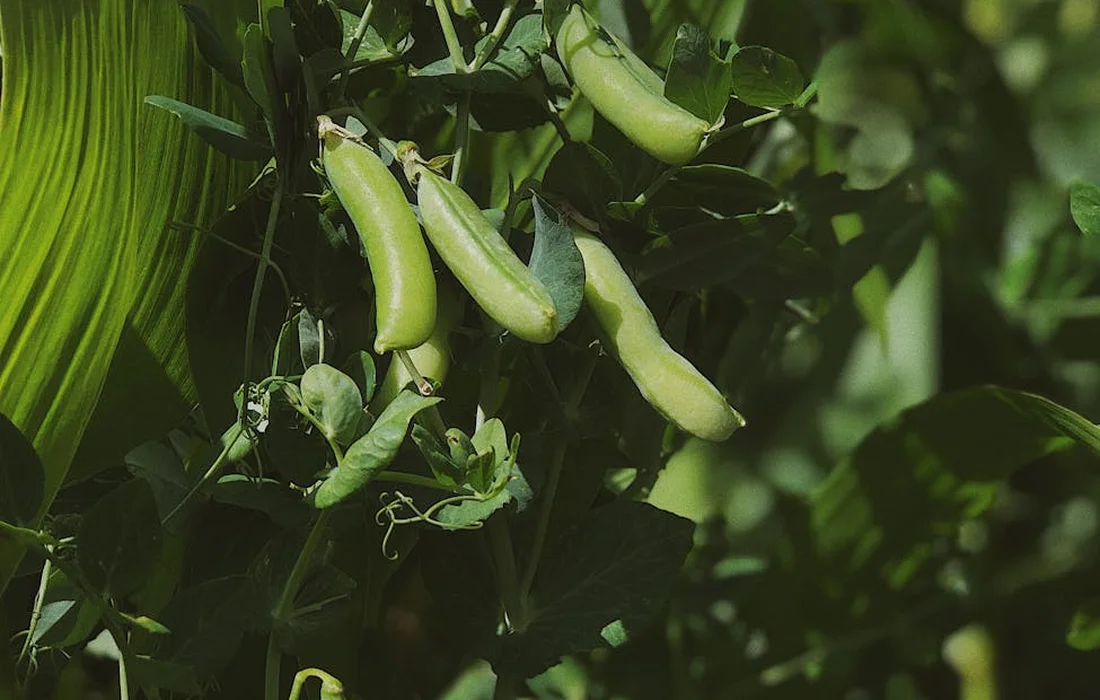
Out in the garden, I reckon most fresh peas are a wholesome treat for your guinea pig. I’ve shared ’em with my barnyard crew for decades, and those little fellas always perk up for a green bite. You can confidently offer garden peas, snow peas, or snap peas fresh from the vine, as all are non-toxic and safe when prepared right. Let’s walk through each one so y’all know what you’re pickin’.
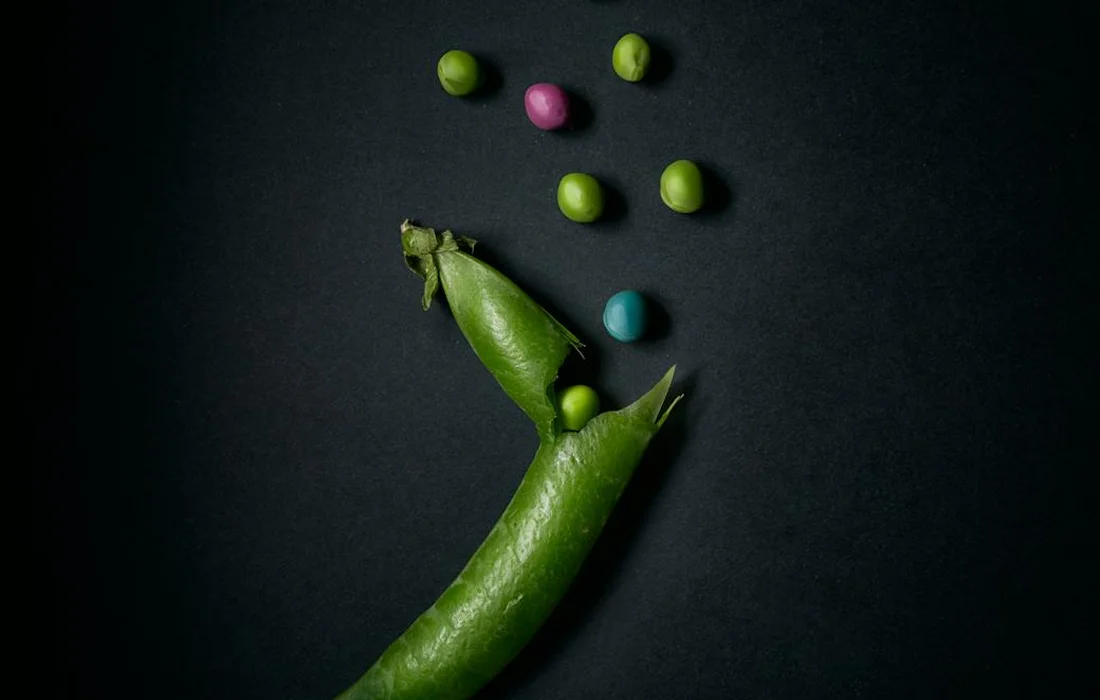
- Garden Peas (English Peas): These are the classic shelling type. You pop open that pod and scoop out the sweet, round seeds inside. I give my guinea pigs a few of these emerald gems as a vitamin C boost, since they can’t produce it themselves.
- Snow Peas: Recognizable by their flat, tender pods with barely-there seeds. The entire pod is edible and crisp. After I thin my row, I’ll often hand-feed a pod or two to the guinea pigs-they’re a favorite.
- Snap Peas: My go-to for a quick snack, right off the plant. These have a plump, sweet pea inside a crunchy, edible pod. Both parts are perfectly safe, and I’ve noticed they provide a nice bit of fiber for digestion.
Serve ’em raw and fresh, never cooked. Always wash peas under cool water to remove any garden dust or residue, just like you would for your own supper. A clean treat is a safe treat for your delicate critters.
Parts to Avoid: Seeds and Dried Peas
Here’s where we separate the safe from the risky. While fresh peas are fine, their dried counterparts are a different story. I remember once some dried peas spilled in the feed room, and I was mighty glad the guinea pigs weren’t around. Dried peas and concentrated seed packets pose real dangers like choking hazards and digestive impaction because they’re hard and can swell in the gut. A guinea pig’s system is designed for moisture-rich foods.
Stick to the fresh, juicy versions. Never offer pea seeds from a planting packet, canned peas loaded with salt, or any dry legume mix meant for soups. Their tiny teeth and sensitive stomachs handle fresh, hydrated fare best, so keep it simple and natural.
The Safe Parts of a Pea Plant: From Pod to Leaf
Edible Pods and Non-Toxic Leaves
Your pea patch can offer more than just the peas themselves. When I’m tendin’ my vines, I set aside the tender trimmings for the guinea pigs. Fresh pea pods, the young growing tips of the vine, and delicate pea shoots are all safe, non-toxic parts your critter can enjoy. They add variety and valuable nutrients to a diet built on hay.
- Whole Pods: For snow and snap peas, the entire pod is fair game. Even young garden pea pods can be offered if they’re soft and pliable-just remove the tough strings first.
- Vine Tips: The last few inches of a healthy, growing pea plant are leafy and soft. I snip these off and watch my guinea pigs nibble with delight.
- Pea Shoots: Those vibrant sprouts grown for salads are a powerhouse of nutrition. A small handful makes a fantastic, occasional green treat.
No matter where they come from, a good wash is non-negotiable. Give all plant parts a thorough rinse under running water to wash away any potential pesticides or contaminants, safeguardin’ your pet’s health. It’s a small step for a big peace of mind.
Caution with Mature Plants and Stems
Now, don’t go feedin’ the whole, old plant. There’s a line between a treat and a trouble. Tough, fibrous stems and woody, mature parts of the pea plant can cause serious digestive blockages in guinea pigs. Their bodies aren’t made to process that much roughage.
Use the snap test as your guide. If a stem or vine tip snaps cleanly with little pressure, it’s tender enough; if it bends and is stringy, it’s best tossed to the compost heap. I’ve seen the discomfort a wrong piece can cause, and it’s a lesson in careful selection. Keep their meals gentle for happy, healthy digestion.
How to Feed Peas: Portion Size and Frequency
Now, let’s talk about the how-to. It’s mighty easy to love a treat into a problem, and with these little fellas, their sensitive systems demand our restraint. The golden rule for peas is simple: think of them as a special Sunday supper, not the everyday cornbread. I learned this the hard way years back with a pot-bellied pig who’d do anything for apples; too many led to a bellyache I wouldn’t wish on any critter.
Step-by-Step Feeding Tips for Moderation
- Wash those peas under a good stream of cool water, just like you would your garden lettuce. This removes any field dust or residues.
- Offer peas as a weekly treat, not a daily staple. Once, maybe twice a week is the ceiling I stick to in my barn.
- Limit the portion to 1-2 small, fresh peas per guinea pig per serving. That’s it. A whole pod with multiple peas inside is often too much for one sitting.
- Watch them close for the next day. Any change in their droppings or energy level is your first clue you need to pull back.
This careful approach lets your guinea pig enjoy the variety without overloading their gut with sugars or those tricky oxalates that can bother their urinary tract over time. Some greens that are fine for people can upset a guinea pig’s stomach, so double-check each item before sharing. What’s tasty for humans isn’t always safe for tiny herbivores, so keep a guinea pig–diet safety guide handy. You’re sharing a bite of your garden’s bounty, not filling their feed bowl.
Signs You’re Overfeeding: Watching for Trouble
These animals speak with their behavior and their droppings. You have to be a keen observer. If you’re giving too many peas, the signs will come quick.
- Soft stools or diarrhea: This is the most common red flag. Their digestion is telling you plain as day it’s too rich.
- A noticeable drop in appetite for their vital hay and pellets. Why eat your vegetables when you’ve had dessert?
- Lethargy or a hunched posture can signal discomfort or the beginnings of bloat, which is a serious matter.
- Little to no urine output or squeaking while urinating. This is where those oxalates come in; in excess, they can contribute to urinary sludge or stones.
If you see any of these signs, halt all treats immediately, ensure unlimited hay and fresh water, and let their system reset. A return to normal usually happens within a day if you’ve caught it early. Stewardship is about reading the subtle signs and acting with kindness, not just following a schedule.
Nutritional Breakdown: What’s in a Pea for Guinea Pigs?
Let’s shuck this topic open and look at what’s inside. Understanding what peas bring to the trough is the first step in feeding them wisely to your cavies. I’ve fed peas to everything from poultry to pigs, but guinea pigs have specific needs we must respect.
Key Nutrients: Vitamin C, Fiber, and Minerals
Guidance: Compare nutritional profiles of different pea varieties. Highlight vitamin C for immune health, fiber for digestion, and caution about calcium-phosphorus ratios.
Not all peas are created equal in the garden or for your guinea pig’s bowl. You’ll want to think of green peas, snow peas, and sugar snap peas as cousins with different strengths. Here’s a simple breakdown from my own kitchen-garden notes:
- Green Peas (shelled): These are your classic pea. They offer a solid amount of vitamin C for immune support and are fiber champions, which keeps that delicate gut moving. Mind their mineral balance, though.
- Snow Peas (flat pod): The whole tender pod is edible. They often have a touch more vitamin C than shelled peas, but their fiber is a bit lower. They’re a lighter option.
- Sugar Snap Peas: A happy medium. Good vitamin C, moderate fiber, and that sweet crunch. They’re a favorite, but that sweetness tells you to mind the portion.
Now, about that calcium and phosphorus. Guinea pigs need a balance, with calcium slightly higher than phosphorus. An imbalance over time can lead to urinary troubles, much like hard water clogging up a stable’s plumbing. Most peas have a ratio that’s closer to even, so they shouldn’t be the main source of greens. I rotate peas with low-calcium options like bell peppers to keep everything flowing smooth.
Why Sugar and Oxalates Matter for Guinea Pigs
Guidance: Explain how natural sugar content and oxalates in peas can impact health if fed excessively. Keep it down-to-earth with barnyard analogies.
Think of a pea’s natural sugars like rich grain for a laying hen. A little boosts energy, but too much leads to a pudgy, unhappy animal and digestive upset. Those sweet snap peas? They’re the molasses treat of the pea world. A pod or two is a fine delight, not a daily meal. Just like sugary foods aren’t good for rabbits.
Oxalates are another quiet consideration. They’re compounds that bind with calcium. Feeding high-oxalate foods too often is like letting rust form in a water bucket-it builds up slowly and can cause painful crystals in your guinea pig’s system. Peas have moderate oxalate levels. I learned this lesson years ago when a beloved cavy had stones; we cut back on certain greens, and he bounced right back. Variety in their salad bowl is your best defense.
So, how do you navigate this? It’s simple. Feed peas as a occasional garnish, not the main course, and always pair them with a staple of grass hay. This dilutes any concerns and lets your little critter enjoy a safe, tasty bite of your harvest.
Potential Risks and How to Avoid Them
Now, I love sharing garden bounty as much as the next homesteader, but part of good stewardship is knowing when to hold back. Giving treats is a joy, but doing it wisely is a responsibility.
Digestive Health Concerns from Overindulgence
Guinea pigs have digestive systems that are finely tuned for a constant flow of grassy hay. Introducing rich, starchy, or sugary foods too quickly is a surefire way to upset that balance. I learned this lesson years ago with a cavy named Nibbles after a too-generous handful of snap peas led to a noticeably quiet, uncomfortable little fellow. It’s just one of those moments that teaches you to respect their feeding habits and frequency.
Peas, while nutritious, contain more starch and sugar than their daily hay. This can lead to two main issues: painful gas (bloat) and loose stools. Their gut bacteria need time to adjust to new fuels, especially when consuming sugary treats like sugar snap peas.
The key to avoiding a digestive rebellion is a slow and steady introduction, treating peas as a true garnish, not a meal.
How to Introduce Peas Safely
- Start with a Tiny Taste: For the first offering, try just half of a fresh pea or a single frozen-thawed pea. Observe your pig for the next 24 hours.
- Watch for Signals: You’re listening for normal, active chewing and foraging, and checking for well-formed droppings. Lethargy or mushy poop means you need to pause.
- Build Gradually: If all is well, you can slowly offer a bit more over the next few weeks, but a few peas 2-3 times a week is a generous limit for most adults.
- Always Pair with Hay: Never offer peas on an empty stomach. Ensure they have unlimited access to timothy or orchard grass hay first. The hay is the main engine; peas are just a little spark.
Addressing Specific Issues: From Pea Eye to Pee Smell
Sometimes, what we feed shows up in unexpected ways. Over my years of caring for small herds, I’ve seen how diet directly impacts things beyond the belly.
You might hear folks talk about “pea eye,” where a milky-white discharge collects in a guinea pig’s eye. While not solely caused by peas, this is often linked to excess calcium in the diet. Peas, especially their pods, contain calcium. For a pig prone to this issue or to white, gritty urine residues, cutting back on high-calcium veggies like pea pods is a sensible first step in management.
Likewise, a strong ammonia smell to the urine can sometimes be influenced by diet. A sudden overload of any new vegetable, peas included, can change the pH and concentration of waste. If you notice a sharper smell after introducing a new food, it’s a sign to pull back and reassess the portion size.
Your best tool here is simple observation. Keep a mental log of what you feed and any changes you see in your animal’s eyes, waste, or behavior. This habit turns you from just a feeder into a true caretaker — especially when it comes to identifying feeding problems and unusual behavior in goats.
Beyond Peas: Alternative Greens for a Balanced Diet
Now, while a pea now and then is a fine thing, fixin’ a plate for your guinea pig shouldn’t be a one-note song. Think of their diet like my garden-succession planting keeps the soil rich and the harvest coming. Relying on just one or two favorite veggies, even good ones like peas, can lead to nutritional gaps and picky eaters who turn their noses up at anything new.
Variety Comparison of Safe Vegetables and Herbs
I keep a little chart tacked up in my feed shed, right next to the chicken egg records, to remind me of the good mix for the small folks. Peas are a decent benchmark, so let’s see how some other kitchen-garden staples stack up. Remember, vitamin C is non-negotiable for these little critters-their bodies don’t make a lick of it.
| Food | Vitamin C (approx.) | Fiber (approx.) | Barnyard Notes & Serving Tip |
|---|---|---|---|
| Green Pea (1-2 pods) | Good source | Moderate | A starchy treat. Too many lead to a hefty pig and soft droppings. |
| Bell Pepper (red/yellow, slice) | Excellent source | Moderate | My top choice for daily C. Remove seeds, offer a colorful strip. |
| Romaine Lettuce (leaf) | Low | Moderate | A great, hydrating base green. Avoid iceberg-it’s all water, no virtue. |
| Cilantro (sprig) | Good source | Moderate | A beloved herb here. Packed with flavor and nutrients, usually a hit. |
| Endive (leaf) | Low | High | Wonderful for digestion. Its slight bitterness promotes healthy gut motion. |
| Dandelion Green (from untreated soil) | Excellent source | High | Free forage! A powerhouse of vitamins and minerals, but a diuretic. Serve in moderation. |
You see, by mixing these, you cover your bases. The bell pepper becomes your steady workhorse for vitamin C, the romaine or endive provides bulk and fiber, and the herbs like cilantro or a bit of parsley add a flourish of extra nutrients and enrichment. That’s a balanced plate.
Rotating Treats for Happy, Healthy Guinea Pigs
Just as I rotate my chickens’ grazing paddocks to give them fresh grass and bugs, you gotta rotate your guinea pig’s salad bar. This prevents them from getting bored stiff and ensures they get a spectrum of nutrients. I plan their weekly greens like I plan my own supper menu-it saves head-scratching later.
Here’s a peek at how I might structure a week of evening veggie treats for a pair of pigs. This is on top of their unlimited hay and measured pellets. I also keep a steady feeding schedule and tailor portions to each pig. That helps keep their diet balanced and predictable.
- Monday: Romaine lettuce base, two sprigs of cilantro, a thin slice of red bell pepper.
- Tuesday: Endive leaf, a small cucumber slice, a single cherry tomato (halved).
- Wednesday: Green leaf lettuce, a blueberry each, one fresh pea pod as the special.
- Thursday: Romaine base, fresh basil leaves, a strip of yellow bell pepper.
- Friday: Handful of clean dandelion greens (when in season), a carrot peel.
- Saturday: Butter lettuce, a sprig of mint, a green bean.
- Sunday: Chicory leaf, a small slice of zucchini, another slice of red bell pepper.
Notice peas show up just once, maybe twice a week, as a highlight. This rotation keeps mealtime something they look forward to, and their digestive systems benefit from the different fibers and compounds each plant brings. Watch them-you’ll learn their favorites, but don’t let them bully you into an endless supply of just cucumber. A little variety, just like in our own lives, makes for a healthier, more contented herd, no matter how small.
Practical Tips from the Barnyard
Now, let’s get our hands in the dirt. What we’ve talked about so far isn’t just theory; it’s daily practice here. The most sustainable and reassuring way to feed peas to your little cavies is to grow a patch yourself. You control everything from soil to harvest, and your pigs will taste the difference. This is a great approach not just for peas but also when feeding carrot greens to your pigs.
Growing Your Own Peas for Guinea Pig Food
I reckon there’s not much more satisfying than handing a fat, dewy pod to a waiting guinea pig. Growing your own is the height of thrifty, respectful stewardship. You’re not just saving a dime; you’re providing the cleanest, most vibrant food possible.
Peas are a cool-weather crop, perfect for early spring and fall planting. Here’s how we do it on the homestead:
- Plant seeds directly in the ground as soon as the soil can be worked in spring. They can handle a light frost.
- For a fall harvest, plant about 8-10 weeks before your first expected hard frost. I’ve had great luck with a late-summer planting after the summer beans come out.
- Skip the fancy trellis for a small piggy plot. A length of old chicken wire or some scavenged twiggy branches staked in the row works just fine for them to climb.
- Choose shelling or snap pea varieties. They’re typically more prolific and easier to process for your pets than pod-types meant for human snacking.
Don’t overlook the incredible value of pea shoots and tendrils. You can sow seeds densely in a shallow tray indoors any time of year for a continuous, nutrient-packed green harvest. Your herd will go wild for these tender greens, and it uses every last bit of that seed.
Storing and Preparing Peas with Stewardship in Mind
You’ve grown or bought a beautiful bounty of peas. Now, let’s make sure none of that goodness goes to waste. Respect for the animal means respect for the food that nourishes it.
For storing fresh peas, time is your enemy. Sugar turns to starch quickly. My method is simple:
- Shell the peas immediately after harvest or purchase.
- Blanch them in boiling water for just 60-90 seconds, then plunge them into an ice bath. This halts enzyme action.
- Drain thoroughly, spread on a baking sheet, and freeze them solid before bagging them up.
This flash-freezing technique locks in sweetness, color, and nearly all the original vitamin content, giving you a perfect piggy treat all winter long. I keep a dedicated pint jar in the freezer just for this purpose.
Preparation is straightforward but important. Thaw frozen peas completely or serve fresh shelled peas raw. Never cook peas meant for your guinea pigs, as this destroys vital nutrients like vitamin C. A tablespoon per pig per serving is a generous treat.
True barnyard stewardship means using the whole plant. Those empty pods, spent vines, and tough stems shouldn’t head for the trash. Toss them directly into your compost pile or your rabbit or chicken run-they’ll pick over the leftovers and help you create rich soil for next year’s garden. It’s a beautiful, closed loop that honors every part of the harvest.
Closing Thoughts on Guinea Pig Care
Can I house my guinea pig with my chickens or other barnyard animals?
It is not recommended to house guinea pigs directly with chickens, geese, or other farmstead animals. Their housing, dietary, and social needs are very different, and larger animals can easily injure a small cavy. Guinea pigs thrive best in their own secure, predator-proof enclosure or as indoor pets where their specific environment can be carefully controlled. This is especially important when it comes to diet, as cross-species feeding can be detrimental to their health.
My guinea pig is very timid. Is this a normal personality trait?
Yes, timidity is a common and natural trait for guinea pigs, as they are prey animals. With gentle, consistent handling and a calm environment, most will become more confident and display their unique personalities, ranging from shy to boldly vocal. Building trust takes time, much like earning the trust of any new animal on the stead.
Are plastic tubes and tunnels safe for guinea pig habitats?
While popular, solid plastic tubes can pose a risk if they are too small, lack ventilation, or if a guinea pig gets stuck. It’s safer to provide wide, open-ended tunnels made from fleece or untreated woven grass. Always ensure any habitat accessory allows for easy escape and doesn’t trap heat or moisture.
Is it safe to walk a guinea pig on a leash and harness?
Walking a guinea pig on a leash is generally not advised. Their spines are not structured for harnesses, and they can easily injure themselves trying to escape if startled. For outdoor enrichment, a fully enclosed, portable playpen on safe grass (free from pesticides) is a much safer option.
What is “pea eye” in guinea pigs?
“Pea eye” is a colloquial term for a fatty eye deposit or a noticeable buildup of the milky-white ocular discharge that guinea pigs naturally produce. While not directly caused by eating peas, it can be influenced by diet, particularly excess calories or calcium. A veterinary checkup can confirm if it’s a harmless condition or requires dietary adjustment.
How can I manage the smell of guinea pig urine?
A strong ammonia smell is often a sign that the habitat needs more frequent cleaning. Spot-clean soiled bedding daily and perform a full cage change at least weekly. Ensuring your guinea pig is well-hydrated and not overfed certain vegetables, like those high in calcium, can also help keep urine odors in check.
Shuttin’ the Gate
Lookin’ back over this little guide, the simplest truth is this: your care and attention are the main ingredients for a healthy herd. The very best thing you can do is watch your cavies after you offer any new treat, pea pods included, and let their behavior and digestion guide your hand. A mindful keeper who notices the small things is worth more than any bag of fancy feed.
Well, friends, that about covers the pea patch. I reckon I’ll head back out to the barn-my own motley crew is wheekin’ for their evening hay. There’s a real peace in caring for these small lives, a simple rhythm that grounds you. I hope your little herd brings you the same joy. Take care of yourselves, and take care of your critters.
Further Reading & Sources
- Can Guinea Pigs Eat Peas? Vet-Reviewed Nutrition Facts & FAQ | Hepper Pet Resources
- How Many Pea Flakes for Guinea Pigs? Expert Answers & Guidelines
- Vegetables – Podded peas – Guinea Pig Cages
Caroline Mae Turner is a lifelong farm girl raised on red clay, early mornings, and the sounds of a bustling barnyard. With hands-on experience caring for everything from stubborn goats to gentle dairy cows and mischievous pigs, Caroline shares practical, tried-and-true advice straight from the farm. Her goal is to help folks keep their animals healthy, well-fed, and living their best barnyard life. Whether you're wrangling chickens or bottle-feeding a baby goat, Caroline brings a warm Southern touch and plenty of real-world know-how to every bucket in the barn.
Diet Requirements