Potato Peel Safety: A Quick Guide to Raw vs. Cooked for Your Flock
Published on: January 2, 2026 | Last Updated: January 2, 2026
Written By: Caroline Mae Turner
Howdy y’all, and welcome back to the barn. The farmer’s fix is simple: always cook or bake those potato peels before they hit the run, and toss any green or sprouted ones straight to the compost. I can’t tell you how many times I’ve stood at the kitchen sink with a pile of peelings, wondering if I was about to make a costly mistake with my laying hens.
- A bowl of cooked potato peels (boiled, baked, or steamed)
- A dedicated scrap bucket for safe kitchen treats
- A minute to sort your scraps before chore time
Let’s get this common chore sorted right quick, so you can get back to the rest of your homestead with confidence.
The Raw Danger: Understanding Solanine in Potato Skins
Now, let’s get down to the root of the matter. Those potato peels contain natural defense chemicals called glycoalkaloids, with solanine bein’ the main one we reckon with. Think of solanine as the potato’s own personal security system against pests and disease. Unfortunately, a chicken’s digestive system isn’t equipped to disarm this defense, making raw peels a risky treat.
When a bird eats too much solanine, it irritates their gut and can even affect their nervous system. I’ve seen a hen look off after getting into some discarded raw peels-just wasn’t herself.
- Lethargy and weakness, like they just don’t want to move.
- Digestive upset, which can mean messy droppings or a loss of appetite.
- Nervous signs such as tremors or unsteady walking in more severe cases.
The danger multiplies with green, bruised, or sprouted potatoes. The highest concentration of solanine is found right in the skin and those green areas or sprouts, which is exactly what we’re talkin’ about feedin’. It’s a gamble with poor odds, so I never feed raw peels from my kitchen scrap bucket. Rabbits aren’t in the potato game either—potato peels or raw potatoes can be toxic to rabbits. Cooked potatoes aren’t a safe option for rabbits.
Why Cooking is Non-Negotiable for Safety
Here’s the beautiful part: heat is your best friend in the kitchen and the coop. Applying good, steady heat through cooking breaks down those troublesome glycoalkaloids, rendering the peels safe for your flock. It’s a simple transformation I’ve relied on for years.
Not all cooking methods are equal, though your goal is always a fully soft, cooked peel.
- Boiling: This is my champion method. Submerging peels in boiling water is the most effective way to reduce solanine content. I often toss peels in a pot when I’m boilin’ potatoes for my own supper.
- Baking or Steaming: These are fine alternatives, so long as the peels are cooked thoroughly until tender. Just ensure there’s no firm, raw bite left.
My routine is straightforward. I collect peels in a bowl as I cook, give them a good rinse, and then boil them for a solid 15-20 minutes until they’re mushy. After a quick cool-down, they get mixed into the flock’s mash or scattered in their run, and they disappear in a heartbeak. A little tip from my kitchen: the starchy water left from boiling potatoes makes a wonderful, warm addition to your winter poultry mash, too-nothing goes to waste here.
Nutritional Value: What Cooked Potato Peels Offer Your Flock
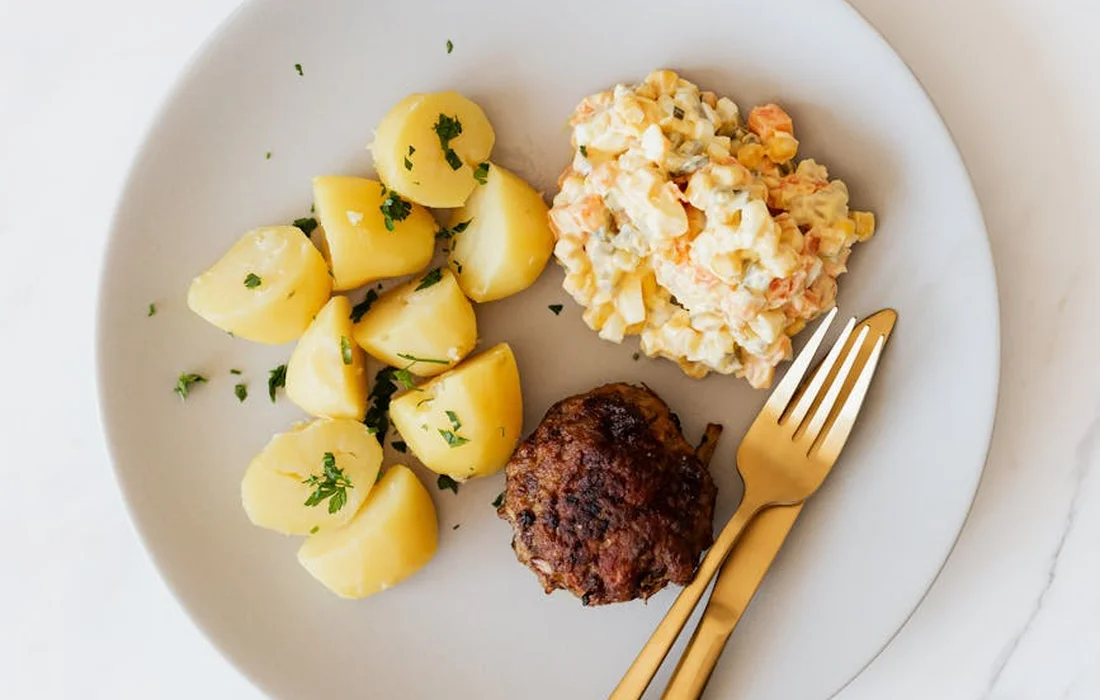
Now, I’ve been tossing kitchen scraps to my birds since I was knee-high to a grasshopper, and I can tell you a cooked potato peel is a far cry from a raw one. My old granny insisted on boiling up the peels every Sunday, and her hens laid right through the winter. She was onto something. Cooking transforms those tough skins from a questionable snack into a digestible, beneficial feed supplement that truly supports your flock’s health (unlike raw ones).
| Nutrient/Factor | Raw Potato Peel | Cooked Potato Peel |
|---|---|---|
| Dietary Fiber | High, but largely insoluble and tough. | High, softened and more readily processed. |
| Potassium | Present, but bound. | More bioavailable for heart & muscle function. |
| Vitamin C & B Vitamins | Easily degraded in storage. | Some loss from heat, but stable nutrients remain. |
| Anti-Nutrients (Solanine, Lectins) | Potentially high, a real risk in green or sprouted skins. | Neutralized and broken down by the heat. |
- Fiber for a Happy Gut: That softened fiber from a boiled or baked peel acts like a gentle broom in the digestive tract. It keeps things moving smoothly, which is a cornerstone of overall health and can help prevent pasty butt in chicks.
- Potassium Power: Chickens need potassium for proper nerve signaling and muscle contraction, including that all-important heart muscle. Cooking helps free up this mineral so their bodies can actually use it.
- Vitamin Boost: While heat sensitive Vitamin C takes a hit, cooked peels still hold onto other stable nutrients. I reckon every little bit of B-vitamin support for their metabolism and feathering counts, especially when greens are scarce.
- The Safety Transformation: This is the non-negotiable part. Cooking isn’t just about softening; it’s about safety. The heat actively breaks down the solanine and lectins that can cause digestive upset and worse in raw, green, or sprouted peels. This single step turns a risky waste product into a secure, wholesome treat.
Step-by-Step: Preparing Potato Peels for Chickens
-
Inspect: Reject any potatoes with green skins or extensive sprouts.
Before your knife even touches a spud, give it a good look-over in the light. That green tint underneath the skin is solanine, a natural toxin the plant makes when it’s stressed by light. I’ve tossed many a tater back into the sack myself. A few small sprouts you can cut out, but a potato that’s more sprout than vegetable isn’t worth the risk. When in doubt, throw it out-your flock’s safety is cheaper than a single potato.
-
Peel: Collect skins, preferring organic to minimize chemical residues.
As you’re peeling for your own supper, keep a dedicated bowl for the skins. This is where thriftiness shines, turning kitchen scraps into chicken joy. If you have a choice, organic potatoes are the gold standard here, as their peels carry less concern about systemic pesticides. Every peel you save is a small step toward a more self-sufficient homestead, especially when used as part of a diet for your chickens (kitchen scraps safety guide).
-
Cook: Boil peels for 15-20 minutes until very soft, or bake thoroughly.
This step is non-negotiable. Raw potato peels are off the menu. I drop my collected skins into a pot of boiling water and let them simmer for a good 15 to 20 minutes until they’re fork-tender. Baking works too-spread them on a sheet and cook at 400°F until they’re floppy and cooked through. The heat thoroughly neutralizes the troublesome compounds, making those peels perfectly safe and much easier to digest. Similarly, if you’re thinking about pigs, cooked potatoes are safer for swine than raw ones, as heat reduces glycoalkaloids and aids digestion. So when you consider potato safety in a farm setting, prioritize cooked over raw for pig feed.
-
Cool: Allow to reach room temperature to prevent crop burns.
Patience is a virtue here. Dumping a steaming pile of peels into the run is asking for trouble, as a chicken’s crop can be easily scorched. I spread the cooked peels on a plate or baking sheet and let them sit until there’s no warmth left. Cooling down is just as critical as cooking when it comes to protecting your birds from internal injury, especially when feeding them regular fruit peels like mango.
-
Serve: Chop or mash, and mix with regular feed or offer separately as a treat.
Once cool, I’ll often give the peels a rough chop or a quick mash with a fork, especially for younger birds. You can mix them right into their layer feed to encourage eating, or scatter them as a separate foraging treat. Remember, these are a supplement, not a staple-keep treats like peels to less than 10% of their overall daily intake.
Potatoes and Peels to Always Avoid
- You must keep green potatoes and every bit of their peel absolutely away from your chickens. That green color is solanine, a natural toxin that can cause serious illness in your flock. I’ve seen hens get wobbly and lose their appetites from just a few bites, so now any spud with a green tinge goes straight to my compost pile.
- Always remove sprouted eyes, as those little bumps concentrate glycoalkaloids. The toxin gathers right around the eye and sprout, making that spot riskier than the rest of the potato. It takes just a second to cut them out with a paring knife, and it’s a habit that safeguards your birds’ health.
- Some heirloom potato varieties naturally carry higher toxin levels, so handle them with extra caution. These older types haven’t been bred for uniform low alkaloid content like many modern table potatoes. If you’re growing funky heirlooms in your garden, be doubly sure to avoid any green skin and remove every single eye before sharing scraps.
- Moderation remains the golden rule, even when you’re serving cooked peels. Too much of a good thing can still upset a chicken’s crop and unbalance their diet. I stick to a handful of cooked peels for the whole flock once or twice a week, making sure it’s just a tiny part of their meals.
Feeding Practices: Integrating Peels into a Balanced Poultry Diet
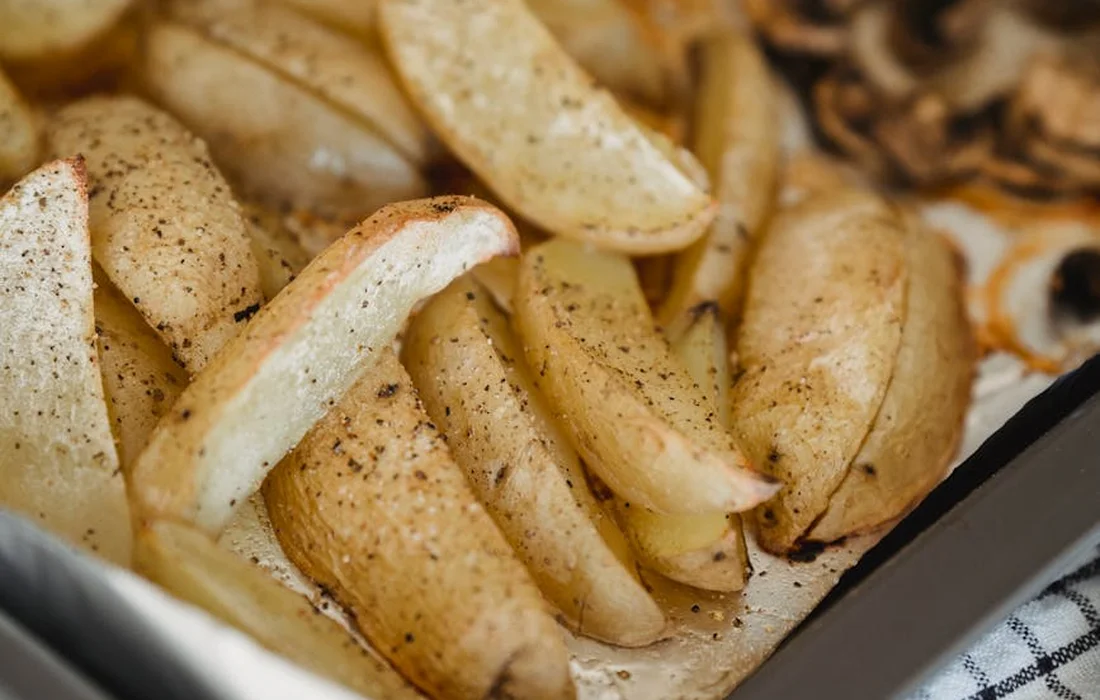
Let’s talk about fitting these kitchen scraps into your flock’s routine. The golden rule on my farm is that treats, including peels, never make up more than their layer ration.
Sticking to that 10% treat maximum is the simplest way to keep your hens laying consistently and their digestion running smooth. Their main source of nutrition must always be a complete commercial feed or a well-researched homemade ration.
For frequency, I offer peels just a few times a week, and never two days in a row. This keeps it special and prevents any nutrient imbalances. I reckon Tuesday and Friday are good “peel days” to help you remember.
You should never just toss a mound of peels into the run. Instead, mix them with other wholesome scraps. This encourages natural foraging behavior and dilutes the peels. Here’s my go-to method:
- Take a handful of cooked, cooled peels.
- Add a scoop of old-fashioned rolled oats or a sprinkle of scratch grains.
- Toss in some chopped kale stems, carrot tops, or apple cores.
- Scatter this mix widely in their run or spread it in a deep litter area for them to hunt through.
This practice works for ducks and geese too, but be extra vigilant with waterfowl to ensure all peels are thoroughly cooked and soft, as their digestion is more sensitive. Knowing safe foods for ducks and geese, and which they cannot eat, is also important. This helps avoid feeding them unsafe items.
The most important step comes after you walk away from the coop: watch your birds. If you see loose droppings or a drop in egg production, pull back on the peels. Every flock is different, and being a good steward means adjusting to what your specific animals tell you.
Closing Questions
Can chickens eat potato peels from any type of potato?
No, chickens should not consume peels from green, sprouted, or damaged potatoes, as these have elevated solanine levels. Always select peels from mature, unblemished spuds and exercise caution with heirloom varieties due to their naturally higher toxin content. When feeding chickens any root vegetables, it’s essential to ensure they are safe and free from harmful substances.
Is it safe to feed potato peels to chickens if they are organic?
Organic peels reduce exposure to chemical residues, but they still pose a solanine risk when raw. Cooking remains mandatory to break down toxins, regardless of farming methods, ensuring safety for your flock—especially when feeding them tomatoes.
How can I tell if my chickens have eaten too many potato peels?
Monitor for symptoms like unusual weakness, reduced appetite, messy droppings, or tremors. These signs indicate potential solanine exposure, requiring immediate removal of peels and possible veterinary consultation.
What should I do if I suspect my chicken has solanine poisoning?
Remove all potato scraps, offer clean water, and keep the bird calm and isolated. Seek prompt advice from a veterinarian, as supportive care may be needed for recovery.
Can cooked potato peels replace part of my chickens’ regular feed?
No, cooked peels are only a supplemental treat and should not exceed 10% of daily intake. A complete poultry feed is essential for balanced nutrition, so use peels sparingly to avoid dietary imbalances—even those kiwi fruit ones.
Are there any seasonal considerations for feeding potato peels to chickens?
In winter, cooled cooked peels can add variety, but avoid serving them hot to prevent crop burns. During summer, feed peels immediately after cooling to deter spoilage and maintain freshness in the heat.
Shutting the Gate
When it comes to those potato scraps, just think of your kitchen stove as the final safety checkpoint. Those extra ten minutes on a baking sheet or in the boiling pot aren’t just about tenderness; they’re your simple, steadfast guarantee that you’re breaking down the solanine and serving up a safe, wholesome treat. I reckon good stewardship is found in these small, consistent acts of care.
I’m mighty grateful y’all stopped by the digital fence line today. Now go enjoy those clucking, scratching marvels in your yard and the deep satisfaction of turning everyday scraps into something good. Happy homesteading, friends.
Further Reading & Sources
- Can Chickens Eat Potato Peels? – Benefits & Risks
- Is it ok to feed chickens potato peels? I can’t find much about this. : r/chickens
- Toxic Foods for Chickens: 4 Summer Treats to Avoid – Hobby Farms
Caroline Mae Turner is a lifelong farm girl raised on red clay, early mornings, and the sounds of a bustling barnyard. With hands-on experience caring for everything from stubborn goats to gentle dairy cows and mischievous pigs, Caroline shares practical, tried-and-true advice straight from the farm. Her goal is to help folks keep their animals healthy, well-fed, and living their best barnyard life. Whether you're wrangling chickens or bottle-feeding a baby goat, Caroline brings a warm Southern touch and plenty of real-world know-how to every bucket in the barn.
Treat Suggestions