
Protein for Ducks: The Safe, Natural Feed Guide for Insects, Worms, and Seafood
Published on: January 16, 2026 | Last Updated: January 16, 2026
Written By: Caroline Mae Turner
Howdy y’all, welcome back to the barn. The farmer’s fix is simple: your ducks get prime protein from live insects, garden worms, and cooked fish or shellfish, provided you avoid salt, seasoning, and any hint of spoilage. I’ve fed my flock this way for decades, and it cuts feed costs while keeping those birds busy and healthy.
What you’ll need:
- A good foraging space for your ducks, like a pasture or pond edge.
- A compost pile or garden to attract bugs and worms.
- Fresh fish scraps or seafood from your kitchen.
- A keen eye for what’s fresh and what’s not.
Let’s break down the how-to, so you can get this squared away and back to your other chores.
Why Protein Is Non-Negotiable for Duck Health
Think of protein not as a mere supplement, but as the very bricks and mortar of your duck. From the gleaming white of a Pekin’s breast to the iridescent green on a Mallard’s head, it’s all built from protein. A diet shy on protein shows up quicker than you’d reckon in poor feather quality, sluggish growth in ducklings, and a disappointing trickle of eggs from your layers. I’ve seen flocks on cheap, low-protein feed look downright shabby, their feathers brittle and dull. The best duck feed formulas tailor nutritional requirements to age and breed, helping you plan for growth, plumage, and laying. In the next steps, we’ll link resources that compare these requirements to help you choose the right feed.
Ducklings, especially, are protein factories. They need a starter crumble with 18-20% protein to build strong bones and muscle for those first frantic weeks. Adult laying ducks thrive on 16-18% to keep those eggs coming with strong shells. Skimping on quality protein is a false economy that your ducks pay for with their health and your homestead pays for in lost production.
Nature’s Protein Buffet: Insects and Worms
Beyond the feed bucket, a whole world of free, live protein wriggles and flies right under our noses. Letting your ducks forage is the ultimate in sustainable stewardship. Watching a duck patrol a pasture, her bill snapping up bugs with mechanical precision, is to see a perfect system at work. Ducks act as natural pest control. They feast on insect larvae as they forage. You get pest control, they get vital nutrients, and your feed bill gets a welcome trim.
Top Foraged Insects for Your Flock
Your ducks aren’t picky, but some bugs are better than others. Here’s what they’re hunting for:
- Grasshoppers and Crickets: These are the prize. Packed with protein and fat, they’re like flying power bars. A duck will chase one with pure joy.
- Beetle Grubs (like June Bug larvae): Found just under the turf in grassy areas, these are fatty, slow-moving treats. Just be sure the area hasn’t been treated with pesticides or herbicides, as grubs concentrate those toxins.
- Flies and Maggots: Unsavory to us, but a duck sees a high-protein snack. A healthy flock will keep fly populations around the barnyard in check.
- Earthworms: The classic. More than just protein, worms provide grit and are a natural dewormer in their own right.
The Worm Dilemma: Safe Species and Sourcing
Now, about those worms. It’s not as simple as scooping up any wriggler. Wild worms from garden soil or compost can harbor harmful parasites or residues from contaminated soil. I learned this the hard way years ago with a batch of garden worms that passed along more than I bargained for.
For safety, I stick to two sources:
- Homegrown Vermicompost: Raising your own red wigglers in a controlled bin is best. You know exactly what they’ve eaten and can feed them to ducks of all ages with confidence.
- Commercial Drying or Canning: Dried or canned mealworms or black soldier fly larvae from reputable farm supply stores are a sterile, safe option, perfect for a protein-rich treat or for ducklings.
If you do harvest wild worms, do so only from land you know is clean-no chemical treatments for at least a full year-and consider it a rare treat, not a staple. Your ducks’ vigorous health is worth that extra bit of caution.
Feeding Fish and Seafood to Ducks
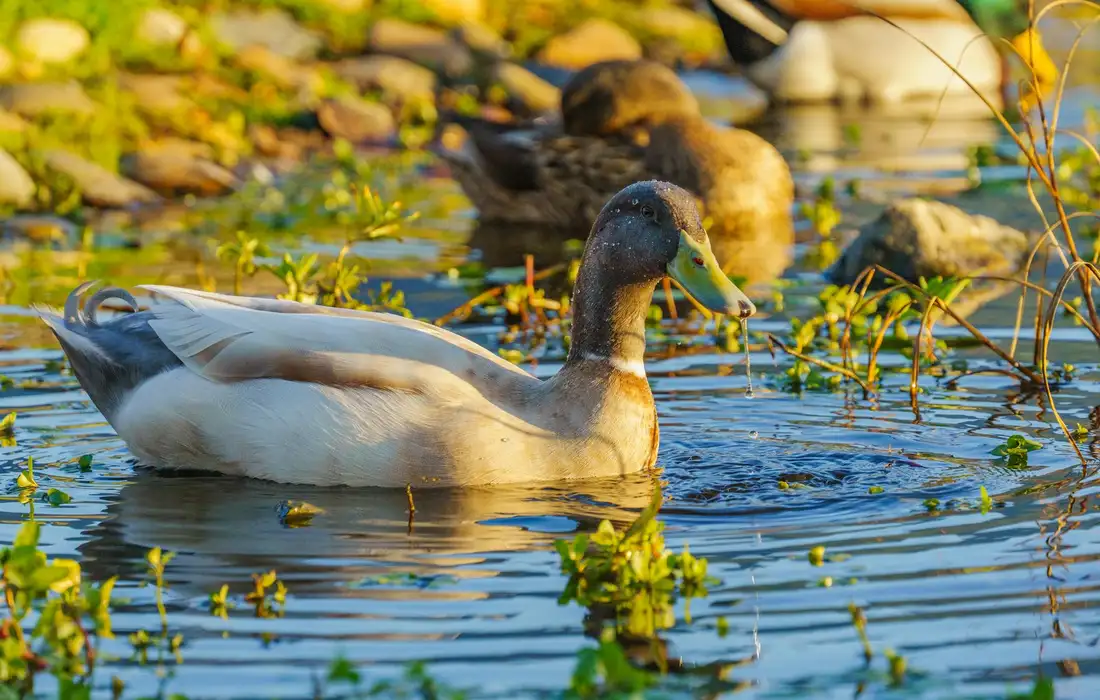
Now, supplin’ your flock with fish and seafood can be a mighty fine way to boost their protein. I’ve watched my web-footed crew go wild for a fresh treat from the creek. Using what you have, from pond catch to kitchen scraps, embodies that thrifty, waste-not spirit we hold dear on the homestead. There are safety guidelines for meat scraps. A meat safety guide helps you know what’s safe to feed and how to store leftovers. Just like us, ducks thrive on variety, but their safety comes first.
Safe Fish Choices and What to Avoid
Not all fish are created equal in a duck’s world. My rule is simple: stick to freshwater favorites and keep everything plain. Fresh-caught minnows, sunfish, or trout from a clean pond are pure gold for duck nutrition, often packing over 18% protein. I’ll often net a few extras when I’m fishing for supper, just for the birds.
You can offer raw fish from waters you trust, but a quick boil settles my mind about parasites. Cooked, unseasoned fish from your own plate-think plain baked cod or flounder flakes-is another safe bet. Always chop fish into manageable bits to prevent choking, especially for eager ducklings.
Steer clear of these hazards to keep your flock healthy:
- Saltwater fish: Fish like mackerel or herring are often too high in natural salts for a duck’s system.
- Processed seafood: Avoid anything canned, smoked, salted, or breaded. Those additives will cause more harm than good.
- Seasoned scraps: Garlic, onion, and heavy spices are toxic. If you wouldn’t eat it plain, don’t feed it.
- Fish from polluted waters: If you wouldn’t eat a fish from that source, your ducks shouldn’t either.
- Large bones: Big, cooked bones can splinter. Small, soft bones from little fish are usually fine and provide calcium.
Step-by-Step Guide to Preparing Fish Scraps
I save every scrap from my cleaning table. With a little prep, you turn potential waste into a powerhouse meal. This method ensures safety and makes the most of your resources, a practice my grandma called “respecting the gift.” Here’s how I do it.
- Source Smartly: Collect scraps from fish you’ve cleaned yourself or plain leftovers from your kitchen. Never use trash fish or scraps from unknown origin.
- Give It a Rinse: Wash the scraps under cool water to remove any slime or debris. This keeps the feeding area cleaner.
- Cook It Through: Simmer the pieces in plain water for about 10 minutes. This step kills potential parasites and softens bones. Let it cool completely.
- Chop to Size: Use a knife or kitchen shears to cut the fish into pieces no bigger than your thumbnail. This makes it easy for all ducks to eat.
- Feed with Care: Offer the prepared scraps in a shallow dish with their regular feed. Limit fish to a treat, making up no more than 10% of their daily diet to keep their nutrition balanced. Always remove uneaten portions after an hour to discourage pests.
I recall one spring when the creek was brimming, and we had more shiners than we knew what to do with. The ducks feasted, and their feathers gleamed like polished oil. Watching them hunt through the grass for those little morsels reminded me that good stewardship often means just connecting their diet to the natural world around us.
Navigating Safety: Parasites, Contaminants, and Sanitation
Now, I reckon we’ve all seen our ducks gobble up a wriggling worm with pure delight. While that natural protein is fantastic for them, we must be wise stewards about where that live food comes from and how we serve it. Turning a blind eye to this part of husbandry can undo all the good that great nutrition provides, especially when considering what wild and domestic ducks eat.
Risks of Raw Feed and Parasite Prevention
Let’s talk straight about the hidden hitches in a free buffet. Raw critters from the wild can carry internal parasites, like worms and flukes, straight to your flock. I learned this the hard way years back when a batch of ducklings I raised near a pond struggled to thrive. The culprit? A snail-borne parasite they’d picked up while foraging.
The goal isn’t to scare you away from natural feeds, but to manage the risk smartly and proactively. You can’t sterilize a pasture, but you can implement simple barriers.
- Freeze First: I collect nightcrawlers from my compost or dig up grubs and freeze them solid for at least 48 hours. This deep freeze knocks out most common parasites, making that protein packet much safer before it becomes duck dinner.
- Know the Danger Zones: Stagnant water, like old puddles or muddy ditches, is a paradise for parasite-hosting snails and other intermediates. Provide fresh, clean water for drinking and discourage lounging in filthy pools.
- Regular Fecal Checks: Make it a habit to observe droppings. Sudden diarrhea, poor growth, or lethargy can signal a parasite load. A yearly check with your vet or a local co-op can give you peace of mind.
- Rotate Pastures: If your ducks forage in a penned area, move them regularly. This breaks the parasite life cycle by letting sunlight and time sanitize the land.
Keeping the Feed and Area Clean
Sanitation is your front-line defense. Think of it not as a chore, but as a daily investment in your flock’s vitality. Spilled, wet feed and muddy dining areas attract pests and breed bacteria faster than you can say “clean up.”
A clean feeding routine prevents more health problems than any supplement can fix. It’s about consistency, not complexity.
- Use Proper Feeders: Choose feeders that minimize spillage and keep ducks from trampling or defecating in their food. I prefer slightly elevated troughs they can reach but not climb into.
- Never Serve on Bare Ground: Always use a dish, tray, or feeder. Placing fish scraps or worms directly on dirt introduces soil-borne pathogens and wastes precious protein.
- Daily Scrape and Refresh: Remove uneaten perishable proteins (like fish) within an hour. For dry insect or worm feeds, clear out old feed at the end of each day. Wash dishes with vinegar or a mild animal-safe detergent weekly.
- Manage the Mud: Areas around water sources and feeders turn to muck quickly. Spread sand or wood chips in these high-traffic zones. Good drainage is worth its weight in gold for duck health.
- Secure Your Stores: Keep bags of dried insects or fish in rodent-proof metal bins. Pests will ruin your feed and spread disease.
This diligence pays off tenfold. You’ll see it in the sheen of their feathers, the brightness of their eyes, and the steady hum of health in your yard. It’s the quiet, daily work of good husbandry that makes all the difference.
Practical Feeding Guidelines for Protein-Rich Foods
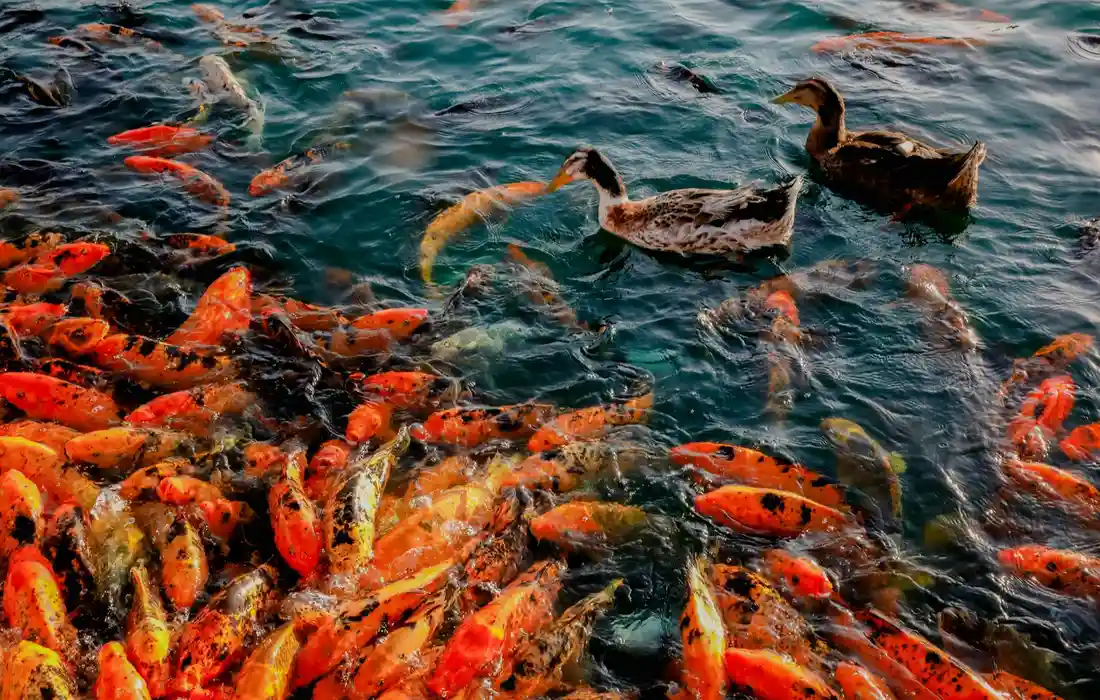
Now that we’ve scouted the buffet line Mother Nature and your kitchen provide, let’s talk about how to serve it up. I’ve seen folks get so excited about feeding treats they nearabout forget the main course. Your ducks’ primary diet should always be a complete, balanced commercial or carefully formulated homemade feed-think of these protein goodies as the savory supplement on the side. If you’re curious about how this all fits into a larger feeding plan, a complete guide to duck diets can help. It shows what to feed as staples and what to reserve as occasional treats.
How Much is Too Much? Finding the Balance
This is where many a well-meaning homesteader stumbles. Offer too much rich protein, and you’ll have a mess on your hands, literally and figuratively. Excess protein can stress their kidneys and lead to runaway growth in ducklings, causing leg issues. For adult laying ducks, a treat portion of proteins like insects or fish should not exceed 10% of their total daily food intake. That’s roughly a couple of tablespoons per duck per day, depending on their size. I watch my girls closely; if their droppings become too loose or pungent, I know I’ve been too generous with the grubs and need to pull back. If issues persist, this falls under troubleshooting—nutrient deficiencies and waste management. In the next steps, I’ll point you to practical checks and fixes.
For ducklings, focus is different. They need higher protein (around 18-20%) for proper development in their first few weeks, but this should come from their starter feed. Supplementary proteins like chopped worms are a tiny garnish, not the meal. I’ll give a brood of ten a single, finely chopped nightcrawler as a shared learning experience, not a feeding frenzy.
Building a Balanced Weekly Ration
Variety isn’t just the spice of life for us; it’s the cornerstone of robust health for your flock. I like to think of my weekly treat schedule like planning my own meals-aim for a rotation of different nutrients. Here’s a peek at how I might lay out a week for my laying flock in the summer:
- Monday & Thursday: Bug Days. These are free-for-all foraging days in their secure run. I might toss in a handful of soldier fly larvae from my farm colony as a bonus.
- Tuesday: Garden Scrap Day. This is lower-protein, with chopped greens and a few slugs or beetles that come with the harvest.
- Wednesday: Fish Friday Eve. A small portion of canned sardines (in water, no salt) mashed into their scratch grains. The omega-3s make eggshells gloriously strong.
- Friday: Rest Day. Just their layer pellets and clean water. This gives their systems a simple, predictable day.
- Saturday: Worming Day (the fun kind). After a good rain, I’ll turn a shovelful of dirt in their run and let them go to work. They control the portion naturally as they hunt.
This rhythm keeps them engaged and nourished without overdoing any one thing. The golden rule I live by is to never let treats, no matter how wholesome, replace more than a tenth of their total consumption. In winter, when bugs are scarce, I lean a bit more on the canned fish or rehydrated dried shrimp, always mindful of that 10% limit. It’s this steady, thoughtful provision that builds resilient ducks and the most beautiful baskets of eggs you ever did see.
Closing Tips for Your Flock
What types of worms are safe and nutritious for ducks?
Red wigglers from a controlled vermicompost bin are excellent and safe. For convenience, commercially dried mealworms or black soldier fly larvae provide sterile, concentrated nutrition without the parasite risk of wild worms.
Can ducks eat all types of fish?
No, ducks should not eat all types of fish. Avoid saltwater fish high in natural salts and any fish from polluted waters. Stick to small, freshwater fish like minnows or sunfish from clean sources. Also, be cautious about other foods that can be harmful to ducks, such as toxic and unsafe foods for ducks.
How often can ducks be fed protein-rich foods like insects and fish?
These should be treats, not staples. For adult ducks, protein-rich foods should comprise no more than 10% of their total daily diet, which is roughly a couple of tablespoons per bird, offered a few times a week. However, it is important to ensure that you also feed them a complete and balanced diet.
What are the signs of a protein deficiency in ducks?
Signs include poor, brittle, or slow-to-regrow feathers and reduced egg production with weaker shells. In ducklings, a protein deficiency manifests as noticeably sluggish growth and development.
Can feeding too much protein be harmful to ducks?
Yes, excessive protein can stress a duck’s kidneys and lead to digestive upset. In fast-growing ducklings, it can cause accelerated growth that results in serious leg and joint issues.
Is cooked seafood safer than raw for ducks?
Yes, cooking seafood is the safer practice. Lightly boiling fish or shellfish kills potential parasites and pathogens, making it a much lower-risk option for your flock than offering it raw.
Shutting the Gate
After all that chatter about grubs and minnows, here’s the plain truth from the pond bank. A duck’s sparkle comes from good, honest protein, but their well-being rests on your watchful eye. I’ve found the happiest, healthiest flocks come from mixing up their protein sources-a few worms here, some rinsed fish scraps there-while always making sure their main feed is a complete, balanced ration (like the one I recommend). It keeps their diets interesting and their bodies from relying too heavy on any one thing. That’s the real secret to glossy feathers and strong eggs year-round.
I reckon y’all have got this now. There’s a deep satisfaction in seeing your ducks work a pasture, knowing you’re fostering their natural habits with a mindful hand. So here’s to muddy boots, contented quacks, and the simple joy of a flock thriving under your care. Happy homesteading, friends.
Further Reading & Sources
- Purina® Duck Feed Pellets with Niacin | Baby Duck Feed
- How Much Protein Do Ducks Really Need?
- r/duck on Reddit: Protein Level of Feed for Older Ducklings
Caroline Mae Turner is a lifelong farm girl raised on red clay, early mornings, and the sounds of a bustling barnyard. With hands-on experience caring for everything from stubborn goats to gentle dairy cows and mischievous pigs, Caroline shares practical, tried-and-true advice straight from the farm. Her goal is to help folks keep their animals healthy, well-fed, and living their best barnyard life. Whether you're wrangling chickens or bottle-feeding a baby goat, Caroline brings a warm Southern touch and plenty of real-world know-how to every bucket in the barn.
Feed Composition