
Rabbit Not Eating? Your Fast-Action Guide to Appetite Loss and Health
Published on: April 18, 2026 | Last Updated: April 18, 2026
Written By: Caroline Mae Turner
Howdy y’all. When a rabbit stops eating, treat it as a full-blown emergency and immediately check for gut stasis, offering syringe-fed fluids and fiber to jumpstart their digestive system. I’ve spent many a worried night in the barn with a hutch light on, and quick action here makes all the difference.
- What you’ll need:
- A few clean oral syringes (1ml, 3ml, and 10ml)
- Commercial critical care formula or a backup mash of their pellets
- Fresh, lukewarm water for mixing and drinking
- A quiet corner and a soft towel for handling
- Your watch to monitor the clock-time is critical
Let’s get your bunny sorted, so you can return to your day with peace of mind.
Is Your Rabbit Really Off Feed? Spotting the Subtle Signs
I’ve learned that by the time a rabbit’s bowl is full at sundown, trouble’s been brewing for hours. These prey animals are masters of disguise. Their survival depends on hiding weakness, so we must become detectives of the ordinary.
Beyond the Empty Food Bowl: Early Warning Signals
Don’t just glance at the feeder. Get your eyes and hands involved. Look for these quiet warnings before the hunger strike truly begins.
- The Selective Eater: They’ll nibble the sweet hay but leave the fibrous stems, or pick out pellets and ignore greens. This isn’t finicky behavior; it’s often the first sign of dental discomfort or gut slowdown.
- The Changed Posture: A rabbit that’s hunched like a loaf, but with a tense look in its eyes, is not relaxing. It’s conserving energy and likely in pain. Compare it to its usual sprawled or flopped posture.
- The Litter Box Clues: Fewer fecal pellets than usual, or strangely small, misshapen, or strung-together droppings tell a clearer story than any empty food dish. Mucus in the droppings is a five-alarm fire.
- The Grooming Gap: A pristine rabbit that suddenly has a messy rear or food stuck in its chin fur has stopped its fastidious routine. Something is wrong.
When “Acting Normal” is a Red Flag
This one’s tricky. I had a doe, Clementine, who’d hop over for head rubs and nose boops right on schedule, even as her gut was grinding to a halt. Normal social behavior does not rule out a critical health issue. You must differentiate personality from pathology.
- The Deceptive Greeting: They may still come for treats but turn their head away after one hesitant nibble. That’s not politeness; that’s pain upon chewing.
- Silent Suffering: Rabbits rarely cry or scream. A silent, still rabbit sitting in a corner of the hutch is often in more distress than one thumping in protest.
- Eyes Tell All: Look past the behavior at the face. Squinted, half-closed eyes, or a fixed, glazed stare while sitting still are major indicators of discomfort, even if their ears are perked up.
Don’t Wait: Your First 60-Minute Emergency Response Plan
Time is the enemy with a rabbit off feed. Stasis can turn fatal in under 24 hours. What you do in the first hour sets the course for recovery. This isn’t a time for “wait-and-see.”
Step-by-Step: Immediate Actions to Take
- Isolate and Inspect: Gently move the rabbit to a safe, confined space like a carrier with a towel. Do a full hands-on check. Feel along the belly-is it soft, doughy, or hard and drum-tight? Listen for gut sounds by putting your ear to its side; silence is bad.
- Hydration is Job One: Offer fresh, wet greens like cilantro or romaine lettuce. If ignored, start syringing lukewarm water or unflavored electrolyte solution. Aim for 5-10mL every 30 minutes. You cannot fix the gut without fluids.
- Mobilize the Gut: Gently massage its sides in a downward motion for 5-minute sessions. Encourage movement; let it hop on a safe, non-slip floor. Motion stimulates digestion.
- Call the Vet Now: While you’re doing these steps, call your veterinarian. Tell them “suspected GI stasis” and what you’ve observed. Getting on their schedule is critical.
Assessing Pain and Dehydration on the Spot
You need facts for the vet. Here’s how to gather them quickly.
| Check For | How To Do It | What It Means |
|---|---|---|
| Dehydration | Gently pinch the skin on the back of the neck. Release. | Skin that tents and returns slowly means significant dehydration. It should snap back instantly. |
| Pain Response | Apply very gentle pressure along the jawline and belly. | Flinching, grinding teeth (a painful grind, different from contentment purring), or trying to move away indicates pain. |
| Capillary Refill | Press on the gums above the front teeth until they blanch white. Release and time the return of pink color. | Pink color should return in 1-2 seconds. Longer indicates shock or poor circulation. Blue/purple gums are an extreme emergency. |
Trust your hands more than your eyes-what you feel under that fur tells the real story. I keep a notepad in my barn kit to write down these observations; under stress, you’ll forget the details the vet needs to hear.
Root Causes: Why Your Rabbit’s Appetite Has Vanished
When a rabbit turns up its nose at supper, my heart sinks a little. I’ve seen it in my own hutches. It’s their primary way of telling us something’s gone wrong in their world. Figuring out the “why” is your first and most critical job.
GI Stasis: The Silent Gut Shutdown
This is the big one, the emergency we all fear. GI stasis isn’t a blockage itself, but a dangerous slowdown or complete halt of the digestive tract. Think of it like a conveyor belt in a factory that’s stopped moving; everything just sits there, dehydrates, and creates painful gas. The rabbit isn’t eating because the system is full and hurting. It’s one of the common rabbit digestive problems that requires immediate attention.
You’ll often see these signs alongside a lack of appetite:
- Very small, misshapen, or zero fecal pellets.
- A hunched posture, like a little furry loaf in pain.
- Loud tooth grinding (a sign of pain, not contentment).
- A belly that feels firm or bloated to a gentle touch.
This is a vet-now situation. At home while you prepare to go, I’ve had luck gently syringe-feeding warm water or unflavored electrolyte water to start rehydrating that sluggish gut.
Hairballs and Intestinal Blockages
Now, these are often the culprits that cause GI stasis. A rabbit’s “hairball” is different from a cat’s. It’s not just a wad of fur, but a dense mat mixed with ingested food that forms a physical plug. They can’t vomit it up, so it just sits and blocks the works. Regular grooming helps prevent mats, which can contribute to sore hocks and other grooming problems. Addressing matted fur early keeps rabbits comfortable and reduces related health risks.
Prevention is your best tool here, and it comes down to two things: fiber and grooming.
- Unlimited Grass Hay: Timothy, orchard, oat hay-this long-strand fiber is the engine that pushes everything through. It’s non-negotiable.
- Regular Brushing: Especially during a molt, a daily gentle brushing removes more loose fur than they can ingest. I keep a soft slicker brush by the hutch for just this purpose.
Dental Disease: When Every Bite is Painful
Rabbit teeth grow constantly, about ⅛ of an inch every week. If they don’t wear down evenly through chewing tough hay, they become overgrown. In the wild, rabbits rely on constant foraging of fibrous greens, which naturally wears down their teeth. A steady, high-fiber diet helps maintain dental wear and overall health. Spurs and points can develop on the molars, lacerating the tongue and cheeks with every chew. Imagine trying to eat a cracker with a mouth full of razor blades-you’d stop eating too.
Signs go beyond not eating:
- Dropping food, or chewing with a tilted, awkward head motion.
- Excessive drooling, leading to a wet, matted chin (“slobbers”).
- Weight loss despite seeming interested in food.
Only a vet can properly diagnose and file down those back teeth. My rule is to offer a handful of fresh, coarse-stemmed hay every single day; if that pile isn’t being devoured, it’s a bright red flag for a dental check.
The Stress Factor: From Move to New Feed
We forget how sensitive these prey animals are. A change we see as small can throw their whole system off. Stress hormones directly slow gut motility, setting the stage for stasis even without an underlying illness. I’ve seen it happen after something as simple as a loud new piece of farm equipment running near their pen.
Common homestead stressors include:
- Sudden Diet Changes: Introducing a new pellet or vegetable too quickly. Always transition over 7-10 days.
- Predator Presence: A dog barking at the hutch, a raccoon sighting nearby. Their sense of safety is shattered.
- Environmental Shifts: Moving them to a new coop, a big temperature swing, or even a dominant cage-mate bullying them.
- Loneliness: Rabbits are social. A solitary rabbit, bless its heart, can get depressed and stop eating.
Your job is to play detective. Look for what changed in the 24-48 hours before they quit eating. Sometimes, fixing the stressor and offering a favorite, fragrant herb like cilantro or mint can coax them back.
The Barnyard Pantry: Food as Medicine and Prevention
I reckon the best way to stop a health problem is to keep it from starting, and that begins in the feed room. Over the years, I’ve seen more rabbits bounce back from a sluggish spell with a tweaked diet than with any bottle from the vet’s shelf. To make this practical, I put together a domestic rabbit diet guide you can follow. It’s a straightforward plan that mirrors the principles above. Your rabbit’s daily plate ain’t just supper; it’s their first line of defense against gut stasis and a host of other woes. Think of it like building a strong fence-you use the right materials from the get-go, so you don’t spend all night chasing coyotes.
Hay is Non-Negotiable: Solving the Hay Strike
Now, let’s get one thing straight as a pasture fence line: if your rabbit turns up their nose at hay, you’ve got a red flag waving. Hay isn’t just roughage; it’s the constant grind that keeps their gut moving and their teeth from overgrowing into painful spikes. I remember a doe named Buttercup who decided her timothy hay was beneath her; within a day, she was hunched and quiet. A “hay strike” is often the first whisper of trouble.
If your critter’s on strike, don’t just wait it out. Try these steps to get that hay back in their belly:
- Change the Variety: Swap from timothy to orchard grass, or offer a bit of oat hay for a sweet, enticing crunch. Sometimes they’re just plain bored.
- Up the Quality: Musty, dusty hay won’t tempt anyone. I shake out each flake and give it a sniff myself-it should smell like a sun-warmed meadow.
- Make it a Game: Stuff hay into empty cardboard tubes or a wire rack they must work to pull from. A rabbit enjoys a little challenge.
- Location, Location: Move the hay rack right next to their favorite lounging spot. Laziness can work in your favor here.
If none of that works, you must consider pain as a cause, and a vet visit is your next move. Dental issues or gut discomfort can make chewing long stems pure misery.
Balancing Pellets, Greens, and Treats
Balancing this trio is where many well-meaning folks slip up. Pellets are a supplement, not the main course. I feed a measured quarter-cup of high-fiber (18% minimum), plain pellets per five pounds of rabbit each day-any more and you’re asking for a picky eater and a fat rabbit. If you’re unsure about daily pellet amounts, a quick portion guide can help. Pair that with a gentle refusal plan to prevent overfeeding. Greens are your daily medicine; think dark leafy things like romaine, cilantro, and dandelion greens from an untreated yard.
Here’s my barn-tested ratio for a healthy adult rabbit:
- Unlimited Grass Hay: 80% of their diet. This is the bedrock.
- Measured Pellets: 5-10%. A palmful, not a scoopful.
- Fresh Greens: About a packed cup per two pounds of body weight daily.
- Treats (like carrot or apple): A thumbnail-sized piece, once or twice a week. Yes, that small!
Skipping this balance is how you end up with a rabbit that holds out for sugary pellets and ignores the hay that keeps them alive. I’ve had to rehab more than one bunny by cutting pellets cold turkey for a day or two and offering nothing but the finest hay and water to reset their appetite. Even then, sometimes they still refuse to eat hay initially.
When They Skip Their Cecotropes
This is a delicate subject, but a vital one. Cecotropes are those soft, clustered droppings rabbits produce and eat directly from their bottom-it’s how they get critical nutrients and gut bacteria. When you see these moist clusters stuck to their fur or left in the cage, especially uneaten ones, it’s a sure sign something in their system is off. They might be too sore to reach, too fat, or their diet might be too rich.
If your rabbit isn’t consuming their cecotropes, take action fast:
- Audit the Diet: Immediately cut out all treats and excess pellets. Too much sugar or protein disrupts the delicate cecal fermentation.
- Increase Hay Intake: Push more long-stem fiber to normalize gut output. Sometimes, offering a different type of hay does the trick.
- Check for Physical Issues: Gently check their backside and belly. Matted fur, arthritis, or obesity can prevent them from reaching around. A warm, damp cloth can help clean them up.
- Consider a Probiotic: A pinch of probiotic powder made for herbivores, sprinkled on wet greens, can help repopulate their gut. I’ve kept a bit on hand ever since it helped a young buck after a bout of antibiotics.
Leaving cecotropes uneaten is a waste of vital nutrients and a flashing check-engine light for your rabbit’s health. It demands a swift return to the basics: hay, water, and a keen eye. Rabbits rely on hay for fiber to keep their gut moving and to wear down teeth. Choosing the right hay and avoiding overfeeding reduces common risks and supports overall health.
Hands-On Healing: Supportive Care at Home
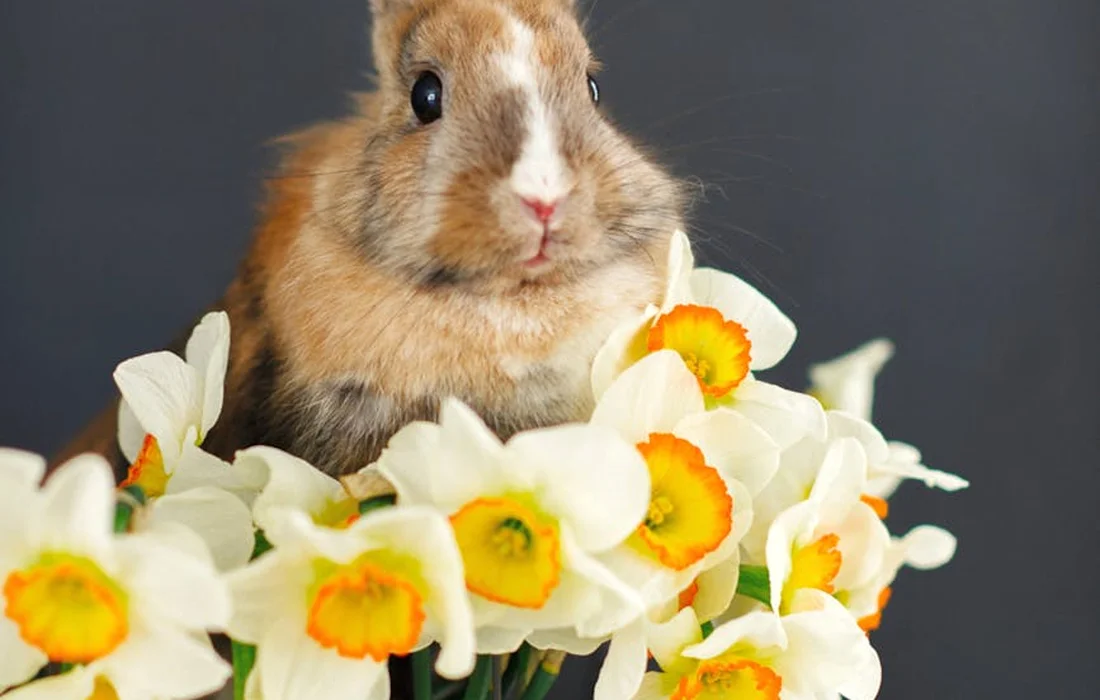
When your rabbit’s feed bowl stays full, it’s time for you to step into the nurse’s role. I’ve sat up many a night with a listless bunny, and I reckon those hours of quiet care are just as important as any medicine. Providing supportive care at home is about observing, acting, and giving your animal the best chance to bounce back on its own. It’s a blend of common sense and learned skill that every homesteader needs.
Syringe Feeding: A Lifesaving Skill
Let’s talk about syringe feeding, a technique that’s pulled more than one of my rabbits from the brink. It’s not as scary as it sounds, I promise. When a rabbit won’t eat, syringe feeding delivers essential calories and fiber directly to their system, keeping their gut from shutting down completely. You’re basically standing in for their appetite until it returns. Here’s my step-by-step method, honed from years in the barn.
- Choose Your Formula: Use a commercial critical care formula or make your own by finely grinding their regular pellets and mixing with warm water. The protein content should mirror their normal diet, around 14-16% for most adults.
- Get the Consistency Right: Mix it to a smooth, thick paste-think about the texture of mashed potatoes. Too thin, and it’s messy; too thick, and it clogs the syringe.
- Use the Right Tool: A 1cc or 3cc oral syringe without a needle is perfect. I keep a few sterilized in a drawer just for this purpose.
- Administer with Patience: Wrap your rabbit gently in a towel for security. Insert the syringe tip into the side of the mouth, behind the front incisors. Slowly depress the plunger, allowing time to swallow between tiny portions to avoid choking. Aim for 10-15 ml per kilogram of body weight, fed every 4-6 hours.
- Clean Up Thoroughly: Wash the syringe with hot, soapy water after every single use to prevent any bacterial contamination.
Don’t be discouraged if you only get a little in at first. The act of getting something into their stomach is often the spark that reignites their own hunger. This is thrifty, hands-on stewardship at its finest.
Hydration and Gut Motility Support
Water and gut movement are two sides of the same coin for a rabbit. Their digestion is a continuous process that halts without enough fluid. Dehydration is the fast track to gastrointestinal stasis, a deadly condition where the gut literally stops moving. Your job is to support both, and you can do it with items you likely have on hand.
First, let’s tackle hydration. A rabbit not drinking is a major concern. I often offer water in multiple forms: a bowl, a bottle, and even syringing lukewarm water or a balanced electrolyte solution. Sometimes, I’ll wet their favorite leafy greens to sneak in extra fluid. It’s just as important to ensure they have a good diet to stay hydrated—check out our essential food and water guide for rabbits.
- Syringe Fluids: Use the same technique as for feeding, offering small amounts of water frequently.
- Flavor the Water: A drop of natural fruit juice (like apple) or a bit of herbal tea (cooled) can encourage sipping.
- Subcutaneous Fluids: If you’re trained by your vet, giving fluids under the skin can be a game-changer for severe dehydration.
Next, we must address gut motility. A still gut is a sick gut. Gentle abdominal massage is a powerful tool you can use immediately. With your rabbit on a flat surface, use warm hands to make soft, clockwise circles along their belly for several minutes.
- Encourage Movement: Let them hop around in a safe, enclosed space. Light exercise stimulates digestion.
- Provide Fiber: Constant access to fresh, fragrant grass hay is non-negotiable. Timothy, orchard, or oat hay provide the long-strand fiber that acts like a broom for their insides.
- Consider Safe Remedies: Infant gas drops (simethicone) can help relieve painful bloat. For a natural boost, I occasionally offer fresh pineapple juice (a small teaspoon) for its enzymes, though its true efficacy is debated among us old-timers.
Monitor their output closely. Seeing normal, round droppings again is the surest sign your supportive care is working. If not, you’ve bought precious time while you arrange for professional help.
When to Call the Vet: No-Exception Red Flags
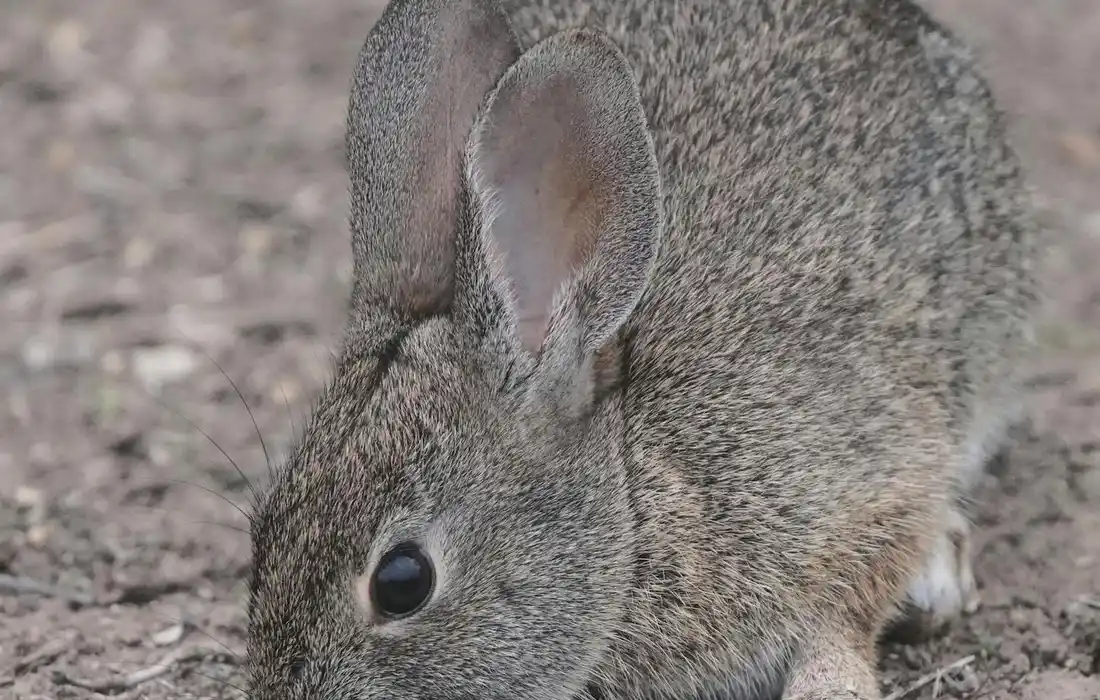
You can fiddle with home remedies for a shy eater, but some situations demand a professional’s eye quicker than a hawk spots a field mouse. Trust your gut-if something feels off with your rabbit, it likely is, and waiting can turn a fixable issue into a tragedy. I’ve learned this the hard way after a few close calls in my own barn.
Signs That Mean “Go Now”
These symptoms are your rabbit screaming for help without making a sound. Don’t second-guess; just get on the phone. Time is the most critical ingredient in rabbit recovery, and every hour you delay can shut down their delicate digestive system for good.
- No Fecal Pellets for 12 Hours: An empty drop pan is a five-alarm fire. Their gut must keep moving.
- Visible Bloating or a Hard, Taut Belly: This is often gas pain, which is excruciating and deadly fast.
- Lethargy So Severe They Don’t Flinch or Move: A rabbit that feels too poorly to be scared is in deep trouble.
- Labored Breathing, Wheezing, or Head Tilt: Respiratory distress or neurological issues are absolute emergencies.
- Failure to Drink Water Alongside Not Eating: Dehydration chains the whole system shut.
- Grimacing, Teeth Grinding, or Hunched Posture: These are clear signs of intense pain you cannot manage alone.
I recall a winter when my buck, Clover, sat hunched and still. I knew in my bones it wasn’t just the cold. That gut feeling, paired with his glassy eyes, saved his life because we got him to the vet before his gut fully stalled.
Partnering With Your Vet for Recovery
Getting to the clinic is only half the battle. Your job as the homesteader is to be your vet’s best informant and your rabbit’s dedicated nurse. A successful recovery hinges on the partnership between your barn knowledge and their medical expertise.
- Go Prepared. Before you call, note the exact time they last ate and passed pellets, and gather a fresh stool sample. This saves precious minutes.
- Speak Their Language. Tell the vet not just “he’s sick,” but “he’s refused greens and pellets for 10 hours, his belly feels doughy, and his water bottle is full.” Be specific.
- Master the Follow-Up. You’ll likely leave with critical care feed, medications, and instructions. Set phone alarms for doses and syringe feeds. Consistency is everything.
- Create a Hospital Ward. Set up a quiet, warm, draft-free cage indoors with easy access to water and the prescribed foods. Keep other critters and commotion away.
- Monitor Like a Hawk. Keep a simple log of food intake, water consumption, and pellet output. This tangible data helps you and your vet track progress or spot new setbacks.
Your careful observation after the visit is what turns the vet’s intervention into a full healing. I always keep a notepad right on the recovery cage to jot down every little thing-it’s saved us more than once when a recovery hit a bump.
Key Concerns and Closing Advice
My rabbit isn’t eating but is acting completely normal. Is this still an emergency?
Yes, it is still an emergency. Rabbits are prey animals hardwired to hide illness, so normal behavior can be a dangerous deception. You must check for other subtle signs like reduced fecal output or a tense posture and begin supportive care immediately; especially if you suspect GI stasis in your rabbit.
What does it mean if my rabbit is not eating their cecotropes?
It means their digestive system is out of balance. This is often caused by a diet too rich in pellets or treats, which disrupts cecal fermentation. Immediately increase their grass hay intake and reduce sugary foods to correct this critical nutrient cycle.
Why is my rabbit not eating hay but will still eat pellets or treats?
This is a classic sign of a problem. They are selecting easier-to-chew, high-calorie foods, often due to dental pain making chewing tough hay difficult, or because they’ve learned to hold out for “better” food. You must restrict pellets to encourage hay consumption and schedule a vet check for dental issues.
Can barnyard stress really cause my rabbit to stop eating?
Absolutely. Common farm stressors like nearby predator activity, loud machinery, sudden feed changes, or bullying from cage mates can trigger a stress response that slows their gut to a halt. Identify and mitigate the stressor while offering familiar, fragrant herbs to coax their appetite.
My rabbit is laying down, not eating, but is still pooping a little. What should I do?
This requires urgent action. Some pooping indicates the gut isn’t fully blocked, but lethargy and inappetence point to serious pain, the early stages of stasis, or another illness. Begin your 60-minute emergency plan with hydration and gut massage, and contact your vet.
When is rapid breathing combined with not eating a major red flag?
This is a “go now” emergency. Fast breathing paired with anorexia can indicate severe pain, a high fever, respiratory infection, or heart trouble. Do not wait; this combination signals a critical condition that requires immediate professional veterinary intervention.
Shuttin’ the Hutch Door
Lookin’ after a rabbit who’s off its feed teaches you more than any manual ever could. It sharpens your eye and tunes your ear to the subtle hum of a healthy homestead. The single most powerful tool in your barn isn’t in your med kit-it’s the simple, consistent habit of observing your rabbits daily, noting what’s normal so you spot what’s not in the first crucial hours. That mindful watchfulness, paired with swift action, turns worry into wisdom.
I’m right grateful y’all stopped by the virtual fence line today. There’s a deep peace that comes from sittin’ quiet with a contented rabbit, watchin’ those whiskers twitch as it finally takes a bite of fresh clover. Here’s to you findin’ that peace with your own flock of long-eared critters. Take care of them, and they’ll surely care for you.
Further Reading & Sources
- What to do when a rabbit stops eating and moving?
- Help for When Your Rabbit Isn’t Eating
- Rabbit Not Eating | Rabbit Health | Rabbits | Guide | Omlet US
Caroline Mae Turner is a lifelong farm girl raised on red clay, early mornings, and the sounds of a bustling barnyard. With hands-on experience caring for everything from stubborn goats to gentle dairy cows and mischievous pigs, Caroline shares practical, tried-and-true advice straight from the farm. Her goal is to help folks keep their animals healthy, well-fed, and living their best barnyard life. Whether you're wrangling chickens or bottle-feeding a baby goat, Caroline brings a warm Southern touch and plenty of real-world know-how to every bucket in the barn.
Special Needs