Keeping Your Flock Full: A Guide to Safe Pasture and Smart Sheep Feed
Published on: March 31, 2026 | Last Updated: March 31, 2026
Written By: Caroline Mae Turner
Howdy y’all. Staring at a pasture wondering what’s good for your woolly crew and what’s trouble? The simplest, most effective fix is to remember that a sheep’s belly is built for grass and hay-that’s the cornerstone of their diet, and getting that right solves most problems before they start.
- An eye for identifying common pasture grasses (like orchardgrass or fescue) and weeds.
- Access to quality, leafy grass hay for when pasture runs thin.
- A basic mineral feeder and a sheep-specific mineral block.
- A bit of time to observe your flock’s grazing habits and body condition.
We’ll get your feeding plan squared away so you can stop worrying and get back to the real work.
The Heart of a Healthy Sheep: Diet Essentials Explained
Why Your Pasture is Their Main Plate
I reckon if sheep could talk, they’d tell you a well-managed pasture is finer than any feast. You see, their design is for grazing, not just eating. When your flock is out on good grass, they’re doing more than filling their bellies; they’re exercising, socializing, and living as nature intended. A lush pasture provides the perfect balance of nutrients at a fraction of the cost of bagged feed, which is a blessing for any homestead budget. I’ve watched lambs thrive on nothing but their mama’s milk and clean pasture for their first months, growing sturdy and strong without a single pellet from the store.
Now, let’s talk numbers for a minute. A mature ewe can easily meet her daily needs on about four pounds of dry matter from a quality pasture. That translates to needing roughly one to two acres of good grass to feed a small flock of five sheep through the growing season, depending on your climate and grass type. Rotating your animals between paddocks prevents overgrazing and gives the land time to recover, which is the cornerstone of sustainable stewardship. It’s a dance between sheep and soil, and getting it right means healthier animals and richer land for years to come.
Fiber First: The Rumen’s Best Friend
Inside every sheep is a marvelous fermentation vat called the rumen. That’s where the magic happens, turning grass into energy. But this system demands long, structural fiber to keep it churning properly. Think of it like needing kindling to keep a fire going-without that coarse grass and hay, the rumen’s fire goes out. High-fiber forage keeps the rumen wall healthy and stimulates the cud-chewing that produces saliva, a natural buffer against deadly conditions like acidosis. I always check my sheep’s cudding activity; a content, chewing herd is a sign of a happy rumen. Some farmers wonder if straw can substitute part of the roughage. While straw can be fed, it’s low in digestible energy and protein and should not replace high-quality hay or pasture.
Young, succulent grass is wonderful, but it can sometimes be too low in fiber and too high in water. That’s why I always provide access to a quality grass hay, even during peak pasture season. Aim for forages with a neutral detergent fiber (NDF) level between 40% and 60% to ensure proper rumen function and keep your sheep from digging into poisonous plants out of boredom or need. Remember, a sheep with a well-fed rumen is a sheep that efficiently turns your pasture into wool, meat, and healthy lambs.
Your Pasture Palette: Safe and Nutritious Grasses for Sheep
The Top Shelf Grasses: Perennial Ryegrass, Timothy, and Orchardgrass
When I’m planning a pasture mix, these three are my go-to favorites for creating a nutritious and palatable buffet. They’re like the reliable, high-quality ingredients in a family recipe.
- Perennial Ryegrass: This grass is a quick starter, sweet-tasting, and highly digestible. It often boasts a crude protein content of 18-20% in its early, leafy stage. I use it for fast pasture establishment and in mixes for lactating ewes who need that extra protein kick. Just know it doesn’t tolerate drought as well as some others.
- Timothy: The old reliable. Timothy is a bunchgrass that’s less competitive, making it a good mixer. It’s known for its soft, palatable leaves and excellent fiber quality. Its protein is more moderate, around 7-11%, but it’s a steady performer in cooler climates and provides great structure for the rumen.
- Orchardgrass: This is a workhorse. It grows back fast after grazing, thrives in a variety of soils, and has good drought tolerance. Orchardgrass protein can range from 12-18%, and sheep dearly love its taste. In my experience, a pasture blend with a base of orchardgrass gives you a resilient, long-lasting stand that withstands heavy grazing.
For a balanced pasture, I often sow a mix of all three. Plant in early spring or fall, and you’ll want about 25-30 pounds of seed per acre for a new seeding. This diversity ensures something is always growing and gives your sheep a choice, which they naturally use to balance their own diets.
Sturdy Standbys: Understanding Fescue and Bromegrass
Now, these grasses are tough as nails and will hold your soil in place, but they require a more knowledgeable hand. They’re not always the premium choice, but they have their place on a thrifty, well-managed homestead.
Tall Fescue is incredibly persistent and traffic-tolerant. The catch? Many common varieties host an endophyte fungus that can cause “fescue toxicosis” in sheep, leading to poor weight gain, rough hair coats, and in pregnant ewes, serious birthing problems. If you have fescue, opt for novel endophyte-free or friendly endophyte varieties specifically bred for livestock safety. I’ve renovated pastures by interseeding these safer fescues with clover, which dilutes the risk and boosts nitrogen in the soil.
Smooth Bromegrass is a deep-rooted, sod-forming grass that’s superb for hay and winter pasture. It’s very cold-tolerant and provides excellent yields. The drawback is that it can become stemmy and less palatable if it gets too mature. The key with brome is to graze or cut it early, in the boot stage before the seed head fully emerges, to lock in digestibility and a protein content around 14-16%. I use it in my hay fields because it cures well and my sheep clean it up every time.
| Grass Type | Key Strength | Watch Point | Best Use |
|---|---|---|---|
| Tall Fescue | Drought & traffic tolerance | Endophyte fungus risk | Erosion control; use only safe varieties |
| Smooth Bromegrass | High yield for hay | Can get tough if over-mature | Hay production, late-season grazing |
Managing these sturdy grasses means being vigilant about grazing height. Never let your sheep graze any pasture below three inches; this keeps the grass healthy and prevents your flock from ingesting too much soil or damaging the plant’s crown. Good pasture management is less about having the perfect grass and more about understanding the character of what you’re growing and working with it. That’s the secret I learned from my granddad, and it’s served my flock well.
What Not to Graze: Avoiding Toxic Plants and Problem Forage
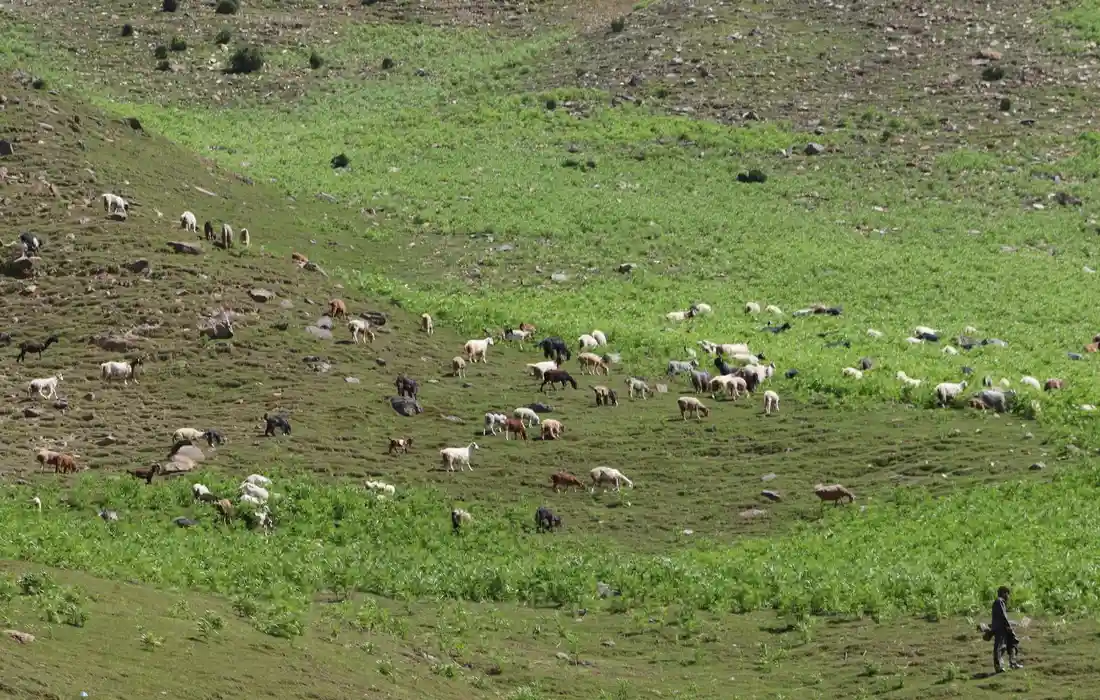
Knowing what your sheep can eat is only half the battle. The other, just as critical half, is knowing what they must avoid. I’ve spent more hours than I care to count walking fence lines and pastures, yanking up unwelcome guests. Vigilant pasture management is your first and cheapest line of defense against poisoning. It’s important, say, even before you worry about what toxic foods might be luring the lambs.
Common Garden & Pasture Dangers to Know by Sight
Some plants are sneakier than a fox in a henhouse. They can pop up almost overnight, especially in stressed or overgrazed pastures. Here’s a shortlist of the usual suspects I keep a weathered eye peeled for:
- Bracken Fern: This one’s a cumulative poison. A little won’t hurt, but let them nibble it over weeks, and you’ll see thiamine deficiency, weight loss, and nervous system failure. It’s particularly pesky in shaded, wooded pasture areas.
- Ragwort (Tansy): This yellow-flowered menace causes irreversible liver damage. The trick is, it’s bitter when fresh, so sheep often avoid it-but it’s just as deadly when dried and mixed in hay. Pull it before it flowers and seed.
- Yew (all parts): This ornamental shrub is a heart-stopper, literally. A handful of clippings can kill a grown ewe in minutes with no warning. I never allow it anywhere on the property.
- Oak Leaves & Acorns (in large quantities): A few won’t matter, but a glut, especially in the fall, leads to kidney damage and digestive upset from the tannins. Keep them out of oak groves when acorns are plentiful.
- Rhubarb Leaves: A common garden escapee, the leaves contain oxalates that can cause kidney failure and tremors. Your compost pile needs a fence more than your sheep do.
My rule is simple: if I don’t recognize it, it gets pulled. When in doubt, yank it out-it’s a lot easier than treating a sick animal later.
The Alfalfa Caution: Managing Lush Legume Risk
Now, this one catches many folks off guard. Alfalfa is fantastic feed for cows, rich in protein and calcium. But that very richness is the problem on pasture. It’s what we call a “hot” forage.
Turning hungry sheep onto a lush, wet alfalfa field is asking for bloat. The rapid fermentation in the rumen creates a foam they can’t eructate (belch), leading to a painful and fast-paced emergency. I learned this the hard way early on with a ram lamb named Brutus. We caught it in time, but it was a sobering lesson.
You can safely utilize alfalfa, but you must manage the transition and access with a firm hand. Never turn them out hungry. Follow these steps:
- Fill them up first on dry grass hay to take the edge off their appetite.
- Introduce them to the new pasture for only an hour or two the first day, preferably in the afternoon when dew is gone.
- Gradually increase grazing time over 7-10 days.
- Consider a mixed stand of grass and alfalfa, which is safer than pure legume pasture.
Here’s a quick glance at why we handle it so carefully:
| Forage Type | Crude Protein (%) | Risk Factor | Safe Strategy |
|---|---|---|---|
| Mature Grass Hay | 8-10% | Low | Foundation feed |
| Fresh Alfalfa (Bloom) | 16-20% | High (Bloat) | Gradual introduction, never empty |
| Mixed Grass/Alfalfa Pasture | 12-16% | Moderate | Ideal for balanced grazing |
Good stewardship means respecting the power of rich feed. Their digestive system is a finely tuned vat, and dumping in too much fuel too fast will cause an explosion. A little patience at the gate saves a world of trouble in the field.
Daily Rations and Life Stage Feeding: From Lambs to Ewes
Just like you wouldn’t feed a toddler the same plate as a lumberjack, your flock needs menus tailored to their life’s work. Getting the ration right is the difference between thriving animals and merely surviving ones, and it’s the cornerstone of responsible stewardship. Let’s break down who needs what in the feed bunk.
Feed Allocation for the Flock: Who Needs What and When
Think of your pasture and hay as the foundation of every meal, but the supplements are where you fine-tune for health. A mature, non-breeding ewe or a wether in good flesh might do splendidly on quality forage alone for much of the year. The moment you ask more of them-growth, pregnancy, milk production, or weathering a tough winter-your feeding strategy must pivot to meet that demand. I keep a simple chart etched on a board in the feed room to remind me of the shifting needs through the seasons.
Raising Strong Lambs: From Milk to Pasture
Those first few weeks, mama’s milk is all they need. But by about two to three weeks old, you’ll notice lambs nibbling at hay and sneaking bites of mama’s grain. This is your cue. I set up a creep feeder-a small pen only lambs can enter-around this time.
- Starter Feed: Offer a high-quality creep feed with 18-20% protein. This isn’t the time for thrift; you’re building bone and muscle.
- Free-Choice Hay: Provide the finest, leafiest alfalfa or clover mix you have alongside it. This gets their rumens developing properly.
- The Pasture Transition: By eight weeks, they should be grazing readily. Keep that creep feed available until weaning at around 12-16 weeks, then gradually switch them to a grower ration.
I’ve watched lambs huddle around a new creep feeder, curious as cats, until one brave soul figures it out and teaches the rest. Patience in this stage pays back tenfold in sturdy, fast-growing youngsters that don’t lag behind.
Fueling Mama Ewes: Pregnancy and Lactation Demands
This is where your attention to detail matters most. Underfeed a pregnant ewe, and you risk small lambs, poor milk, and a condition called pregnancy toxemia. We split this critical time into two parts: early/mid-gestation and the final six weeks.
- First 100 Days (Early/Mid-Gestation): Good pasture or quality grass hay is usually sufficient. The babies aren’t growing much yet. Maintain body condition, but don’t let her get fat.
- Final 6 Weeks (Late Gestation): This is the sprint. Seventy percent of the lamb’s growth happens here. Your ewe’s energy needs can jump 50-70%.
- Introduce a concentrate grain slowly. A 14-16% protein sheep ration is ideal.
- Start with half a pound daily, working up to 1-1.5 pounds by lambing.
- Always feed this supplement after she’s had her fill of long-stem hay to keep her rumen balanced.
- Lactation Peak (First 6-8 Weeks): Now she’s eating for three or four! Her needs are at their absolute highest.
- Continue and even increase the grain ration, watching her body condition and milk supply.
- She may need 2-3 pounds of concentrate daily plus all the excellent alfalfa mix hay she can clean up.
- Free-choice fresh water and a good sheep mineral are non-negotiable now.
I reckon the best investment you can make is in the ewe’s last trimester; her body is the factory, and you must keep the raw materials coming. A well-fed mama means vigorous lambs that hit the ground running and a ewe that rebounds quickly for the next breeding season.
Beyond the Green Grass: Hay, Supplements, and Winter Feed
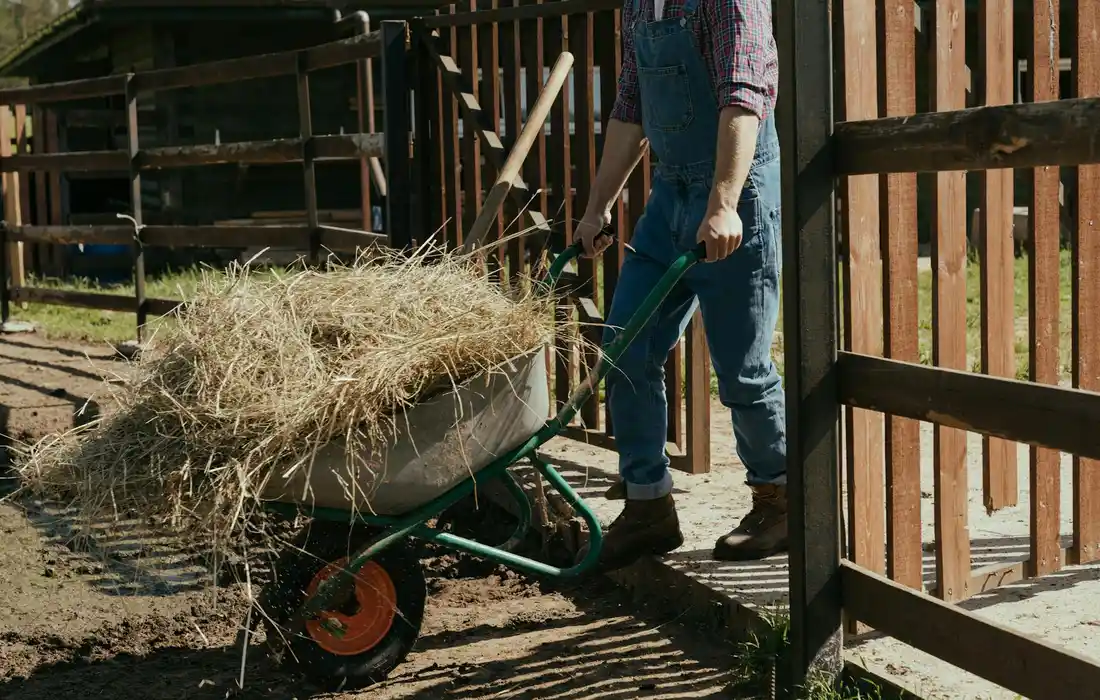
Pasture is a blessing, but a savvy shepherd knows it’s only one part of the yearly menu. When the frost silvers the field or a drought turns grass to straw, what you’ve put by in the barn makes all the difference. Your hay and mineral strategy is what carries your flock through the lean months and keeps them thriving in the fat ones.
Choosing the Best Hay: A Guide to Forage Quality
Not all hay is created equal, and I’ve learned the hard way that cheap hay can cost you dearly in vet bills and poor condition. You’re looking for stored sunshine and nutrition. First, use your senses. Good hay should smell sweet, like dried herbs on a summer day, never musty or moldy. A moldy bale is a hard no-it can cause respiratory issues and worse.
Look for a high leaf-to-stem ratio. Leaves pack the protein and energy, while stems are mostly fiber. I run my hand into a flake; if it feels soft and leafy, that’s the ticket. That green color you hear about? It’s a solid indicator, but a little sun-bleaching on the outside of a bale is normal; it’s the inside that tells the true story.
Let’s talk types. I often mix them for a balanced diet:
- Grass Hay (Timothy, Orchard, Brome): The reliable staple. Lower in protein (around 8-10%) and calcium, it’s perfect for maintenance and mature sheep. My ewes get this most of the year.
- Legume Hay (Alfalfa, Clover): The power feed. Rich in protein (15-20%+) and calcium, it’s fantastic for growing lambs, lactating ewes, or thin animals. I treat alfalfa like a supplement, feeding it strategically rather than as the sole forage, to avoid urinary issues in wethers and over-conditioning.
- Mixed Hay: Often the best of both worlds. A field cut of grass with a bit of clover mixed in gives you a nice middle-ground protein boost without being too rich.
Storage is key. Keep it dry, off the ground on pallets, and covered. Wasted hay is wasted money, and I reckon I lose less than 5% to spoilage with a good tarp system in my open-sided shed.
Mineral Supplementation and Salt: The Critical Details
Think of minerals as the spark plugs for your flock’s engine. Even on perfect pasture, the soil (and thus the grass) is often deficient. Offering a loose, sheep-specific mineral free-choice is non-negotiable. Never use a “goat” or “cattle” mineral for sheep; copper levels in those mixes can be fatal to sheep, as their tolerance is incredibly low. Beyond this, align mineral supplements with species-specific needs and follow safety precautions. Proper dosing, storage, and ongoing monitoring help prevent imbalances and adverse effects.
You’ll want a loose mix over a block. Sheep can’t get enough from licking a hard block, and their tongues aren’t made for it. I use a simple covered trough in the pasture and another in the barn. Watch their intake-if they’re gobbling it, they need it; if they’re ignoring it, the formulation might be off or they’re getting enough elsewhere.
Your mineral should have:
- Calcium & Phosphorus: In about a 2:1 ratio for proper bone growth and milk production.
- Selenium & Vitamin E: Critical for muscle function and immune health, especially in regions with selenium-deficient soils. A deficiency causes White Muscle Disease in lambs.
- Trace Minerals: Zinc for skin and wool, iodine for thyroid health.
And don’t forget plain white salt! It’s a separate requirement. Salt regulates fluids and drives them to drink more water, which helps prevent urinary calculi. I keep a plain salt block right next to their mineral feeder. Providing both free-choice mineral and salt is the simplest, most effective insurance policy you can buy for your flock’s metabolic health. I check and refill both every single morning during my rounds-it’s that important.
Smart Stewardship: Pasture Rotation and Seasonal Management

Managing land and flock together is the heart of good husbandry. I reckon the best fertilizer for any pasture is a sheep’s shadow, but only if that shadow keeps moving. Smart rotation and seasonal savvy turn your acreage into a lasting pantry for your woolly crew. Pasture rotation management, timed with forage growth, helps maximize grazing efficiency. When moves follow the season, paddocks are fed at peak, boosting intake and forage use.
Implementing a Simple Grazing Rotation System
Setting up a rotation broke the worm cycle on my farm and saved me a fortune on hay. A simple move-and-rest rhythm lets grass recover while sheep get fresh, clean forage. You don’t need fancy gear, just a plan and some elbow grease.
Start by looking at your pasture like a pie. Dividing it into three or four slices with temporary electric netting gives you the flexibility to manage growth and grazing pressure. I use polywire and step-in posts for their thrift and ease.
- Size Your Paddocks: Aim for 150 to 200 square feet per mature sheep during peak growth. This space lets them fill up without trampling or over-grazing the tender plants.
- Watch the Grass, Not the Calendar: Move your flock when they’ve grazed the grass down to about 3 inches. Let that paddock rest until it regrows to 6 or 8 inches. This rest period, often 25 to 30 days, builds deep roots and crowds out weeds.
- Make Water Mobile: I drag a 100-gallon water tank on a sled between paddocks. Having fresh water in each section encourages even grazing and saves your sheep from trekking back to a single source.
- Control Parasites Naturally: Sheep shed worm larvae in their manure. By moving them off a pasture before larvae climb back up the grass blades, you break the parasite life cycle. I’ve seen healthier lambs with fewer drenches since I started rotating.
The beauty of this system is in its simplicity. Even with just two paddocks, you can create a beneficial rest period that revitalizes your soil. My first setup was nothing more than a few reels of wire and a determined mindset.
Adjusting the Menu from Spring Bloom to Winter Doldrums
Sheep are seasonal eaters, and your job is to match their feed to nature’s tempo. I keep a close eye on both the pasture’s condition and the flock’s body score throughout the year. Their dietary needs swing with the weather. Seasonal shifts and weather conditions drive diet changes, so we tailor the feed to meet their evolving nutritional needs.
Spring grass is rich and can run 18-22% protein, which is wonderful but risky. Always introduce your flock to lush spring pasture slowly to prevent frothy bloat. I let mine graze on it for just an hour or two the first day, alongside some stemmy hay to keep their rumens steady.
When summer heat arrives, the grass matures and its quality dips. Maintain your rotation pace, but be ready to supplement if growth stalls. I often keep a stand of drought-tolerant legumes like birdsfoot trefoil for summer grazing, as it holds its protein better than common grasses.
Fall is for preparation. I select one or two paddocks in late summer to “stockpile” by excluding sheep, letting the grass grow tall and stand through winter. This provides precious green grazing after frosts. Start blending in your winter hay while there’s still some pasture left, so their gut microbes adjust gradually.
Winter feeding is an art of thrift and foresight. A mature ewe will need 4 to 5 pounds of good quality grass hay per day when pasture is gone. Here’s a seasonal checklist I follow:
- Spring: Monitor for bloat. Offer free-choice minerals to balance the rapid grass growth. Provide a grassy hay buffer.
- Summer: Ensure unlimited clean water. Use shade structures. Consider a small energy supplement if grazing quality plummets.
- Fall: Stockpile pasture. Build hay stores. Assess body condition and deworm based on fecal checks, not just the calendar.
- Winter: Feed hay in feeders to reduce waste. For late-pregnant ewes, introduce a half-pound daily grain ration. Never let your mineral feeder run empty, as it’s their main source of vital nutrients when the ground is frozen.
Your goal is a steady line of nutrition from season to season. By reading the land and anticipating the needs of your flock, you create a resilient system that sustains both the sheep and the soil beneath them. I’ve weathered many a hard winter by simply planning my pasture moves in the fall. Considering seasonal grazing strategies—rotational vs continuous—helps tailor those moves to forage growth. That alignment keeps nutrition steady for the flock and strengthens the land through the seasons.
Closing Tips for a Thriving Flock
What are the signs of nutritional deficiencies in sheep?
Watch for a rough, dull wool coat and poor fleece quality, which can signal protein or energy deficits. Other key signs include slowed growth in lambs, weight loss despite adequate feed, and in severe cases, visible bony prominence along the spine and hips.
How does a sheep’s diet change with the seasons?
In spring, introduce lush new growth slowly to prevent bloat and provide grassy hay as a buffer. During winter, the diet shifts almost entirely to stored hay, with increased energy needs for pregnant ewes met through grain supplementation.
What supplements are necessary if grass quality is poor?
Always provide free-choice, sheep-specific loose minerals to fill gaps in soil nutrition. If pasture is dry or stemmy, supplementing with a legume hay like alfalfa can boost protein and energy intake for maintaining body condition.
How should I introduce new types of grass or feed into a sheep’s diet?
Always introduce new forage gradually over 7-10 days to allow the rumen microbes to adjust. Start by offering the new feed for only an hour or two on the first day, ensuring sheep are not hungry when first turned onto novel pasture.
What is the role of clean water in a sheep’s diet?
Clean, fresh water is essential for proper digestion, nutrient absorption, and regulating body temperature. Adequate water intake is especially critical for lactating ewes and helps prevent urinary calculi, particularly in wethers.
What are the key feeding guidelines for rams?
Maintain rams at a healthy, athletic body condition year-round, avoiding obesity. Increase energy with grain supplementation for 4-6 weeks prior to and during the breeding season to support stamina and fertility, then return to a maintenance diet of quality forage.
Shuttin’ the Gate
When the sun starts to dip behind the barn and it’s time to call the flock in, your final chore is a simple check. Look at your pasture, then look at your sheep. A contented animal grazing on clean, diverse grasses is the best sign you’re doing things right. The truest measure of a healthy flock isn’t just in the shearing shed or the lambing pen-it’s in the quality of the green blanket they walk on every single day. Manage that well, and most other problems never get a foothold.
I reckon that’s about all from my fence line for now. I hope this gives y’all the confidence to look at your own pastures with a knowing eye and to see your sheep’s good health as a direct result of your careful stewardship. There’s a deep satisfaction in that. Now go enjoy the evening breeze and the sound of your flock grazing peacefully. Take pride in it. We’ll chat again soon, neighbor.
Further Reading & Sources
- r/sheep on Reddit: Pasture Management
- Sheep & cattle? The combination really works
- Pasture Management for Sheep Farms (the basics) – RaisingSheep.net
Caroline Mae Turner is a lifelong farm girl raised on red clay, early mornings, and the sounds of a bustling barnyard. With hands-on experience caring for everything from stubborn goats to gentle dairy cows and mischievous pigs, Caroline shares practical, tried-and-true advice straight from the farm. Her goal is to help folks keep their animals healthy, well-fed, and living their best barnyard life. Whether you're wrangling chickens or bottle-feeding a baby goat, Caroline brings a warm Southern touch and plenty of real-world know-how to every bucket in the barn.
Feeding Guidelines