Vegetable Safety for Rabbits: Your Guide to Feeding Squash and Zucchini Right
Published on: February 12, 2026 | Last Updated: February 12, 2026
Written By: Caroline Mae Turner
Howdy y’all, and welcome back to the barn. If you’ve got a bounty of summer produce and a hutch full of hungry bunnies, you might be pondering what’s safe to share. You can absolutely feed both squash and zucchini to your rabbits, but always start with a tiny, thumbnail-sized piece to see how their belly takes to it. I learned this through trial and error with my own colony, and it’s the cornerstone of keeping their digestion steady.
- A fresh squash or zucchini, ideally from your garden or a trusted source
- A sharp knife and a clean surface for chopping
- Just a couple of minutes for preparation
- Your rabbit’s regular hay and fresh water close by
We’ll have this feeding puzzle figured out directly, so you can return to the rest of your homestead duties with confidence.
Understanding Rabbit Digestion and Why Veggies Matter
I reckon a rabbit’s gut is a mighty particular thing, shaped by a life of grazing on fibrous plants. Their entire digestive health hinges on a steady, slow-moving parade of food through their system, a process we call hindgut fermentation. When you understand that, you see why veggies are more than just a treat; they’re a key partner to hay in keeping that parade marching.
From my years in the barn, I’ve seen how a few fresh greens can brighten a rabbit’s day and digestion. Vegetables provide essential moisture and nutrients that hay alone can’t always deliver in perfect balance. They’re the colorful, watery supplement to the dry, grassy foundation of their diet.
The Role of Fiber and Hydration in a Rabbit’s Diet
Think of fiber as the main engine and water as the lubricant. Without enough of both, everything seizes up. Unlimited grass hay is non-negotiable, providing the long-strand fiber that keeps their gut muscles active and prevents deadly stasis. I aim for at least an armful of timothy or orchard grass per rabbit, every single day.
Hydration comes from a clean water source and juicy veggies. A rabbit on a dry, hay-only diet might not drink enough water, making moist vegetables a critical double-duty player for fluid intake. I always keep a heavy crockery bowl full of fresh water, as I’ve watched rabbits drink more from a bowl than a bottle.
Here’s my barn-tested checklist for a happy bunny belly:
- Fiber First: 80-90% of the diet should be high-quality grass hay.
- Hydration Helpers: Offer 1-2 cups of packed leafy greens daily per 5 lbs of body weight, alongside fresh water.
- Introduce Slow: Any new vegetable, including squash, gets introduced over 7-10 days to watch for soft stools.
Are Squash and Zucchini Safe for Rabbits to Eat?
Yes, indeed, both are safe and can be a fine garden treat for your hoppers. I’ve fed summer zucchini and winter squash to my rabbits for seasons, and they consider it a high-value reward. These vegetables are generally low in oxalates and sugars compared to some fruits, making them a smarter choice.
Moderation is your guidepost here, friend. Even safe veggies should only compose about 10-15% of an adult rabbit’s total diet, with the bulk still being hay. I treat squash and zucchini as the “sometimes” food, not the everyday staple (always referring to portion guidelines for fresh veggies).
What Parts of Squash Are Safe for Rabbits to Eat?
You can share most of the squash from your harvest. The flesh and skin of cooked or raw squash are perfectly fine, but I always serve it raw to preserve the nutrients and dental benefits. Just scrub that skin good to remove any field dirt or wax.
Seeds are a point of caution. Small, soft seeds from summer squash are usually harmless, but I remove the large, hard seeds from winter varieties like pumpkin to prevent any choking risk. The vines, leaves, and flowers of squash plants can be tough and are best left out of the feeding dish.
Safe feeding practice for squash:
- Offer: Washed flesh and skin, raw. Start with a chunk no bigger than your thumbnail.
- Use Caution: Small seeds only. Avoid all large, hard seeds.
- Avoid: Stems, leaves, and any cooked squash with butter, salt, or spices.
What Parts of Zucchini Are Safe for Rabbits to Eat?
Zucchini is one of the easier garden gifts to share. The entire fruit-skin, flesh, and the soft seeds inside-is safe and enjoyable for rabbits when given fresh and clean. I often give ends and trimmings from my kitchen prep, and nothing goes to waste.
You can even offer the beautiful yellow blossoms. Zucchini flowers are a delightful, occasional treat my rabbits go wild for, but I limit them to one or two at a time since they’re delicate. The plant’s large leaves, while not toxic, are often prickly and may irritate a rabbit’s mouth, so I skip them.
My zucchini rule of thumb:
- Best Parts: Fresh, raw zucchini flesh with skin attached. The flowers are a special bonus.
- Preparation: Wash thoroughly. No need to peel.
- Skip: The tough stem, large leaves, and any zucchini that’s gone soggy or moldy in the garden.
How to Prepare and Serve Squash and Zucchini
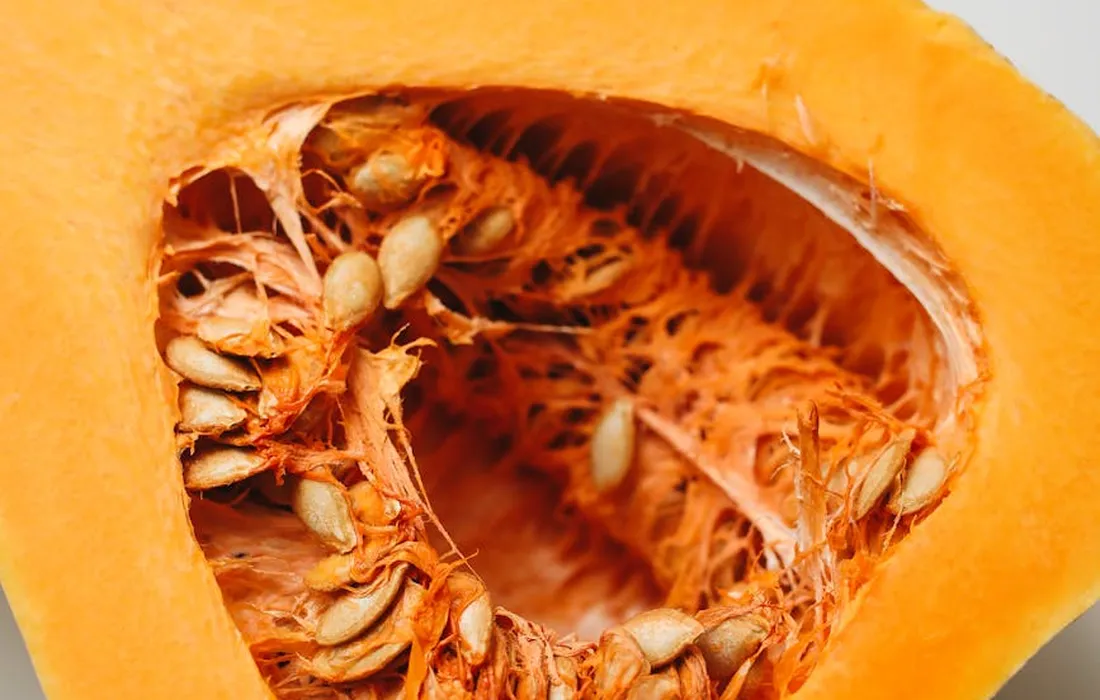
Now, I reckon if you’re kind enough to share your garden bounty with your rabbits, you’ll want to do it right. Proper prep turns a tasty treat into a safe one, and I’ve learned a thing or two from watching my own herd nibble away. Taking those few extra minutes in the kitchen safeguards your rabbit’s health and lets you both enjoy the moment without a worry.
Step-by-Step: Washing and Cutting for Safety
Don’t let a little dirt fool you; store-bought or homegrown, all squash needs a good scrub. I use a mix from my grandma’s time: a splash of plain white vinegar in a bowl of cool water. It cuts through any residue plain water might miss.
- Give it a Bath: Submerge the entire squash or zucchini in your vinegar solution for 5-10 minutes. This loosens dirt and helps remove surface contaminants.
- Scrub-A-Dub: Use a clean, dedicated vegetable brush under running water. Pay special attention to the crevices and the stem end where grit loves to hide.
- Dry Thoroughly: Pat it completely dry with a clean towel. A wet vegetable can introduce excess moisture to your rabbit’s delicate digestive system.
- Size Matters for Cutting: For most adult rabbits, I cut into chunks about the size of my thumbnail. This prevents choking and makes it easy for them to handle. For younger bunnies, I’ll grate a small amount instead.
- Seed Check: With larger, mature squash, scoop out the stringy pulp and seeds. They’re not toxic, but they can cause digestive upset in large quantities. The seeds from small, tender zucchini are usually fine left in.
Always discard the stem and any bruised or overly tough sections, as they’re hard on those tiny teeth and tummies. I keep a dedicated cutting board just for animal feed to avoid any cross-contamination from our seasonings.
Raw vs. Cooked: What’s Best for Bunny?
You might be pondering whether to serve it straight from the vine or warmed up. In my barn, we stick with raw for these particular vegetables, and here’s the plain reason why.
Raw squash and zucchini retain all their natural enzymes and water-soluble vitamins, like vitamin C, which can be diminished by heat. That crisp texture also provides essential dental wear, helping to grind down those ever-growing rabbit teeth naturally. I’ve watched my rabbits work joyfully on a raw zucchini chunk, and it does my heart good. It’s always better to choose raw over cooked when feeding vegetables to rabbits.
Cooking, like steaming without additives, can soften the vegetable, which might be useful for a very old rabbit with dental issues. But for the average hopping friend, it’s an unnecessary step. Cooking also concentrates the sugars and can lead to a mushy consistency that, if fed too often, might disrupt the critical fiber balance in their gut.
Stick with fresh, raw, and prepared as described. It’s the thriftiest way, too-no extra fuel or time needed. Offer a one-inch cube per 2 pounds of your rabbit’s body weight, a few times a week, alongside their endless hay. That’s the sweet spot for a happy, healthy bunny.
Feeding in Moderation: Portion Size and Frequency
Now, let’s talk about the heart of the matter: how much and how often. Just like us, rabbits thrive on variety, but their delicate digestive systems demand a careful hand at the treat jar. I’ve learned through both careful study and a few messy hutches that moderation isn’t just a suggestion-it’s the golden rule for a hopping healthy bunny.
How Often Can Rabbits Eat Squash?
Winter squash like butternut or acorn is a sweet, dense affair. I treat these orange-fleshed gems as a special weekend reward, not a daily staple. Their higher sugar and starch content means overdoing it can lead to a sluggish gut and an unbalanced cecum. I aim for once, maybe twice a week at most.
Portion size is everything. For a standard-sized rabbit, I start with no more than a heaping tablespoon of cooked, peeled squash. Always cook it and remove the seeds and skin to make it easy on their tummies. I remember one frosty fall when I got generous with the baked butternut; let’s just say the cleanup in Penelope’s cage was a lesson I won’t forget. Here’s my simple guide:
- Frequency: 1 to 2 times per week.
- Serving Size: 1 tablespoon per 5 pounds of body weight.
- Preparation: Always cooked, cooled, and mashed or cubed. Never feed raw winter squash.
- Best Practice: Offer it mixed with their daily hay to encourage slower eating and better digestion.
How Often Can Rabbits Eat Zucchini?
Zucchini is a summer favorite in the rabbitry for good reason. This veggie is far gentler, with higher water content and less sugar, making it a more frequent visitor to the feed dish. You can safely offer zucchini two to three times a week during the growing season. It’s a thrifty way to use up those garden giants that hide under the leaves.
I give it raw, washed, and with the skin on for extra fiber. Slice it into thick rounds or sticks to help wear down those ever-growing teeth. My buck, Jasper, will thump for these green slices on a hot afternoon. Just watch their droppings; too much can lead to softer cecotropes due to the moisture.
- Frequency: 2 to 3 times per week.
- Serving Size: A one-inch thick round or two for an average-sized rabbit.
- Preparation: Fresh, raw, and thoroughly washed. The skin is safe and beneficial.
- Garden Tip: If you’ve got a glut, slice and freeze zucchini for a cool, occasional treat later, but thaw it completely first.
Introducing New Vegetables to Your Rabbit’s Diet
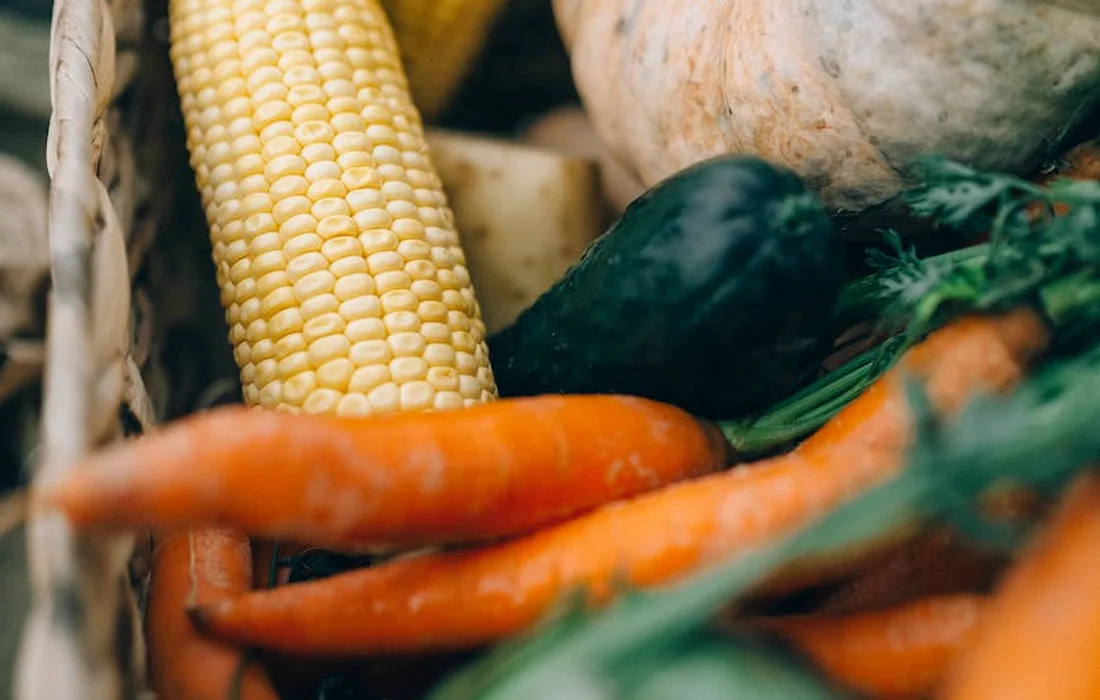
Now, I know the temptation is mighty strong to share a bit of your garden bounty directly with your fluffy herd. I’ve been there, standing at the fence with a freshly picked zucchini in hand. But just like you wouldn’t feed a newborn calf a full bale of hay, you can’t just hand a rabbit a new vegetable and hope for the best.
Their digestive systems are finely tuned, hindgut fermenters that rely on a specific balance. A sudden change is the fastest way to throw that whole delicate system into an uproar, leading to serious GI distress.
The General Rules for Introducing New Vegetables
Think of this process not as a restriction, but as a respectful first introduction. You’re learning what agrees with your particular rabbit, and they’re learning to trust a new food. Here’s the method I’ve used for years in my own barn: transitioning your rabbit’s diet safely.
- Start Small, Real Small. We’re talking a piece about the size of your thumbnail, or one thin slice of zucchini. This isn’t a meal; it’s a taste test.
- Offer It Solo. Give this one new item by itself, not mixed into their regular salad. If trouble arises, you’ll know the exact culprit.
- Watch and Wait for 24 Hours. This is the most critical step. You are looking for any sign of soft stools, diarrhea, or a lack of appetite for their normal hay. Their hay consumption should never drop.
- Proceed Slowly if All is Well. If their output and input remain perfect, you can offer that same small amount for 2-3 more days before very gradually increasing the portion.
- One New Thing at a Time. Patience is a virtue on the homestead. Introduce only one new vegetable per week to avoid confusing your detective work and your rabbit’s gut.
I keep a simple barn log for this very purpose-a note on the calendar about what was introduced and when saves a world of guesswork later. This careful approach has saved more than one of my rabbits from a bellyache and taught me which individuals have more sensitive constitutions.
Recognizing Signs of Digestive Upset in Rabbits
After sharing a new treat like zucchini, you gotta watch your bunny closer than a hen watches her single chick. A rabbit’s digestion is a finely-tuned engine, and even safe foods can cause a sputter if introduced too fast or in the wrong amount. Knowing the warning signs is your first line of defense.
What to Watch For in the First 12-24 Hours
I’ve spent many an evening sitting quiet by the hutch, just listening and looking. Your rabbit will tell you more than you might think.
- Changes in Droppings: This is your #1 clue. Healthy poop is round, firm, and consistent. Be concerned if you see:
- Small, hard, misshapen pellets or a drastic drop in number.
- Soft, mushy cecotropes (the nutrient-rich droppings they usually re-eat) stuck to their fur or left uneaten.
- Diarrhea – this is an urgent sign.
- Lethargy and Hunched Posture: A happy rabbit is a curious rabbit. If they’re sitting all balled up, pressing their belly to the floor, or lack interest in a favorite sound, pain is likely.
- Loss of Appetite: A rabbit refusing their favorite hay or a fresh treat is a blazing red flag. Their gut needs constant fiber to move.
- Audible Gut Sounds: Listen close. Either loud, gurgling noises (gas) or a deadly silent belly can signal trouble.
- Grinding Teeth: A soft, purring grind can mean contentment. A loud, persistent grind often signals pain.
Immediate Steps to Take
If you spot any of these signs, don’t wait. First, remove the new food immediately and go back to a baseline diet of high-quality hay and fresh water. That’s your homesteader’s reset button.
- Encourage Hay Consumption: Hand-feed their timothy or orchard grass. The long fibers are what will get their system moving again.
- Hydration is Critical: Ensure their water is fresh. You can offer wet, leafy greens like romaine to boost fluid intake.
- Assess and Act: If appetite doesn’t return within a few hours, or if the rabbit becomes more listless, it’s time to call your vet. Gastrointestinal stasis is a swift and serious enemy.
I keep a stash of simethicone (infant gas drops) in the farm medicine cabinet just for this reason-a small dose can relieve painful gas from a new veggie. Always consult your vet for proper dosages and protocols, as every rabbit’s needs differ. It’s better to be the cautious shepherd than the sorry one.
Building a Varied and Safe Vegetable Menu
The Importance of Variety for Nutrition and Enrichment
Y’all, feeding rabbits isn’t just about filling a bowl; it’s about crafting a menu that keeps ’em thriving from the inside out. I’ve seen firsthand in my own herd that a monotonous meal plan leads to picky eaters and can mask subtle nutrient shortages over time. Think back to your own table-eating the same thing daily gets mighty dull, and for our rabbits, that boredom can stir up trouble, especially when it comes to their digestive health and recognizing satiety signals.
From a nutritional standpoint, variety is your best insurance policy. No single vegetable, not even a dependable favorite like zucchini, provides every vitamin, mineral, and fiber type a growing rabbit requires. By rotating crops, you ensure they get a little bit of everything: vitamin A from dark leafy greens, vitamin C from bell peppers, and the sturdy fiber from squash that aids digestion. This approach supports essential vitamins and minerals for optimal rabbit health. It helps ensure your rabbit gets the nutrients it needs to thrive.
Beyond the feed bucket, a varied diet is pure enrichment. Offering different shapes, textures, and smells each day stimulates their minds and satisfies their natural foraging instinct. I often scatter a mix of cilantro sprigs, romaine pieces, and a few thin zucchini rounds in their pen-it turns dinner into a engaging activity that curbs destructive habits.
Here’s a simple, cost-effective rotation system I use based on what’s in season:
- Daily Staples: A base of one or two leafy greens like romaine lettuce or endive.
- Rotational Stars: Add a handful of a different veggie each day, like squash cubes on Monday, broccoli leaves on Tuesday, or zucchini slices on Wednesday.
- Herbal Accents: Thyme, mint, or basil a couple times a week for a flavor burst and health benefits.
Introducing new veggies requires a patient hand. Always start with a portion no bigger than your thumbnail to see how your rabbit’s gut handles it before making it a regular offering. I keep a pencil and notepad nailed right to the barn wall to jot down what I fed and who liked it-saves a world of guesswork later.
Don’t forget the power of your own garden surplus for thrifty nutrition. Those overgrown zucchini, misshapen squash, and carrot thinnings are gold for your rabbits, turning potential waste into wholesome feed. It’s a practice that honors both the animal and the land, which is what good stewardship is all about.
Safe Feeding Wisdom for the Whole Barnyard
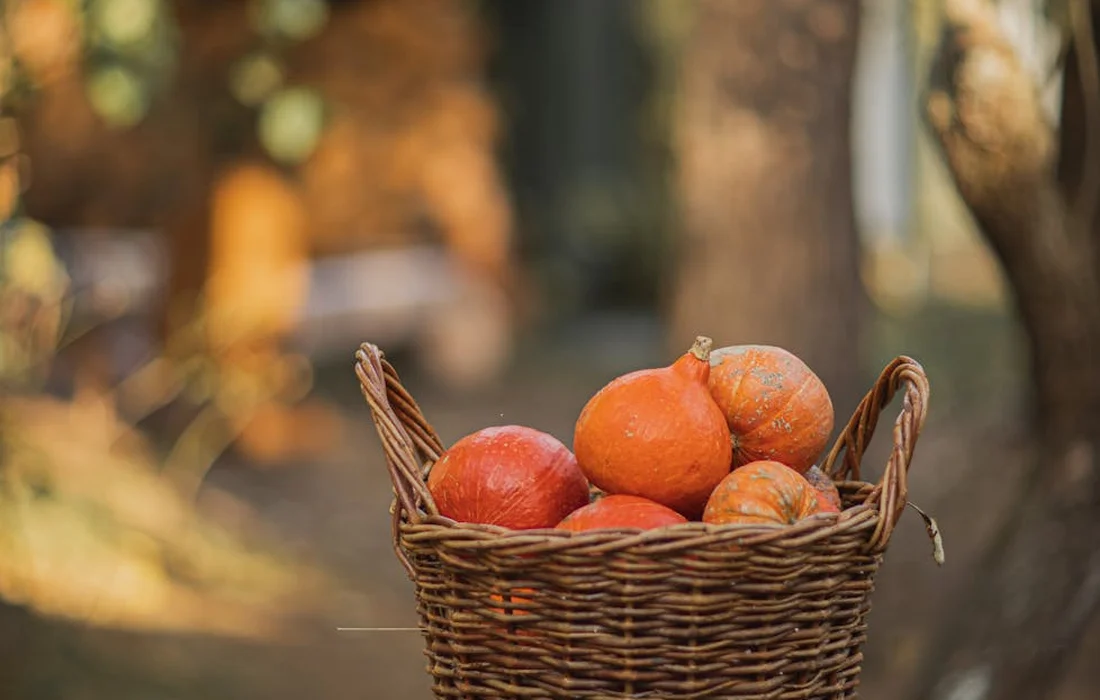
Now, what I’ve learned from decades of tossing scraps to chickens and watching cows mow a pasture applies directly to your rabbit’s dinner plate. The core rule for every creature, from the mightiest steer to the tiniest bunny, is to introduce any new food slowly and in small amounts. A sudden change in any critter’s gut can lead to a world of trouble, and rabbits are especially delicate in that department.
How Rabbits Compare to Other Livestock
You might reckon that what’s good for a pig is fine for a rabbit, but that’s a fast track to a poorly animal. Their digestive systems are built different. A pig is a champion composter; he’ll root and eat most anything with gusto. A cow’s four-chambered stomach is a fermentation vat designed for rough grass. But a rabbit? A rabbit’s digestion is a finely-tuned, continuous process that relies heavily on the right balance of fiber to keep everything moving smoothly. Too much of a new, watery vegetable can stop that process cold, which is a genuine emergency.
I learned this lesson early, watching my grandmother feed the stock. She’d give the peelings and ends to the pigs, the wilted outer leaves to the goats, but she was mighty particular about what went into the “kitchen scraps” bucket for our house rabbits. It wasn’t leftovers; it was curated.
Applying Barnyard Sense to Bunny Plates
So, let’s talk specifics for your rabbits and those summer squashes. The principles of good husbandry remain the same: know your animal, know your feed, and practice moderation.
- Start Small as a Seed: For a first-time offering, a piece of zucchini or squash no bigger than your thumbnail is plenty. Watch their droppings for the next 24 hours.
- Wash It Like You Mean It: Scrub that skin clean under cool water to remove any field dirt or potential pesticide residue. What you wouldn’t eat, don’t feed.
- Seeds and Skin – The Debate: With young, tender zucchini and summer squash, the skin is soft and the seeds are undeveloped. I feed them, and mine have always done just fine. For older, tougher squash with hard seeds and a woody stem end, I take the time to peel it and scoop the seeds out. It’s a small act of thriftiness that prevents a potential blockage.
- Treats, Not Staples: Even when they’re in season, these vegetables are a supplement. They should never replace their primary diet of unlimited grass hay, a measured portion of pellets, and a constant supply of fresh water.
A Quick Glance Across the Fence
| Animal | Squash/Zucchini Notes | Key Difference from Rabbits |
|---|---|---|
| Chickens | Love it! Can have raw, cooked, seeds, flesh. A great hydrating summer treat. | Gizzards grind hard seeds. No need to limit fibrous plant matter. |
| Pigs | An excellent, nutritious snack. Can eat whole damaged fruits raw. | Monogastric like rabbits, but their digestive tract is far more robust and less sensitive. |
| Goats & Sheep | Will nibble, but it’s not a natural forage. Best cut into pieces to avoid choking. | Ruminants. Primary energy comes from fermented hay/grass in the rumen, not simple sugars. |
| Rabbits | A small, washed, occasional treat. Introduce slowly. Monitor portions. | Hindgut fermenters. Require massive, consistent hay fiber to prevent fatal GI stasis. |
Seeing it laid out like that shows you why you can’t feed by a one-size-fits-all rule. Good stewardship means understanding the unique design of the animal in your care and respecting its limits. Your rabbits will thank you with good health, bright eyes, and lively hops around the hutch. That’s a reward no store-bought treat can match.
Closing Tips
What parts of squash are safe for rabbits to eat?
The safe parts are the washed flesh and skin of raw squash. Always remove large, hard seeds to prevent choking, and avoid feeding stems, leaves, or any cooked squash with additives.
How often can rabbits eat squash?
Feed squash, particularly denser winter varieties, only 1-2 times per week. Offer small, cooked portions-about a tablespoon per 5 pounds of body weight-to avoid digestive upset.
What parts of zucchini are safe for rabbits to eat?
The entire zucchini fruit, including skin, flesh, and soft seeds, is safe when fresh and clean. You can also give the flowers as an occasional treat, but skip the tough stems and leaves.
How often can rabbits eat zucchini?
Zucchini can be offered 2-3 times weekly during the growing season. Serve it raw and thoroughly washed to provide hydration and dental benefits without overloading their system.
What are the general rules for introducing new vegetables to a rabbit’s diet?
Start with a tiny, thumbnail-sized piece of one new vegetable at a time. Monitor your rabbit closely for 24 hours for any signs of digestive issues before gradually increasing the amount. This is especially important when introducing new foods to a rabbit’s diet.
What are signs of digestive upset in rabbits after eating new food?
Key signs include soft or misshapen droppings, lethargy, loss of appetite, or unusual gut sounds. If observed, immediately remove the new food and revert to a hay-and-water diet, consulting a vet if symptoms persist.
Back to the Garden Gate
When it comes to sharing your harvest with those cotton-tailed helpers, the rule is beautifully simple. Start with a sliver, watch with a sharp eye, and let their hay guide the way for every new garden treat you offer. That careful habit protects their delicate digestion and turns feeding into a joy, not a worry.
I’m right grateful y’all stopped by to talk rabbits and veggies. There’s a special kind of peace that comes from watching a happy bunny nibble a fresh zucchini slice you grew yourself. May your gardens be plentiful, your rabbits be bright-eyed, and your mornings be filled with simple, good work. Take care of yourselves and your critters.
Further Reading & Sources
- Can Rabbits Eat Zucchini? Vet-Verified Facts &n Safety Tips | PangoVet
- Can a rabbit eat Squash/Zucchini? | Rabbit Hole Hay
- Can Rabbits Eat Zucchini? Vet-Verified Facts &n Safety Tips | …
Caroline Mae Turner is a lifelong farm girl raised on red clay, early mornings, and the sounds of a bustling barnyard. With hands-on experience caring for everything from stubborn goats to gentle dairy cows and mischievous pigs, Caroline shares practical, tried-and-true advice straight from the farm. Her goal is to help folks keep their animals healthy, well-fed, and living their best barnyard life. Whether you're wrangling chickens or bottle-feeding a baby goat, Caroline brings a warm Southern touch and plenty of real-world know-how to every bucket in the barn.
Feeding Guidelines