
What Do Wild Ducks Eat? Your Homestead Guide to Natural Foraging & Seasonal Diets
Published on: July 4, 2026 | Last Updated: July 4, 2026
Written By: Caroline Mae Turner
Howdy y’all. If you’re frettin’ over what to scatter for the wild mallards on your pond, I’m here to save you time and money with the farmer’s fix: healthy wild ducks are superb natural foragers, dining on a smorgasbord of aquatic plants, insects, small fish, and crustaceans they find themselves in ponds, marshes, and wet fields.
What you’ll need:
- Time to observe their behavior from a respectful distance.
- A basic knowledge of your local wetland plants and insects.
- The restraint to let nature handle the catering.
Let’s mosey through the details together, so you can support their wild ways and get back to your own coop chores with confidence.
The Omnivorous Appetite: What Makes Up a Wild Duck’s Diet
When you watch a flock of ducks work a wetland, you’re seeing the ultimate opportunistic eaters at work. Wild ducks are true omnivores, masters of the “if it fits, I eats” school of thought, which keeps them wonderfully adaptable through all sorts of conditions. Their menu is a seasonal buffet that shifts with availability, and understanding this balance is key for any steward looking to appreciate or even supplement their local flock. It’s not unlike how our chickens will scratch for bugs but also mob the kitchen scraps, just on a much wider, water-based scale.
For us barnyard folks, it’s helpful to break their diet down into two main columns, just like checking the tags on your feed bags. Here’s what’s typically on the docket:
| Plant Matter (The Greens & Grains) | Animal Matter (The Proteins & Bugs) |
|---|---|
|
|
The magic is in the mix. A duck doesn’t just eat plants or just eat bugs; it consumes a varied diet that provides complete nutrition-something we aim for when balancing our own flock’s scratch grains with their free-range foraging. In spring and summer, the diet leans heavy on animal protein (sometimes over 20% of intake) to support breeding and feather growth. Come fall and winter, they switch gears to capitalize on seeds, grains, and remaining vegetation to build fat reserves. It’s a natural, efficient system we’d do well to observe. For practical application, a seasonal duck feeding guide outlines spring, summer, fall, and winter diets. It helps tailor feed choices to each season.
How Wild Ducks Forage: Dabbling, Diving, and Daily Feeding Behavior
Their dinner table manners are as specialized as their diet. A duck’s bill isn’t just a beak; it’s a finely-tuned tool. The edges are lined with tiny, comb-like structures called lamellae that act like a sieve. They can take in a mouthful of muddy water, press it out the sides of their bill, and trap all the tasty morsels inside-nature’s perfect filter feeder. At dusk and after dark, ducks often adjust how they forage and what they gulp down. These nocturnal feeding habits reveal distinct consumption patterns worth studying.
You’ll generally see three main methods of foraging, often dictated by the species:
- Dabbling (or “Tip-Up”): This is the classic mallard posture. They paddle in shallow water, tip their rear ends to the sky, and stretch their necks down to root in the soft bottom for plants and invertebrates. Their legs are set more forward, making them agile on land, too.
- Diving: Species like mergansers and scaup will fully submerge, propelling themselves with their feet to chase down faster prey in deeper water. Their legs are set farther back, making them powerful swimmers but a bit comically awkward on shore.
- Grazing: Don’t be surprised to see a line of ducks waddling through a harvested cornfield or a grassy meadow. They’ll nibble tender grasses, pluck seeds from stalks, and snatch up earthworms just like a flock of geese, albeit with less aggression.
Their daily rhythm is tied to energy. Ducks often feed most intensively at dawn and dusk-the crepuscular hours-resting and preening during the middle of the day and night. I’ve spent many quiet mornings by our farm pond watching this cycle unfold. The mallards will work the shallows as the sun breaks, tipping up in a contented rhythm, then paddle to the bank to preen and doze in the sun once they’ve had their fill. It’s a peaceful reminder that a well-fed critter is a calm critter, whether it’s a wild duck or a barnyard chicken. They know what they need and they work diligently, but not frantically, to get it.
A Seasonal Menu: How Wild Duck Diets Change Through the Year
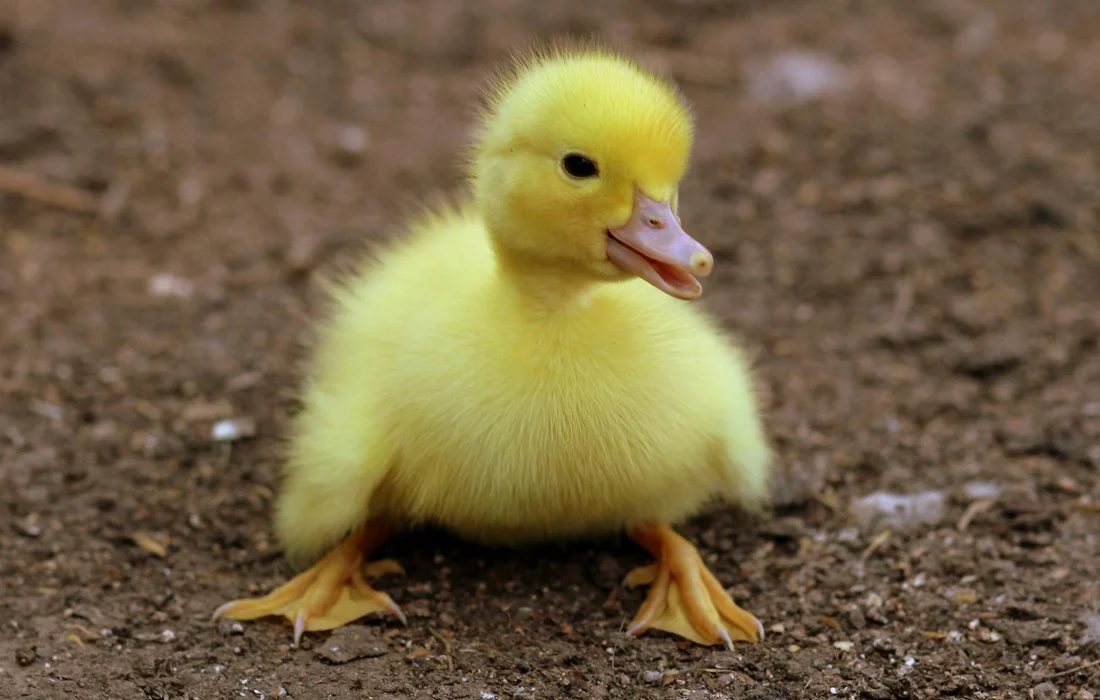
Just like our chores on the homestead shift with the seasons, a wild duck’s pantry changes month to month. Payin’ attention to these natural rhythms gives y’all a deeper respect for how these birds make their livin’ and how we can be better stewards of the waterways they call home.
Spring and Summer: The Season of Abundance
When the pond water loses its winter chill and the days grow long, the wetland world erupts with life. For ducks, this is a critical time for raisin’ families, and their forage reflects that need for high-octane fuel. Every dabble and dive is focused on snatchin’ up protein, the buildin’ block for eggs and fast-growin’ ducklings. I’ve watched mama mallards from my kitchen window, leadin’ their lines of fuzzy young’uns straight to the algae mats where the good stuff hides.
Their warm-weather plate is piled high with livin’ groceries:
- Aquatic Insects & Larvae: Mosquito wigglers, water boatmen, and caddisfly larvae. These little critters can be over 50% pure protein, and ducks gobble ’em up like candy.
- Small Fish & Amphibians: Minnows, tadpoles, and even small frogs. Ducks like mergansers are especially keen on this swimmin’ snack.
- Tender Vegetation: Duckweed, watermeal, and the young shoots of pondweed and smartweed. This greens them up and provides essential vitamins.
- Snails & Crustaceans: Freshwater snails and scuds (tiny shrimp-like creatures) offer protein and calcium for strong eggshells.
You’ll see a different foragin’ style now-less lazy dabbling and more frantic, purposeful huntin’. A successful hatch depends on this insect-rich bounty, which is why healthy, unpolluted waterways are non-negotiable for wild duck populations. I reckon it’s a good reminder for us on the farm to mind our runoff and keep the water clean for all creatures.
Fall and Winter: Shifting to High-Energy Foods
The first frost signals a big switch in the grocery aisle. Protein takes a backseat to carbohydrates and fats. Ducks need dense calories now, either to power a thousand-mile migration or to stoke their internal furnace against freezin’ temperatures. This means they eat fewer proteins like minnows or nightcrawlers during this time. The menu shifts from what’s swimmin’ to what’s sittin’ in the mud or left in the fields.
This is when you’ll see flocks descend on harvested cornfields or marshy edges, loadin’ up on these hearty staples:
- Seeds & Grains: Wild rice, millet, sedge seeds, and acorns. Leftover corn, wheat, and soybeans in agricultural fields are a major attractant.
- Persistent Aquatic Vegetation: Tubers and roots of plants like wild celery, sago pondweed, and arrowhead. Ducks will dive or “tip up” to grub these from the bottom mud.
- Winter Berries & Fruits: What’s left on the vine, like persimmons or winterberry, can be a welcome sweet bite.
Migration is a gruelin’ task, and resident ducks face the challenge of findin’ open water. I’ve watched buffleheads work a small patch of ice-free creek like a precision crew, divin’ repeatedly for the last few scraps of vegetation. For ducks that stay put, survival hinges on findin’ those unfrozen springs or slow-moving rivers where they can still access submerged foods. It’s a tough season, and their shift to this seed-based diet is a brilliant adaptation-one that homesteaders can appreciate by leavin’ some cover crops or wild edges standin’ for winter wildlife.
Supporting Wild Ducks on Your Homestead: Do’s and Don’ts
Seeing a flock of wild ducks settle on your pond is a special kind of homestead joy. It means you’re doing something right. Our role isn’t to tame them, but to be thoughtful stewards of the habitat that draws them in. Ducks naturally help control insect larvae by feeding on them around the water, a gentle form of pest management. With a few simple practices, you can support their natural foraging without making them dependent.
Crafting a Duck-Friendly Water Haven
A good farm pond is more than a hole filled with water; it’s a living pantry. I’ve watched our visiting mallards for years, and their favorite spots always have two things: gradual slopes and messy edges.
Ducks are dabblers and tip-up feeders, not deep divers. A pond bank that drops off sharply is a dinner plate they can’t reach. If you’re able, creating a gently sloping shoreline or a gravelly beach area gives them safe access to shallows where insect life thrives.
Beyond the edge, what’s in the water matters. Skip the ornamental koi pond plants and think native. Here’s what to encourage or plant:
- Submerged Vegetation: Wild celery, pondweeds, and elodea. These are salad bars for ducks, loaded with leaves, stems, and invertebrates.
- Emergent Plants: Cattails, arrowhead, and smartweed along the margins. Ducks eat the seeds and find shelter here.
- Surface Cover: Duckweed and watermeal. These tiny floating plants are power-packed with protein and are a highly favored natural food.
If You Choose to Offer Supplemental Feed
I rarely scatter feed for wild visitors, as it can concentrate them unnaturally and attract pests. But in a brutal winter snap or early spring when natural foods are scarce, a little help can be a mercy. If you do, treat it like a rare snack, not a daily meal ticket. Offer these safe options sparingly, and far from your house or barn.
- Cracked Corn or Whole Wheat: An affordable carbohydrate source for energy. Scatter it in the shallows where they naturally feed.
- Plain Oats: Rolled or quick oats are a safe, easy-to-digest option.
- Birdseed Mix: A simple blend of millet, sunflower hearts, and cracked corn.
- Frozen Peas or Corn: Thawed first! These are a nice, moist treat.
The Absolute “No-Fly” Zone: Foods to Avoid
This is where we must be firm, for the health of the ducks and the cleanliness of your pond. What you withhold is just as important as what you provide. I’ve seen the consequences of bad feeding, and it’s a sad sight.
Never, Ever Feed Bread or Similar Human Foods.
It doesn’t matter if it’s fresh, stale, or whole wheat. Bread is junk food for ducks.
From Wild to Domestic: Lessons for Feeding Your Barnyard Ducks
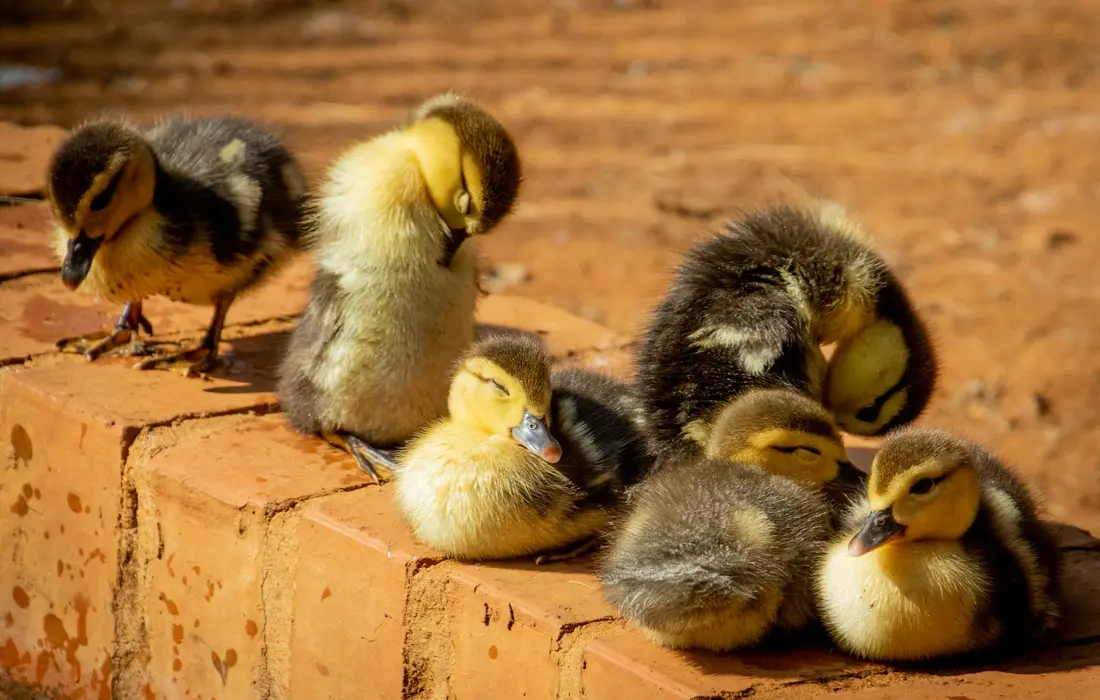
Watchin’ a flock of wild mallards work a marsh will teach you more about duck husbandry than any feed bag label. The key is usin’ their natural blueprint as a guide for your own backyard flock. You ain’t tryin’ to replicate the wilderness, but you are honorin’ their design.
1. The Feed Bucket vs. The Forage Buffet
Your bagged feed is the reliable staple, the bedrock of their diet. Think of it like your daily bread. But greens, bugs, and grains are the butter, jam, and honey that make it complete. For growin’ ducklings, I stick with a starter crumble around 18-20% protein for the first few weeks to support those rapid growth spurts. After that, for most laying breeds like my Khaki Campbells, a good layer feed around 16-18% protein does the trick year-round. For the best duck feed formulas, tailor the plan to their age and breed to meet nutritional requirements. Your ducks will thrive when their balance matches their stage of life.
Now, here’s where we apply the wild lesson. That commercial feed is just the base. Every bit of greenery, every slug, every aquatic plant they consume lets you reduce that overall feed cost while boostin’ their health. I toss my ducks whole heads of leafy lettuce, chopped kale, and all the cucumber ends from the kitchen. It’s not just a treat; it’s necessary foraging work.
2. Encouragin’ the Foraging Instinct in a Managed Space
You don’t need ten acres of wetland to let your ducks express their natural behaviors. A little creativity goes a long way. Here’s what works in my setup:
- Scatter Feeding: Never just dump pellets in a trough. I take a handful of their daily ration and toss it across their pen or into their shallow pond. They’ll spend happy hours dabbling and sifting through the mud and water to find it, just as they would in the wild.
- Create a Bug Buffet: Under an overturned, broken livestock tub, I keep a pile of damp straw and kitchen scraps. It becomes a haven for worms and bugs. Every few days, I lift the tub and let the ducks have at it. Their excitement is a pure joy to watch.
- Grow Your Own Greens: A small fenced-off section of their run sown with clover, kale, or even a quick crop of wheatgrass gives them live, tearable forage. A kiddie pool isn’t just for bathing; float some water hyacinth or duckweed in it for premium snacking.
Providing these opportunities isn’t mere enrichment; it’s preventative medicine for their minds and bodies. A busy duck is a content duck, and content ducks bicker less and lay better.
3. Mimicking Seasons to Prevent Deficiencies
Confinement risks monotony, and monotony in diet breeds weakness. Wild ducks eat dramatically different things from spring to winter, and we can simulate that variety. The most common trouble I see in confined ducks is niacin deficiency, showin’ up as weak legs or swollen hocks.
Wild ducks get ample niacin from all the insects and aquatic plants. You can provide it by adding brewer’s yeast to their feed (about 1/2 cup per 10 lbs of feed) or by ensuring they get plenty of peas and fresh greens. I keep a bag of frozen peas on hand year-round for a niacin-rich splash in their water tub.
Think seasonally with your supplements. In spring and summer, I let them ravage the garden for snails and grass. Come fall, I scatter non-GMO corn or wheat in their run for the extra carbohydrates they’d seek before migration. In winter, when green is scarce, I double down on those hearty greens from the store and sprout grains in trays on my windowsill for them. This conscious rotation of “extras” ensures they get a spectrum of nutrients no single commercial feed can perfectly provide. And always, *always* provide insoluble grit (like small granite chips) so they can properly grind whatever they forage, just as their wild cousins use gravel from creek beds.
Closing Tips for the Homesteader
Should I ever provide supplemental feed for wild ducks on my property?
Supplemental feeding is generally unnecessary and can cause problems, but in extreme conditions like a severe ice-over, a small amount of the right food can be a mercy. If you do, offer sparse amounts of cracked corn, whole wheat, or birdseed mix in the shallows, never bread or human snacks, to avoid dependency and water pollution.
How can I use knowledge of wild duck diets to improve my domestic ducks’ nutrition?
Use their commercial feed as a reliable base, but actively supplement it to mimic wild foraging. Regularly provide leafy greens, insects (like from a compost pile), and aquatic plants to boost their nutrient intake and mental well-being, effectively using nature to reduce feed costs and prevent deficiencies.
What’s the biggest difference between a wild duck’s and a domestic duck’s dietary needs?
The core difference is self-sufficiency versus managed provision. How does this play out in pond, pet, or backyard settings? Do wild and domestic ducks share the same pantry, or do their diets diverge when kept as backyard pond pets? Wild ducks instinctively find a perfect seasonal balance of proteins and carbs from their environment, while domestic ducks rely on you to provide that complete, varied diet through formulated feed and purposeful foraging opportunities you create.
What’s the single best thing I can do to attract and support wild ducks naturally?
Focus on habitat, not handouts. Cultivate a healthy pond with a gently sloping shoreline and native vegetation like pondweed, duckweed, and smartweed. This creates a self-sustaining natural pantry that provides food, shelter, and encourages the insect life crucial for ducklings.
How should I adjust my domestic ducks’ diet seasonally, inspired by wild habits?
Increase protein sources like worms or brewer’s yeast in spring/summer to support egg production and molting, mirroring the wild insect boom. In fall/winter, offer more high-energy carbohydrates like corn or wheat to help build fat reserves, similar to wild ducks fueling up on seeds and grains.
What is the most common mistake people make when trying to “help” wild ducks?
The most common and harmful mistake is feeding them bread, crackers, or other processed human foods. These items provide no nutritional value, can cause debilitating deformities like angel wing, and lead to polluted water and disease, ultimately doing more harm than good.
Shuttin’ the Gate
Watchin’ your ducks forage is the best teacher you’ll ever have. If you see them dabblin’ happily in a muddy corner or hooverin’ up bugs in the grass, you’re on the right path. The single most important thing you can do is provide a clean, deep water source for both drinking and dunking-it’s the cornerstone of their digestion, feather health, and overall joy. Let their natural instincts guide your supplemental feeding, and you’ll have healthier, more content birds.
I’m mighty grateful we got to share this little chat about duck vittles. There’s a deep satisfaction that comes from supportin’ a creature’s natural way of life. So here’s to muddy boots, busy bills, and the simple pleasure of watchin’ your flock do what they were born to do. Happy foragin’, y’all.
Further Reading & Sources
- What Do Ducks Eat? | Canal Wildlife | Canal & River Trust
- What Do Ducks Eat? | Bird Spot
- The Problem with Feeding Ducks | Wildlife Center of Virginia
Caroline Mae Turner is a lifelong farm girl raised on red clay, early mornings, and the sounds of a bustling barnyard. With hands-on experience caring for everything from stubborn goats to gentle dairy cows and mischievous pigs, Caroline shares practical, tried-and-true advice straight from the farm. Her goal is to help folks keep their animals healthy, well-fed, and living their best barnyard life. Whether you're wrangling chickens or bottle-feeding a baby goat, Caroline brings a warm Southern touch and plenty of real-world know-how to every bucket in the barn.
Seasonal Diet Variations