Your Chickens and Garden Berries: A Safe, Simple Feeding Guide
Published on: July 15, 2026 | Last Updated: July 15, 2026
Written By: Caroline Mae Turner
Howdy y’all. Standing there with a pint of past-prime strawberries or a bramble thicket full of blackberries and wondering if your chickens can have a taste? Here’s your farmer’s fix straight from the coop: Blackberries, raspberries, and strawberries are all excellent, safe treats for your hens that offer a big boost of vitamins and enrichment without upsetting their diet. I’ve been sharing my berry harvests for decades, and it’s one of the easiest ways to add variety to their day.
- What you’ll need: A couple handfuls of fresh, frozen (thawed), or slightly overripe berries (never moldy), a clean surface or dish for scattering, and less than five minutes of your time.
Let’s get you the full scoop on how and why to do it, so you can get back to that fence that needs mending.
The Straight Talk on Berries and Chicken Safety
Now, let’s have a real neighborly chat about keeping your girls safe when those berry baskets come out. I’ve seen a hen get into spoiled fruit just once, and the scours that followed taught me a lesson I never forgot. Feeding berries is a wonderful practice, but it must be done with the same careful eye you’d use when checking your flock for mites.
What Makes a Berry Treat “Safe”?
Safety ain’t just about the berry itself, but how it gets from your hand to their beak. I reckon if you follow these few barnyard rules, you’ll have happy, healthy chickens pecking at their treats.
- Source Clean Berries: Whether from your garden or the store, berries must be free of pesticides. I always give mine a good vinegar wash and a thorough rinse. If you didn’t grow it yourself, organic is the way to go for peace of mind.
- Serve Fresh or Properly Preserved: A moldy strawberry is a hard no. I toss any bruised or fermenting fruit straight to the compost. Frozen berries are a fine summer treat, but thaw them first so nobody gets a chilly crop.
- Mind the Quantity: Treats like these should never make up more than 10% of their daily intake. A handful scattered for a flock of six is plenty. Overdoing it leads to nutritional imbalance and spoiled birds who pick at their layer feed.
- Prepare Thoughtfully: For larger strawberries, I slice them in half. It just makes it easier for the hens to manage and prevents any squabbles over the biggest prize.
Why These Berries Belong in Your Flock’s Diet
These aren’t just sugary snacks. Blackberries, raspberries, and strawberries pack a powerful punch of nutrients that complement a balanced feed. I’ve watched my hens’ feather sheen improve and their energy levels stay high during molting season when I supplement with these fruits.
Let’s break down what each berry brings to the nesting box:
- Blackberries: These are fiber powerhouses, great for digestive health. They’re also loaded with Vitamin C, which isn’t a vitamin chickens technically require, but it acts as a stellar antioxidant during times of stress.
- Raspberries: I value these for their ellagic acid and quercetin. In plain talk, these compounds help support a robust immune system, which is every homesteader’s goal.
- Strawberries: Don’t let the sweetness fool you. They’re an excellent source of manganese, a trace mineral vital for strong eggshell formation and bone development in growing pullets. A berry a day can be a tasty part of your flock’s wellness routine.
Beyond the Feed Bucket: Enrichment and Foraging
Feeding berries isn’t just about nutrition; it’s about honoring the chicken’s wild heart. Tossing a few raspberries into their run mimics the natural foraging behavior they crave. I’ve seen my birds work for an hour to extract a blackberry from a puzzle toy I made from an old muffin tin. Berries, especially blackberries, require some caution when used as treats.
This mental work is just as important as the physical. It prevents boredom, which in turn stops feather pecking and other vices. Enrichment turns a simple treat into a stimulating event that keeps your flock active and content.
Here’s my favorite thrifty way to use berries for enrichment:
- Take a head of cabbage or a other tough greens.
- Use a knife to cut small slits all over it.
- Tuck whole raspberries or blackberries into those slits.
- Hang it with twine in the run at beak height.
- Stand back and watch the delightful frenzy of problem-solving as they work to pluck each berry free.
It uses up older produce, costs nothing, and provides an afternoon of entertainment. That’s what I call good, sustainable stewardship.
Breaking Down the Berry Patch: Individual Profiles
Blackberries: The Hardy Bramble Treat
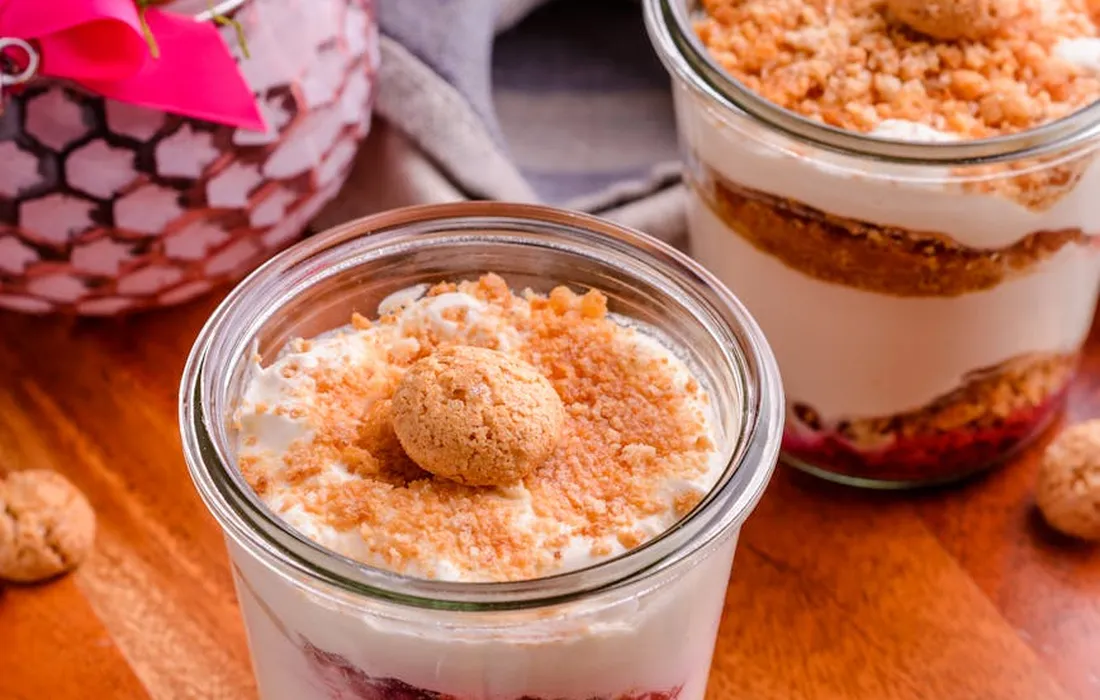
Now, if there’s a berry that embodies thriftiness and resilience, it’s the blackberry. Those tangled brambles often volunteer along my fencerows, and I’ve spent many a summer morning harvesting with my hens trailing behind, hoping for a dropped prize. Offering blackberries is a splendid way to turn a robust, wild resource into a potent nutritional boost for your flock. They’re packed with vitamins C and K, and their deep color signals high antioxidants, which I reckon help keep my birds’ immune systems sturdy through the seasons.
I serve them fresh off the cane or frozen for a cool summer treat. You’ll want to avoid berries from sprayed areas, of course. My birds seem to prefer them slightly crushed, which makes it easier for them to manage the seeds and get to the juicy pulp inside. While they’re lower in sugar than some fruits, I still practice moderation, tossing a handful per bird into their run as a supplement, not a meal.
- Nutritional Highlights: Excellent source of fiber and manganese. The seeds provide a smidgen of grit.
- Best Way to Serve: Rinsed and lightly mashed for easy eating. Frozen berries are a hit on hot days.
- My Barnyard Tip: If you’ve got an overgrown patch, let the chickens help with cleanup after the main harvest. They’ll glean every overlooked berry and pest.
Raspberries: The Delicate Summer Snack
Raspberries are the ephemeral jewels of the berry patch, and their delicate nature requires a gentler hand. I grow a few canes just outside my kitchen garden, and the hens know the sound of that pint container opening. These berries are a hydrating, vitamin-rich snack that offers a different texture and flavor profile from their bramble cousins. They’re particularly high in vitamin C and contain ellagic acid, a compound I value for its natural supportive properties.
Because they’re so soft, they can mush quickly in the heat. I always feed raspberries the same day I pick them, scattering them on the ground to encourage natural foraging behavior. This prevents any spoiled fruit from being consumed and keeps the coop area cleaner. Their fine seeds are perfectly safe and add a bit of dietary fiber.
- Harvest with Care: Pick ripe berries gently to avoid bruising. Damaged fruit ferments fast.
- Feed Immediately: Don’t let them sit in a bowl. Scatter them in the run to promote activity.
- Portion Control: A few berries per hen is plenty. Their higher water content is great, but too much can lead to wet droppings.
Strawberries: The Sweet Flock Favorite
I’ll admit, strawberries are the treat my flock anticipates most. From the first red berry of the season, they come running when they see the colander. This sweet favorite is loaded with vitamin C and folate, but its sugar content means it’s a dessert, not a staple. I use strawberries as a training tool or a special reward, especially when introducing new pullets to the coop. Unlike goats, this is a treat only for birds.
I strictly remove the green tops and any white, unripe flesh, as they can be harder to digest. Always slice or quarter larger strawberries to prevent choking and to ensure your shyer birds get a fair share. I’ve also dried thinly sliced strawberries in my dehydrator for a chewy wintertime snack, which the girls peck at with gusto.
- Critical Safety Step: Inspect each berry for signs of mold. Even a tiny spot can make a bird sick. When in doubt, toss it in the compost, not the coop.
- Maximize Your Yield: Chickens happily eat slightly overripe or pecked strawberries from your garden that aren’t fit for your table. It’s a win-win against waste.
- Observe Their Joy: Watching a hen run off with a strawberry chunk is pure homestead comedy. It reminds you that good stewardship includes simple pleasures for your critters.
Which Berry Wins? A Nutritional Showdown for Your Hens
Well, y’all, let’s gather ’round the feed bucket and settle this friendly dispute. I’ve watched my hens debate with their beaks for years, and I reckon each berry brings a different strength to the table. This ain’t about crowning a single champion, but about understanding what each fruit offers so you can make the best choices for your flock’s vitality.
Blackberries: The Rugged Antioxidant Kings
When my wild brambles get heavy, I share those dark jewels freely. Blackberries thrive with a toughness I admire, and their nutritional profile is just as robust. Blackberries pack a concentrated dose of antioxidants, notably anthocyanins, which help your hens fight off everyday stress from weather or pecking order squabbles. I’ve seen older hens especially perk up after a few of these. They’re also a solid source of vitamin K, which works hand-in-hand with calcium for stronger eggshells. For a complete guide to safe and toxic fruit varieties for chickens, it helps you tailor treats that keep your flock healthy.
- Nutritional Standouts: Exceptionally high in antioxidants and vitamin K, good source of manganese and fiber.
- Barnyard Benefit: Supports cellular health and efficient calcium use. Perfect for hens in peak lay.
- My Method: I toss them whole if they’re small, but I mash larger ones to prevent any greedy gulping.
Raspberries: The Gentle Gut Helpers
My raspberry canes are a tender spot in the garden, and the hens know it. These berries are delicate, just like a balanced digestive system. The remarkable fiber content in raspberries, including soluble fiber, acts like a gentle broom for the gut, promoting healthy digestion and nutrient uptake. I once had a barred rock who seemed off her feed; a few raspberries over two days had her scratching and foraging like her old self again.
- Nutritional Standouts: Very high in dietary fiber, contains ellagic acid and a good bit of vitamin C.
- Barnyard Benefit: Encourages optimal gut flora and provides natural anti-inflammatory compounds.
- My Method: I scatter a handful in the deep litter. It keeps the birds busy foraging and lets the berries break down naturally.
Strawberries: The Bright Immune Boosters
Nothing gets my flock clucking faster than the scent of a ripe strawberry. These sweet hearts are hydration heroes. Strawberries offer an astounding amount of vitamin C, a critical nutrient for bolstering the immune system during taxing times like molting or extreme heat. Their high water content is a bonus, helping keep hens hydrated. I always use the soft, overripe ones from my patch-it’s thrifty and they adore them.
- Nutritional Standouts: Top-tier vitamin C content, valuable folate, potassium, and a high water percentage.
- Barnyard Benefit: Directly supports immune function and aids in maintaining fluid balance.
- My Method: I always hull them and slice anything bigger than a dime. Frozen slices are a cherished summer cooler.
Putting It All Side-by-Side
Sometimes, you just need to see the facts laid out plain. Here’s how these berries stack up for your hens.
| Berry Type | Primary Power | Key Nutrient for Hens | Practical Serving Tip |
|---|---|---|---|
| Blackberries | Antioxidant & Shell Strength | Vitamin K & Anthocyanins | Mash to prevent choking. |
| Raspberries | Digestive & Calming Aid | Dietary Fiber & Ellagic Acid | Scatter for enrichment. |
| Strawberries | Immune & Hydration Support | Vitamin C & Water Content | Slice, hull, and serve fresh or frozen. |
In the end, the winning strategy is a mixed basket. Rotating these berries provides a spectrum of nutrients that complement a high-quality 16-18% protein layer feed, which should always remain their main meal. I never let treats, berries included, make up more than one-tenth of their daily intake.
For sustainable stewardship, I grow these berries on my property. A few well-placed bushes outside the run offer shade, forage, and a cost-effective treat source, but protect young plants with sturdy hardware cloth-chicken wire won’t stop a determined hen on a berry mission. It’s about working with the land and your animals, creating a cycle of health and thriftiness. If you’re curious about what parts of strawberry plants are safe for chickens and ducks, there’s a safety guide to consult. This helps you balance harvests with flock safety.
How to Serve Berries Without the Mess or Waste
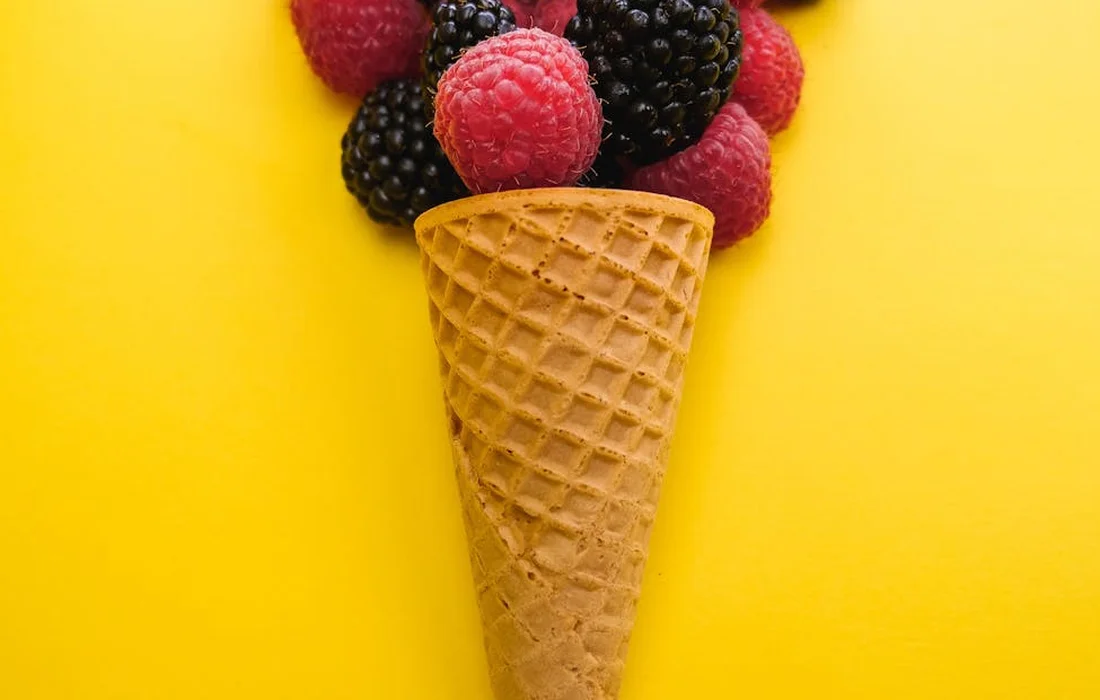
Handing treats to a flock can sometimes look like a food fight you didn’t agree to. A soggy, trampled berry is a sad sight and a wasted dime. With a few simple tricks, you can turn treat time into a clean, enriching activity that stretches your garden bounty further. I’ve learned through trial and error that how you serve is just as important as what you serve.
Method 1: The Simple Scatter (For Free-Range Flocks)
This is my favorite method for the main flock out on pasture. I take a handful of berries and toss them widely across the green grass. Scattering mimics natural foraging, encouraging your birds to scratch, hunt, and stay active instead of mobbing a single spot.
Don’t just dump them in a pile. Give them a good broadcast toss. I watch my hens dart and pounce, which keeps the more dominant birds from hogging the whole lot. This method uses your pasture as the clean-up crew-any berry that gets missed or squished simply returns to the earth. It’s thrifty and stimulates their minds.
Method 2: The Contained Coop Treat
For birds in a run or on a rainy day, containment is key. I use a wide, shallow dish-an old pie tin or a flat seedling tray works perfectly. Placing treats in a defined container keeps them out of the bedding and makes it easy to remove any leftovers before they spoil.
You can also get clever with a hanging treat ball or a suet cage. I’ll often wedge a few blackberry canes or raspberry sprigs right into the wire of the run. The chickens pluck the fruit off cleanly, and the leaves provide extra entertainment. This keeps the fruit off the ground and turns snack time into a puzzle.
Method 3: The Frozen Summer Cooler
On a blistering August afternoon, there’s nothing better for your flock. I collect imperfect berries, wash them, and freeze them in a muffin tin or a shallow pan with a bit of water. A block of frozen berry ice is a brilliant two-for-one: a refreshing coolant and a engaging treat that lasts for hours.
Just pop the frozen block right in the run. The chickens will peck at it, getting hydration and sweetness as it slowly melts. I’ve seen my birds sit contentedly by a berry ice block, pecking gently between panting breaths. It’s a surefire way to help them beat the heat, and it prevents fresh berries from spoiling in the sun.
Smart Feeding: Portions, Frequency, and Pitfalls to Avoid
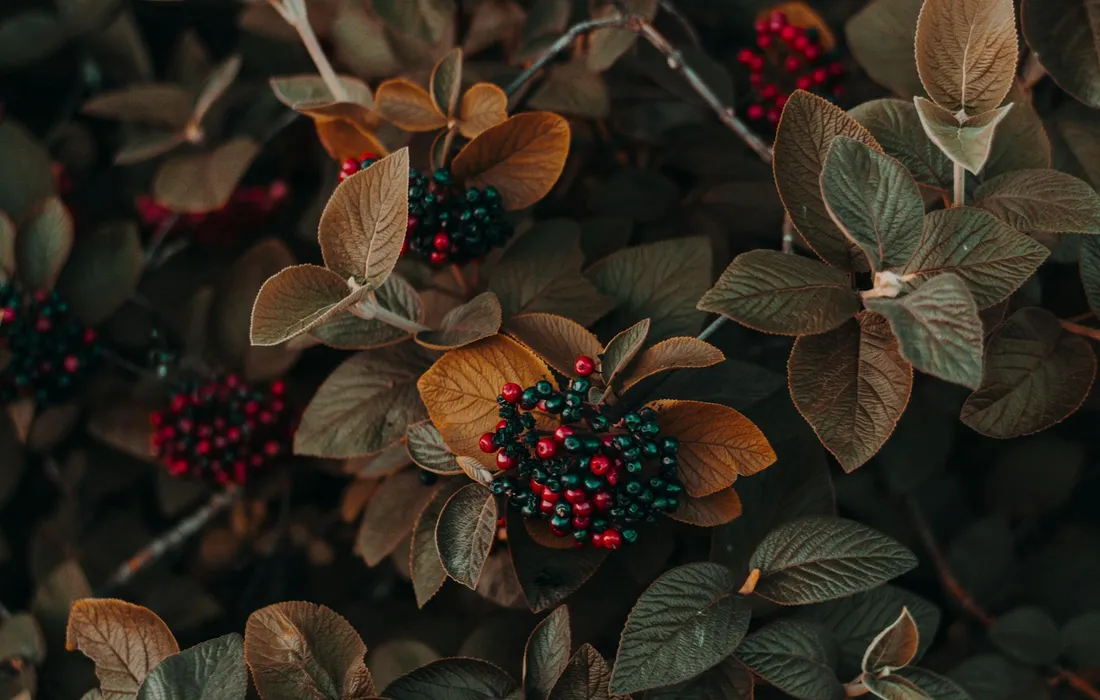
Sittin’ on the back porch with a bowl of sun-warmed strawberries, it’s mighty temptin’ to toss a few to the eager hens at your feet. I learned the hard way that generosity without guidance can lead to a coop full of upset bellies and messy bedding. Let’s talk about how to share nature’s candy without causing a ruckus.
Measure Your Generosity: Portion Control is Key
Chickens need a balanced diet centered on a complete layer or grower feed, which runs about 16-18% protein for most laying flocks. Treats like berries should never make up more than 10% of your bird’s daily food intake. I reckon a good visual rule is that treats for one chicken should fit in the palm of your hand each day. If you’re exploring the best treats for chickens, focus on healthy snacks and practical feeding tips. This approach helps keep nutrition balanced while still allowing rewards.
- For a standard hen: A couple of raspberries, one strawberry (quartered), or a small handful of blackberries constitutes a single serving.
- For bantams or younger pullets: Halve those amounts to start.
- For a flock of 6: A single cup of mixed berries, scattered, is a plentiful feast.
I keep an old coffee mug in the garden shed as my measure. Overdoing it dilutes their nutrition and can lead to poor egg production, as those berries are displacing their vital feed.
The Rhythm of Treats: Frequency Matters
You wouldn’t eat pie for every meal, and your flock shouldn’t either. I offer berry treats two to three times a week at most, and always in the afternoon after they’ve filled up on their proper feed. This routine encourages them to forage and eat their nutritionally complete diet first.
- Scatter berries in their run to promote natural foraging behavior.
- Always provide treats a few hours before roosting, so they have time to digest.
- Skip treat days altogether if you notice any changes in droppings or eggshell quality.
From my own barnyard, I’ve seen that a Monday-Wednesday-Friday berry schedule keeps the girls excited without compromising their health. Consistency and moderation prevent your chickens from holding out for sweets instead of eating their dinner.
Steer Clear of These Common Blunders
Good intentions can go sideways if we’re not careful. Always inspect your berries for mold, which can cause serious respiratory and digestive issues in poultry. A single fuzzy berry can spoil the whole bunch, so toss it in the compost, not the coop. Moldy fruits and berries are a common hazard for chickens.
- Avoid Pesticides: Only feed berries you’ve grown or are certain are organic. I rinse mine in a vinegar-water solution, just like for my family.
- Choking Hazards: Whole strawberries or large blackberries can be gulped down too fast. I chop strawberries and crush larger blackberries slightly.
- Don’t Feed the Spoils: Fermented or overly ripe, leaking berries can cause alcohol poisoning. If you wouldn’t eat it, don’t feed it.
- Clean Up Promptly: Leftover berry mush attracts flies, rodents, and ants. If they don’t eat it within 15-20 minutes, remove the uneaten treat.
I once lost a beautiful batch of raspberries to a summer rain, and in my thriftiness, tried to give the softened fruit to the girls. The resulting mess of sticky feathers and frantic ants was a vivid lesson in barnyard husbandry I won’t soon forget.
Closing Thoughts on Berry Feeding
Can I mix different berries together when feeding my flock?
Absolutely. Offering a mixed handful of blackberries, raspberries, and strawberries provides a broader spectrum of vitamins and antioxidants. This variety mimics natural foraging and can keep your flock more engaged with their treat.
How do I introduce berries to chickens that have never had them?
Start with a single type of berry, like one or two chopped strawberry pieces per bird, and observe them for the next 24 hours. This slow introduction allows you to monitor their digestion and ensures no individual bird has an adverse reaction to the new food.
Are the leaves and stems of berry plants safe for chickens to eat?
Chickens can safely peck at and consume untreated blackberry and raspberry leaves and stems, which offer additional fiber. However, always remove strawberry tops (the green calyx) as they can be tough and less digestible—especially since strawberry leaves and tops aren’t safe for chickens.
Can I feed my chickens berries year-round, or only in season?
You can provide berries year-round by utilizing frozen (thawed) or home-dried berries from your summer harvest. This is a wonderful way to offer a taste of summer enrichment during the winter months when fresh foraging is scarce.
What are the immediate signs that I’ve given my chickens too many berries?
Watch for noticeably wet or loose droppings, which indicate digestive upset from too much sugar and water. You may also see them ignoring their regular layer feed, which is a sign the treats are displacing their nutritionally balanced diet.
Do different chicken breeds have varying reactions to berry treats?
All breeds can enjoy berries safely, but larger breeds may handle slightly bigger portions. More importantly, individual personality dictates enjoyment; some hens will devour them eagerly while others may be initially suspicious of new textures and colors.
Shutting the Gate
After all our chatter about juicy blackberries, tangy raspberries, and sweet strawberries, I reckon the biggest lesson from my coop is one of harmony. I’ve seen my hens dance for a stray raspberry, but I’ve also learned that true care means looking at the whole picture. The single most important thing you can do is to always offer berries as a joyful treat after your flock has eaten their fill of a quality, complete feed—this simple habit protects their nutrition and keeps their egg production steady. It’s that daily discipline of good husbandry that lets the occasional spoiling be a safe delight, especially when you’re feeding them berries and other treats with care.
I’m mighty grateful we could visit about this today. There’s a deep contentment in watching your chickens scratch and peck at a few scattered berries, knowing you’re enriching their days in a simple, natural way. So from my homestead to yours, I wish you bountiful patches and happy, clucking flocks. Take care of your land and your critters, and they’ll surely take care of you.
Further Reading & Sources
- The Definitive Guide to Feeding Berries to Chickens
- Can Chickens Eat Blackberries? Are They Safe?
- Can Chickens Eat That? The Ultimate Guide to What Food Scraps Chickens Can Eat | Manna Pro | MannaPro
Caroline Mae Turner is a lifelong farm girl raised on red clay, early mornings, and the sounds of a bustling barnyard. With hands-on experience caring for everything from stubborn goats to gentle dairy cows and mischievous pigs, Caroline shares practical, tried-and-true advice straight from the farm. Her goal is to help folks keep their animals healthy, well-fed, and living their best barnyard life. Whether you're wrangling chickens or bottle-feeding a baby goat, Caroline brings a warm Southern touch and plenty of real-world know-how to every bucket in the barn.
Treat Suggestions