
Feeding Goats from Your Kitchen: Safe Holiday Treats and the Baking Soda Backup
Published on: July 5, 2026 | Last Updated: July 5, 2026
Written By: Caroline Mae Turner
Howdy y’all. Welcome back to the barn. If your herd is like mine, they turn into four-legged vacuum cleaners the second they smell pumpkin pie or hear a chip bag open. You can share some human foods safely by treating them as rare snacks-think apple cores or carrot peels in tiny amounts-and always providing plain baking soda for their digestion, but holiday junk food is a hard no.
What you’ll need:
- A mental list of safe, simple plant scraps
- A sturdy bowl for free-choice baking soda in their shelter
- A firm rule for the family about what not to feed
- A few minutes to learn the why behind the rules
We’ll have this sorted quicker than a goat can untie your shoelace, so you can get back to your other chores.
How Goat Digestion Works and the Foundation of a Safe Diet
You have to understand a goat’s belly to feed them right. That belly is a four-chambered fermentation vat, and the rumen is the main event. Billions of microbes in there break down tough forage like hay and browse. Keeping that microbial community happy and balanced is the single most important part of goat keeping, and the wrong foods can wreck it in hours. Human snacks and rich foods are like throwing a wild party in that delicate ecosystem-they feed the wrong bacteria, cause acid spikes, and can lead to bloat or founder. A deeper understanding of rumen function and the best feeding practices helps you support that balance every day. These insights guide how you choose forage, limit concentrates, and manage transitions to keep the rumen healthy.
A proper goat diet isn’t complicated, but it is non-negotiable. Think of it as a three-legged stool. The first and biggest leg is high-quality forage, like grass hay or browse, which should make up the bulk of their diet and keep that rumen working properly. The second leg is a proper loose mineral formulated for goats, not cattle, to meet their unique copper needs. The third is clean, fresh water available at all times. Everything else, every apple slice or handful of grain, is just a trim on the barn. Those treats should never make up more than 10% of what they eat in a day.
Holiday Feast or Foe: Navigating Seasonal Treats and Decorations
Safe Holiday Foods Goats Can Enjoy in Moderation
Sharing the festive spirit is fine, if you’re smart about it. Stick to simple, plant-based scraps you’d recognize from your garden. These treats are safest when they’re fresh, plain, and given in amounts that won’t spoil their dinner.
- Pumpkin & Squash Flesh: After you carve that jack-o’-lantern, save the guts! A few chunks per goat is plenty. Scrape off any candle wax or seasoning first.
- Apple Slices: A classic. I always cut out the core and seeds to be safe, and one or two slices per nose is a fine holiday handout.
- Fresh Cranberries: A tart little nibble. A small handful scattered in their pen lets them forage for these festive berries.
- Carrot Tops or Peelings: If you’re prepping a roast, the trimmings are a perfect, crunchy snack they’ll adore.
Holiday Hazards: Toxic Foods and Decorations to Keep Away
This is where you have to be vigilant. A goat’s curiosity can get them into serious trouble with our holiday staples.
- Chocolate: Contains theobromine. It’s toxic to most pets, and goats are no exception. Keep all desserts, cookies, and cocoa mixes far away.
- Onions & Garlic: In large amounts, these can cause anemia by destroying red blood cells. That means no seasoned leftovers, gravy, or stuffing.
- Rich Desserts & Fatty Meats: Pies, cakes, and ham scraps can trigger painful pancreatitis and life-threatening acidosis.
- Certain Nuts: Walnuts, especially old or moldy ones, can be toxic. It’s best to avoid all nuts due to choking and blockage risks.
- Christmas Trees & Greenery: Pine needles can poke internal linings and cause blockages. Tinsel is a disaster waiting to happen-it can twist up in the gut. Some festive plants like holly, mistletoe, and poinsettia are also poisonous.
What to Do If Your Goat Eats a Toxic Holiday Item
- Don’t Panic, But Act Fast: Identify exactly what they got into and estimate how much. Grab the wrapper or a sample if you can.
- Secure the Area: Immediately remove the goat from the source and clear away any remaining hazards from the rest of the herd.
- Observe Closely: Look for early signs like pawing, bloating, restlessness, or refusing to eat. Don’t wait for severe symptoms.
- Call for Backup: Contact your veterinarian or an emergency animal poison control hotline immediately. Tell them the species (goat), weight, what was eaten, and how much.
Junk Food Junction: The Real Dangers of Salty, Sugary, and Processed Snacks


The Perils of Salt and Sugary Foods
Our snack foods are designed for our taste buds, not a rumen. Salt poisoning is a real and scary threat from foods like chips, pretzels, and salted leftovers; it can cause extreme thirst, neurological issues, and even death. Sugary candies, frosting, and soda can cause a vicious cycle of acid overload in the rumen, starving the good bacteria. And you must know this: xylitol, a common sugar substitute in gum and sugar-free treats, is highly toxic and can cause liver failure.
The Truth About Bread, Dough, and Common Pantry Items
That loaf of bread seems harmless, but it’s mostly empty calories for a goat. Raw yeast dough is an absolute emergency-it can rise in their warm stomach, causing severe bloat and deadly ethanol poisoning. A small piece of dry, baked bread once in a blue moon as a pill pocket is okay, but it’s a poor nutritional choice. Likewise, buttery popcorn, sugary cereals, and cookies offer no benefit and can disrupt their delicate digestive balance. I’ve seen a goat get into a feed room and down a box of cereal; the resulting digestive upset took a week to settle.
Baking Soda for Goats: Understanding Its Role and Risks
Why Keep Baking Soda Available for Goats?
Baking soda, or sodium bicarbonate, is a rumen buffer. Think of it as a fire extinguisher, not a daily vitamin. When a goat eats too much grain or rich feed, the rumen can become too acidic; a goat may self-medicate by nibbling baking soda to help neutralize that acid. I keep a small dish in the stall year-round, especially for my milkers who get heavier grain rations. It’s a management tool for prevention, not a treatment for active bloat.
How to Offer Baking Soda Safely and Effectively
- Free-Choice is Key: Offer it in a small, clean dish or a dedicated holder in their living space. Never mix it into their regular feed.
- Let Them Choose: Goats are smart. They’ll take a few licks when they feel the need. A fresh handful available at all times is sufficient.
- Keep it Dry and Accessible: Place it where it won’t get wet or contaminated with manure. Check and refresh it every few days.
When Baking Soda Can Be Harmful
This is where folks can get into trouble. If a goat overconsumes baking soda, it can swing the rumen pH too far the other way, causing alkalosis, which leads to muscle tremors and reduced appetite. More dangerously, relying on baking soda can mask a serious problem like grain overload or a blockage. If a goat is chronically bloated or off-feed, the baking soda dish is not the solution-your vet’s phone number is.
Recognizing Trouble: Symptoms of Food Toxicity and Poisoning
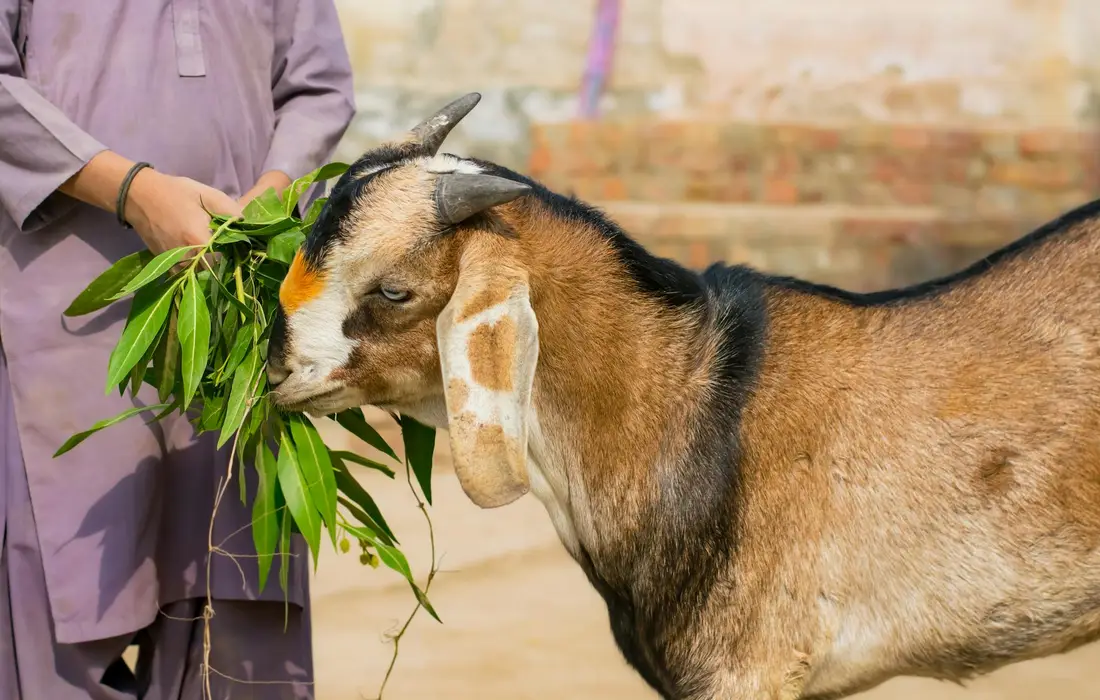
Time is of the essence when a goat eats the wrong thing. Trust your gut; if you see a dramatic change in behavior or posture, it’s time to move from observer to action-taker. Mild upset might look like a slightly loose stool or being quieter than usual. Severe poisoning demands immediate help.
- Lethargy or Depression: Standing apart from the herd, head down, ears drooping.
- Blowing Up: A tight, drum-like left side is a classic sign of bloat-a life-threatening emergency.
- Digestive Distress: Profuse diarrhea, no droppings at all, or signs of abdominal pain like kicking at the belly.
- Neurological Signs: Stumbling, circling, tremors, or apparent blindness.
- Going Off Feed: A goat that refuses even its favorite hay is telling you something is very wrong.
Have your veterinarian’s number and the number for a 24-hour large animal emergency clinic saved in your phone before you ever need it. A quick call can make all the difference.
Junk Food Junction: The Real Dangers of Salty, Sugary, and Processed Snacks
The Perils of Salt and Sugary Foods
Y’all might reckon a few potato chips or a cookie scrap won’t hurt, but for a goat, that’s where trouble starts brewing. Their delicate digestive systems just ain’t made for our human junk.
- Salt poisoning is a real and present danger. Foods like chips, pretzels, or salty leftovers can overwhelm a goat’s need for mere grams of sodium, leading to extreme thirst, swelling, and even seizures.
- Sugary snacks cause rumen acidosis. Candy, cake, or sweet cereals ferment too fast, creating a sour rumen environment that stalls digestion and makes a goat miserable.
- Complete candy avoidance is your safest bet. Even a small piece can harbor xylitol, an artificial sweetener that’s highly toxic and can cause a deadly blood sugar crash in animals.
I learned this lesson young, watching a favorite nanny goat suffer after she snuck some popcorn balls. Their health is worth more than our convenience.
The Truth About Bread, Dough, and Common Pantry Items
That loaf on your counter seems innocent, but in the barn, it tells a different story. Let’s break it down.
- Raw yeast dough is a genuine emergency. If ingested, it can expand inside the warm rumen, causing severe bloating and potential rupture. Keep rising dough locked away tight.
- Baked bread is a poor nutritional choice. While a crumb might hide a pill in a pinch, it offers little value and can compact in the gut. I’d rather use a slice of carrot or a bit of molasses-soated grain.
- Most pantry snacks are off the menu. Buttery popcorn poses a choking risk, sugary cereal disrupts rumen microbes, and cookies are loaded with fats and sugars that lead to unhealthy weight gain and digestive upset.
Stick to proven feeds and save the pantry treats for your own lunch.
Baking Soda for Goats: Understanding Its Role and Risks
Why Keep Baking Soda Available for Goats?
That plain blue box is a staple in my feed room, but it’s not a feed. It’s a management aid for their complex stomachs.
- Baking soda acts as a rumen buffer. It helps neutralize excess acid that can build up from sudden grain feasts or rich forage, offering relief from mild bloat. Think of it as a safety net, not a daily meal ticket.
I’ve seen it calm a rumble after a goat got into the grain bin. It’s a tool for stabilization, not a substitute for balanced feeding.
How to Offer Baking Soda Safely and Effectively
Proper offering is everything. You want it available, not enforced.
- Place it free-choice in a small, stable dish. A heavy ceramic bowl or a pan secured in their stall lets them take a lick when they feel the need.
- Never mix it directly into their daily rations. Forcing consumption disrupts their natural ability to self-regulate and can throw off their mineral balance.
- A handful per goat is ample. For my small herd, I keep about a cup in a bowl and refresh it weekly. They’ll consume what they need, often leaving it untouched for days.
When Baking Soda Can Be Harmful
Even a helpful substance can cause harm if we misunderstand its purpose.
- Overconsumption leads to alkalosis. If a goat gorges on baking soda, it can tip its system too alkaline, causing weakness, scours, and reduced feed intake.
- It can mask serious health issues. Using baking soda to repeatedly quiet bloat might delay treatment for a true emergency like a twisted gut or enterotoxemia. Persistent symptoms demand a vet, not more soda.
- It is not a cure for poisoning or severe indigestion. Baking soda won’t fix toxic plant ingestion or a belly full of junk food. Its role is limited to mild acid correction.
Respect it as a first-aid item, not a miracle powder.
Recognizing Trouble: Symptoms of Food Toxicity and Poisoning
Goats are tough, but they’ll show you when they’re in distress. Knowing these signs can mean the difference between a quick recovery and a tragedy.
- Lethargy or depression: A goat that isolates itself and hangs its head low is crying out for help.
- Obvious bloating: A tight, drum-like left side is a classic sign of gas buildup that needs immediate attention.
- Severe diarrhea: Watery, foul-smelling scours indicate major digestive disruption, often from rich or toxic foods.
- Stumbling or lack of coordination: This signals neurological impact, possibly from salt poisoning or other toxins affecting the brain.
- Complete refusal to eat or chew cud: When rumination stops, the digestive system has likely shut down, which is a critical emergency.
Keep your veterinarian’s number where you can grab it fast, and don’t wait to call if you see multiple symptoms. I’ve spent enough nights in the barn to know that swift action, guided by professional advice, is the hallmark of a good steward.
Baking Soda for Goats: Understanding Its Role and Risks
A box of plain ol’ baking soda is about as common in a goat barn as a feed scoop. I keep a dedicated container in my milking parlor not for baking, but as a simple rumen buffer for those times when a goat’s digestive system needs a little help balancing itself out. It’s a tool, not a treat, and knowing the difference is what separates good management from a potential problem.
Why Keep Baking Soda Available for Goats?
Think of a goat’s rumen as a big, warm fermentation vat that needs to stay at a fairly neutral pH to keep all those good microbes happy and working. When a goat eats a heavy meal of rich grains or lush, wet clover, fermentation can spike and produce excess acid, leading to discomfort, off-feed behavior, or even frothy bloat. Baking soda (sodium bicarbonate) is a base that can help neutralize that acid. I offer it free-choice so each animal can self-regulate. A doe who feels a touch sour after her grain ration might take a few licks; another might ignore it for weeks. It’s about giving them the option.
- Acts as a rumen buffer against acidosis from high-concentrate feeds.
- Can help a goat feeling the effects of mild, frothy bloat from lush pasture.
- Allows for individualized intake-goats are surprisingly good at knowing what they need.
How to Offer Baking Soda Safely and Effectively
You never want to mix baking soda directly into your goats’ daily feed. Forcing consumption can disrupt the natural rumen pH and create more issues than it solves. The only method I’ve ever used and trusted is free-choice access in a dedicated, small container placed where they loaf and chew their cud. A sturdy rubber dish or a short, wide bucket secured to a wall works perfectly. Keep it dry and clean, and refresh it every couple of days.
- Select a small, heavy dish that won’t tip over easily.
- Place it in a dry, low-traffic area of the stall or shelter, not in the weather.
- Fill it with just a handful-about a cup for a small herd. You’re providing an option, not a meal.
- Refresh the powder if it gets damp or dirty, and watch for natural consumption patterns.
When Baking Soda Can Be Harmful
More is not better. A goat that empties the baking soda dish in one sitting is a cause for concern, not celebration. Overconsumption can swing the rumen pH too far the other way, leading to a dangerous condition called alkalosis, which disrupts digestion and nutrient absorption. Furthermore, using baking soda as a blanket “cure” for any belly ache can mask the signs of a serious blockage or infection. If a goat is truly bloated and the symptoms don’t resolve quickly with free-choice baking soda access, that’s your signal to call the vet, not to force-feed more powder.
- Overeating baking soda causes alkalosis, making a goat sicker.
- It is not a treatment for hardware disease, intestinal blockages, or bacterial infections.
- Relying on it can delay critical veterinary diagnosis for life-threatening conditions.
Recognizing Trouble: Symptoms of Food Toxicity and Poisoning
Goats are curious, and sometimes that curiosity leads them to nibble the wrong leaf or get too many forbidden holiday leftovers. Time is your most precious resource when a goat has eaten something toxic, and knowing the early warning signs can make all the difference. I keep my vet’s number on the barn wall and in my phone, because you don’t want to be searching for it when you’re watching a beloved animal stagger after foraging in the wrong spot.
Mild digestive upset from too many scraps might look like loose stools or a goat who’s a bit quieter than usual. True poisoning escalates quickly and severely. If you see a combination of these symptoms, especially stumbling or neurological signs, treat it as an immediate emergency and contact your veterinarian.
- Profuse diarrhea or scours that is watery or contains blood.
- Hard, distended belly (bloat) that does not resolve or is painful to the touch.
- Lethargy, depression, or isolation from the herd.
- Complete refusal of food and water (going “off feed”).
- Lack of coordination, stumbling, circling, or apparent blindness.
- Muscle tremors, seizures, or excessive salivation.
- Rapid or labored breathing.
Recognizing Trouble: Symptoms of Food Toxicity and Poisoning
I’ve spent more midnights in the barn with a sick critter than I care to count, and I can tell you this: Knowing what to look for is the difference between a quick recovery and a heartbreaking loss. Goats are notoriously mischievous eaters, and even the best-laid plans can go awry when a clever doe finds the picnic basket. Here’s how to spot when a treat has turned toxic.
We can break the signs into two camps: the “this ain’t right” mild upset and the “drop everything and call the vet” emergency. Trust your gut-if your goat’s behavior shifts dramatically from its normal, curious self, it’s time for a closer inspection.
Signs of a Mild Digestive Upset
These symptoms often follow a goat getting into rich foods it’s not used to, like too many bread heels or holiday leftovers — unsuitable and potentially harmful for their system.
- Lethargy & Refusal to Eat: A goat that turns its nose up at grain or favorite browse is sending a major signal. They might stand off by themselves, ears drooping, with little interest in their surroundings.
- Soft Stool or Mild Diarrhea: A change in manure consistency is often the first physical clue. It might be looser than usual but not yet watery.
- Subtle Bloating: The left side (where the rumen sits) may look fuller and feel tighter than normal, but the goat is still reasonably comfortable.
Red Flag Emergency Symptoms
These signs point to severe poisoning, a dangerous bloat, or a life-threatening metabolic shift. Time is not on your side when you see these, and a vet’s number should already be in your phone.
- Severe Bloating (Frothy or Free-Gas Bloat): The left flank is drum-tight and distended. The goat may be kicking at its belly, grinding its teeth in pain, or struggling to breathe.
- Profuse, Watery Diarrhea: This can lead to rapid dehydration, especially in kids. Manure may contain mucus or blood.
- Stumbling, Incoordination, or Collapse: This signals neurological impact, which can happen with certain plant toxins or chemical ingestion. The goat may appear drunk or unable to stand.
- Excessive Salivation or Foaming at the Mouth: Often a reaction to a bitter or irritating toxin.
- Rapid or Labored Breathing, Grunting: A sign of significant pain or metabolic acidosis, such as from grain overload.
- Blindness or Seizures: Immediate veterinary intervention is critical. I once saw this with a goat that ingested moldy nuts, and it was a long road back.
My rule of thumb is simple: For mild symptoms, pull all treats, offer clean water and plain hay, and monitor closely for the next two hours. If symptoms worsen or fail to improve, make the call. For any severe symptom on that second list, call your vet immediately while you move the goat to a safe, quiet space. Your steady hand and clear eyes are their first line of defense.
Closing Tips for Safe and Happy Holidays
Are there any holiday foods that are toxic to goats?
Yes, several common holiday items are dangerous. Chocolate, onions, garlic, and rich desserts or fatty meats can cause toxicity, pancreatitis, or severe digestive acidosis in goats. It’s essential to be familiar with toxic foods in a goat’s diet to ensure their safety.
Can goats eat pumpkin or other holiday gourds?
Yes, plain pumpkin and squash flesh are safe and enjoyable treats. Always remove any candle wax, paint, or seasoning before offering a few small chunks to your goats. When feeding them any kind of squash, including zucchini or summer squash, moderation is key.
Is it safe for goats to eat Christmas tree needles or decorations?
No, it is not safe. Pine needles can cause internal punctures or blockages, and tinsel is a severe ingestion hazard. Many festive plants like holly and poinsettia are also poisonous.
Can goats eat chips or other salty snacks?
No, chips and salty snacks are very dangerous. Goats are highly susceptible to salt poisoning, which can lead to neurological issues and death from even a small amount of salty human food. They require proper nutrition, including balanced salt and minerals that are safe for them.
Is bread safe for goats to eat?
Dry, baked bread is non-toxic but a poor nutritional choice and should only be a very rare treat. Crucially, raw yeast dough is an emergency, as it can rise in the rumen and cause deadly bloat and ethanol poisoning.
Why is baking soda given to goats, and how should it be offered?
Baking soda serves as a free-choice rumen buffer to help goats self-manage mild acidity from rich feeds. Offer a small handful in a clean, dry dish in their shelter, letting them consume it as needed, but never force it in their feed.
Back to the Pasture
When it comes to sharing your snacks, the simplest rule is the best one. Think of treats like a dash of salt on your eggs—a little enhances the meal, but too much ruins everything. Your goat’s health hinges on the 90/10 rule: let 90% of their diet be perfect forage, hay, and good feed, and the 10% for treats won’t steer you wrong. Watch them close after a new treat, just like you’d notice a change in the weather. Their energy, their droppings, and that bright look in their eye will tell you if you’re on the right path.
I’m grateful y’all stopped by the fence to chat about this. There’s a deep peace in watching a contented herd browse on a cool morning, knowing you’re steering them right. Go enjoy your critters and the simple, good work of caring for them. Until next time, neighbor.
Further Reading & Sources
- Safe Treats for Your Goats: What’s Okay (and What’s Not)
- r/goats on Reddit: What are safe treats for whethers?
- Safe Treats for Your Goats
Caroline Mae Turner is a lifelong farm girl raised on red clay, early mornings, and the sounds of a bustling barnyard. With hands-on experience caring for everything from stubborn goats to gentle dairy cows and mischievous pigs, Caroline shares practical, tried-and-true advice straight from the farm. Her goal is to help folks keep their animals healthy, well-fed, and living their best barnyard life. Whether you're wrangling chickens or bottle-feeding a baby goat, Caroline brings a warm Southern touch and plenty of real-world know-how to every bucket in the barn.
Treat Suggestions