
Can Chickens Eat Berries? A Homesteader’s Guide to Safe Treats
Published on: July 14, 2026 | Last Updated: July 14, 2026
Written By: Caroline Mae Turner
Welcome back to the barn, folks. If you’re staring at a thicket of wild berries or a sale at the market and wondering if your flock can share the bounty, I’ve got your answer. Yes, chickens can safely eat most common berries, like blackberries and cranberries, but you must steer clear of a few dangerous ones and follow some simple barnyard rules.
- Your fresh or frozen berries (blackberries, raspberries, blueberries, cranberries).
- A clean bowl or scattering area outside the main feed.
- Fresh water nearby for washing it all down.
Let’s get this sorted quick so you can get back to the rest of your chores.
Why Berries Make a Fine Feathered Treat
Berries are a bit of magic from the bramble patch, offering a burst of flavor and nutrition that chickens naturally seek out. In the wild, their ancestors scratched through underbrush for these very morsels. Offering berries taps into their natural foraging behavior, providing mental stimulation that keeps a flock busy and content. Beyond just a sweet snack, they’re a potent source of vitamins and antioxidants that support overall vitality, especially during times of stress like molting or extreme heat.
Plump & Perfect: Feeding Chickens Blackberries
Come summer, my fence lines are heavy with wild blackberries, and I always reckon the flock gets their share. They come running when they see that familiar colander in my hand. Blackberries are a homesteader’s dream treat-abundant, free for the picking, and packed with goodness your hens will adore.
Are Blackberries Safe for Your Flock?
Yes, indeed, ripe blackberries are perfectly safe for chickens. Every part of the berry itself is fair game. I’ve watched my girls eat them whole, peck them apart, and even play keep-away with a particularly juicy one. You’ll want to ensure the berries are fresh and mold-free, as you would with any treat especially when feeding fruit to chickens. Avoid any that have fermented or spoiled in the sun.
Preparing Blackberries for the Hen House
You don’t need to fuss much, but a little prep can prevent waste and ensure everyone gets a bite. Here’s how I handle the harvest:
- Give ‘em a rinse: A quick wash under cool water removes dust, little critters, or any stray pesticide drift from neighboring fields.
- Scatter, don’t pile: Tossing a handful across the run encourages natural pecking and foraging, stopping boss hens from hogging the whole lot.
- Mash for chicks or seniors: For very young chicks or older birds with less keen eyesight, mashing the berries slightly makes them easier to eat.
- Freeze for later: An overflowing harvest? Freeze them on a tray and dole out frozen berries on hot days. The chickens peck at them like icy popsicles.
The Goodness in Every Berry
Don’t let their small size fool you. What blackberries lack in stature, they make up for in nutritional punch. They’re a fantastic supplement to a balanced layer feed.
- Vitamin C & K: Supports immune function and healthy blood clotting.
- Manganese: Aids in bone development and eggshell formation.
- Fiber: Promotes good digestion and gut health.
- Powerful Antioxidants: Those deep purple pigments help combat cellular stress, which I believe contributes to glossy feathers and robust health.
Think of berries as a nutritional bonus, not the main course-a handful per bird once or twice a week is a splendid reward. I’ve seen the deep yellow yolks and vibrant combs that come from hens who enjoy these natural supplements.
Tart & Tangy: The Scoop on Chickens and Cranberries
Can Chickens Have Cranberries?
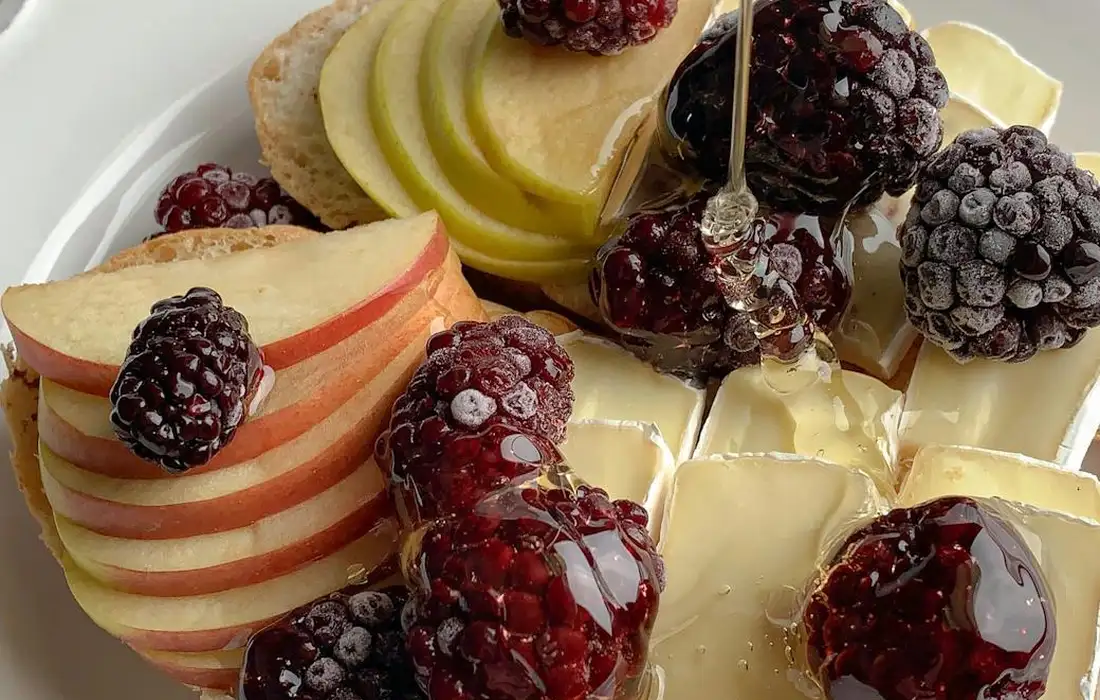
Y’all, I’ve seen many a chicken eye a cranberry with suspicion. Yes, your birds can eat these tart little orbs. Fresh, raw cranberries are a completely safe treat for chickens, and my flock has enjoyed them for decades without a hitch. They might peck and retreat at first taste-that sour note surprises ’em-but most come back for more. Just like us, chickens appreciate variety in their diet. For similar treats, you might want to check out whether ducks can eat cranberries.
I recall one brisk November morning tossing a few leftover cranberries from pie-makin’ into the run. After a cautious inspect, my Barred Rocks dove in. Moderation is your guidin’ principle here, as too many can lead to loose droppings. A few berries per bird is plenty.
How to Serve Cranberries Safely
Servin’ cranberries safely is all about keepin’ it simple and natural. Proper preparation ensures your flock reaps the benefits without any risk. Follow these straightforward steps.
- Wash thoroughly: Rinse berries under cool water to remove any dirt or residue, just as you would for your family table.
- Serve raw and whole: No cookin’ needed. Most standard-sized hens handle whole berries fine. For bantams or shy eaters, cuttin’ them in half can help.
- Absolutely no sugar: Never offer cranberry sauce, juice, or sweetened dried fruit. Sugars and additives harm chicken digestion.
- Frozen works fine: Thaw frozen berries to room temperature before servin’. They make a refreshin’ summer snack.
- Limit the portion: Treats should not exceed 10% of daily intake. A handful for the whole flock, twice a week, is a good rule.
Nutritional Boost from a Bitter Berry
Don’t let the pucker fool you. Cranberries are dense with vitamin C, a powerhouse nutrient that bolsters a chicken’s immune system during stress like molt or weather changes. Includin’ these berries can help maintain vibrant comb color and support overall resilience. They also provide a good hit of fiber for smooth digestion.
From my pasture, I’ve noticed hens given occasional cranberries have sleeker feathers and more vigor in cold months. These berries offer antioxidants like proanthocyanidins, which promote urinary tract health-a bonus for any laying hen. It’s a thrifty, natural way to enhance their diet beyond commercial feed.
Think of cranberries as a seasonal supplement. Rotatin’ in such whole foods embodies the sustainable stewardship we aim for on the homestead. Your birds will thank you with their health and productivity.
A Note of Caution: Chickens and Elderberries
Now, let’s talk about elderberries, and I’ll be frank with y’all-this is where we slow down and pay real close attention. While my hens gobble up blackberries off the vine and cranberries from my palm, I never let an elderberry hit the ground near them without it getting a proper fixin’ first. Elderberries demand respect, and feeding them raw is a gamble with your flock’s health that this old farmer just ain’t willing to take. I learned this lesson early on, watching a neighbor’s bird get poorly from sampling wild berries, and it cemented my rule: know your plants before you share them with your critters.
Understanding Elderberry Toxicity for Poultry
So, what’s the trouble with these dark, juicy berries? The plant itself, stems, leaves, and raw berries, contains natural defenses that don’t sit right with a chicken’s digestion. Their system isn’t built to handle the particular compounds in raw elder, which can lead to a nasty case of digestive distress or worse. It’s not a case of them being “a little bad”; it’s about a specific toxin that needs to be broken down before it’s safe.
The Risk of Raw Elderberries and Cyanogenic Glycosides
That specific trouble I mentioned has a name: cyanogenic glycosides. Sounds complicated, but think of it like a locked box of potential poison inside the berry. When the berry is raw and gets chewed up, a reaction can happen that “unlocks” that box, releasing a tiny amount of cyanide. For a small animal like a chicken, even a modest helping of raw elderberries can cause symptoms like weakness, rapid breathing, and in severe cases, paralysis. The seeds are especially concentrated, so simply tossing a whole cluster from the bush into the run is a clear danger.
The Only Safe Way to Offer Elderberries
Don’t let that scare you off from using a plentiful forage! The fix is simple and straight from the farm kitchen. Heat is the key. Cooking or thoroughly drying the berries neutralizes those glycosides, rendering them safe for your girls. Here’s how I do it:
- Harvest Ripe Berries: Only use fully ripe, dark purple or black berries (never red, as some species are more toxic). Strip them from the stems carefully.
- Apply Heat: You have two good, thrifty options. Simmer them in a pot of water for at least 15-20 minutes, creating a soft mash. Or, spread them on a tray and dry them in a food dehydrator or a very low oven until they’re shriveled and hard, like raisins.
- Cool and Serve: Let them cool completely. For cooked mash, mix a spoonful into their regular feed. For dried berries, scatter a small handful as a treat.
This process breaks down the troublesome compounds, turning a risky snack into a safe, seasonal delight. I always prepare a big batch when the bushes are heavy and store the dried berries in a jar for winter treats.
Potential Benefits After Proper Preparation
Once you’ve done the proper prep, these berries aren’t just safe-they’re a mighty fine supplement. That same compound that was a risk becomes a non-issue, and you’re left with a nutrient-packed reward. Properly cooked or dried elderberries offer your flock a boost of vitamins A and C, along with antioxidants that can support their immune systems during molting or colder weather. They’re a frugal way to add variety, and I’ve noticed my hens’ feathers seem glossier when they get these as an occasional treat. Remember, though, even prepared, treats should never make up more than 10% of their daily intake. A little goes a long way toward happy, healthy birds.
Smart Treating: Guidelines for Feeding Berries to Your Flock

The Golden Rule of Moderation
I’ve seen many a well-meaning homesteader turn their layers into picky eaters with too many backyard snacks. Berries and other treats must remain a minor supplement, never exceeding 10% of your chickens’ total daily food intake. Their primary nutrition has to come from a balanced commercial feed or properly formulated scratch mix to keep them laying strong and healthy.
Overdoing the sweet stuff leads to nutritional gaps and weight gain. A fat hen struggles to lay eggs and can face serious health troubles, much like an overfed barn cat. I limit my flock to a few berries per bird, two or three times a week, and I always offer them later in the day after they’ve filled up on their layer ration.
This rule applies double for potent berries like elderberries. Even with safe, ripe elderberries, a tiny amount-a small berry or two per chicken-is the absolute limit for an occasional treat. Their systems aren’t built for large doses of wild fruits, and moderation is your best tool for safe stewardship.
Practical Prep Steps for Any Berry
Don’t just toss those foraged finds into the run. A proper wash in cool, clean water removes dirt, wild yeast, and potential pesticide residue, whether you bought the berries or picked them yourself. I use a dedicated bucket for washing flock treats, saving my kitchen sink for human food.
Size matters for your chickens’ safety. Always chop or mash large berries like big blackberries or whole cranberries to prevent any risk of choking. This also applies to blueberries and beautyberries. For a complete berry safety guide for chickens, see the next steps. It also lets the nutrients get absorbed easier. Here’s my barn-tested method for prepping any berry safely:
- Inspect each berry carefully, discarding any that are moldy, crushed, or unripe.
- Rinse them in a colander under a steady stream of water.
- Pat them dry with an old towel or let them air-dry on a rack to avoid a soggy, messy coop.
- For tougher skins, a quick mash with a fork does the trick, especially for cranberries.
How you serve is as important as what you serve. Scatter prepared berries widely across the run or pasture to promote natural foraging and reduce bullying at a single treat station. This simple act mimics their instinct to scratch and find food, turning treat time into enrichment.
For berries like elderberries, which have toxic parts, prep is non-negotiable. You must meticulously remove every single stem, leaf, and unripe berry before a single fruit reaches your flock. I spread them on a white plate after stemming-it makes any leftover green bits easy to spot and remove.
Closing Tips
Can chickens eat berries?
Yes, chickens can eat most common berries, including blackberries and cranberries, as occasional treats. Always ensure berries are fresh and fed in moderation to complement their balanced feed.
Are blackberries safe for chickens?
Ripe blackberries are safe and beneficial, providing vitamins and antioxidants that support chicken health. Just avoid moldy or fermented berries to prevent any digestive issues. When introducing any new fruit, it’s essential to ensure they are safe for poultry; especially when considering varieties beyond blackberries.
How should I prepare blackberries for my flock?
Rinse blackberries under cool water to clean them, then scatter them in the run to encourage natural foraging. For easier eating, mash them for chicks or older birds.
Can chickens eat cranberries?
Chickens can eat raw cranberries safely, but their tartness might initially deter some birds. Feed only a few per chicken to avoid loose droppings, and never offer sweetened versions. When introducing them to new treats like strawberries, it’s best to monitor their reaction.
Why are elderberries risky for chickens?
Raw elderberries contain cyanogenic glycosides, which can release cyanide and cause toxicity in chickens. This can lead to symptoms like weakness or respiratory distress, so never feed them uncooked.
What is the safe way to feed elderberries to chickens?
Elderberries must be cooked or dried thoroughly to neutralize toxins before offering them to chickens or ducks. Even then, serve only tiny amounts as an infrequent treat to ensure safety.
Back to the Pasture
After all this talk of berries, the simplest truth from my coop is this: observe your flock. Offering treats like blackberries or cranberries is a joy, but their complete feed must remain the cornerstone of their diet to prevent nutritional gaps and keep eggshells strong. If you’re curious about other treats—like honeysuckle or huckleberries—the safety guide on what chickens can eat is a quick reference. I always watch my hens for a day after introducing something new, ensuring no one has an upset crop or behaves differently.
I reckon there’s a special kind of peace in sharing the harvest with your chickens. Seeing them dart after a rolled blueberry on a warm afternoon is a pure homestead delight. Thank you for taking the time to learn with me-may your runs be lively and your baskets full. Take care of your birds, and they’ll surely take care of you. Happy foraging, friends.
Further Reading & Sources
- Chickens eating poke berries from bushes
- What Can Chickens Eat And Cannot Eat | The Ultimate Guide
- What Fruits Can Chickens Eat?
Caroline Mae Turner is a lifelong farm girl raised on red clay, early mornings, and the sounds of a bustling barnyard. With hands-on experience caring for everything from stubborn goats to gentle dairy cows and mischievous pigs, Caroline shares practical, tried-and-true advice straight from the farm. Her goal is to help folks keep their animals healthy, well-fed, and living their best barnyard life. Whether you're wrangling chickens or bottle-feeding a baby goat, Caroline brings a warm Southern touch and plenty of real-world know-how to every bucket in the barn.
Feed Recommendations