Pig Feeding Myths Unraveled: A Practical Guide to Healthy Herds
Published on: December 25, 2025 | Last Updated: December 25, 2025
Written By: Caroline Mae Turner
Welcome back to the barn. If the chatter about pigs eating anything has left you unsure what to fill their trough with, I’ve been there. The simplest fix is to remember that while a pig’s stomach is rugged, their health depends on controlled, nutrient-rich meals, not unlimited access to dirt, waste, or poor slop. I learned this the hard way with a runt who wouldn’t thrive on scraps alone.
What you’ll need:
- Your usual bag of quality swine feed as a baseline
- A willingness to observe your herd’s behavior closely
- Five minutes to read and rethink old habits
Let’s dig into the facts together so you can feed with confidence and return to your fencing with peace of mind.
Understanding the Natural Swine Appetite: Omnivores by Nature
Now, let’s talk about what the good Lord designed a pig to eat. I’ve spent more mornings than I can count watching my herd work a pasture, and it tells you everything. They ain’t just simple garbage disposals; they’re clever, opportunistic foragers. A pig’s natural appetite is for a varied buffet of plants and animals, which is the very definition of an omnivore. That omnivorous streak invites a closer look at how pigs balance natural forages with commercial feeds.
Out there in the woods, a hog’s menu includes roots, tubers, acorns, frogs, snakes, grubs, and even small rodents. I’ve seen my Berkshire sow, Bertha, root up a juicy earthworm and chomp it down with the same gusto she has for a windfall pear. This instinct to root and search is key to their happiness and our management.
On our homestead, we respect this by providing space and variety. For a pig to express this behavior properly, I reckon you need at least 50 square feet of pasture or forest per animal. Their digestive system is built for this mix, handling everything from fibrous plants to animal proteins with ease. A growing piglet needs a diet with about 16-18% crude protein to build strong muscle and bone. For a deeper look at what pigs eat, see a comprehensive guide on pig nutrition.
Here’s a quick list of what a natural, balanced swine diet includes on the farm:
- Grains like corn and barley for energy.
- Legumes like field peas or alfalfa for protein.
- Fresh garden surplus and fallen fruit.
- Pasture grasses and roots they find themselves.
- Supplemental animal protein, like whey from cheesemaking or cooked eggs.
Ignoring this omnivorous need leads to bored pigs and poorer health. Pigs are omnivores, so they may eat meat scraps if available, which introduces health and safety considerations. Understanding the risks and effects of an omnivorous diet helps justify balanced foraging. Letting them forage is the cornerstone of thrifty, sustainable stewardship, turning land and leftovers into premium pork.
The Slop Myth: What Kitchen Scraps Are Safe (and Unsafe) for Pigs
The image of a pig eating slop from a bucket is half right. Yes, they love kitchen scraps, but the old idea that “a pig’ll eat anything” is a dangerous myth. I learned this early on when a batch of potato peels made my young shoats uneasy. Your kitchen scraps are a valuable feed supplement, but they must be curated with care.
Safe slop is a wonderful way to reduce waste and cut costs. It should be fresh, varied, and always combined with their complete feed. I never let scraps make up more than 10% of their daily ration to keep their nutrition balanced. Think of it as a tasty side dish, not the main course.
Here’s what you can confidently scrape from your plate into the pig pail:
- Vegetable trimmings: carrot tops, celery ends, squash rinds.
- Fruit scraps: apple cores, melon rinds, berry hulls (remove stone fruit pits).
- Stale bread, oatmeal, and unsweetened cereal.
- Dairy products like leftover milk or yogurt in moderation.
- Cooked grains like rice or pasta (plain, no heavy sauces).
Now, here’s the critical list. These common items can cause serious illness or even death. I keep this list nailed right to my canning shelf so I never forget:
- Meat scraps and grease: This is a big one. It can spread diseases like African Swine Fever and is often illegal. Just don’t do it.
- Avocado skins and pits: Contain persin, a toxin that can poison pigs.
- Raw potatoes and green potato skins: Contain solanine, which is harmful.
- Onions and garlic: In large amounts, they can cause anemia.
- Chocolate, candy, or anything artificially sweetened: Toxic and disrupts digestion.
- Moldy or rotten food: Can contain lethal mycotoxins.
My rule is simple: if I wouldn’t feel good eating it myself, I don’t feed it to my pigs. Respecting their digestion is a direct part of respecting the animal, ensuring they thrive on our kindness, not just our waste. It turns a myth into a method for healthier hogs and a more resilient homestead.
Why Pigs Root in Dirt: It’s Not Just About Eating Soil
If you’ve spent any time watching a pasture full of hogs, you’ve seen it-that snout working like a living plow, turning over earth with pure, joyful purpose. Folks sometimes get the wrong idea, thinking they’re just trying to eat dirt. Rooting is a deep-seated, natural behavior as essential to a pig’s well-being as pecking is to a chicken or grazing is to a cow. Taking that away causes real distress.
The Natural Instinct: More Than a Bad Habit
That powerful snout is a masterpiece of design, packed with sensory receptors and backed by strong neck muscles. In a natural setting, this is how pigs explore their world, forage for food, and shape their environment. I’ve seen a determined sow root a shallow wallow in an afternoon, creating her own air conditioning system. When we provide a proper outlet for this instinct, we prevent the destructive boredom that leads to pen-mate nipping or fence-line busting.
The Nutritional Hunt: What They’re Really After
Sure, some soil gets ingested, and that’s not always a bad thing-it can provide trace minerals. But the goal isn’t the dirt itself. They’re hunting for a treasure trove of nutrients:
- Roots and Tubers: Wild bulbs, flavorful roots, and packed carbohydrates.
- Invertebrates: Protein-rich earthworms, grubs, and beetles.
- Fungal Networks: Mycorrhizal fungi and truffles (a pig’s famous delicacy).
- Mineral Deposits: Soil layers can hold iron, copper, and other essential elements not always present in a standard grain mix.
It’s a full-spectrum supplement hunt. On my place, I’ve noticed hogs on well-rooted pasture often need less commercial mineral supplement, which tells me they’re finding what they need.
Environmental Enrichment and Comfort
Beyond food, rooting serves critical physical and social functions. During hot weather, pigs will root down to cooler, damp soil to regulate their body temperature. The activity itself is mentally stimulating and reduces stress within the herd. Denying a pig the ability to root is like putting a child in a room with no toys-it leads to frustration and vice. A rooted-up, biodiverse pasture is a sign of a content, actively engaged pig.
Managing Rooting Behavior Sustainably
You can’t stop it, nor should you try. The key is to manage it. I’m firmly against nose rings for homestead hogs; they’re a cruel fix for a human problem (like keeping pigs in an unsuitable, small space). Instead, use their nature to your mutual benefit:
- Employ Pasture Rotation: Move your pigs frequently using sturdy electric fencing. They’ll till and fertilize a patch, you’ll let it recover, and they’ll move on to fresh ground.
- Provide Rooting Boxes: In a dry lot or during frozen months, a large sandbox filled with damp topsoil, buried (safe) veggie treats, or even large stones to turn over can satisfy the urge.
- Choose Your Battleground: Give them a designated area to root freely, protecting areas you need to keep intact, like around water lines or barn foundations.
| Pasture Rotation Benefit | Result for the Pig | Result for the Land |
|---|---|---|
| Fresh forage & new smells | Constant mental stimulation, varied diet | Prevents over-rooting & soil compaction |
| Exposure to new microbes | Gut health & immune system development | Manure is evenly distributed as fertilizer |
| Break in parasite cycles | Lower worm burdens, healthier animals | Land has time to regenerate & regrow |
Remember, a pig turning the earth isn’t making a mess-it’s doing its job. Our job as stewards is to direct that magnificent, natural energy in a way that honors the pig and benefits our land. A little planning turns their deepest instinct into your most powerful land-management tool.
Coprophagy in Pigs: When Eating Feces Signals a Problem
Now, let’s talk about a behavior that rightly worries most hog owners: pigs eating their own waste. Seeing a pig engage in coprophagy isn’t just unpleasant; it’s a red flag that something’s off in their environment or diet. I’ve spent enough years with snouts in the trough to know that a healthy, content pig won’t make a habit of this, unlike some other animals where this behavior might be more commonly observed (like cows).
What is Coprophagy and Why Might a Pig Do It?
Coprophagy is the fancy term for eating feces, and while it might happen occasionally in any barnyard, consistent behavior means trouble. Pigs are naturally curious foragers, but turning to waste is a sign of lack, not instinct. I recall one fall when we had a group of barrows suddenly start this behavior; it took some sleuthing to figure out the root cause. In many cases, the issue tracks back to digestive cues—nutrient gaps or shifts in gut flora. Understanding pig digestive system behavior helps explain why they eat almost anything, and guides how we adjust their diet and environment.
Here are the main reasons a pig might start eating dung:
- Nutritional Deficiency: If their feed is lacking in protein, vitamins, or minerals like salt or iron, they’ll scavenge for it anywhere. A growing pig needs around 16-18% protein in its diet, and if that’s not met, problems arise.
- Boredom or Stress: Pigs are clever critters. Crowded pens with nothing to root or play with lead to boredom, and coprophagy can become a bad habit.
- Poor Feed Digestibility: Cheap feed with too much filler like cellulose passes through poorly, leaving undigested nutrients in the manure that smell like food to a hungry pig.
- Overcrowding: Too many pigs in too small a space increases waste concentration and stress, triggering the behavior.
- Hunger: Simply not getting enough to eat will drive a pig to consider any organic material as food.
In my experience, it’s usually a combination of factors, often starting with a feed that’s not quite right for their life stage. A lactating sow has different needs than a finishing hog, and missing that mark can start a chain reaction.
Practical Steps to Prevent and Address Coprophagy
If you spot this behavior, don’t despair. Addressing coprophagy is about returning to the basics of good pig husbandry: proper feed, clean space, and engaged minds. Here’s a step-by-step approach I’ve used on the farm.
- Audit Your Feed: First, check the feed bag. Ensure the protein level matches your pigs’ needs-16% for growers, 14% for maintainers, and 18% for breeders. Look for a digestible fiber source like beet pulp, not just hulls. Sometimes, spending a little more on quality feed saves you a lot in health issues down the road.
- Increase Foraging Opportunities: Pigs need to root. Provide pasture rotation, stump piles, or even sturdy toys like basketballs in the pen. A busy pig is a happy pig, and a happy pig leaves its waste alone.
- Improve Pen Sanitation: Remove manure daily. This breaks the cycle immediately. Ensure at least 50 square feet per pig in outdoor lots to prevent waste buildup. Good drainage is key.
- Review Feeding Schedule and Amount: Weigh your feed. A finishing pig might eat 4-6 pounds of feed per day. Split it into two meals to keep them satisfied. Hunger shouldn’t be the driver.
- Consider Supplements: If you suspect a deficiency, a livestock mineral block free-choice can help. For anemia, which can occur in piglets, a vet-recommended iron supplement is crucial.
- Provide Adequate Space: If pigs are crowded, expand their area. Overcrowding stresses animals and concentrates waste, making coprophagy more likely. Aim for that 50 square foot minimum outdoors.
Remember, patience is key. Changes in diet and environment take a few days to show results. Watch your pigs closely; their behavior is your best guide to whether your fixes are working.
Building a Balanced Plate: Core Principles of Pig Nutrition
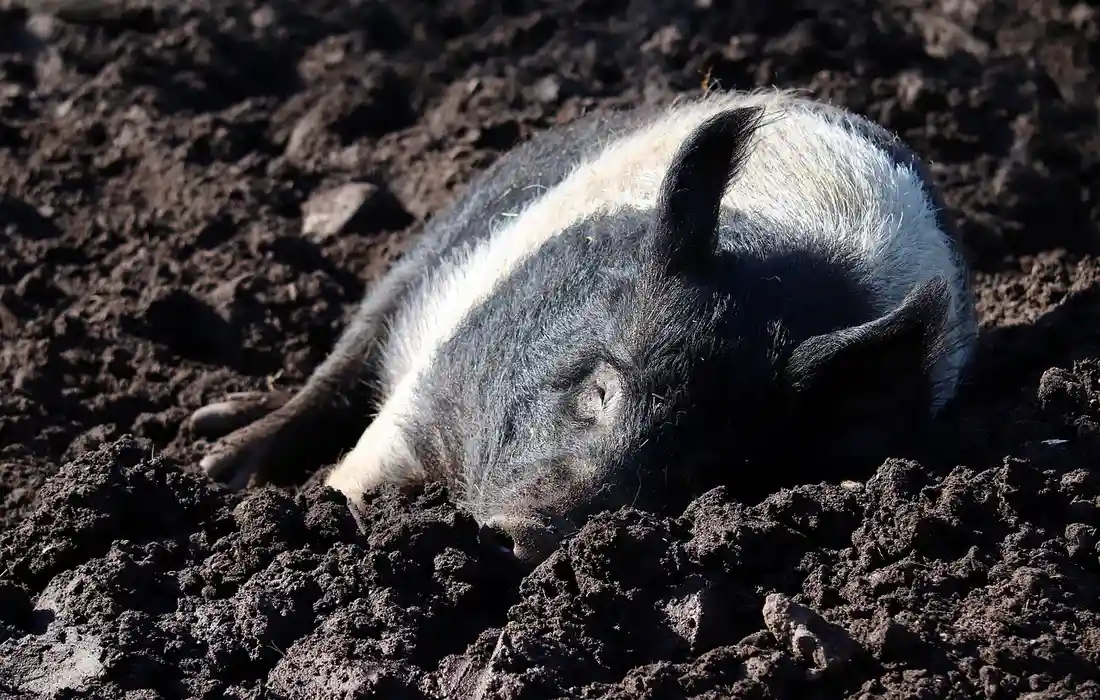
Now, let’s set the record straight on what *should* be in the trough. Forget the image of a bucket of random slop; a pig’s dietary needs are as specific as a prize tomato’s. Think of your pig not as a garbage disposal, but as a growing athlete that needs precise fuel for muscle, bone, and health. I’ve raised enough hogs to see the stark difference a proper diet makes-glossy coats, steady growth, and fewer vet calls.
The Nutritional Power Players
Every balanced pig ration rests on five pillars. Ignore one, and the whole structure wobbles.
- Protein for Power: This builds muscle, not fat. Weaner pigs need a hefty 18-20% protein. As they grow, you can taper to 16% for finishing hogs and 13-15% for a maintenance diet on a sow. Good sources are soybean meal, fish meal, and alfalfa meal.
- Energy for Endeavors: Corn is the classic, but barley, wheat, and oats are splendid too. This carbohydrates gives them the pep to root and grow. Too much energy without enough protein makes for a lardy, unthrifty pig, which is a disappointment on butchering day.
- Fiber for Function: This is where good pasture, hay, or beet pulp shines. Fiber keeps their complex gut moving and satisfies their rooting instinct without empty calories. A pig on good forage is a contented pig.
- Vitamins & Minerals: This is the silent partner you cannot skip. A quality premix or complete commercial feed ensures they get their calcium for bones, phosphorus, salt, and essential vitamins. I always keep a mineral block in the pen, just like for my cows.
- Water, Water, Water: Clean, fresh water is the most vital “nutrient.” A pig will drink 2 to 5 gallons a day. Without it, feed efficiency plummets and health fails fast.
From Starter to Finish: Life Stage Feeding
You wouldn’t feed a calf the same as a milk cow. Pigs are no different.
- Creep & Starter Feeds (Up to 50 lbs): This is high-octane fuel. These rations are dense in protein and digestible nutrients to launch those babies strong. It’s an investment that pays off.
- Grower Feed (50 lbs to 125 lbs): The protein level eases down slightly. This is where good grazing can really start to offset your feed bill, supplementing their core ration.
- Finishing Feed (125 lbs to market): The focus shifts to efficient weight gain. The final six weeks are crucial; a clean, consistent finishing diet ensures the best flavor and texture in your pork.
- Gestation & Lactation: Breeding stock needs careful management. Sows need less energy but more bulk and specific minerals when pregnant, then a rich, high-protein lactation feed to support their big litters.
The Thrifty Homesteader’s Supplement Strategy
Here’s where my decades in the barnyard pay off for your pocketbook. You *can* use kitchen and garden scraps, but with rules.
| What’s Safe to Supplement | How to Serve It | What to Avoid Completely |
|---|---|---|
| Garden trimmings, squash, cucumbers | Washed, chopped, mixed into ration | Raw potato peels (solatonin) |
| Stale bread, cereal, grains | As a treat, not a staple | Moldy or spoiled food |
| Whey from cheesemaking | Excellent protein boost, loved by pigs | Meat scraps or cooked bones (disease risk) |
| Windfall apples & pears | Chopped to prevent choking | Citrus rinds in large amounts |
The golden rule is that supplements should not exceed 10-15% of their total daily intake; the rest must be a balanced base ration. I keep a bucket in the kitchen for scraps, but the pigs get it as a side dish, not the main course. This balance is the heart of sustainable, ethical husbandry. You’re providing for their needs, not just disposing of your waste.
Smart Supplementation for Thriving Pigs

You can’t just turn pigs out on pasture and call it a day, though many a well-meaning homesteader has tried. Smart supplementation is the art of filling the nutritional gaps in your pigs’ natural foraging, and it’s what separates merely fed animals from truly thriving ones. I learned this the hard way years back when a batch of weaners started chewing on fence posts-a sure sign they were craving something their dirt-rooting wasn’t providing. Identifying and fixing those nutritional gaps is the next essential step. A practical troubleshooting guide for pigs will walk you through it.
Moving Beyond the Mud: Why Dirt Isn’t Dinner
Pigs root in dirt for minerals like iron and to cool off, not because it’s a complete meal. If your land is poor, their constant digging is a cry for help you can answer with a simple mineral block. I keep a weathered blue salt block with trace minerals in every paddock; watching them use it tells me more about their health than any ledger.
Building a Balanced Plate
A thriving pig’s diet rests on three legs: energy from grains, protein for growth, and vitamins from greens. Here’s a plain-spoken ratio I’ve used for growing market hogs on pasture: If you’re wondering, do pigs eat grass, forage can be a practical part of their diet. A concise guide to grass pig diets shows how to balance grazing with grain.
- Base Grain: 70% cracked corn or barley for energy.
- Protein Boost: 25% soybean meal (aim for a 16% total protein diet for growers).
- Mineral & Fiber Mix: 5% worth of a quality hog premix and some alfalfa meal.
The Slop Truth: Kitchen Scraps as Supplement, Not Staple
Feeding slop is a tradition, but an unbalanced one. Treat kitchen scraps like a flavor sprinkle, not the main course, to avoid nutrient-poor bellies. I keep a bucket in the kitchen for apple cores, stale bread, and vegetable peels, but it never makes up more than a tenth of their daily feed. Never feed meat scraps or greasy leftovers, as they can harbor disease.
Pasture as Your Partner
Good pasture is the best supplement you can grow. Rotating pigs through paddocks sown with clover, kale, and turnips gives them free vitamins and saves you feed costs. I reckon on needing about 20 square feet per pig in a rotational system to keep the ground productive and the pigs busy. Electric netting on reels makes this chore a one-person job.
| Supplement Type | Purpose | How to Offer |
|---|---|---|
| Trace Mineral Salt Block | Prevents dirt craving & supports metabolism | Place in a dry, accessible spot; free-choice |
| Pumpkins or Squash | Natural dewormer & vitamin source | Chop whole, feed in fall/winter |
| Whey or Buttermilk | Boosts protein & gut health | Mix with dry feed, a cup per head |
Addressing Coprophagy: A Sign to Decode
When pigs eat their own waste, it’s often a sign of dietary boredom or a protein deficit. Increasing their fiber with hay or adding a protein bump can usually stop this behavior in a week. I’ve found that tossing a few flakes of grassy hay into the pen gives them something else to nose through and munch on, satisfying that foraging instinct properly.
Smart supplementation is about observation and action. Your pigs’ behavior is the best feed guide you’ll ever have, so spend time with them and adjust as you go. It’s a thrifty, respectful way to raise animals that are both healthy and content.
Closing Tips for the Practical Stockman
Is it true that pigs can survive on forage and dirt alone?
No, this is a dangerous myth. While pigs are excellent foragers, dirt and forage alone cannot provide the concentrated protein, energy, and balanced nutrients they need for healthy growth and reproduction. Relying solely on this leads to malnutrition and poor herd health, especially when compared to feeds designed for other animals, such as horse feed.
If “slop” is bad, can I just feed them 100% commercial feed?
While a complete commercial feed provides perfect nutrition, incorporating safe, fresh supplements like garden surplus or whey satisfies their natural foraging instinct and can reduce feed costs. The key is ensuring these items are treats, making up no more than 10-15% of their total intake.
Does rooting mean my pasture is deficient and needs fertilizer?
Not at all. Rooting is natural behavior for exploration and finding food, not a sign of poor pasture. In fact, a well-managed rotational grazing system uses pigs to naturally till and fertilize land, improving soil health for future planting or grazing by other animals.
My pig eats manure occasionally. Is this always an emergency?
Not always an immediate emergency, but it is a consistent red flag. Occasional curiosity may happen, but habitual coprophagy is a clear sign you must audit their diet for deficiencies, increase feeding space, or provide environmental enrichment to combat boredom.
Is a fat pig a sign of a well-fed, healthy pig?
No. Obesity in pigs is a sign of improper nutrition, often too much energy (like corn) and not enough protein. A healthy pig should be lean and muscular, not overly fat, as this impacts their mobility, reproduction, and ultimately, meat quality. To translate this into practical care, we’ll cover troubleshooting common pig feeding issues—from pickiness to obesity. We’ll also show how to adjust rations and feeding strategies.
Can I save money by feeding my pigs only grain like corn?
Feeding only grain is a false economy. Corn is high in energy but low in protein. A diet of just corn will result in poor muscle development, vitamin deficiencies, and unhealthy animals, leading to higher vet costs and poor productivity, offsetting any initial feed savings.
Shutting the Gate
When all’s said and done, keeping your pigs hale and hearty boils down to respecting their true nature while steering them clear of old tales. They’re clever foragers, not living garbage disposals. Paying attention to their feeding habits and scavenging speed helps keep them safe. A secure, well-maintained environment prevents trouble before it starts. The single most important thing you can do is provide a balanced, quality ration suited to their life stage and then turn your attention to their environment-because a bored pig in a barren pen will invent problems a well-fed pig on good pasture never dreams of.
I reckon I’ll see y’all out by the fence line. There’s a profound peace in watching a sounder contentedly root in the loam, knowing you’re raising them right. Thank you for caring enough to learn. May your pastures stay green, your troughs never run dry, and the peaceful grunts of your pigs be the soundtrack to your finest evenings. Happy homesteading, neighbor.
Further Reading & Sources
- Debunking Myths: Feeding Strategies for Your Show Pig
- How to Farm Pigs – Feeding | The Pig Site
- Debunking pig production myths | WATTPoultry.com
Caroline Mae Turner is a lifelong farm girl raised on red clay, early mornings, and the sounds of a bustling barnyard. With hands-on experience caring for everything from stubborn goats to gentle dairy cows and mischievous pigs, Caroline shares practical, tried-and-true advice straight from the farm. Her goal is to help folks keep their animals healthy, well-fed, and living their best barnyard life. Whether you're wrangling chickens or bottle-feeding a baby goat, Caroline brings a warm Southern touch and plenty of real-world know-how to every bucket in the barn.
Diet Requirements