Do Rabbits Eat Meat? Debunking Carnivorous Myths and Protein Needs
Published on: January 20, 2026 | Last Updated: January 20, 2026
Written By: Caroline Mae Turner
Howdy y’all. Rabbits do not eat meat-they are obligate herbivores with a digestive system that cannot process animal protein, and offering it can lead to severe health issues. I’ve spent decades with rabbits in the barn, and that myth often pops up when folks see a bunny curiously nibbling at a bone or worry about their protein intake.
What you’ll need:
- A solid grasp of herbivore digestive biology.
- Unlimited grass hay, such as timothy or orchard grass.
- Rabbit-specific pellets with a 12-14% protein content.
- Fresh, leafy greens for balanced nutrition.
Let’s straighten this out right now, so you can feed your flock with confidence and return to your other chores.
The Simple Truth: Rabbits Are Herbivores
Let’s set the record straight as a rusty gate: rabbits are strict plant-eaters. I’ve raised them for wool, meat, and companionship for nigh on thirty years, and I’ve never seen one give a side-eye to a scrap of chicken or a bit of hamburger. Their entire design, from the ground up, is for processing grasses, leaves, and bark. Not every plant is safe for nibblers; some greens can upset their digestion or be toxic. That leads to the practical question: do rabbits eat safe or unsafe plants and foods?
Anatomy of a Plant-Eater: Teeth to Tail
You can tell everything about an animal by looking at its tools. A rabbit’s mouth is built for a salad bar, not a butcher shop.
- Teeth: Those big front incisors? They’re open-rooted and never stop growing, perfect for slicing through tough stems and woody browse. They lack the sharp, tearing canines a carnivore uses to rip flesh.
- Jaw Movement: A rabbit’s jaw grinds in a perfect side-to-side motion, like a millstone. This grinds fibrous plant matter into a pulp. A meat-eater’s jaw is hinged mostly for powerful up-and-down chopping.
- Digestive Tract: This is the real clincher. A rabbit has a very long intestinal system relative to its body size, needed to slowly break down complex cellulose. A carnivore’s gut is typically short and acidic to process meat quickly before it rots.
Seeing my rabbits work over a pile of willow branches is watching a master craftsman use the perfect tool for the job-one that simply doesn’t fit animal protein.
Why Meat is a No-Go: Rabbit Digestion Explained
Even a tiny amount of meat or animal fat can throw a rabbit’s delicate system into a tailspin. It’s not about being picky; it’s about biological impossibility. Their engine runs on hay, not hamburger.
The Delicate Balance of the Gut Microbiome
The magic happens in the cecum, a large fermentation chamber after the small intestine. Here, a specific community of bacteria and protozoa goes to work breaking down fiber into nutrients the rabbit can absorb.
- The rabbit eats fibrous plants.
- Material passes to the cecum, where good microbes ferment it.
- This produces nutrient-rich cecotropes, which the rabbit re-ingests directly from its anus (a normal behavior called cecotrophy).
- The second pass through the gut allows for full absorption of vitamins and protein synthesized by those microbes.
Introducing meat is like pouring gasoline into that careful fermentation vat-it annihilates the specialized microbiome. Animal protein rots faster, creating toxins and favoring the wrong kinds of bacteria. This leads to a condition called dysbiosis, which can cause deadly gastrointestinal stasis (GI stasis) where the whole digestive tract shuts down. I’ve had to nurse bunnies back from stasis, and it’s a touch-and-go process you don’t want to invite.
Their protein needs are met entirely through this brilliant cecal recycling system and from quality plant-based sources like leafy greens, legumes, and a good ration of alfalfa for growing youngsters. For a healthy rabbit, 12-17% protein in their overall diet from plants is the sweet spot, not a single gram of which needs to come from a animal source.
Debunking Common Carnivorous Myths About Rabbits
Let’s chew on this together, neighbor. Over my years tending the barn, I’ve heard every tall tale about rabbits snatching bacon or nibbling chicken necks. Rest assured, a rabbit’s diet is plant-based from sunup to sundown, and feeding them meat is a sure path to a sick animal. Their delicate digestive system simply cannot process animal protein like our hogs or dogs can. Curious about how a rabbit chews and what that reveals about their digestion? Understanding rabbit chewing and digestive behavior helps explain why their plant-based diet is so important.
These myths usually root in a simple mix-up of behavior. Seeing a rabbit mouth a bone doesn’t mean it’s eating it; they’re likely after minerals or just satisfying an instinct to gnaw. I’ve spent many an afternoon observing my herd, and their interest in anything non-plant begins and ends with chewing it, not consuming it for sustenance.
Wild Rabbits and Scavenging: Separating Fact from Fiction
Picture a wild cottontail near a fallen squirrel. It’s easy to assume the worst, but I reckon you’re witnessing a search for salt, not a steak dinner. Wild rabbits are herbivorous scavengers of the plant world, not the animal kingdom; they’ll seek out weathered bones for minerals like phosphorus, not for the meat. Their gut flora is a finely tuned brewery for breaking down grasses, not flesh.
I recall one frosty morning finding rabbit tracks around a old deer carcass out past the pasture. Closer inspection showed they’d only gnawed on the dried connective tissue on the bones, which is rich in collagen, a protein they can derive from plants anyway. Their cecum, that big fermentation pouch, is pH-balanced for fibrous matter, and introducing meat creates toxic bacteria.
- Fact: A wild rabbit’s diet is 99% vegetative-think grasses, clover, bark, and forbs. They might ingest the occasional insect or snail accidentally while grazing, but it’s not a food source.
- Fiction: Rabbits will eat meat to survive harsh winters. Their survival strategy is switching to woody browse, not becoming opportunistic carnivores.
- Stewardship Tip: If you’re managing land for wildlife, promote native grasses and shrubs over supplemental feeding, which can attract real scavengers and cause trouble.
Odd Cravings: Mattress Pads, Teething Toys, and Bird Seed
Now, this is where a rabbit’s behavior can truly baffle a new homesteader. You might find your bunny sampling a foam mattress pad or a plastic toy. This destructive chewing is a mandatory dental workout, not a secret craving for animal byproducts found in those materials. Their teeth grow nearly 1/8th of an inch every week, and they’ll grind on anything handy. Sometimes rabbits also display unusual eating habits—fur chewing, dirt or gravel nibbling, and coprophagy. Understanding why these occur helps you address them appropriately, a topic explained in the piece on unusual rabbit eating behaviors fur dirt gravel coprophagy explained.
In my own shed, I’ve had rabbits test-chew on everything from rubber boot soles to a bag of chicken feed. Providing a constant buffet of safe, fibrous chewables-like pear twigs, oat hay, or pine cones-is the thrifty and kind way to protect your gear and their health. As for bird seed, a rabbit will eat it because it’s seeds and grains, which are still plant-based, but it’s far too rich for their regular fare.
- Mattress Pads & Foam: The texture can mimic root fibers. Redirect this urge with cardboard tubes stuffed with hay, which costs nothing and saves your bedding.
- Plastic Teething Toys: A sign of boredom. Offer untreated hardwood blocks or woven grass mats instead, which are durable and sustainable.
- Bird Seed & Suet: High in fats and proteins from seeds and nuts, not meat. Ingesting too much can lead to hepatic lipidosis, a serious liver condition, so keep those feeders out of hop’s reach.
Their protein needs are fully met with greenery. A legume hay like alfalfa provides 16-20% crude protein, perfect for young growth, while a grass hay like orchard grass offers a sufficient 8-10% for adults. Adding animal protein disrupts their cecal fermentation, leading to gas, pain, and often a swift decline.
Protein on the Plant-Based Plate: Meeting Rabbit Needs
Now, I’ve seen a healthy rabbit buck clear a four-foot fence without so much as a whiff of chicken bone. These animals are designed by nature to build strong bodies entirely from the greens, hays, and herbs they forage. My own herd thrives on a simple plant-based menu that would make any butcher scratch his head.
You might reckon protein only comes from a feed sack or a meat scrap, but that’s just not the rabbit way. Their unique digestive system, with that crucial cecum, ferments fibrous plants to unlock every last amino acid. I watch ’em out in the paddock, selecting just the right mix of weeds and grasses to meet their needs.
Building Blocks Without the Butcher Shop
Your pasture and garden are the real protein factories. Diversity in their greens is far more important than chasing a single “magic” plant. I rotate my rabbits on different plots to let them browse a natural buffet.
Beyond the feed bucket, here are the live plants I encourage for a protein boost:
- Alfalfa: A perennial favorite, but it’s rich. I use it as a strategic supplement, not a main hay, for its 18-22% protein punch.
- White and Red Clover: These fix nitrogen right in the soil, offering 15-20% protein and saving you on fertilizer.
- Comfrey Leaves: My grandma called it “knitbone,” and it’s a prolific grower with good protein levels. I dry it for winter mixes.
- Young Tree Leaves: Willow, apple, and mulberry leaves are excellent browse that support dental health and provide variety.
For a cost-saving winter strategy, I make my own hay from mixed grasses and legumes. Cutting at the right bloom stage locks in more protein for those cold months. A good, green-smelling hay is worth its weight in gold.
Reading the Feed Tag: What to Look For in Pellets
Pellets are a supplement, not a staple, in my barn. Choosing the right bag is about supporting their plant-based diet, not replacing it. I spend more time reading the tag than I do picking out my own coffee.
Here’s exactly what my eyes scan for on that ingredient panel:
- First Ingredient Must Be Hay: Timothy, orchard grass, or meadow hay should lead the list. If corn or wheat is first, put it back.
- Protein Percentage: For adult maintenance, 14-16% is the sweet spot. Growing kits or lactating does can use 16-18%. Anything higher is overkill and hard on their kidneys.
- Crude Fiber is King: This number must be 18% or higher. It keeps their gut motility perfect and prevents GI stasis.
- Fat Content: Look for 2-3% max. Rabbits don’t need high fat; it can lead to obesity.
- Simple Ingredient List: The best pellets contain just hay, a small binder like soybean hulls, and added vitamins. Avoid “bits,” seeds, or colored pieces.
I keep a simple table for quick comparison when I’m at the feed store. It helps me remember the targets at a glance.
| Nutrient | Ideal Range for Adults | Why It Matters |
|---|---|---|
| Crude Protein | 14% – 16% | Supports muscle & coat without strain |
| Crude Fiber | 18% – 22% | Non-negotiable for healthy digestion |
| Crude Fat | 1.5% – 3% | Provides energy without weight gain |
| Calcium | 0.5% – 1.0% | Balanced levels prevent urinary issues |
Remember, the finest pellet is no substitute for unlimited grass hay. A good rule from my shed is to feed one-quarter cup of pellets per six pounds of body weight daily, and let the hay pile be endless. This balance keeps their teeth worn, their bellies full, and their diet right where it belongs-in the plant kingdom.
How Rabbit Protein Stacks Up Against Other Barnyard Critters
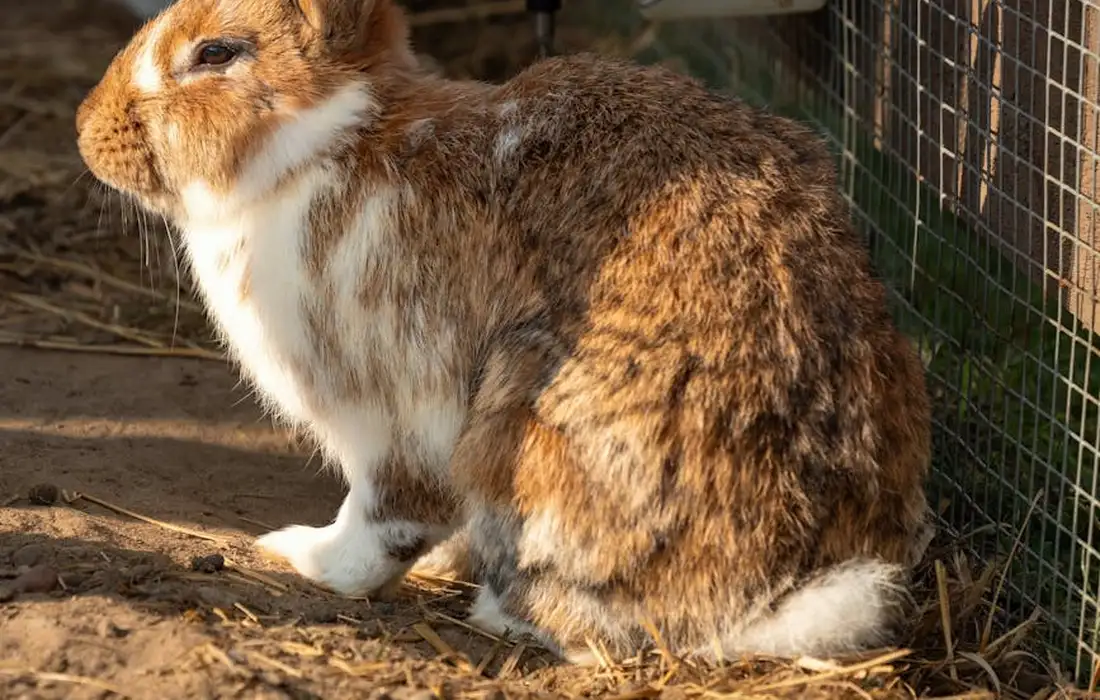
A Cooperative Homestead Perspective
Now, let’s set the bunny bucket down for a spell and look across the fence. Managing protein on a mixed homestead is a balancing act, and seeing where your rabbits fit in the whole picture makes you a better steward for all your critters.
Rabbits are the pure vegetarians of the barnyard. They don’t just avoid meat; their entire digestive symphony is composed for forages and grains. This sets them apart starkly from our chickens, who are opportunistic omnivores, or our pigs, who are true omnivorous cleanup crews. I’ve watched a hen snap up a mouse and a pig root up grubs with equal gusto, but a rabbit will only ever nibble on clover.
Here’s a simple table to show you how their dietary worlds differ:
| Animal | Dietary Type | Primary Protein Source | Homestead Role |
|---|---|---|---|
| Rabbit | Herbivore | Legume hay, pellets, leafy greens | Meat & fiber production, lawn mower |
| Chicken | Omnivore | Insects, grains, commercial feed | Eggs, meat, pest control, compost contributor |
| Pig | Omnivore | Grains, kitchen scraps, forage, dairy | Meat production, land clearing |
| Cow/Goat | Herbivore (Ruminant) | Pasture grasses, legume hay, grain supplement | Milk, meat, land management |
You see, a chicken’s need for animal protein is why we offer them black soldier fly larvae or let them free-range. A pig’s need is why they get whey from our cheese making or spare eggs. But a rabbit’s system is a finely-tuned hay burner, and throwing meat into that engine is a surefire way to cause a breakdown. Their protein must come from plants, and that’s a beautiful, efficient thing.
Working Together on the Land
This is where the homestead harmony comes in. I manage my rabbits’ protein needs in concert with the other animals, and it saves money and creates a closed loop.
- The Garden Cycle: My rabbits get the carrot tops, beet greens, and bolted lettuce. Their manure goes directly into the compost for the garden that feeds us all. The chickens then scratch through the finished compost for bugs.
- The Hay Hierarchy: The dairy goats get the finest, leafiest second-cut alfalfa. The rabbits get the next best. What they gently drop becomes nesting material for the chickens or gets added to the deep litter in the pig pen.
- A Lesson in Efficiency: Pound for pound, a rabbit converts its plant-based protein into meat for your table more efficiently than nearly any other animal we keep. They don’t compete with you for grain like a chicken, nor do they require the vast space of a ruminant. That’s the secret to their thriftiness: a simple, clean, plant-based diet tailored to their unique gut.
So, while your pigs will happily recycle meat scraps and your chickens will hunt for ticks, remember your rabbits are the quiet masters of the green leaf. They ask for little, give back plenty, and their strict vegetarian needs are a cornerstone of a diverse, sustainable homestead. You just have to speak their language.
Feeding Your Fluff Right: A Practical Guide to Rabbit Nutrition
Now, let’s get down to the brass tacks of what to put in that feeder. Forget any notion of rabbit pellets being the main event. In my decades of caring for everything from chickens to cows, I’ve learned that a rabbit’s diet is a beautiful, simple system built on one foundational element: roughage. House rabbits eat a diet beyond commercial pellets. The core is hay and fresh greens that provide steady fiber. Their delicate digestive tracts are fermentation vats that require a constant flow of fiber to keep moving. Think of it like stoking a fire; without steady fuel, the whole system goes cold and risks a dangerous shutdown.
The Hay-Based Diet: Timothy, Orchard, and Alfalfa
Hay isn’t just bedding or a snack-it’s the cornerstone of life for a rabbit. It files down their ever-growing teeth, provides essential fiber, and keeps their gut microbiome happy. You need to provide a pile of fresh hay larger than the rabbit itself, every single day. For a deeper dive, the ultimate guide to hay for rabbits covers types, benefits, and feeding tips. The type of hay you choose shifts with your rabbit’s age and life stage, much like you wouldn’t feed chick starter to an old laying hen.
- Timothy Hay: This is your all-purpose, go-to hay for adult rabbits. It’s lower in protein (around 7-8%) and calcium, which is perfect for maintaining a healthy weight and preventing urinary issues. Its long, sturdy stems are excellent for dental wear. I keep a bale open in the barn at all times.
- Orchard Grass: A superb alternative to Timothy, often softer and a bit sweeter. Some of my pickier bunnies prefer it. The nutritional profile is similar, making it a safe staple for everyday munching.
- Alfalfa Hay: Here’s where folks often get tripped up. Alfalfa is a legume hay, rich and high in protein (16-20%) and calcium. I only feed alfalfa to three groups: growing kits (babies), pregnant or nursing does, and underweight rabbits needing a boost. Feeding it to a healthy adult rabbit is like giving a child nothing but cake-it leads to obesity and health troubles.
Your hay should smell sweet and grassy, not dusty or moldy. If you wouldn’t want to take a deep breath of it, don’t feed it to your rabbit.
Garden Greens and Foraged Treats
Beyond the hay rack, a daily salad of leafy greens is where you can really promote vitality and add variety. This is my favorite part, connecting the garden to the hutch. Fresh greens provide moisture, vitamins, and enrichment, turning meal time into a joyful rummage. But you must introduce any new green slowly, a small handful at a time, to avoid shocking their sensitive systems.
I keep a dedicated patch in my garden just for the rabbits and chickens. Here’s a trustworthy list from my own harvest basket:
- Staple Greens (Feed Daily): Romaine lettuce, green or red leaf lettuce, carrot tops (the frilly greens, not the carrot just yet!), bok choy, cilantro, parsley, dandelion greens (unsprayed!), and the outer leaves of broccoli.
- Treat Greens (Feed 1-2 Times a Week): Kale, spinach, swiss chard, and cabbage. These contain higher oxalates or can cause gas, so moderation is key.
- Herbal Bonuses: A sprig of mint, basil, or oregano isn’t just tasty; some folks swear by their gentle medicinal properties for digestion.
When foraging, you must be 100% certain of your plant identification. The rule in my barnyard is simple: if you don’t know it, don’t pick it. Some common garden plants are deadly, like the leaves of tomatoes, potatoes, or rhubarb. Always wash greens to remove potential contaminants.
Avoid iceberg lettuce entirely—it’s mostly water with little nutritional value and can cause diarrhea. Rabbits can eat lettuce varieties like romaine, butter, and red leaf in moderation. Iceberg is less ideal for safety and can upset digestion, so avoid it when feeding greens. And those fruits like apple or banana? A tiny cube the size of your thumbnail once or twice a week is plenty. Sugar is a spice, not a food group, for a rabbit.
When Accidents Happen: What to Do If Your Rabbit Eats Meat
Bless your heart, it happens to the best of us. One minute you’re tidying the barn, and the next you spot your bunny nibblin’ on a scrap of chicken feed that had some meat meal in it. Or maybe the dog bowl was a tad too accessible. First thing you do is don’t panic; take a deep breath and assess the situation calmly, just like I learned when my curious Dutch doe, Maisy, got into the cat’s food. Your quick thinking makes all the difference.
Monitoring and Recovery
After you’ve gently removed any leftover meat from the area, your job shifts to watchful care. A rabbit’s digestive system is a delicate thing, built for hay and greens, not animal protein. Your primary goal now is to support their gut and watch for any signs of distress, which usually show up within a dozen hours. Here’s how my family has handled it for years.
Start by ensuring they have plenty of fresh water and their usual high-quality grass hay. Timothy hay is perfect. This helps keep everything movin’ along normally. I often skip their regular pellet ration for that day to let their system settle, relying solely on hay and water. It’s a simple, thrifty trick that avoids overloading their stomach.
You’ll want to monitor your rabbit close for these specific signs. If you see any, it’s time to call your vet without delay:
- Lethargy or sitting hunched up: A rabbit in pain isn’t playful.
- Loud tooth grinding: This signals discomfort, not contentment.
- Small, misshapen droppings or a complete lack of them: Their poop tells the health tale.
- Loss of appetite for their favorite greens: A big red flag for a usually hungry critter.
- Bloated or tender belly: Gently feel their underside; it should be soft.
For recovery, stick to a bland diet for a day or two. I mix a handful of fresh, dark leafy greens like romaine or cilantro back in after the first 24 hours if their droppings look normal. Steer clear of high-sugar fruits or veggies during this time, as they can further upset a sensitive gut. Patience is your best tool here.
Prevention is the cheapest medicine. I keep rabbit feed in sealed bins and make sure other animal feeding stations are well out of hop’s reach. A tidy barnyard is a safe barnyard, and it shows respect for each animal’s unique needs. It saves you worry and vet bills down the road.
Closing Tips: Keeping Your Bunnies on a Plant-Based Path
Can rabbits eat meat?
No, rabbits cannot safely eat meat. They are obligate herbivores whose digestive system lacks the ability to properly process animal protein, leading to serious digestive illness.
What should I do if my rabbit eats meat?
Immediately remove any remaining meat and monitor your rabbit closely for 12-24 hours. Ensure they have unlimited grass hay and water, and contact a veterinarian if you notice lethargy, reduced droppings, or loss of appetite.
Why would a rabbit chew on a mattress pad or foam?
This is destructive chewing for dental wear, not dietary interest. A rabbit’s teeth grow continuously, and they will gnaw on various textures to grind them down, so it’s crucial to provide safe, fibrous alternatives like applewood sticks or hay-filled toys. Unlike some other types of wood, these are safe for rabbits to chew on.
Do rabbits eat meat in the wild?
No, wild rabbits do not eat meat for sustenance. They are strict herbivores. Any gnawing on old bones is driven by a need for minerals like calcium or phosphorus, not by consuming the flesh.
Can rabbits eat raw meat?
Absolutely not. Raw meat is especially dangerous as it can introduce harmful pathogens that their plant-specialized gut flora cannot handle, rapidly causing toxic dysbiosis and life-threatening GI stasis. Chickens are particularly vulnerable to these kinds of infections.
Why do rabbits sometimes gnaw on old bones?
This behavior is linked to nutritional supplementation, not carnivory. Rabbits may seek out dry, weathered bones as a natural source of minerals like calcium, which they also obtain from plants and quality pellets.
Back to the Pasture
So, there you have it. Your rabbit’s diet is a finely tuned engine for processing fiber, not protein. The most vital thing you can do is provide an endless buffet of quality grass hay; it keeps their gut moving, their teeth worn, and their instincts satisfied. A rabbit’s health is built in the hindgut, and that complex fermentation chamber runs on one fuel: long-stem fiber from grasses and hays. All those pellets and greens are just the delightful icing on the cake.
I reckon we’ve covered the fence line pretty well. It’s a joy and a privilege to care for these gentle creatures, learning their rhythms and watching them binky in a patch of clover. Thanks for settin’ a spell with me. Now, get on out there and enjoy the simple, good work of stewarding your flock-or in this case, your fluffle. Y’all take care.
Further Reading & Sources
- r/Rabbits on Reddit: Why do rabbits eat meat?
- Meat-eating rabbits: these fluffy creatures are not exactly “herbivores”
- Rabbit – Wikipedia
Caroline Mae Turner is a lifelong farm girl raised on red clay, early mornings, and the sounds of a bustling barnyard. With hands-on experience caring for everything from stubborn goats to gentle dairy cows and mischievous pigs, Caroline shares practical, tried-and-true advice straight from the farm. Her goal is to help folks keep their animals healthy, well-fed, and living their best barnyard life. Whether you're wrangling chickens or bottle-feeding a baby goat, Caroline brings a warm Southern touch and plenty of real-world know-how to every bucket in the barn.
Diet Requirements