
Do Rabbits Eat Grass? Your Essential Guide to Safe Grazing
Published on: December 21, 2025 | Last Updated: December 21, 2025
Written By: Caroline Mae Turner
Howdy y’all. Staring at a sprawling lawn and pondering if it’s a free lunch for your floppy-eared crew? I’ve spent many an afternoon watching my herd nibble. Rabbits absolutely eat grass, and it’s the cornerstone of a healthy diet, but the secret is in the slow switch from store-bought pellets to fresh pasture.
What you’ll need:
- A safe, pesticide-free grassy area
- About a week’s patience for dietary transition
- Your good sense for spotting safe greens
Let’s break down the basics so you can manage this meal shift and get back to your other chores.
Do Rabbits Eat Grass? Unveiling the Natural Diet
Let me settle this plainly for y’all: rabbits are born to graze. They are true herbivores, built by nature to thrive on a menu of grasses and plants. Watching my herd in their pasture run, I see the instinct in action. They don’t just nibble; they methodically harvest, their noses twitching as they select the finest blades. That mirrors their general diet and foraging habits, as rabbits sample a variety of grasses, leaves, and herbs. Their choices shift with season and habitat, revealing a flexible, forage-driven lifestyle.
I recall one particular Belgian doe, Maisie, who would always march to the same sun-dappled corner after a morning rain. She’d feast on the dewy orchard grass there with a focus that told me she knew exactly what her body needed. Observing your rabbits forage teaches you more about their needs than any feed bag label ever could.
They happily consume most common grasses:
- Lawn grasses like fescue and bluegrass
- Orchard grass and timothy (both fresh and dried as hay)
- Brome grass and meadow grasses
Now, mind the distinction between grass and broadleaf weeds. Dandelion greens and plantain are excellent forage, but they’re not grasses. Think of grasses as the foundational, fibrous roughage, and leafy weeds as the nutrient-dense supplements. Fresh grass is not a mere treat; it’s a fundamental staple that echoes their wild diet.
The Role of Grass in Digestion and Dental Health
The magic of grass lies in its relentless fiber. This roughage is the engine of a rabbit’s complex digestive tract, pushing everything along smoothly to prevent the deadly condition called GI stasis. A gut without constant fiber is a gut that grinds to a halt.
Beyond the belly, listen to the sound of a rabbit chewing grass. That steady, grinding crunch is the sound of health. Their teeth grow continuously, and the abrasive silica in grass blades is nature’s perfect filing tool, preventing painful molar spurs and overgrown incisors.
Contrast this with processed pellets. While useful, pellets are consumed quickly with minimal chewing. A diet heavy in pellets but low in long-stem fiber leads to a sluggish gut and dental bills. Grass and hay force the lengthy chewing and slow digestion a rabbit’s system requires. That highlights how rabbit chewing drives their digestive behavior. If you’re curious about whether rabbits eat and how chewing relates to digestion, this topic is central.
Hay First, Grass Second: Building a Fiber-Focused Diet
With all this talk of fresh grass, don’t you dare let it displace the king of the rabbitry: high-quality hay. Think of timothy, orchard, or oat hay as the unwavering cornerstone, the steady bedrock of every meal. Fresh grass is the wonderful, seasonal supplement.
Hay provides consistent nutrition and fiber year-round, while the protein and moisture content of fresh grass can swing with the seasons. Spring grass is rich and wet, while summer grass can be tougher and drier. Hay is your reliable anchor, keeping their digestion steady through nature’s seasonal shifts.
If your rabbit is used to hay and you’re introducing fresh grass, go slow to avoid upsetting their delicate gut flora. Many owners wonder whether rabbits need fresh grass daily. It’s typically given as a small daily fresh grass portion to supplement hay, not as a replacement.
- Start with a small handful of clean, pesticide-free grass.
- Offer it in the morning so you can monitor them throughout the day.
- Gradually increase the amount over 7-10 days.
- Always offer it alongside their unlimited hay.
Why Unlimited Hay is Non-Negotiable
This is the hill I will stand on for the health of your flock: fresh grass does not replace the need for 24/7 hay access. Even on lush pasture, a rack of hay should always be full. The fiber profile and chewing time provided by hay are irreplaceable.
Constant hay consumption does more than prevent stasis; it also fights obesity by allowing rabbits to eat to fullness on a low-calorie, high-fiber food. A rabbit with a never-empty hay rack is a rabbit with a busy gut, worn-down teeth, and a healthy weight. Curious about exact daily amounts? Our hay consumption guide explains how much hay a rabbit should eat each day.
I stack hay by every hutch and in every pasture shelter. Seeing my rabbits munch contentedly at all hours is the surest sign I’m stewarding them right. It’s the simplest, most vital practice in rabbit husbandry.
The Nutritional Profile of Pasture and Lawn Grasses
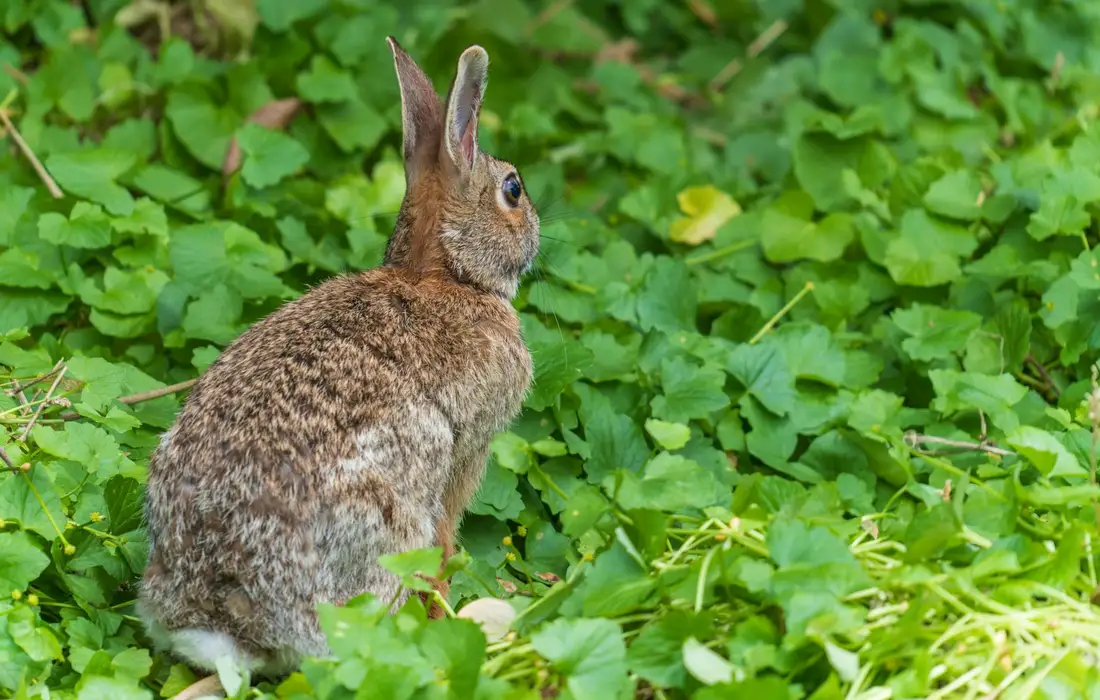
Let’s get down to the root of it. That green carpet your bunnies nibble isn’t just filler; it’s a complex, living feed. From my years of balancing rations at the barn, I can tell you that not all grass is created equal, and its value changes with the sun and the season.
Common pasture grasses like timothy, orchard, and brome typically hold a respectable 8% to 18% crude protein when young and leafy, which is plenty for maintaining a healthy adult rabbit. Their true glory is in fiber, ranging from 25% to 35% acid detergent fiber (ADF), which is the roughage that keeps those intricate digestive systems grinding smoothly. Moisture content is high, often 70% or more, which helps with hydration but means grass alone isn’t nutritionally dense enough for all their needs.
That protein builds and repairs muscle, especially important for does raising kits or working bucks. The fiber is non-negotiable. A steady intake of long-stem grass fiber is the best prevention against GI stasis, as it constantly pushes material through the gut and supports proper cecum function. The natural sugars and carbohydrates in grass provide clean, steady energy for hopping and foraging, which is why pastured rabbits often have such bright eyes and lively dispositions.
Now, here’s where your management eyes need to be sharp. Those nutrient numbers dance with the weather and the grass’s own life cycle. The lush, quick-growing grass of spring and early summer is highest in protein and digestibility, but also in moisture, which can sometimes lead to looser droppings if introduced too fast. As summer heat comes and grasses seed out, protein drops and that tough, stemmy fiber increases, which is excellent for wearing down teeth but less nutritious. Fall often brings a tender regrowth with a nice balance. I always watch my rabbits’ condition and manure pellets like a hawk when seasons turn, adjusting their supplemental hay accordingly.
Grass Varieties: From Orchard to Bluegrass
Choosing grasses for your rabbits is like setting a good table. You want a mix that’s both palatable and purposeful. Over the decades, I’ve settled on a few reliable staples that have never let my herd down.
Safe, recommended grasses for grazing or cutting fresh include:
- Timothy Grass: The gold standard. It’s consistently high in long fiber, perfect for dental and gut health.
- Orchard Grass: Softer and leafier, often a favorite for picky eaters and a good protein source.
- Bermuda Grass: A tough, warm-season grass that’s excellent for wearing down teeth.
- Bluegrass (Kentucky Bluegrass): Makes a fine, dense turf for grazing; sweet and very palatable.
- Rye Grass (Annual or Perennial): Grows quickly and provides good early-spring or fall forage.
For optimal digestive health, you can’t beat the fiber structure in timothy and mature orchard grass. I make sure these form the backbone of my hay supply, as their sturdy stems demand plenty of chewing, which is the first critical step in healthy rabbit digestion. The softer grasses like bluegrass are wonderful for encouragement and variety, but they shouldn’t be the only show in town.
A word of caution from the fence line: not everything green and grassy is friendly. You must learn to spot the imposters. Always be certain you’re cutting true grasses, not broadleaf weeds or harmful plants that can mimic them, such as hairy buttercup or young foxglove. Particularly watch for grasses that have gone to seed with sharp avns, like foxtail barley, which can cause mouth abscesses. If you didn’t plant it yourself or aren’t 100% sure of its identity, don’t feed it. A few minutes spent with a good field guide will save you a world of worry.
Portion Control: How Much Fresh Grass to Feed
When those fluffy critters see a patch of fresh grass, their excitement is downright contagious. Trust me, after many seasons with my herd, I’ve learned that portion control isn’t about withholding joy-it’s about preventing a bellyache that can turn serious quick. You’ve got to treat fresh grass like a rich new food, not a free-for-all buffet.
- Start with a handful per 2 pounds of body weight. For a typical 4-pound rabbit, that’s two modest handfuls. I always pick grass by the fistful, not the armload, to keep my measurements honest and safe.
- Introduce this amount over five to seven days, never all at once. Mix those first few clippings right into their hay. I start with a tablespoon-sized amount on day one and watch closer than a hawk on a mouse hole.
- Signs you’ve gone too far include mushy droppings, a quiet bunny off its feed, or a bloated belly. At the first hint of trouble, pull all fresh grass and go back to unlimited hay and water for a couple days. Their gut will thank you.
Adjusting amounts is a matter of patient observation, not a strict calendar. A rabbit that thrives on a handful daily might need half that if the grass is especially lush or dewy. I always err on the side of caution, because fixing an upset gut is harder than preventing one.
Creating a Daily Feeding Schedule
Rabbits are creatures of habit, and a predictable routine makes for calm animals and a smoother homestead day. My daily rhythm, forged over years of morning chores, weaves together hay, grass, and greens into a tapestry of good health. It’s a simple dance that keeps everything in balance.
- First Light (Hay & Water Check): Top off their unlimited timothy or orchard hay rack-this fibrous foundation is non-negotiable. This is also when I scrub and refill every water bowl or bottle with cool, clean water.
- Mid-Morning (Fresh Grass Offering): This is when I deliver the measured portion of fresh grass, based on their weight and tolerance. I lay it out separate from their hay to see how much they’re actually eating.
- Late Afternoon (Leafy Greens): Each bunny gets about a cup of packed leafy greens, like bok choy or cilantro. This comes hours after their grass, spacing out the moist foods to aid digestion.
Hay must be available 24/7, without exception. Fresh, clean water is the most critical part of this schedule, as a rabbit without water can fall ill faster than a rainstorm can roll in. I use ceramic crocks for stability and check them twice a day, without fail, come heatwave or frost.
Grass Safety: Navigating Pesticides and Toxic Plants
Let me tell you, the greenest grass can hide the meanest surprises if you aren’t mindful. Your rabbit’s safety starts with knowing exactly what’s been on that grass, because their delicate systems can’t handle chemical residues. I recall a time I got lazy and tossed in clippings from the edge of my driveway, forgetting the county had sprayed for weeds there just a week prior. That was a long, worrisome night with a lethargic bunny, and I vowed never to make that assumption again.
You must treat any lawn, field, or roadside grass as guilty until proven innocent of sprays. Chemical treatments aren’t just for farms; suburban lawns and golf courses are often heavy users of products that linger. If you didn’t grow it yourself or know the landowner’s practices for certain, it’s not worth the risk.
Common Off-Limit Plants and Weeds
Nature has its own dangers, and some common plants are pure poison to rabbits. Always scout your grazing area or forage pile for these culprits:
- Buttercups: That pretty yellow flower contains ranunculin, which causes blistering in the mouth and gut trouble.
- Foxglove and Oleander: These ornamentals are cardiac nightmares-just a few leaves can be fatal.
- Nightshades: This family includes deadly nightshade and even the greens of tomato plants; they carry toxic alkaloids.
- Rhubarb Leaves: Perfect for pies, but the leaves are packed with oxalic acid, which leads to kidney failure in rabbits.
- Wild Onions and Garlic: They can cause dangerous blood disorders in large enough quantities.
Steps for Proper Washing and Preparation
When you’ve got safe grass, a little prep makes it perfect. Here’s my barn-tested method:
- Shake it Out: Give the cut grass a vigorous shake away from your rabbits’ area to dislodge dirt, dust, and any small bugs.
- Cold Water Bath: Submerge the grass in a clean tub or sink of cold water. Swirl it around for a minute. This isn’t about a sprinkle; you want to float off any unseen residues.
- Drain and Dry: Lift the grass out, let the water drain, and spread it on a clean towel or rack. You want it mostly dry to the touch before serving, as soggy grass can ferment quickly in a warm hutch.
- Serve Fresh: Only prepare what they’ll eat in a few hours to prevent wilting and spoilage.
Pasture Management for Safe Grazing
Managing a little plot for your rabbits is one of the most rewarding chores on the homestead. A well-kept run provides fresh food and enrichment, mimicking their natural foraging behavior. I use movable pens for my herd, which lets me control their grazing without building a permanent fortress.
Tips for Your Homestead Rabbit Run
If you’re setting up a grazing area, keep it simple and secure. Here are my tried-and-true tips:
- Fence Tight and Deep: Use 1-inch hardware cloth, not just chicken wire, and bury it a good foot down. Rabbits are diggers, and predators are determined.
- Provide Shade and Shelter: Always have a covered area in the run where they can escape the midday sun or a sudden rain shower.
- Start with Healthy Sod: Seed the area with a mix of rabbit-safe grasses like orchard grass, timothy, or fescue. Avoid ryegrass if you can; it’s sometimes treated with fungicides.
- Water Wisely: Place a heavy, tip-proof water bowl in the run, not just a bottle. They’ll drink more and stay healthier.
The Rhythm of Rotation and Rest
Grass needs a break just like any other crop on your place. I follow a simple rule: once the grass is nibbled down to about three inches, it’s time to move the rabbits to a fresh patch. This usually gives each section a 3 to 4 week rest period to regrow and regain its vitality.
This rotation does more than just grow grass. It breaks up parasite cycles and gives the soil a chance to recover. During the rest period, I’ll lightly rake out any manure piles to help it decompose and fertilize evenly, promoting thicker, safer regrowth. It’s a small bit of effort that pays you back in robust bunnies and a sustainable, thrifty feed system.
Seasonal Grass Feeding on the Homestead
Y’all, managing a rabbit’s grass diet through the year is like tuning a fence by ear-you listen close to what the land and the critters tell you. I’ve found that syncing their meals with the season’s rhythm prevents sickness and saves a pretty penny on feed. Let me walk you through the annual cycle I use on my farm, which takes into account both wild and domestic eating patterns and timing.
Navigating the Greens of Spring, Summer, and Fall
Spring’s first growth is deceptively rich, with protein levels in young clover or rye sometimes hitting 20%. You must introduce this lush buffet slowly, over at least a week, to avoid dangerous digestive stasis in your rabbits. I start with a small handful per animal at midday, after the dew has dried.
Summer heat transforms tender blades into tougher, lignified stems. During scorching afternoons, I limit free grazing and instead offer grass cuttings I’ve harvested in the cool of the dawn. This keeps the feed palatable and ensures they’re not overheating while foraging.
As fall arrives, grass declines in both volume and nutritional value. This is your signal to deliberately increase hay, aiming for a 75% hay to 25% fresh grass ratio well before the first frost. That gradual shift is kinder to their cecum than an abrupt change.
The Winter Pivot: Hay and Hardy Greens
When the ground hardens, fresh grass feeding stops entirely. Winter is all about unlimited, quality hay-it’s the steady furnace that keeps their digestion running and teeth in check. For a touch of green, I offer limited cold-hardy picks like turnip tops or sprouted barley seeds a few times weekly.
Thrifty Homestead Storage Tricks
Never let a surplus of good grass go to waste after a rainy spring or fall. Turning extra grass into home-cured hay is the ultimate act of thrifty stewardship. Here’s my tried-and-true method for putting food by:
- Cut your grass or weed mix on a consecutive string of sunny, low-humidity days.
- Lay it out no more than two inches deep on an old window screen or pallet for maximum airflow. Turning it twice daily prevents mold and ensures even drying.
- Once it crackles dry to the touch, store it in a rodent-proof bin in a dark, dry corner of your barn. Properly cured, it will hold its nutrients for months.
Crafting a Balanced Diet: Grass, Greens, and Supplements
Y’all might wonder where that lovely fresh grass fits once you bring it to the hutch. In my barn, I treat grass like summer’s bounty-it’s vital, but it’s just one piece of the puzzle. Fresh grass provides moisture and enzymes that hay sometimes lacks, making it a perfect partner to a fiber-focused diet.
After decades of raising rabbits, I trust a simple, memorable ratio to keep everything in balance. Aim for about 80% of their daily intake as unlimited grass hay, like timothy or meadow hay. Then, 15% can be a mix of fresh grasses and leafy vegetables. The final 5% is a scoop of quality pellets for extra vitamins. This 80-15-5 rule has never steered me wrong; it supports their gut health and satisfies their need to nibble all day long. That approach sits at the heart of fresh food ratios for rabbits—hay, veggies, pellets, and occasional treats. When planning meals, keep treats minimal to preserve balance and promote nibbling throughout the day.
Now, for the thrifty homesteader in you, consider growing a patch of rabbit fodder right outside your door. I’ve sown plots of perennial rye and clover for years. Planting your own greens turns feeding into a sustainable cycle, saves money, and lets you know exactly what your animals are eating.
Mixing in Leafy Greens and Herbs
Grass is wonderful, but adding variety with leafy greens and herbs boosts nutrition and keeps meals interesting. I often pick romaine lettuce or kale from my garden to mix in. Introducing a rotation of safe greens prevents picky eaters and covers a wider range of nutrients.
Here are some trusted options from my own feeding routine:
- Romaine lettuce (hearty and hydrating)
- Kale (rich in vitamins, feed in moderation)
- Cilantro and flat-leaf parsley (herbs they adore)
- Bok choy (a crunchy favorite)
- Carrot tops (never waste these garden treasures)
But listen close, because not all greens are created equal. I once had a scare with a rabbit who ate too much spinach. Vegetables high in oxalates, like spinach and beet greens, can cause mineral buildup and should be rare treats. Also, avoid large amounts of gassy veggies like cabbage or Brussels sprouts, which can lead to painful bloating. Always start new foods slowly, with just a leaf or two to test their tolerance.
Closing Questions
How does rabbit grass consumption compare to other barnyard animals like chickens or cows?
Rabbits rely on grass as a core fiber source for gut health, similar to cows grazing for roughage, but unlike chickens that peck at grass mainly for greens. Always introduce grass slowly to rabbits to avoid digestive stasis, a concern less common in animals like geese that naturally graze more heavily.
Why do rabbits often eat grass near their nesting sites?
Rabbits may nibble grass by their nest for convenience while guarding kits, keeping the area tidy. This behavior minimizes time away from young, ensuring quick access to food without exposing the nest to predators. Curious what that nibble means for your yard? Our do rabbits eat your yard lawn garden foraging guide explains what rabbits typically munch in home lawns and gardens.
What weeds mixed with grass should I avoid feeding my rabbits?
Avoid toxic weeds like hairy buttercup or nightshade, which can mimic safe grasses. Instead, focus on identifying rabbit-safe weeds such as dandelion greens, but always err on caution and remove unknown plants.
Can rabbits eat fruits like raspberries alongside grass?
Raspberries are safe as occasional treats due to their sugar content, but they should not replace grass or hay. Offer a few berries sparingly to prevent obesity and digestive issues, similar to how pigs enjoy fruits in moderation.
Are seagrass rugs or mats a suitable alternative to natural grass for rabbits?
Untreated seagrass products can provide chewing enrichment for dental health, much like grass, but they lack nutritional value. Use them as supplements, not replacements, and ensure they are chemical-free to avoid risks.
How do I choose or make safe seagrass items for my rabbit’s habitat?
Select commercially available seagrass rugs labeled for pets, avoiding dyes or treatments. For DIY, weave natural seagrass into mats, securing them firmly to prevent choking, similar to creating safe bedding for other farm animals.
Shuttin’ the Gate
When the sun starts to dip and you’re headin’ back to the house, you can rest easy knowin’ your rabbits are doin’ what comes naturally. A belly full of good grass or hay is the anchor of their whole world. That steady, fibrous roughage keeps their digestion movin’ like clockwork and their ever-growin’ teeth worn down right where they should be. Remember, variety is the spice of life, but grass is the main course.
I hope this guide helps your bunnies thrive. There’s nothin’ finer than seein’ a happy group of them contentedly nibblin’ in a safe run. If you’ve got a story from your own pasture, I’d sure love to hear it. Until then, I’m wishin’ y’all green fields, curious noses, and the simple joy that comes from watchin’ your critters live well.
Further Reading & Sources
- Rabbits Eating Grass: Safe or Risky? – Rabbit Hole Hay
- Spring Grazing: Safe Outdoor Time for Rabbits in Blooming Weather – NewAgePet
- Is it possible to use rabbit to graze some of the grass in my small garden? Is it effective? I am exploring mutual benefit method, it is not accessible by cow or goat. I love rabbit too. – Quora
Caroline Mae Turner is a lifelong farm girl raised on red clay, early mornings, and the sounds of a bustling barnyard. With hands-on experience caring for everything from stubborn goats to gentle dairy cows and mischievous pigs, Caroline shares practical, tried-and-true advice straight from the farm. Her goal is to help folks keep their animals healthy, well-fed, and living their best barnyard life. Whether you're wrangling chickens or bottle-feeding a baby goat, Caroline brings a warm Southern touch and plenty of real-world know-how to every bucket in the barn.
Diet Requirements