
Rabbit Feeding Schedule: Simple Daily Rations for Happy, Healthy Bunnies
Published on: April 15, 2026 | Last Updated: April 15, 2026
Written By: Caroline Mae Turner
Howdy, y’all. Wrestling with the question of how much to pour into that feed cup can leave you staring at your bunny, both of you feeling a mite confused. For most adult rabbits, the reliable farmer’s fix is two measured feedings of pellets per day, with unlimited grass hay available around the clock and a steady side of fresh water.
- A good-quality, timothy-based pellet feed
- An abundant supply of fresh grass hay (timothy, orchard, or meadow)
- Clean, fresh water in a sturdy bowl or bottle
- A simple kitchen scale or a dedicated measuring cup
Let’s get this daily routine squared away so you can move on to the rest of your homestead chores with confidence.
The Pillars of a Healthy Rabbit Diet: What Goes in the Bucket
Y’all, filling that feed bucket right is the first step to a thriving rabbitry. A balanced bunny diet stands on four pillars: unlimited grass hay, measured pellets, fresh vegetables, and clean water, with each playing a non-negotiable role. Get this foundation wrong, and you’re building on sand.
- Hay: This is the main course, making up 80% or more of what they eat. It’s the long fiber that keeps their gut moving and teeth ground down.
- Pellets: Think of these as a daily vitamin supplement, not the entree. They provide concentrated nutrients in a neat package.
- Fresh Vegetables: This is their daily salad, offering vital moisture, vitamins, and enrichment. It turns feeding time into foraging time.
- Water: Fresh, clean water available always is the lifeblood of every bodily function. I check waters twice a day, without fail.
Timothy Hay vs. Alfalfa: Choosing the Right Roughage
Walking into the feed store, you’ll see two main types of hay, and knowing which to grab saves a lot of trouble. For most adult rabbits, Timothy hay is the steady, high-fiber staple, while alfalfa is a rich legume hay best reserved for the nursery pen. If you’re wondering whether adult rabbits ever eat alfalfa, an age-specific feeding guide can help explain when it might be appropriate and how to limit it. The key is to use it sparingly and tailor to age and needs. I learned this the hard way years ago when an older buck on alfalfa developed painful bladder stones.
| Type of Hay | Fiber Content | Calcium Content | Best For Life Stage |
|---|---|---|---|
| Timothy Hay | Very High (32-36%) | Low (0.3-0.6%) | Adult rabbits (7+ months) |
| Alfalfa Hay | Moderate (22-28%) | Very High (1.2-1.8%) | Kits, pregnant/nursing does |
That roughage isn’t just filler. Chewing long-strand hay for hours keeps their digestive system rhythmic and naturally files down teeth that never stop growing. A rabbit without enough hay is a rabbit headed for digestive stasis or dental malocclusion.
Selecting the Right Pellets: It’s More Than Just Crumbles
Don’t let a pretty bag fool you. Quality pellets are plain, simple, and defined by their feed tag. You must become a label reader, looking for high fiber and modest protein levels to support an adult rabbit’s health. Those colorful mixes with seeds and corn are pure temptation and lead to selective eating. Even when you choose your pellets carefully, always prioritize ingredient safety.
- Seek a minimum of 18% crude fiber. I aim for 20% or higher when I can find it.
- Protein should be 14-16% for maintenance of adult rabbits. Higher levels are for growth and lactation.
- The ingredient list should be short. Timothy hay or alfalfa meal should be the first ingredient, not vague “plant products.”
- Feed pellets sparingly. A general rule is 1/4 cup of plain pellets per 5 pounds of body weight daily, split into two feedings. I use an old measuring cup that lives in the feed bin.
For fresh veggies, stick to the leafy greens. Introduce any new green slowly over a week to let their sensitive cecum adjust. Here’s a list of reliable choices from my garden:
- Romaine or green leaf lettuce
- Spring greens or carrot tops
- Herbs like cilantro, parsley, and basil
- Dandelion greens (from untreated yards)
- Kale and spinach in small, occasional amounts
Crafting Your Daily Rabbit Feeding Routine
Rabbits thrive on predictability. Establishing a consistent, twice-daily feeding schedule is one of the simplest and most powerful acts of care you can provide. It keeps their digestion clockwork and gives you regular touchpoints to assess their well-being.
I follow a morning and evening routine, plain as the sunrise. Many folks find a printed schedule tucked in the feed room helps everyone on the homestead stay consistent, especially on busy days.
- Morning: Refresh all hay, provide half the daily pellets and the full portion of fresh vegetables.
- Evening: Top up hay racks, provide the second half of the daily pellets, and offer a small, calming treat if you like.
Morning Feeding: Setting the Day Right
My day starts in the rabbitry with a bucket and a keen eye. First, I scrub and refill every waterer, because fresh water is the cornerstone of morning chores. Dehydration is a silent danger.
Next, I shake out any leftover chaff from the hay racks and pile in fresh Timothy hay until it’s overflowing. Unlimited access to quality hay from dawn is what prevents boredom and promotes healthy cecotropes.
Then, I measure out precisely half the day’s pellet ration. For my five-pound Holland Lops, that’s a level tablespoon each in their heavy crockery bowls. I follow this with the day’s fresh greens, washed and lightly dried to remove field grit.
Evening Feeding: Tucking Them In
Evening feeding is my wind-down time with the critters. I perform a full hay refresh, removing any soiled bits and ensuring a deep, clean pile for nighttime munching. A belly full of fiber overnight keeps their gut motility steady.
The second half of their daily pellets comes next. This evening portion reinforces the routine and provides a little expected comfort as dusk settles. It’s a small ritual that builds trust.
Sometimes, I’ll offer a sprig of homegrown mint or a willow twig as a final treat. Observing your rabbits eagerly approach for this evening meal is one of the best daily health checks you can do. A rabbit that’s eager to eat is usually a rabbit that’s feeling just fine.
Portion Control: How Much to Feed Your Rabbit by Weight and Age

Figuring out how much to feed can feel like a puzzle, but I reckon it’s simpler than you think. Getting portions right means your rabbit stays at a healthy weight, avoids tummy troubles, and lives a long, hoppy life right there on the homestead. Use the table below as your trusty guide for adult bunnies, and remember, these amounts are for a full day’s feed.
| Rabbit Weight | Daily Pellets | Daily Veggies | Hay |
|---|---|---|---|
| 5 lbs | 1/4 cup | 1 packed cup | Unlimited |
| 10 lbs | 1/2 cup | 2 packed cups | Unlimited |
| 15 lbs | 3/4 cup | 3 packed cups | Unlimited |
Now, age changes the game a bit, just like it does for chicks or piglets. Youngsters need more fuel for growing, while older bunnies might need a lighter touch to keep their figure. Here’s a quick run-down for the different stages.
Adjusting for Life Stage
- Baby Bunnies (Kits, 0-3 months): Offer unlimited alfalfa-based pellets and unlimited alfalfa hay. Don’t give any veggies yet-their little systems aren’t ready.
- Teenagers (3-6 months): Start to slowly switch them to timothy hay and adult pellets. You can begin introducing veggies, but just a tablespoon or two at a time.
- Adults (6+ months): Stick to the weight table above. This is their steady, maintenance diet for the long haul.
- Seniors (5+ years): Keep hay unlimited, but you might shave a little off their pellet portion if they start to slow down and put on weight.
Measuring Pellets: The Scoop on the Scoop
Pellet portions aren’t something to eyeball. I learned the hard way that an overstuffed scoop leads to an underactive rabbit and a wasted feed bill. For your adult rabbit, measure out exactly 1/4 cup of pellets for every 5 pounds they weigh each day. I use my standard kitchen measuring cup-the same one for flour-because it don’t lie. It’s just as important to get the right balance for hay, veggies, and treats.
Split that daily amount into two feedings, morning and evening. This mimics natural foraging, keeps their metabolism steady, and prevents that sad, empty feed bowl look. I’ve found my bunnies are more content and less likely to chew on their hutch when they get their meals spaced out regular-like.
Greens and Veggies: A Handful of Goodness
Fresh greens are the colorful confetti of a rabbit’s diet. Start with one firmly packed cup of leafy greens per five pounds of your bunny’s weight each day. Think of a packed cup like a hearty handful—you want to see those leaves snug in the measuring cup. For daily amounts, a vegetable portion guide can be a helpful reference. It tailors greens to weight, age, and activity so your bunny stays healthy.
Not all greens are created equal. Stick with reliable, low-oxalate options to support their kidney health over the years. Here’s a short list of my barnyard-approved favorites:
- Romaine lettuce (not iceberg)
- Green or red leaf lettuce
- Kale (in moderation)
- Cilantro
- Bok choy
- Carrot tops (the greens, not the orange part daily)
Introduce any new green one at a time, over three or four days. I give a few leaves the first day and watch their droppings closer than I watch a new chick. If everything stays firm and normal, you can add it to the rotation. This slow dance prevents digestive upsets and lets you spot any food that doesn’t agree with your particular critter.
Feeding Through the Ages: Kits, Adults, and Seniors
Just like a growing child and a seasoned grandparent don’t eat the same supper, your rabbits need different fare as they journey through life. Getting the diet right for each stage prevents a mountain of health issues and sets your bunnies up for a long, hoppy life. Think of it as stewardship in action-providing what they need, when they need it, and not a bite more.
Here’s a quick-glance chart to hold in your mind. I’ve taped a simpler version right to my feed bin lid.
| Life Stage | Primary Hay | Pellets (Daily) | Veggies & Treats |
|---|---|---|---|
| Kits (0-7 mos) | Unlimited Alfalfa | Unlimited Alfalfa-based | None until 12 weeks |
| Adults (7 mos – 5 yrs) | Unlimited Timothy/Grass | Measured Timothy-based | Daily, measured portion |
| Seniors (5+ yrs) | Unlimited Timothy/Grass | Monitor weight, may adjust | Softer options if needed |
Baby Rabbit (Kit) Feeding Schedule: From Milk to Munching
Nothing is more delicate than a nest of kits. Their needs are simple but absolutely non-negotiable. For the first weeks, mama’s milk is their complete world. If you’re ever faced with hand-raising orphans, remember that kitten milk replacer is a closer match than anything else you’ll have on the homestead.
The real changes start around the 3-week mark. You’ll see them wobble out and nibble at mama’s food. This is your cue.
- Weeks 3-8: Offer unlimited alfalfa hay and high-quality alfalfa-based pellets (18-20% protein). Their little bodies are building bone and muscle at a shocking rate.
- Weaning (6-8 weeks): They’ll naturally nurse less as solid food takes over. I let mama decide the pace, but by 8 weeks, kits are typically on solids full-time.
- The Golden Rule: No vegetables, fruits, or treats of any kind until they hit 12 weeks old. Their digestive systems are too immature. I learned this the hard way with a bout of scours years ago; it’s a mistake you only make once.
The Adult Transition: Switching from Growth to Maintenance
Right around 7 months old, your rabbit is no longer a kid. Continuing with rich alfalfa and unlimited pellets is a fast track to an overweight, bored bunny with health problems. This switch is the single most important dietary change you’ll make for their long-term wellness. House rabbits thrive on a varied diet that includes hay and fresh greens, not just pellets. Expanding beyond commercial pellets supports gut health and keeps them active and engaged.
First, transition the hay. Start mixing Timothy or another grass hay in with the alfalfa over 2-3 weeks. By month 8, they should be on 100% grass hay. This fibrous, lower-calorie hay is what keeps their gut and teeth in perfect order.
Now, for the pellets. This is where folks tend to overdo it.
- Cut back to a strict, measured portion daily. For a standard 5-6 lb rabbit, I feed a mere 1/4 cup of plain Timothy-based pellets (14-16% protein) each day.
- Use a real measuring cup, not a scoop. A “fistful” grows without you noticing.
- This limited pellet portion ensures they are hungry for their main job: eating piles of hay.
Many wonder: how many pellets should a rabbit eat daily? This daily portion provides a clear baseline, and a simple daily portion sizes refusal guide can help you stay on track.
Water, Treats, and Extras: The Finishing Touches
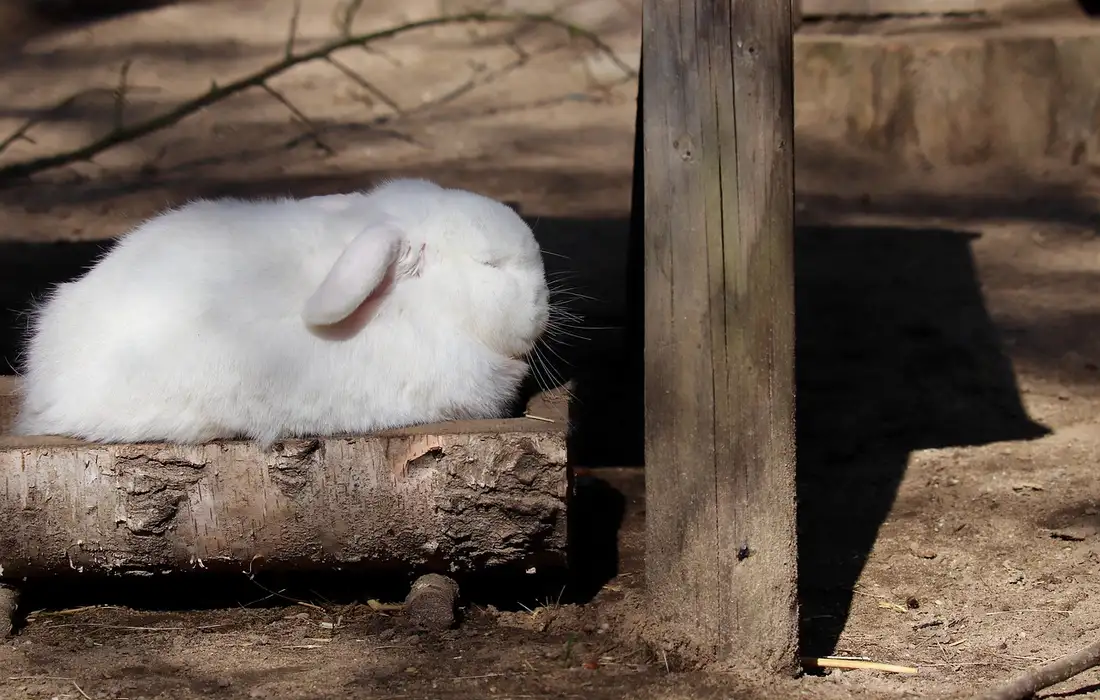
Now, let’s talk about the two things that can make or break your feeding program: water and treats. I’ve seen more health issues stem from these two items than from the feed itself, so pay close attention.
The Lifeline: Fresh, Clean Water
You can have the finest hay and pellets in the county, but without water, your bunny’s system grinds to a halt. This is non-negotiable. Rabbits need constant access to fresh, clean water to process their high-fiber diet and regulate their body temperature. I check and refill water bowls twice a day, without fail, just as regular as morning and evening chores. I prefer a heavy ceramic bowl over a bottle because it allows for a more natural drinking posture and is easier to clean. A bottle can get clogged, and you might not notice until it’s too late.
Defining “Treats” the Right Way
Here’s where many well-meaning folks go astray. In a rabbit’s world, a “treat” is not a cracker, a cereal puff, or a piece of bread. Those starchy, sugary human snacks disrupt their delicate gut flora and lead to obesity. A proper treat is a small bit of fresh, low-sugar vegetable or fruit. Think of it as a supplement, not a snack.
My rule of thumb is simple: Offer no more than one teaspoon of a treat per five pounds of your rabbit’s body weight, and only two or three times a week at most. This isn’t a daily ritual. Overdoing it, even with healthy options, can cause digestive upset and picky eating.
Safe treat options include:
- A thin slice of apple (seeds removed)
- A single blueberry or raspberry
- A small piece of carrot or bell pepper
- A sprig of fresh cilantro or basil
The Stewardship of Simple Feeding
The most profound respect you can show your livestock is a consistent, clean, and appropriate diet. Fancy mixes and constant tidbits don’t equal better care. Thriftiness and sustainability mean investing in quality base feeds like good hay and a solid pellet, not wasting money on gimmicky treats that harm your animal. I learned this the hard way years ago with a spoiled doe who turned up her nose at timothy hay because she’d been given too many apple twigs. It took a week of tough love to get her back on track. Your rabbits will thrive on simplicity, clear boundaries, and the deep satisfaction of a job done right.
Spotting and Solving Common Feeding Problems
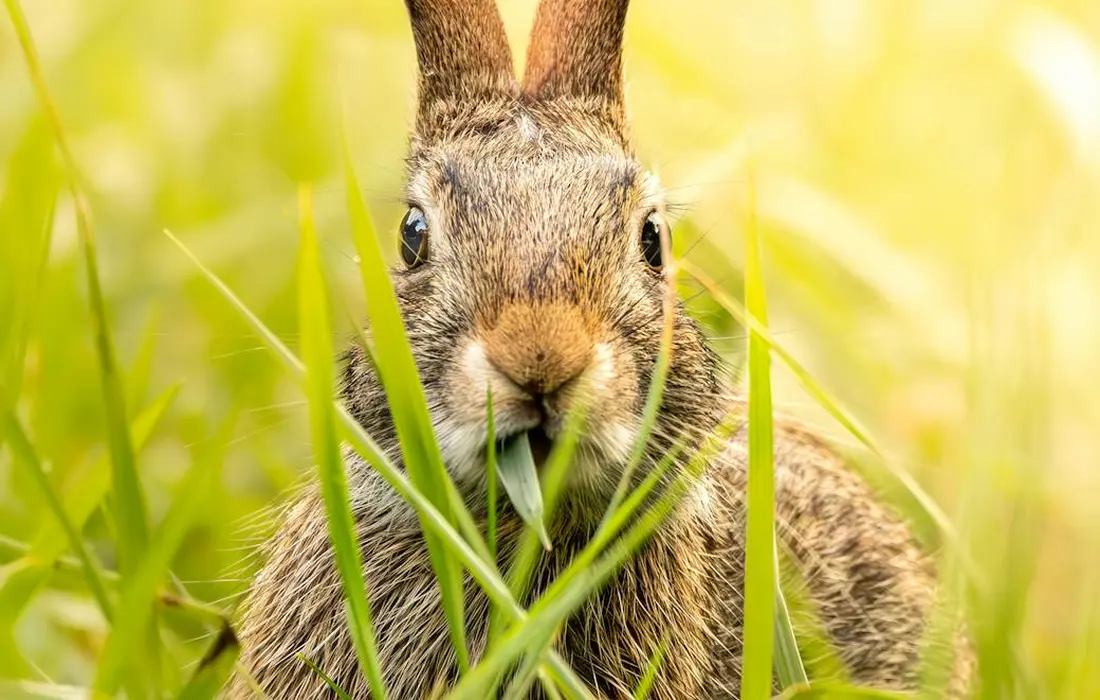
Now, let’s talk trouble-shootin’. Even with the best intentions, feedin’ hiccups happen on the homestead. I’ve seen my share of bunnies with bellies too full or eyes too hungry. Catchin’ these issues early saves you a world of worry and keeps your rabbit in prime condition.
First, overfeedin’. A tubby rabbit ain’t a happy rabbit. Signs include a rounded, pear-shaped body from above, and you might notice soft, uneaten cecotropes left in the hutch-those nutrient-packed droppings they’re supposed to eat. Underfeedin’ shows as sharp hips or a spine you can easily see, weight loss, and a bunny that acts frantic at meal times, always searchin’ for more.
To fix overfeedin’, cut back pellet portions gradual-like by about a quarter, and swap out sugary treats for fresh herb sprigs like mint or basil. For underfeedin’, slowly increase pellets by a tablespoon per day and ensure unlimited, high-quality hay is always available. All changes should be made over a week to avoid shockin’ their delicate systems.
Then there’s digestive stasis, a silent danger where the gut slows down. It’s often prevented by diet. A steady flow of roughage from hay keeps everything movin’. If I see fewer droppings or a bunny off its feed, the first thing I do is offer fresh, fragrant hay and a spritz of water on greens to encourage intake. Constant access to hay is your best defense against this costly and scary condition.
Is My Rabbit Overweight? A Hands-On Check
Don’t just rely on your eyes; get your hands on that bunny. Here’s how I check mine every few weeks during gentle handlin’. Place your hands on their rib cage, right behind the front legs. You should feel the ribs with a slight flesh coverin’, like the back of your hand. If you have to press hard, they’re too plump. Run a hand along the spine; it should feel like a series of gentle bumps, not a sharp ridge or a buried pipe.
If those ribs are hard to find, it’s time to adjust. Reduce pellets by a teaspoon per day for a week and pause all store-bought treats. This hands-on check tells you more than any scale, connectin’ you directly to your animal’s well-bein’. For a lean bunny where bones are prominent, add a tablespoon of oats to their daily pellets for a week to help ’em gain healthy weight.
The Picky Eater: Encouraging Hay Consumption
Some bunnies turn their noses up at hay, but it’s non-negotiable for good health. If your rabbit is a picky eater, don’t fret-try these tricks from my barn. First, experiment with different cuts. Second-cut Timothy hay is a great balance of leaf and stem, while third-cut is softer and sweeter, often more temptin’. Orchard grass or botanical hay blends can also be a hit. For a deeper dive, the ultimate guide to hay for rabbits covers types, benefits, and feeding tips.
Presentation matters. A hay rack keeps it clean and accessible, but some rabbits prefer to pull from a pile on the floor of their space. I’ve had success placin’ a handful right in their favorite loafin’ spot. The simplest fix is often the most effective: limit pellets to strict measured portions to ensure hunger drives them to the hay. If your rabbit isn’t eatin’ hay, this can signal poor appetite or dental discomfort. Understanding the causes and practical fixes can help get them back on track.
Remember, freshness is key. Musty hay won’t tempt anyone. Store your bales in a dry, airy spot and offer small, fresh handfuls daily. A sprinkle of dried calendula or chamomile flowers over the hay can make it irresistible, addin’ a touch of foragin’ fun. With patience and variety, you can turn any hay-avoidant bunny into a eager muncher. Hay is essential for digestion and dental health. In the next steps, we’ll explore hay types, why it’s important, and how to avoid overfeeding.
Closing Questions
How often should I feed my adult rabbit throughout the day?
Stick to two measured feedings of pellets daily-morning and evening-to mirror natural foraging rhythms. Always provide unlimited grass hay and fresh water around the clock for optimal digestion and health.
Is there a printable rabbit feeding schedule I can use for my farm records?
Yes, you can create a simple PDF by noting the weight-based portions from the article for pellets and veggies, along with hay refresh times. Laminate it for the feed room to ensure consistency across all hands on the homestead.
What does a feeding schedule for baby rabbits (kits) look like?
From birth to 3 months, offer unlimited alfalfa hay and alfalfa-based pellets, with no vegetables. Between 3-6 months, gradually introduce timothy hay and adult pellets while slowly reducing alfalfa to prevent digestive issues.
Can you provide a simple chart for feeding baby rabbits?
A basic chart includes: 0-3 months (unlimited alfalfa hay/pellets), 3-6 months (transition to grass hay/measured pellets), and 6+ months (adult schedule). Use this as a quick reference to track their growth and dietary shifts.
How do I transition my rabbit from a baby feeding schedule to an adult one?
Start at around 7 months by mixing timothy hay with alfalfa over 2-3 weeks until fully switched. Concurrently, replace alfalfa pellets with measured timothy-based portions, typically 1/4 cup per 5 lbs daily, split into two feedings.
Are there any breed-specific considerations in a rabbit feeding schedule?
While all rabbits follow the same core principles, larger breeds may require slightly more hay and pellets per pound of body weight. Always prioritize individual weight and condition checks over breed assumptions to avoid over or under-feeding.
Back to the Hutch
The most beautiful part of a good feeding schedule ain’t the chart on the fridge, it’s the peaceful rhythm it creates for you and your rabbit. When you pair unwavering access to fresh hay with clean water and a consistent clock for pellets and greens, you build a foundation of health that lets a bunny’s true personality shine. A well-fed rabbit is a curious, contented partner in your homesteading life. Considering how wild rabbits time meals versus a domestic bunny’s routine can make your schedule feel more in tune with nature. You’ll notice feeding windows that honor instincts—dawn and dusk for foraging—while keeping a predictable routine at home.
I’m grateful y’all stopped by to care for your critters with such intention. Now, go enjoy the simple reward-sit a spell with your bunny, hand ’em a sprig of mint, and watch the world from their quiet, whiskered perspective for a minute. We’d love to hear your stories from the hutch. Until next time, friends.
Further Reading & Sources
- Feeding Your Rabbit | The Rabbit Haven
- r/Rabbits on Reddit: What’s Your Feeding Schedule for Rabbits?
- What To Feed Your Rabbit Everyday (A Rabbit Food & Diet Guide) – YouTube
Caroline Mae Turner is a lifelong farm girl raised on red clay, early mornings, and the sounds of a bustling barnyard. With hands-on experience caring for everything from stubborn goats to gentle dairy cows and mischievous pigs, Caroline shares practical, tried-and-true advice straight from the farm. Her goal is to help folks keep their animals healthy, well-fed, and living their best barnyard life. Whether you're wrangling chickens or bottle-feeding a baby goat, Caroline brings a warm Southern touch and plenty of real-world know-how to every bucket in the barn.
Feeding Guidelines