
Feeding Your Micro, Miniature, and Mini Pigs Right: A Homesteader’s Nutrition Guide
Published on: May 29, 2026 | Last Updated: May 29, 2026
Written By: Caroline Mae Turner
Howdy y’all. The secret to a thriving mini pig isn’t a secret at all-it’s a measured cup of proper feed, a handful of greens, and a steadfast refusal to treat them like a four-legged compost pile. I’ve spent years in the barnyard watching these clever critters, and their health hinges on what you drop in their trough.
What you’ll need:
- A commercial mini pig feed with 14-16% protein to build muscle, not just fat.
- A sturdy kitchen scale or measuring cup for unwavering portion control.
- A steady supply of pig-safe vegetables like carrots and leafy greens.
- Always, a full bucket of clean water changed out twice daily.
We’ll get this diet nailed down directly, so you can move on to mending fences and gathering eggs with confidence.
Understanding Your Mini Pig’s Unique Needs
What “Mini” Really Means for Appetite
Let me set the record straight, friends. That “mini” label only refers to their stature, not their stomach. These compact critters house a full-sized pig’s digestive engine and an instinct to eat that never quits. I’ve watched a mini pig out-eat a barn cat’s curiosity, their metabolism humming along for constant fuel unlike a cow’s slow, deliberate rumen process. Where a bovine takes hours to break down hay, a pig is designed for efficiency, turning feed into flesh with alarming speed.
Overfeeding is the number one error I see in the homestead pig pen. It’s a slippery slope that starts with an extra handful and ends with a rotund companion who struggles to waddle. From my years with porkers, I reckon measuring each meal with a strict hand is the cornerstone of good mini pig husbandry. Their drive to root and chew doesn’t mean they need more calories; it means they need more engagement.
Core Nutritional Building Blocks
-
Protein Requirements: Growing piglets, full of spit and vinegar, require a diet with 18% to 20% protein to build muscle and bone. For your average adult mini pig just maintaining, aim for 12% to 14%. Senior pigs, moving a bit slower, often do fine on the lower end of that scale. Compare this to standard chicken layer feed, which sits around 16% protein-a level that can pile unnecessary pounds on a mature mini pig. I learned this lesson when my gilt, Bessie, plumped up after sneaking from the hens’ feeder.
-
The Critical Role of High Fiber Feed: Fiber is your secret weapon for good digestion and keeping that hungry feeling at bay. It provides bulk without the calories. Ideal sources include beet pulp, wheat bran, and good old grass hay, which should make up a significant part of their intake. A low-fiber diet leads to boredom, overeating, and digestive woes. I always mix in a generous portion of fibrous roughage to keep their gut happy and their mind busy.
-
Vitamins and Minerals: The calcium-to-phosphorus balance is critical, ideally between 1.2:1 and 1.5:1. An imbalance, especially too much phosphorus, can weaken bones and cause long-term lameness. This precise need is why I often recommend a fortified commercial pellet as your dietary base. It takes the complex math out of your hands and ensures they get the right trace minerals like zinc and selenium, which are easy to miss in homemade mixes.
-
Hydration and Water: Clean water must be available day and night, no exceptions. Pigs drink a lot, particularly in warm weather. To prevent messy spills in the barnyard, use a heavy ceramic bowl or install a livestock nipple waterer directly onto a sturdy post or wall. I’ve had many a lightweight pan flipped by an inquisitive snout; a anchored water source saves your back and your temper.
Building the Perfect Plate: A Balanced Pig Diet in Practice
The Foundation: Choosing a Commercial Pig Pellet
-
Deciphering a feed tag is your first step. Look for a guaranteed analysis listing at least 12% crude fiber and a protein percentage matching your pig’s life stage. Avoid pellets where grain fragments or mill runs are the first ingredients, as they’re often low in fiber and high in starch; it’s crucial to understand the basics of proper pig nutrition. The tag should show added vitamins and minerals for complete nutrition.
-
For thriftiness, buying sacks by the ton from a local co-op can cut costs. Store bulk feed in galvanized steel cans with secure lids to thwart moisture, bugs, and clever raccoons. I keep a two-month supply in my feed room, which simplifies my chores and stretches my homestead budget.
-
The best pellet for your pig is one formulated specifically for potbellies or mini pigs. General swine feed meant for market hogs is too calorie-dense and will lead to obesity. Be aware that pigs may nibble on rabbit pellets, but cross-species feeding carries safety and nutritional risks. It’s best to stick to pig-specific pellets to minimize these concerns. Don’t hesitate to ask your feed supplier for a breakdown; a reputable brand will have nothing to hide.
Essential Roughage: Hay and Forage
-
Grass hays like timothy, orchard grass, or bermuda are perfect for daily roughage. Steer clear of rich legume hays like alfalfa for adult pigs, as the excess protein and calcium can do more harm than good. Offer hay in a simple wire rack to keep it clean and reduce waste.
-
Safe pasture grazing provides excellent exercise and enrichment. Ensure your pasture is free from toxic plants like bracken fern and acorns, and practice rotational grazing to keep the grass fresh and parasites low. I dedicate a small rooting area filled with soft soil or old leaves, which satisfies their natural digging instinct without destroying my yard.
-
Hay is not optional; it’s a necessity for dental health and digestive motility. Provide a flake of grass hay daily, and you’ll see a contented pig who spends hours nibbling and foraging. This simple, affordable practice mirrors their wild diet and promotes sustainable stewardship.
The Fresh Stuff: Safe Fruits and Vegetables
Fresh produce adds vital enzymes and variety to their plate. Always wash store-bought items to remove chemical residues and chop garden goodies into bite-sized pieces to prevent choking hazards. Here’s how I break it down in my kitchen:
Daily Staples: These low-sugar, high-fiber options can be given nearly every day.
- Dark leafy greens (chard, kale, endive)
- Green beans and snap peas
- Celery sticks and romaine lettuce hearts
- Cooked, plain sweet potato (in moderation)
Occasional Treats: Sweeter items should be limited to a few times a week.
- Apple slices (core and seeds removed)
- Berries like raspberries or blackberries
- Melon rinds or flesh (a summer favorite here)
- Carrot tops or small carrot pieces
Treats should never exceed 10% of their total daily food intake. I keep a dedicated container on the counter for pig-safe scraps, but I’m mighty careful to exclude anything from the allium family like onions or leeks. This method respects the animal’s health and turns your kitchen waste into a valued resource.
Feeding Through the Ages: Age-Specific Nutrition
Just like a well-tended garden changes with each season, your pig’s dietary needs evolve from playful piglet to dignified elder. Getting the nutrition right at each stage is the simplest way to ensure a long, robust life for your miniature companion. I’ve guided many a pig through these phases on my homestead, and I can tell you, a mindful feeder reaps the rewards in good health and fewer vet calls. Understanding the specific needs of miniature pigs can make all the difference.
The Growing Piglet (Weaning to 1 Year)
This first year is a whirlwind of growth, and their food must fuel it properly. Think of this period as building the foundation of a sturdy barn-cut corners here, and you’ll have problems down the road.
- Step 1: Weaning onto a high-quality starter pellet. Look for a pellet specifically formulated for mini pigs with a protein content of 18-20%. This supports muscle and bone development without excessive fat. I’m partial to brands that use digestible proteins like alfalfa or fish meal, as I’ve seen piglets bloom on them.
- Step 2: Establishing a strict feeding schedule with measured portions. Feed twice daily at the same times, using a measuring cup or scale. A good rule is 1/2 cup of starter pellets per 10 pounds of body weight. This routine prevents gorging and teaches discipline around food, a lesson that pays off for a lifetime.
- Step 3: Introducing fresh foods slowly to monitor for allergies and sensitivities. After a month on pellets, offer one new fresh item every three days. Start with a tablespoon of grated carrot or zucchini. Watch closely for any signs of digestive upset or skin irritation. This methodical approach lets you build a safe, varied menu for the future.
The Maintenance Adult (1-5 Years)
Your pig has reached its mature size, and the goal shifts from growth to weight maintenance. An overweight pig faces a slew of health issues, so portion control becomes your most important tool.
- Focus on portion control to prevent weight gain. Switch to a maintenance pellet with lower protein (around 12-14%) and fat. For a 150-pound mini pig, this often means just 3/4 to 1 cup of pellets per day, split into two meals. The bulk of their diet should now come from high-fiber, low-calorie roughage.
Here’s a sample daily diet plan that keeps my adults trim and content:
- Breakfast: 1/2 cup maintenance pellets, a generous flake of grass hay (timothy or orchard grass).
- Supper: 1/2 cup pellets, 2 cups of chopped dark leafy greens (kale, romaine), and a small handful of green beans. For a treat, a single strawberry or blueberry adds joy without the waistline worry.
The Senior Pig (5+ Years)
Our old friends slow down, and their diet must adapt to support comfort and mobility. Feeding a senior pig is less about calories and more about targeted nutrition for aging joints and digestion.
- Adjusting diet for lower activity. Reduce pellet portions by up to 25% to match their slower metabolism. I mix in a powdered joint supplement containing glucosamine and chondroitin right into their moistened food. A teaspoon of coconut oil can also help with coat quality and intestinal comfort.
- Emphasize joint-supporting nutrients and easier-to-chew foods. Soak their pellets in warm water or low-sodium broth to create a soft mash. Incorporate naturally anti-inflammatory foods like cooked pumpkin puree or shredded beets. These are gentle on worn teeth and provide vital nutrients for overall resilience.
Treats, Scraps, and What to Avoid
Now, let’s talk about the fun part-treats! Every pig owner loves to see those happy snorts and wiggly tails when you approach with a little something special. But on a homestead, we must remember that a treat is a tool, not a substitute for good husbandry. Used wisely, a bite-sized reward reinforces training and builds a bond of trust with your animal. Used carelessly, it leads to a spoiled, overweight pig with health problems. I learned this the hard way with my first mini pig, Bertha, who became quite the demanding dinner guest until we set some firm boundaries.
Smart Treating for Training and Bonding
Keep all treats, including scraps from your kitchen, to less than 5% of your pig’s total daily food intake. That’s a couple of tablespoons for a micro pig, not a whole bowl. Think of it as a punctuation mark, not a sentence.
Healthy, low-calorie options are your best friends. These are perfect for teaching commands like “come,” “sit,” or for cooperative hoof-trimming sessions.
- Fresh veggies: cucumber slices, bell pepper strips, zucchini, or a single baby carrot.
- Leafy greens: a single romaine leaf or a bit of kale.
- Fruits in tiny amounts: a single blueberry, a small apple slice (no seeds), or a wedge of watermelon (rind and all!).
- Plain, air-popped popcorn (unsalted, unbuttered).
- A single, unsalted plain cheerio or shreddie.
Avoid any human food that’s processed, sugary, or salty-your pig’s digestive system and metabolism are not built for our chips, cookies, or breakfast leftovers, including pork bacon and related products. That bit of bacon grease or leftover pizza might seem like a kindness, but it does their body a real disservice over time.
The “Never-Ever” List
Some foods are outright dangerous. On a farm, we have to be extra vigilant, as toxic items can sometimes find their way into scrap buckets or drop where animals forage.
- Chocolate, coffee, or anything with caffeine: These contain theobromine and caffeine, which are toxic to pigs and can cause heart and nervous system failure.
- Avocado pits, skin, and leaves: They contain persin, a fungicidal toxin that causes cardiac distress.
- Raw potatoes, green potato skins, and tomato leaves/vines: These contain solanine, which can cause neurological and digestive upset.
- Onions, garlic, and chives in large quantities: They can cause anemia by destroying red blood cells.
- Alcohol or anything containing it: This should be obvious, but it bears stating-never.
- Moldy or rotten scraps and feed: This is a critical one for homesteaders! That mold growing on old bread or in the bottom of a feed bag can produce deadly mycotoxins that cause liver damage, tremors, or even sudden death. If you wouldn’t eat it, don’t feed it.
- Salty meat scraps or processed meats: Pigs have a low salt tolerance; excess can lead to sodium ion poisoning.
My rule in the barn is simple: when in doubt, leave it out. A pig’s health is built on the consistency of their quality feed and forage, not the excitement of risky treats. Your vigilance at the treat bowl is one of the purest acts of care you can provide for your porcine partner.
Managing Weight and Preventing Common Health Issues
The Tight Belt: Obesity Prevention and Weight Management
-
Step 1: How to Body Condition Score your pig.
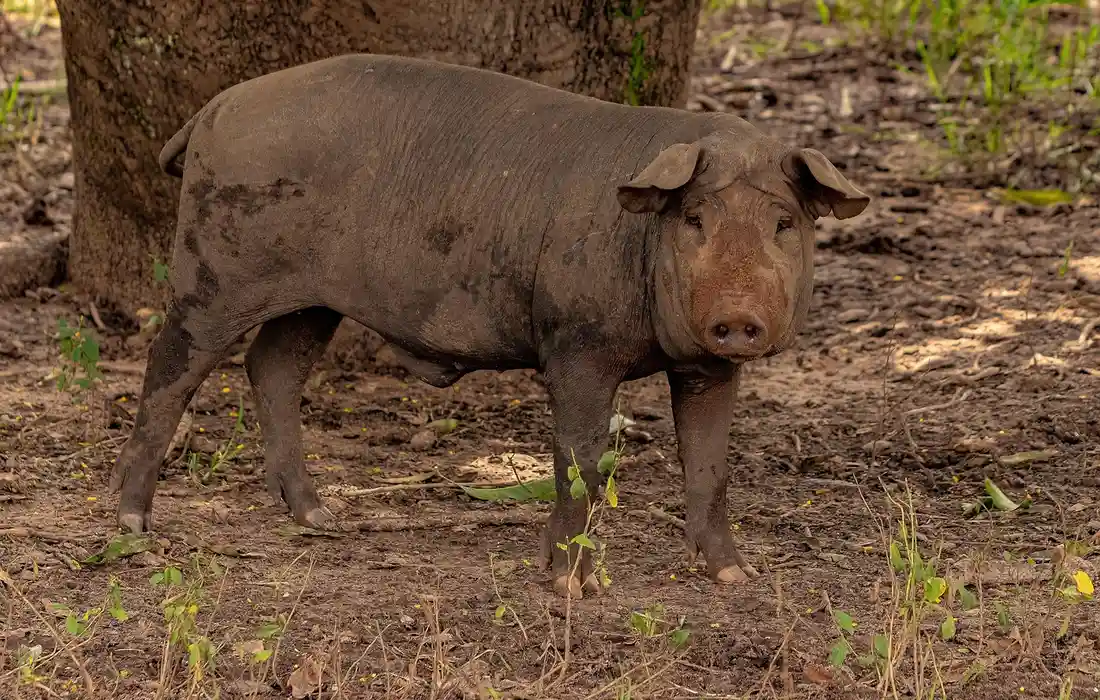
Set your feed bucket down and get your hands dirty. Run your palms firmly along your pig’s sides, feeling for the ribs behind the shoulder. On my farm, we do this monthly, just like checking fence lines. You should feel those ribs like you’d feel the corduroy ridges on a old pair of overalls-there, but not sharp. If you have to dig to find them, that’s a red flag. A proper body condition score keeps you honest and your pig fit, stopping problems before they root in.
-
Step 2: Adjusting portions based on season and activity.
Their feed isn’t a set-it-and-forget-it affair. In the deep winter, when my paddock is frozen and the hogs are snug in their straw, I might offer a 10% increase in their measured pellets for warmth. During the lush growing season, when they’re grazing clover and rootin’ for grubs, I cut that commercial feed back by a quarter. You must be the thermostat for their diet, responding to the weather and their workload to maintain a steady weight. For most mini pigs, that means feeding between 1.5% and 2.5% of their target body weight in total food daily, with pasture cutting that number down. Knowing how much pigs eat daily helps in making these adjustments.
-
Step 3: Using slow-feeders and puzzle toys to encourage natural foraging.
A pig’s brain is built to solve problems for its supper. I never just pour food into a trough. Instead, I use a heavy rubber feed bowl with a few large, clean stones placed inside, or I’ll hide their pellets in a pile of hay. This turns a two-minute meal into a thirty-minute engaging activity. Mental stimulation from foraging toys curbs boredom-related overeating and honors your pig’s natural intelligence. It’s a thrifty, sustainable practice that turns feed time into enrichment time. Pigs’ anatomy—especially their flexible snout and strong jaws—lets them root, sniff out, and sample food. This natural foraging feeding style is exactly why enrichment works.
Diet-Related Ailments and Disease Prevention
-
That bag of cheap feed can cost you a fortune in vet bills. Excess weight from overfeeding places immense, constant pressure on joints, leading to early arthritis and pain with every step. I reckon I’ve seen more pigs hobbled by kindness than by neglect.
-
Urinary stones aren’t just a chance occurrence; they’re often a direct result of a diet with a skewed mineral balance, particularly one too high in phosphorus. Always provide abundant, clean water and avoid feeding excessive amounts of bran or other phosphorus-heavy kitchen scraps.
-
Skin problems like dryness or hair loss can scream nutritional deficiency. A diet lacking in quality protein, zinc, or certain fats won’t support a healthy hide. I look for a feed with at least 14-16% protein for maintenance to keep their skin resilient and coat shiny.
-
The calcium-to-phosphorus ratio is the bedrock of skeletal health. Aim for a total dietary ratio between 1.2:1 and 1.5:1 calcium to phosphorus. Ignoring this balance is like building a barn on sand-it invites the slow collapse of metabolic bone disease. Most quality mini pig feeds get this right, but mixing in other foods can throw it off quick.
Special Considerations: Supplements and Feeding Safety

When to Consider Mineral Supplementation
Now, let’s chat about extras for the trough. I reckon if you’re using a high-quality, breed-specific pellet, your little porker is likely getting every vitamin and mineral they need right from the bag. Those feeds are carefully formulated by nutritionists, and for most homesteads, they’re the complete and economical answer.
- Your first sign to consider a supplement should always come from your veterinarian, not the feed store aisle. They can assess your individual pig and, crucially, know the quirks of your local land. For instance, in regions with selenium-deficient soil, like some parts of the Pacific Northwest or the Northeast, the grains grown there are low in this vital mineral. A vet may recommend a selenium and vitamin E supplement to prevent serious health issues.
- Pay close attention to your pig’s condition. If you notice poor hoof quality, a dull coat, or unexplained lethargy despite good feed, it could signal a gap in their nutrition. Soil deficiencies aren’t just about selenium; areas can be low in copper, zinc, or other trace minerals that affect your pig’s well-being.
- Supplements also enter the picture for pigs on special regimens. If you’re transitioning to a carefully balanced homemade diet or managing a senior pig with arthritis, your vet might suggest specific additives like glucosamine or a broad-spectrum mineral mix. Never add supplements blindly, as too much can be just as harmful as too little.
Barnyard Feeding Safety
Keeping your feed safe and getting it into the right stomachs is a daily part of good stewardship. A little foresight here saves money, prevents disease, and keeps your whole barnyard harmonious. Here’s how I manage things on my place.
- Invest in airtight, pest-proof storage immediately. I use galvanized metal trash cans with secure clamps for all my bagged feed. This keeps out rodents, moisture, and that sneaky barn cat who thinks everything is a snack. Damp feed can grow mold, which is a fast ticket to health problems.
- Choose your feeding dishes with purpose. A sturdy, tip-proof bowl is non-negotiable for pigs, as they’ll root and bump anything lightweight. I’ve had great luck with heavy rubber feed pans or low, wide ceramic bowls. They’re easy to clean and stay put, ensuring every bite gets eaten.
- Manage your mixed-species homestead wisely. You must prevent your chickens or geese from pilfering the pig’s specialized food. Their digestive systems are different, and pig feed won’t meet a bird’s nutritional needs. I feed my pigs in a separate pen or use feeders with guarded openings that only a pig’s snout can fit into. It’s a simple step that maintains everyone’s health.
Closing Questions on Mini Pig Care
What’s the most important rule for a mini pig’s diet?
The most critical rule is strict portion control. Use a measuring cup or kitchen scale to provide a limited amount of a balanced commercial mini pig pellet, as their metabolism easily leads to obesity. Understanding their feeding habits and natural scavenging speed helps pace meals safely and prevent overeating. Monitoring intake also supports safety around feeders, reducing choking risk and food guarding.
Can I create a simple weekly diet plan for my adult mini pig?
Absolutely. A simple plan involves two daily meals of a measured portion of maintenance pellets (12-14% protein) supplemented with ample grass hay and a rotating variety of pig-safe vegetables like leafy greens, green beans, and occasional fruit treats.
What are some dietary-related reasons a mini pig might die suddenly?
Sudden death can sometimes be linked to dietary hazards. Ingesting moldy feed or food containing toxic mycotoxins, choking on large food pieces, or poisoning from foods like chocolate or avocado are serious risks that underscore the need for strict feeding safety.
What is a “mini pig vietnamita” and does its diet differ?
“Mini pig vietnamita” refers to a Vietnamese Pot-Bellied pig, the common breed for mini pigs. Its core nutritional needs are the same as outlined in the guide: a balanced, portion-controlled diet high in fiber to prevent obesity and related health issues, regardless of the name used.
Is the diet for an adult “mini pig vietnamita” (cerdo vietnamita adulto) different?
No, the dietary principles remain consistent for any adult mini pig. Focus shifts to weight maintenance with lower-protein pellets, increased fiber from hay, and controlled portions to support a healthy weight and prevent joint stress as they age.
What is a Mini PIR or Minipix detector, and is it related to pig diet?
A Mini PIR (Passive Infrared) detector, like those found on Amazon or with a companion app, is a motion sensor used for barnyard security or automation. It is not related to nutrition but can be a useful tool for monitoring pen access or triggering lights for nighttime safety checks.
Shutting the Gate
When the feed bucket is empty and the last bit of advice has been shared, it all comes down to one simple truth. The absolute best thing you can do for your pig is to become a keen observer, letting its body condition, energy, and overall demeanor guide your hand with the feed scoop more than any chart ever could (especially when dealing with common feeding issues like pickiness or obesity). A healthy pig is a content pig, and that’s the whole goal of our stewardship.
I reckon that’s about all from my corner of the pasture. Raising these clever critters is one of life’s genuine pleasures. I hope this guide helps your pig thrive and brings you a heap of satisfaction. If you see me down by the fence line, give a wave and tell me how your herd is doing. There’s always more to learn from each other and from the animals we care for.
Further Reading & Sources
- Mini Pig Nutrition and Weight Management – PubMed
- r/pigs on Reddit: Mini pig feeding advice
- Mini-Pigs: Ensuring proper care for a new mini-pig
Caroline Mae Turner is a lifelong farm girl raised on red clay, early mornings, and the sounds of a bustling barnyard. With hands-on experience caring for everything from stubborn goats to gentle dairy cows and mischievous pigs, Caroline shares practical, tried-and-true advice straight from the farm. Her goal is to help folks keep their animals healthy, well-fed, and living their best barnyard life. Whether you're wrangling chickens or bottle-feeding a baby goat, Caroline brings a warm Southern touch and plenty of real-world know-how to every bucket in the barn.
Diet Requirements