How to Safely Feed Apricots, Pears, and Stone Fruits to Your Chickens
Published on: July 16, 2026 | Last Updated: July 16, 2026
Written By: Caroline Mae Turner
Howdy y’all. Staring at a bushel of summer fruit and wondering what’s safe to toss to your eager hens? You can share apricots, pears, peaches, and plums with your flock, but the non-negotiable rule is to always remove the hard pits and seeds first to avoid cyanide poisoning. It’s a simple, life-saving step that transforms garden surplus into a cherished treat.
What you’ll need:
- Fresh or windfall apricots, pears, or other stone fruits
- A reliable paring knife for slicing and pitting
- A dedicated bowl for chicken-safe scraps
- A compost pile for the toxic pits and stems
I’ll guide you through the simple do’s and don’ts right now, so you can handle those fruits with confidence and return to your day.
The Sweet & The Stone: A Farmer’s Look at These Fruits
Now, I’ve spent many an afternoon under the shade of my old trees, watching the flock scratch and peck. When windfalls start to rot, those chickens come running. But not everything that falls is fit for the feast. Stone fruits-the ones with that big, hard seed in the middle-require a particular kind of kitchen thriftiness before they hit the barnyard. It’s about using nature’s bounty wisely and waste-not, want-not stewardship.
You can share the sweet, succulent flesh of these fruits with your flock, but you must always, without fail, deal with the pit first. That’s the heart of the matter.
The Single Golden Rule of Poultry Safety
Let’s cut straight to the chase. The rule is simple, but it’s non-negotiable. The pits, seeds, and leaves of most stone fruits contain amygdalin, which breaks down into cyanide when ingested. For a large animal like us, a seed or two isn’t a worry, but for a small bird, concentrated amounts can cause real trouble. I reckon it’s like a single drop of bleach in a bucket versus a cup-the size of the bucket matters mightily. The same caution also applies to feeding peaches to backyard chickens. In the next steps, you’ll find a chickens eat peaches stone fruit safety preparation guide.
Your job is to be the preparer. Always remove the pit and any leftover fragmented bits of it from the fruit. I keep a dedicated “chicken bowl” by my cutting board when I’m putting up preserves. The soft fruit goes in one jar, the clean pits go to the compost heap far from the coop, and the perfect chicken treats get set aside. It becomes second nature.
Apricots: A Tiny Fruit with a Big Warning
Apricots are the ones that need your closest attention. The fruit itself is a lovely, vitamin-rich morsel. But that pit is proportionally huge for the size of the fruit, and chickens, in their zeal, might try to gulp a small half down. Don’t let them. When it comes to feeding chickens, it’s important to know which fruits are safe and which are toxic for their health.
- Always Pit Completely: Slice the apricot in half, pop the pit out, and check the cavity. Sometimes a little woody bit from the pit’s shell remains. Scrape it out with your thumb.
- Chop or Smash: For bigger flocks, I’ll often smash a handful of pitted apricots in an old bucket with a mallet. It makes it easier for everyone to get a bite and discourages any hen from trying to run off with a whole piece.
- Dry the Flesh: Apricots dry beautifully. If I have a surplus, I’ll slice pitted halves and dry them on a rack in the sun. They make fantastic, chewy winter treats, and the drying process eliminates any mold risk from fresh fruit.
Treat apricots like the precious, slightly fussy gift they are-the reward is sweet, but the preparation is key.
Pears: The Gentle, Pithy Treat
Pears are a homesteader’s dream for the flock. They’re softer, often have fewer pest issues than apples, and that gritty, sweet flesh is pure chicken joy. While pear seeds do contain the same compound as other stone fruits, they are so small and encased in a tough core that the risk is significantly lower if you use common sense.
- The Core is the Concern: I simply core over-ripe or bug-damaged pears as if I were making a pie. The long, seed-filled core goes to the compost. What’s left is safe flesh.
- Brown Spots are Fine: Those mushy brown spots that make a pear less appetizing for your table? Chickens don’t mind one bit. It’s already pre-softened for them.
- A Perfect Scratch Supplement: Grate a ripe, cored pear into your flock’s scratch grains on a hot afternoon. The moisture and sugar give them a quick energy boost, and it encourages natural foraging behavior in the run.
Pears are a forgiving and abundant treat, ideal for using up the less-than-perfect fruit that every orchardist ends up with at the end of the season.
Your Orchard Rundown: Peaches, Plums, Cherries & More
Let’s walk the orchard row together and talk specifics. The rule remains, but the application varies a touch with each tree.
- Peaches & Nectarines: That fuzzy or smooth flesh is a major hit. Slice the fruit off the pit in segments. The big, wrinkled pit is easy to spot and remove. I often freeze pitted slices on a tray for a cool summer snack.
- Plums: Same method. The pit is usually clingstone, meaning the flesh sticks to it. I twist the fruit apart and then use a knife to cut the flesh away. Small plums can be smashed whole, but you must be certain the pit is completely shattered and removed afterward.
- Cherries: Here’s a task for a quiet evening on the porch. Pitting cherries for chickens is labor-intensive. I only do it if I’m already pitting for a pie. Never, ever give chickens whole cherries with pits. The pits are the perfect size to be a choking hazard and a cyanide risk.
- Mangoes: Yes, they’re a stone fruit! The skin is tough and can cause digestive upset, and the large, flat pit is a definite no. Scoop out the soft, golden flesh and feed that alone.
- Avocados: This is the major exception to the stone fruit rule. For chickens, the entire avocado plant-pit, skin, flesh, and leaves-is considered toxic. I simply don’t feed it. It’s not worth the risk when so many other safe options exist.
Your vigilance at the preparation stage transforms potential peril into a healthy, celebrated treat that strengthens your bond with the flock. It’s the heart of good husbandry.
How to Serve Stone Fruits Without the Stumble
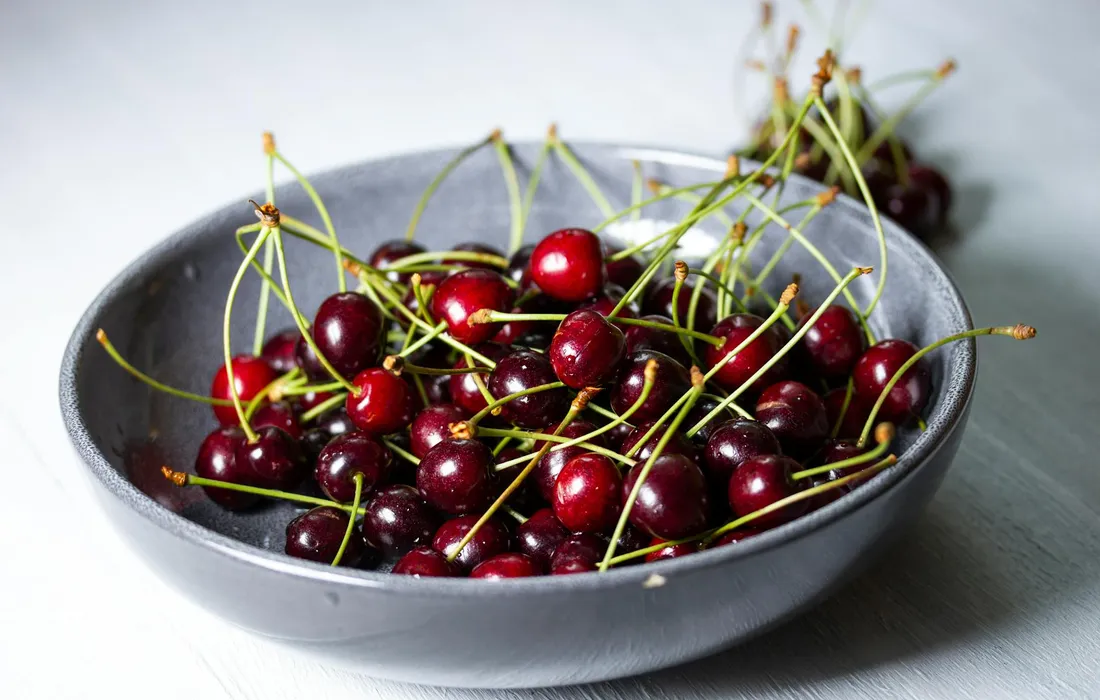
Now, I reckon y’all are wonderin’ how to share these sweet treats without causin’ a ruckus in the run. The golden rule from my coop is always to prepare the fruit so it’s safer and easier for your hens to eat than scratchin’ in the dirt. Those hard pits and stems? They’re a no-go. I use a simple parin’ knife to cut the flesh away from the stone in apricots, peaches, or plums. For pears, I core ’em and slice the soft fruit into manageable chunks, no bigger than a blueberry for my bantams.
You never want to just toss a whole fruit in and let ’em peck willy-nilly. I’ve found that presentin’ the fruit in a shallow dish or scatterin’ the pieces on the ground gets their foragin’ instincts goin’ and prevents any squabbles over a single, big prize. It turns treat time into a healthy activity, just like they’d find bugs in the pasture.
Portion Size and Flock Wisdom
Moderation is the cornerstone of good flock management, and treats are no exception. Even good things, in excess, can throw off the careful balance of nutrients in your chickens’ diet. Their main course should always be a complete layer or grower feed. Think of stone fruits as the dessert after a hearty meal—unlike cakes and other sugary treats that chickens should avoid.
Here’s a little wisdom from watchin’ my own birds for years. I follow a handy guideline that’s never steered me wrong:
- Treats, including fruits, should not make up more than 10% of their daily intake.
- For a standard flock of five hens, a single, pitted apricot or a quarter of a ripe pear, chopped up, is a plenty generous offering.
- Serve treats in the afternoon, after they’ve filled up on their regular feed. This way, they don’t spoil their appetite for what truly keeps them in prime layin’ condition.
I learned the hard way that givin’ too much fruit can lead to loose droppings. Your flock’s regular feed is formulated for them; fruit is just a flavorful supplement for a job well done.
Spotting Trouble: Spoilage and Sensitive Gizzards
A chicken’s gizzard is a mighty powerful grinder, but it’s not meant for mold or fermented sugars. Always inspect your fruit offerings with the same care you’d use pickin’ produce for your own kitchen table. If you wouldn’t eat it, don’t feed it to your birds. Spoilage happens fast in the summer heat, and it’s a common stumble for folks just startin’ out. Be mindful of moldy bread and other spoiled scraps—these can carry toxins that are risky to chickens. Even a small bite can upset digestion or lead to more serious illness.
Keep a sharp eye out for these signs of trouble on the fruit:
- Any fuzzy, white, or green mold spots. Don’t just cut around it-toss the whole piece.
- A sour, alcoholic, or overly fermented smell. That fruit is busy turnin’ into something else entirely.
- Fruit that’s mushy, leakin’, or attractin’ flies. It’s past its prime for the ladies.
Even with perfectly fresh fruit, some sensitive birds might have a reaction. After introducin’ a new treat, watch your flock for the next few hours for any signs of digestive upset. If you see a hen off by herself, with a puffed-up posture or watery droppings, remove the fruit immediately and offer plain water and their standard feed. Their system usually rights itself quickly once the irritant is gone. Remember, a thrifty steward uses good judgment, not just what’s on hand, to keep their animals in fine feather. For example, not all fruits are equally safe for chickens.
Keeping Your Treat Bucket Balanced and Thrifty
Now, I reckon giving your chickens a taste of summer fruit is a pure joy, but we must mind the feed bucket like we mind our own pantry. An unbalanced treat habit can crowd out the vital nutrients in their complete feed, leaving your girls lacking. Not all treats are created equal. I learned this the hard way one summer when my Buff Orpingtons turned their beaks up at layer pellets after a week of apricot windfalls.
The 90/10 Rule: Your Flock’s Financial Diet
Think of your chickens’ diet like a household budget. Their complete feed is the steady income that pays for all the essentials-like that 16% protein for strong eggs and feathers. Treats are the fun spending money. Stick to the 90/10 rule where treats, including all fruits and scraps, never make up more than 10% of their daily intake. For a flock of six hens, a handful of chopped fruit shared amongst them is plenty.
Stone Fruit Safety: Navigating the Pitfalls
Apricots, pears, plums-their flesh is a sweet, juicy boon. The pits and seeds? That’s a different matter. Stone fruit pits contain amygdalin, which can break down into cyanide when ingested, so you must remove every pit before feeding. I use a simple paring knife to slice the fruit away from the seed. The soft seeds inside apple cores or pear cores pose a much lower risk, but I still scoop ’em out to be safe. For goat diets, stone fruit safety is essential—peaches, plums, and persimmons should be offered only after pits and seeds are removed. Keep portions small and monitor for any signs of digestive upset.
- Feed Freely: Ripe, soft flesh of apricots, pears, peaches, nectarines, and plums (pits removed).
- Feed Never: Whole pits, wilted leaves from stone fruit trees, or any moldy, fermented fruit.
- Feed Carefully: Fruit skins are fine, but wash them to remove any spray residue if you didn’t grow it yourself.
Thrifty Tricks from the Homestead Larder
Good stewardship means wasting nothing. Your thriftiness directly supports your flock’s health and your wallet’s well-being. When my trees overproduce or the pears have a few bad spots, that’s chicken gold.
- Collect windfalls daily before they ferment or attract pests.
- Chop and freeze soft fruit in old yogurt containers for a cool summer treat or to use in winter.
- Dehydrate thin slices of pear or apricot in a low oven for crunchy snacks that store for months in a jar.
- Mix a few tablespoons of chopped fruit into their scratch grains to stretch both further.
Step-by-Step: Preparing Your Fruit Treats
Here’s my barnyard method for getting fruit from tree to beak without fuss or risk.
- Wash: Rinse all fruit, even from your own trees, to remove dust or bird droppings.
- Pit & Core: Remove all hard seeds, pits, and stems. A sharp knife makes quick work.
- Chop: Cut flesh into bite-sized chunks about the width of a corn kernel to prevent choking.
- Serve: Scatter the pieces in their run or a shallow dish to encourage natural foraging behavior.
- Clean Up: Remove any uneaten fresh fruit within a couple hours to avoid spoilage.
Following these simple steps turns potential worry into a wholesome ritual. This careful preparation shows respect for your animals and ensures every bite is safe and savored. I’ve found my hens clean up chopped fruit far better than a whole, pecked-at pear lying in the dirt.
## Closing Thoughts & Best Practices
Can I freeze stone fruit treats for my chickens to use later?
Absolutely. Freezing pitted and chopped stone fruit is an excellent way to preserve seasonal abundance. Thaw the fruit before serving to prevent crop chill, and ensure it’s free from freezer burn or odd odors before offering it to your flock.
Should I peel the skins off apricots and peaches before feeding them?
It is not necessary to peel the skins, as they contain beneficial fiber and nutrients. However, always wash the fruit thoroughly first to remove any potential pesticide residue, dust, or environmental contaminants.
How much fruit is “too much” for my chickens?
A good rule of thumb is that all treats combined should not exceed 10% of their daily food intake. For most flocks, a few small pieces per bird, offered a couple of times a week, is a safe and enjoyable amount that won’t unbalance their primary diet or replace healthy snacks.
What are the immediate signs of cyanide poisoning in poultry?
Signs can include sudden difficulty breathing, bright red mucous membranes, staggering, and collapse. This is a veterinary emergency. Prevention through meticulous pitting is far easier and safer than treatment.
What should I do with fruit leftovers my flock didn’t eat?
Promptly remove any uneaten fresh fruit from the run within a few hours to prevent spoilage, fermentation, and pest attraction. These leftovers can be safely added to a hot compost pile located away from your animals’ living areas.
Is it safe to give my chickens dehydrated apricots or pears?
Yes, dehydrated pitted fruit makes a wonderful, shelf-stable treat. Ensure the pieces are fully dried to prevent mold, and break them into small bits to avoid choking. Offer dehydrated fruit sparingly, as the sugars are more concentrated.
Shuttin’ the Gate
When it comes down to it, feedin’ your flock these sweet treats is about joyful moderation and mindful preparation. The single most important thing you can do is to always remove the pits, seeds, and stems from stone fruits like apricots, peaches, and plums before a single hen gets a peek. That one simple act of stewardship removes nearly all the risk and turns a potential hazard into a wholesome snack.
I reckon I’ll head back to the pasture now. There’s a basket of overripe pears by the back fence with my girls’ names on it. I hope y’all feel confident to share the bounty of your own trees. There’s a special kind of contentment in watchin’ your chickens scratch and peck at a juicy treat, knowin’ you’ve provided it safely. Here’s to happy hens, plentiful harvests, and the simple, good life we’re all buildin’ one day at a time. Y’all take care now.
Further Reading & Sources
- Chicken with Caramelized Pears Recipe: How to Make It
- Braised Apricot Chicken with Honey-Glazed Pears | Sweet & Savory
- 15+ Foods You Shouldn’t Feed to your Chickens – Fresh Eggs Daily® | Lisa Steele
Caroline Mae Turner is a lifelong farm girl raised on red clay, early mornings, and the sounds of a bustling barnyard. With hands-on experience caring for everything from stubborn goats to gentle dairy cows and mischievous pigs, Caroline shares practical, tried-and-true advice straight from the farm. Her goal is to help folks keep their animals healthy, well-fed, and living their best barnyard life. Whether you're wrangling chickens or bottle-feeding a baby goat, Caroline brings a warm Southern touch and plenty of real-world know-how to every bucket in the barn.
Diet Requirements