
Can Chickens Eat Bread? Your Straightforward Guide to Sourdough, Crusts, and Crumbs
Published on: July 19, 2026 | Last Updated: July 19, 2026
Written By: Caroline Mae Turner
Howdy y’all, staring at that heap of bread scraps and a flock of hopeful chickens? Yes, you can feed bread to your chickens, but only as an occasional treat in small amounts, and it should never replace their balanced feed. From my own coop, I’ve learned that moderation is the key to keeping your birds healthy and your conscience clear.
What you’ll need:
- Dry, stale bread without any signs of mold
- A clean area to scatter treats, away from damp bedding
- Fresh, clean water available at all times
- A few minutes to observe your flock after feeding
By the time we’re done here, you’ll know exactly how to handle those crusts and get back to the rest of your homesteading day.
The Core Question: Is Bread Safe for Chicken Digestion?
Well now, let’s get right to the heart of the matter. A chicken’s digestion is a marvelous thing, built for grains, greens, and the occasional bug, not for fluffy loaves from your kitchen. Understanding their simple gut explains why bread should always play second fiddle to proper feed and healthy treats. They’ve got a crop for storing food and a powerful gizzard that uses gritty gravel to grind meals down. Bread, being soft, slides right through without needing much work from that gizzard, which can lead to lazy digestion over time.
I reckon the biggest issue is what bread ain’t got. Your hens are little protein factories, needing a steady 16-20% in their ration to lay right and stay healthy. Bread is mostly empty carbohydrates, a cheap filler that bulks them up without delivering the vital vitamins, minerals, and amino acids they thrive on. I’ve seen a flock gobble bread scraps and then turn their beaks up at their layer pellets, and that’s a path to poor feathering and weak eggshells.
Here are a few key digestion facts to keep in your back pocket:
- Grit is non-negotiable. Chickens without access to small stones cannot properly process any food, bread included.
- The crop can become impacted with doughy, dry bread, a condition we call “sour crop.”
- Bread swells with moisture. A lot of dry bread in the gut can lead to serious blockages.
So, is it safe? In tiny amounts, it won’t hurt. But always view bread as a occasional tidbit, not a meaningful part of their diet. It’s like giving a child candy instead of supper-it fills the hole but doesn’t build the body.
Sorting Your Loaf: A Guide to Different Bread Types
Not all bread is created equal in the eyes of your flock. What you’ve got on hand changes the game. This quick guide helps you sort through the common varieties and make a smarter choice for your girls. Here’s a breakdown of what you’re likely dealing with:
| Bread Type | Salt Content | Yeast Status | Fiber Level | Barnyard Verdict |
|---|---|---|---|---|
| White Bread | Often High | Inactive (baked) | Very Low | Poor choice. Least nutritional value, can be gummy. |
| Whole Wheat | Variable | Inactive (baked) | Moderate | Better option. Some fiber, but still a treat. |
| Sourdough | Typically High | Active Cultures Present | Variable | Use caution. Unique fermentation needs special handling. |
| Crusts (Any Type) | Concentrated | Inactive | Higher | Physical hazard. Always soften or break down. |
Remember, salt is a real concern for chickens. Their tiny kidneys can’t handle much, so always lean towards lower-sodium options when you can. That store-bought white loaf is often the saltiest culprit of them all.
The Sourdough Lowdown: Yeast and Fermentation
Sourdough is a different beast altogether with its live, tangy culture. That very fermentation that gives it flavor is what demands extra caution in the coop. While the wild yeast and bacteria are great for our gut, they can still be active. If that dough gets warm and wet in a chicken’s crop, it might just keep fermenting, causing gas and discomfort.
Then there’s the salt. My sourdough starter recipe calls for a good pinch, and that adds up in the finished loaf. Too much salted bread can lead to excessive thirst and kidney stress in your birds. I learned this the hard way years ago after feeding too many crusts and noticing my hens camped out at the waterer all afternoon.
If you do share your artisan loaf, here’s how to prepare it safely:
- Toast it lightly. This helps deactivate any lingering yeast cultures.
- Soak the pieces. Dunking toasted or stale sourdough in clean water makes it easier to digest and can leach out some salt.
- Always mix it in. Combine small, soaked pieces with their regular feed or a healthy mash.
And listen close: never, ever feed raw bread dough to chickens. That sticky mass can expand inside them and cause a life-threatening blockage. It’s a risk I wouldn’t take with any of my critters.
Handling Crusts, Crumbs, and Stale Scraps
We’re all about thriftiness on the homestead, and wasting food feels plain wrong. Those rock-hard ends and dusty crumbs can be used, but you’ve got to outsmart the hazards. A dry, tough crust is a choking risk and can scratch a tender crop on the way down. I’ve had to gently assist a hen who bit off more than she could chew with a heel of rye bread. That caution also translates to poultry diets—bread should be an occasional treat, not a staple for chickens or ducks. Avoid moldy bread or large, hard crusts, which can cause choking or digestive issues.
Your goal is to transform these scraps into a safe, manageable texture. Here are my tried-and-true methods:
- Soak it good. A bowl of warm water turns stubborn crusts into a soft, porridge-like mush in minutes.
- Crumble it fine. For already dry bread, crush it into tiny pieces smaller than a pea.
- Make a mash. Mix soaked bread with scratch grains, a sprinkle of feed, and some warm broth for a comforting winter treat.
Now, what about the bread pulled from a finished dish? Plain bread from a chicken salad or soaked in a simple soup is generally fine, provided it’s free of dressings, onions, garlic, and heavy spices. Just give it a quick rinse if it’s been in a creamy or salty base. Your flock will thank you for the variety, and you’ll sleep better knowing you’re not causing harm.
My Barnyard Method: How to Feed Bread Properly

Now, I reckon after forty years of keeping hens, I’ve handed out enough bread crusts to build a loaf house. My method is plain and simple, born from watching what keeps the flock vigorous and what just fills their crop without doing them much good. Here’s the step-by-step I follow right out my own kitchen door.
- Give Every Piece the Eye Test. Before anything touches the run, I inspect each scrap like a hawk. Hold it up to the light, check all the nooks and crannies, and toss anything with even a speck of blue or green fuzz. Mold is pure poison to a chicken’s system, and it’s a risk I never take.
- Soften It Up or Break It Down. Dry bread can swell in a bird’s crop and cause trouble. For stale ends or crusts, I soak them in a little water until they’re mushy. For softer pieces, I just crumble them into dime-sized bits with my fingers. This makes it easy for the gals to eat and digest.
- Make It a Medley. I never toss plain bread into the run. Instead, I mix those soaked crumbs or pieces right into a bowl of healthier fare. Think chopped kale, scratch grains, leftover cooked squash, or a handful of their regular layer feed. This dilutes the bread and ensures they’re getting other nutrients alongside their treat.
- Remember: It’s a Festival, Not a Foundation. I serve this special mix no more than once a week, and only a scant cupful for every four or five birds. Bread is empty calories for chickens, and too much can lead to fat, lazy hens and fewer eggs. It’s a celebration, not a meal.
Following those steps keeps the ritual safe, but the real magic is in what you offer every single day. No treat, bread or otherwise, replaces the bedrock of good husbandry. When you do hand out scraps, always ensure these staples are plentiful in the coop:
- Oyster Shell Grit: Offered free-choice in a separate dish. This gives hens the calcium they need for strong eggshells, especially important when filling up on less-nutritious snacks.
- Fresh, Clean Water: Changed daily. Digestion, especially of dry or soaked bread, requires plenty of water. I check those waterers twice a day without fail.
- Their Complete Layer Feed: This should make up at least 90% of their diet. That 16-18% protein ration is what builds feathers, muscle, and beautiful brown eggs.
- Insoluble Granite Grit: If your birds aren’t on pasture, they need this in a separate hopper to help their gizzards grind up all that food, treats included.
Clear Dangers: Mold, Salt, and Spoilage Warnings
-
Let’s have a frank chat about what can go wrong in the scrap bucket. From my porch to yours, I can tell you that ignoring spoilage risks is the fastest way to a sick flock.
-
Mold isn’t just surface deep. That green or blue fuzz produces mycotoxins, like aflatoxin, which silently attack a chicken’s liver. Once, I lost a good layer to moldy feed I’d missed; now I sniff and inspect every scrap in good light.
-
Salt sneaks in through kitchen leftovers. Seasoned breads, pizza crusts, or pretzels can cause salt poisoning. Watch for birds stumbling, drinking obsessively, or passing watery droppings-it means their electrolytes are out of whack.
-
Spoilage turns treat into threat. Wet, fermented bread breeds harmful bacteria that upset the crop. My rule is simple and steadfast: when in doubt, throw it out. Your thriftiness shouldn’t gamble with their health.
-
Here are your absolute no-nos, plain as day. I keep this list tacked right on my pantry door.
- Any bread with visible mold, spots, or a musty, off smell.
- Bread products high in salt, garlic, onion, or excessive sugars.
- Bread that’s been soaked by rain or has begun to ferment.
- Large, dry chunks or whole slices that can cause crop impaction.
- Sweet breads or pastries containing chocolate, raisins, or xylitol.
Bread in Context: Comparing Common Kitchen Scraps
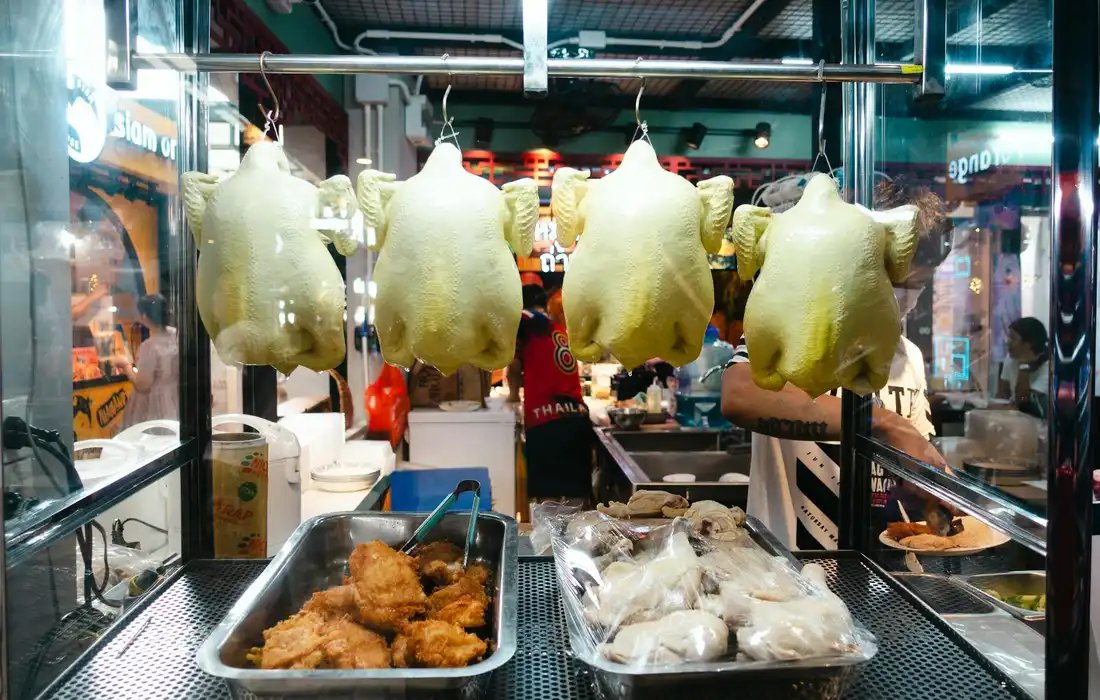
Now, before you start clearing out the breadbox for the flock, let’s set that slice of sourdough next to the other scraps you might have on hand. I reckon it’s all about perspective, and seeing where bread fits on the treat spectrum helps you make the best choices for your birds. Think of your kitchen scraps like a toolbox; bread is the flathead screwdriver that can work in a pinch, but you’ve got better, more specialized tools for the job of keeping chickens hearty—like other kitchen scraps and treats specifically suited for them.
| Scrap Item | Nutritional Note | Safety & Serving Tip |
|---|---|---|
| Bread (All Types) | Primarily empty carbs. Low in protein (8-10%), vitamins, and minerals. | Safe only in strict moderation. Must be stale/crumbled. A true “filler” with little benefit. |
| Cooked Rice or Pasta | Simple carbohydrates, similar to bread. A smidge more protein in whole grain versions. | Perfectly safe and a fine energy boost in cold weather. Serve plain, no sauces or butter. |
| Leafy Greens (Kale, Lettuce) | Excellent source of vitamins A & K, and calcium. Adds vital variety. | Outstanding daily choice. Chop to prevent stringy stems. My hens go wild for kale stalks. |
| Vegetable Scraps (Carrot tops, broccoli stems) | Fiber-rich, packed with micronutrients. Promotes foraging behavior. | Chop or shred tough pieces. A brilliant way to reduce homestead waste and boost health. |
| Mealworms (Dried) | Protein powerhouse (50%+). Essential for molting hens and overall condition. | The ultimate high-value treat. Sparks instinctual behavior. Pricey, but a little goes a long way. |
See the difference? While that cooked rice and pasta sit in the same basic category as bread, those vegetable scraps and leafy greens are in a league of their own for nutritional payoff. Feeding the dark leafy greens from your garden is a form of sustainable stewardship, turning your crop trimmings directly into richer egg yolks. And those mealworms? I keep a coffee can of dried ones by the coop door for training and a quick protein hit.
Your best strategy is to view bread as the occasional cookie in a diet built on hearty meals. Prioritize scraps that contribute to their overall health, not just fill their crops, and you’ll see the difference in their feathers, eggs, and energy. The garden, not the pantry, should be your primary treat basket.
A Quick Word for the Whole Barnyard: Geese, Pigs, and Cows
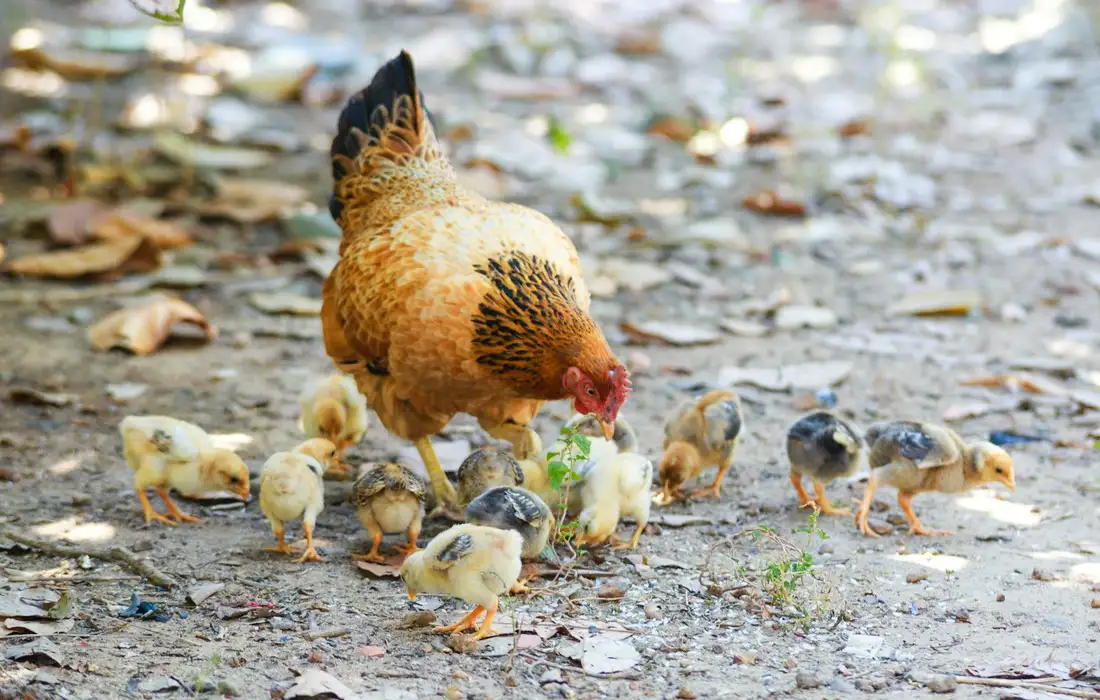
Now, while my heart’s with the hens, I know many of y’all run a mixed operation. Let’s take a quick stroll past the other pens to see how they handle the occasional bread crust tossed over the fence.
- Geese: These hardy grazers have a tougher digestive system than chickens. A bit of stale bread as a rare treat won’t fuss them much, but it’s still just empty calories. I reckon it’s far better to toss them that last handful of scratch grains instead.
- Pigs: Our porcine pals are the robust clean-up crew of the homestead. They can process bread scraps with fewer immediate issues than poultry. Even so, bread should only ever be a small supplement to their properly balanced ration, never the main event. Too much can still lead to a portly pig and unbalanced nutrition.
- Cows & Other Ruminants: Here’s where I get real cautious. A dairy cow’s rumen is a finely-tuned fermentation vat designed for forage. Introducing starchy bread can throw that whole system off-kilter, risking acidosis. My personal rule is to avoid feeding bread to cattle and goats altogether; their health is too valuable to risk for a few stale scraps.
No matter the critter, the golden rule stands: Never, ever feed moldy bread to any animal on your place. The risks simply aren’t worth the supposed thrift. Now, let’s mosey on back to the main topic-keeping our flocks feathered and flourishing.
Closing Questions
Can chickens eat bread from chicken salad?
Yes, but only if the bread is plain and free from dressings, onions, garlic, or heavy spices. Rinse off any creamy or salty residues before offering it as an occasional treat to avoid digestive issues.
Can chickens eat bread from chicken sandwiches?
Yes, provided the bread hasn’t been contaminated with unsafe ingredients like avocado, excessive salt, or processed meats. Remove any condiments and break the bread into small, crumbled pieces to prevent choking.
Can chickens eat bread soaked in chicken soup?
Yes, as long as the soup base is simple and lacks onions, garlic, or high sodium levels. Ensure the bread is thoroughly softened and mixed with other healthy scraps to dilute any residual broth.
Can chickens eat bread from chicken noodle soup?
Yes, but similar to plain soup, avoid bread soaked in broths with onions, garlic, or rich seasonings. If you’re considering feeding these scraps to chickens, see our soup safety guide for human foods and poultry. The noodles are generally safe in moderation, but prioritize the bread scraps after checking for spoilage.
Can chickens eat bread from chicken parmesan dishes?
No, it’s best to avoid this due to typical ingredients like garlic, onions, tomatoes, and cheese, which can be harmful. The breading may also be high in salt and oils, posing risks to chicken health. Understanding which foods are safe for chickens helps keep them healthy. This ties into chicken diet safety foods, highlighting which ones can be toxic or harmful.
Can bread used as a thickener in sauces be fed to chickens?
No, because bread used for thickening often absorbs sauces containing onions, garlic, or excessive salt. It’s safer to discard these scraps rather than risk exposing your flock to toxic seasonings.
Shuttin’ the Gate
When it comes to tossin’ your flock a treat, the simplest advice is often the best. A crust of bread won’t hurt ’em, but a diet built on kitchen scraps surely will-your hens’ health hinges on that high-quality layer feed bein’ the mainstay of every single day. Think of treats like bread as the occasional condiment, not the meal itself.
I reckon we’ve covered the coop from roost to run on this one. I hope this helps y’all feel confident at the fence line, treat bowl in hand. There’s nothin’ finer than the cluckin’ and scratchin’ of a contented flock. Here’s to your happy hens and all the simple pleasures they bring. Until next time, friend.
Further Reading & Sources
- Feeding bread to chickens? | BackYard Chickens – Learn How to Raise Chickens
- Can chickens eat bread? – My Pet Chicken
- Why I Don’t Feed My Chickens Bread – Farming My Backyard
Caroline Mae Turner is a lifelong farm girl raised on red clay, early mornings, and the sounds of a bustling barnyard. With hands-on experience caring for everything from stubborn goats to gentle dairy cows and mischievous pigs, Caroline shares practical, tried-and-true advice straight from the farm. Her goal is to help folks keep their animals healthy, well-fed, and living their best barnyard life. Whether you're wrangling chickens or bottle-feeding a baby goat, Caroline brings a warm Southern touch and plenty of real-world know-how to every bucket in the barn.
Diet Requirements