
Carrots for Chickens: A Simple Guide to Feeding Roots and Tops
Published on: October 14, 2026 | Last Updated: October 14, 2026
Written By: Caroline Mae Turner
Howdy y’all. Carrots are a splendid, vitamin-rich treat for your flock, but you must chop or grate the roots and rinse the tops to keep your birds safe and thriving. Welcome back to the barn where we tackle these everyday questions with plain sense from the coop.
What you’ll need:
- Fresh carrots, roots and leafy tops included
- A steady cutting board and a sharp knife or box grater
- Just a few minutes before your regular feeding time
Let’s get this sorted right quick so you can move on to the next chore with a contented flock.
Can Chickens Eat Carrots and Carrot Tops?
You bet your boots they can! I’ve been sharing carrots from my garden with my flock for as long as I can remember, and those birds gobble up both the orange roots and the feathery greens. Carrots are a safe and wholesome treat that chickens enjoy, and they’re a fine way to add variety to their diet.
Now, I reckon some folks might worry about the tops, but let me put your mind at ease. Carrot tops are not only edible for chickens, but they’re also packed with nutrients that complement the root itself. Unlike some greens that require caution, these are perfectly safe for your flock. I’ve seen my hens pick over a bunch of tops with more enthusiasm than they show for some store-bought greens.
Just remember, like any treat, carrots should be given in moderation alongside their balanced feed. Too many carrots can fill them up without providing all the protein they need for laying. A handful of chopped carrots or tops per bird a few times a week is a good rule of thumb from my experience.
Nutritional Perks of Carrots for Your Flock
Offering carrots isn’t just about giving your chickens something fun to peck at; it’s about boosting their health from the inside out. These humble roots bring a bundle of vitamins and minerals to the table that support everything from strong eggshells to sharp eyesight. Just be sure you’re feeding them real carrots, not carrot peels or other vegetable scraps.
What’s in a Carrot? Breaking Down the Goodness
Let’s dig into what makes that orange root so special. The star of the show is beta-carotene, which their bodies convert into vitamin A. Vitamin A is a powerhouse for maintaining good vision, healthy skin, and a robust immune system in your birds. A hen with plenty of vitamin A is better equipped to fight off common ailments.
But that’s not all carrots offer. Here’s a quick list of the other goodies:
- Fiber keeps their digestive system running smoothly. This roughage helps prevent pasty vent and other digestive troubles.
- Vitamin K1 plays a key role in blood clotting and bone health. Strong bones mean sturdy hens that can perch and roam with ease.
- Potassium supports nerve function and muscle health. This electrolyte is vital for active chickens.
- Antioxidants help combat stress and keep your flock thriving. They protect cells from damage over time.
I’ve noticed that when I regularly toss chopped carrots into the run, my hens’ feathers seem glossier and their combs brighter. That vibrant orange color can even deepen the yolk color of their eggs, thanks to those natural carotenoids. It’s a small touch that makes farm-fresh eggs even more beautiful.
Carrot Tops: The Overlooked Green Treasure
Don’t you dare toss those leafy greens into the compost just yet! Carrot tops are a nutritional goldmine that often gets wasted. Feeding carrot tops to your chickens is the epitome of farmstead thriftiness, turning scraps into valuable nutrition—especially when compared to other leafy greens like spinach.
Those frilly greens are loaded with nutrients that differ from the root. Here’s what you’re saving:
- Carrot tops are exceptionally high in vitamin K. This vitamin is crucial for proper blood clotting if a bird gets a small injury.
- They contain a decent amount of calcium. This mineral is essential for laying hens to produce strong eggshells.
- The greens are rich in chlorophyll and antioxidants. These compounds have detoxifying properties and support overall health.
I remember one season when I had a surplus of carrot tops from the garden. After feeding them to the flock for a few weeks, I saw a noticeable reduction in broken eggs in the nesting boxes, which I credit to that extra calcium from the tops. They’re a bit bitter, but most chickens will eat them right up, especially if chopped finely or mixed with other treats. Chickens also benefit from other calcium sources, such as crushed eggshells they can peck for. This helps prepare them for strong eggs and healthier laying overall.
Just a word to the wise: always ensure the carrot tops are fresh and free from pesticides. Washing them thoroughly is a must, just like you would for your own kitchen. I grow mine organically, so I know exactly what my birds are eating.
How to Prepare Carrots for Chicken Consumption
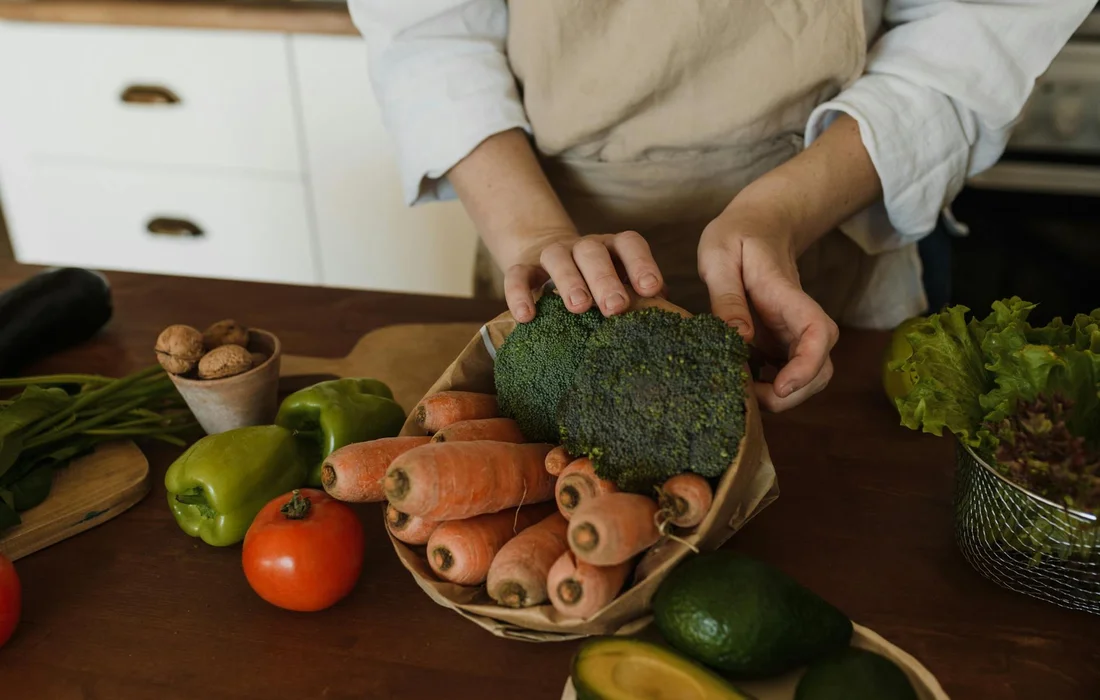
Now, let’s get down to the practical side of things. Y’all don’t just toss a whole carrot into the run and call it a day. A little prep work makes this treat safer and more enjoyable for your birds, and I reckon it’s a simple way to show good stewardship.
Washing and Storing Carrots for Your Flock
First things first, you’ve got to clean those roots. Even carrots from my own garden get a good scrub under cool running water to remove any soil or lingering bits. Grit and dirt can irritate a chicken’s crop, so a clean carrot is a safe carrot. For store-bought carrots, a quick wash helps reduce any surface residues, which I’ve always done for my own peace of mind.
Storing them right keeps your carrots fresh for the flock. I keep mine in the root cellar or the crisper drawer, just like for my own kitchen. If you’ve got a bushel, layer them in a box with dry sand to prevent rot. Don’t you dare toss those leafy tops! They store best separate from the root. Wrap them in a damp cloth and pop them in the fridge for a few days.
Chopping, Shredding, and Serving Raw Carrots
Raw carrots are a splendid, crunchy treat. But a whole carrot is a tough puzzle for a hen. You’ll want to break it down for them when feeding vegetables for chickens.
- Chopping: I use a sturdy knife to cut carrots into coin-sized rounds or matchsticks. This is perfect for tossing into the run.
- Shredding: Running a carrot over a box grater creates a fluffy pile my hens adore. It’s ideal for mixing into their regular scratch or for older birds.
- Peels: Hand-peeling carrots for supper? Those thin strips are golden. Scatter them on the ground to encourage natural foraging.
By making the pieces manageable, you prevent waste and ensure every bird, from the bossy Rhode Island Red to the shy bantam, gets a fair bite. I often serve them raw right from my hand to build trust with the flock.
Cooking Carrots: When and How to Do It
There’s a time and place for cooked carrots in the coop. I turn to the pot when the weather turns bitter, or for my older hens whose beaks aren’t as strong. Cooking softens the carrot, making it easier to digest and releasing warmth.
My method is straightforward: chop the carrots, cover them with water in a pot, and simmer until they’re fork-tender. No salt, no butter, no seasonings. Let them cool completely before serving. You can mash them lightly or mix the soft chunks with their feed for a hearty, warm mash on a cold morning.
Making a Simple Carrot Broth for Chickens
Nothing goes to waste on this homestead. After I boil carrots for the family, I save that nutrient-rich water. This simple broth is a hydrating, vitamin-filled tonic for chickens, especially during molting or in winter. Here’s how I do it:
- Place carrot peels, tops, or chopped scraps in a pot.
- Cover with clean water and bring to a low boil for 20 minutes.
- Strain out the solids (which can still be fed to the pigs or composted!).
- Let the liquid cool to room temperature.
- Pour the broth into their waterer or over their dry feed to create a slurry.
I remember one icy January, this broth was the only thing that seemed to tempt my molting hens to eat well. It’s thrifty, nourishing, and they love it.
Smart Feeding Practices: Portions and Frequency
Carrots are a treat, not a staple. Their main fare should always be a complete layer feed. Think of carrots like dessert-too much and you’ll upset the balance.
How Many Carrots is Too Many?
Moderation is your guide. Carrots contain sugar, and overdoing it can lead to poor nutrition or loose droppings. I follow a simple rule: treats, including carrots, should never make up more than 10% of your flock’s daily diet. In practice, for my dozen hens, a single large carrot, shredded or chopped, is a plentiful shared treat two or three times a week.
Watch your birds. If you see carrots left uneaten or notice a change in their manure, cut back. Every flock is different, just like every garden’s yield.
Integrating Carrots into Daily Foraging
The best way to feed carrots is to make them part of the fun. Chickens are natural foragers, and this turns a snack into enrichment. It’s also helpful to note safety, benefits, and practical feeding tips for chickens eating raw carrots. These points pave the way for the linked guidance on safe handling and daily feeding tips.
- Scatter and Search: Toss chopped carrot pieces deep into their bedding or around the run. It keeps them busy for hours.
- The String Game: I’ll sometimes skewer carrot chunks on a tough string and hang it just above head height. They jump and peck, getting exercise along with their snack.
- Mix with Greens: Combine carrot shreds with kale, dandelion greens, or their own carrot tops. This variety mimics the diverse pickings of a good pasture.
Integrating treats into foraging activities satisfies their instincts and prevents boredom, which can stop feather pecking before it starts. I’ve found that a flock with puzzles to solve is a happier, healthier flock.
Carrots vs. Other Garden Treats

Now, I reckon your garden or root cellar holds more than just carrots. It’s good to know how this orange root stacks up against other common scraps you might be tossing to the flock. Comparing treats helps you rotate offerings and provide a wider spectrum of natural vitamins without overdoing any one thing.
Balancing Treats with Complete Feed
The golden rule on my farm is that treats never replace a quality complete feed. Think of that feed bag as their dependable daily bread-everything else is just dessert. I stick to the 90/10 rule: 90% of their diet from complete feed, 10% from treats and forage. This keeps their nutrient intake balanced and egg production steady.
Here’s a quick look at how carrots compare to other yard favorites:
- Carrots: Lower in protein but fantastic for Vitamin A and chewing engagement. The tops are a nutritious green.
- Leafy Greens (Kale, Lettuce): High in various vitamins and minerals, but mostly water. Great for hydration, low in calories.
- Squash & Pumpkins: Higher in natural sugars than carrots. Seeds have deworming properties. Excellent fall treat.
- Corn & Peas: Much higher in starch and protein. Can lead to weight gain if overfed. Best as a winter energy supplement.
- Cucumbers & Zucchini: Very high water content. Perfect for hot summer days, but offer little nutritional heft.
I learned the hard way one summer by overdoing melon rinds-egg shells got weak and production dipped. Variety is the spice of life, but moderation is the key to healthy hens. Rotate your treats just like you’d rotate crops in a garden bed.
Sharing the Bounty: Carrots for Other Barnyard Critters
Waste not, want not, as my granddaddy used to say. If you’ve got a bumper crop of carrots or a bag of tops from the market, the whole farmyard can join the feast. Sharing garden surplus is the heart of thrifty, integrated homesteading.
Carrots for Geese and Ducks
My gaggle of geese goes absolutely silly for carrot tops. They’ll nibble them down to the last fibrous stem. For the roots, I always chop them into small pieces or shred them. Waterfowl can choke on large, round pieces, so a quick grate or dice is a necessary safety step. Ducks enjoy them floated in their water tub, turning snack time into a fun diving game. The beta-carotene supports good vision and immune health in birds that spend so much time in the elements.
Carrots for Pigs, Cows, and Goats
Pigs are the ultimate cleanup crew for any less-than-perfect carrots. They relish both roots and tops. I’ll often toss whole carrots into their rooting area-it’s marvelous enrichment that keeps them busy for ages. For pigs, carrots are a hydrating, low-calorie supplement to their grain ration, perfect for keeping sows feeling full without packing on too much weight. They are just one of many nutritious options in a complete vegetable guide for pigs.
Cows view carrots as a sweet, crunchy delicacy. I feed them sparingly as a treat, usually chopped to prevent any choking risk, especially for calves. For goats, it’s a mixed bag. Some of my goats will munch on carrot pieces, but they often prefer the tops! I’ll hang a bunch of leafy tops in their stall; it sparks their natural foraging instinct and provides a nice vitamin boost. For all large livestock, introduce any new treat slowly to avoid upsetting their complex rumens, especially when feeding carrots and vegetable scraps to cows, as detailed in this guide.
Closing Tips & Common Questions
Can I use leftover carrot scraps and peels to make a healthy “soup” for my chickens?
Absolutely. You can simmer carrot peels, tops, and chopped scraps in plain water to create a simple, nutritious broth. Pour the cooled, strained liquid over their feed for a hydrating, vitamin-rich meal, especially welcome in cold weather or during molting.
What is the single biggest benefit of adding carrots to my chickens’ diet?
The high beta-carotene content, which converts to vitamin A, is a top benefit. This supports strong immune systems, good vision, and can even lead to richer, darker orange egg yolks from your hens.
Is “carrot broth” for chickens the same as the chicken broth I make for my family?
No, they are different. Carrot broth for chickens is a simple vegetable broth made from simmering carrot parts in water with no added salt, seasonings, or fat. The family’s chicken broth typically contains onions, garlic, salt, and meat fats, which are not suitable for your flock.
Do you have a basic recipe for carrot broth that I can make for my flock?
Yes. Cover carrot tops, peels, or soft bits with water in a pot, simmer for about 20 minutes, then cool and strain. The resulting liquid is your broth. The leftover soft solids can be fed to pigs or added to compost.
Do cooked carrots lose their nutritional value for chickens?
Cooking does break down some fibers and can reduce certain heat-sensitive vitamins, but it also makes the nutrients more digestible. Cooked carrots are still a valuable treat, particularly for older birds or as a warm mash in winter.
Can I feed my chickens the cooked carrots from my own homemade chicken soup?
Only if the soup was made without any onions, garlic, excessive salt, or heavy seasonings. Plain, cooked carrot pieces are fine, but it’s safer to set aside a few unseasoned pieces for them before you spice the family’s soup.
Back to the Pasture
The main thing to remember is this: carrots are a wonderful snack, not a main course. Keeping your flock’s diet balanced with a proper, complete layer or grower feed is the single most important thing you can do for their health and productivity, and every treat, no matter how healthy, should be given thoughtfully and in moderation. A chopped carrot or a handful of tops scattered in the run is a delight; a bucketful is a problem.
I thank y’all for carin’ enough about your birds to learn the best ways to treat ’em right. There’s a deep, simple joy in watching a hen scratch and peck at an orange treat on a sunny afternoon. So go on, share your garden bounty, enjoy their antics, and take pride in your good stewardship. We’ll see you out here, right where the good, simple life grows.
Further Reading & Sources
- r/chickens on Reddit: Can Chickens Eat Carrots ?
- What Vegetables Can Chickens Eat?
- How to feed carrot for treat? | BackYard Chickens – Learn How to Raise Chickens
Caroline Mae Turner is a lifelong farm girl raised on red clay, early mornings, and the sounds of a bustling barnyard. With hands-on experience caring for everything from stubborn goats to gentle dairy cows and mischievous pigs, Caroline shares practical, tried-and-true advice straight from the farm. Her goal is to help folks keep their animals healthy, well-fed, and living their best barnyard life. Whether you're wrangling chickens or bottle-feeding a baby goat, Caroline brings a warm Southern touch and plenty of real-world know-how to every bucket in the barn.
Feed Recommendations