A Homesteader’s Guide to Cannabis, Hemp & Chickens: Keeping Your Flock Safe
Published on: October 15, 2026 | Last Updated: October 15, 2026
Written By: Caroline Mae Turner
Howdy y’all, and welcome back to the barn. If you’re eyeing those fast-growing hemp plants or a medicinal marijuana patch and wondering about your free-ranging hens, I’ve got your farmer’s fix right here: You must keep your chickens completely separated from all cannabis plants, whether it’s hemp or marijuana, as both can pose serious health risks to your flock.
- A roll of hardware cloth or spare fencing for a reliable barrier.
- 30 minutes of time to check your runs and garden borders.
Don’t you worry, we’re going to sort this out quick so you can get back to the rest of your chores with your mind at ease.
Untangling the Greens: A Quick Homesteader’s Guide to Cannabis, Hemp, and Marijuana
Now, before we get our feathers ruffled, let’s sort out this garden confusion. I reckon a lot of folks use these words interchangeably, but for the safety of your flock, knowing the difference is as important as knowing your hens from your roosters.
All three-cannabis, hemp, and marijuana-come from the same plant species, Cannabis sativa. Think of them like different breeds of chicken; they’re related, but their traits are mighty different.
The key difference boils down to one compound: THC, the stuff that causes a “high.” Legally and practically, this single factor changes everything for you and your birds.
Your Barnyard Comparison Guide
| Plant Type | Defining Trait | Primary Use | Your Chicken-Safety Concern |
|---|---|---|---|
| Hemp | THC content at or below 0.3% (U.S. legal definition). It’s the non-intoxicating cousin. | Industrial: fibers, seeds, oils, CBD extraction. | Very low risk from THC. The main worry is the coarse, fibrous stalks which can cause crop impaction if eaten. |
| Marijuana | THC content well above 0.3%, often 15-30%. This is the psychoactive plant. | Recreational / Medicinal for its intoxicating effects. | High risk. All parts of the flowering plant (buds, leaves, stems) are toxic to chickens due to high THC. |
| Cannabis | The umbrella scientific term for the entire plant species. | General reference. | This is the broad category. You must identify which type-hemp or marijuana-you’re actually dealing with. |
On my place, we grew a small plot of legal hemp for a season. Those stalks are tougher than an old boot! I’d never let them near the run, knowing a curious hen might try her luck and end up with a blocked crop.
The Real Risk to Your Flock: Understanding Toxicity and Poisoning
So, why is marijuana so bad for chickens? Their metabolism is different from ours. THC affects their nervous system profoundly. Chickens lack the cannabinoid receptors we have, making them far more sensitive to the toxic effects compared to other substances.
It’s not about CBD; that’s a different compound altogether and isn’t the villain here. The poisoning danger comes almost entirely from THC. Ingestion can lead to cannabinoid toxicosis, which sounds fancy but just means a bad, potentially deadly, reaction.
There is no safe “recreational” amount of marijuana for a chicken-it’s all poisoning. Even second-hand smoke from the coop wall is a genuine hazard I’ve seen cause mild symptoms. Always keep your habits and your garden far from your birds’ forage area, especially when there are toxic plants nearby.
Signs Your Chicken May Have Ingested a Toxic Dose
Catching this early is your best defense. Symptoms can appear within minutes to a couple of hours after ingestion. Watch for these red flags:
- Severe Lethargy or Inability to Stand: The bird may sit hunched, seem “drunk,” or lie down and not move.
- Disorientation and Lack of Coordination: They might stumble, walk in circles, or have a wide, wobbly stance.
- Slow or Irregular Heart Rate and Breathing: Feel their keel bone; you may notice a slower, weaker pulse.
- Dilated Pupils: Their eyes may look unusually black and wide.
- Low Body Temperature (Hypothermia): They feel cool to the touch, especially comb and feet.
- Loss of Appetite and Water Refusal: A clear sign any homesteader knows means trouble.
- In severe cases: Tremors, seizures, coma, or death from respiratory failure.
If you suspect poisoning, isolate the bird in a quiet, dark, warm crate and call your veterinarian immediately. There’s no specific antidote, so supportive care-like keeping them warm and hydrated-is critical while the toxin passes. Your vet is your best partner here. Prevention, as always, beats any cure.
If the Unthinkable Happens: Immediate Steps for Exposure
Even with the best fences, a curious hen or a stray windblown leaf can lead to trouble. If you suspect your flock has gotten into cannabis, don’t waste a moment. I’ve had to act fast with other toxic plants, and a clear head makes all the difference.
Your first move is to immediately separate the affected birds from the source and from the rest of the flock. Gently place them in a well-ventilated, quiet, dark crate or separate pen. Stress worsens their condition, so handle them calmly and minimize noise.
Next, take a quick headcount and look for symptoms. You might see wobbling, lethargy, disorientation, or irregular breathing. Check their crop-if it’s full of plant matter, that’s a sure sign. Here’s your action list:
- Remove all food and water for the first hour. This prevents further absorption and potential aspiration.
- Call your veterinarian or an animal poison control hotline immediately. Tell them the type of plant (if you know it), the amount possibly consumed, and the symptoms you see.
- Follow professional advice to the letter. They may instruct you to offer electrolytes or activated charcoal if appropriate.
- Keep the birds warm and monitored. Recovery can take 24-48 hours with supportive care.
Never try to induce vomiting or administer home remedies without direct veterinary guidance, as you can easily cause more harm. Your job is to stabilize, isolate, and get expert help on the line. I keep my vet’s number and the ASPCA Animal Poison Control (888-426-4435) on the barn wall right next to the first-aid kit.
Beyond the Bad: Safer Herbs for Chicken Health and Enrichment
Now, I don’t want y’all walkin’ away from this thinkin’ the garden is all danger and no delight for your flock. The good Lord provided a whole pharmacy of wonderful, safe herbs, like rosemary and sage, that can boost your chickens’ health and spirits without any of the worry. I’ve been tuckin’ these into my coops and runs for decades, watchin’ the birds choose what they need, just as their wild ancestors did.
My Coop’s Favorite Green Medicines
These are the hardy, easy-to-grow staples I always recommend to folks startin’ out. You can offer them fresh-picked, dried and crumbled into feed, or even hang whole bunches in the coop for peckin’ and dust-bath perfume.
- Oregano: My number-one go-to. Its natural compounds are mighty supporters of respiratory health. I reckon it’s the closest thing we have to a chicken antibiotic in plant form.
- Thyme: A powerful partner to oregano, it’s another champion for clear airways and has properties that can help discourage pests.
- Lavender: This is for calm. A few stems in the nesting boxes can soothe a broody hen and help keep mites at bay with its gentle scent.
- Peppermint & Spearmint: Refreshing and stimulating! Chickens often peck at mint to aid digestion, and its strong smell seems to deter rodents from creeping too close to the coop.
- Calendula (Pot Marigold): The petals are pure gold. They deepen the orange color in egg yolks, and the plant itself is celebrated for supporting skin health and healing.
Simple Ways to Serve Up Herbal Goodness
You don’t need a fancy system to make these herbs part of your daily routine. Thriftiness is a homestead virtue, and usin’ what you grow is the pinnacle of that practice.
- The Scatter Feed: When I’m weedin’ the herb bed, I’ll toss the trimmings right into the run. Watchin’ the hens hunt through the greenery is pure entertainment and enrichment.
- The Nesting Box Refresh: Every time I freshen up the nestin’ straw, I add a handful of dried lavender or mint. It keeps the space smellin’ sweet and the hens content.
- The Winter Stockpile: Come fall, I dry big bundles of oregano and thyme in my barn loft. All winter long, I crumble a few tablespoons into their feed bucket every other day, a little immune boost during the cold, closed-up months.
- The “Sick Bay” Brew: If a hen seems under the weather, I’ll steep fresh oregano in hot water, let it cool, and offer it as their only drinking source for a day or two.
A Note on Moderation and Observation
Even with safe plants, the key is variety and watchfulness. Herbs are supplements, not the main course, makin’ up no more than 5-10% of their overall dietary intake. I always introduce one new green at a time and watch for a day to see how the flock takes to it. Their preferences will guide you-my geese turn their beaks up at mint but will strip a rosemary bush clean! It’s about learnin’ the language of your own animals and providin’ options for their wellness.
Closing Tips for a Safe Flock
What are the potential risks of Hemp plants to chickens?
The primary risk from legal hemp is not THC poisoning, but physical harm. The tough, fibrous stalks can cause crop impaction or internal injury if pecked and ingested. Always dispose of hemp stalks securely away from your birds’ area. Unlike other plants like marijuana or cannabis which can be toxic to rabbits.
What should I do if my chickens ingest Marijuana?
Immediately isolate the affected birds in a warm, dark, and quiet container to reduce stress. Contact your veterinarian or an animal poison control hotline without delay, as marijuana ingestion is a serious medical emergency for poultry.
Are any parts of the Hemp plant safe for chickens?
While hemp seeds (often sold as hemp hearts) are a nutritious, high-protein feed supplement for many animals, the risks from the raw plant material outweigh any potential benefits for chickens. It is safest to avoid offering any part of the hemp plant directly, especially when you consider the safety of seeds for chickens.
How can I identify Marijuana plants in my chicken’s environment?
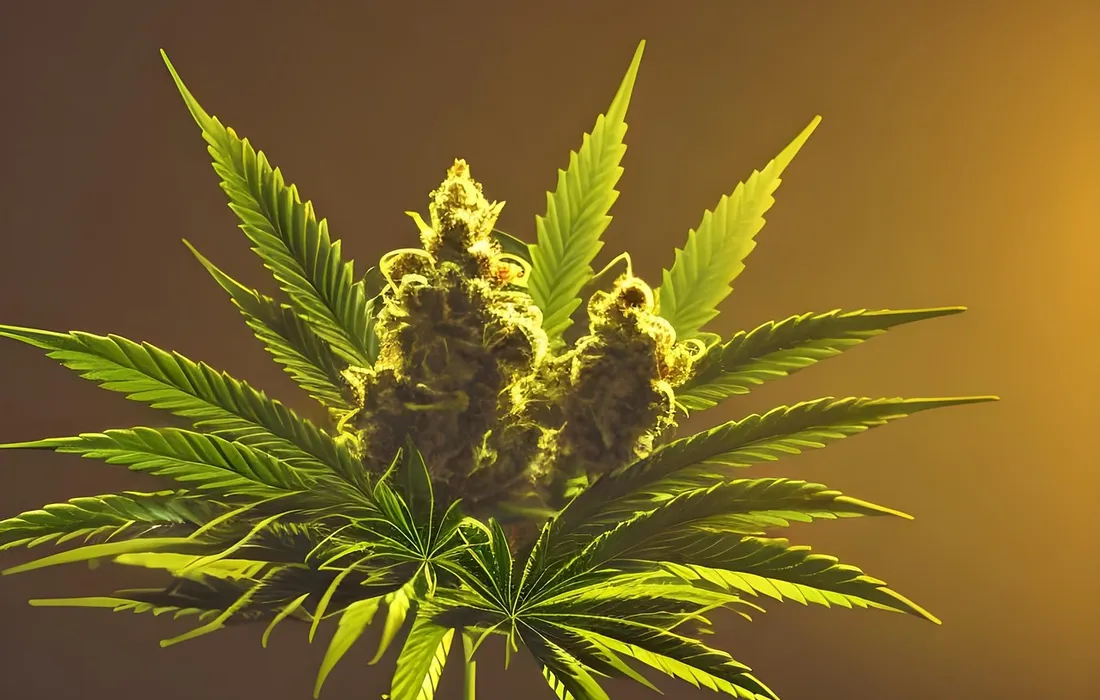
Look for the classic palmate leaves with 5-9 slender, serrated leaflets. Mature marijuana plants will have sticky, resinous flower buds (cola) and often emit a strong, skunky odor. Be vigilant for any unfamiliar, fast-growing annuals in your pasture or garden.
Where should I store these plants to keep my chickens safe?
Store all plant material-including trimmings, discarded stalks, or harvested product-in a securely locked shed or garage that your flock cannot access. Treat these plants like any other hazardous garden substance and compost them far away from foraging areas.
Are there any safe, similar-looking plants I should also be aware of?
Yes, plants like Cassava (Yucca), certain Japanese Maples, and Sweet Fern can resemble cannabis leaves. Use a plant identification app or consult your local extension office to confidently identify any unfamiliar vegetation in your chickens’ range.
Back to the Pasture
When all’s said and done, the best medicine is always the one you never have to use. Your absolute best defense is a good, secure fence and a keen eye on your pasture, keeping temptation far out of reach of your curious flock. Good husbandry isn’t about constant reaction, but thoughtful prevention. I’ve found that a flock with plenty of clean space, wholesome feed, and safe greens to forage is a flock that rarely goes looking for trouble.
I’m mighty grateful y’all took the time to read this and look after your birds with such care. That’s the heart of good stewardship. Now, go enjoy the sound of contented clucking and the sight of your hens taking their dust baths in the sunshine. There ain’t much better than that. Happy homesteading, friends.
Further Reading & Sources
- Hemp/Cannabis products safe for chickens? | BackYard Chickens – Learn How to Raise Chickens
- Hemp Seed Nutrition for Poultry – Cannabis Tech
- Effect of feeding hemp seed and hemp seed oil on laying hen performance and egg yolk fatty acid content: evidence of their safety and efficacy for laying hen diets – PubMed
Caroline Mae Turner is a lifelong farm girl raised on red clay, early mornings, and the sounds of a bustling barnyard. With hands-on experience caring for everything from stubborn goats to gentle dairy cows and mischievous pigs, Caroline shares practical, tried-and-true advice straight from the farm. Her goal is to help folks keep their animals healthy, well-fed, and living their best barnyard life. Whether you're wrangling chickens or bottle-feeding a baby goat, Caroline brings a warm Southern touch and plenty of real-world know-how to every bucket in the barn.
Herbal Supplements