
Chicken Feeding Behavior Solved: Work With Their Instincts to Save Feed and Time
Published on: April 13, 2026 | Last Updated: April 13, 2026
Written By: Caroline Mae Turner
Howdy y’all. Staring at a half-empty feeder you just filled and a flock that seems more interested in dirt than dinner can make any homesteader’s blood boil. Your fix is simple: stop trying to control every bite and start providing the right opportunities for their natural pecking order and foraging drive to flourish. I learned this after years of wasted grain; my best layers have always been the ones I trusted to balance their own diet from trough and pasture.
What you’ll need:
- Your two eyes for daily observation
- A reliable base layer feed (around 16% protein)
- Access to pasture or a spacious, grassy run
- A scoop of grit and a pinch of patience
Let’s break down their habits so you can manage smarter, not harder, and get back to the real work waiting for you.
The “Why” Behind Watching How Your Chickens Eat
You might reckon feeding chickens is as simple as tossing out some grain, but watching how they eat tells a story. I’ve spent many a morning with my coffee, observing the flock instead of the news. It’s the best homesteader’s almanac there is.
Their eating habits show you who’s feeling poorly before any other sign appears. A hen that hangs back from the scratch or pecks without enthusiasm often has a tale of woe to tell. Catching a drop in appetite early can mean the difference between a quick recovery and a costly vet visit. It’s thrifty husbandry at its finest.
You’ll also see the pecking order in full swing right at the feeder. The top hens eat first and get the choicest bits. If you notice a gentle bird getting bullied away, you might need a second feeding station. I use two old baking pans placed far apart in the run. This simple act keeps peace in the flock and ensures every belly gets full.
Their style of foraging reveals if your pasture management is working. A healthy, busy flock will be scattered, scratching and digging with purpose. If they all cluster under the coop, it’s a sure sign the ground is picked clean or the bugs are scarce. Good rotation gives them fresh salad and protein every day, cutting your feed bill by a noticeable margin. I aim to move my portable run every three days for best results.
The Chicken’s Dinnerware: Beak, Crop, and Gizzard
Think of a chicken’s digestive system as a well-organized, if unusual, kitchen. Each piece has a specific job, and if one part falters, the whole system suffers. Understanding the digestive health of poultry is crucial to ensure their overall well-being.
The beak is their fork and knife. It’s perfectly designed for pecking at tiny seeds, plucking tender greens, and snapping up bugs. You’ll see them make quick, precise jabs. They don’t chew here; that comes later. A chicken with a healthy beak is a proficient eater.
Next comes the crop, a handy storage pouch at the base of their neck. After a big meal, you can often see it bulging slightly-that’s perfectly normal. The crop acts like a lunchbox, letting them eat fast when food is available and digest at leisure later. But feel it in the evening; if it’s hard and full, they might have overdone it on dry grain without enough water.
The real magic happens in the gizzard. This is a powerful muscular sack that acts as their teeth. Without it, all that food would just sit there. The gizzard’s grinding action is what turns whole grains and roughage into usable nutrition for your birds. But it doesn’t work alone. It needs a partner.
Grit: The Unsung Hero of Digestion
That partner is grit-small, hard particles like crushed granite or coarse sand. Chickens store this grit in their gizzard, where it mills their food. No grit, no proper digestion. It’s that simple. People also ask why chickens eat rocks and stones. This curiosity highlights the role of grit in their digestion.
I keep a dedicated hopper of insoluble granite grit available free-choice in the coop. Chickens are brilliant at self-regulating and will take what they need. For young chicks, you provide chick-sized grit. For laying hens, I offer a mix with oyster shell for extra calcium.
If your birds free-range on sandy soil, they might pick up some natural grit, but I never rely on that alone. A bag of grit is cheap insurance. I’ve seen what happens without it: poorly digested feed, nutrient deficiency, and wasted money. It’s especially important when they’re eating grains or rice and beans that require grit for proper digestion.
Here’s how to make sure your flock gets what they need:
- Provide a separate, clean container of insoluble grit at all times.
- Ensure layer flocks have access to oyster shell in a different dish; they’ll take it as needed for strong eggshells.
- For confined birds, grit is non-negotiable. Their environment lacks natural stones.
- Check occasionally that the grit is fresh and not contaminated with droppings.
Remember, grit doesn’t get digested; it stays in the gizzard until worn down smooth and eventually passed. So, they need a constant supply. This one small step ensures every bite of that expensive feed actually nourishes your bird instead of just passing through. It’s the hallmark of a thoughtful steward.
Foraging Patterns: The Art of the Scratch and Peck
What They’re Hunting in Your Yard
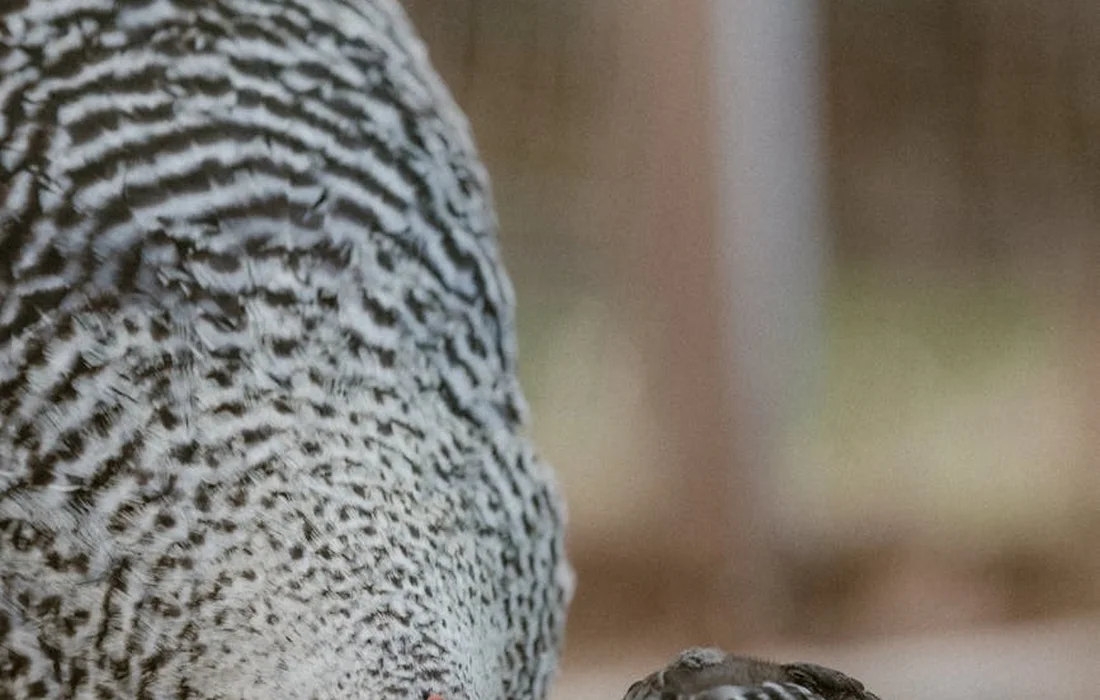
When your hens hit the dirt, they ain’t just loitering-they’re conducting a full-scale reconnaissance mission for their next meal. Watching a flock forage is like seeing a well-practiced dance, where every scratch and peck serves a purpose built right into their bones. I’ve spent many a morning perched on a stump, coffee in hand, just observing the meticulous work they do. It saves you a heap on feed and keeps the birds spirited and healthy.
Their primary targets are protein-rich insects and larvae. A single chicken can devour hundreds of bugs like ticks, grasshoppers, and beetle grubs in one day, which is nature’s way of pest control you don’t have to pay for. I reckon a dozen hens on good pasture can supply up to a quarter of their own dietary protein from insects alone, cutting your feed bill noticeably. They’re especially fond of fat, wriggling worms after a rain. Used as pest control, they help reduce grubs, ticks, roaches, and other pests in your yard and pasture. It’s a chemical-free way to manage garden bugs while feedingyour flock.
Beyond bugs, they’re scavenging for seeds and tender greens. You’ll see them snipping off clover, purslane, and even dandelion leaves, which pack vitamins and keep their yolks a sunny orange. They’ll also hunt for tiny gravel pieces, which they store in their gizzard to grind up food-a critical part of digestion you can’t overlook.
- Insect Buffet: Grasshoppers, spiders, ants, and caterpillars. These provide a protein boost upwards of 50-60% on a dry matter basis.
- Seed & Grain Scraps: Spilled seeds from bird feeders, wild millet, and even fallen kitchen scraps like rice or oats.
- Vegetation: Young grass, chickweed, plantain, and vegetable tops from your garden trimmings.
- Mineral Sources: Fine grit, crushed eggshells I scatter, and calcium-rich bits of limestone in the soil.
Their foraging efficiency depends on your land’s layout. For a thriving forage-based diet, aim for at least 10 square feet per bird in a rotated pasture system to prevent overgrazing and disease buildup. I use movable electric netting to give my girls fresh ground every week, which keeps the salad bar open and the parasite load low. It’s a thrifty, sustainable cycle that respects the land.
Don’t forget the value of litter in the run or coop. I often toss a bale of old hay or straw in their run and watch them go to town, flipping it over to find hidden beetles and seeds. This “deep litter” method isn’t just for bedding; it’s a self-renewing snack station that encourages natural behavior. You’ll notice their contentment in the steady, soft clucking as they work.
Weather and season change the menu. In early spring, they’re digging for cutworms; in late summer, they’re feasting on fallen berries and seeds. I’ve learned to read their enthusiasm-a sudden frenzy in one corner of the yard usually means they’ve hit a jackpot of ant eggs or a decaying log full of tasty larvae. It’s a reminder that we’re not just keeping chickens; we’re stewarding a whole tiny ecosystem right under our boots.
The Flock’s Table Manners: Social Dynamics and Pecking Order
Watch your birds at the feeder for five minutes, and you’ll see a whole society at work. The pecking order ain’t just a saying; it’s the literal law of the land in your chicken run. This hierarchy decides who eats first, who gets the choicest bugs, and who might need a little extra from your hand. Understanding this natural order is the first step to ensuring every bird gets its fair share without a fuss. I’ve seen flocks where a gentle Barred Rock hen quietly rules the roost, and others where a bold Rhode Island Red struts like a feathered general.
It starts young. Pullets will peck and posture to figure out where they stand, and this dance continues throughout their lives. At feeding time, the top hens will eat first and often chase others away from a prized morsel. You can manage this peacefully by providing enough feeder space-I reckon at least 4 linear inches per bird-and by scattering scratch grains in a wide area to encourage foraging and distract the bullies. Multiple feeding stations are a thrifty homesteader’s best trick to keep the peace.
Here’s what typical flock manners look like around the feed:
- The Boss Hens: They eat first, often in the center of the feeder. You’ll see them stand tall, feathers slightly puffed.
- The Middle Ranks: They wait their turn or dart in for a bite when the boss isn’t looking. This is your largest group.
- The Bottom Birds: They hang back, eating last or picking up scattered bits. They might look skittish and spend more time foraging away from the group.
Don’t be too quick to intervene in every squabble. A bit of pecking is normal as they maintain order. But a good steward knows the difference between natural jostling and real trouble that leaves birds injured or underfed. I once had a sweet Silkie who was low in the order; I made her a private little dining area with her own cup of feed behind a hay bale, and she thrived.
Reading the Room: Signs of Stress at Feeding Time
Feeding should be a calm, predictable part of the day. When it’s not, your birds will tell you-if you know how to listen. Stress at the feeder leads to wasted feed, poor health, and even egg-eating habits. Your first clue is often a change in the flock’s usual chatter; a tense silence or frantic squawking can spell trouble. Keep an eye out for these specific signs that the pecking order is causing harm, not just order.
Watch for these behaviors the next time you fill the trough:
- Feathers Flying: More than just a warning peck. Look for repeated, aggressive chasing that prevents a bird from eating at all.
- The Lone Forager: A chicken that consistently separates itself from the flock during meals is likely being harassed.
- Guarded Posture: A stressed bird will eat quickly with its head on a swivel, constantly watching for threats instead of focusing on food.
- Empty Crop at Dusk: If you feel a lower-ranking bird’s crop (that pouch at the base of her neck) and it’s soft and empty at nightfall, she’s not getting enough.
- Food Avoidance: Birds that seem hungry but won’t approach the feeder, choosing to peck at bare dirt instead.
If you spot these signs, act fast. Simple fixes often work wonders. Adding a second feeder in a separate, quiet corner of the coop gives timid birds a safe place to eat. I use old baking pans nailed to a low board for this very purpose. Sometimes, temporarily isolating a severe bully for a couple of days can reset the social dynamics, as the flock reorganizes without her.
Remember, a stressed bird is a poor producer and a susceptible one. Providing plenty of space, distractions like a hanging cabbage, and consistent feeding routines are the hallmarks of respectful, sustainable husbandry. It’s about working with their nature, not against it, to keep your whole flock content and your feed bucket efficient.
The Wisdom of the Flock: How Chickens Self-Regulate Intake
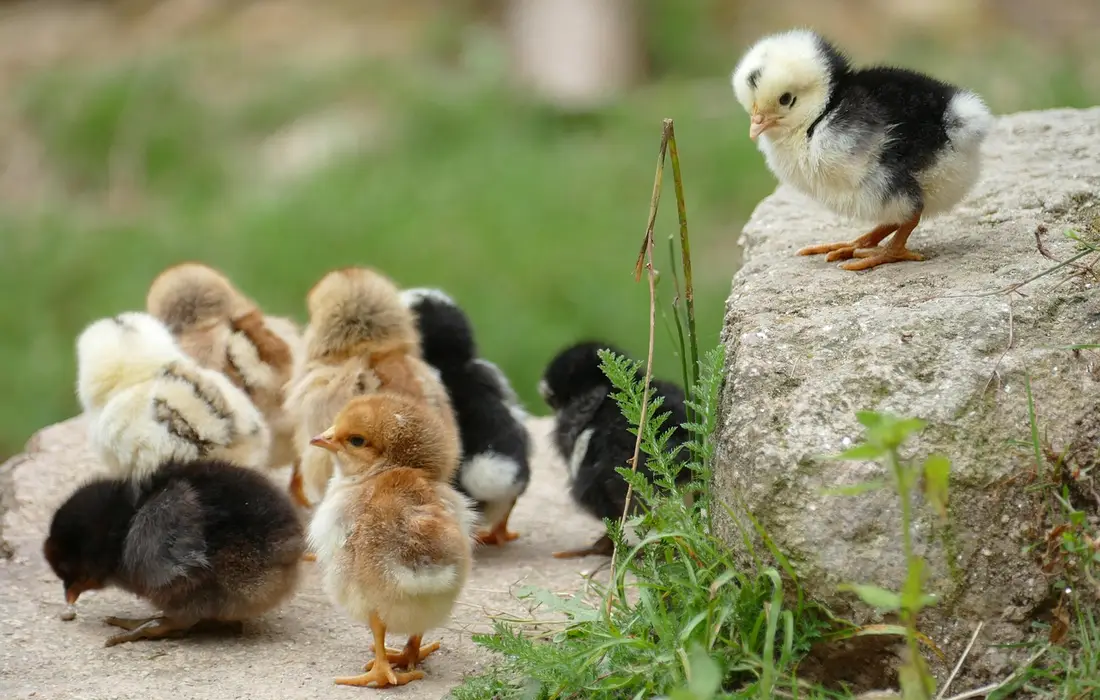
I’ve watched my hens for decades, and their eating habits are a lesson in thrifty living. Given space and choice, they’ll manage their meals better than any rigid schedule I could impose. Free-choice feeding works because chickens are hardwired to eat until their nutritional needs are met, not until the feeder is empty.
On my farm, I provide a base layer of 18% protein layer pellet, but the real magic happens in the yard. Access to diverse forage cuts my feed bill by a quarter and keeps the birds healthier. They’ll hunt for grubs, nibble clover, and even avoid certain plants they find distasteful.
- Social Learning: Young pullets learn what to eat by watching the older hens. I’ve seen this passed down through generations in my flock.
- Seasonal Adjustments: In winter, when insects are scarce, they naturally consume more commercial feed. Come spring, they’ll range farther and eat less from the trough.
- Water’s Role: Always have clean water available. A hydrated chicken digests feed efficiently and regulates intake better. I check waterers twice a day, without fail.
Remember that time I introduced new scratching areas with different soil textures? The flock spent hours turning over the earth, finding bugs and minerals, and their consumption of bagged feed dropped noticeably. That’s self-regulation in action.
When Self-Regulation Fails: Causes and Fixes
Even the wisest flock can get off track. When you see feed disappearing too fast or birds looking poorly, it’s time to play detective. Most breakdowns in self-regulation stem from something we’ve changed in their environment.
Here are the common culprits and how I’ve fixed them over the years.
-
Cause: Monotonous or Pellet-Only Diet
Chickens crave variety. A single food source day after day can lead to boredom-eating or nutritional deficiencies.
Fix: Supplement with kitchen scraps (avoid onions and avocado), offer fermented grains once a week, or grow a patch of sunflowers for them. This simple diversity mimics natural foraging and satisfies their instincts.
-
Cause: Parasites or Illness
A bird with worms or coccidiosis may eat ravenously but still lose weight. I learned this the hard way with a lethargic Barred Rock.
Fix: Regular health checks and a maintained pasture rotation break parasite cycles. If you suspect illness, isolate the bird and consult a vet. Preventative care is always cheaper than treatment.
-
Cause: Inadequate Feeder Space
Too few feeders cause bullying and stress-eating. The rule on my place is one linear foot of feeder space for every five birds.
Fix: Add more feeders placed in different, calm areas of the run. This gives lower-ranking birds a peaceful place to eat. Spreading out resources prevents competition and waste.
-
Cause: Overcrowding in the Run
Give a chicken less than 10 square feet outdoors, and you’ll see pecking order fights spike. They can’t forage properly and will over-rely on the feeder, which isn’t ideal when you’re trying to keep your garden safe and healthy.
Fix: Expand the run or use movable tractors. I aim for 15-20 square feet per bird on pasture. More space means happier birds and less feed you have to buy.
-
Cause: Wrong Feed for Their Life Stage
Feeding chick starter to laying hens provides too much protein (20-24%) and not enough calcium, confusing their intake signals.
Fix: Use age-appropriate feed. Switch to a 16-18% protein layer ration at 18 weeks. Always offer oyster shell in a separate dish for calcium. Getting the basics right fixes most feeding problems before they start.
Encouraging Natural Behavior: Practical Barnyard Stewardship
Watching a flock operate as nature intended is one of the finest joys of keeping birds. Our job ain’t to control every bite they take, but to set the stage so their instincts work for ’em. Good stewardship means building a system where your chickens can express their natural behaviors, which in turn makes ’em healthier and saves you feed. Here’s how I manage it on my place.
Step 1: Choose and Place Feeders Wisely
I learned this lesson after buying a cheap, wide-open feeder years ago. The feed was scattered, soiled, and wasted in a week. The right feeder and its placement are your first defense against waste and bickering.
Use a treadle or tube-style feeder that protects feed from weather and limits access. I mount my feeders at the height of the birds’ backs. This keeps ’em from scratching bedding into their dinner and makes ’em work just a little, slowing down their eating. Give ’em space! One feeder per 8-10 birds, placed well apart, keeps the lower-ranking hens from being chased off.
This simple setup reduces spoilage by half and lets every bird, from the bossy Barred Rock to the shy Silkie, eat in peace when they’re ready.
Step 2: Create a Forage-Friendly Environment
Your pasture or run shouldn’t be a dirt lot. It’s their grocery store. I rotate my birds through three main areas: a dense cover patch, a grassy paddock, and a woody browse section.
- Dense Cover: Plant a mix of clover, alfalfa, and chickweed. This is bug heaven and gives shade.
- Grassy Paddock: A mix of perennial grasses and herbs like plantain. I let it get about 6 inches tall before moving birds in.
- Woody Browse: Brambles, a fallen log pile, and sunflowers. They’ll spend hours hunting bugs in the decaying wood.
In the run, I keep a “grit station”-a shallow pan with coarse builder’s sand and small granite grit-separate from their feed. By giving them distinct zones to explore, you satisfy their urge to scratch, hunt, and peck, which directly cuts down on boredom and feather-picking.
Step 3: Use Treats and Supplements Mindfully
We all love to treat our flocks, but an ill-timed handful of scratch can undo your whole system. Think of treats like dessert-after the main course. I only give treats in the late afternoon, after they’ve filled up on their complete layer feed and done their serious foraging.
My go-to supplements are plain yogurt for gut health during molt and my own crushed, baked eggshells returned to them for calcium. Scraps like melon rinds or a hanging cabbage are fantastic boredom busters. But reckon on this: treats and scraps should never make up more than 10% of their daily intake.
Observing your flock’s droppings is the best tell; too many treats lead to loose, messy conditions, a sure sign you’ve thrown their delicate digestive balance out of whack.
Chickens in the Barnyard Context: A Quick Glance at Other Critters
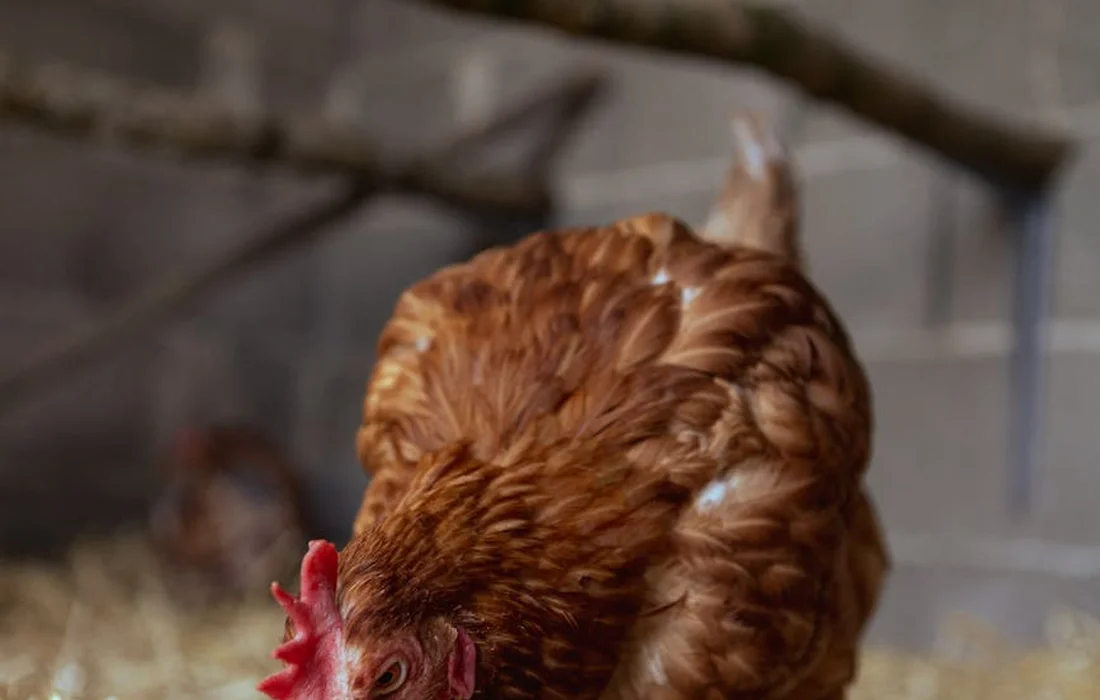
Watchin’ your chickens work a patch of dirt gives you a powerful specific picture, but to truly appreciate their methods, it helps to see how they fit in the whole barnyard choir. Each critter has its own way of makin’ a livin’, and it shapes everything from their behavior to how we manage ’em.
The Grazers: Geese
Where a chicken is a precise peckin’ machine, a goose is more like a living lawnmower with an attitude. Geese are primarily grazers, using their tough, serrated beaks to tear and pull at grass and clover with a vigor that’ll keep a pasture tidy. They’ll dabble in a pond for bits of greenery, but you won’t catch ’em scratchin’ and peckin’ for a hidden beetle brigade like a hen will. Their dining is a top-down affair, focused on what’s plainly in sight, which makes ’em fantastic for weed control without utterly destroyin’ the root system of your good pasture grass. Their wild diet and foraging habits vary with habitat and season. Geese blend grazing with opportunistic feeding on aquatic plants, seeds, and fallen grain as they move across fields, wetlands, and shorelines.
The Earth Movers: Pigs
Now, if chickens are the archaeologists of the barnyard, pigs are the demolition crew with a purpose. Rooting behavior is their signature move, using that powerful snout to unearth roots, grubs, fungi, and anything else buried in the soil, turning over the earth in the process. They’re omnivorous and far less selective than a flock of hens; a pig’s idea of a good meal is a broad buffet that can include rodents, snakes, kitchen scraps, and acorns. I’ve seen a single sow root up a small stump in an afternoon, something a chicken wouldn’t even glance at. Their eating is destructive by design, brilliant for clearin’ land, but it requires sturdy fencing and a strong stomach for muddy landscapes.
The Peaceful Processors: Cows
Contrast all this busy, individualistic huntin’ with the slow, peaceful rhythm of a herd of cattle. Cows engage in herd-based grazing, movin’ slowly across a field, wrappin’ their tongues around clumps of grass to tear it, then spendin’ hours in the quiet, lengthy rumination process where they chew their cud. Their world is one of bulk and fermentation, a slow-burn digestion built for fibrous plants. A chicken decides bite-by-bite what to eat; a cow takes in a pasture by the square yard and lets its stomachs sort it out later. It’s a reminder that on a diversified homestead, you’re managing not just different animals, but completely different relationships with the land itself.
Closing Tips for the Thoughtful Flock Keeper
Is it better to free-feed my chickens or stick to a strict schedule?
Free-choice feeding of a balanced layer ration aligns best with their natural self-regulation. This allows them to eat based on their individual needs and foraging success. A consistent routine for releasing birds and offering treats helps maintain flock calm without micromanaging their intake.
What type of feeder is best to minimize waste and bullying?
Treadle or tube feeders are excellent for protecting feed from weather and pests. Placing multiple feeders in different, calm areas of the run prevents dominant birds from guarding all access points. This ensures all ranks can eat peacefully and reduces stress-related overconsumption.
How can I tell if my chickens are getting the right nutrients from their foraging?
Observe their overall health, eggshell quality, and energy levels. Bright combs, consistent laying with strong shells, and vibrant feathering are good signs. If you notice deficiencies, ensure your base feed is complete and offer free-choice oyster shell and grit to supplement their found diet.
Should I change how I feed my chickens when they stop laying?
Yes. Older or non-laying hens have lower calcium and protein requirements. Transitioning to a “flock raiser” or all-purpose feed (lower in calcium than layer feed) is healthier for their kidneys. They will continue to benefit from and enjoy foraging for insects and greens.
Why do my chickens sometimes ignore their feed for hours after I let them out?
This is perfectly normal behavior and indicates a strong foraging drive. They are prioritizing high-value, live protein (bugs) and fresh greens first. They will return to their base feed later to balance their diet, demonstrating effective self-regulation.
Can I feed my chickens alongside my other farm animals, like geese or pigs?
It’s not recommended to share feeding stations. Chickens eat slowly via pecking, while geese graze and pigs root aggressively, which can lead to chicken injuries and feed monopolization. It’s best to provide separate, species-specific feeding areas to ensure all your animals eat safely and adequately. This is especially important as geese have different dietary requirements compared to chickens and ducks.
Shuttin’ the Coop Door
After watchin’ my flock for more years than I care to count, the biggest lesson is a simple one. Trust your birds. They come hardwired with the know-how to balance their diet, scratch for their supper, and teach their young. Our job ain’t to micromanage every peck, but to set the stage for them to do what comes naturally. The single most important thing you can do is become a student of their normal behavior; a change in how they eat is often the very first sign that something’s amiss in the coop or on the pasture.
I reckon that’s about all from my fence post today. There’s a profound peace in sittin’ on an upturned bucket, watchin’ the hens work the ground, and knowin’ you’ve given them a good life. I hope you get to feel that same satisfaction. Now, get on back to your critters. They’re probably waitin’ for a scratch or a handful of weeds, and there’s no better way to spend an evenin’. Y’all take care.
Further Reading & Sources
- Poultry Behaviour – Poultry Hub Australia
- Common Backyard Chicken Behaviors – Alabama Cooperative Extension System
- Eating Habits Of Chickens And Roosters
Caroline Mae Turner is a lifelong farm girl raised on red clay, early mornings, and the sounds of a bustling barnyard. With hands-on experience caring for everything from stubborn goats to gentle dairy cows and mischievous pigs, Caroline shares practical, tried-and-true advice straight from the farm. Her goal is to help folks keep their animals healthy, well-fed, and living their best barnyard life. Whether you're wrangling chickens or bottle-feeding a baby goat, Caroline brings a warm Southern touch and plenty of real-world know-how to every bucket in the barn.
Feeding Habits