
The Homesteader’s Fix: A Practical Guide to What Cows Eat for Vibrant Health
Published on: January 27, 2026 | Last Updated: January 27, 2026
Written By: Caroline Mae Turner
Howdy y’all. Staring at a herd and worrying over feed bills or poor condition is a headache I know well. The straight answer is that a thriving cow’s diet rests on two pillars: plentiful fibrous roughage, like pasture or hay, and targeted supplements to fill specific nutritional gaps. Get that balance right, and you’re most of the way there.
- What you’ll need:
- Access to quality pasture or grass hay
- Supplemental grains or minerals, based on your cows’ life stage
- A clean, dependable water supply
- Time for daily observation and seasonal ration adjustments
We’ll break down this simple blueprint so you can manage their feed with confidence and return to the rest of your land’s duties.
The Four Foundations of a Balanced Bovine Diet
Now, let’s get down to brass tacks. A cow’s plate, so to speak, is built on four sturdy corners. Get one out of whack, and the whole animal feels it. I’ve seen herds thrive and struggle based on this simple balance, and I reckon sticking to these foundations is the cheapest insurance policy you can buy.
- Forage: This is the bedrock-pasture grass, hay, silage. It’s the long-stem, fibrous stuff that should make up the bulk of what your cow eats every single day. Forage is non-negotiable; it’s what their system is designed for, and skimping here is asking for trouble.
- Concentrate: Think of this as the energy booster. Grains like corn or barley, and protein-rich meals like soybean. It’s dense nutrition used to supplement forage when they need extra oomph-for milk production, finishing weight on beef calves, or during late pregnancy.
- Water: It sounds plain, but clean, fresh water is the most overlooked nutrient. A dairy cow can drink a bathtub’s worth in a day. Water drives rumen fermentation, nutrient absorption, and milk flow. Without it, everything else grinds to a halt.
- Supplements: Minerals and vitamins are the fine-tuning. A good loose mineral mix with salt, calcium, phosphorus, and trace elements like selenium ensures the forage and concentrate are used properly. I keep a block out year-round, and they tell me when they need it.
Understanding the Ruminant: How a Cow’s Stomach Dictates Its Dinner
Y’all, a cow isn’t a pig. That’s the first thing to get straight in your head. Where a pig has one simple stomach, a cow has a four-chambered fermentation vat, with the rumen being the star of the show. This system turns grass you can’t digest into steak and milk you can, and it all hinges on fiber and fermentation. That rumen-driven fermentation is how ruminants like cows turn forage into usable energy and nutrients. In other words, digestion is nutrition in motion. I’ve spent years watching them chew their cud, and it’s a beautiful sign of a contented animal.
Here’s how that dinner party in the rumen works, step by step:
- The cow takes a bite of long grass or hay and gives it a quick chew before swallowing.
- That forage lands in the rumen, where a whole ecosystem of microbes gets to work breaking down the tough cellulose fibers.
- Later, the cow regurgitates a softened wad of this material-that’s the “cud”-and chews it thoroughly. This extra chewing produces buckets of saliva, which is nature’s antacid.
- The re-swallowed, now finely processed forage continues fermenting, releasing volatile fatty acids that become the cow’s primary energy source.
It’s a slow, deliberate process meant for roughage. Throw too much quick-digesting grain in there, and you upset the whole microbial balance, like flooding a delicate sourdough starter with sugar.
The Indispensable Role of Roughage
Roughage is just another name for that good, long-stem forage. It’s not about the protein percentage-it’s about the “scratch factor.” That physical roughness stimulates hours of chewing, which is the engine that drives the entire ruminant system. Every time she chews, she produces saliva rich in bicarbonate, which buffers the rumen and keeps the pH stable for those hard-working microbes.
You can spot a cow with a happy, functioning rumen from across the pasture. Here are the signs I look for:
- She spends hours a day quietly chewing her cud, often lying down contentedly.
- Her manure has a consistency like thick oatmeal, holding a slight dome shape when it hits the ground.
- She has a smooth, full left flank-that’s where the rumen sits-not sunken or bloated.
- A steady appetite and consistent milk yield or weight gain round out the picture.
The Perils of a Grain-Heavy Diet
We all want to see our animals grow fast or milk heavy, but overloading on grain is a shortcut to the vet. The rumen microbes that digest starch from grain work much faster than the fiber-digesters. This causes a rapid acid build-up, dropping the rumen pH. This condition, called acidosis, is a painful burn from the inside out, and it’s the gateway to a host of other problems.
One of the most dangerous is bloat. The fermentation from all that grain can create a foam the cow can’t eructate, or burp out. Her left flank swells like a drum, and it’s a genuine emergency. I’ve had to run for the stomach tube more than once, and it’s a feeling I don’t care for.
Watch for these warning signs if you’re feeding concentrates:
- Goes off feed or eats in fits and starts.
- Manure becomes loose, foamy, or has undigested grain kernels in it.
- Less cud chewing, or she stops ruminating altogether.
- Lethargy, kicking at her belly, or standing awkwardly.
Remember, for most of our herds on decent pasture, grain is a tool, not a staple. Use it like a sharp knife-with purpose, respect, and a very careful hand.
Forage First: Grass, Hay, and Silage as the Main Course
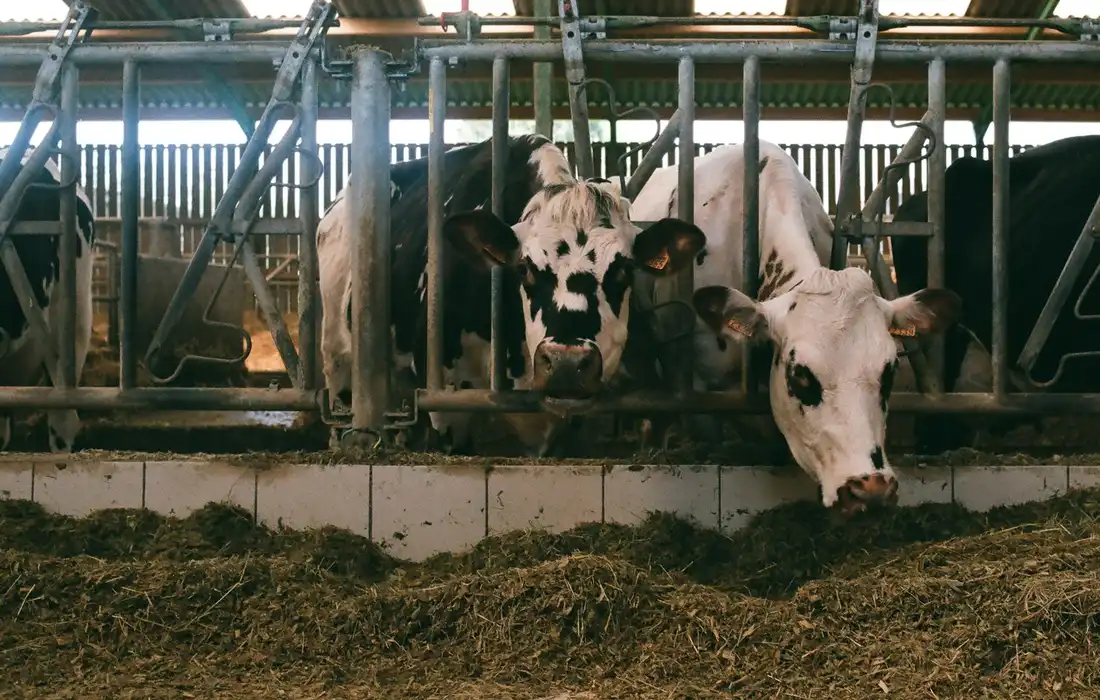
Think of forage as the backbone of your cow’s dinner plate, the foundation everything else builds upon. In all my years on the farm, I’ve never seen a thrifty, healthy herd that wasn’t built on a solid base of good-quality forage. It’s about working with nature’s pantry, not against it.
You’ve got three main pillars in the forage world: fresh pasture, conserved hay, and fermented silage. Each one plays a different, vital role through the turning of the seasons.
- Pasture Grass: This is living food. Lush stands of fescue, orchardgrass, or bermudagrass can boast 15-20% protein in the spring flush. It’s the most natural and cost-effective feed when it’s growing.
- Dry Hay: This is your winter insurance. Legume hays like alfalfa are protein powerhouses, often testing 18-22% protein. Grass hays like timothy are more modest, around 8-12%, but provide essential roughage. The best hay is cut early and cured right.
- Fermented Silage: Made from chopped grass or corn stored airtight, silage is a dense energy source. It can pack over 70% total digestible nutrients, perfect for supporting milk production. It’s a valuable tool, but it demands careful management to avoid spoilage.
Don’t just focus on tonnage. A cow will always do better on a smaller amount of palatable, leafy forage than a mountain of stemmy, weathered junk. I’ve watched picky heifers nose right past a bale of dusty hay to get to the green stuff.
Maximizing Your Pasture’s Potential
Turning cows out on the same big field all summer is a sure way to end up with a dirt lot and a big feed bill. Rotational grazing is the simple, time-tested method to keep your pasture working for you. It mimics how wild herds moved across the land. Pasture rotation management maximizing grazing efficiency moves cattle to fresh forage and lets paddocks rest. This helps improve forage use and can cut feed costs.
Here’s how we do it on our place. It’s easier than you reckon.
- Divide your pasture area into smaller paddocks using temporary electric fence. Start with three or four sections.
- Move your herd to a new paddock when the grass is grazed down to about the height of your boot top, roughly 3 to 4 inches.
- Allow the grazed paddock a full rest period-usually 25 to 30 days in the growing season-before the cows come back around.
Stocking rate is your key number. For good, Eastern pasture, plan on 1 to 2 acres per mature cow-calf pair, but out West on drier range, you might need 5 acres or more. Always err on the side of too few animals; your grass will thank you.
Remember, your pasture isn’t static. Spring brings a surge of high-protein growth, summer heat can cause a “slump,” and fall often offers a valuable rebound of quality forage before frost. Your grazing plan must bend with these rhythms.
Selecting and Storing Hay Like a Pro
Buying hay is an investment, and a keen eye saves dollars. Learning to judge hay quality by sight, touch, and smell is a skill every homesteader needs in their toolbox. I always take a close look before I ever talk price.
Use these cues when you’re kicking bales:
- Color & Look: Seek a bright, green hue. Avoid hay that’s sun-bleached yellow or shows large patches of mold, which looks gray or white and fuzzy.
- Leafiness: The leaves hold the nutrition. Good hay is more leaf than stem. If it’s all stalks, the protein value plummets.
- Smell: Get your nose in there. It should smell sweet, grassy, and clean. A musty, sour, or rotten smell is an immediate red flag.
- Feel: It should feel dry but not brittle. Overly dry hay shatters and loses those precious leaves when handled.
For the small homestead, square bales are often the most practical choice. Square bales are easier to handle by hand, stack neatly in a loft, and let you meter out feed with less waste for your one or two family milk cows. Round bales are efficient for larger beef herds but require equipment to move and must be fed quickly once opened to avoid spoilage in the weather.
How you store hay is just as important as the hay you buy. Always keep your bales up off the dirt on pallets or a layer of gravel to stop moisture wicking up from below. A solid roof is best, but if you must use a tarp, drape it loosely to allow air circulation and tie it down tight. A well-ventilated barn loft is the gold standard, preserving that sweet smell and green color for months.
The Concentrate Question: When and How to Use Grains
Well, y’all, let’s chat about concentrates. On the farm, we call these the “power feeds” – they’re dense in energy or protein but mighty low in fiber, like grains and some pellets. You use concentrates not as the main meal, but as a strategic supplement to your cow’s roughage diet of pasture or hay. I keep a few sacks on hand for when my herd needs a leg up, but I never let it replace good forage.
Common grains in my feed room are corn, barley, and oats, each with a different job:
- Corn: This here is your pure energy workhorse. It’s like stoking a furnace, ideal for putting on pounds or fueling high milk output.
- Barley: A fine, balanced option, barley offers decent energy with a bit more protein than corn. It’s a steady choice for everyday supplementation.
- Oats: Oats are my go-to for a gentler start. They’re higher in fiber and protein, which makes them easier on a cow’s digestion than straight corn.
So when does that grain bucket come out? Reach for concentrates during specific, demanding times in a cow’s life, not just out of habit. I supplement during late gestation to help mama cows build resources for calving, throughout lactation to support that milk flow, for finishing beef cattle to achieve ideal market weight, and always when the pasture is thin or weather-bitten. I recall a dry summer where the grass was scant, and that timely grain kept my cows in good flesh.
Safe Grain Feeding Practices to Keep the Rumen Happy
A cow’s rumen is a vat of living microbes, and shocking it with too much grain too fast is a recipe for acidosis, a dangerous bellyache. The golden rule is to always introduce any new grain slowly and alongside plenty of roughage. Here’s how I’ve done it for years, step by step:
- Begin with a Tiny Taste: Start by offering just a pound or two per head daily, mixed right into their hay or spread on top. Over two to three weeks, you can gradually increase the amount.
- Never Serve Grain Solo: Always ensure cows have access to good, long-stem hay before or while they eat grain. This promotes chewing and saliva production, which naturally buffers the rumen.
- Watch Your Herd Like a Hawk: Check manure consistency and appetite daily. Loose stools or a dropped interest in feed means you’re moving too quick-pause or reduce the grain.
- Know Your Limits: For most mature cows, a safe inclusion rate is to keep grain at or below 0.5% to 1% of their body weight per day. For a 1,200-pound dairy cow, that’s just 6 to 12 pounds of grain total, split across feedings.
I learned patience the hard way after an eager feeding left a heifer with a sour stomach. Feeding grain is a tool of stewardship, not a race, and your mindful approach protects your animal’s health and your pocketbook.
The Non-Negotiables: Water, Minerals, and Vitamins
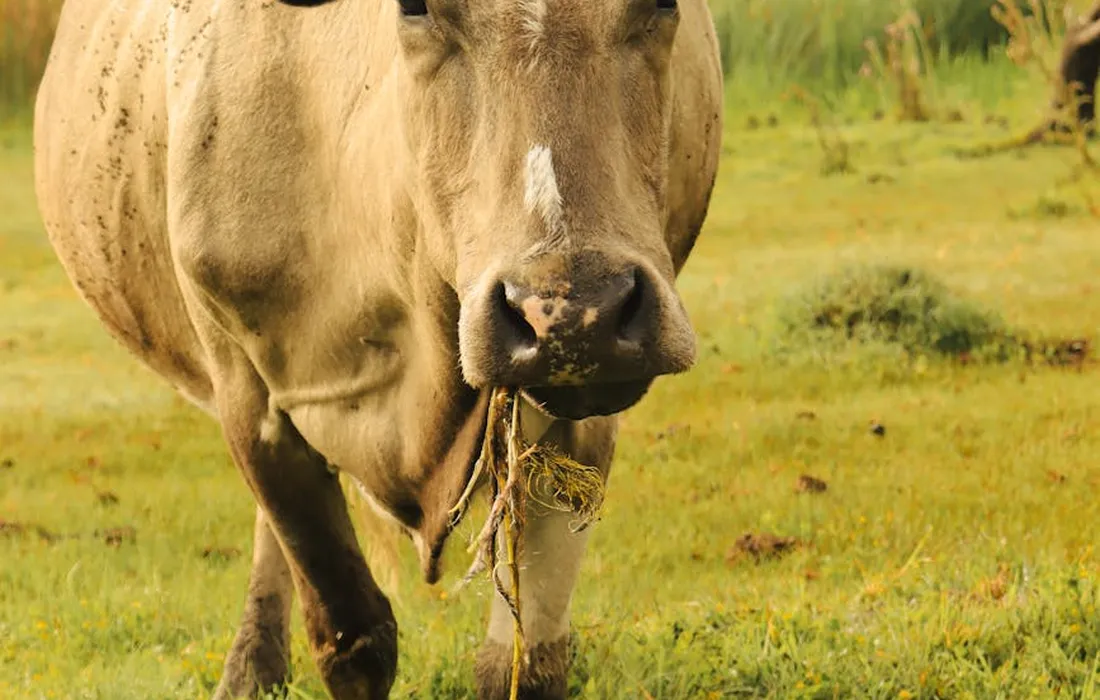
Y’all, we can talk fancy feeds all day, but if you forget these basics, your herd’s health will always be on shaky ground. Water, minerals, and vitamins are the silent partners in every successful grazing season, and neglecting them is a surefire way to invite trouble. Especially when it comes to sheep minerals and supplements.
Let’s start with water. I reckon I’ve spent more hours fixing water lines and breaking ice than I care to count. On my place, a cow can drink over 20 gallons a day, easy, and that doubles when she’s nursing. You must provide clean, fresh water at all times, because a dehydrated cow won’t eat properly, her milk will dry up, and she’ll go downhill fast.
Keep troughs scrubbed to avoid slime, position them in the shade to keep water cool in summer, and for heaven’s sake, invest in a good tank heater or automatic de-icer for winter. A frozen water source is an emergency.
Now, about those minerals. Even the lushest clover won’t have everything. This is where free-choice supplementation comes in. Offering both a plain salt block and a formulated mineral mix allows your cows to self-regulate, licking up exactly what their bodies are telling them they need. A complete guide to essential minerals in cattle, including supplements and common deficiencies, can assist in tailoring your herd’s mineral plan for optimal health.
The big three minerals you’ll hear about are:
- Calcium: This is the building block for strong bones and is poured into milk. A deficiency shows up in weak calves or poor milk output.
- Phosphorus: It works hand-in-hand with calcium for skeletal health and is key for energy metabolism. Cows lacking phosphorus often have dull coats and poor fertility.
- Magnesium: This one’s a guardian against grass tetany, a fatal condition that can hit fast in early spring on lush, green pasture. It keeps nerves and muscles functioning smoothly.
These basics also help with diagnosing and treating mineral deficiencies in cattle and guide practical troubleshooting steps.
Vitamins A, D, and E are usually bundled in a good mineral supplement. Stored hay loses vitamins over time, so a quality mineral is your best bet to fill in those nutritional gaps through the winter months.
Choosing the Right Mineral Supplement or Balancer
Walking into the feed store can be overwhelming with all the choices. Your goal is to match the supplement to your land and your forage. Start by understanding what your pasture is missing; a forage test or a chat with your county extension agent is worth its weight in gold. A cattle forage guide can then point you to the right grasses, hay supplements, and even unusual plants that fit your pasture and herd.
You’ll generally have three main types to pick from:
- Loose Minerals: These are my personal favorite for a grazing herd. They’re easy for cows to consume, and intake is more uniform. You can mix them with a little salt or molasses to improve palatability.
- Mineral Blocks: They’re tough, weather-hardy, and low-maintenance. But a hard block can be difficult for cows to lick enough from, and boss cows might hog it. I use these more as a backup in remote pastures.
- Balancer Pellets or Protein Blocks: These are nutrient-dense and often used when forage protein is low. They’re excellent for specific situations, like boosting winter hay diets, but they can be costlier and aren’t always necessary on good pasture.
Your soil tells a story. If you’re in the Southeast, you might need extra selenium. In our sandy soils here, copper and zinc are often lacking. Always choose a mineral formulated for your region and for the specific type of forage your animals are eating, whether it’s lush grass, legume hay, or crop residue.
Now, a word of caution from hard experience. Over-supplementation is not just wasteful; it can be downright dangerous, causing mineral imbalances or toxicity. Follow the recommended consumption rates on the bag. Place minerals in a dry, sheltered spot and check them regularly-if the cows aren’t touching them, the mix might not be right, but if they’re emptying the tub too fast, you might need to adjust. More is never better. It’s about balance. Keep in mind that different livestock species have distinct mineral needs. Following species-specific guidelines and safety precautions helps prevent imbalances and misuse.
Tailoring the Ration: How Needs Change From Calf to Cow
Feeding a herd ain’t a one-size-fits-all affair. What keeps a old bull content can starve a growing heifer. You’ve got to match the menu to the chapter of life they’re in. I’ve learned this through years in the barn, watching a wobbly calf blossom into a steady producer.
Think of it like this: a calf is building its whole world from scratch, a milking cow is running a marathon every day, and a dry cow is on a well-earned vacation. Their plates should look different.
| Life Stage | Primary Goal | Protein Need | Energy Need | Calcium Focus | What’s On The Tray |
|---|---|---|---|---|---|
| Calf (Pre-weaning) | Build immune system & frame | Very High (20-24% in starter) | High (from milk fat) | Critical for bones | Milk/milk replacer, quality calf starter grain, fresh water. |
| Growing Heifer | Steady growth to breeding size | Moderate (13-15%) | Moderate to High | Steady supply | Excellent grass or hay, maybe 2-4 lbs grain daily if forage is poor. |
| Dry Cow (Last 60 days) | Prepare body for next lactation | Moderate (12-14%) | Rising energy | Must be balanced with Phosphorus | Good hay, controlled energy to avoid fatness, special “dry cow” mineral. |
| Lactating Cow | Maximize milk production | High (16-18%) | Very High | Very High (lost in milk) | Top-tier haylage or pasture, substantial grain mix (up to 1% of body weight), always salt & mineral. |
| Bull | Maintain condition & fertility | Moderate (11-13%) | Moderate (avoid obesity) | Standard | Ample good forage, limited grain (usually 0.5% body weight), extra vitamin E & selenium for reproductive health. |
Watch that growing heifer close-she’s your future, and underfeeding her now will cost you in milk pails later. The table is your cheat sheet, but your eyes are the real tool. A shiny coat and steady growth never lie.
The High-Stakes Diet of the Milking or Finishing Animal
This is where the rubber meets the road. A cow pouring out gallons of milk or a steer packing on final pounds is an engine running wide open. They can’t run on hay alone. Their rumen is a brewery that needs a constant, quality supply of fermentable carbohydrates and bypass protein to keep the fermentation vats bubbling at peak output.
Energy demand can double, and protein needs can jump 50% compared to a dry animal. We meet this with denser feeds. A common mix in my barn for a high producer might be cracked corn for energy, soybean meal for that bypass protein, and a hefty handful of beet pulp or citrus pulp for digestible fiber.
That digestible fiber is a secret weapon. Beet pulp soaks up water in the gut, creating a slow-release energy source that keeps rumen pH stable. It helps prevent the slumps and digestive upsets that come with heavy grain feeding.
Your Watchful Eye is Non-Negotiable
With great feed comes great responsibility. You must monitor body condition like a banker watches the ledger.
- Feed for production, not for fat. A fat cow at peak milk is a myth; she should be using every calorie.
- Learn to body condition score. You should feel the last two ribs easily, with a slight fat cover. Sharp ribs mean she’s burning reserves; no ribs felt means she’s storing too much.
- Weigh or measure feed. “Eyeballing it” leads to costly swings. Consistency is your best friend for rumen health and milk checks.
Adjust grain in half-pound increments based on her milk yield and that hand-check on her ribs-it’s a conversation she’s having with you every day. Push too hard, and you risk acidosis. Hold back, and she’ll milk off her back and breed back poorly. It’s the delicate, high-stakes dance of the homestead dairy or finishing pen, where your stewardship directly fills the pail or the freezer.
Reading the Signs: Is Your Cow’s Diet Working?
You can tell a heap about a cow’s supper by just spending quiet time with her in the pasture. The feed bill might look right on paper, but the proof is in the pudding-or rather, in the pasture. Watch your girls close; they’re telling you everything you need to know.
The Good Signs
When your ration is spot-on, your cattle will show it. Look for these clear indicators of good health.
- Body Condition Score (BCS): Aim for a BCS of 5 to 6 on a 9-point scale for most mature cows. You should feel a light covering of flesh over the ribs, like a slick winter coat over a fence rail-present but not bulky.
- Coat Quality: A healthy summer coat is short, slick, and shiny. A winter coat should be dense and clean, not staring or rough. I’ve always said a gleaming coat is the first compliment a cow gives her keeper.
- Manure Consistency: Ideal manure forms a soft, pie-like pat that plops with a slight splat and breaks apart with a boot tap. It’s a sign of proper rumen fermentation and fiber digestibility.
- Milk Production (for dairy or mama cows): Steady, robust milk yield that matches her breed’s potential is a top sign. For beef mamas, the best sign is a vigorous, growing calf that’s always nursing with a full belly.
- Demeanor & Alertness: Content cows are curious cows. They should be bright-eyed, regularly grazing or chewing cud, and move with purpose, not lethargy. A peaceful rumination cycle is a beautiful sight of digestive harmony.
The Warning Flags
When something’s off in the gut, it shows up fast. Don’t ignore these red flags.
- Poor Body Condition: Visible ribs, hips, or a sharp backbone, especially outside of late gestation, scream an energy deficit. She’s burning her own body to get by.
- Dull, Rough, or Patchy Coat: A staring coat that lacks luster often points to mineral shortages or internal parasites sapping her vitality.
- Abnormal Manure: Runny, watery scour can mean too much lush pasture or grain. Hard, dry fecal balls indicate a diet too low in moisture and digestible fiber. Foamy or bubbly manure can signal grain overload.
- Drop in Milk Yield: A sudden or gradual decrease in milk, or poor calf growth, often ties directly to inadequate energy or protein intake.
- Lethargy or Unusual Aggression: A listless cow or one displaying odd behaviors like hair-pulling or excessive licking can be seeking nutrients she’s desperately missing.
Your daily observation is the cheapest and most reliable diagnostic tool you have on the farm.
Troubleshooting Common Dietary Deficiencies
Sometimes, despite your best efforts, a specific lack creeps in. Here’s how to connect the dots between symptoms and solutions.
Poor Coat & Hair Pigmentation
A rusty, bleached-out, or coarse coat isn’t just unsightly-it’s a billboard for trace mineral issues.
- Likely Culprits: Copper or Zinc deficiency.
- What to Do: Have your forage tested. Our local hay tested shockingly low in copper one year, explaining the faded coats. A quality free-choice mineral supplement formulated for your region’s soil deficiencies is non-negotiable.
Investing in a proper mineral program fixes a multitude of problems before they ever start.
Weak Bones, Stiffness, or Poor Growth
If young stock are slow to grow or older cows seem arthritic, look to the bone-building minerals.
- Likely Culprits: Calcium and Phosphorus imbalance, or a straight Phosphorus lack.
- What to Do: The ideal calcium-to-phosphorus ratio is about 2:1. Too much of one locks out the other. Again, a forage test reveals this. Provide a balanced mineral mix, and for lactating cows, ensure legume hay or a calcium supplement is available.
Grass Tetany (Spring or Fall Tremors)
This is a silent, fast-moving emergency often seen on lush, rapidly growing cool-season pastures.
- Likely Culprit: Acute Magnesium deficiency.
- What to Do: Prevention is key. Offer high-magnesium mineral blocks (“Hi-Mag”) at least two weeks before turning cattle onto risky pasture. If you see a cow down with tremors, it’s a vet emergency requiring an intravenous magnesium solution.
Low Energy & Poor Condition on Good Forage
If the pasture looks green and thick but your cows look thin, the problem is likely in what you can’t see.
- Likely Culprits: Insufficient energy (Total Digestible Nutrients – TDN) or protein, especially in mature, stemmy forage.
- What to Do: Get that forage test. It will show protein and energy values. For late-season grass, supplementing with a high-energy feed like beet pulp or a protein tub can bridge the gap beautifully and economically.
Never guess at what’s in your hay or pasture-a simple test takes the mystery out and puts control back in your hands.
Your Cow Diet Questions, Answered
How does a cow’s digestive system influence its diet?
A cow’s four-chambered stomach, especially the rumen, is designed to ferment fibrous plant material. This unique system requires a diet high in long-stem forage to stimulate chewing and maintain a healthy microbial population, making them fundamentally different from single-stomached animals. Understanding why cows eat grass sheds light on how the ruminant digestive system works. It also connects grazing habits to how forage is processed in the rumen.
What are concentrates (grains) and when are they used?
Concentrates are energy or protein-dense feeds like corn, barley, and soybean meal. They are used strategically as a supplement, not a staple, during periods of high demand such as late pregnancy, lactation, finishing beef cattle, or when forage quality is poor.
Why is water so critical for a cow’s health and digestion?
Water is essential for rumen fermentation, nutrient transport, and regulating body temperature. A dehydrated cow will eat less, produce less milk, and can experience rapid health decline, making clean, abundant water the most vital daily nutrient.
What are the essential nutrients a cow needs?
Beyond energy from fiber and carbohydrates, cows require proteins for growth and milk, a specific balance of minerals (like calcium and phosphorus) for bones and metabolism, and vitamins (A, D, E) for immune and reproductive health, often provided through forage and supplements. Understanding the comparative benefits and usage guidelines for vitamin versus mineral supplements can help tailor supplementation to herd needs. This knowledge supports decisions on when to prioritize vitamin-rich supplements, mineral blends, or combined formulations for cost-effective, healthy livestock.
How does a cow’s diet change at different life stages?
Nutritional needs evolve dramatically. Calves need high-protein milk and starter grain, growing heifers require steady protein for frame development, lactating cows demand immense energy and calcium, and dry cows need a controlled diet to prepare for the next calving cycle.
What are common dietary supplements for cows?
The most common supplements are free-choice mineral mixes (loose or block form) tailored to regional soil deficiencies, which provide salt, calcium, phosphorus, and trace minerals. Protein or energy balancer pellets may also be used when forage quality is low.
Closing Thoughts on Bovine Nutrition
Successful cow feeding hinges on understanding their need for fibrous forage first, supplemented wisely with grains, minerals, and clean water. Cows also eat beyond grass essential supplements and other feed options when forage is scarce or production demands require it. The most important tool is your daily observation of body condition, demeanor, and manure to ensure your tailored ration is truly working for your herd.
Back to the Pasture
When all’s said and done, the whole secret to a healthy cow is remembering what she was built for: turning grass and hay into goodness. Your single most important job is to provide a foundation of excellent forage, because everything else-the grains, the minerals, the supplements-is just support for that mighty rumen engine. Keep that rumen working steadily, and you’ve won ninety percent of the battle for her health, her milk, and her calves.
I thank y’all for lettin’ me share a bit of what I’ve learned from a lifetime in the field. There’s a deep satisfaction in watching your herd contentedly graze, knowing you’re managing the land and the animals right. So go on, enjoy those quiet moments with your bovines. Happy trails to you and your herd.
Further Reading & Sources
- What Do Cows Eat? Natural Diet vs. Factory Farm Feed Explained
- What Do Dairy Cows Eat? | American Dairy Association NE
- . . . including leftovers from what people eat (byproduct feeds). We Eat or Use
Caroline Mae Turner is a lifelong farm girl raised on red clay, early mornings, and the sounds of a bustling barnyard. With hands-on experience caring for everything from stubborn goats to gentle dairy cows and mischievous pigs, Caroline shares practical, tried-and-true advice straight from the farm. Her goal is to help folks keep their animals healthy, well-fed, and living their best barnyard life. Whether you're wrangling chickens or bottle-feeding a baby goat, Caroline brings a warm Southern touch and plenty of real-world know-how to every bucket in the barn.
Diet Requirements