Your Homestead Guide to Feeding Fruits to Chickens: Safe and Toxic Varieties
Published on: January 29, 2026 | Last Updated: January 29, 2026
Written By: Caroline Mae Turner
Howdy y’all. If you’re eyeing that bowl of kitchen scraps and worrying what might harm your hens, you can safely share most berries, melons, and peeled apples, but must always avoid avocado skins and pits to prevent illness. I’ve fed my flock from our orchard for years, and this simple rule has never steered us wrong.
What you’ll need:
- Your leftover fruit scraps or garden bounty
- A watchful eye for mold or spoilage
- A mere moment during your daily feeding routine
Let’s get this knowledge squared away so you can treat your birds right and move on to the next chore on your list.
Why Toss Your Flock a Fruit Treat? The Role of Snacks in a Chicken’s Diet
Now, I don’t reckon a chicken wakes up dreamin’ of blueberries. Their mainstay should always be a high-quality complete feed, providing the perfect balance of protein and calcium they need to lay strong eggs and stay healthy. Think of fruit treats like a weekend dessert or a multivitamin, not the main course on the dinner plate—they’re just one of the healthy snack ideas and favorites for chickens. Offering a handful of berries or a melon rind serves a greater purpose than just seeing their happy little head bobs.
These colorful snacks pack a punch of vitamins and antioxidants that plain feed sometimes lacks. They’re a fantastic source of hydration on a scorching summer day. More than that, it’s about enrichment. Tossing a whole apple or a halved pumpkin gives them a job to do, pecking and foraging just as their nature intends (especially when supplementing their diet with treats and other supplements). I’ve watched my hens work on a cabbage head for hours, and that mental stimulation keeps boredom-and the feather-pecking that comes with it-far from the coop.
The Safe List: Fruits Your Chickens Will Cluck For
Here’s the good stuff, the orchard and garden surplus you can share with a clear conscience. Remember the golden rule: everything in moderation. Too much of any treat, even a good one, can upset their nutritional balance.
Berries and Small Fruits: Easy Picking for Beaks
These are my absolute favorites to give. They’re the perfect size, often soft, and most grow right on my property. My flock goes into a frenzy when I bring out the berry pail.
- All Berries: Strawberries, blueberries, raspberries, blackberries, cranberries-you name it. Chickens adore them. I often toss them frozen in summer for a cool treat.
- Grapes: A classic. I usually cut them in half for smaller bantams to be safe, but my standard hens handle whole ones just fine.
- Cherries: The flesh is perfectly safe and loved. You must be vigilant and remove the pits, as they contain traces of cyanide. I pit mine before tossing them into the run.
Tree Fruits and Tropical Delights
These require a tad more prep, but they’re well worth the effort for the joy and nutrition they provide.
- Apples & Pears: Core favorites! Remove the seeds, as they contain small amounts of cyanogenic glycosides. I often just cut them in half or quarters and let the girls go to town.
- Peaches, Plums, Nectarines, Apricots: Same rule as cherries-the stone fruit pits must be removed. The soft, sweet flesh is a high-value treat they’ll sprint for.
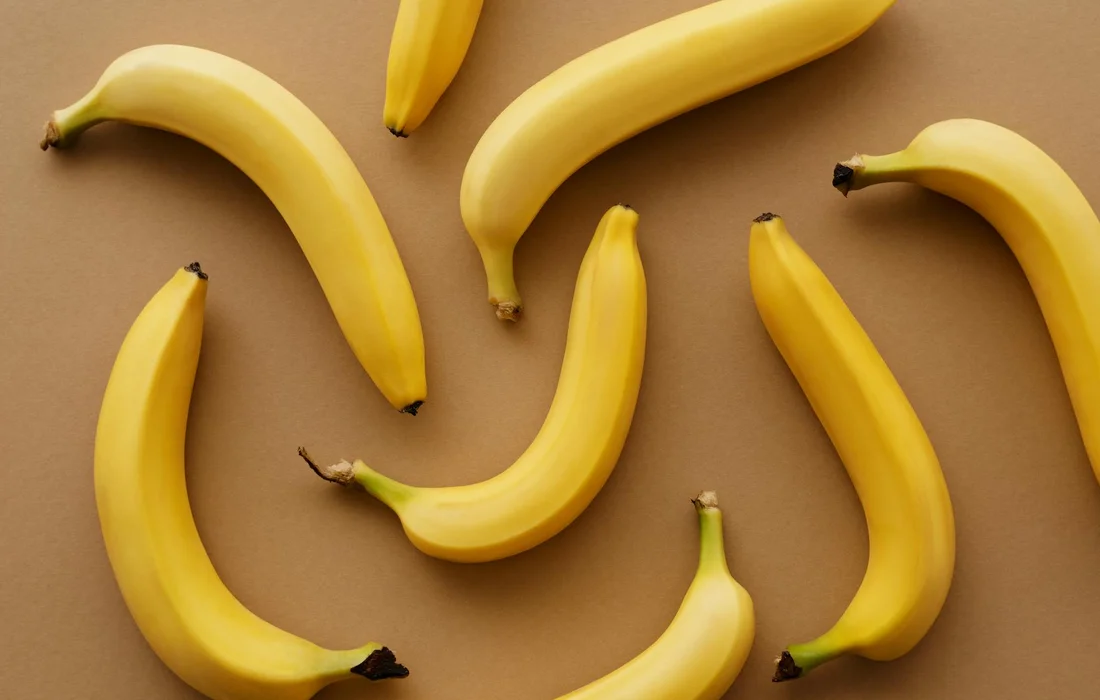
- Bananas: A potassium powerhouse. Peel them first; the peel is tough and often sprayed with pesticides. They go crazy for the mushy inside.
- Pumpkin & Squash: Technically a fruit! Seeds and all are not only safe but a natural dewormer. I crack open our autumn jack-o’-lanterns after Halloween and let the flock have a field day.
- Tomatoes: Yes, they’re a fruit! Ripe, red tomatoes are a fantastic source of lycopene. Never give them the leaves, stems, or vines from the plant, as they are part of the nightshade family and toxic.
Melons and Citrus: Refreshing but Require Care
This category is all about timing and portion control. They can be fantastic, but you’ve got to be mindful.
- All Melons: Watermelon, cantaloupe, honeydew-these are stellar summer hydrators. They love the flesh and the seeds. The rind is safe and provides great entertainment, but chop it into manageable pieces to prevent any greedy gulping.
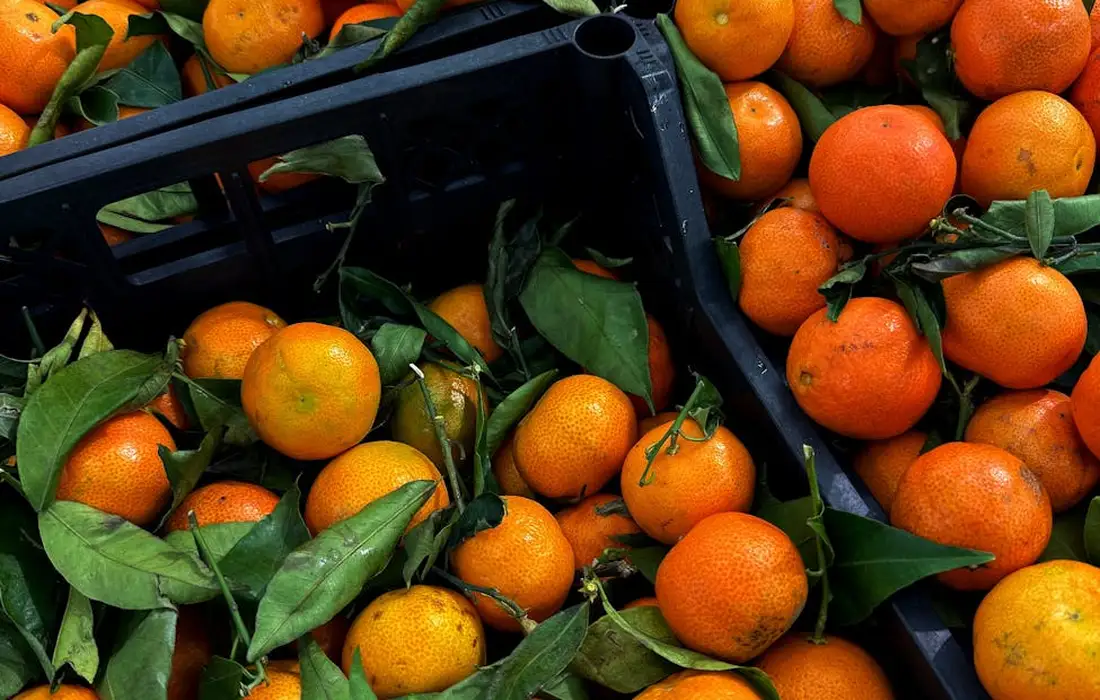
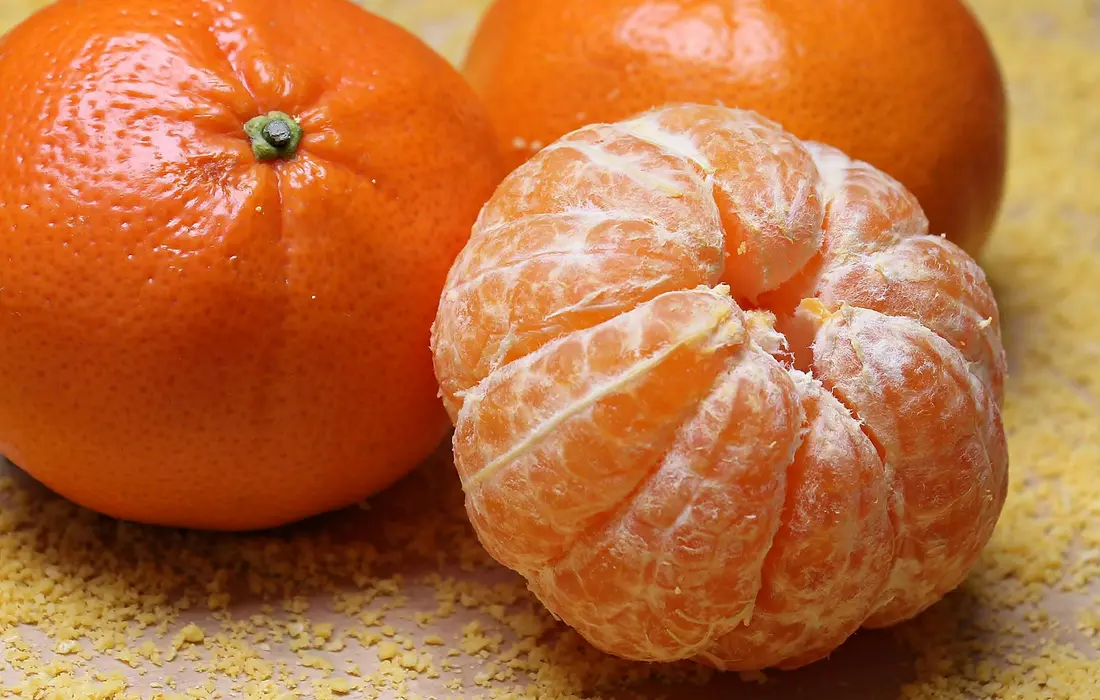
- Citrus (Oranges, Grapefruit, etc.): Here’s where many folks get cautious, and for good reason. The strong acidity and essential oils can potentially irritate a hen’s digestive system or put them off their regular feed. I offer citrus very sparingly, only as an occasional tiny segment, and I never give the peel. Watch your flock; if they turn their beaks up at it, don’t force the issue.
The Danger List: Fruits to Keep Far From the Run
Now, let’s sit a spell and talk about the side of the orchard we need to fence off. Sharing our bounty is a joy, but good stewardship means knowing what’s harmful. I’ve seen a curious hen get into something she shouldn’t, and it’s a frightful feeling. A simple rule has served me well for decades: if you don’t know it’s safe for certain, that fruit stays on your side of the fence.
Avocado: The Forbidden Fruit
I reckon this one surprises some folks. That creamy green flesh we love in our sandwiches? It’s a hard no for your flock. Every part of the avocado plant-skin, flesh, pit, and leaves-contains a toxin called persin. While the flesh has less concentration, it’s simply not worth the risk. Avocado can be dangerous for chickens, so it’s best to keep them away from it.
I remember a neighbor’s guinea fowl getting into some fallen avocado leaves years back. The birds became terribly lethargic and their hearts struggled. We lost two. It was a harsh lesson. Persin acts as a cardiac toxin in birds, and its effects can be swift and severe, leading to respiratory distress and heart failure.
Your best bet is to enjoy your avocados well away from the coop and compost those scraps securely where no curious beak can find them.
Pits, Stones, and Toxic Seeds
This is where fruit preparation becomes as important as selection. The juicy flesh of many common fruits is perfectly fine, but the hard center hides a danger. Apple seeds, and the pits of cherries, peaches, plums, apricots, and pears all contain compounds that can release cyanide when digested.
A seed or two accidentally swallowed likely won’t cause issue, but a bucket of crushed pits or a greedy hen finding a rotten, pitted windfall fruit could lead to trouble. Symptoms of cyanide poisoning include weakness, staggering, and difficult breathing.
Your safe practice list is simple:
- Core apples and pears, removing all seeds.
- Slice stone fruits like peaches and plums off the pit completely.
- Never toss a whole, unpitted fruit into the run for them to peck at.
- Compost pits and seeds deeply in a secured bin, not in an open pile.
Taking those extra minutes to remove pits and seeds transforms a risky treat into a safe, vitamin-rich snack your birds will cluck for. It’s a small habit that safeguards their health.
How to Serve Fruits: Practical Tips for Preparation and Portion
Now, let’s get to the fun part: putting this goodness in front of your flock. How you serve fruit is just as important as what you serve. A little forethought in the kitchen keeps your birds safe and turns a simple treat into a stimulating activity.
Preparation: A Little Work Goes a Long Way
I reckon preparation is the key to safety and avoiding waste. My rule in the barnyard is simple: if I wouldn’t eat it myself in the form I’m offering, I shouldn’t give it to the chickens. A bit of prep makes all the difference—especially when preventing feed spoilage and waste.
- Wash Thoroughly: Always rinse fresh fruit under cool water. You’re aiming to remove dirt, potential pesticide residue, and any unseen contaminants. I use a splash of plain white vinegar in a sink of water for a good soak before a final rinse.
- Size Matters: Chop larger fruits into manageable chunks. A whole apple or a tough wedge of pumpkin can be intimidating. Bite-sized pieces, about the size of a grape, prevent bullying and ensure everyone gets a taste. Foraging is more peaceful when the prize isn’t one giant item a single hen can run off with.
- Pits & Large Seeds: Always remove pits from peaches, plums, cherries, and apricots. They’re a choking hazard and contain concentrated compounds we aim to avoid. Large seeds from apples, pears, and watermelons should be scooped out when practical, but the odd seed swallowed from a fleshy piece isn’t a crisis.
- To Cook or Not to Cook: Most fruits are perfect raw. Cooking can be a wonderful way to soften very hard fruits, like a tough-skinned pumpkin, or to use up slightly past-prime fruit from your kitchen. Just cook without added sugars, salts, or fats. Let it cool completely before serving.
Portion Control: Treats, Not Meals
This is where many well-meaning folks go astray. Fruits are a supplement, a dessert, not the main course. Too much of a good thing leads to digestive upset and nutritional imbalance.
- The 10% Rule: All treats, including fruits, should not make up more than 10% of your flock’s daily intake. The other 90% must be their complete layer feed or grower ration.
- Frequency is Key: I offer fruit treats 2-3 times a week at most, and never two days in a row. This keeps their diet varied and their digestion regular.
- Observe Your Flock: After introducing a new fruit, watch their droppings. Loose stools mean you offered too much or their systems are sensitive. Cut back next time.
Creative Serving Ideas for a Happy Flock
Don’t just toss chunks in a bowl. Turn treat time into enrichment! A bored chicken is a naughty chicken, but a busy chicken is a happy one.
- The Classic String-Up: Take a half watermelon or a whole cabbage (I know it’s not a fruit, but the method works!), drill a hole through the core, and hang it with baling twine from the run roof. Watch them jump and peck! This encourages natural behavior and provides fantastic exercise.
- Frozen Summer Blocks: In the peak of summer, I blend berries, melon, and chopped greens with water, pour it into an ice cube tray or muffin tin, and freeze. These frozen blocks are a brilliant, cooling snack they’ll peck at for hours.
- The Scatter Feed: Instead of a pile, take a handful of blueberry or chopped grape pieces and scatter them widely in their run or in clean bedding. This mimics natural foraging, keeps lower-ranking birds in the game, and reduces squabbles.
- Stuff It! A hollowed-out pumpkin or melon rind makes a perfect edible “bowl.” Fill it with their fruit pieces, some scratch grains, and a handful of their regular feed. They’ll work for every morsel.
Remember, the goal is a healthy, engaged flock. A little fruit, prepared with care and offered with wisdom, brings a wonderful burst of joy and nutrition to your barnyard routine. Seeing your hens scratch and peck with purpose is one of the simple, deep satisfactions of stewardship. Just last week, I hung a cantaloupe rind, and the spectacle of my Orpingtons figuring it out was better than any television show.
The Hidden Benefits: What Fruits Really Do for Your Flock
Now, handing your hens a wedge of watermelon might just feel like a kind thing to do on a hot day. But friends, there’s a whole symphony of good happening that you don’t see. Offering fruits isn’t merely a treat; it’s a form of husbandry that supports their health from the inside out and their happiness from the dust bath up. If you’re curious how chickens and ducks handle rind and seeds, a simple feeding guide can help you do it safely. It covers what parts are safe, how much to offer, and what signs to watch for.
A Sip Without the Lip
We often forget that our feathered ladies need to stay hydrated just as much as they need grain. On scorching August afternoons, I’ve watched my flock turn their noses up at warm water. But a tub of chilled watermelon or sliced cucumbers? They’ll mob it. Fruits with high water content are a brilliant, sneaky way to boost hydration, especially for molting hens or those recovering from illness, when every nutrient counts double.
More Than a Sweet Treat
Past that wonderful moisture, you’re delivering a payload of vitamins and compounds store-bought feed just can’t replicate fresh. Think of fruits as your flock’s daily multivitamin, straight from the vine.
- Antioxidant Power: Dark berries like blueberries and blackberries are little armored cars of antioxidants. They help a hen’s body combat the natural stress of laying and living outdoors.
- Digestive Harmony: Apples (minus the seeds!) and the flesh of pumpkins offer pectin and fiber. This keeps their unique digestive system, with that gizzard grinder, moving along smoothly.
- Vitamin Boost: Citrus like orange segments provide a punch of Vitamin C, which aids immune function. Melons are rich in Vitamin A, crucial for good vision and healthy mucous membranes in their respiratory tract.
The Flock Dynamic You Didn’t Expect
Here’s a benefit I learned by watching from the porch rocker. Tossing a whole pumpkin or hanging a cabbage for them to peck isn’t just about food. It’s environmental enrichment that cuts down on boredom behaviors like feather picking or egg eating. It gives the lower girls in the pecking order a fighting chance at a goodie, promoting a calmer coop. A shared fruit pile gets them foraging together, just like their wild ancestors did.
A Note on Balance
With all this goodness, it’s easy to go overboard. I reckon fruits should never make up more than 10% of their daily intake. Their mainstay must always be a complete layer feed, balanced to around 16-18% protein, to keep those eggshells strong and their energy steady. Think of fruit as the delightful side salad, not the main course. Too much sugar, even the natural kind, can lead to sour crops or pudgy, less productive hens.
Seasonal Smarts: Making the Most of Your Orchard and Garden
Y’all, working with the seasons is the heart of good husbandry and smart thrift. Syncing your chickens’ treats with nature’s calendar provides cheap nutrition, cuts down on waste, and keeps your flock engaged with their environment. I’ve kept hens for forty years, and I plan my garden plantings with their snack time in mind.
Spring’s Tender Beginnings
Early fruits are delicate, and so should be their introduction. I start with mashed strawberries and mulberries, which are gentle on crops and packed with vitamins after a long winter. Just last week, I scattered a bowl of crushed strawberries for my girls; their delighted clucking is a sure sign of spring. Always remove the green tops from strawberries, as they can cause digestive upset.
- Prime Picks: Strawberries (fruit only), mulberries, serviceberries.
- Portion Control: Offer no more than a tablespoon of soft fruit per bird, twice weekly. This prevents watery droppings from too much sugar.
- Garden Tip: Let your chickens forage in the berry patch after the main harvest-they’ll clean up pests and dropped fruit with gusto.
High Summer’s Glut Strategy
When trees are heavy and the ground is littered, you must act fast. This abundance is a blessing for the feed bill, but requires vigilant management to prevent spoiled, hazardous treats. I collect windfall peaches and plums every morning before the flies settle. After pitting, I chop the fruit and spread it thin in the run so every bird gets a fair share.
- Prioritize fallen stone fruits first, as they ferment quickly in the heat. Remove all pits, which contain cyanogenic compounds.
- Sun-dry surplus grapes or cherry halves on a screen for later use. It concentrates the sugars, so feed sparingly as a winter accent.
- Utilize melon rinds thoroughly. Chickens adore pecking at the leftover white flesh of watermelons and cantaloupes, which is mostly water and fiber.
Autumn’s Bounty and Preservation
Fall is for harvesting and storing, both for your pantry and your flock. Apples, pears, and late berries are fantastic, but always core and seed them to be safe. I use a hand-crank apple peeler-corer-slicer on seconds from the orchard; the spirals are a chicken playground. The seeds from apples and pears contain amygdalin, which can release cyanide when digested.
| Fall Fruit | Safe Parts | Preparation & Serving Idea |
|---|---|---|
| Apples & Pears | Flesh only | Core, slice, or hang whole cored fruit from a string for enrichment. |
| Pumpkins & Squash | Flesh, seeds, pulp | Split open; the seeds act as a natural dewormer. A 10-pound pumpkin can serve a flock of 12 for two days. |
| Persimmons | Very ripe fruit only | Feed only when mushy-ripe. Unripe fruit is high in tannins and can cause impaction. |
| Figs | Whole ripe fruit | Chop in half. High in fiber, limit to a few pieces per bird weekly. |
Winter’s Sparse Offerings
The pickings are slim, but a prepared homesteader has options. Rely on your stored, dried, or frozen summer fruits to add spark to their diet during the molting season when protein needs are high. I mix a cup of dried apple chips into a 50-pound bag of their layer feed (a 2% treat ratio) for a weekly boost. Citrus like oranges or grapefruit is not toxic, but I avoid it-the acidity can interfere with calcium absorption, crucial for strong eggshells. My flock has always ignored citrus halves, anyway.
Stewardship in the barren months means creativity. I save pumpkin seeds from fall, dry them, and offer a scant handful per bird as a protein-rich weekly treat-they’re near 20% protein. It’s a small gesture that honors the cycle of our garden and keeps the chickens content until spring returns.
Closing Tips for a Thriving Flock
What are the absolute best, all-around fruits to start with?
Berries like blueberries and strawberries, along with melon chunks and peeled bananas, are fantastic starter fruits. They are typically low-risk, highly palatable, and easy for chickens to eat with minimal preparation needed beyond a quick rinse. While chickens can enjoy the flesh of bananas, it’s important to avoid feeding them the peels.
How do I safely introduce a new fruit to my chickens?
Introduce any new fruit in a very small quantity to one or two birds first. Observe them for 24 hours for any signs of digestive upset, like loose droppings, before offering it to the entire flock.
Can I give my chickens too much of a “good” fruit?
Yes, absolutely. Even safe fruits should only be a treat, making up no more than 10% of their daily diet. Overfeeding fruit can lead to nutritional imbalances, obesity, and digestive issues like sour crop.
Are dried or dehydrated fruits safe for chickens?
In very small amounts, yes, but use extreme caution. Dried fruits are concentrated in sugar and can be a choking hazard. Always chop them into tiny pieces and offer them sparingly as an occasional accent, not a regular treat.
Is citrus fruit truly bad for my flock?
Citrus is not toxic, but it is problematic. The acidity and oils can cause digestive irritation and may discourage hens from eating their essential layer feed. It is best avoided or offered only in minuscule, infrequent amounts, especially citrus fruits like oranges and grapefruit.
Besides vitamins, what’s the biggest benefit of giving fruits?
The biggest non-nutritional benefit is behavioral enrichment. Fruits presented creatively (like hung or scattered) stimulate natural foraging behaviors, reduce boredom, and promote flock harmony by giving all birds a chance to participate.
Shutting the Gate
When all’s said and done, the golden rule at our place is simple: Fruits are a wonderful treat, but they’re the sprinkles on top of a balanced diet of good layer feed, grit, and clean water. Your flock’s health hinges on that foundation. A handful of berries or melon rind is a joy for them, but the bulk of their nutrition comes from their regular, complete feed—just like with cattle treats such as berries that are enjoyed in moderation.
I’ve enjoyed chatting with y’all about this. There’s a special kind of peace that comes from watching your chickens scratch in the dirt and cluck happily over a shared snack. It’s one of those small, good moments that makes all the work worthwhile. So go on, share a safe bite from your own harvest, and enjoy the simple contentment of a happy, healthy flock. From my coop to yours, happy homesteading.
Further Reading & Sources
- Best fruits and vegetables to grow for your chickens
- What Fruits Can Chickens Eat?
- Feeding Chickens fruit | BackYard Chickens – Learn How to Raise Chickens
Caroline Mae Turner is a lifelong farm girl raised on red clay, early mornings, and the sounds of a bustling barnyard. With hands-on experience caring for everything from stubborn goats to gentle dairy cows and mischievous pigs, Caroline shares practical, tried-and-true advice straight from the farm. Her goal is to help folks keep their animals healthy, well-fed, and living their best barnyard life. Whether you're wrangling chickens or bottle-feeding a baby goat, Caroline brings a warm Southern touch and plenty of real-world know-how to every bucket in the barn.
Feed Recommendations