
How to Safely Feed Your Ducks Rice, Eggs, Potatoes, and Popcorn
Published on: February 1, 2026 | Last Updated: February 1, 2026
Written By: Caroline Mae Turner
Howdy y’all. Yes, you can feed your ducks rice, eggs, potatoes, and popcorn, but the key is in the preparation-cook it plain, chop it fine, and serve it sparingly to keep your flock healthy and happy. I’ve watched many a homesteader pause at the coop door with a bowl of kitchen leftovers, unsure if it’s a treat or a trouble.
What you’ll need:
- Plain cooked white rice (no salt, butter, or seasoning)
- Hard-boiled eggs, cooled and peeled
- Cooked potatoes, mashed or diced, without any green skins or additives
- Plain air-popped popcorn, with all unpopped kernels removed
- A sharp knife for dicing eggs and potatoes
- A large mixing bowl for combining feeds
Stick with me, and we’ll turn that uncertainty into a simple routine so you can get back to the rest of your homestead chores.
A Duck’s Natural Diet and Why It Matters
I’ve watched our Pekins and Khaki Campbells patrol the pond edges since I was knee-high to a grasshopper, and their natural buffet is a mighty specific thing. In the wild, a duck’s day is spent dabbling for aquatic insects, nibbling tender grasses, scooping up small snails, and sifting for seeds. This variety provides a balanced mix of proteins, greens, and grains that keeps them thriving, not just surviving.
Their protein intake from bugs and larvae often hovers around 16-20%, which is crucial for egg production and healthy molts. When we offer kitchen scraps or uncommon foods, we’re supplementing this core diet, not replacing it. Forgetting that is how you end up with lackluster layers or ducks prone to illness.
Think of it like this: a duck foraging in a pond is working for its supper, which regulates how much it eats. Hand-feeding piles of rice or bread throws that natural balance clean out of whack. I reckon if you understand what their bodies are designed to eat, you’ll make smarter choices at the back door with that bowl of leftovers.
Feeding Ducks by Your Pond: Core Safety Guidelines
Feeding ducks by your pond is a right pleasant pastime, but it comes with a steward’s responsibility. That water is their drinking source, bath, and dinner table all in one. Anything you introduce to the bank can quickly end up affecting the water quality for every creature calling it home.
Here’s my hard-learned checklist for keeping things safe and sound:
- Feed in Shallow Water or on Dry Land: Toss treats where the water is just an inch or two deep. This keeps heavy items like potato chunks from sinking and rotting in the deep mud, which I’ve seen lead to foul odors and algae blooms.
- Scatter, Don’t Pile: Spread food out to encourage natural foraging behavior and prevent bullying. A concentrated pile can attract rodents or become a messy, trampled spot.
- The Five-Minute Rule: Only offer what the flock can clean up in about five minutes. Any more than that is likely to get soggy, ignored, and become a problem.
- Absolute No-Nos at the Pondside: Never feed moldy food, salty snacks, or anything with sharp edges. Always avoid processed human foods like chips or sweets; they offer no nutrition and can harm water quality.
A clean pond starts with what you do-or don’t-throw into it, and your ducks will reward you with brighter feathers and busier dabbling.
The Golden Rule of Moderation and Observation
Even with safe foods, the old saying “too much of a good thing” rings true. A handful of cooked rice or a bit of scrambled egg is a fine treat; a bucketful is a recipe for trouble. Treats should never make up more than 10% of your duck’s total daily intake to keep their main diet on track. It’s essential to provide them with a balanced diet that includes the proper foods ducks can eat and those they can’t.
Observation is your most valuable tool. After introducing something new like a few pieces of plain popcorn or boiled potato, watch your flock for a full day. Your eyes will tell you more than any book can.
Here’s what to look for:
- Dropping Consistency: Loose or unusually colored droppings can signal a digestive upset.
- Foraging Behavior: Are they still eager for their regular feed, or have they lost interest?
- Social Dynamics: Is the new food causing aggression or crowding?
- Water Appeal: Do they still take to the water readily, or are they lethargic on the bank?
I keep a little notebook by the back door to jot down what I fed and how the birds reacted; it’s saved me from repeating a mistake more than once. If you see any sign of distress, scrap that treat and stick to their reliable feed and forage. Their health is always worth that extra bit of attention.
Feeding Ducks Cooked Rice: The Whole Truth
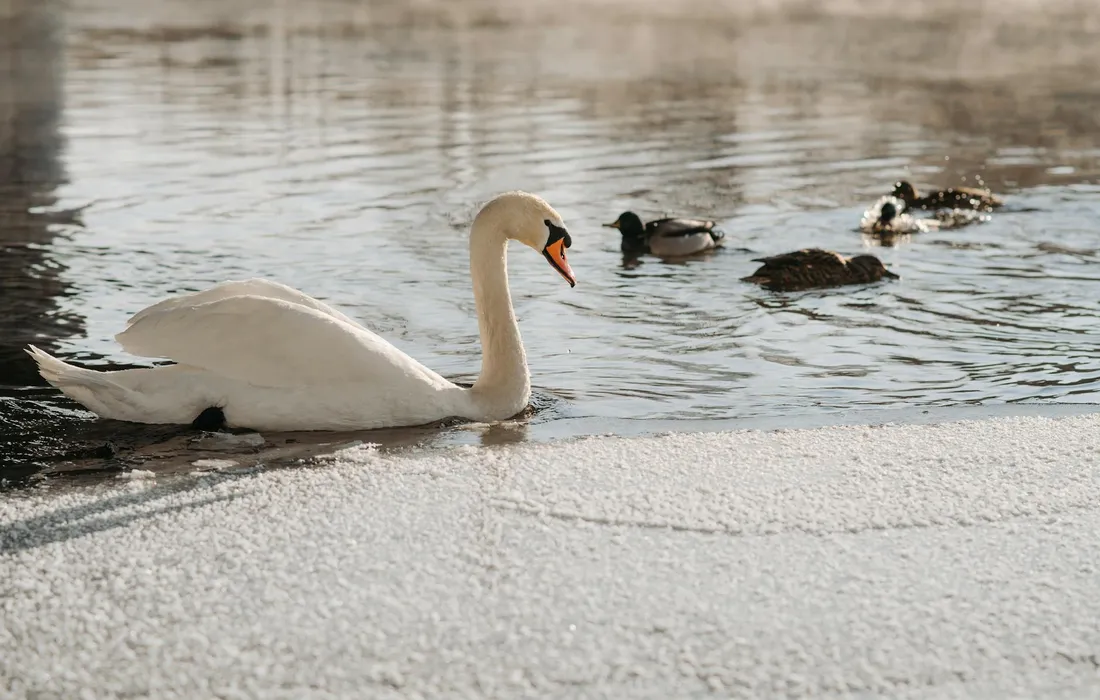
Now, let’s settle a barnyard tale as old as the hills. You’ve likely heard the warning: don’t feed rice to ducks or it’ll swell up in their crops and cause a mighty problem. Friends, I’m here to tell you that’s a well-meaning bit of folklore. The plain truth is that cooked, plain rice is a perfectly safe and enjoyable treat for your flock when offered responsibly. The concern stems from uncooked, dry rice, which can indeed be difficult for them to manage and digest properly. If you’re curious about feeding rice to chickens and ducks, this same approach applies to both. You’ll find more practical tips in the next section.
Once rice is cooked, it softens and expands long before it ever reaches a duck’s bill. I’ve tossed handfuls of cooled, leftover plain rice to my Muscovies for years without a single issue. They gobble it up with great enthusiasm! Think of it as a carbohydrate-rich supplement, not a replacement for their balanced feed. It gives them quick energy, especially on cold mornings, but it lacks the complete nutrition they need for egg production and overall health.
Safer Rice Choices for Your Flock
Not all rice is created equal in the duck yard. Your goal is to provide the most digestible, nutrient-dense option without any hidden dangers. Always, and I mean always, serve it cooked until soft and completely cooled to room temperature. When feeding grains to ducks, it’s important to ensure they are safe and properly prepared.
| Type of Rice | Why It’s a Good Pick | A Note of Caution |
|---|---|---|
| Plain White Rice | Soft, easy to eat, and readily digestible. A simple, energy-boosting filler. | Lowest in nutrients. Use it sparingly as a plain carb treat. |
| Brown Rice | My personal preference. Offers more fiber, vitamins, and minerals than white rice. | Ensure it’s cooked until very tender to aid digestion. |
| Wild Rice Blend | Provides excellent texture and variety. Ducks enjoy the different shapes and chew. | Check blends for seasoning packets or added salts. Use only plain, cooked blends. |
Beyond the type of grain, how you serve it matters just as much for their safety and your peace of mind. A sloppy, wet mess in their run attracts pests and can spoil quickly, turning a good treat into a bad situation. I follow a few simple rules I learned the hard way after one too many encounters with sour, fermented rice piles.
- Cook it plain: No butter, no salt, no seasonings, no soy sauce. A duck’s system isn’t built for our flavorings.
- Cool it completely: Hot food can harm their sensitive bills and crops. Let it sit until it’s just a warm leftover.
- Scatter, don’t pile: Toss it in their grass or shallow water. This encourages natural foraging behavior and prevents bullying at a single pile.
- Feed in moderation: Rice should never fill their bellies. A few handfuls for a small flock is plenty. Their main meal must always be their proper waterfowl feed.
- Clean up leftovers: If they don’t eat it within an hour or so, especially on a hot day, scoop it up to avoid mold and bacteria.
I reckon a bit of cooled, cooked rice on a chilly afternoon is a fine way to show your flock some extra care. It’s a thrifty use of leftovers that adds a little excitement to their daily scratch without hurting your feed budget. Just remember the golden rule of duck treats: everything in its proper place and proportion.
Eggs for Ducks: A Powerful Protein Boost
Now, I reckon feeding eggs to the critters that lay ’em might raise an eyebrow, but on the farm, nothing goes to waste and a duck egg is a powerhouse of nutrition ready to be recycled. With a protein content pushing 13%, a cooked egg is a brilliant supplement, especially for growing ducklings, molting adults, or layers needing a little extra oomph, particularly for baby ducks undergoing brooding and nutritional care.
I’ve seen it time and again in my own flock: a handful of scrambled egg can turn a sluggish, feather-picking duck into a vibrant bird in just a few days. It’s a thrifty trick, perfect for using up those hairline-cracked eggs you wouldn’t sell or an unexpected surplus.
You must always cook eggs before offering them to your ducks. Raw egg whites contain a protein called avidin that can block the absorption of biotin, a vital vitamin, and feeding eggs raw might just give them a taste for their own creations in the nest.
- Molting Magic: Provides the building blocks for strong, new feathers.
- Laying Support: Helps hens replenish what they put into their own eggs.
- Growth Spurt: Gives ducklings a premium start without expensive commercial supplements.
Sustainable stewardship means understanding the cycles on your land, and turning an egg back into nourishment for the bird that made it is a beautiful, closed-loop practice. Just last season, my Khaki Campbells went through a rough molt, and a twice-weekly egg treat had them looking glossy and robust before the first frost.
How to Prepare Eggs for Your Ducks
Preparation is straightforward, but doing it right keeps your ducks healthy and prevents bad habits, like egg eating. Your goal is to make the egg unrecognizable from its original form and completely safe for consumption.
- Cook Them Thoroughly: Hard boiling or scrambling without oil or seasoning is your best bet. I simply scramble mine in a cast iron pan with a splash of water.
- Cool Completely: Let those eggs come down to room temperature. You don’t want to offer anything warm that might encourage rushing or crowding.
- Mash or Crumble: Use a fork to mash boiled eggs or break up scrambled bits. For a flock, I’ll often give the whole batch a rough chop on a cutting board.
- Serve Sparingly: This is a treat or supplement, not a meal. For a standard flock of five ducks, one or two eggs prepared this way, offered once or twice a week, is ample.
I always mix the prepared egg into their regular feed or sprinkle it over a handful of greens to promote foraging behavior. It stretches the treat and ensures every bird gets a fair share without bullying at the dish.
Store any leftover prepared egg in the refrigerator for a day or two, but it’s best made fresh to avoid any spoilage. This simple, cost-effective practice honors the animal’s effort and returns that goodness right back to them, which is what good husbandry is all about.
Potatoes for Ducks: Cooked is Key
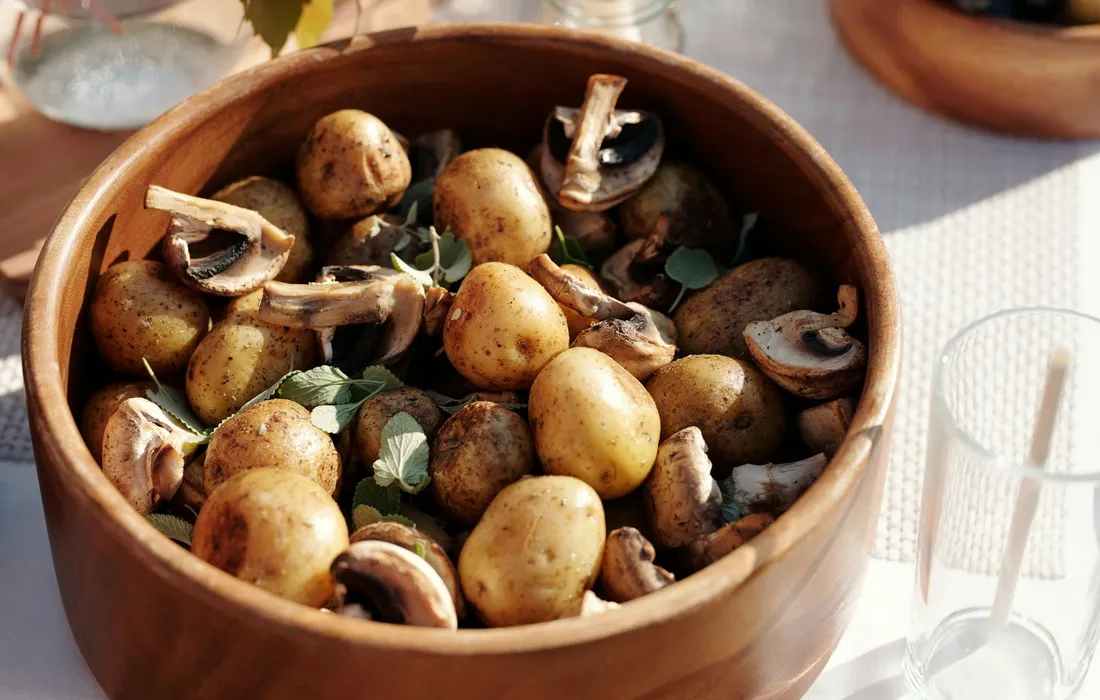
Now, let’s talk about taters. I reckon most homesteads have a sack of potatoes in the root cellar, and it’s mighty tempting to share scraps with the ducks. You must never feed a raw potato to a duck, as it contains solanine, a natural compound that can cause serious digestive distress and even toxicity.
I learned this the hard way decades ago when a curious runner drake got into some peelings. Cooking potatoes thoroughly-whether boiling, baking, or steaming-effectively neutralizes solanine, transforming a hazard into a hearty occasional treat.
Here’s my tried-and-true method from the farm kitchen:
- Cook spuds until they are completely soft, with no firm spots in the center.
- Cool them to room temperature and mash or cube them plainly, without any added salt, butter, or seasonings.
- Serve only a tablespoon or two per duck, no more than once or twice a week, alongside their complete feed.
This practice turns kitchen leftovers into a cost-effective supplement, especially welcome in winter, without unbalancing their core nutrition.
Spotting Signs of Digestive Trouble
Even when we’re careful, ducks are opportunistic eaters and sometimes get into things they shouldn’t. Swift recognition of digestive issues is a critical skill for any homesteader, allowing for early intervention. Knowing what to feed them regularly and what to avoid helps prevent problems.
Watch your flock closely after offering any new food. Here are the clear warnings my family has always looked for:
- Unusual Lethargy: A bird that separates itself, sits hunched, or lacks interest in bathing or foraging.
- Abnormal Droppings: Look for persistently watery stools, unusual greenish color, or the presence of undigested food.
- Crop Discomfort: A firm, swollen crop that remains full for hours, or the duck repeatedly stretching and shaking its head.
- Loss of Appetite: Ignoring both treats and their standard ration for more than a feeding cycle.
At the first sign of trouble, remove the suspect food immediately and ensure constant access to clean drinking water, which is often the best first remedy.
For a sour crop, I’ve had success with offering a dab of plain pumpkin puree. Consistent observation and a “go slow” approach with treats are the bedrock of keeping your flock’s digestion running smoothly.
Popcorn for Ducks: A Rare Treat
Now, let’s talk about popcorn. I reckon this one raises more eyebrows than a surprised rooster. You might have seen folks at the park tossing popcorn to ducks, but on the homestead, we do things a mite differently. Plain, air-popped popcorn, with absolutely nothing on it, can be a fun, sporadic snack. Think of it like a Saturday night movie for your flock-a special occasion, not the main feature. Its primary value is enrichment and a bit of quick energy, not any real nutritional heft for a growing duck.
The main concern, from my years of watching these goofy birds, isn’t the popped piece itself, but what comes with it. Microwave popcorn bags are lined with chemicals you don’t want near your pond. Butter, salt, and artificial flavors are a hard no-they’re brutal on a duck’s kidneys and can lead to serious health issues. An unpopped kernel is a major choking hazard and can crack a beak or cause mouth injuries. You must be more vigilant than a fox near the henhouse when serving this treat.
The Right Way to Serve Popcorn
If you’re set on sharing a few puffs, here’s the only method I’ve found safe and sensible. It’s a simple three-step rule I follow in my own barnyard.
- Pop It Plain: Use an air popper. No oil, no salt, no butter. Just plain old corn popped by hot air.
- Cool It Completely: Let those puffs cool right down to room temperature. A warm, starchy piece can be awkward for them to swallow.
- Break It Up and Check It Twice: Crumble the larger pieces into smaller bits and sift through them with your fingers. You’re looking for any hard, unpopped, or partially-popped kernels. Toss those out immediately-they’re not worth the risk.
Scatter the crumbled, cool, plain popcorn on the ground where they can forage for it, or float a very small amount in their water. This treat should never make up more than a tiny sprinkle in their weekly diet, and I don’t offer it more than once a month, if that. Watch them afterward; if you see any change in their droppings or behavior, skip it altogether. There are simply too many other wholesome treats, like peas or chopped herbs, that offer real benefit without the fuss.
Building a Balanced Diet Beyond the Treat Bucket

Now, I reckon we’ve all stood at the fence with a bowl of kitchen scraps, watching our ducks waddle up with hopeful eyes. It’s a pure joy to treat them. But here’s the honest truth from many a season at the pond: those treats are just the seasoning on the main course. Your ducks’ health and egg production hinge on a foundation of proper feed, with treats like rice or eggs playing a supporting, not starring, role.
The Rule of Thumb My Granny Swore By
In our operation, we live by a simple guideline that’s never steered us wrong. Treats and scraps should never make up more than 10% of your flock’s total daily intake. The other 90%? That needs to be a quality commercial waterfowl feed or a carefully formulated homestead mix. This ensures your birds get the precise balance of niacin, protein, vitamins, and minerals that their busy bodies demand, which your leftover mashed potatoes simply cannot provide.
How to Feed the Uncommon Offerings
Let’s talk about turning those curiosity foods into safe, occasional supplements. Think of this as your barnyard recipe box.
Rice: Cooked & Plain
I’ve fed many a scoop of leftover rice on a cold morning. Always serve it cooked-uncooked rice can swell in the crop. Brown or white, it doesn’t matter much, but keep it plain. When it comes to feeding grains to ducks, rice is not one of the primary options but can be used sparingly.
Eggs: The Ultimate Protein Recycler
This is one of my favorite tricks for zero-waste homesteading. We scramble or hard-boil any cracked or odd-shelled eggs we get.
Feeding eggs back to your ducks is a brilliant, nutrient-dense boost, especially for molting birds or busy laying hens-it’s about 13% pure, bioavailable protein.
For duck keepers, a quick guide on ducks eating eggshells for calcium supplementation can be a natural next step. It helps turn eggshells into steady calcium for the flock.
- Critical Step: Always cook the eggs thoroughly. This prevents the birds from recognizing and developing a taste for their own raw eggs in the nest.
- How We Serve: Chopped fine or mashed with the shell on for a fantastic calcium boost. A few tablespoons for the whole flock is plenty.
Potatoes: Only After the Fire
Raw potatoes are a hard no-they contain solanine, which can be harmful. But cooked, plain potato skins or unsalted mashed spuds? That’s a different story.
- Preparation is Key: Bake, boil, or steam them. No butter, no salt, no sour cream.
- Think “Filler”: Potatoes are starchy and filling. I use tiny amounts of cooked potato as a carrier for their pellets or a sprinkle of nutritional yeast on damp days, not as a food itself.
Popcorn: Not a Movie Snack
If you’re going to share, it must be air-popped and completely free of salt, butter, oil, and flavorings. The hard hulls can be tricky.
- For Safety: Let it get slightly stale so it’s less sharp, or give it a light mist of water to soften.
- Reality Check: It’s practically all fiber and air. A few plain kernels per duck as a curiosity is fine, but it offers little nutritional return for the effort.
The Pasture & Pond Perspective
Beyond the feed bucket, the most valuable “uncommon food” you can offer is a diverse pasture and clean pond. The bugs, grasses, aquatic plants, and larvae they harvest themselves provide nutrients and enrichment no treat bucket can ever match. A handful of rice tossed in their swim area encourages dabbling, which is good for their soul and their digestion. My advice is to always pair your treat-giving with an activity that mimics their natural behavior. It turns a simple snack into a wholesome part of their day.
Closing Tips for Responsible Feeding
What are the potential health risks of feeding ducks rice?
The primary risk is not from the rice itself but from improper preparation or overfeeding. Feeding uncooked dry rice can be difficult to digest and may lead to crop impaction. Additionally, rice cooked with salt, butter, or seasonings can cause dehydration, kidney stress, and nutritional imbalances.
How should eggs be prepared before feeding them to ducks?
Eggs must always be cooked thoroughly, either hard-boiled or scrambled without oil or seasoning. After cooking, cool them completely and then mash or chop them finely to prevent the ducks from recognizing them and developing a taste for their own eggs in the nest.
Can ducks safely eat raw potatoes?
No, ducks should never eat raw potatoes. Raw potatoes and their green-tinged skins contain solanine, a natural toxin that can cause digestive upset, weakness, and other symptoms of poisoning in ducks and other animals. This is part of the broader rule that ducks should not eat toxic or unsafe foods. Being aware of harmful foods helps protect ducks from poisoning.
Is popcorn a healthy snack for ducks?
Plain, air-popped popcorn is not “healthy” but can be an occasional, safe enrichment treat. It offers little nutritional value, being mostly fiber and air. The significant health risks come from butter, salt, flavorings, and the serious choking hazard posed by hard, unpopped kernels.
What are the nutritional benefits of feeding ducks cooked eggs?
Cooked eggs are an excellent source of bioavailable protein (about 13%), crucial for supporting feather regeneration during molts and aiding egg production in laying hens. They also provide essential amino acids and can be crushed with the shell to add a calcium boost.
How often can ducks be fed these uncommon foods as part of their diet?
These items should be considered treats or supplements, not dietary staples. Collectively, all treats should not exceed 10% of a duck’s total daily food intake. Offer items like cooked rice, egg, or potato only once or twice a week, and popcorn even less frequently, to maintain a balanced diet. For a complete view on balancing a duck’s diet with healthy treats, see the do pet ducks eat complete diet healthy treat guide.
Shutting the Gate
When it comes to sharing your table scraps with your web-footed crew, the golden rule is variety and moderation. An adventurous snack should never replace the steady foundation of a balanced commercial feed, clean grit, and plentiful fresh water. Think of rice, eggs, potatoes, and popcorn as the occasional pleasant surprise, not the main event. Your ducks will thrive on predictability sprinkled with a little delight.
I reckon I’ll head on back to the pasture now. There’s a bench by the pond that’s calling my name, a perfect spot to watch a happy flock dabble in the evening light. Thank y’all for moseying along with me through this topic. May your feed buckets be light and your ducks always come when you call. Take care of your land and your critters, and they’ll surely take care of you.
Further Reading & Sources
- Do’s and Don’ts of Duck Feeding – Maine Audubon
- What Do Ducks Eat? | Canal Wildlife | Canal & River Trust
- The DOs and DON’Ts of Feeding Ducks | Frisco Public Library
Caroline Mae Turner is a lifelong farm girl raised on red clay, early mornings, and the sounds of a bustling barnyard. With hands-on experience caring for everything from stubborn goats to gentle dairy cows and mischievous pigs, Caroline shares practical, tried-and-true advice straight from the farm. Her goal is to help folks keep their animals healthy, well-fed, and living their best barnyard life. Whether you're wrangling chickens or bottle-feeding a baby goat, Caroline brings a warm Southern touch and plenty of real-world know-how to every bucket in the barn.
Feed Recommendations