Safe Foods for Ducks and Geese: Your Go-To Guide for Healthy Flocks
Published on: April 2, 2026 | Last Updated: April 2, 2026
Written By: Caroline Mae Turner
Howdy y’all, and welcome back to the barn. If you’re tired of second-guessing every kitchen scrap you toss to your waterfowl, I’ve wrestled with that same worry over many a feeding bucket. The straight answer is that a proper duck or goose diet rests on three pillars: a quality commercial feed for base nutrition, ample clean water for digestion, and safe greens or grains for variety.
What you’ll need:
- A main feed: waterfowl-specific pellets or a non-medicated poultry starter (aim for 16-18% protein for ducks, 15-17% for geese)
- A handful of common sense for sorting safe treats from dangerous leftovers
- Just a few minutes each day to monitor their feeding area and health
We’ll have this sorted quicker than a hen pecks at a scratched seed, so you can move on to your next chore with peace of mind.
Start with Nature: What Ducks and Geese Forage For
Watching my flock wander the pasture tells you everything about what they’re meant to eat. Their beaks are designed for dabbling and grazing, a built-in toolkit for a natural diet. If you give your birds room to roam, they’ll show you their perfect menu, plucked straight from the earth and water. I’ve spent many an afternoon observing their habits, and it’s a lesson in sustainable feeding that costs nothing but a little space.
The Forager’s Plate: Greens, Grains, and Protein
Out there, a duck or goose isn’t picking just one thing. They’re after a balanced meal, and they know how to find it, especially when considering their feeding habits and patterns. Their daily forage breaks down into three simple categories.
- Greens: Tender grasses, clover, dandelion greens, and aquatic plants like duckweed or pond algae are their salad bar. Geese, in particular, are superb lawn mowers.
- Grains: They’ll glean spilled oats, wheat, or corn from harvested fields. You’ll see them nibbling on the seeds of various grasses and plants.
- Protein: This is where their dabbling shines. They snap up insects, slugs, worms, tadpoles, and even small snails from the mud and shallow water. This live protein is crucial for strong eggshells and healthy gosling or duckling development.
It’s a mix we should mirror in their supplemental feed. I reckon their natural wisdom beats any store-bought bag if we just pay attention.
Why Grit is Non-Negotiable
Now, here’s a detail I’ve seen new folks overlook, and it leads to trouble. Ducks and geese don’t have teeth. They swallow food whole, and it’s grit-small, hard particles-that does the chewing for them inside their gizzard. Without a steady supply of grit, your birds cannot properly digest their food, no matter how nutritious it is.
On our place, I keep a dedicated dish of insoluble grit (like coarse sand or small granite chips) near their main feeding area. They take what they need, when they need it. For young birds or those primarily on pasture, offer chick-sized grit. For adults eating more grains and pellets, a larger, poultry-sized grit is best. Grit helps grind feed in the gizzard, which is why chickens eat rocks and stones. That little grit dish is doing more than you might think. It’s a tiny investment that guarantees they get every bit of goodness from their feed and forage.
Your Flock’s Safe Food List: The Homestead Pantry
Your kitchen and garden can wonderfully supplement your flock’s diet. It’s thrifty, reduces waste, and adds variety. Just remember, these are treats and supplements, not a replacement for a complete waterfowl feed, which should always be their mainstay.
Leafy Greens and Vegetables: From Romaine to Carrots
Most garden scraps are a hit. I often toss them the outer leaves from our supper prep. Chop larger pieces to prevent choking.
- Top Picks: Romaine, kale, Swiss chard, broccoli leaves, and chopped carrots or carrot tops.
- Good in Moderation: Spinach and beet greens (due to oxalates) and cabbage (can cause gas if fed in huge amounts).
- Always Serve Raw or Lightly Steamed: Cooking leaches nutrients. Avoid any seasonings, butter, or salt. A flake of frozen peas or corn is a summer favorite that helps them cool down, too.
Wholesome Grains and Seeds: Oats, Corn, and More
These are excellent energy sources, especially in colder months. I like to scatter a handful in their bedding to encourage natural foraging behavior.
- Oats: Rolled or quick oats (uncooked) are a safe, palatable choice. Soaked oatmeal can be a warm mash for winter.
- Corn: Cracked corn is a classic, but it’s lower in protein. Use it as a scratch grain, not a main feed.
- Others: Wheat berries, barley, and cooked rice (plain) are all fine. Always offer grains in moderation to avoid nutritional imbalances and weight gain.
Seeds like sunflower seeds (black oil type are best) are a fatty treat for molting birds but should be given sparingly.
Fruits and Berries: Sweet Treats in Moderation
Fruit is like dessert for waterfowl-they love it, but too much sugar isn’t ideal. I save fruit treats for afternoon snacks.
- Safe Bets: Chopped berries, melon chunks (rind and all), apple slices (seeds removed), and banana pieces.
- Serve Sparingly: Grapes (cut in half to prevent choking), stone fruits like peaches (pit removed), and tomatoes (the fruit is fine; avoid green vines).
- A key rule I follow: remove all pits and seeds from fruits like apples, cherries, and peaches, as they can contain trace amounts of cyanide. It’s a small step for safety.
Protein Power: Insects and Other Natural Sources
During breeding season or for young, growing birds, extra protein is a powerhouse. You don’t always need to buy it.
- Live Feed: Ducks will devour mosquito larvae from water tubs. Geese are fantastic at clearing lawn grubs. I never spray for slugs; the flock handles it.
- Homemade Sources: Dried mealworms (soaked for ducklings), chopped hard-boiled eggs (shell and all for calcium), and plain, cooked scrambled eggs are fantastic. A few handfuls of earthworms from the compost pile are like gold for a broody hen with ducklings in tow.
- Store-Bought: A high-protein chick starter (non-medicated) can be used for ducklings and goslings, or you can offer a handful of quality catfish or trout pellets as a protein boost.
The goal is to mimic that natural, foraged protein they’d work for themselves. It keeps them active and nourished.
The Absolute No-No List: Foods That Harm Ducks and Geese
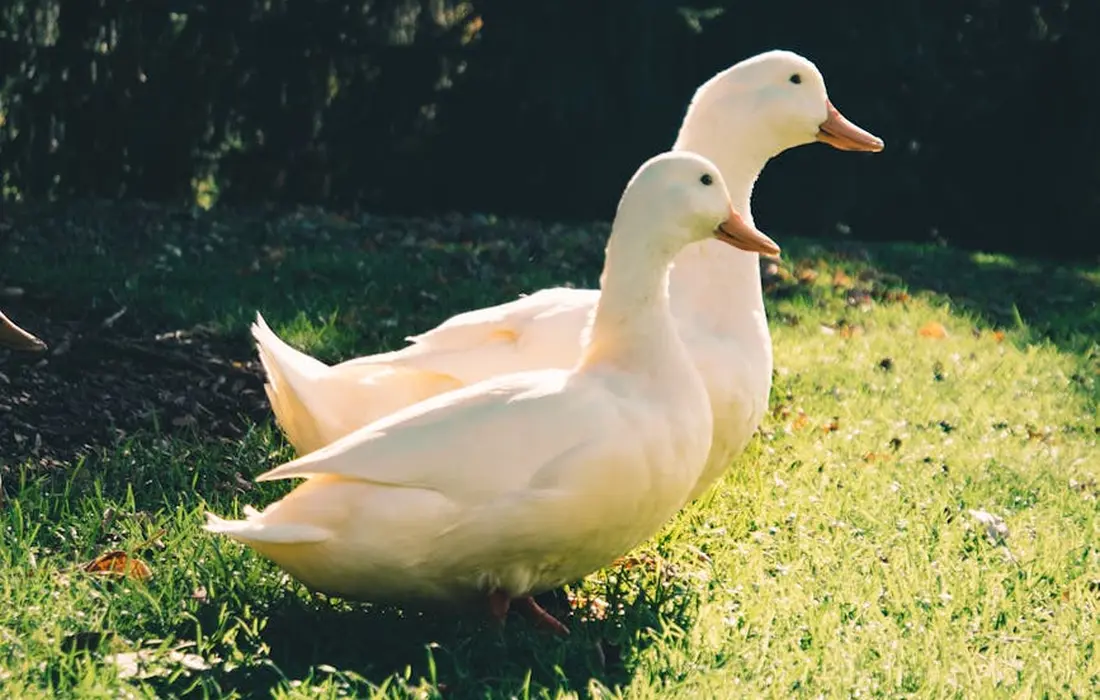
Now, let’s have a frank chat about the foods that have no place in your flock’s diet. I’ve seen well-meaning folks toss scraps without a second thought, and it’s led to more than one hurried call to the vet. Keeping your ducks and geese safe starts with a firm hand on the kitchen scraps you share. Their digestion is different from ours or even chickens, and some common items can cause real harm, from upsetting their delicate systems to causing lasting organ damage. Remember: ducks should not eat toxic or unsafe foods. Knowing which items to avoid helps prevent harm and makes the next discussion on toxic foods for ducks a natural next step.
Common Kitchen Dangers: Onions, Garlic, Chocolate
You might season your supper with these, but for your waterfowl, they’re trouble. Alliums like onions and garlic contain compounds that can break down red blood cells in birds, leading to anemia. I learned this the hard way years ago when a few leftover cooked onion pieces made it to the ducks; we had a sluggish bird on our hands for a couple days until it passed.
Chocolate is a strict forbidden treat, as it contains theobromine, which their bodies cannot metabolize. Even a small amount can lead to racing hearts, seizures, and worse. It’s just not worth the risk.
Here’s a quick list of other common offenders to steer clear of:
- Avocado pits and skins: Contain persin, a toxin that can cause heart damage.
- Dry, uncooked beans: They harbor a natural lectin that’s poisonous to many animals; always cook beans thoroughly if you ever share them.
- Moldy or spoiled food of any kind: Their systems are sensitive to mycotoxins from mold, which can lead to serious respiratory or digestive illness.
- Caffeinated drinks or alcohol: This should be common sense, but I’ve seen it-these have no place on the farm pond.
The Bread Debate: Why It’s More Than Just Empty Calories
Folks love to feed bread to ducks at the park, but on the homestead, we know better. The issue runs deeper than just filling their bellies with junk. Bread swells in their crops, creating a false sense of fullness that stops them from foraging for the nutrient-dense food they truly need (which is harmful to ducks and there are safe alternatives). It’s like letting a child eat candy for dinner-they might quit fussing, but they won’t thrive.
Over time, a bread-heavy diet leads to a condition called “angel wing” in growing birds, where the wing joints deform because of improper nutrition. I’ve had to help rehabilitate geese with this from a neighbor who didn’t know better; it’s a preventable heartache. Beyond that, excess bread in water can foul your pond, promoting algae and bacteria that sicken your flock.
If you’re looking for thrifty, safe treats from the kitchen, skip the loaf and consider these instead:
- Chopped leafy greens (kale, lettuce, spinach)
- Sweet corn kernels (cooked or raw)
- Peas, oats, or chopped watermelon
- Mealworms or chopped hard-boiled eggs for a protein boost
Investing in a balanced waterfowl feed or good pasture is the cornerstone of stewardship, saving you vet bills and ensuring your birds live long, productive lives. Trust me, watching them nab insects from the clover is far better than seeing them beg for stale bread.
Feeding Fundamentals: Portions, Balance, and Daily Routine
You can have the finest, safest feed in the world, but if the timing and portions are off, your birds won’t thrive. Getting the daily routine right is where good husbandry shines.
Building a Balanced Daily Plate
Think of your flock’s diet like a pie chart. The biggest slice, about 90% of what they consume, should be their complete feed and forage. The remaining 10% is for treats and supplements. I stick to this 90/10 rule like gospel to keep my birds in peak condition.
Their main meal is a quality waterfowl or poultry pellet. Ducklings and goslings need a starter crumble with 18-20% protein for those first frantic weeks of growth. After that, a maintenance feed with 14-16% protein does the trick for most of the year. Laying hens and breeding birds benefit from a bump back up to 16-18% protein a few weeks before the season starts.
Now, that other 10% is your fun zone, but it must be purposeful. I use it for three things: nutrient boosts, entertainment, and training. A handful of frozen peas for a hot-day treat, some chopped kale for vitamins, or a sprinkle of mealworms as a reward are all perfect choices. This “treat time” is a fantastic opportunity to observe each bird’s health and behavior up close, something you miss if you just toss feed from a distance.
How Much is Too Much? Serving Sizes for Your Flock
Geese are primarily grazers, while ducks are dabblers and foragers. This difference dictates how you serve their base feed. My geese get a measured portion of pellets in the morning to supplement their pasture, and I watch to ensure they clean it up within 15-20 minutes. That’s why a consistent geese feeding schedule and careful portion control matter. Feeding small, measured amounts at set times helps prevent waste and keeps them on track. If there’s leftover feed, I reduce the amount tomorrow. Ducks, on the other hand, do well with free-choice feeding of their pellets, especially if they have plenty of space to roam and hunt bugs.
A good starting point is about a half-cup of pellets per duck per day, adjusting for their activity level and available forage. For geese on good pasture, a quarter-cup each morning might suffice. The best gauge is their body condition; you should feel a plump breast muscle but not see a bulging, sagging belly or a pronounced keel bone. An overweight bird struggles to reproduce and preen properly.
Always serve feed in a way that minimizes waste and mess. I use wide, shallow pans that are hard to tip over. Never put pellets in their swimming water-it turns into a soupy, bacterial mess faster than you can say “clean-up.” A consistent daily schedule, with feed offered at the same times, reduces flock anxiety and bullying. They learn the routine, and a calm bird is a healthy, productive bird.
Decoding Specific Foods: From Lettuce to Birdseed
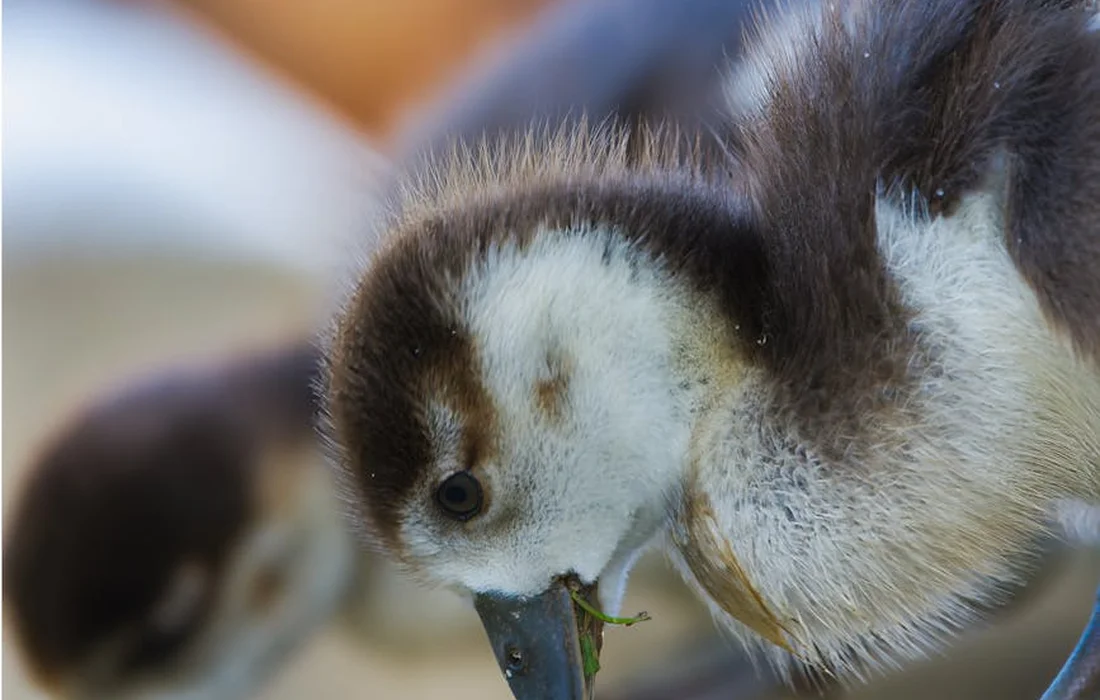
Sorting through the pantry and garden for duck and goose treats can feel mighty confusin’. I’ve spent many an afternoon watchin’ what my flock gravitates toward and what leaves them lookin’ peaked. Your best tool is a keen eye and the knowledge that not all “people food” is created equal in the barnyard.
Green Light Foods: Corn, Peas, and Leafy Greens
These are the backbone of a good treat regimen, and I rely on ’em heavily. They’re affordable, nutritious, and my birds flat-out love ’em. You can feed these with a confident heart.
Cracked corn is my go-to winter warmer, a pure carbohydrate boost that helps my birds generate heat when the pond ices over. I reckon a handful per bird, scattered in the straw, makes for a fine afternoon snack. Don’t make it their main meal, though-it’s low in protein.
Frozen peas are a summer favorite. I just thaw ’em in a bucket of well water. They’re a nice source of plant protein, around 5-6%, and the birds enjoy huntin’ for ’em. Peas are a thrifty way to add variety and encourage natural foraging behavior in your fowl.
Now, for leafy greens like lettuce, kale, and Swiss chard-these are vitamin powerhouses. I grow a dedicated patch of kale just for the poultry. You’ll want to:
- Chop larger leaves to prevent messy trailing.
- Rinse well to remove any garden pests or residue.
- Secure ’em in a hanging basket to keep ’em clean and make the birds work a little.
A flake of leafy greens per day per bird adds crucial nutrients and keeps your flock entertained for hours. I avoid spinach due to the oxalic acid, which can interfere with calcium over time. Chickens eat greens, and safety matters. For safe leafy greens for chickens, kale, collards, and lettuce are solid choices; spinach should be limited due to oxalic acid.
Proceed with Caution: Grapes, Birdseed, and Human Snacks
This category requires a mindful hand. These items won’t harm your birds in tiny amounts, but overindulgence leads to trouble. I’ve learned this through trial and a few errors.
Grapes are a classic example. Ducks will swallow ’em whole, and that’s a choking risk. I always slice grapes and cherry tomatoes into quarters, which makes for a safe, juicy treat. A couple of pieces per bird, once a week, is plenty.
Birdseed from the feeder seems natural, but it’s often high in fat and millet. It’s like candy for them. If they clean up what the songbirds drop, that’s fine. I’d never pour a cupful into their run. Think of birdseed as a rare condiment, not a side dish, to prevent unhealthy weight gain.
Human snacks like bread, crackers, or chips are where most folks go wrong. I’ve pulled too many discarded burger buns from the duck yard. Here’s my rule:
- Bread is a filler with no real nutrition. It swells in their crop and can cause sour crop. If you must, use whole-grain crumbs sparingly.
- Salty chips or pretzels can disrupt their mineral balance. A single plain cracker crumbled between a whole flock is the absolute limit.
- Sweet cereals or cookies offer zero benefit and attract pests. We don’t feed our children junk all day, and our livestock deserves the same respect.
When in doubt, ask yourself if the food is fresh, whole, and minimally processed-that’s your north star for cautious feeding. My geese got into some old popcorn once, and let’s just say the cleanup was a lesson I won’t forget.
Thrifty and Wise: Sourcing and Preparing Waterfowl Food
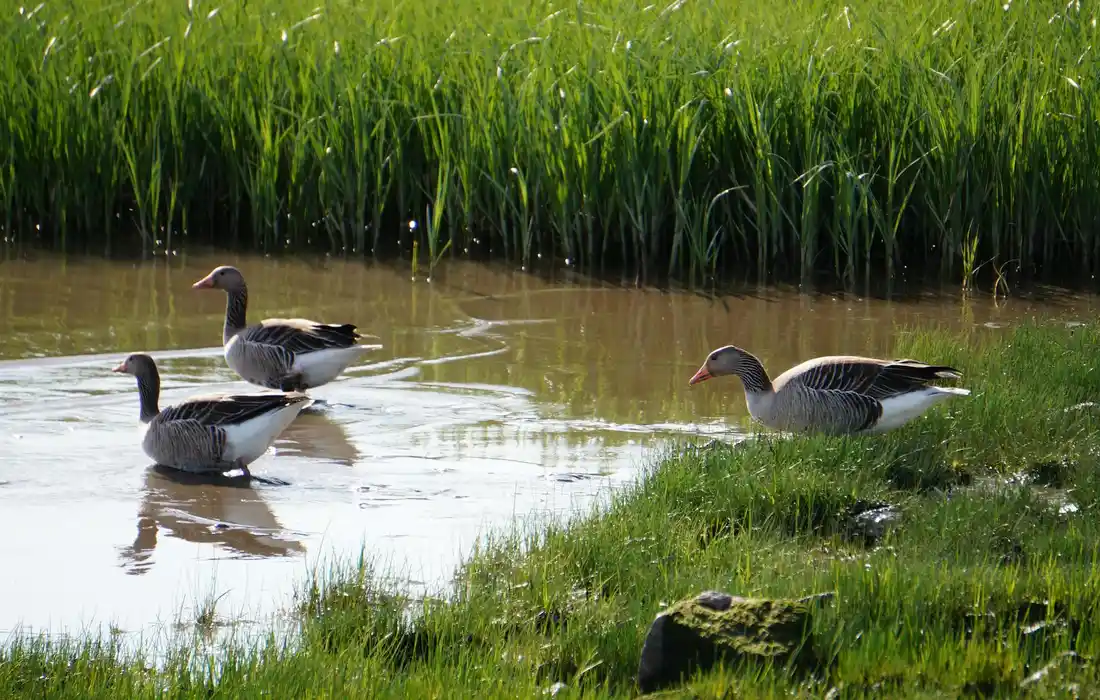
Let’s have a frank chat about feed bills. I reckon they can make any homesteader’s wallet feel a touch light. The good news is, with a little planning and some old-fashioned resourcefulness, you can stretch that bag of commercial feed and provide your flock with a wonderful variety of wholesome snacks. Thinking beyond the feed bag isn’t just about saving pennies; it’s about engaging with the natural cycle of your homestead and giving your birds a more interesting, nutritious life.
Growing Your Own Flock-Friendly Garden
There is a profound satisfaction in watching your birds feast on something you planted yourself. I’ve always reserved a corner of the garden just for the ducks and geese-I call it their salad bar. It cuts down on weeding and gives them fresh greens daily. Starting a dedicated patch for your waterfowl is one of the most sustainable and cost-effective steps you can take for their diet.
Focus on hardy, fast-growing plants that can handle a bit of enthusiastic foraging. You don’t need a green thumb for these.
- Leafy Greens: Swiss chard, kale, and lettuce varieties are fantastic. I find kale lasts the longest, even after a frost.
- Herbs: Mint and parsley grow like weeds and are packed with vitamins. The geese seem particularly fond of mint.
- Root Tops: Don’t toss those carrot tops or beet greens! Plant a row of each and harvest the tops continuously.
- Vines: A couple of pumpkin or zucchini plants will provide massive leaves for shade and snacks, and the birds will devour the leftover fruits at season’s end.
Here’s a little secret I learned from my granddad: plant in succession. Sow a few new seeds every couple of weeks so you have a steady supply. A simple raised bed or a fenced-off garden corner protects young plants until they’re established enough for the birds to browse. Let them in to graze directly, or cut and carry the greens to their run. It’s a beautiful cycle-their manure goes back to nourish the soil for next year’s planting.
| Plant | What Part to Feed | Special Note |
|---|---|---|
| Kale | Leaves | Extremely cold-hardy; a winter staple. |
| Pumpkin/Zucchini | Leaves, flesh, seeds | Seeds act as a natural dewormer. |
| Swiss Chard | Leaves & stems | Regrows quickly after cutting. |
| Peas | Vines, leaves, pods | Great source of plant protein. |
Kitchen Scrap Savvy: What’s Safe and What to Skip
Your kitchen is a treasure trove of potential treats, but you must be a cautious curator. I keep a dedicated “bird bucket” under the sink. Not everything that goes in there is for the ducks and geese, mind you, as my chickens get their share too. The golden rule with scraps is to view them as a supplement or treat, never the main course, and to prepare them with safety in mind. A handful per bird is plenty, but it’s crucial to know what scraps are safe for chickens.
First, the safe list. These are the items my flock hears rattling in the bucket and comes running for.
- Vegetable Trimmings: Cucumber ends, zucchini slices, bell pepper cores, and cooked sweet potato are huge hits.
- Grain & Legume Leftovers: Cooked rice, oatmeal, quinoa, or plain pasta (cooled, of course). A bit of soaked, unsalted canned beans is fine.
- Select Fruits: Chopped grapes (halved for smaller ducks), melon rinds, berries, and apple pieces (seeds removed).
- Eggshells: Rinse, bake dry, and crush finely. This is a superb calcium boost for laying ducks.
Now, the critical “must-skip” list. Some common foods are downright dangerous to waterfowl, and it’s our duty to know the difference.
- Allium Family: Never, ever feed onions, garlic, leeks, or chives. They can cause severe anemia in birds.
- Avocado: The pit and skin contain persin, a toxin fatal to many birds.
- Citrus: It can interfere with calcium absorption and is generally too acidic for their taste.
- Processed Foods: Say no to anything salty, sugary, or fried. No bread, chips, or crackers. These offer no nutrition and can lead to angel wing and other health issues.
- Dried/Uncooked Beans: They contain hemagglutinin, which is poisonous. Always cook beans thoroughly if you share them.
My final piece of advice here is about preparation. Chop everything into manageable pieces to prevent choking. Always serve scraps fresh and remove any uneaten portions from the run within an hour to avoid attracting pests or letting food spoil. A clean scrap routine keeps your flock healthy and your barnyard tidy.
Closing Questions
What can ducks and geese eat?
Ducks and geese should primarily eat a complete waterfowl pellet or crumble, which provides essential nutrients. Safe supplements include leafy greens, grains like oats and corn, and occasional fruits or protein sources such as insects and chopped hard-boiled eggs. For a fuller explanation of duck diets, see our complete guide to duck diets.
What should ducks and geese avoid eating?
They must avoid allium vegetables like onions and garlic, chocolate, avocado, and any moldy or spoiled foods. Also, steer clear of processed human snacks, salty items, and dry, uncooked beans, as these can be toxic or cause digestive harm.
What are safe vegetables for ducks and geese?
Safe vegetables include romaine lettuce, kale, Swiss chard, chopped carrots, peas, and corn. Always serve these raw or lightly steamed without any seasonings, and chop larger pieces to prevent choking.
What are safe fruits for ducks and geese?
Safe fruits include berries, melon chunks, apple slices with seeds removed, and halved grapes. Offer these in moderation due to their sugar content, and always remove pits from stone fruits to avoid cyanide exposure.
Can ducks and geese eat bread?
No, bread is not recommended for ducks and geese. It lacks nutrition, can swell in their crop causing digestive issues, and contributes to health problems like angel wing in growing birds. Choose healthier treats like grains or vegetables instead.
Do ducks and geese need grit for digestion?
Yes, grit is essential for proper digestion. Ducks and geese swallow food whole and rely on insoluble grit, such as coarse sand or granite chips, in their gizzard to grind it. Provide constant access to appropriate-sized grit for optimal health.
Shutting the Gate
A thoughtful menu for your flock does more than just fill their bellies; it fuels their health, their shiny feathers, and the rich, golden yolks in your breakfast eggs. The single best piece of advice I can give you is to treat every treat as a supplement, not a staple, and always, always pair it with clean water for dipping and drinking. Variety is your best tool for thrifty, vibrant birds, but moderation is the wisdom that keeps them safe.
I reckon y’all have got this. There’s a deep satisfaction that comes from watching your waddling crew happily work a patch of pasture you’ve just moved them onto. It’s in those quiet evening moments, with the sun setting behind the pond, that all this planning feels worth it. Thank you for caring enough to learn. Now go enjoy your fine-feathered friends.
Further Reading & Sources
- What can I healthfully feed local ducks and geese? – Quora
- What to Feed Ducks and Geese Instead of Harmful Bread
- Duck and Goose from Farm to Table | Food Safety and Inspection Service
Caroline Mae Turner is a lifelong farm girl raised on red clay, early mornings, and the sounds of a bustling barnyard. With hands-on experience caring for everything from stubborn goats to gentle dairy cows and mischievous pigs, Caroline shares practical, tried-and-true advice straight from the farm. Her goal is to help folks keep their animals healthy, well-fed, and living their best barnyard life. Whether you're wrangling chickens or bottle-feeding a baby goat, Caroline brings a warm Southern touch and plenty of real-world know-how to every bucket in the barn.
Diet Requirements