Can Chickens Eat Onions? The Safe, Savvy Homesteader’s Guide
Published on: February 8, 2026 | Last Updated: February 8, 2026
Written By: Caroline Mae Turner
Howdy, neighbor. You’re standing there with a kitchen scrap bucket, eyeing those onion peels and wondering if they’re a treat or trouble for your flock. You should not intentionally feed onions to your chickens, as they can cause a dangerous form of anemia, and it’s best to keep both onions and green onions out of their run. I’ve faced this very quandary over many a kitchen scrap bucket, and it pays to be cautious.
What you’ll need:
- A keen eye for spotting onion bits in compost or scraps
- A secure trash can with a lid for onion waste
- A minute to scan this guide and set your mind at ease
Let’s get this sorted right quick, so you can get back to the rest of your chores with confidence.
The Short Answer: Why Onions Are a No-Go for the Flock
Let me give it to you straight, y’all: keep onions away from your chickens. Every part of the onion plant, from the bulb to the green shoots, holds a risk for your flock that just ain’t worth taking. I made the mistake once, tossing some leftover cooked onions into the run, and spent a worried week nursing a lethargic pully back to health.
Understanding Allium Toxicity in Poultry
Onions, garlic, and leeks all belong to the Allium family. They contain natural compounds called thiosulphates. Chickens and other poultry lack the digestive enzyme to break these down, which leads to a condition called hemolytic anemia. Essentially, it damages their red blood cells, causing them to burst. It doesn’t take a whole onion; even small, repeated exposures from kitchen scraps can accumulate. I reckon it’s like a slow leak in a tire-eventually, it leaves them running on empty. Same goes for leeks, or any similar Allium veggies.
Spotting Trouble: Symptoms of Onion Poisoning in Chickens
If you think your birds have pecked at something they shouldn’t, you need to act as their guardian. Knowing these signs can mean the difference between a quick recovery and a tragic loss. Watch your flock close and look for these symptoms, often appearing in this order.
- Watch for Lethargy and Weakness
A chicken that’s suddenly too tired to scratch or perches all day is sending a major distress signal. You’ll see a lack of spark, where they just stand still or sit hunched, weak in the knees.
- The Tell-Tale Pale Comb and Wattles
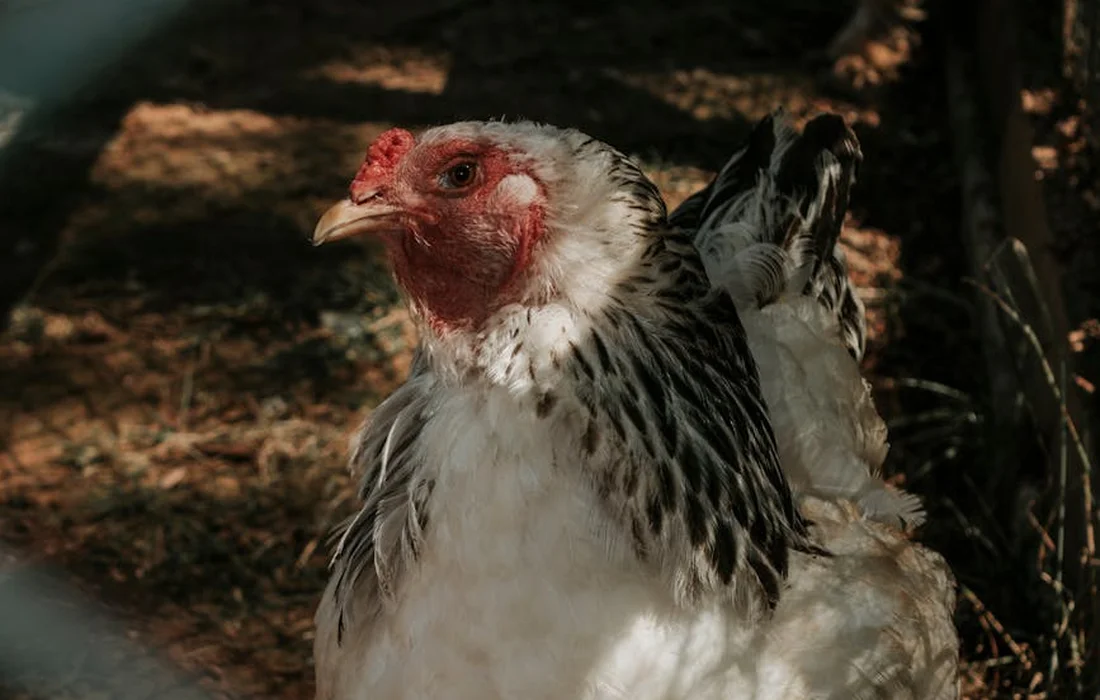
That vibrant red comb fading to a dull pink or white is one of the most reliable visual clues you’ll get. It shows their blood can’t carry oxygen properly. I check combs every morning during feed time-it’s a five-second health check.
- Changes in Appetite and Droppings
A sudden pickiness at the feeder coupled with loose, oddly colored droppings tells you her system is in crisis. The waste might turn greenish or have undigested feed, a sure sign her gut is off.
- Labored Breathing in Advanced Cases
If you notice a bird panting or gasping when it’s not hot, the situation has become serious. This means anemia has set in deep, and her body is starving for air. Don’t wait; this needs attention right now.
Raw, Cooked, or Powdered: Does Preparation Matter?
You bet your boots it does. How you serve an onion changes the game entirely for your flock. I’ve learned this through trial and a few errors in my own coop, watching how the girls react to different forms.
The Truth About Raw Onions and Cooked Onions
Raw onions are the most potent. Their sharp, sulfuric compounds are strong and intact, which is why your chickens will often peck at a raw onion ring and then walk away, wiser than we give them credit for. A chicken’s instinct is a powerful guide, and their general disinterest in raw onion is a warning we should heed.
Cooking an onion breaks down some of those harsh compounds and mellows the flavor. While this reduces the immediate punch, it does not eliminate the substance that causes hemolytic anemia. I might stir a few finely minced, cooked onion pieces into a large batch of scratch grains for my flock on rare occasion, but it’s a scant sprinkle, not a helping.
Think of it like a strong spice. If you do offer cooked onion, it must be a microscopic part of a much larger, balanced meal, and never a regular feature. The risk simply isn’t worth the negligible nutritional benefit when so many other safe treats exist.
The Hidden Danger of Onion Powder and Scraps
This is where most well-meaning folks get tripped up. Onion powder and dehydrated onion are concentrated danger. When you remove the water, you pack all that toxicity into a tiny, potent volume. It’s the difference between a whiff of pepper and a spoonful of it.
Onion powder is a stealth ingredient in many processed foods, which makes kitchen scraps a major hazard zone. That leftover soup, gravy, chip dip, or seasoned rice often contains it. My rule is ironclad: if a scrap is seasoned, salted, or processed, it doesn’t go to the chickens (especially those snacks or condiments meant for humans).
- Stuffing or dressing mixes
- Broths, stocks, and bouillon
- Meatloaf or burger seasonings
- Salad dressings and marinades
- Flavored potato chips or crackers
I once had a neighbor lose a good layer after sharing the juices from a roasted pot roast, not realizing the seasoning packet was full of onion powder. Scraps should be plain, fresh, and identifiable-if you don’t know every ingredient, it’s not chicken food. Stick to plain grains, vegetable peels (from safe veggies), and bits of unseasoned meat or eggs to keep your flock thriving without silent threats.
Green Onions, Scallions, and Other Alliums: Where’s the Line?
Well now, this is where things get finer than frog hair split four ways. Y’all have your bulbing onions in the pantry, and then you’ve got those fresh, green shoots from the garden or market. They’re all kin, but they ain’t all created equal in the chicken yard.
I’ve spent many a spring watching my hens follow me down the garden rows, and they’ll give a curious peek at anything green. For your flock, the safest part of any allium plant is almost always the green leafy growth, not the bulb.
Breaking Down the Allium Family
Let’s set the table so we’re all talking about the same vegetables. In my kitchen, I use these names, but I know folks call them different things.
- Green Onions & Scallions: These are generally the same thing-young onion plants harvested before a large bulb forms. You eat the long green stalk and the small white shaft.
- Spring Onions: Just a tad older than scallions, with a more pronounced, but still small, bulb.
- Chives: Those delicate, hollow grass-like herbs. They’re the most mild mannered of the bunch.
- Leeks & Garlic: The bigger cousins. Leeks have a thick, bundled stem, and garlic, well, we all know that pungent bulb.
The trouble-maker in all of them is a substance that can damage a chicken’s red blood cells. The concentration of this compound is highest in the bulbs and gets weaker as you move up the green leaves. I reckon it’s like the difference between a shot of whiskey and a weak tea.
A Practical Guide for the Homesteader
Based on what I’ve seen over forty years of keeping birds, here’s my rule of thumb. It’s saved me heartache and kept my hens in fine feather.
| Allium Type | Part of Plant | My Barnyard Verdict | How I Handle It |
|---|---|---|---|
| Green Onions / Scallions | Green Tops (leafy part) | Occasional Treat | Chop fine, scatter for forage. Once a week at most. |
| Green Onions / Scallions | White Bulb & Roots | Avoid | Goes to the compost pile, not the run. |
| Chives | Whole Leaves | Safe in Tiny Amounts | A few snipped pieces mixed with other herbs. They hardly notice it. |
| Leeks | Green Upper Leaves | Rare Treat, Chopped | The tough tops I boil for stock first, then let the birds pick at the softened bits. |
| Garlic | Cloves (raw) | Do Not Feed | I use aged garlic in drinking water for health *support*, but that’s a measured supplement, not a scrap. |
I had a Rhode Island Red named Henrietta who was a notorious scavenger. She got into a patch of volunteer green onions one damp April. She ate the greens for a few days with no ill effect, but the moment she started digging for the tiny bulbs, I shut that operation down right quick. Thriftiness means using scraps, but stewardship means knowing when to say no.
How to Offer Greens Safely
If you decide to share a bit of these greens, do it the smart way. This method has never failed me.
- Wash Them Thoroughly: You don’t know what sprays or dirt might be on store-bought tops.
- Chop or Mince: Cut the leaves into small pieces. This prevents a greedy hen from swallowing too much at once and helps it mix with their regular feed.
- Scatter, Don’t Pile: Toss the pieces broadly in their run. This encourages natural foraging behavior and stops one bird from monopolizing the treat.
- Observe: Watch your flock after introducing any new food. Lethargy or pale combs are your sign to stop.
The line is drawn with knowledge and a watchful eye, not with fear. Your kitchen scraps can be a bounty, but you are the keeper who decides what crosses the coop threshold.
Building a Safe and Thriving Poultry Diet

Now, since we’ve covered what to avoid, let’s fill that feed bucket with the good stuff. A thriving flock needs more than just bagged feed. I reckon a varied diet is the secret to vibrant yolks and hens that bustle with health, and it’s a practice as old as farming itself. That means balancing grains, greens, and occasional treats to feed your backyard flock well. Up next, the chicken diet basics that make this easy to implement.
Think of treats as nutritional supplements and boredom busters. My girls come running when they see me with the scrap bowl, and I’ve learned what keeps them in top form. You can’t go wrong with these barnyard-approved categories that I use every week.
- Leafy Greens: Kale, Swiss Chard, Lettuce Hearts
- Garden Veggies: Chopped Zucchini, Cucumber, Cooked Pumpkin
- Fruit Favorites: Watermelon, Berries, Apple Cores (no seeds)
- Protein Boosts: Scrambled Eggs, Mealworms, Sprouted Grains
Leafy greens are a powerhouse. I string up whole kale plants in the coop for them to peck at, which provides entertainment and vital nutrients. Swiss chard offers a double gift-the leaves for them and the stems for my stew pot.
From the garden, chopped zucchini slices are a hydrating summer treat. Cooked pumpkin is a fall staple on my farm; it supports digestion and the seeds, when roasted, are a snack for me. This kind of thrifty use is the heart of good stewardship.
Fruits are given sparingly due to sugar content, but watermelon on a hot day is a sight to behold. Always remove apple seeds, as y’all know. For protein, nothing beats offering your hens scrambled eggs-it’s efficient recycling that boosts their own egg production. A handful of mealworms or home-sprouted grains completes a balanced treat menu.
Managing Your Kitchen Scrap Bucket Safely
Using kitchen scraps is a wonderful way to reduce waste and feed your flock, but it requires a system. One mixed-up onion peel or moldy bread heel can undo your good intentions mighty quick. Chickens will peck almost anything, but spoiled leftovers can hide pathogens and toxins. Rotten meat scraps are especially risky and can sicken birds. I learned this lesson early on when a well-meaning visitor tossed some questionable ends into the wrong pail.
- Designate a separate container for chicken-safe scraps only.
- Keep it away from your main compost or trash to avoid mixing.
- Train everyone in the household on the “no onion, no avocado, no spoiled food” rule.
- When in doubt, leave it out.
I use a dedicated galvanized bucket with a tight lid next to my kitchen counter. This physical separation is the simplest and most effective barrier against mistakes. Make the rules clear for every family member; it turns scrap sorting into a shared responsibility for the animals’ well-being.
If a food item isn’t on your known-safe list, it doesn’t go in the bucket. That moment of hesitation is your best tool for keeping your flock safe and sound. I empty the bucket daily to the hens, ensuring scraps are fresh and never left to spoil. This method keeps my birds healthy and my mind at ease.
Closing Tips for the Cautious Keeper
Can chickens eat onions?
No, chickens should not eat onions. All parts of the onion plant contain compounds that can cause hemolytic anemia in poultry, damaging their red blood cells. Onions are just one of the many vegetables that chickens should avoid.
Can chickens eat onions raw or cooked?
Neither raw nor cooked onions are safe. Cooking may mellow the flavor but does not eliminate the toxic compounds, making both forms a significant risk to flock health.
Can chickens eat onions and garlic together?
You should avoid feeding both. While tiny, measured amounts of aged garlic in water are sometimes used for health support, onions lack any such benefit and pose a consistent poisoning threat.
Can chickens eat onions in the winter?
The season does not change the risk. Onions are equally dangerous in winter, and there is no nutritional reason to offer them when so many other safe, warming treats like cooked squash or oats are available.
Can chickens eat onions and tomatoes?
This is a dangerous combination. While ripe tomato fruit is safe, the leaves and stems are toxic, and adding onions only compounds the hazard. Always feed these foods separately and correctly.
Do chickens eat onions if offered?
Chickens might peck at them out of curiosity, but their instinct often leads them to reject strong, raw onions. However, cooked or hidden in scraps, they may consume them, so it’s our job to prevent access entirely. Being cautious about what you feed them is crucial in ensuring their diet consists of appropriate and safe foods, like those mentioned in this guide to safe kitchen scraps for chickens.
Shutting the Gate
When it comes to sharing your kitchen scraps, a little wisdom goes a long way in the coop. The simplest rule to live by is this: if a food makes you cry, think twice before tossing it to your flock. For the health of your flock, treat onions, garlic, and their kin as rare, intentional additions, not regular feed-and always observe your birds for changes when you introduce anything new. Your vigilance is the best ingredient in their diet, especially when feeding kitchen scraps or any human food.
I’m mighty thankful y’all stopped by to ponder this with me. Raising these critters is a journey we share, one filled with small learnings and big rewards. Now go enjoy that evening feed check, listen to the soft clucking, and take pride in the good life you’re building for them and for yourself. Happy homesteading, neighbor.
Further Reading & Sources
- Don’t Feed These Foods to Your Chickens!
- Will onions, tomatoes, or citrus stop chickens from laying …
- Four Kitchen Scraps Not to Feed Your Chickens – Cackle Hatchery
Caroline Mae Turner is a lifelong farm girl raised on red clay, early mornings, and the sounds of a bustling barnyard. With hands-on experience caring for everything from stubborn goats to gentle dairy cows and mischievous pigs, Caroline shares practical, tried-and-true advice straight from the farm. Her goal is to help folks keep their animals healthy, well-fed, and living their best barnyard life. Whether you're wrangling chickens or bottle-feeding a baby goat, Caroline brings a warm Southern touch and plenty of real-world know-how to every bucket in the barn.
Feed Recommendations